

Řecko-římské muzeum: Prohlídky, Vstupenky a Průvodce pro návštěvníky
O Řecko-římském muzeu
Oslnivý návrat: Řecko-římské muzeum v Alexandrii znovu otevírá
Po letech očekávání a pečlivé obnovy se vážené Řecko-římské muzeum v Alexandrii triumfálně znovu otevřelo, nabízející návštěvníkům bezkonkurenční cestu do srdce helenistického a římského Egypta. Více než jen sbírka artefaktů, muzeum stojí jako nádherná pocta hlubokému kulturnímu dědictví Alexandrie, živému vyprávění, které je tkané od vzniku města Alexandrem Velikým až po transformační římskou éru.
Když vstoupíte dovnitř, nepozorujete pouze historii; jste přeneseni do zlatého věku, kde se pronikavý intelekt řecké myšlenky elegantně spojil s hluboce zakořeněnou spiritualitou starověkého Egypta, vše vzkvétající pod rozsáhlou nadvládou Říma. Tato nově oživená instituce slibuje pohlcující zážitek, odhalující vrstvy identity, které formovaly jedno z nejvýznamnějších metropolí starověkého světa.
Co dělá Řecko-římské muzeum výjimečným?
Řecko-římské muzeum se odlišuje svou pozoruhodně rozmanitou a výjimečně zachovalou sbírkou, která pečlivě chronologicky zachycuje jedinečné kulturní vyprávění Alexandrie. Jeho promyšleně kurátorované výstavy pokrývají více galerií, z nichž každá poskytuje jedinečný a intimní pohled na starověký život.
Co ho skutečně odlišuje, je hmatatelný pocit kontinuálního kulturního dialogu—jak byly řecké umělecké cítění a filozofické myšlenky přijaty, přizpůsobeny a propleteny s egyptskými tradicemi pod římskou nadvládou. Tato fúze není jen tématem; je viditelná téměř v každém artefaktu, vytvářející návštěvnický zážitek, který je jak vzdělávací, tak hluboce dojemný. Je to místo, kde se ozvěny starověkých Alexandriánů—jejich každodenní životy, jejich víry, jejich umělecké mistrovství—živě oživují.
Odkaz znovuzrozen: Cesta Řecko-římského muzea
Počátky Řecko-římského muzea sahají do roku 1892, kdy bylo založeno khedívem Abassem Helmy II., což z něj činí jedno z nejstarších a historicky nejvýznamnějších muzeí v Egyptě. Jeho původním účelem bylo uchovávat rychle rostoucí sbírku artefaktů, které byly odkryty během vykopávek na konci 19. století v Alexandrii a jejím okolí, městě, jehož starobylá minulost byla dramaticky znovuobjevována.
Muzeum se rychle stalo klíčovým depozitářem archeologických objevů, odrážející jedinečnou roli Alexandrie jako centra helenistického učení a kultury. Ačkoli byla jeho původní budova skromná, neustálý příliv nálezů si v průběhu desetiletí vyžádal rozšíření. Současná budova, otevřená v roce 1895, je nádherná neoklasická stavba navržená italským architektem Giuseppem Bottim, která sama o sobě svědčí o architektonické velkoleposti této doby a kosmopolitním duchu města.
Co vidět: Poklady starověku
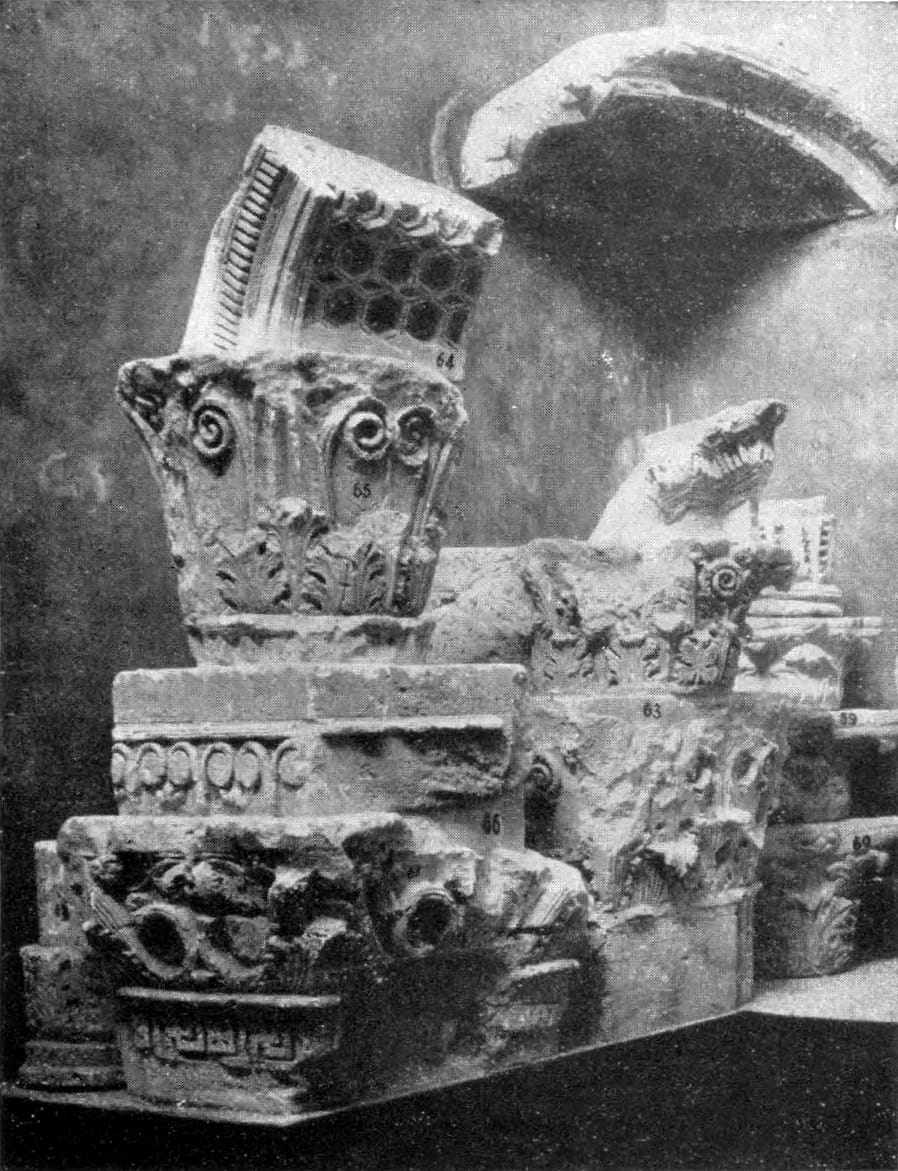
- Sochařská mistrovská díla: Připravte se být okouzleni dechberoucími mramorovými sochami božstev, bohyní a císařů. Mnohé z těchto kusů nádherně ukazují jedinečnou fúzi klasického umění s egyptskou ikonografií, jako jsou sochy zpodobňující Serapise (řecko-egyptského boha), které spojují řecké ideály s faraonskou symbolikou.
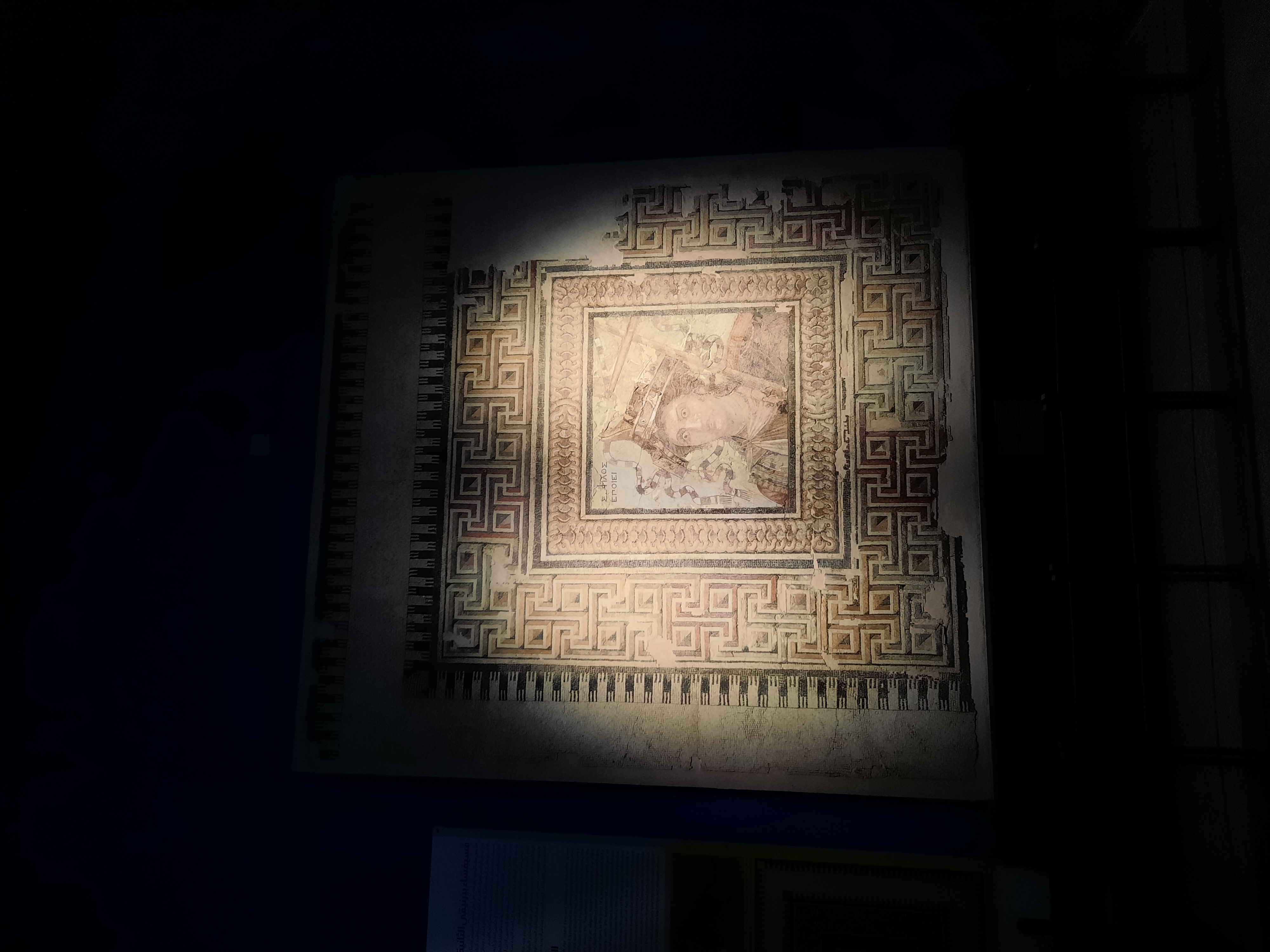
- Intrikátní mozaiky: Obdivujte složité mozaiky, které kdysi zdobily podlahy a stěny alexandrijských vil. Tyto ohromující umělecké díla zobrazují mytologické scény, každodenní rutiny a složité geometrické vzory s ohromujícími detaily a živými barvami, nabízející pohled do estetických vkusu bohaté elity.
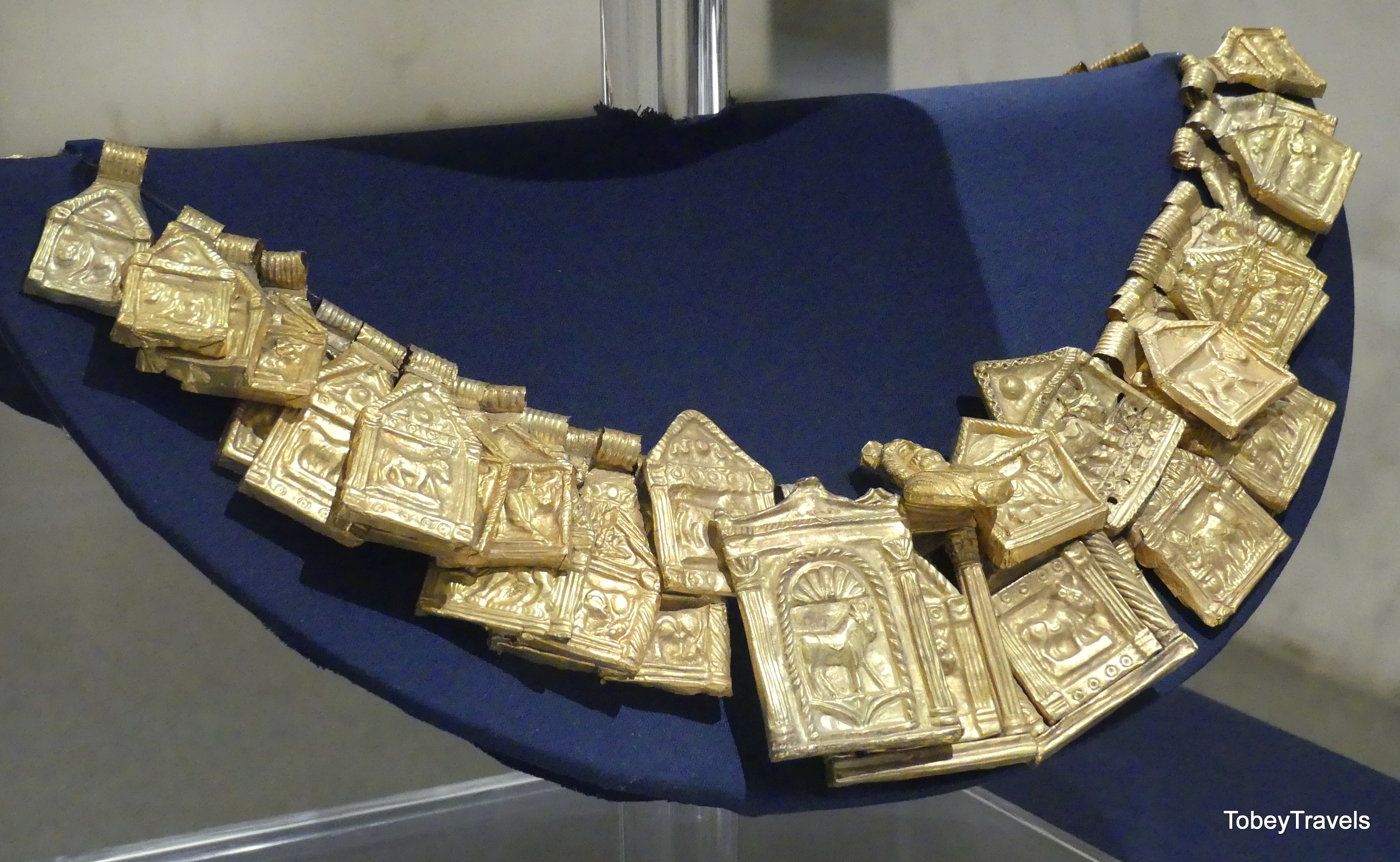
- Artefakty každodenního života: Kromě velkolepé sochařiny a rozsáhlých mozaik muzejní sbírka obsahuje mimořádný výběr artefaktů, které osvěcují každodenní existenci starověkých obyvatel Alexandrie. Objevte keramiku, sklo a šperky, které vyprávějí příběhy o domácnosti, obchodu a osobním zdobení.
- Funerární stély a náboženské objekty: Prozkoumejte bohatou sbírku funerárních stél, sarkofágů a náboženských artefaktů, které poskytují intimní pohledy na víry obklopující smrt a posmrtný život, zdůrazňující synkretickou povahu náboženských praktik v řecko-římském Egyptě.
- Mince a papyrus: Ponořte se do výstav zaměřených na starověké mince, které nabízejí pohledy na ekonomický život a císařskou moc, spolu s vzácnými fragmenty papyru, které uchovávají starověké texty, administrativní záznamy a literární díla.
Jak navštívit: Praktické informace
- Doprava: Greko-římské muzeum se nachází v centru Alexandrie, což z něj činí snadno přístupné místo. Můžete se tam dostat taxíkem, službami sdílené jízdy nebo místní veřejnou dopravou (minibusy nebo tramvaje, i když ty mohou být pro návštěvníky poprvé náročné). Většina hotelů v Alexandrii je v rozumné vzdálenosti.
- Vstupenky: Očekávejte, že si zakoupíte vstupenku na pokladně muzea. Ceny jsou obvykle rozděleny podle kategorií pro egyptské občany, arabské obyvatele a zahraniční návštěvníky. Je doporučeno mít egyptské libry (EGP) na platbu, i když některé větší instituce mohou akceptovat karty. Potvrďte aktuální ceny a případné poplatky za fotografování při příjezdu.
- Čas potřebný: Abychom plně ocenili rozsáhlou sbírku, doporučujeme vyhradit si alespoň 2 až 3 hodiny na vaši návštěvu. Nadšenci do starověké historie a umění mohou strávit ještě více času, zejména vzhledem k hloubce a šíři exponátů.
Nejlepší čas na návštěvu a tipy pro příjemný zážitek
- Nejlepší čas dne: Abyste se vyhnuli větším davům a užili si klidnější zážitek, zvažte návštěvu muzea brzy ráno krátce po otevření nebo v pozdním odpoledni.
- Nejlepší čas roku: Léto v Alexandrii může být velmi horké a vlhké. Nejkomfortnější doby pro návštěvu jsou v chladnějších měsících, od října do dubna, kdy je počasí mírné a příjemné pro prozkoumávání jak muzea, tak města.
- Pohodlná obuv: Budete hodně chodit, takže pohodlné boty jsou nutností.
- Hydratace: Zvlášť během teplejších měsíců noste láhev s vodou.
- Fotografie: Zkontrolujte aktuální politiku muzea ohledně fotografování. Některé části mohou mít omezení, nebo může být účtován další poplatek za fotoaparáty. Vždy respektujte pokyny.
- Průvodcovské prohlídky: Zvažte najmutí oficiálního průvodce muzea nebo připojení se k předem rezervované prohlídce, abyste získali hlubší pohled na sbírky a jejich historický kontext.
- Kombinujte s jinými místy: Muzeum se nachází v blízkosti dalších alexandrijských atrakcí, jako jsou Katakomby Kom El Shoqafa a Pompejský sloup, což usnadňuje naplánovat den plný objevování.
Opětovné otevření Řecko-římského muzea je víc než jen kulturní událost; je to potvrzení trvalého odkazu Alexandrie jako kolébky civilizace. Vyzývá vás, abyste se spojili s minulostí, kde se setkávaly říše, myšlenky vzkvétaly a umění překonávalo hranice, a nabízí skutečně nezapomenutelnou cestu historií.
Historický význam
Odkaz znovuzrozen: Cesta Řecko-římského muzea
Počátky Řecko-římského muzea sahají do roku 1892, kdy bylo založeno Khedive Abbasem Helmy II, což z něj činí jedno z nejstarších muzeí v Egyptě. Jeho původním cílem bylo uchovávat rychle rostoucí sbírku artefaktů, které byly nalezeny během vykopávek na konci 19. století v Alexandrii a jejím okolí, městě, jehož starobylá minulost byla znovuobjevována.
- Založení a raný rozvoj: Muzeum se rychle stalo klíčovým depozitářem archeologických objevů, odrážející jedinečnou roli Alexandrie jako centra helénistického učení a kultury. Jeho původní budova byla skromná, ale neustálý příliv nálezů vyžadoval v průběhu desetiletí rozšíření.
- Architektonický význam: Současná budova, otevřená v roce 1895, je neoklasická stavba navržená italským architektem Giuseppem Bottim, odrážející architektonické styly své doby a poskytující velkolepé prostředí pro její starobylé poklady.
- Moderní renovace a znovuotevření: Po letech uzavření kvůli rozsáhlým renovacím a modernizaci se muzeum oficiálně znovu otevřelo, čímž se proměnilo na světovou instituci. Tento komplexní přestavba měla za cíl nejen zachovat jeho neocenitelnou sbírku, ale také zlepšit zážitek návštěvníků prostřednictvím moderních výstavních technik a vylepšených zařízení.
Řecko-římské muzeum — Často kladené otázky
Vše, co potřebujete vědět před návštěvou Řecko-římského muzea.
1Jaké druhy artefaktů mohu očekávat, že uvidím v Řecko-římském muzeu?
2Je muzeum vhodné pro děti?
3Kolik času bych měl vyhradit na návštěvu muzea?
4Jsou v muzeu k dispozici průvodcované prohlídky?
5Je fotografování povoleno uvnitř muzea?
Nejlepší atrakce v Alexandrie
Egyptské zájezdy podle destinace
Prozkoumat egyptské zájezdy podle kategorie
- 1Egyptské turistické balíčky
- 2Egyptské denní výlety
- 3Námořní plavby po Nilu
- 4Cestování na míru
- 5Svatební cesty balíčky
- 6Rodinné balíčky
- 7Luxusní balíčky
- 8Soukromé balíčky
- 9Balíčky pro malé skupiny
- 10Balíčky s all-inclusive službami
- 11Last-Minute Egypt Tours
- 12Dahabiya plavby
- 13Egyptský průvodce po cestování
- 14Egyptské turistické balíčky z USA
- 15Egypt & Jordan Tour Packages