


In the captivating world of ancient Egypt, the mastery of time and space played a crucial role in the civilization’s remarkable achievements. From the construction of the iconic pyramids to the intricate calendar system, the Egyptians displayed a profound understanding of these fundamental concepts that continue to fascinate us today.
Timekeeping in Ancient Egypt: A Celestial Odyssey
The ancient Egyptians were renowned for their sophisticated astronomical observations, which formed the foundation of their timekeeping methods. They developed a calendar system that was based on the annual flooding of the Nile River, a crucial event that dictated the agricultural cycle. This calendar was divided into three seasons, each consisting of four months, resulting in a total of 12 months per year. Additionally, they recognized the importance of the annual appearance of the star Sirius, which signaled the start of the Nile flood and the new year.
Measuring Space: The Art of Surveying
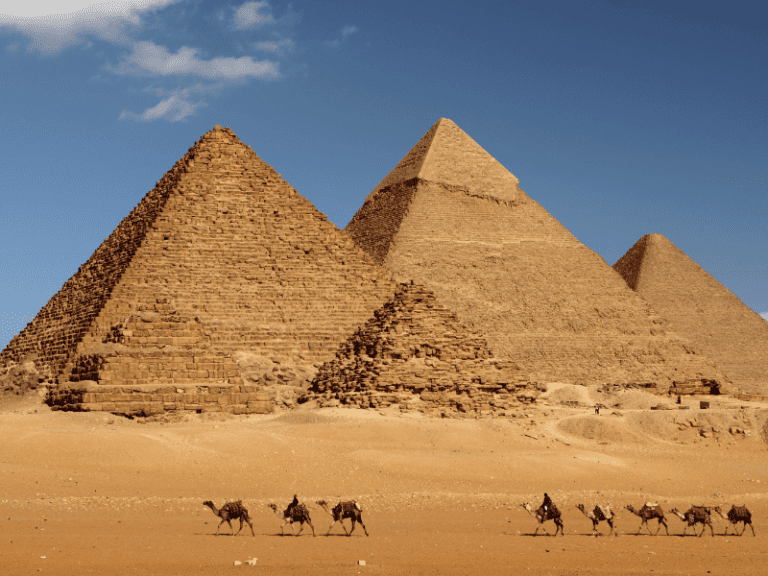
The construction of the pyramids and other monumental structures in ancient Egypt required a remarkable understanding of spatial measurements and surveying techniques. The Egyptians employed a range of tools and methods to accurately measure and map their landscape, including the use of rope, stakes, and the shadowing of the sun. This expertise allowed them to precisely align the pyramids with the cardinal directions, a feat that continues to awe modern-day engineers and architects.
Celestial Alignments: The Precision of Ancient Astronomers
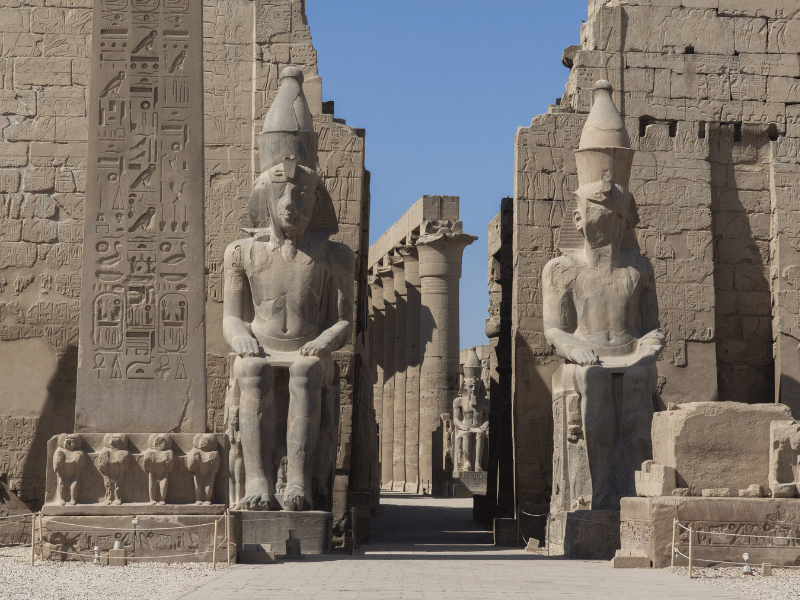
The ancient Egyptians’ understanding of time and space extended beyond the practical applications of timekeeping and surveying. They also demonstrated a deep fascination with the celestial bodies and their movements, incorporating this knowledge into their religious and cultural practices. The alignment of the pyramids and other monuments with the stars and the sun is a testament to the Egyptians’ sophisticated astronomical knowledge and their ability to harness it for their architectural and spiritual purposes.
The Legacy of Egyptian Time and Space
The ancient Egyptians’ mastery of time and space continues to reverberate through the ages, influencing our understanding of human civilization and the evolution of scientific thought. Their innovative calendar system, advanced surveying techniques, and profound celestial observations have inspired and challenged scholars, architects, and scientists alike, reminding us of the profound intellectual and cultural achievements of this remarkable civilization.
In conclusion, the ancient Egyptians’ understanding of time and space was truly remarkable, and it continues to captivate and inspire us today. From their intricate calendars to their precise architectural feats, the Egyptians’ legacy is a testament to the human capacity for innovation, observation, and the pursuit of knowledge.