
Cleopatras Frühling: Touren, Tickets & Besucherführer
Über Cleopatras Frühling
Entdecken Sie Cleopatras Quelle: Ein Oasenjuwel in Siwa
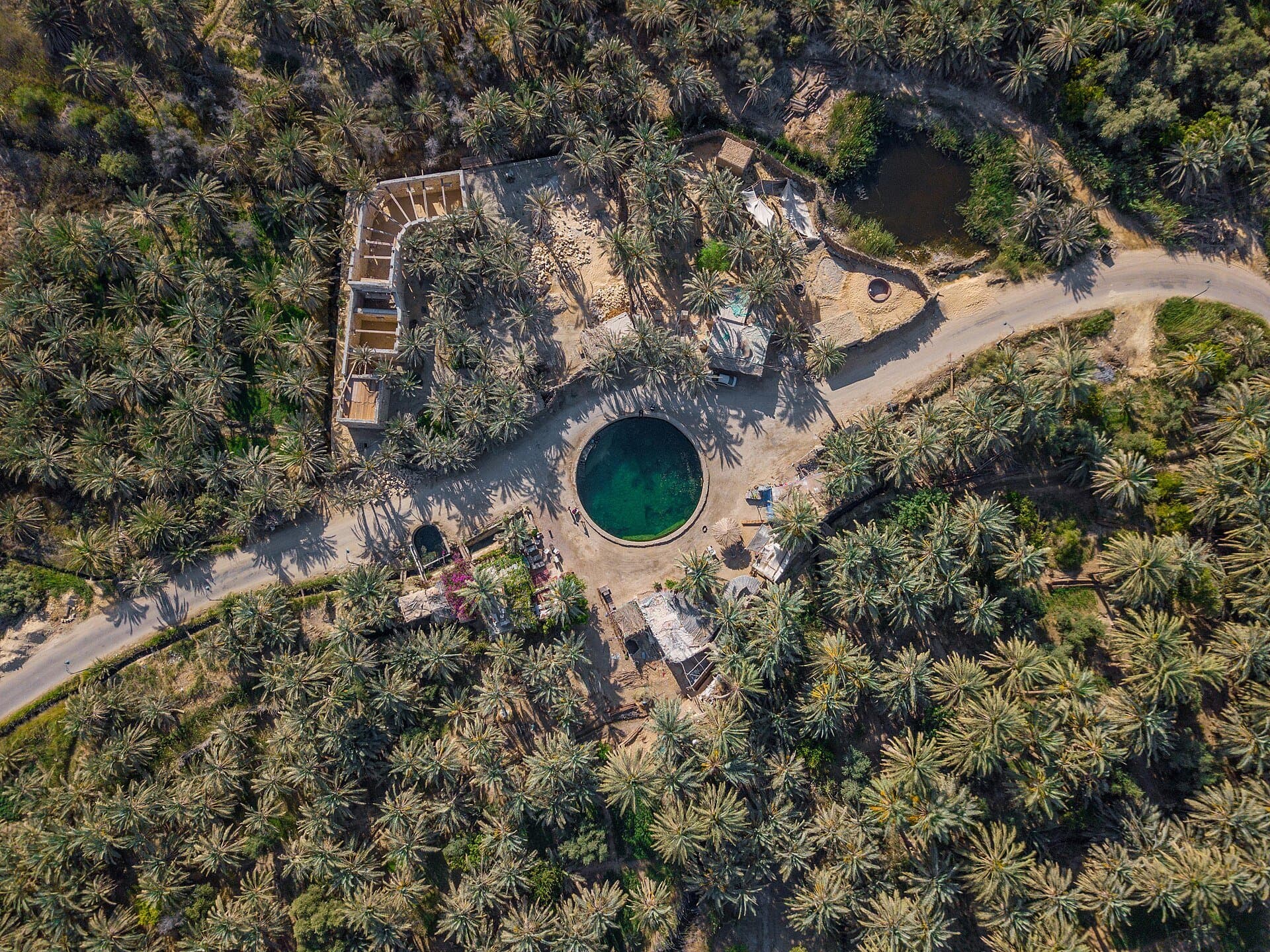
Versteckt zwischen den Dattelpalmenhainen der Siwa-Oase bietet Cleopatras Quelle (auch bekannt als Ain Guba oder Ain Juba) eine erfrischende, geschichtsträchtige Flucht.
Als beliebter Halt von Cleopatra legendär, wird dieser große, klare Pool von unterirdischem Wasser gespeist, das das ganze Jahr über eine angenehme, konstante Temperatur hält.
Seine türkisfarbene Oberfläche ist eine willkommene Abwechslung von der Hitze der Wüste und schafft eine ruhige, fotogene Kulisse für ein langsames Schwimmen oder eine stille Pause.
Was macht Cleopatras Quelle besonders?
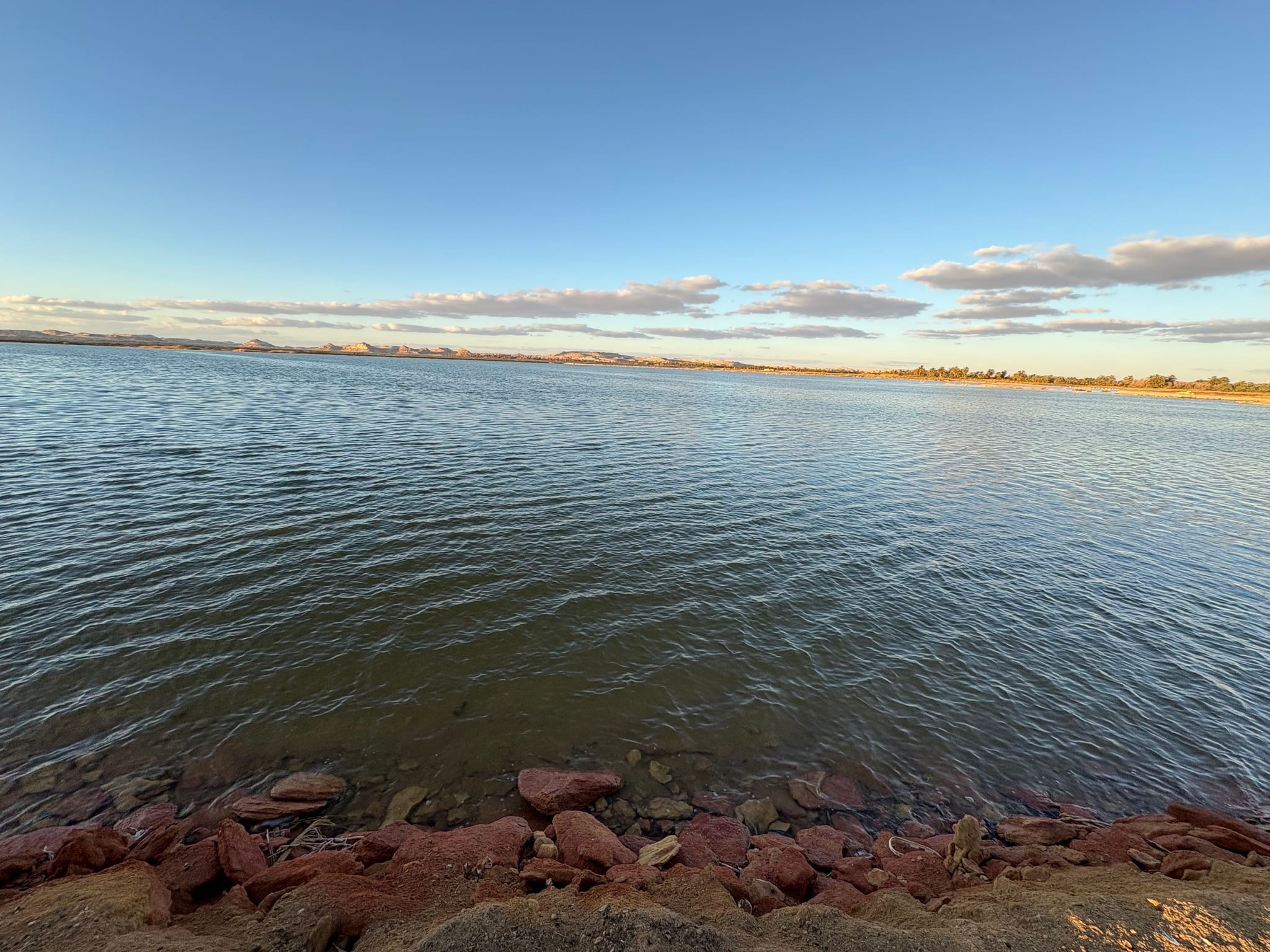
Über die Legende hinaus verkörpert die Quelle das lebensspendende Herz von Siwa. Seit Tausenden von Jahren unterstützt ihr zuverlässiger Fluss Menschen, Felder und das tägliche Leben in dieser abgelegenen Wüste.
Obwohl das Entdeckungsdatum unbekannt ist, deuten Funde rund um Siwa auf menschliche Präsenz seit der Altsteinzeit hin, was zeigt, wie wichtig solche Quellen immer waren.
Die am häufigsten erzählte Geschichte verbindet den Pool mit Königin Cleopatra VII. Lokale Überlieferungen besagen, dass sie Siwa besuchte, um das Orakel von Amun in Aghurmi zu konsultieren und hier schwamm, eine Erzählung, die anhaltende Mystik verleiht.
Die Cleopatra-Verbindung
Stellen Sie sich die letzte Pharaonin Ägyptens vor, die hier pausiert, um während ihrer sagenumwobenen Reise zum Orakel zu baden. Dieses Bild verwandelt einen einfachen Sprung in einen Kontakt mit der Geschichte.
Es gibt keinen definitiven Beweis, dass sie in diesem genauen Pool schwamm, doch die starke mündliche Tradition verleiht dem Ort eine romantische Anziehungskraft, die viele Reisende spüren.
Natürliche Schönheit und Ruhe
Üppige Palmen und lebendige Grünflächen rahmen das Wasser ein, ein auffälliger Kontrast zu den umliegenden Sanden.
Unter der Sonne von Siwa schimmert der Pool, während raschelnde Blätter und das entfernte Vogelgezwitscher eine ruhige, heilende Stimmung erzeugen.
Was zu sehen und zu tun ist
- Schwimmen Sie in den legendären Gewässern: Kühles, klares, mineralreiches Wasser ist nach der Erkundung der Wüste tief erfrischend. Oft führen Stufen in den Pool für einen einfachen Zugang.
- Entspannen Sie sich an der Quelle: Suchen Sie sich einen schattigen Platz und entspannen Sie sich mit einem Buch, einem Picknick oder einfach nur in Ruhe.
- Fotografie: Halten Sie die üppige Umgebung, das lebendige Wasser und die geschichtsträchtige Aura des Ortes fest.
- Beobachten Sie das lokale Leben: Dieser beliebte Treffpunkt bietet einen echten Einblick in die Siwan-Kultur.
Wie man Cleopatras Quelle besucht
So gelangen Sie dorthin
Die Quelle befindet sich in der Siwa-Oase und ist leicht von der Stadt Siwa aus zu erreichen. Häufige Anreisemöglichkeiten sind:
- Fahrrad: Mieten Sie ein Fahrrad und radeln Sie durch die Palmenhaine direkt zum Pool.
- Tuk-tuk: Lokale Tuk-Tuks (Auto-Rikschas) können Sie für einen angemessenen Preis direkt zur Quelle bringen.
- Zu Fuß: Wenn Sie in der Nähe wohnen, genießen Sie einen malerischen Spaziergang entlang schattiger Wege.
Tickets & Benötigte Zeit
Es gibt typischerweise keine Eintrittsgebühr für den Besuch der Cleopatra-Quelle.
Planen Sie etwa 1 bis 2 Stunden für Schwimmen, Entspannen und Fotos ein, ohne sich gehetzt zu fühlen.
Beste Zeit für einen Besuch & Tipps
Beste Zeit für einen Besuch
Der Pool ist das ganze Jahr über angenehm dank seiner konstanten Temperatur. Für den größten Komfort sollten Sie Folgendes in Betracht ziehen:
- Winter (Oktober bis März): Milde Tage eignen sich zum Schwimmen und Erkunden.
- Sommer (April bis September): Das kühle Wasser ist eine ideale Erholung von der intensiven Hitze.
Tipps für Ihren Besuch
- Bringen Sie einen Badeanzug und ein Handtuch mit: Essenziell, um das Beste aus Ihrer Zeit zu machen.
- Sonnenschutz: Packen Sie Sonnencreme, einen Hut und Sonnenbrillen ein.
- Wasser: Bleiben Sie hydriert, besonders wenn Sie am Pool verweilen.
- Respektieren Sie lokale Bräuche: Siwa ist konservativ; kleiden Sie sich bescheiden, wenn Sie nicht schwimmen und sich in der Stadt bewegen.
- Hinterlassen Sie keine Spuren: Entsorgen Sie allen Müll verantwortungsbewusst.
Historische Bedeutung
Ursprüngliche Ursprünge und königliche Legenden
Cleopatras Quelle, auch bekannt als Ain Guba, hat die Siwa-Oase seit Tausenden von Jahren erhalten.
Ihr stetiger frischer Fluss unterstützte das Leben, die Landwirtschaft und die Gemeinschaft in dieser abgelegenen Wüste seit der Antike.
Das genaue Entdeckungsdatum ist unbekannt, aber archäologische Beweise zeigen menschliche Siedlungen in Siwa, die bis in die Altsteinzeit zurückreichen, und unterstreichen den Wert natürlicher Quellen.
Die Cleopatra-Verbindung
Die bekannteste Legende verbindet das Becken mit Königin Cleopatra VII. Die lokale Folklore besagt, dass Ägyptens letzter Pharao Siwa besuchte, um das Orakel von Amun in Aghurmi zu konsultieren und hier schwamm.
Konkrete Beweise fehlen, dennoch hält sich die Geschichte und prägt die romantische, königliche Aura des Ortes. Cleopatra war berühmt für ihre Liebe zu luxuriösen Bädern und natürlicher Schönheit, was die Geschichte im Kontext plausibel macht.
Beständige Bedeutung
Im Laufe der Jahrhunderte blieb die Quelle ein Zentrum der Gemeinschaft. Sie lieferte Trinkwasser, bewässerte Dattelpalmen und Olivenbäume und diente als Versammlungsort.
Heute steht sie als lebendige Verbindung zu Siwas antiker Vergangenheit und ihrem legendären königlichen Besucher und hebt hervor, wie wichtig natürliche Ressourcen für die Oasenkultur und das Überleben sind.
Tours Visiting Cleopatras Frühling
Private, von Ägyptologen geführte Erlebnisse mit Tickets und Transfers, die für Sie organisiert werden.
Begeben Sie sich auf eine exklusive Ganztagesreise durch die bezaubernde Siwa-Oase, ein abgeschiedenes Paradies inmitten der westlichen Wüste Ägyptens. Diese…
Diese 2-tägige private Tour ist ein kompakter Ausflug zur Siwa-Oase, der abgelegenen Wüstenstadt nahe der Grenze Ägyptens zu Libyen, und kombiniert antike…
Begeben Sie sich auf eine unvergessliche private Tagestour durch die legendäre Siwa-Oase, wo alte Geschichte auf atemberaubende Naturschönheit trifft. Diese…

Begeben Sie sich auf ein unvergessliches privates Ganztagesabenteuer durch die mystische Siwa-Oase, ein wahres Juwel der westlichen Wüste. Diese Tour wurde…
Begeben Sie sich auf eine unvergessliche private Tagestour und entdecken Sie die antiken Wunder und die natürliche Schönheit der Siwa-Oase. Ihr fachkundiger…
Diese ganztägige private Tour deckt die wichtigsten Sehenswürdigkeiten der Siwa-Oase an einem einzigen, ungestressten Tag ab und bewegt sich zwischen antiken…
Cleopatras Frühling — Häufig gestellte Fragen
Alles, was Sie wissen müssen, bevor Sie Cleopatras Frühling besuchen.
1Ist Cleopatras Frühling zum Schwimmen geeignet?
2Gibt es einen Eintrittspreis für Cleopatras Quelle?
3Wie ist die Wassertemperatur bei Cleopatras Quelle?
4Wie erhielt der Cleopatra's Spring seinen Namen?
5Welche Einrichtungen sind im Cleopatra's Spring verfügbar?
Top-Attraktionen in Siwa-Oase
Ägypten Touren nach Zielort
Durchsuchen Sie Ägypten-Touren nach Kategorie
- 1Ägypten Reisepakete
- 2Ägypten Tagesausflüge
- 3Nilkreuzfahrten
- 4Maßgeschneiderte Touren
- 5Honeymoon-Pakete
- 6Familienpakete
- 7Luxuspakete
- 8Private Pakete
- 9Kleingruppen-Pakete
- 10All-Inclusive-Pakete
- 11Last-Minute Ägypten Touren
- 12Dahabiya-Kreuzfahrten
- 13Ägypten Reiseführer
- 14Ägypten Reiseangebote aus den USA
- 15Ägypten & Jordanien Reisepakete