
Shali-Festung: Touren, Tickets & Besucherführer
Über die Shali-Festung
Shali-Festung: Eine zeitlose Zitadelle im Herzen der Siwa-Oase
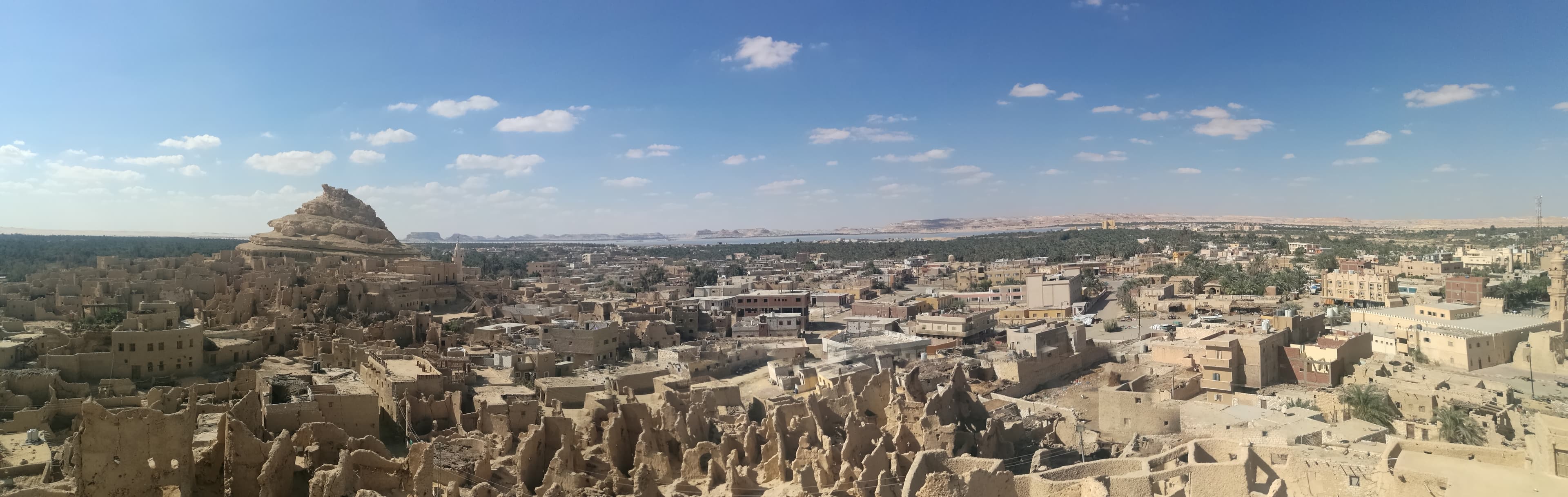
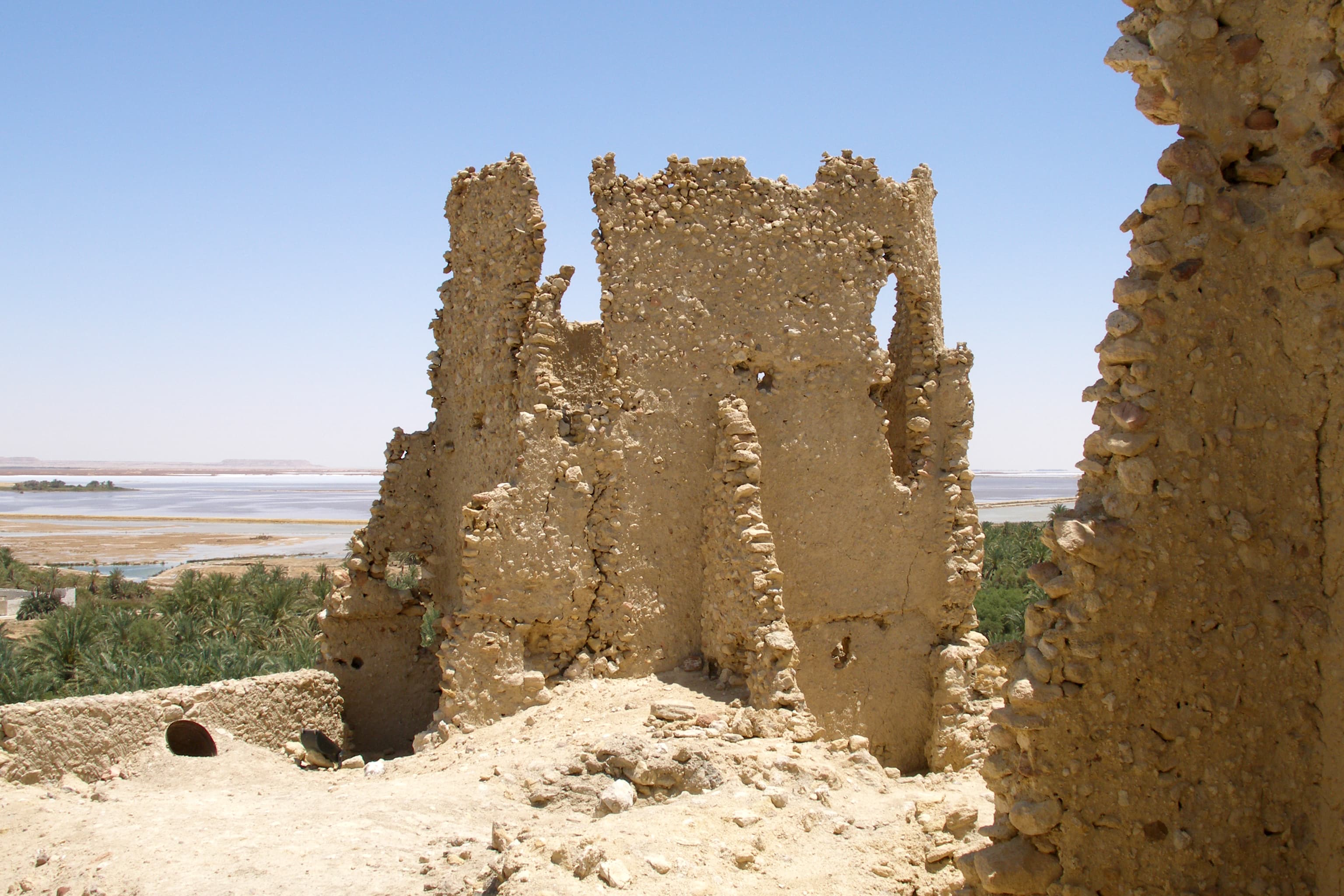
Begeben Sie sich in die faszinierenden Überreste der Shali-Festung, ein kraftiges Echo des beständigen Erbes von Siwa. Majestätisch auf einer natürlichen Felsformation thronend, beherrscht dieses uralte Lehmziegelbollwerk die Landschaft der Siwa-Oase und enthüllt spektakuläre Panoramablicke auf üppige Dattelpalmenhaine, schimmernde Salzwasserseen und die grenzenlose Wüstenlandschaft.
Während Sie die gewundenen Wege und bröckelnden Treppen erkunden, werden Sie durch die Zeit transportiert und treten auf die Straßen und in die Häuser, die einst Generationen von Siwan-Bewohnern beherbergten. Die Festung, sorgfältig aus kershef – einem charakteristischen Siwan-Baumaterial, das aus salzsättigtem Lehm und Felsen gefertigt ist – geschaffen, wirft eine beeindruckende Silhouette gegen den Wüstenhimmel.
Während ein Großteil von ihr dem Verfall zum Opfer gefallen ist, bleibt der schiere Umfang und das geniale Design ihrer Konstruktion auffallend sichtbar. Sie können zwischen den Überresten mehrstöckiger Wohnhäuser umherwandern, die Umrisse antiker Moscheen erkennen und sich die lebendige Gemeinschaft vorstellen, die einst hinter ihren schützenden Mauern blühte.
Die höheren Ebenen, die einige Zugangsherausforderungen bieten, verwöhnen die Besucher mit unvergleichlichen fotografischen Momenten und einem tiefen Gefühl der historischen Eintauchung, was die Shali-Festung zu einem unvergesslichen Höhepunkt jedes Siwan-Abenteuers macht.
Was macht die Shali-Festung besonders?
Die Shali-Festung, deren Name im Siwi eine 'Stadt' bedeutet, ist weit mehr als nur eine Ruine; sie ist ein Zeugnis für die Widerstandsfähigkeit und Genialität des Siwan-Volkes. Im 13. Jahrhundert (um 1200 n. Chr.) von der einheimischen Siwan-Bevölkerung gegründet, diente sie in erster Linie als formidable Verteidigungsbastion gegen Beduinenübergriffe und andere äußere Gefahren, die die Oase in dieser Zeit bedrohten.
Vollständig aus kershef, einem lokal gewonnenen Verbundmaterial aus salzsättigtem Lehm und Felsen, erbaut, wurde die Festung als dichte, autarke Gemeinschaft konzipiert. Die Häuser wurden zusammenhängend errichtet und ragten oft mehrere Stockwerke hoch empor, während enge, komplizierte Gassen sowohl Schatten als auch strategische Verteidigung boten.
Über mehrere Jahrhunderte hinweg fungierte Shali als das pulsierende Herz der siwanischen Existenz und beherbergte die gesamte Bevölkerung innerhalb ihrer schützenden Mauern. Ihr einzigartiges Baumaterial, das hervorragende Isolierung gegen die Wüstensonne bietet, ist auch notorisch anfällig für Regen. Eine Reihe von heftigen Regenfällen zu Beginn des 20.
Jahrhunderts beschleunigte ihren Verfall, doch paradoxerweise hat dieser natürliche Prozess zu ihrer ätherischen, fast skulpturalen Schönheit von heute beigetragen. Die Festung steht als lebendes Museum und bietet eine greifbare Verbindung zur Vergangenheit von Siwa sowie ein tiefes Verständnis dafür, wie ihr Volk sich anpasste und in einer herausfordernden Umgebung gedeihte.
Was man bei der Shali-Festung sehen kann
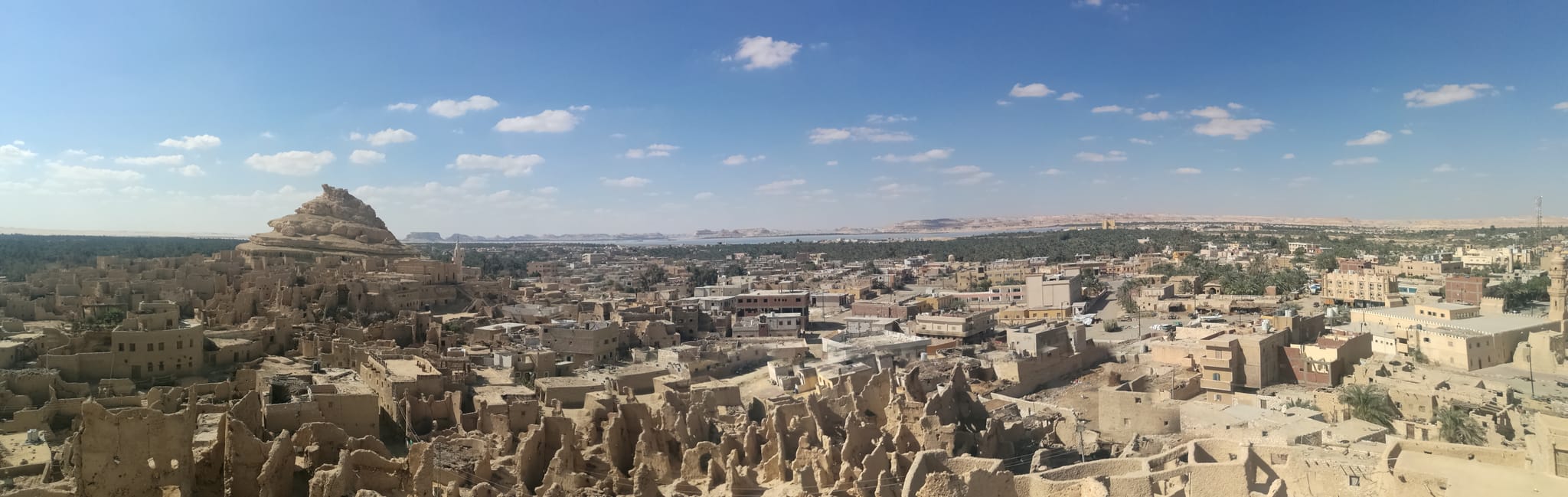
- Panoramablicke: Steigen Sie zu den zugänglichen höheren Punkten der Festung auf, um atemberaubende 360-Grad-Blicke auf die Siwa-Oase zu genießen. Erleben Sie die üppigen Dattelpalmenhaine, die sich bis zum Horizont erstrecken, die glitzernden Salzwasserseen und die endlose Weite der Westlichen Wüste. Diese Ausblicke sind besonders spektakulär während des Sonnenaufgangs oder Sonnenuntergangs.
- Kershef-Architektur: Bewundern Sie die einzigartige Bauweise von kershef. Beobachten Sie die komplizierte Schichtung von salzsättigtem Lehm und Stein und wie diese einfachen Materialien meisterhaft zu mehrstöckigen Wohnhäusern und Verteidigungsstrukturen geformt wurden. Die bröckelnden Wände offenbaren die rohe Schönheit dieser traditionellen siwanischen Bautechnik.
- Verwindete Gassen: Verlieren Sie sich (im positiven Sinne!) im labyrinthartigen Netzwerk aus engen Wegen und Treppen. Diese Passagen wurden für die Verteidigung und zur Bereitstellung von Schatten entworfen und schaffen eine kühle und geheimnisvolle Atmosphäre, während Sie die alte Stadt erkunden.
- Überreste von Häusern und Moscheen: Obwohl größtenteils in Ruinen, können Sie immer noch die Umrisse ehemaliger Häuser erkennen, einige erreichen drei oder vier Stockwerke, sowie die Überreste antiker Moscheen. Stellen Sie sich das tägliche Leben der Siwaner vor, die einst diese Räume bewohnten.
- Fotografische Möglichkeiten: Die Shali-Festung ist ein Traum für Fotografen. Das Spiel von Licht und Schatten auf den erodierten Strukturen, die dramatischen Silhouetten gegen den Wüstenhimmel und die weitläufigen Panoramablicke bieten endlose Möglichkeiten für beeindruckende Aufnahmen.
Wie man die Shali-Festung besucht
Anreise
Die Shali-Festung liegt zentral in der Stadt Siwa und ist leicht erreichbar. Die meisten Unterkünfte in Siwa sind zu Fuß erreichbar oder eine kurze Fahrt mit einem lokalen Tuk-Tuk (tuktuk) oder Fahrrad entfernt. Ihr Hotel kann bei Bedarf den Transport arrangieren. Es gibt keine direkten öffentlichen Verkehrsverbindungen zur Festung selbst, da sie innerhalb der Hauptsiedlung liegt.
Tickets und Zugang
In der Regel gibt es eine kleine Eintrittsgebühr für den Zugang zum Hauptgelände der Shali-Festung, die an einem kleinen Stand in der Nähe des Eingangs zu zahlen ist. Die Festung ist während der Tageslichtstunden geöffnet. Während ein Großteil der Festung zugänglich ist, können einige der höheren, prekäreren Abschnitte aus Sicherheitsgründen eingeschränkt sein. Befolgen Sie immer die Beschilderung oder Anweisungen von lokalen Führern.
Benötigte Zeit
Planen Sie 1,5 bis 2,5 Stunden ein, um die Shali-Festung gründlich zu erkunden. Dies gibt Ihnen ausreichend Zeit, durch die Gassen zu schlendern, zu verschiedenen Aussichtspunkten für Fotos zu klettern und die Atmosphäre aufzusaugen. Wenn Sie besonders an Fotografie interessiert sind oder ein langsameres Tempo genießen, möchten Sie vielleicht etwas mehr Zeit einplanen.
Beste Zeit für einen Besuch & Tipps
- Früher Morgen oder Später Nachmittag: Die besten Zeiten für einen Besuch sind der frühe Morgen (kurz nach der Öffnung) oder der späte Nachmittag (eine oder zwei Stunden vor Sonnenuntergang). Das Licht ist weicher und schöner für die Fotografie, und die Temperaturen sind kühler, was eine angenehmere Erkundung ermöglicht. Zur Mittagszeit kann es sehr heiß werden, besonders im Sommer.
- Bequeme Schuhe tragen: Das Terrain innerhalb der Festung ist uneben, mit brüchigen Stufen, losem Geröll und sandigen Wegen. Robuste, geschlossene Wanderschuhe werden dringend empfohlen.
- Wasser mitbringen: Tragen Sie immer ausreichend Wasser mit sich, insbesondere wenn Sie in den wärmeren Monaten besuchen. Es gibt keine Einrichtungen innerhalb der Festung selbst.
- Sonnenschutz: Ein Hut, Sonnenbrille und Sonnencreme sind unerlässlich, da es wenig Schatten gibt, sobald Sie sich auf den höheren Ebenen befinden.
- Den Ort respektieren: Die Shali-Festung ist ein historischer und kulturell bedeutender Ort. Bitte klettern Sie nicht auf instabilen Strukturen, entfernen Sie keine Artefakte und hinterlassen Sie keinen Müll. Treten Sie sanft und respektieren Sie die Integrität der Ruinen.
- Erwägen Sie einen lokalen Führer: Obwohl es nicht unbedingt notwendig ist, kann die Anheuerung eines lokalen Siwan-Führers Ihren Besuch erheblich bereichern. Sie können historischen Kontext bieten, versteckte Details aufzeigen und faszinierende Geschichten über das Leben innerhalb der Festung erzählen. Ihr Hotel kann in der Regel einen arrangieren.
Historische Bedeutung
Eine Zitadelle der Resilienz: Die Geschichte der Shali-Festung
Die Shali-Festung, deren Name im Siwi übersetzt 'Stadt' bedeutet, wurde im 13. Jahrhundert (um 1200 n. Chr.) von der einheimischen Siwan-Bevölkerung gegründet. Ihre Hauptfunktion war es, als formidable Verteidigungsbastion gegen Beduinenübergriffe und andere externe Gefahren zu dienen, die die Oase in dieser Zeit bedrohten.
Völlig aus Kershef, einem lokal beschafften Verbund aus salzsättigtem Lehm und Stein, erbaut, wurde die Festung als dichte, autarke Gemeinschaft konzipiert. Die Häuser wurden zusammenhängend errichtet und ragten oft mehrere Stockwerke hoch empor, mit engen, kunstvollen Gassen, die sowohl Schatten als auch strategische Verteidigung boten.
Über mehrere Jahrhunderte hinweg fungierte Shali als das pulsierende Herz der siwanischen Existenz und beherbergte die gesamte Bevölkerung der Oase innerhalb ihrer imposanten Mauern. Die Festung verkörperte gemeinschaftliches Leben und Selbstversorgung, gekennzeichnet durch gemeinsame Ressourcen und eine starke kollektive Identität.
Der Niedergang der Festung begann 1820 mit dem Eintreffen der Truppen von Muhammad Ali, die eine stabilere, wenn auch extern kontrollierte Präsenz in Siwa etablierten. Der endgültige Untergang von Shali war jedoch nicht militärischer, sondern umweltbedingter Natur. Eine Reihe von sintflutartigen Regenfällen im Jahr 1926 fügte den Kershef-Strukturen schweren Schaden zu, da diese sehr anfällig für Süßwasser sind, wodurch große Teile der Festung unbewohnbar wurden.
Obwohl nach den Regenfällen von 1926 weitgehend verlassen, wurden zeitgenössische Bemühungen unternommen, um Teile von Shali zu erhalten und teilweise wiederherzustellen, um sein bleibendes Erbe als Symbol des siwanischen Erbes zu sichern.
Touren zur Besichtigung der Shali-Festung
Private, von Ägyptologen geführte Erlebnisse mit Tickets und Transfers, die für Sie organisiert werden.
Begeben Sie sich auf eine exklusive Ganztagesreise durch die bezaubernde Siwa-Oase, ein abgeschiedenes Paradies inmitten der westlichen Wüste Ägyptens. Diese…
Diese 2-tägige private Tour ist ein kompakter Ausflug zur Siwa-Oase, der abgelegenen Wüstenstadt nahe der Grenze Ägyptens zu Libyen, und kombiniert antike…
Begeben Sie sich auf eine unvergessliche private Tagestour durch die legendäre Siwa-Oase, wo alte Geschichte auf atemberaubende Naturschönheit trifft. Diese…

Begeben Sie sich auf ein unvergessliches privates Ganztagesabenteuer durch die mystische Siwa-Oase, ein wahres Juwel der westlichen Wüste. Diese Tour wurde…
Begeben Sie sich auf eine unvergessliche private Tagestour und entdecken Sie die antiken Wunder und die natürliche Schönheit der Siwa-Oase. Ihr fachkundiger…
Diese ganztägige private Tour deckt die wichtigsten Sehenswürdigkeiten der Siwa-Oase an einem einzigen, ungestressten Tag ab und bewegt sich zwischen antiken…
Shali-Festung — Häufig gestellte Fragen
Alles, was Sie wissen müssen, bevor Sie die Shali-Festung besuchen.
1Woraus besteht die Shali-Festung?
2Ist es schwierig, die Shali-Festung zu erklimmen?
3Kann ich die Shali-Festung auf eigene Faust erkunden?
4Was sollte ich tragen, wenn ich die Shali-Festung besuche?
5Gibt es Einrichtungen in der Shali-Festung?
Top-Attraktionen in Siwa-Oase
Ägypten Touren nach Zielort
Durchsuchen Sie Ägypten-Touren nach Kategorie
- 1Ägypten Reisepakete
- 2Ägypten Tagesausflüge
- 3Nilkreuzfahrten
- 4Maßgeschneiderte Touren
- 5Honeymoon-Pakete
- 6Familienpakete
- 7Luxuspakete
- 8Private Pakete
- 9Kleingruppen-Pakete
- 10All-Inclusive-Pakete
- 11Last-Minute Ägypten Touren
- 12Dahabiya-Kreuzfahrten
- 13Ägypten Reiseführer
- 14Ägypten Reiseangebote aus den USA
- 15Ägypten & Jordanien Reisepakete