
La Primavera de Cleopatra: Tours, Tickets & Visitor Guide
About La Primavera de Cleopatra
Descubre el Manantial de Cleopatra: Una Joya del Oasis en Siwa
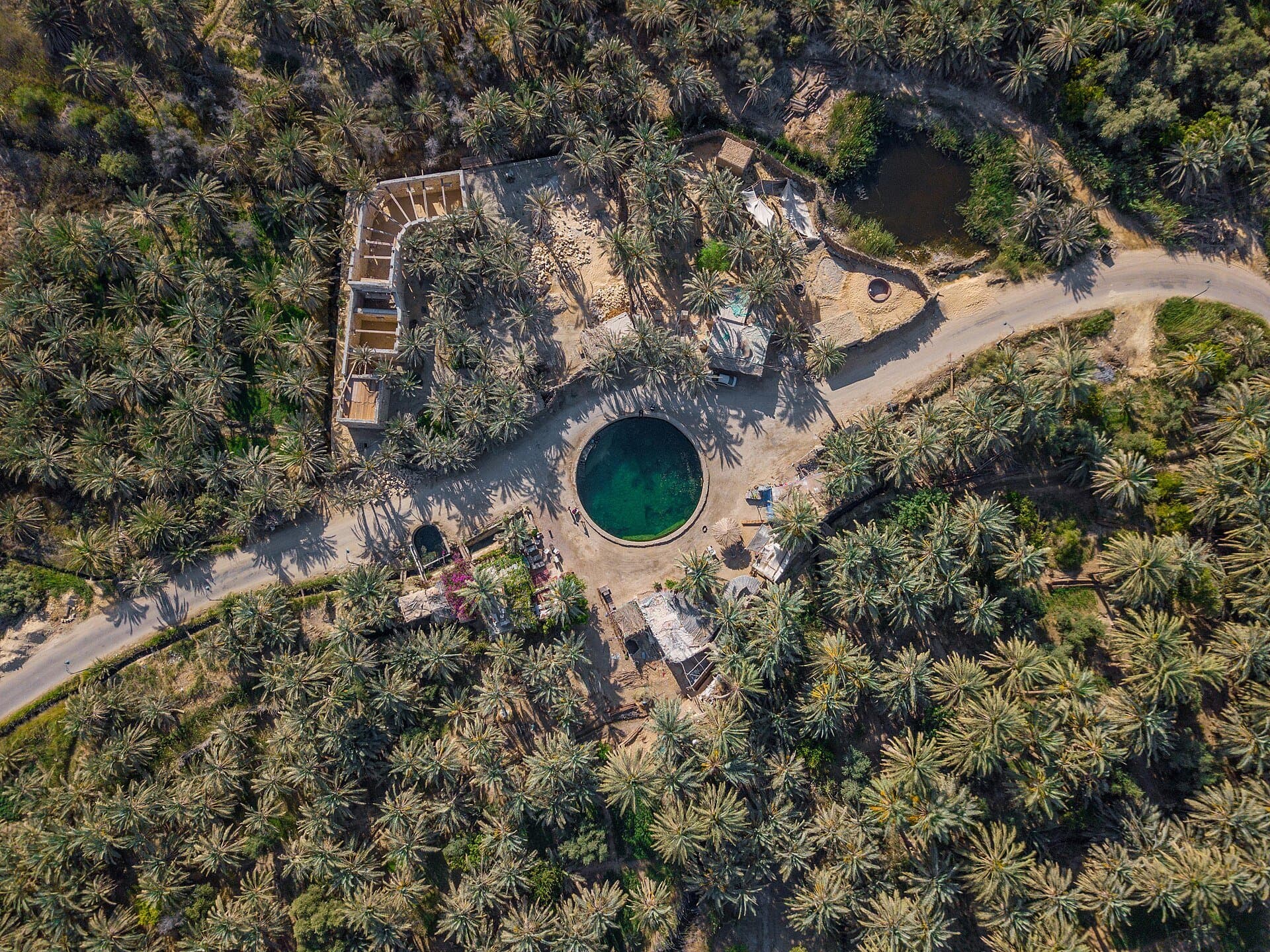
Escondido entre los palmerales de dátiles del Oasis de Siwa, el Manantial de Cleopatra (también llamado Ain Guba o Ain Juba) ofrece una escapada refrescante con un toque de historia.
Famoso como una parada favorita de Cleopatra, este amplio y claro estanque es alimentado por agua subterránea que mantiene una temperatura agradable y constante durante todo el año.
Su superficie turquesa es un bienvenido respiro del calor del desierto, creando un entorno tranquilo y fotogénico para un baño pausado o una pausa silenciosa.
¿Qué hace especial al Manantial de Cleopatra?
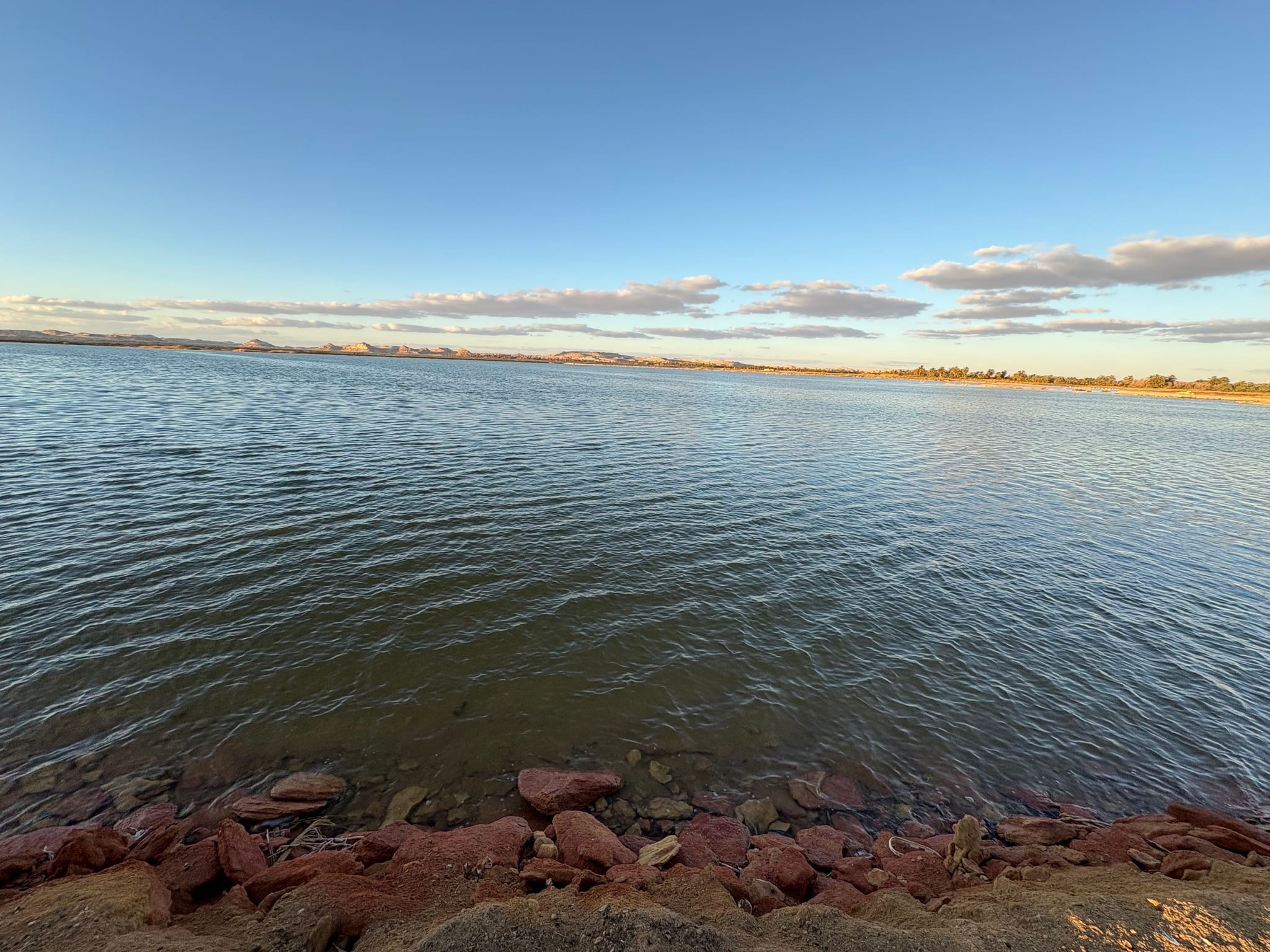
Más allá de la leyenda, el manantial encarna el corazón vital de Siwa. Durante miles de años, su flujo confiable ha sostenido a las personas, los campos y la vida diaria en este remoto desierto.
Aunque se desconoce la fecha de su descubrimiento, los hallazgos alrededor de Siwa apuntan a la presencia humana desde el período Paleolítico, destacando cuán vitales siempre han sido estos manantiales.
La historia más contada vincula la piscina con la Reina Cleopatra VII. La tradición local dice que visitó Siwa para consultar el Oráculo de Amón en Aghurmi y nadó aquí, un relato que añade un misticismo perdurable.
La Conexión con Cleopatra
Imagina a la última faraona de Egipto deteniéndose aquí para bañarse durante su legendario viaje al oráculo. Esa imagen convierte un simple chapuzón en un encuentro con la historia.
No hay prueba definitiva de que nadara en esta piscina exacta, sin embargo, la fuerte tradición oral le da al sitio un atractivo romántico que muchos viajeros sienten.
Belleza Natural y Tranquilidad
Palmeras exuberantes y un verdor vívido enmarcan el agua, un contraste sorprendente con las arenas circundantes.
Bajo el sol de Siwa, la piscina brilla, mientras el susurro de las frondas y el canto distante de los pájaros crean un ambiente calmado y restaurador.
Qué Ver y Hacer
- Nadar en las aguas legendarias: El agua fresca, clara y rica en minerales es profundamente refrescante después de explorar el desierto. A menudo hay escalones que conducen a la piscina para facilitar el acceso.
- Relajarse junto al manantial: Reclama un lugar sombreado y relájate con un libro, un picnic o simplemente un momento de tranquilidad.
- Fotografía: Captura el entorno exuberante, el agua vibrante y el aura histórica del sitio.
- Observar la vida local: Este popular lugar de reunión ofrece una ventana genuina a la cultura siwan.
Cómo Visitar el Manantial de Cleopatra
Cómo Llegar
El manantial se encuentra dentro del Oasis de Siwa y es fácil de alcanzar desde el pueblo de Siwa. Las formas comunes de llegar incluyen:
- Bicicleta: Alquila una bicicleta y pedalea a través de los palmerales directamente hasta la piscina.
- Tuk-tuk: Los tuk-tuks locales (auto-rickshaws) pueden llevarte directamente al manantial por una tarifa razonable.
- Caminando: Si te alojas cerca, disfruta de un paseo escénico por senderos sombreados.
Entradas y Tiempo Necesario
Normalmente no hay tarifa de entrada para visitar el Manantial de Cleopatra.
Planea alrededor de 1 a 2 horas para nadar, relajarte y tomar fotos sin sentirte apresurado.
Mejor Época para Visitar y Consejos
Mejor Época para Visitar
La piscina es agradable durante todo el año gracias a su temperatura constante. Para mayor comodidad, considera:
- Invierno (octubre a marzo): Días templados ideales para nadar y explorar.
- Verano (abril a septiembre): El agua fresca es un respiro ideal del calor intenso.
Consejos para tu Visita
- Lleva un traje de baño y toalla: Esencial para aprovechar al máximo tu tiempo.
- Protección solar: Lleva protector solar, un sombrero y gafas de sol.
- Agua: Mantente hidratado, especialmente si te quedas cerca de la piscina.
- Respeta las costumbres locales: Siwa es conservadora; vístete modestamente cuando no estés nadando y al moverte por el pueblo.
- No dejes rastro: Desecha toda la basura de manera responsable.
Historical Significance
Orígenes Antiguos y Leyendas Reales
El Manantial de Cleopatra, también conocido como Ain Guba, ha sostenido el Oasis de Siwa durante miles de años.
Su flujo constante de agua fresca ha apoyado la vida, la agricultura y la comunidad en este desierto aislado desde la antigüedad.
La fecha exacta de su descubrimiento es desconocida, pero la evidencia arqueológica muestra asentamientos humanos en Siwa que datan del período Paleolítico, subrayando el valor de los manantiales naturales.
La Conexión con Cleopatra
La leyenda más conocida vincula la piscina con la Reina Cleopatra VII. El folclore local dice que la última faraona de Egipto visitó Siwa para consultar el Oráculo de Amón en Aghurmi y nadó aquí.
No hay pruebas concretas, pero la historia perdura y da forma al aura romántica y real del lugar. Cleopatra era famosa por su amor a los baños lujosos y la belleza natural, lo que hace que la historia sea plausible en contexto.
Significado Duradero
A lo largo de los siglos, el manantial ha permanecido como un centro comunitario. Proporcionaba agua potable, regaba palmeras datileras y olivos, y servía como lugar de reunión.
Hoy en día se erige como un vínculo viviente con el antiguo pasado de Siwa y su legendaria visitante real, destacando lo vital que son los recursos naturales para la cultura y la supervivencia del oasis.
Tours Visiting La Primavera de Cleopatra
Private, Egyptologist-guided experiences with tickets and transfers handled for you.
Embárquese en un viaje exclusivo de un día completo a través del encantador Oasis de Siwa, un paraíso apartado ubicado en el desierto occidental de Egipto.…
Embárquese en un exclusivo viaje privado durante la noche al místico Oasis de Siwa, un paraíso apartado ubicado en el desierto occidental de Egipto. Este…
Embárquese en una inolvidable excursión privada de un día por el legendario Oasis de Siwa, donde la historia antigua se encuentra con una belleza natural…

Embárquese en una inolvidable aventura privada de día completo a través del místico Oasis de Siwa, una verdadera joya del desierto occidental. Este recorrido…
Embárquese en una inolvidable excursión privada de un día para descubrir las maravillas antiguas y la belleza natural del Oasis de Siwa. Su experto guía local…
Embárquese en un cautivador viaje privado a través del místico Oasis de Siwa, un paraíso eterno ubicado en el desierto occidental de Egipto. Este exclusivo…
La Primavera de Cleopatra — Frequently Asked Questions
Everything you need to know before visiting La Primavera de Cleopatra.