
Templo del Oráculo: Tours, Tickets & Visitor Guide
About Templo del Oráculo
Revelando los misterios del Templo del Oráculo de Siwa
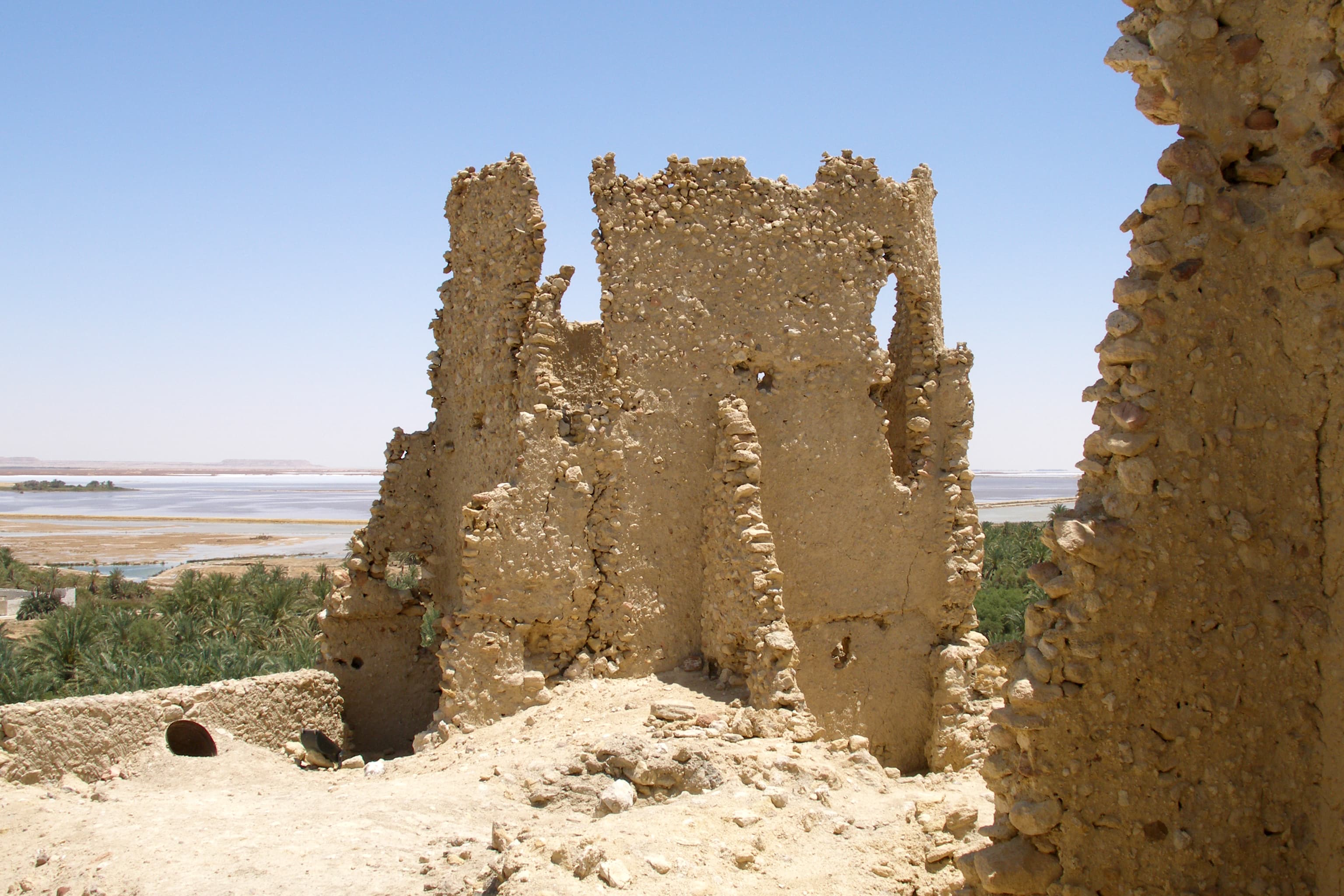
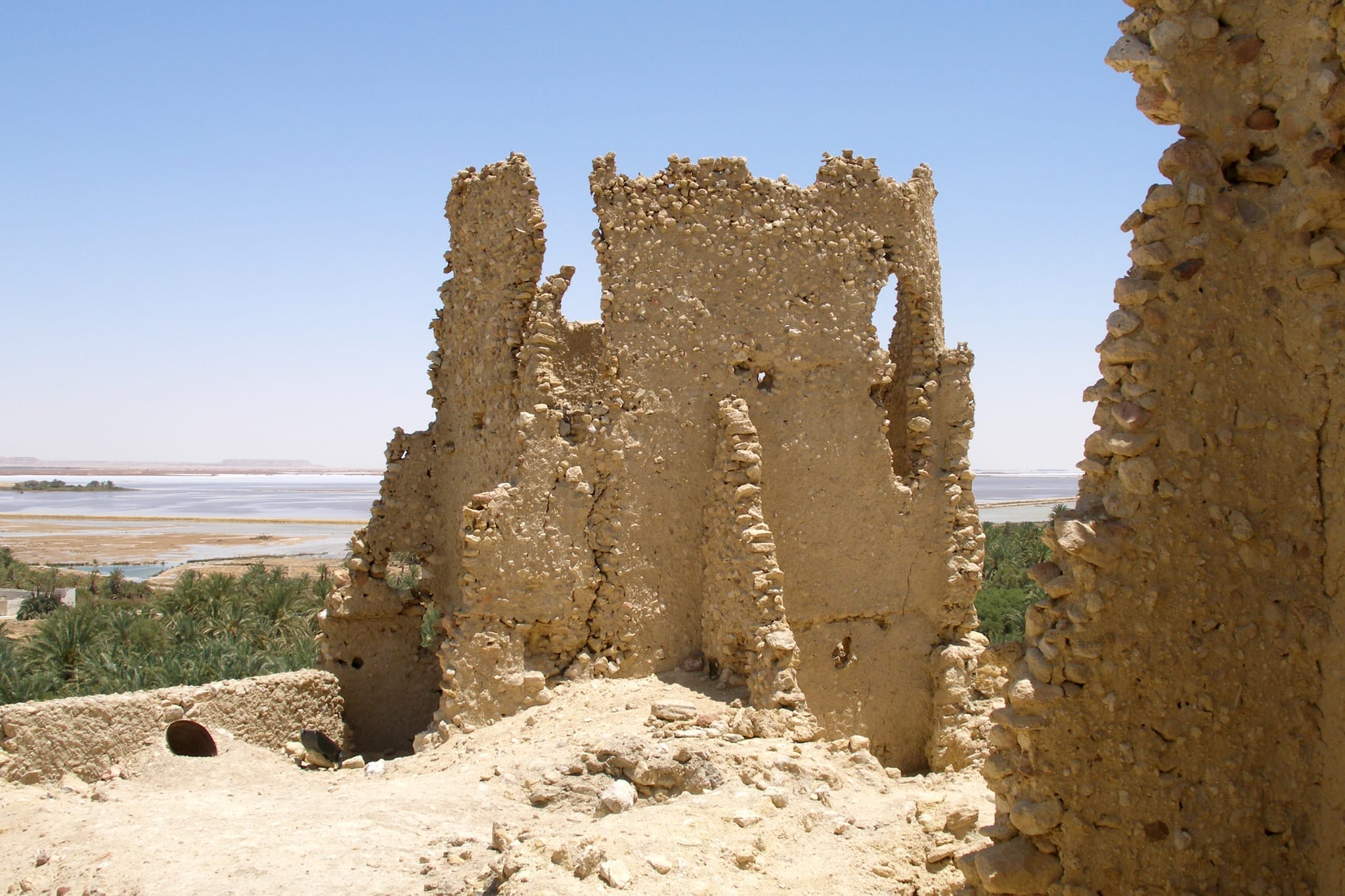
Adéntrate en los anales del tiempo en el legendario Templo del Oráculo, donde Alejandro Magno una vez buscó la sabiduría divina: una fusión cautivadora de grandeza histórica y encanto místico. Ubicado majestuosamente sobre la formación rocosa natural de Aghurmi, el Templo de Amón, como también se le conoce, ofrece más que solo ruinas antiguas; proporciona una conexión profunda con un momento histórico fundamental y una impresionante vista panorámica del paisaje de Siwan.
A medida que asciendes por el venerable camino hacia el templo, seguirás los pasos de monarcas y peregrinos, embarcándote en un viaje a través de milenios de historia.
A pesar de su estado en gran parte en ruinas, el Templo del Oráculo aún irradia un aura innegable de santidad. Aventúrate a través de los restos del santuario interior, donde los sacerdotes alguna vez interpretaron los enigmáticos pronunciamientos del dios Amón. Explore los patios exteriores, que alguna vez estuvieron llenos de actividad, haciendo eco de las oraciones y esperanzas de los suplicantes de todo el mundo antiguo.
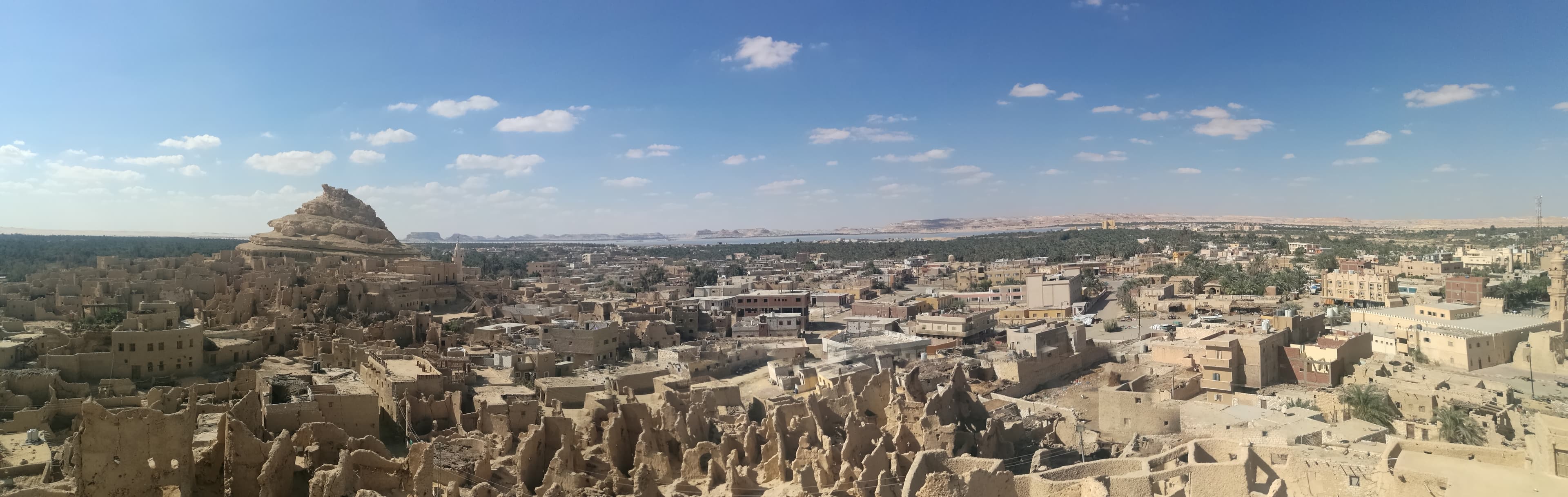
Las intrincadas tallas, aunque suavizadas por el paso del tiempo y los duros elementos del desierto, insinúan la antigua magnificencia del templo y las sofisticadas prácticas religiosas de la antigua Siwa. Lo que realmente distingue a este sitio es su vista incomparable. Desde la posición elevada del templo, se pueden contemplar los extensos bosques de palmeras datileras, los relucientes lagos salados que salpican el horizonte y la distintiva arquitectura de Siwan del oasis circundante.
Esta vista panorámica ofrece una perspectiva impresionante de la belleza eterna y el sereno aislamiento de Siwa.
¿Qué hace que el Templo del Oráculo sea especial?
- La visita histórica de Alejandro Magno: El reclamo de fama más famoso del templo es su asociación con Alejandro Magno. En 331 a. C., después de conquistar Egipto, Alejandro hizo el arduo viaje a Siwa para consultar el venerado oráculo. Fue aquí, según historiadores antiguos como Arriano y Plutarco, donde el oráculo afirmó su parentesco divino como hijo de Amón-Ra, solidificando así su pretensión de gobierno legítimo sobre Egipto e inspirando sus campañas posteriores. Este momento grabó el templo en los anales de la historia mundial.
- Un faro de profecía antigua: Dedicado al venerado dios Amón, el Templo del Oráculo ascendió a prominencia durante el Período Tardío del antiguo Egipto, probablemente establecido durante la Dinastía XXVI (c. 664–525 a. C.). Su posición aislada dentro del Oasis de Siwa solidificó su estatus como centro venerado y autónomo para la consulta divina, atrayendo a suplicantes de todo el mundo antiguo en busca de guía y profecía.
- Vistas panorámicas: Ubicado en lo alto de Aghurmi, el templo ofrece algunas de las vistas panorámicas más espectaculares de Siwa. Sea testigo del exuberante verde de los palmerales datileros que contrasta con el blanco brillante de los lagos salados, todo bajo el vasto cielo del desierto. Este impresionante paisaje proporciona un telón de fondo perfecto para la reflexión y la fotografía.
- Ecos arquitectónicos de una época pasada: Si bien gran parte del templo está en ruinas, los muros, cimientos y fragmentos de tallas restantes ofrecen una conexión tangible con la artesanía y la devoción religiosa del antiguo Egipto. Al caminar a través de la estructura, puedes imaginar la grandeza que una vez tuvo y los rituales sagrados realizados dentro de sus cámaras sagradas.
Qué ver en el Templo del Oráculo
Al llegar, lo primero que encontrarás serán los restos de los muros exteriores y los patios del templo. Tómate tu tiempo para explorar estas áreas, imaginando la bulliciosa actividad que alguna vez las llenó. Si continúas hacia el interior, llegarás al centro del templo, incluido el famoso santuario interior. Si bien la estructura completa ya no está intacta, el diseño proporciona una idea clara del espacio sagrado donde se hicieron los pronunciamientos del oráculo.
Observa de cerca los fragmentos de piedra supervivientes en busca de rastros de inscripciones jeroglíficas y delicadas tallas que alguna vez adornaron el templo. Estos detalles, aunque desgastados, ofrecen información sobre las creencias religiosas y las convenciones artísticas de la época. Sin embargo, lo más destacado para muchos visitantes es el ascenso a los puntos más altos de las ruinas.
Desde estos puntos de vista elevados, el Oasis de Siwan se despliega ante usted en un cuadro espectacular de belleza natural y asentamientos humanos. No olvides tu cámara para capturar las vistas panorámicas.
Cómo visitar
- Cómo llegar: El Templo del Oráculo está ubicado en el antiguo pueblo de Aghurmi, a pocos kilómetros al este del centro de la ciudad de Siwa. La forma más habitual de llegar es contratando un tuk-tuk o un taxi local desde Siwa. Muchos operadores turísticos de Siwa también ofrecen excursiones guiadas que incluyen el templo. El viaje es corto y pintoresco, pasando por palmerales.
- Entradas: Hay una tarifa de entrada nominal para acceder al Templo del Oráculo. Los boletos se compran en la entrada del sitio. Tenga efectivo a mano, ya que es posible que los pagos con tarjeta no siempre estén disponibles.
- Tiempo necesario: Asigne aproximadamente de 1 a 1,5 horas para explorar completamente los terrenos del templo, apreciar las ruinas y, especialmente, disfrutar de las increíbles vistas panorámicas desde su posición elevada. Si planea pasar más tiempo fotografiando o simplemente contemplando el significado histórico, puede extender su visita a 2 horas.
Mejor momento para visitar y consejos
- Mejor momento del día: Temprano en la mañana o al final de la tarde son ideales para visitar el Templo del Oráculo. La luz es más suave y propicia para la fotografía, y las temperaturas son mucho más agradables, especialmente durante los meses más cálidos. Visitar al amanecer o al atardecer ofrece una iluminación verdaderamente mágica para las vistas panorámicas.
- Mejor época del año: Los meses más fríos, de octubre a abril, son los más cómodos para visitar Siwa y sus atracciones. Evite el intenso calor del verano de junio, julio y agosto, cuando las temperaturas diurnas pueden ser extremadamente altas.
- Qué llevar: Use zapatos cómodos para caminar, ya que tendrá que navegar por terrenos irregulares y ascender a miradores. Un sombrero, gafas de sol y bloqueador solar son esenciales para protegerse del sol. Lleve mucha agua, especialmente si visita durante períodos más cálidos, ya que hay instalaciones limitadas directamente en el templo.
- Vestimenta respetuosa: si bien no es tan estricta como algunos sitios religiosos, es recomendable vestir modestamente por respeto a la cultura local.
- Guías locales: Considere contratar un guía local de Siwan. Sus conocimientos sobre la historia del templo, las leyendas locales y el oasis circundante pueden enriquecer enormemente su experiencia. A menudo se pueden organizar a través de su alojamiento o en el propio sitio.
Historical Significance
Un faro de profecía antigua
El Templo del Oráculo, dedicado al venerado dios Amón, ascendió a prominencia durante el Período Tardío del antiguo Egipto, probablemente establecido durante la Dinastía 26 (c. 664–525 a. C.). Su posición aislada dentro del Oasis de Siwa solidificó su estatus como centro venerado y autónomo para la consulta divina, atrayendo a suplicantes de todo el mundo antiguo.
La visita fundamental de Alejandro Magno
- El visitante más célebre del templo fue Alejandro Magno en el año 331 a.C.
- Tras su conquista de Egipto, Alejandro se embarcó en un viaje por el desierto a Siwa para consultar el oráculo.
- Según para historiadores como Arriano y Plutarco, el oráculo afirmó su ascendencia divina como hijo de Amón-Ra, solidificando así su reclamo de gobierno legítimo sobre Egipto e inspirando sus campañas militares posteriores.
- Esta visita marcó un punto de inflexión crucial en la vida y el reinado de Alejandro, moldeando profundamente su autopercepción e influyendo en sus decisiones políticas estratégicas.
Eras posteriores y decadencia
Si bien su influencia disminuyó Con el surgimiento de otros centros religiosos y la expansión del cristianismo, el Templo del Oráculo mantuvo su importancia como hito local. Sus ruinas hoy son un poderoso testimonio de su autoridad duradera y del profundo impacto que ejerció en la geopolítica y los destinos personales antiguos.
Tours Visiting Templo del Oráculo
Private, Egyptologist-guided experiences with tickets and transfers handled for you.
Embárquese en un viaje exclusivo de un día completo a través del encantador Oasis de Siwa, un paraíso apartado ubicado en el desierto occidental de Egipto.…
Embárquese en un exclusivo viaje privado durante la noche al místico Oasis de Siwa, un paraíso apartado ubicado en el desierto occidental de Egipto. Este…
Embárquese en una inolvidable excursión privada de un día por el legendario Oasis de Siwa, donde la historia antigua se encuentra con una belleza natural…

Embárquese en una inolvidable aventura privada de día completo a través del místico Oasis de Siwa, una verdadera joya del desierto occidental. Este recorrido…
Embárquese en una inolvidable excursión privada de un día para descubrir las maravillas antiguas y la belleza natural del Oasis de Siwa. Su experto guía local…
Embárquese en un cautivador viaje privado a través del místico Oasis de Siwa, un paraíso eterno ubicado en el desierto occidental de Egipto. Este exclusivo…
Templo del Oráculo — Frequently Asked Questions
Everything you need to know before visiting Templo del Oráculo.