
Templo de Karnak: Tours, Entradas y Guía para Visitantes
Acerca del Templo de Karnak
Revelando el Templo de Karnak: Un Viaje a Través de la Grandeza Antigua
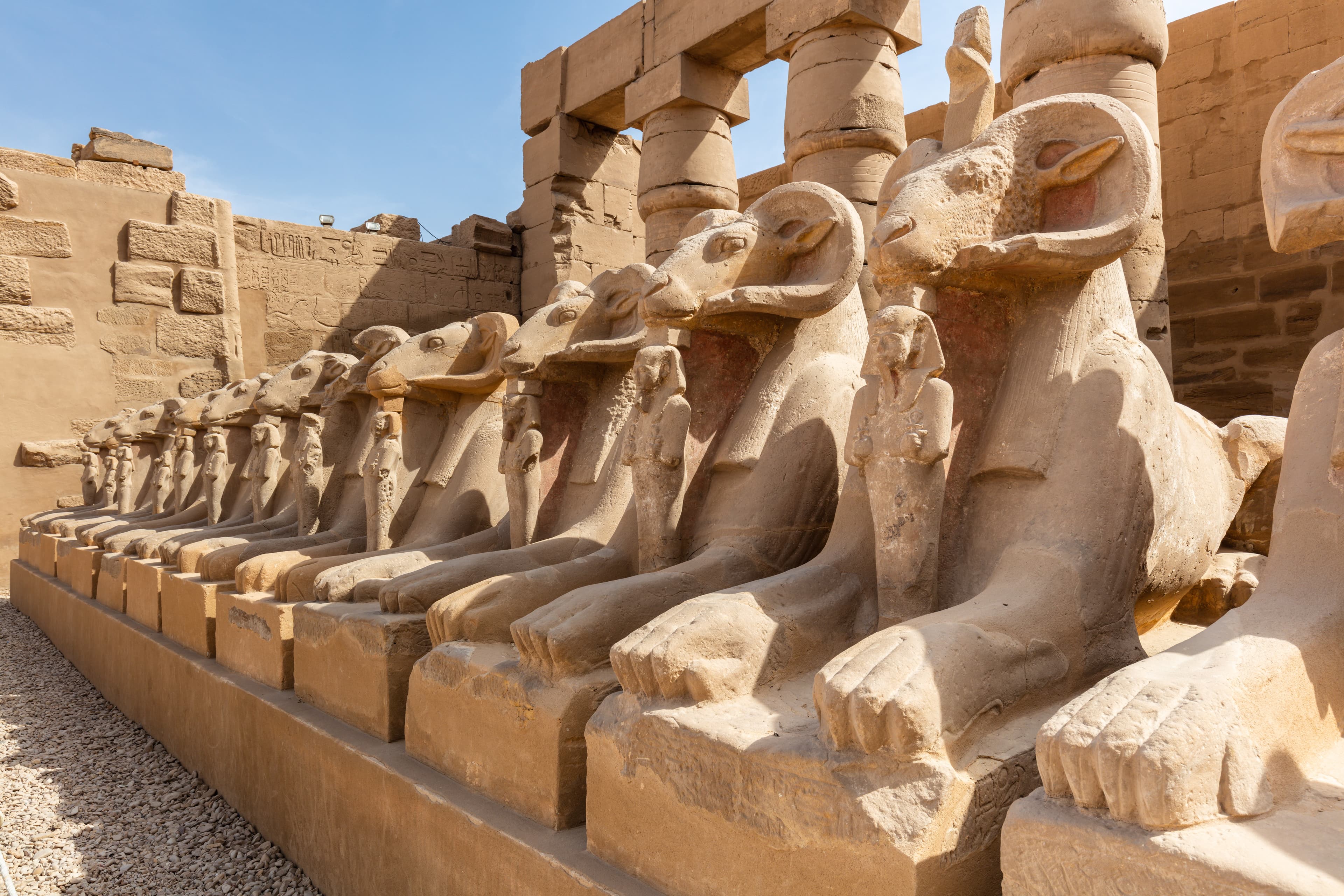
Adéntrate en el colosal Templo de Karnak, un museo al aire libre sin igual en Luxor, donde obeliscos imponentes, columnas grandiosas y lagos sagrados crean una experiencia inolvidable. Mucho más que un templo singular, Karnak se despliega como un extenso complejo de santuarios, quioscos, pilones y obeliscos, dedicado principalmente a la venerada Trinidad Tebana: Amón, Mut y Jonsu.
Al caminar a través de sus monumentales puertas, los visitantes se sienten inmediatamente humildes ante la pura escala de la ingeniosidad humana antigua y la profunda devoción. Este extenso complejo, un testimonio de más de dos mil años de construcción continua, se erige como uno de los sitios históricos más impresionantes de la Tierra, invitándote a retroceder al corazón de la civilización egipcia antigua.
¿Qué Hace Especial al Templo de Karnak?
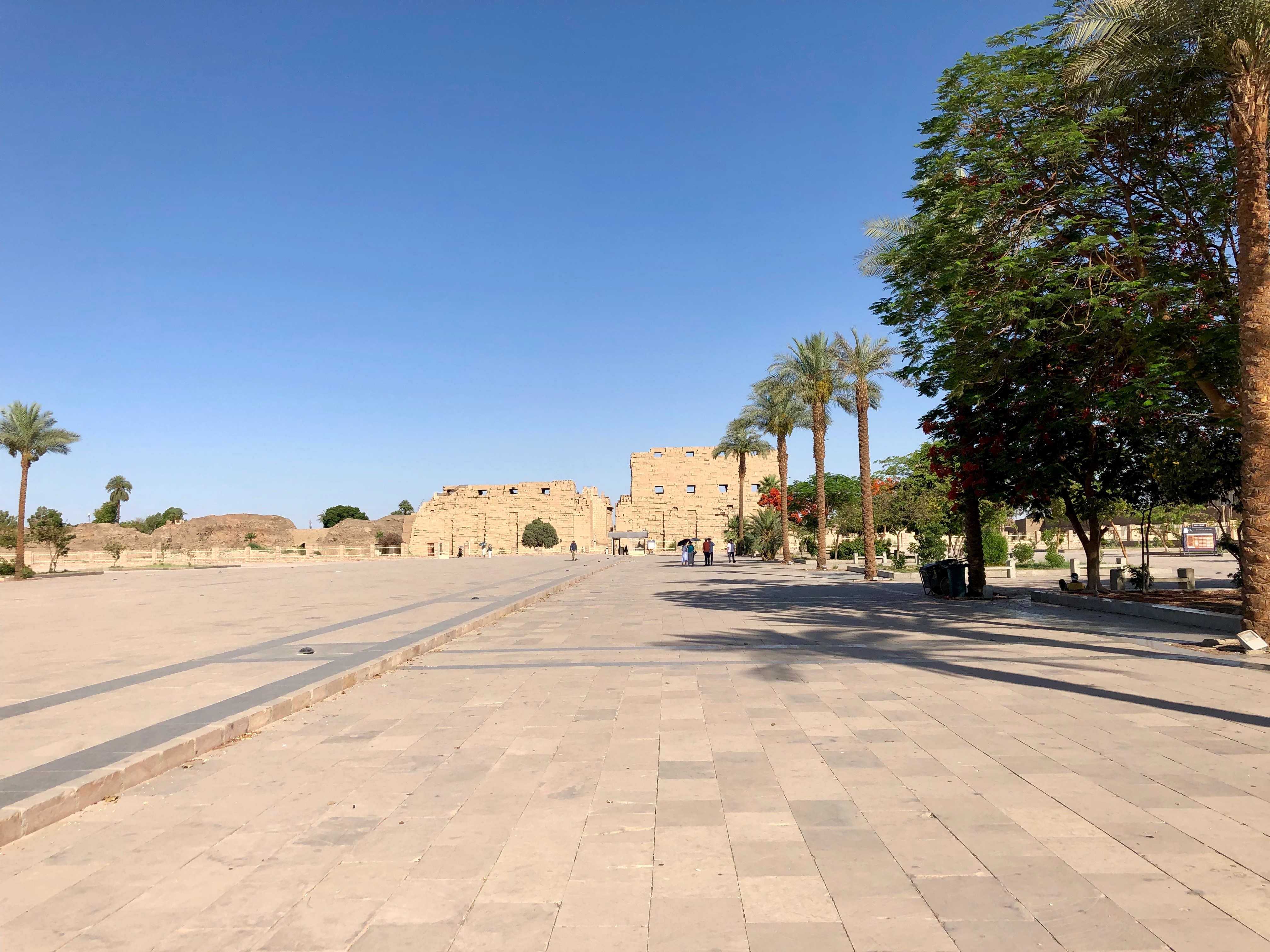
La narrativa de Karnak abarca más de dos mil años, con la construcción inicial comenzando alrededor del 2055 a.C. y continuando a través de la era ptolemaica. Su desarrollo no se basó en un solo plano, sino que evolucionó orgánicamente, a medida que los faraones sucesivos contribuyeron con sus propios monumentos, expandieron las estructuras existentes y dejaron sus marcas indelebles.
Esta expansión continua resultó en el distintivo tapiz arquitectónico visible hoy, una línea de tiempo viva grabada en piedra. Como el principal centro de culto para la deidad Amón-Ra durante el Nuevo Reino, Karnak tuvo la mayor importancia religiosa en el antiguo Egipto. Funcionó no solo como un templo sagrado, sino también como un centro gubernamental, un tesoro y un granero, comandando una inmensa riqueza e influencia.
Esto hace que Karnak no sea solo un templo, sino una ventana multifacética a la vida espiritual, política y económica de la antigua Tebas.
El Nexo Espiritual de la Antigua Tebas
La profunda significación de Karnak como el corazón espiritual de la antigua Tebas no puede ser exagerada. Durante el Nuevo Reino, fue el centro religioso más importante de todo Egipto, dedicado principalmente a Amón-Ra, el rey de los dioses. La enorme escala y las opulentas decoraciones reflejan el inmenso poder y devoción dirigidos hacia esta deidad.
Los sacerdotes realizaban rituales diarios, se hacían ofrendas y grandes festivales como el Festival de Opet conectaban Karnak con el Templo de Luxor a través de una gran avenida de esfinges, simbolizando el viaje espiritual de los dioses y los faraones.
Qué Ver en el Templo de Karnak
Prepárate para ser hipnotizado por la pura variedad y escala de monumentos dentro de Karnak. Cada giro revela otra maravilla, otra historia esperando ser descubierta.
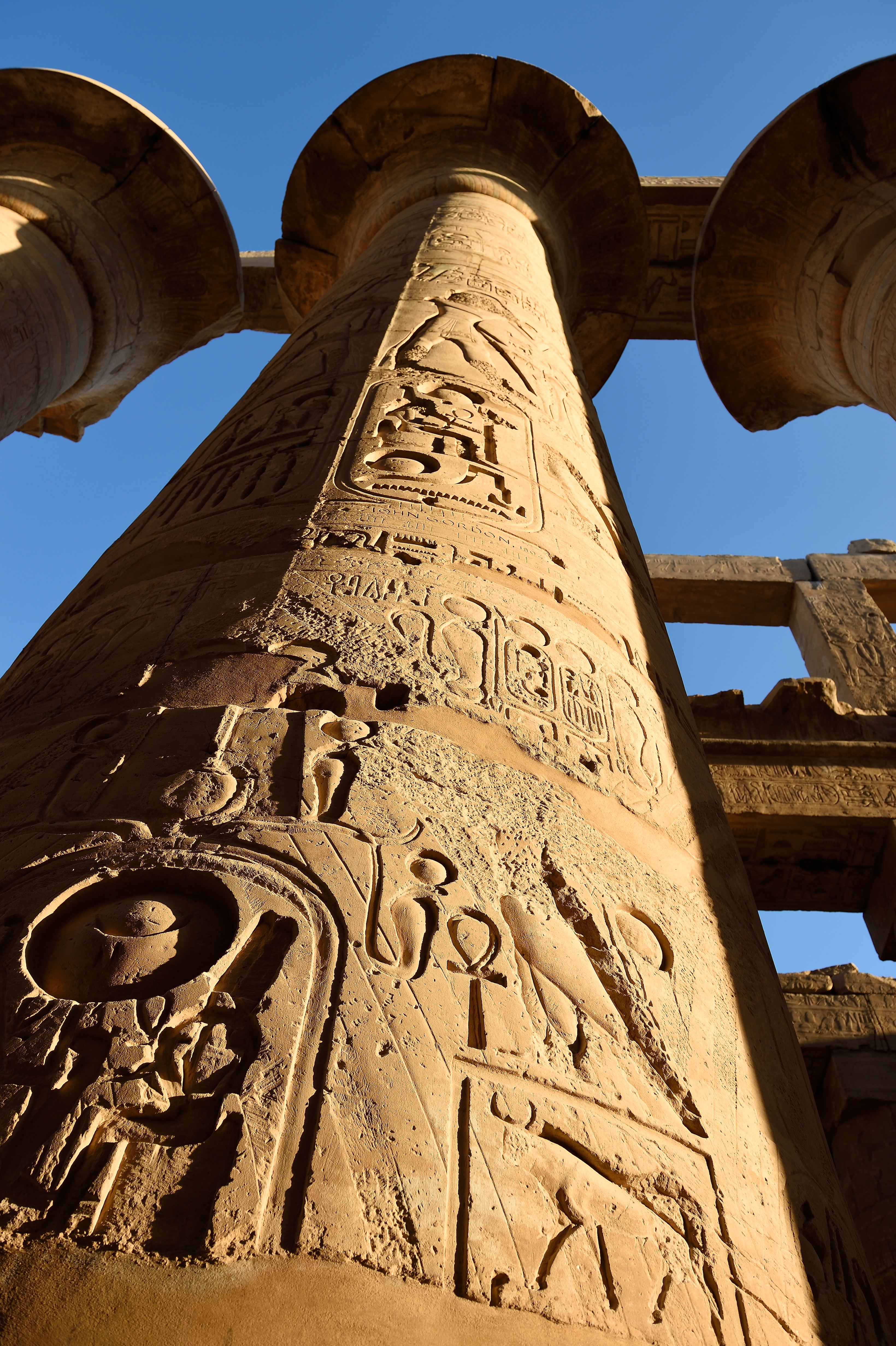
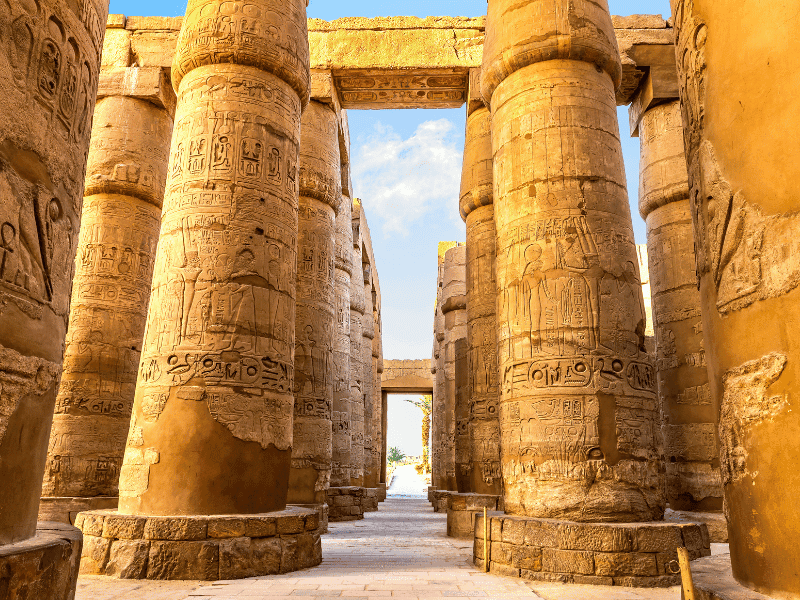
- El Gran Salón Hipostilo: El magnífico Salón Hipostilo, que cuenta con 134 columnas colosales, cada una meticulosamente adornada con jeroglíficos y relieves, se erige como un espectáculo verdaderamente impresionante, a menudo comparado con un bosque petrificado. La luz del sol atraviesa con gracia el claristorio, proyectando sombras dramáticas e iluminando los vibrantes restos de la pigmentación original. Este salón es una obra maestra arquitectónica y un punto culminante para cualquier visitante.
- El Lago Sagrado: Más allá de la grandeza del Salón Hipostilo, explora el sereno Lago Sagrado, utilizado históricamente por los sacerdotes para la limpieza ritual y los ritos de purificación antes de realizar sus deberes sagrados. Sus aguas tranquilas ofrecen un momento de reflexión en medio de la grandeza.
- El Escarabajo Monumental: Descubre la estatua del escarabajo monumental, que se cree otorga buena fortuna cuando se circunvala. La leyenda dice que caminar alrededor de la estatua un cierto número de veces puede traer suerte en el amor, la riqueza o la fertilidad.
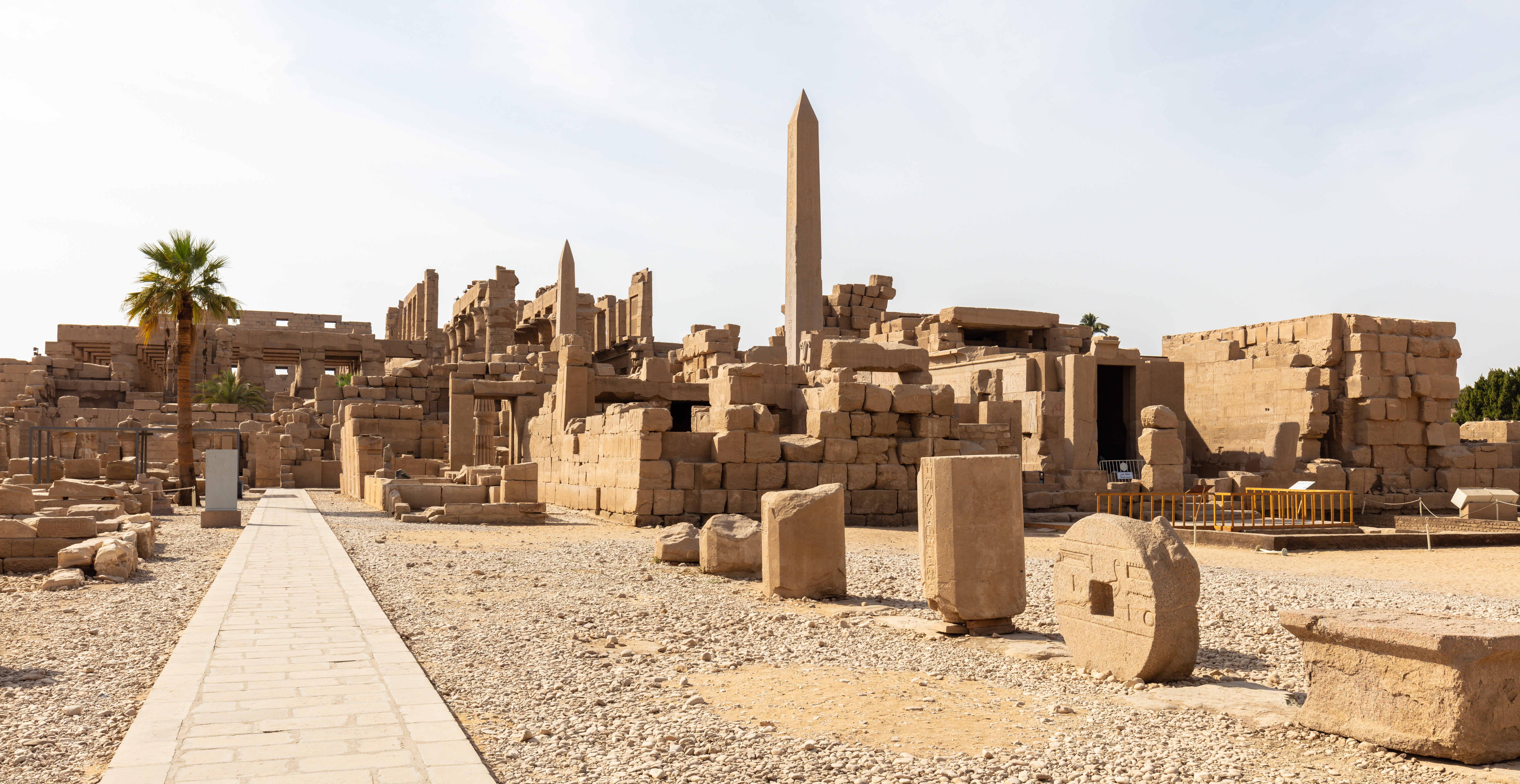
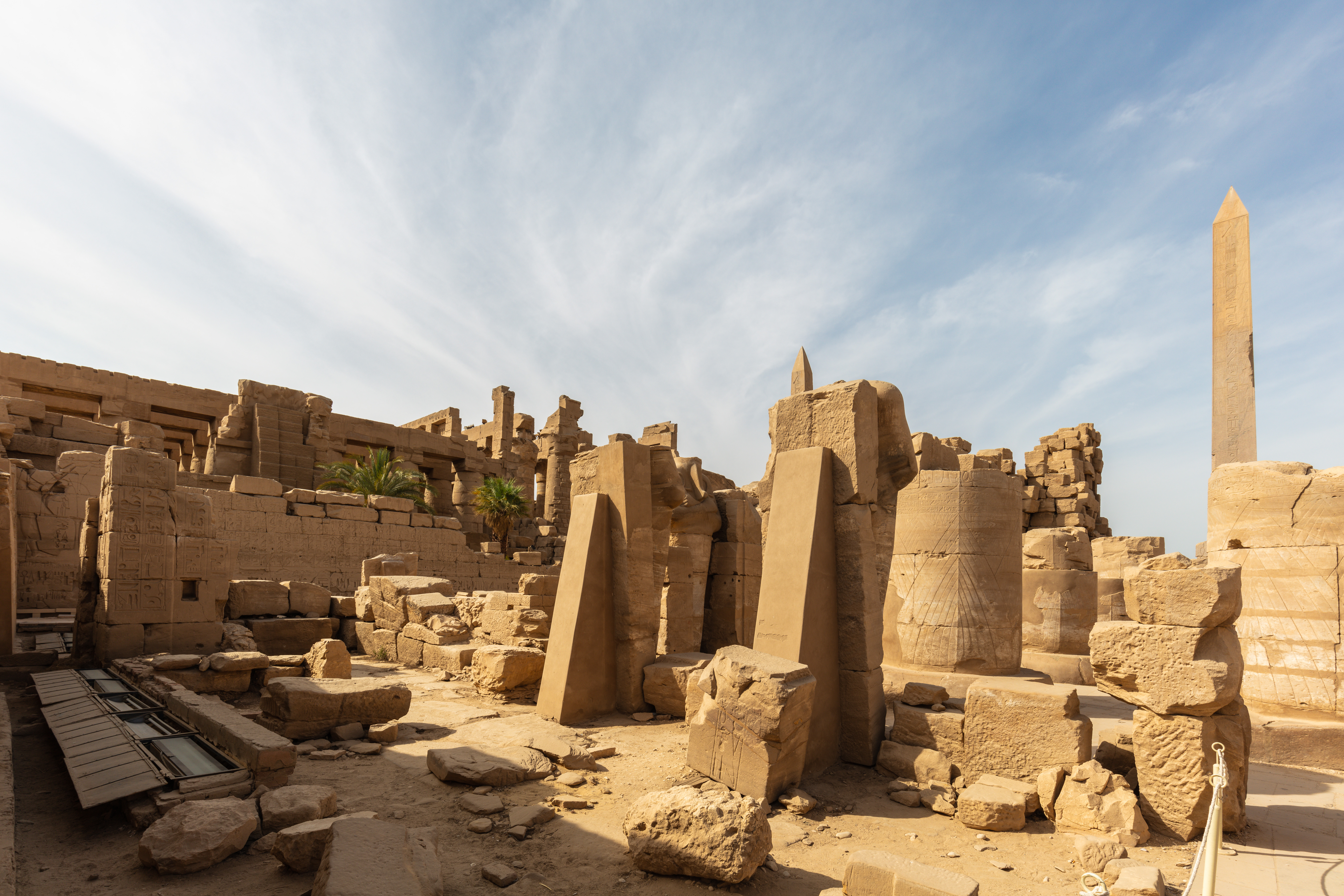
- Obeliscos y Pilones: Maravíllate con los obeliscos imponentes, algunos aún en pie con orgullo, erigidos por faraones como Hatshepsut y Tutmosis I. Los masivos pilones, puertas monumentales, te saludan en varios puntos, cada uno contando la historia del faraón que lo construyó.
- Templo de Jonsu y Templo del Festival de Tutmosis III: Profundiza en el Templo de Jonsu, dedicado al dios de la luna, y el único Templo del Festival de Tutmosis III, conocido por su estilo arquitectónico distintivo y relieves botánicos.
- Capillas y Santuarios Más Pequeños: Explora una multitud de capillas y santuarios más pequeños dedicados a varias deidades y faraones, cada uno contribuyendo a la rica tapicería del complejo.
Cómo Visitar el Templo de Karnak
El Templo de Karnak es fácilmente accesible desde cualquier lugar en Luxor. Los taxis, autobuses locales o tours organizados son todas opciones viables. Muchos cruceros por el Nilo también incluyen Karnak como una excursión principal.
- Entradas: Las entradas se pueden comprar directamente en la entrada. Se recomienda verificar los horarios de apertura y los precios de las entradas con antelación, ya que pueden cambiar ocasionalmente.
- Tiempo Necesario: Para apreciar verdaderamente su inmensidad y los intrincados detalles, destina al menos 3-4 horas para tu visita. Muchos visitantes pasan medio día explorando las diversas secciones.
Mejor Época para Visitar y Consejos
La mejor época para visitar Luxor, y por ende Karnak, es durante los meses más frescos, de octubre a abril. El clima es mucho más agradable para explorar grandes sitios al aire libre.
- Mañana Temprano o Tarde Tarde: Llegar temprano en la mañana poco después de la apertura, o en la tarde antes del cierre, te permite evitar las multitudes más grandes y experimentar la luz más suave y fotogénica.
- Mantente Hidratado: Luxor puede ser muy caluroso, especialmente fuera de la temporada alta. Lleva suficiente agua y usa un sombrero y protector solar.
- Calzado Cómodo: Harás mucho caminar sobre superficies irregulares, así que los zapatos cómodos son imprescindibles.
- Contrata un Guía: Aunque es posible explorar de manera independiente, contratar a un guía egiptólogo local puede mejorar significativamente tu comprensión y apreciación de la historia y simbolismo de Karnak.
- Vestimenta Respetuosa: Aunque no se aplica estrictamente a los turistas, se aprecia siempre una vestimenta modesta por respeto a la naturaleza sagrada del sitio.
Significado Histórico
Centurias de Evolución Arquitectónica
La narrativa de Karnak abarca más de dos milenios, con la construcción inicial comenzando alrededor del 2055 a.C. y continuando a través de la era ptolemaica. Su desarrollo no se basó en un único plano, sino que evolucionó orgánicamente, ya que los sucesivos faraones contribuyeron con sus propios monumentos, ampliaron las estructuras existentes y dejaron sus marcas indelebles. Esta expansión continua resultó en el distintivo tapiz arquitectónico visible hoy en día.
El Nexo Espiritual de la Antigua Tebas
Como el centro principal de adoración para la deidad Amun-Re durante el Nuevo Reino, Karnak tuvo la importancia religiosa más significativa en el antiguo Egipto. Funcionó no solo como un templo sagrado, sino también como un centro gubernamental, un tesoro y un granero. Su inmensa riqueza e influencia se reflejaron en sus proporciones monumentales y las lujosas ofrendas presentadas tanto por faraones como por plebeyos.
El complejo narra vívidamente una saga de autoridad, piedad y el dinámico paisaje religioso del antiguo Egipto.
Tours Visitando el Templo de Karnak
Experiencias privadas guiadas por egiptólogos con boletos y traslados gestionados para usted.
Esta excursión de un día completo desde el puerto de Safaga lleva a los pasajeros de crucero a Luxor para ver el complejo del Templo de Karnak, el Valle de los…
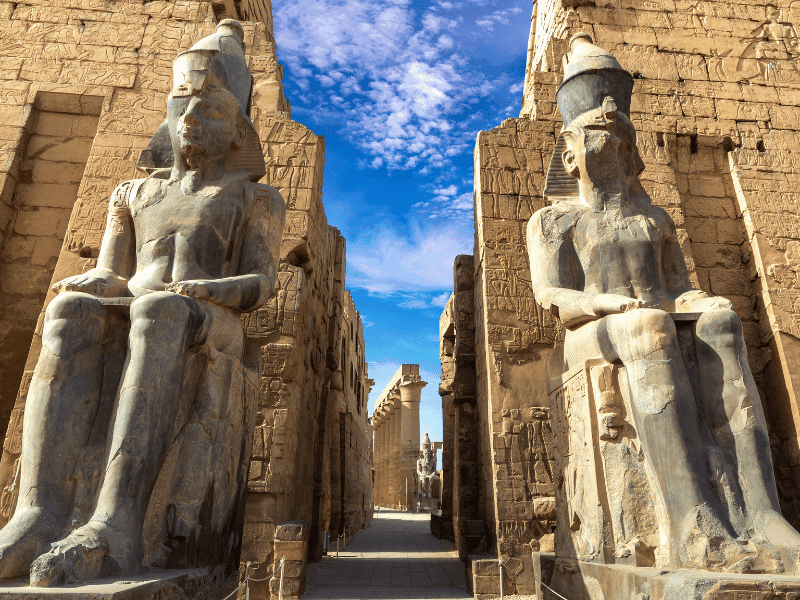
Te encontrarás de pie ante los imponentes pilones de Karnak, listo para adentrarte en sus misterios. Este día completo en Luxor promete una profunda…
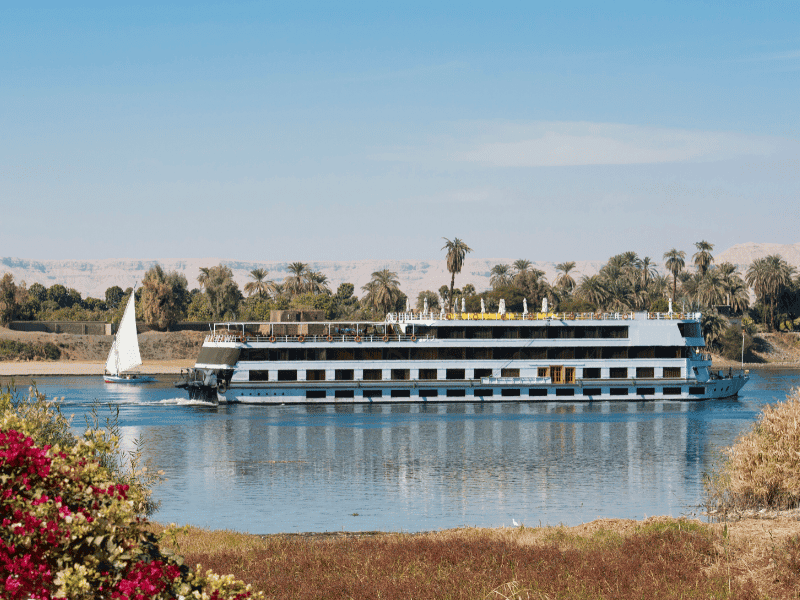
Este crucero por el Nilo de 3 o 4 noches a bordo del M/S Nile Dolphin navega entre Luxor y Asuán, deteniéndose en Kom Ombo, Edfu y los sitios emblemáticos de…
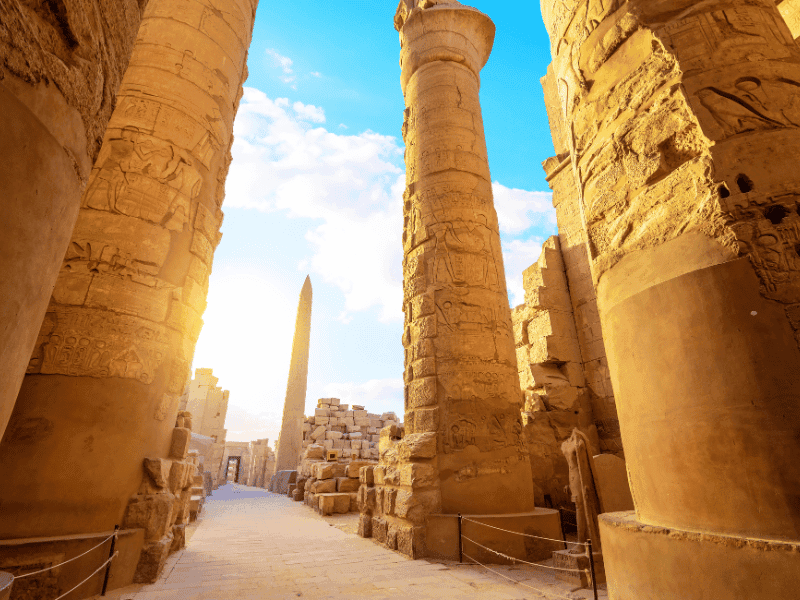
Este tour de un día completo lleva a los viajeros de El Cairo a Luxor y de regreso en un solo día, cubriendo el Valle de los Reyes, el templo mortuorio de…

Este tour privado de 10 días por Egipto viaja desde El Cairo a través de un crucero por el Nilo entre Asuán y Luxor hasta una estancia en el Mar Rojo en…
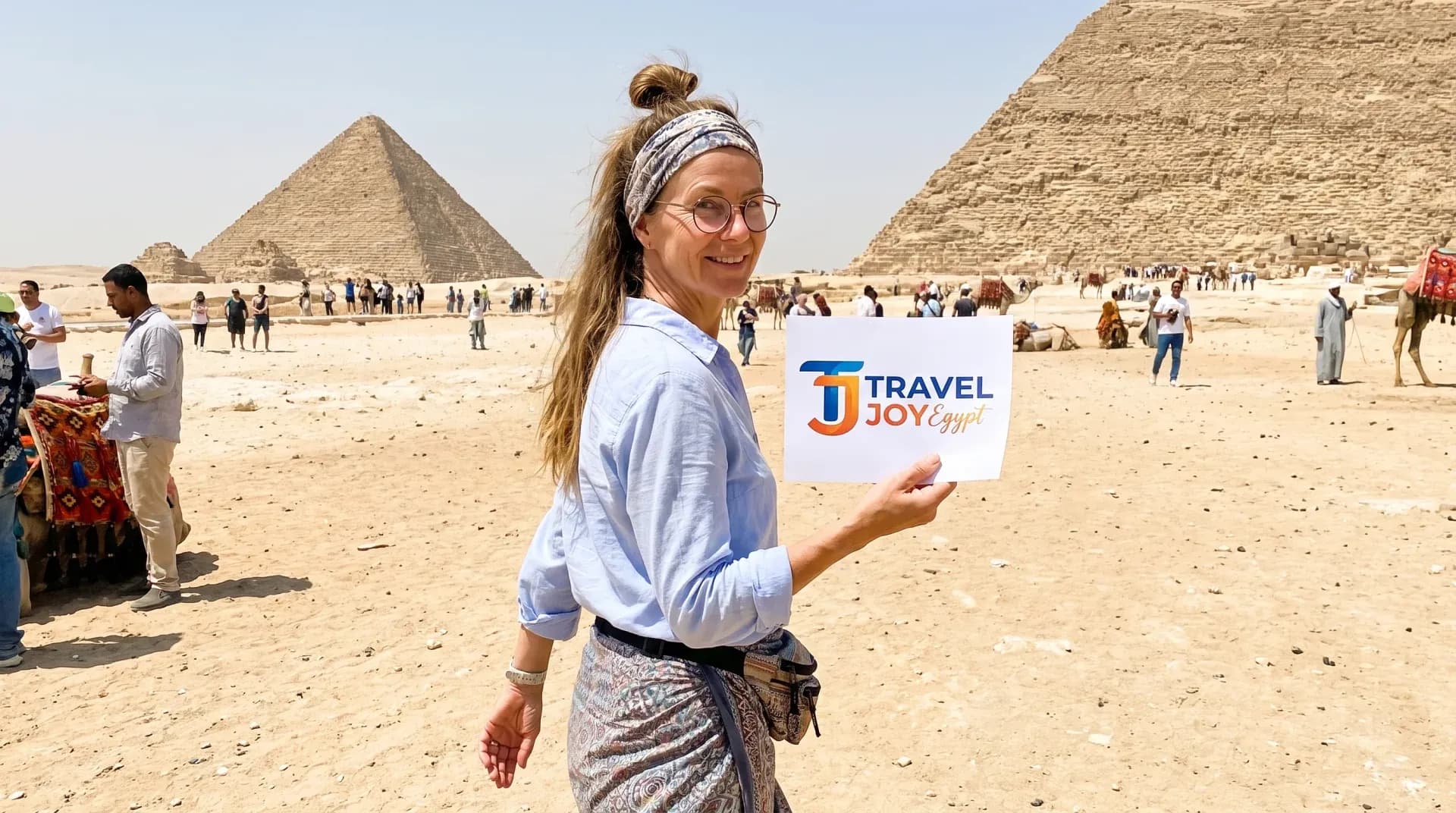
Este tour guiado de 10 días, dirigido en todo momento por la guía de Travel Joy Egypt, Jessica, combina los sitios de El Cairo y el Valle del Nilo de Egipto…
Templo de Karnak — Preguntas Frecuentes
Todo lo que necesitas saber antes de visitar el Templo de Karnak.
1¿Cuál es la parte más impresionante del Templo de Karnak?
2¿Cuánto tiempo debería dedicar a visitar el Templo de Karnak?
3¿Es accesible el Templo de Karnak para los visitantes con problemas de movilidad?
4¿Hay visitas guiadas disponibles en el Templo de Karnak?
5¿Puedo tomar fotos dentro del Templo de Karnak?
6¿Cuál es la importancia del Lago Sagrado en Karnak?
Principales atracciones en Luxor
tours de Egipto por destino
Explorar tours en Egipto por categoría
- 1Paquetes de Tour por Egipto
- 2Excursiones de un día en Egipto
- 3Cruceros por el Nilo
- 4Tours a medida
- 5Paquetes de Luna de Miel
- 6Paquetes Familiares
- 7Paquetes de lujo
- 8Paquetes Privados
- 9Paquetes para Grupos Pequeños
- 10Paquetes Todo Incluido
- 11Tours de Último Minuto en Egipto
- 12Cruceros Dahabiya
- 13Guía de Viaje de Egipto
- 14Paquetes de Tour a Egipto desde EE. UU.
- 15Paquetes de Tour por Egipto y Jordania