
Templo de Luxor: Tours, Entradas y Guía para Visitantes
Acerca del Templo de Luxor
Descubre el Templo de Luxor: Un Monumento al Poder Real
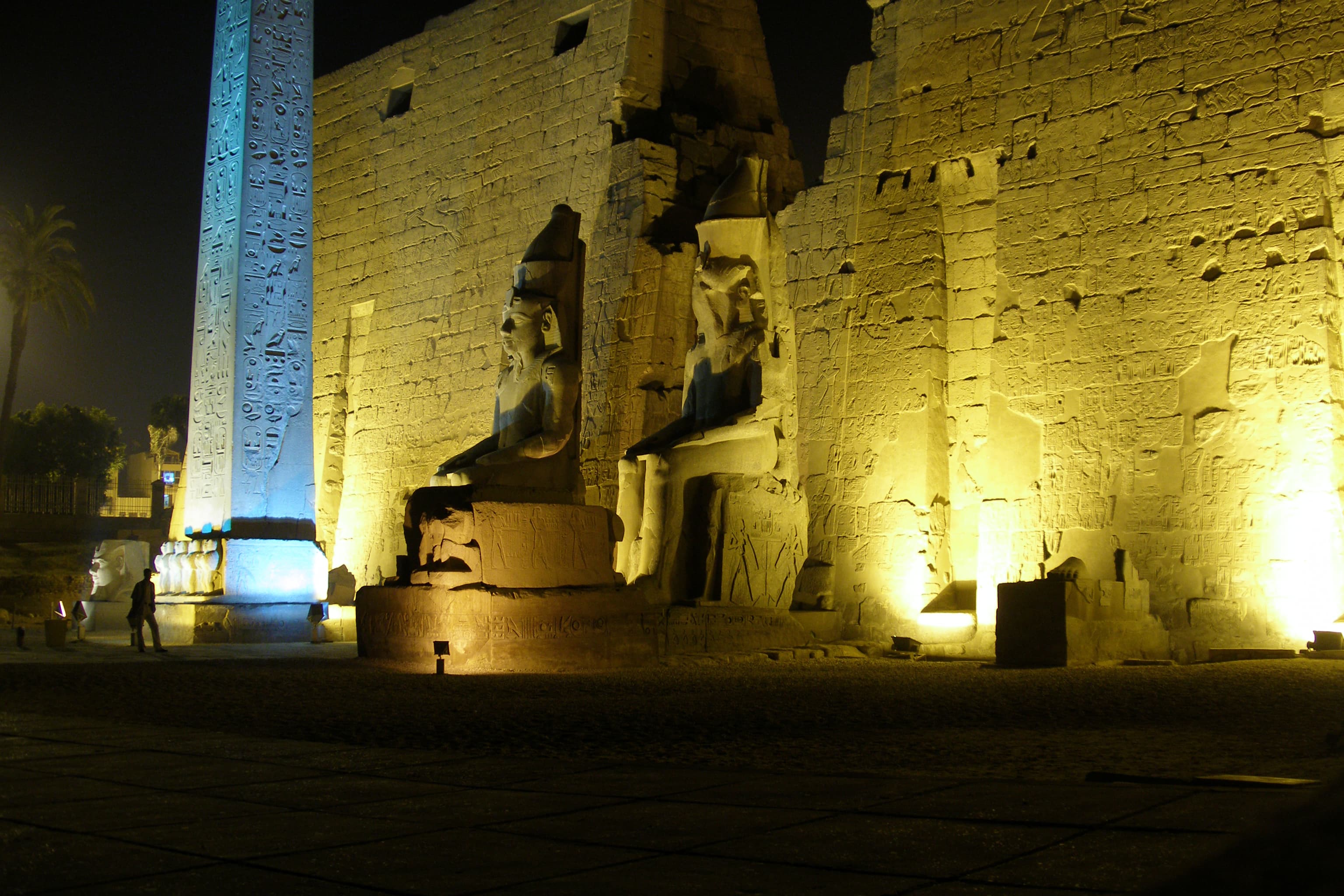
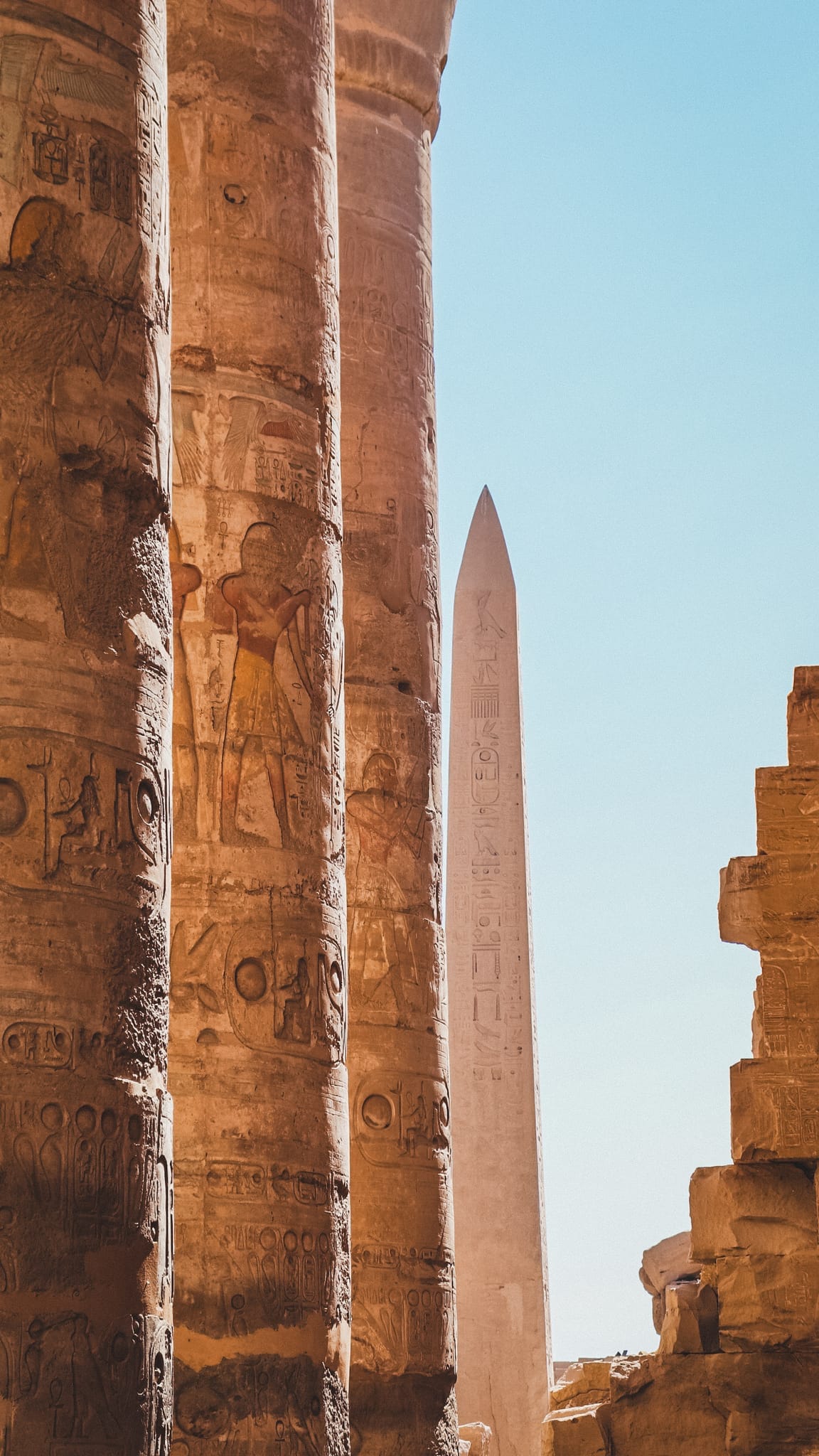
Magníficamente iluminado después del anochecer, el Templo de Luxor, situado con gracia a lo largo del Nilo, se erige como un testimonio del esplendor del Nuevo Reino, adornado con estatuas monumentales y paredes de jeroglíficos intrincadamente talladas. Conocido en la antigüedad como Ipet Resyt, o 'El Santuario del Sur', este complejo sagrado transmite poderosamente la perdurable fuerza y el brillante arte del Egipto faraónico.
De manera única, a diferencia de muchos sitios sagrados dedicados a una deidad específica o prácticas funerarias, el propósito central del Templo de Luxor era celebrar la renovación de la realeza. Sirvió como el sitio simbólico y a menudo literal de coronación para numerosos faraones, afirmando su mandato divino para gobernar.
Esta profunda conexión con la autoridad real y la legitimidad divina hace que el Templo de Luxor no sea solo un lugar de culto, sino un gran escenario donde la esencia misma del dominio egipcio se reafirmaba perpetuamente. Una visita aquí es caminar a través de siglos de poder, piedad y la eterna búsqueda de la inmortalidad.
¿Qué Hace Especial al Templo de Luxor?
El Templo de Luxor se distingue por su profunda conexión con el concepto de realeza y su inigualable grandeza arquitectónica. Mientras que muchos templos honraban a dioses, el Templo de Luxor estaba principalmente dedicado al aspecto divino del faraón mismo, particularmente a través del Festival de Opet, una vibrante celebración anual. Este enfoque en la rejuvenecimiento real y el nacimiento divino lo distingue, ofreciendo una visión única de la ideología política y religiosa del antiguo Egipto.
La ubicación del templo, directamente en la orilla este del Nilo, también añade a su atractivo, especialmente cuando se ve desde el río o contra el telón de fondo de un atardecer, transformando sus antiguas piedras en un tableau viviente de historia.
Maravillas Arquitectónicas & Legado Duradero
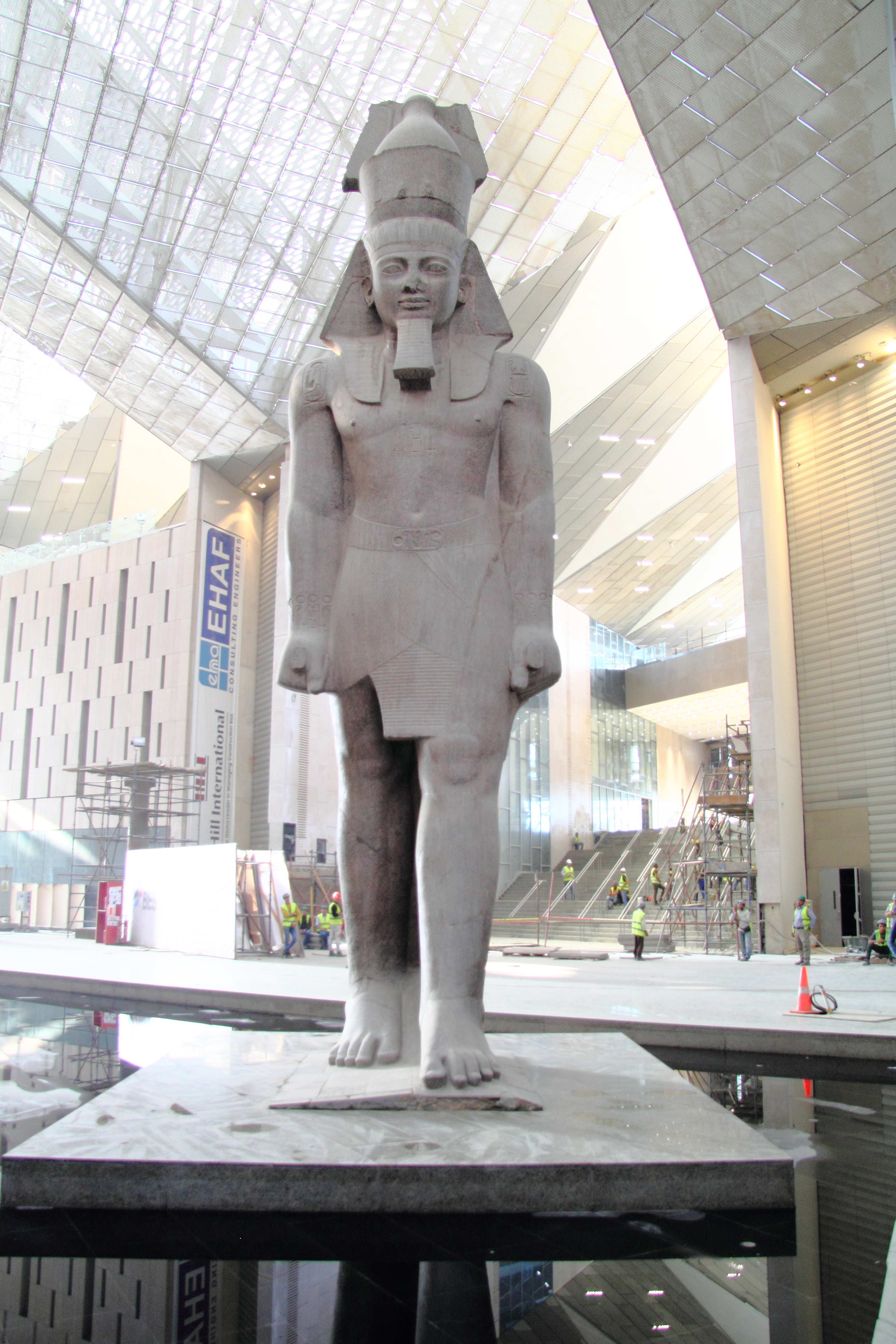
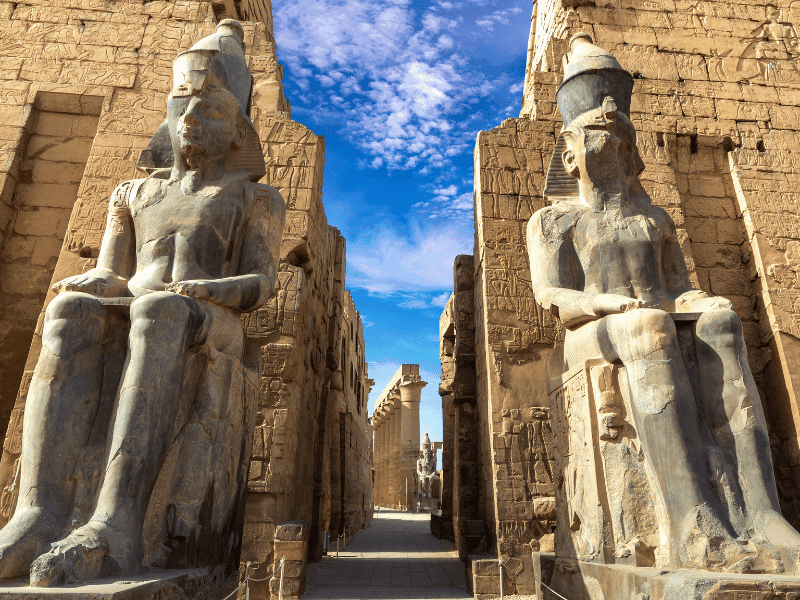
- El Primer Pilón de Ramsés II: Al pasar por esta imponente entrada, una creación de Ramsés II, los visitantes son inmediatamente impactados por la magnitud de la ambición del antiguo Egipto. Originalmente, seis colosales estatuas de Ramsés II custodiaban esta entrada; hoy en día, quedan dos figuras sentadas y una figura de pie, junto a un obelisco imponente – su contraparte ahora adorna la Place de la Concorde en París. El pilón en sí está adornado con vívidos relieves que representan la Batalla de Kadesh, un testimonio de la destreza militar de Ramsés II.
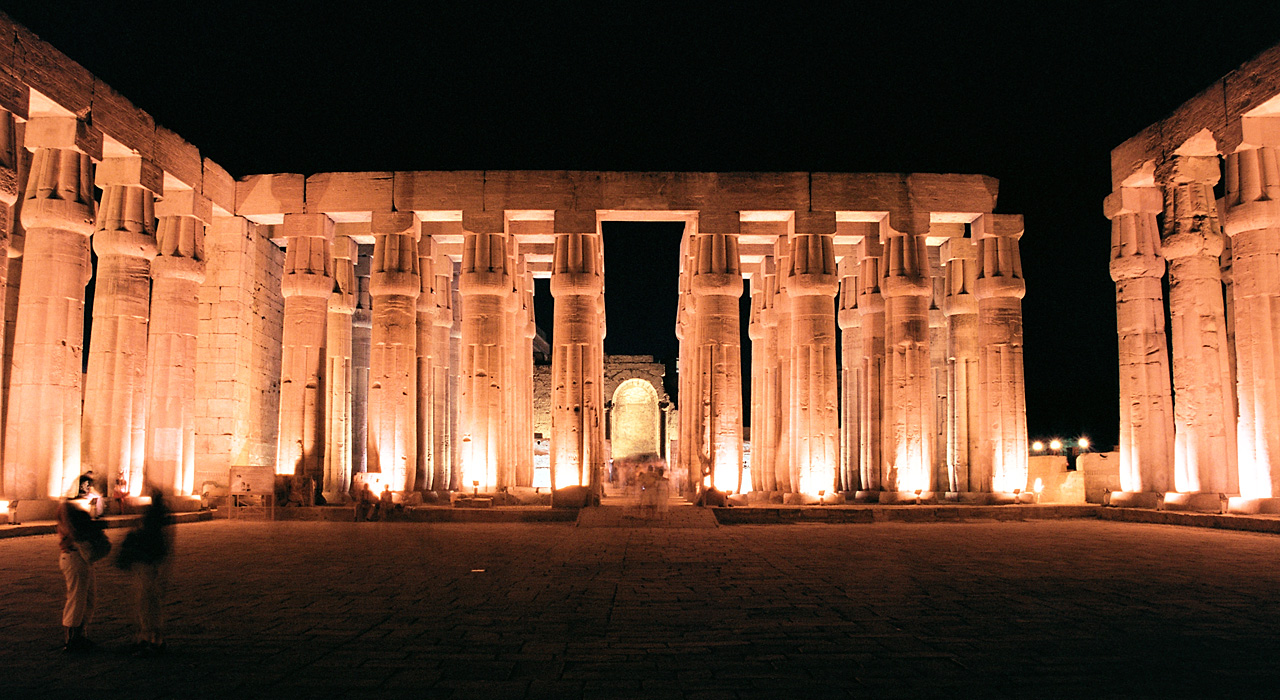
- El Gran Patio de Ramsés II: Más allá de esta puerta, se despliega el expansivo Gran Patio de Ramsés II, distinguido por una doble fila de columnas de haces de papiro. Este vasto espacio, a menudo bullicioso con antiguas procesiones, fue diseñado para grandes ceremonias y exhibiciones públicas del poder real, creando una impresionante sensación de escala y majestad.
- Colonnade de Amenhotep III: Conectando el patio de Ramsés II con los sagrados interiores del templo, esta magnífica columnata procesional presenta catorce columnas imponentes con capiteles de papiro abiertos. Es un impresionante corredor arquitectónico, cuyas paredes están adornadas con relieves que representan el Festival de Opet, enfatizando aún más el propósito del templo.
- El Santuario de Amenhotep III: El corazón interno del templo, iniciado por Amenhotep III, alberga las áreas más sagradas. Aunque alteradas por los faraones posteriores, estas cámaras conservan un profundo sentido de antigüedad y significado espiritual, albergando una vez las barcas sagradas de la Trinidad Tebana.
Qué Ver en el Templo de Luxor
Un viaje a través del Templo de Luxor es un viaje a través del tiempo, revelando capas de historia y brillantez arquitectónica. Más allá de las colosales estatuas y los imponentes pilones, preste atención a los intrincados detalles que cuentan la historia del templo:
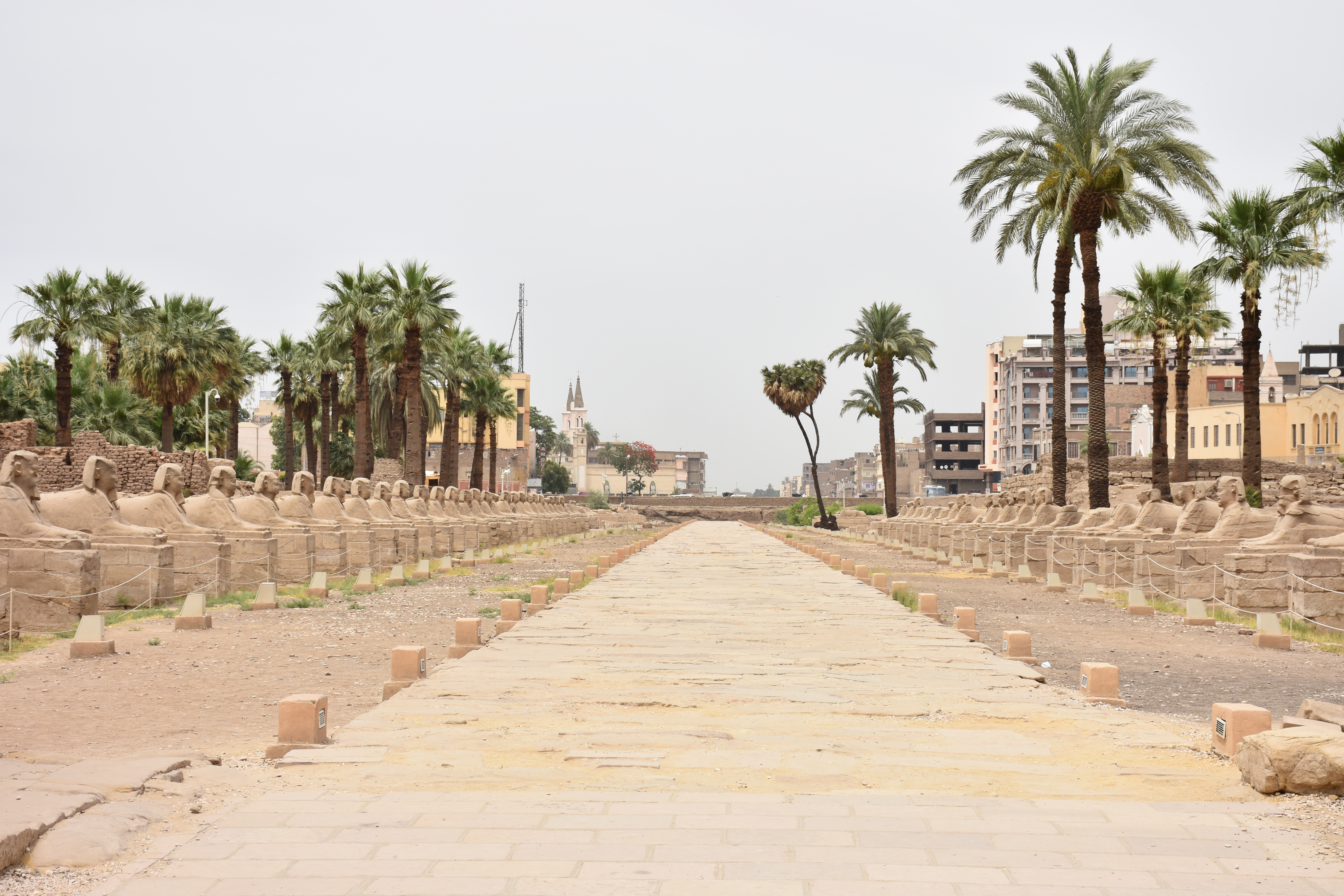
- La Avenida de las Esfinges: Aunque en gran parte enterrada durante siglos, se han excavado y restaurado secciones de la antigua Avenida de las Esfinges, que una vez conectó el Templo de Luxor con el Templo de Karnak. Caminar por este camino ofrece un vistazo a las grandiosas rutas procesionales de la antigüedad.
- Adiciones Romanas: Dentro de los patios del templo, puedes observar los restos de un campamento romano e incluso un santuario romano al emperador, ilustrando el uso y adaptación posterior del templo a través de diferentes eras.
- Mezquita Abu el-Haggag: Notablemente, una mezquita en funcionamiento, la Mezquita Abu el-Haggag, se encuentra dentro del complejo del templo, construida sobre estructuras anteriores. Se erige como un testimonio vivo del uso sagrado continuo de este sitio a lo largo de milenios.
- Iluminación Nocturna: Aunque impresionante durante el día, el Templo de Luxor realmente cobra vida después de la puesta del sol. La iluminación estratégica proyecta sombras dramáticas y resalta los intrincados tallados, ofreciendo una experiencia mágica e inolvidable.
Cómo Visitar el Templo de Luxor
El Templo de Luxor está convenientemente ubicado en la orilla este del Nilo, lo que lo hace fácilmente accesible desde la mayoría de los hoteles en Luxor. Es una parada esencial en cualquier itinerario.
Cómo Llegar:
El templo está a poca distancia a pie para muchos visitantes que se alojan en el centro de Luxor. Los taxis, carruajes tirados por caballos (calèches) e incluso barcos locales (feluccas) pueden dejarte cerca. También es una parada común en tours organizados.
Entradas y Acceso:
Las entradas se pueden comprar en la puerta de entrada. Se recomienda verificar los precios actuales y los horarios de operación con anticipación, ya que estos pueden cambiar. Considera comprar un Pase de Luxor si planeas visitar múltiples sitios en la zona, lo que puede ofrecer ahorros y conveniencia.
Tiempo Necesario:
Permite un mínimo de 2 a 3 horas para explorar a fondo el Templo de Luxor. Si planeas visitar tanto de día como de noche, o deseas quedarte y absorber la atmósfera, asigna más tiempo. La escala y el detalle justifican una exploración pausada.
Mejor momento para visitar y consejos
- Las noches son mágicas: Como se mencionó, visitar después del anochecer cuando el templo está bellamente iluminado es un punto culminante para muchos. Las temperaturas más frescas y la atmósfera dramática mejoran significativamente la experiencia.
- Mañanas tempranas: Si prefieres evitar multitudes y experimentar el templo a la luz natural del día, una visita a primera hora, justo al abrir, es ideal. La luz es suave y la temperatura es más cómoda.
- Calzado cómodo: Harás mucho caminar sobre superficies antiguas y desiguales, así que unos zapatos cómodos son imprescindibles.
- Mantente hidratado: Luxor puede ser muy caluroso, especialmente durante el día. Lleva mucha agua.
- Protección solar: Un sombrero, gafas de sol y protector solar son esenciales para las visitas diurnas.
- Cámara: ¡No olvides tu cámara! El templo ofrece innumerables oportunidades fotográficas, especialmente por la noche.
- Guías: Considera contratar a un guía egiptólogo con licencia. Sus conocimientos pueden dar vida a los jeroglíficos, tallas e historia del templo, enriqueciendo enormemente tu visita.
Significado Histórico
La Narrativa Duradera del Templo de Luxor
Los orígenes del Templo de Luxor se remontan al Nuevo Reino, principalmente iniciados por Amenhotep III (18ª Dinastía) alrededor de 1390 a.C. Él sentó las bases para los patios interiores y santuarios, dedicando el complejo a la Trinidad tebana de Amón, Mut y Jonsu, aunque su enfoque principal seguía siendo el aspecto divino de la realeza.
Cientos de años después, Ramsés II (19ª Dinastía) amplió significativamente el templo, añadiendo el magnífico Primer Pilón, el Gran Patio y las colosales estatuas y obeliscos que definen su entrada hoy en día. Sus adiciones fueron diseñadas estratégicamente para impresionar y reforzar su propia autoridad divina. Faraones posteriores, incluyendo a Tutankamón y Horemheb, también contribuyeron a la embellecimiento y construcción del templo.
Durante la era romana, partes del templo fueron reutilizadas. Se estableció un campamento de legionario romano dentro de sus muros, y se construyó una capilla dedicada al culto imperial dentro del salón hipóstilo. Con el tiempo, se construyó la Mezquita de Abu el-Haggag sobre las antiguas ruinas, ilustrando la ocupación continua y adaptación de este sitio sagrado a lo largo de la historia. Las excavaciones continúan hasta el día de hoy, revelando nuevas capas de su rica historia.
Tours visitando el Templo de Luxor
Experiencias privadas guiadas por egiptólogos con boletos y traslados gestionados para usted.
Te encontrarás de pie ante los imponentes pilones de Karnak, listo para adentrarte en sus misterios. Este día completo en Luxor promete una profunda…
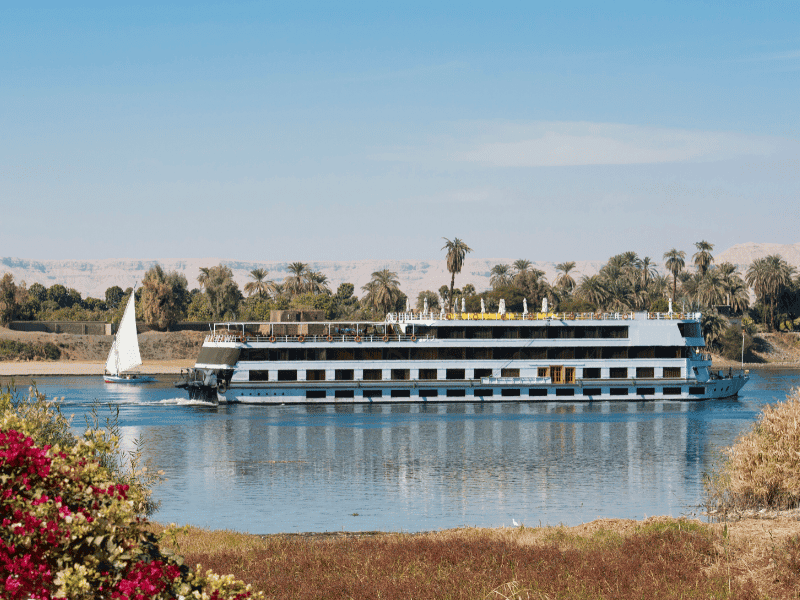
Este crucero por el Nilo de 3 o 4 noches a bordo del M/S Nile Dolphin navega entre Luxor y Asuán, deteniéndose en Kom Ombo, Edfu y los sitios emblemáticos de…

Este tour privado de 10 días por Egipto viaja desde El Cairo a través de un crucero por el Nilo entre Asuán y Luxor hasta una estancia en el Mar Rojo en…

Este tour guiado de 10 días, dirigido en todo momento por la guía de Travel Joy Egypt, Jessica, combina los sitios de El Cairo y el Valle del Nilo de Egipto…

Este tour de lujo de 12 días traza una ruta desde El Cairo a través de los sitios menos visitados de Egipto Medio hasta Luxor y Asuán, combinando un itinerario…
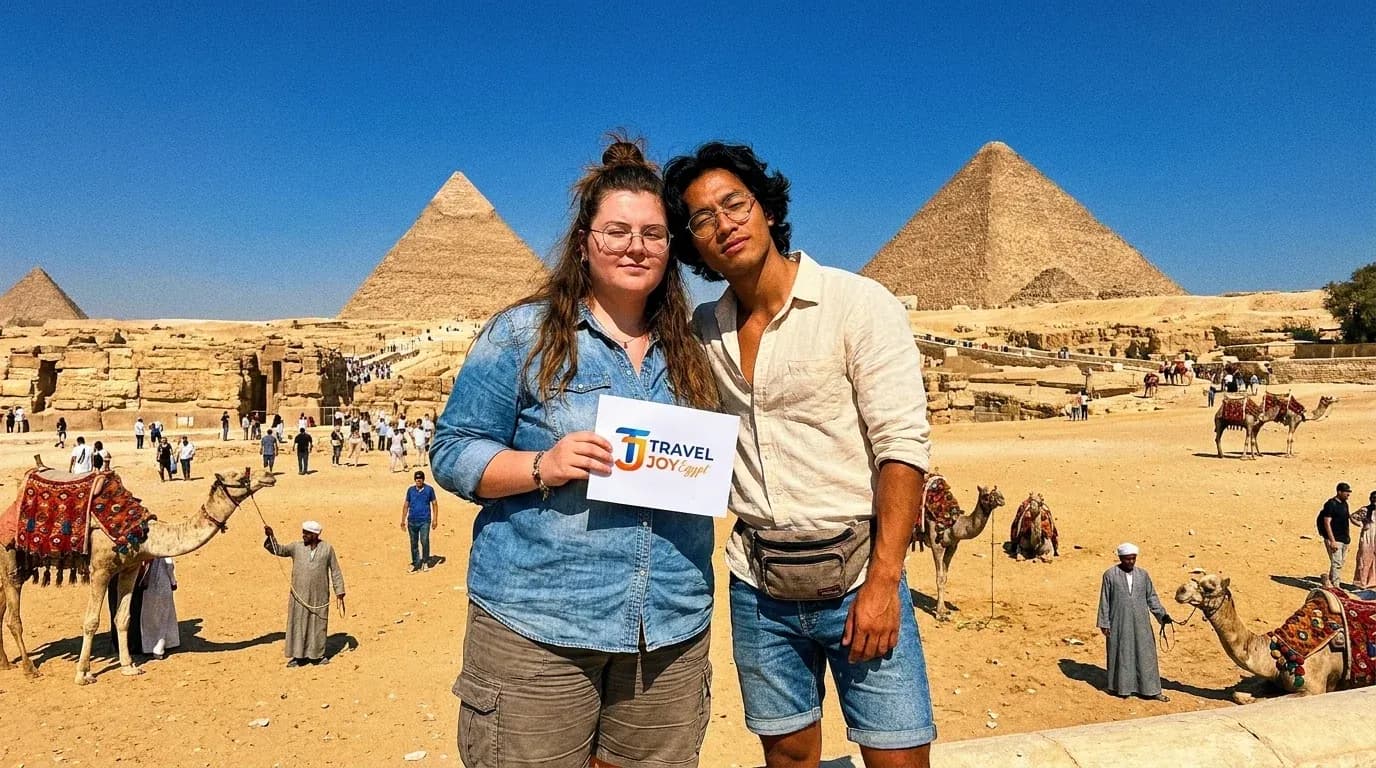
Este tour cultural de 13 días cubre El Cairo, Alejandría, Luxor y Asuán, combinando visitas turísticas basadas en hoteles en el norte con un crucero por el…
Templo de Luxor — Preguntas Frecuentes
Todo lo que necesitas saber antes de visitar el Templo de Luxor.
1¿Cuál es el propósito principal del Templo de Luxor?
2¿Quién construyó el Templo de Luxor?
3¿Puedo visitar el Templo de Luxor por la noche?
4¿Cuál es la importancia del Festival de Opet representado en el Templo de Luxor?
5¿Hay alguna estructura no antigua egipcia dentro del Templo de Luxor?
Principales atracciones en Luxor
tours de Egipto por destino
Explorar tours en Egipto por categoría
- 1Paquetes de Tour por Egipto
- 2Excursiones de un día en Egipto
- 3Cruceros por el Nilo
- 4Tours a medida
- 5Paquetes de Luna de Miel
- 6Paquetes Familiares
- 7Paquetes de lujo
- 8Paquetes Privados
- 9Paquetes para Grupos Pequeños
- 10Paquetes Todo Incluido
- 11Tours de Último Minuto en Egipto
- 12Cruceros Dahabiya
- 13Guía de Viaje de Egipto
- 14Paquetes de Tour a Egipto desde EE. UU.
- 15Paquetes de Tour por Egipto y Jordania