
About Colosos de Memnón
Encuentre a los centinelas eternos del Nilo: los colosos de Memnón
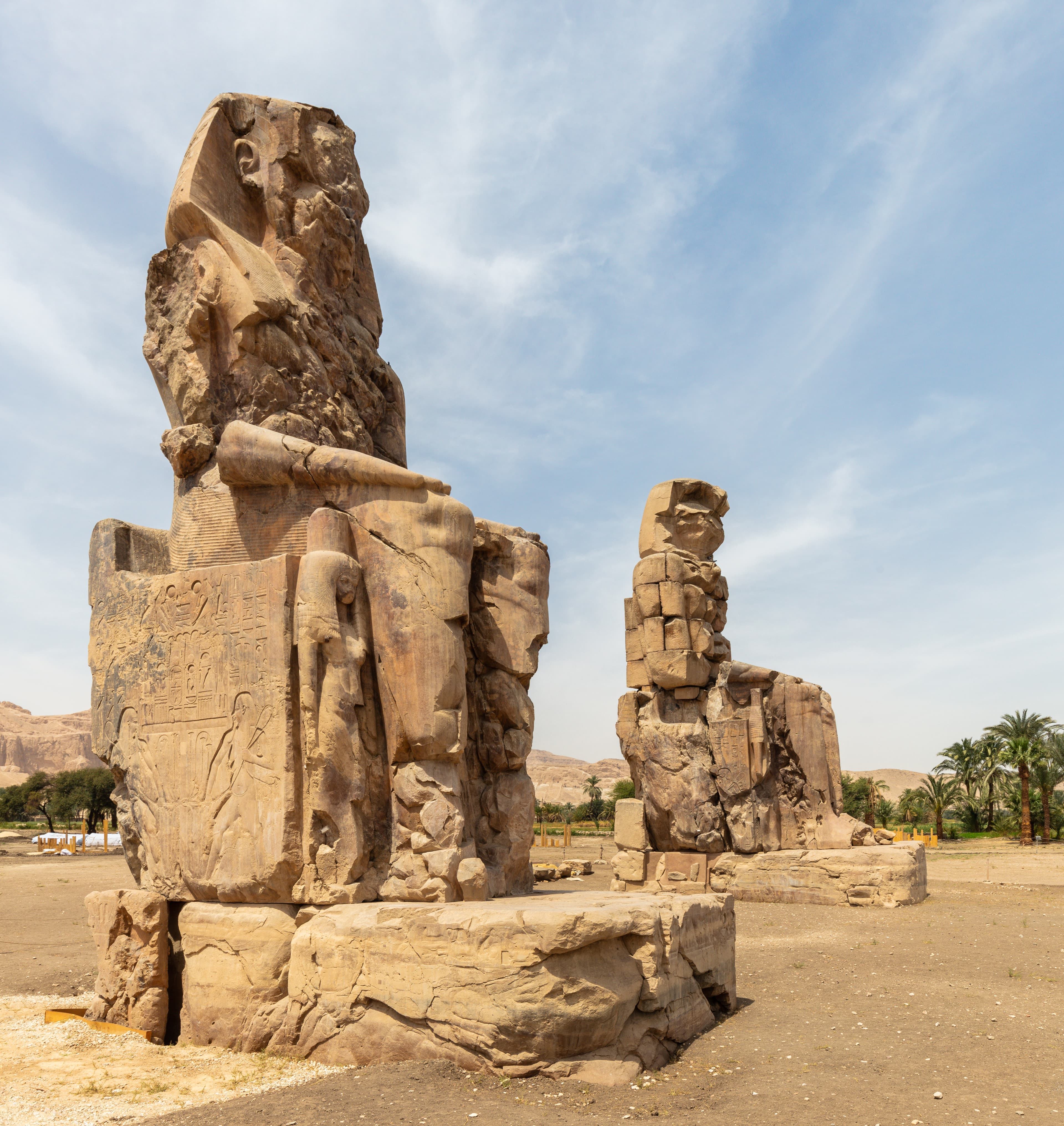
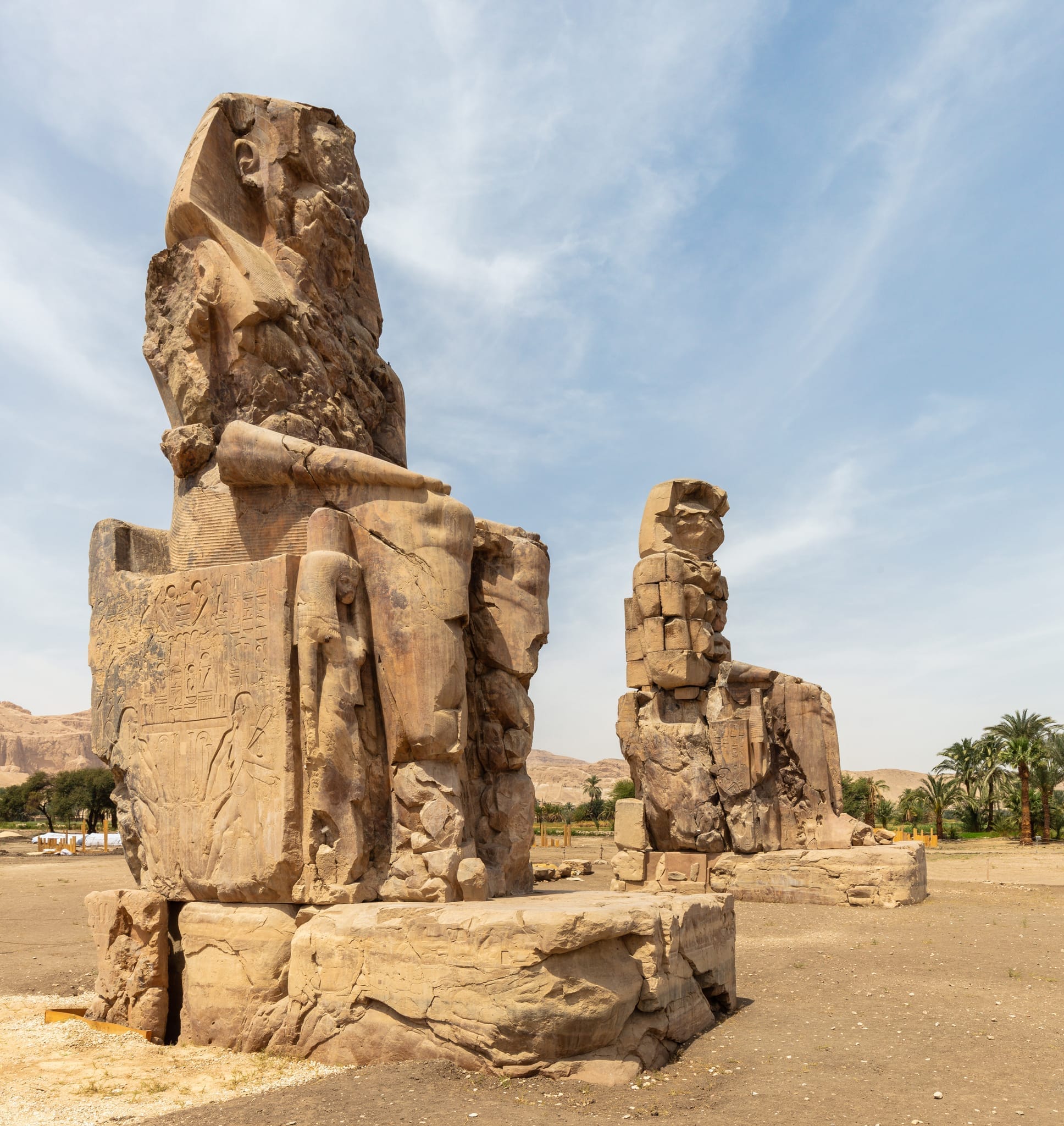
Al acercarse a Cisjordania de Luxor, dos magníficas figuras emergen majestuosamente de la extensión del desierto, capturando inmediatamente la mirada. Estos son los Colosos de Memnón, monumentales efigies gemelas del faraón Amenhotep III, que han sido guardianes de la necrópolis tebana durante la asombrosa cantidad de 3.400 años.
Más que simples estatuas inmensas, son testimonios profundos de la ambición, la destreza de la ingeniería y el legado cultural duradero del antiguo Egipto, y ofrecen un vínculo tangible con una civilización que continúa fascinando e inspirando.
Estas colosales esculturas, que originalmente flanqueaban la entrada al vasto templo mortuorio de Amenhotep III, un complejo en expansión que una vez rivalizó con Karnak en su grandeza, ahora se encuentran en un espléndido aislamiento, centinelas silenciosos que guardan los recuerdos de un paisaje sagrado que alguna vez fue próspero. Invitan a los visitantes a contemplar el paso de los milenios, la impermanencia incluso de las estructuras más grandiosas y el poder duradero de la creación humana.
Una visita aquí no es simplemente una observación; es una inmersión en el corazón mismo de la mitología y la historia del antiguo Egipto, una oportunidad de conectarse con el pasado en un nivel casi espiritual.
¿Qué hace que los Colosos de Memnón sean especiales?
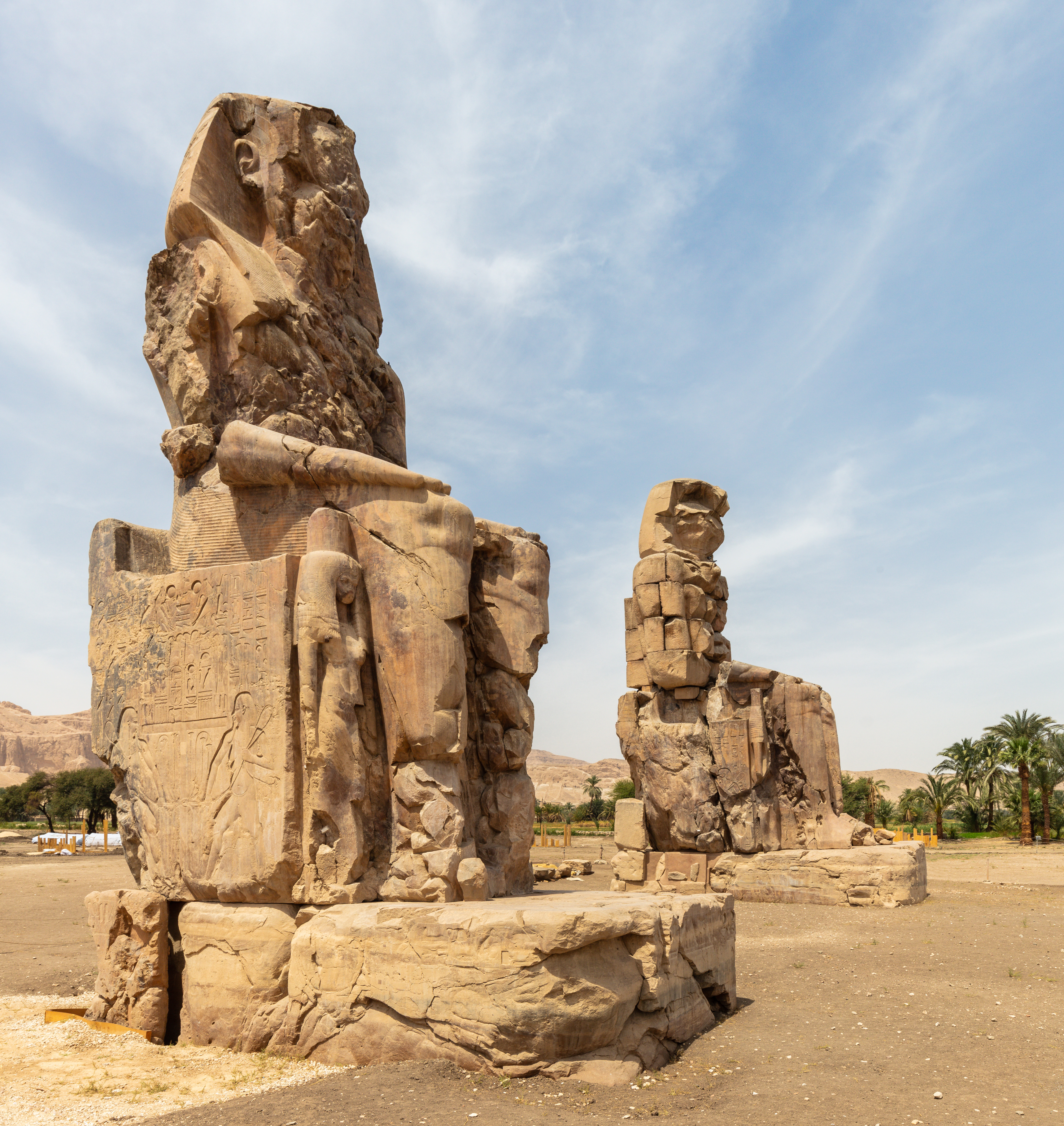
Su gran escala y resistencia de los Colosos son sin duda sus rasgos más llamativos. Cada escultura, meticulosamente tallada en bloques singulares de arenisca de cuarcita, alcanza una altura aproximada de 18 metros (60 pies), aproximadamente equivalente a un edificio de seis pisos, y cuenta con un peso estimado de 720 toneladas.
Imagine los desafíos logísticos y de ingeniería que implicaron la extracción, el transporte y la construcción de obras tan monumentales hace más de tres milenios, sin la ayuda de maquinaria moderna. Su mera existencia es una maravilla.
Más allá de su grandeza física, los Colosos ocupan un lugar único en la historia debido a su fascinante narrativa posterior a la construcción. Adquirieron su designación "Memnón" de los griegos, que vinculaban el coloso del norte con Memnón, un legendario monarca etíope asesinado por Aquiles durante la Guerra de Troya.
Esta asociación surgió del peculiar fenómeno de la estatua del norte "cantando" al amanecer, un sonido causado por los cambios de temperatura y la evaporación del rocío a través de las grietas, que los griegos interpretaron como Memnón saludando a su madre, Eos, la diosa del amanecer. Aunque más tarde los emperadores romanos repararon la estatua, silenciando sus gritos melódicos, la leyenda y el nombre perduraron, añadiendo una capa de intriga mítica a estas figuras ya impresionantes.
Qué ver en los Colosos de Memnón
A medida que te acerques a estos antiguos guardianes, tómate un momento para absorber su imponente presencia. Aunque erosionadas por el tiempo y los elementos, su majestuosidad original aún es palpable. Esto es lo que debe buscar:
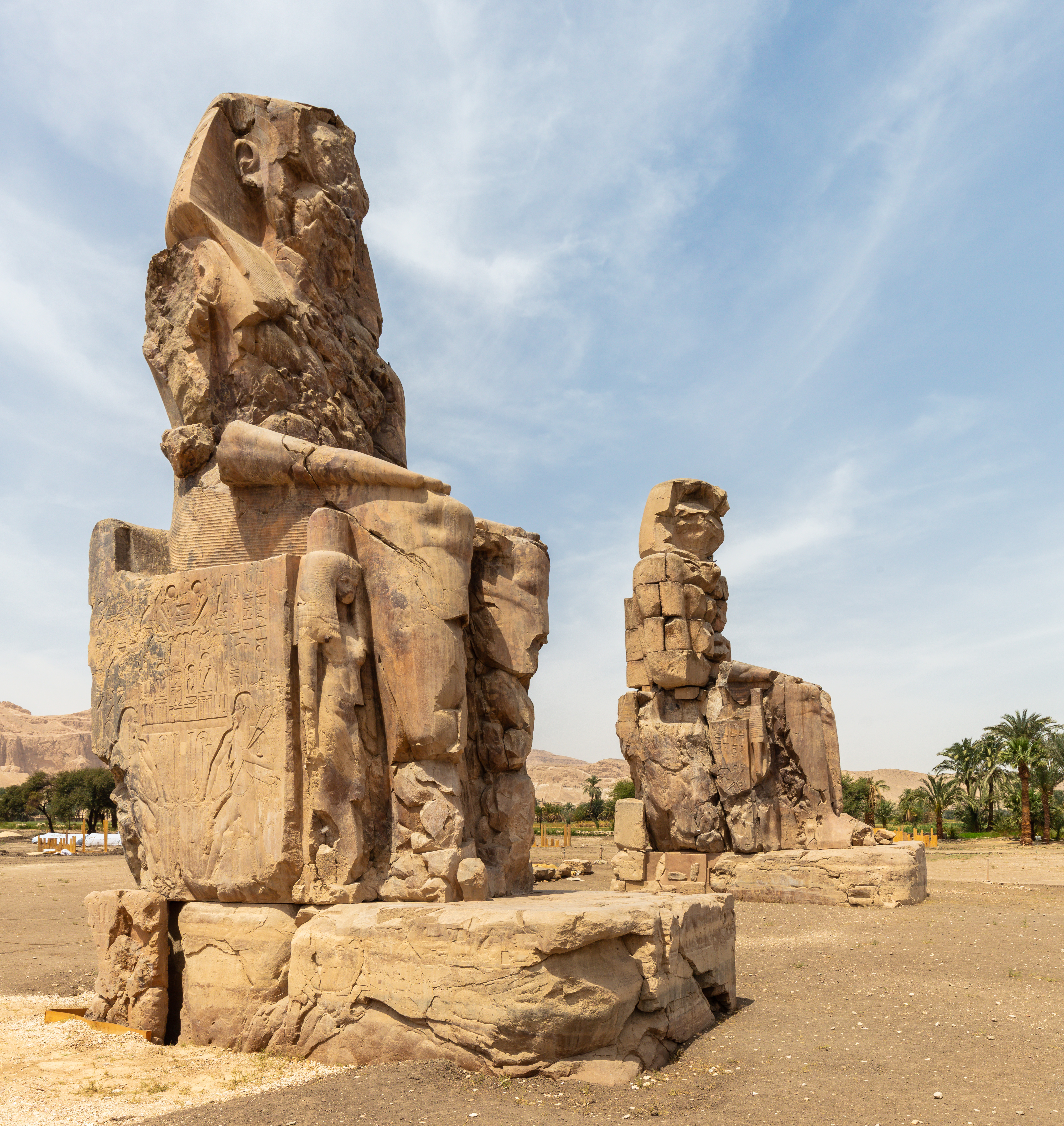
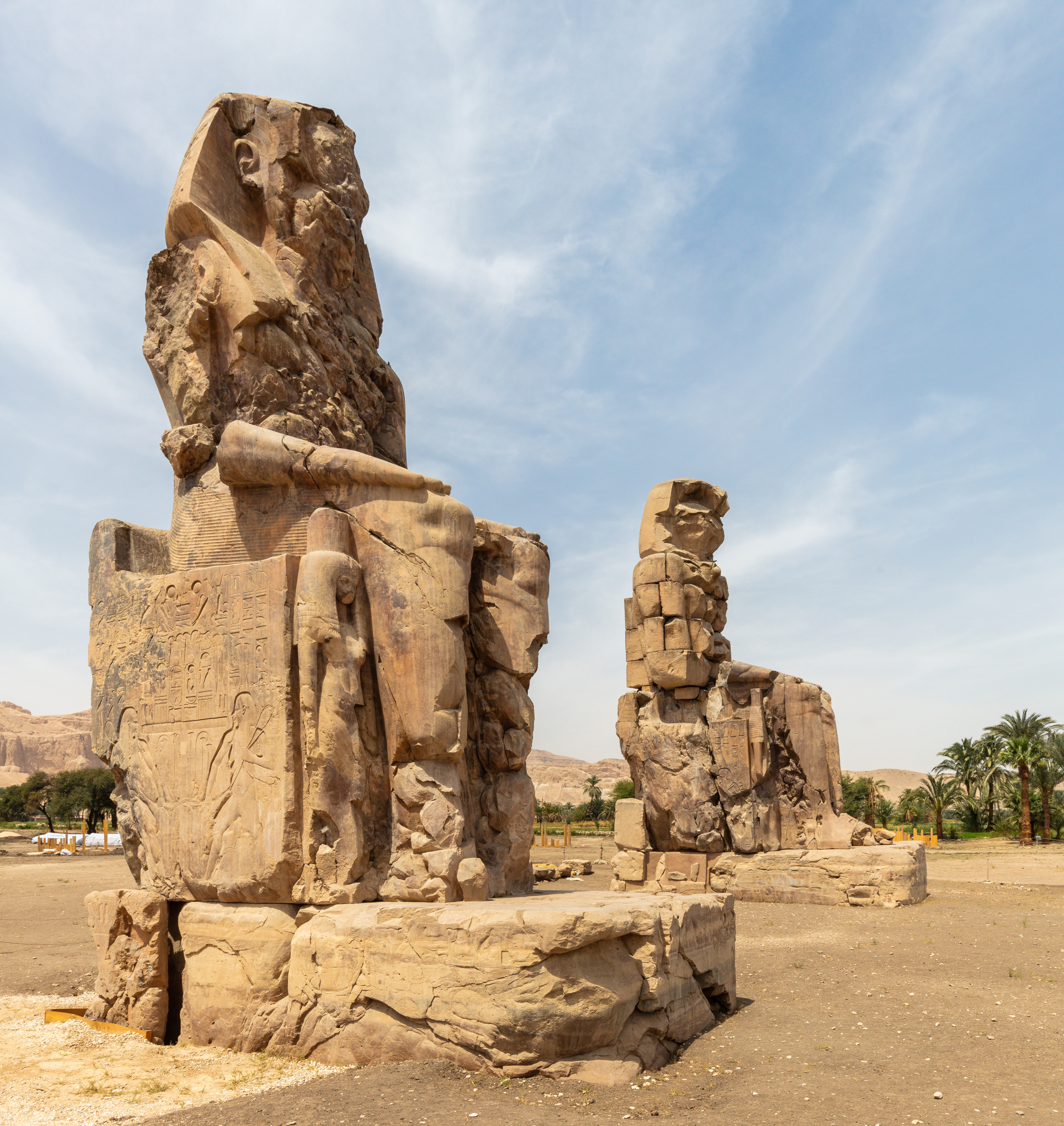
- El faraón entronizado: Ambas estatuas representan al faraón Amenhotep III sentado en su trono, con las manos apoyadas suavemente en las rodillas y la mirada serenamente fijada hacia el este, hacia el sol naciente. Esta orientación fue deliberada y simboliza la vida eterna y el renacimiento del faraón, reflejando el viaje diario del sol.
- Representaciones de la familia real: Adornando sus piernas hay representaciones más pequeñas, pero aún detalladas, de su venerada madre, Mutemwiya, y su esposa principal, Tiye. Estas inclusiones subrayan la importancia del linaje real y la familia en la sociedad del antiguo Egipto.
- Relieves de Hapy de la deidad del Nilo: Los paneles laterales de los tronos presentan intrincados relieves de la deidad del Nilo Hapy, representada uniendo las plantas del Alto y Bajo Egipto. Estas poderosas imágenes simbolizan la unidad y la fertilidad de la tierra, esenciales para la prosperidad del reino faraónico.
- La huella del templo mortuorio: Si bien el vasto templo mortuorio de Amenhotep III, originalmente conocido como la "Casa de los Millones de Años", ha desaparecido en gran medida, sus colosales guardianes permanecen. Tómate un momento para imaginar la inmensa escala de lo que una vez estuvo detrás de ellos, un complejo diseñado para la veneración post mortem del faraón que era el más grande de Cisjordania. Aunque gran parte de su piedra fue reutilizada posteriormente debido a su proximidad a la llanura aluvial del Nilo, las excavaciones arqueológicas en curso continúan descubriendo restos que ofrecen vislumbres de su antigua gloria.
Cómo visitar los Colosos de Memnón
Cómo llegar
Los Colosos de Memnón se encuentran en Cisjordania de Luxor, lo que los convierte en una parada clave en cualquier recorrido por Cisjordania. La mayoría de los visitantes viajan en taxi, automóvil privado o como parte de un recorrido organizado desde Luxor East Bank. Puedes cruzar el Nilo en falúas o lanchas a motor, y luego hacer un corto trayecto en taxi hasta el lugar. El sitio es de fácil acceso y está bien señalizado.
Entradas y entrada
A diferencia de muchos otros sitios antiguos en Luxor, no hay una tarifa de entrada independiente para los Colosos de Memnón. Están situados al aire libre y puedes verlos y caminar por la base sin comprar un billete. Esto los convierte en una primera parada cómoda y gratuita en su exploración de Cisjordania.
Tiempo necesario
Asigne aproximadamente entre 30 y 45 minutos para su visita. Esto permite tener tiempo suficiente para caminar alrededor de ambas estatuas, tomar fotografías y reflexionar sobre su historia. Si está especialmente interesado en el trabajo arqueológico en curso en los alrededores, puede pasar un poco más de tiempo.
Mejor época para visitar y consejos
Es mejor visitar los Colosos temprano en la mañana, idealmente justo después del amanecer. Esto no solo ofrece la iluminación más espectacular para la fotografía, con el sol iluminando sus miradas orientadas hacia el este, sino que también le permite experimentar el sitio en temperaturas más frescas antes de que el calor del mediodía se vuelva intenso. Además, las visitas matutinas tienden a estar menos concurridas, lo que ofrece una experiencia más serena y contemplativa.
- Use zapatos cómodos: si bien el área alrededor de los Colosos es relativamente plana, es probable que camine mucho por Cisjordania.
- Lleve agua y protección solar: El sol egipcio puede ser intenso. Se recomienda encarecidamente llevar sombrero, gafas de sol y protector solar, además de mucha agua.
- Contrate a un guía experto: Si bien no es estrictamente necesario para ver los Colosos, un guía egiptólogo local puede proporcionar un contexto y conocimientos históricos invaluables, dando vida a las estatuas y la historia que las rodea.
- Combínelo con otros sitios de Cisjordania: Los Colosos son un punto de partida perfecto para un día explorando los tesoros de Cisjordania, incluido el Valle. de los Reyes, el Templo de Hatshepsut y Medinet Habu.
Historical Significance
Una crónica grabada en piedra: la narrativa de los colosos
Los colosos de Memnón se erigieron originalmente como los principales protectores del templo mortuorio de Amenhotep III (1386-1349 a. C.), reconocido como uno de los constructores más prolíficos del antiguo Egipto y un faraón de inmensa riqueza e influencia. Este santuario, conocido como la 'Casa de los Millones de Años', era el más grande de Cisjordania y estaba diseñado para la veneración post mortem del faraón.
Lamentablemente, su proximidad a la llanura de inundación anual del Nilo provocó su rápido deterioro y, en la época romana, gran parte se había derrumbado y su piedra se había reutilizado para construcciones posteriores.
Las estatuas adquirieron su designación "Memnón" de los griegos, que vinculaban el coloso del norte con Memnón, un legendario monarca etíope asesinado por Aquiles durante la Guerra de Troya. Esta asociación surgió porque, después de un terremoto en el año 27 a. C., la estatua del norte desarrolló fisuras y comenzó a "cantar" o tararear al amanecer, un fenómeno probablemente atribuido a las fluctuaciones de temperatura y la evaporación del rocío dentro de las grietas.
Esta estatua "vocal" se convirtió en una importante atracción para los emperadores y dignatarios romanos, que inscribían sus visitas en sus patas, hasta que el emperador Septimio Severo emprendió reparaciones en el año 199 d. C., silenciando para siempre su antigua melodía.
Tours Visiting Colosos de Memnón
Private, Egyptologist-guided experiences with tickets and transfers handled for you.

Travel Joy Egypt invita a los huéspedes a una excursión de un día escapando del puerto de Alejandría para ver de cerca las ilustres pirámides de Giza y el…
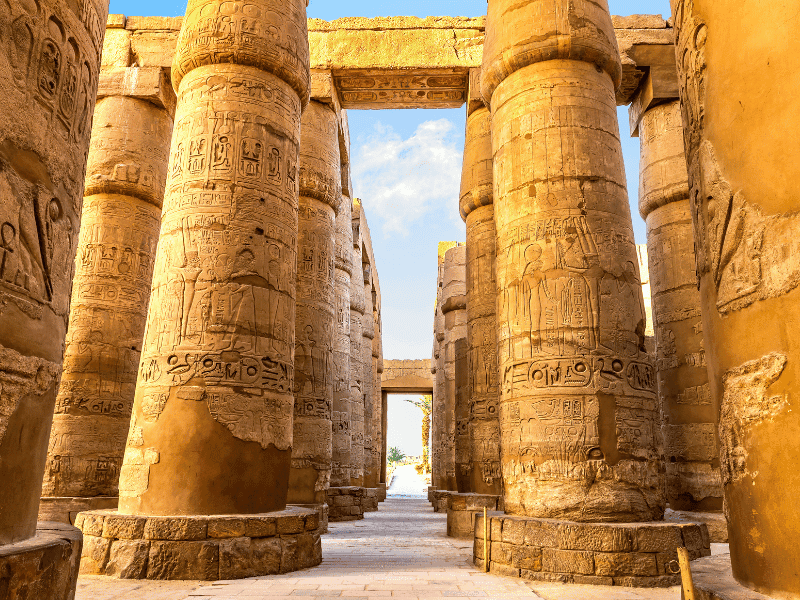
ravel Joy Egypt ofrece una completa excursión de un día desde el puerto de Safaga para explorar los famosos sitios de Luxor, incluido el vasto complejo del…
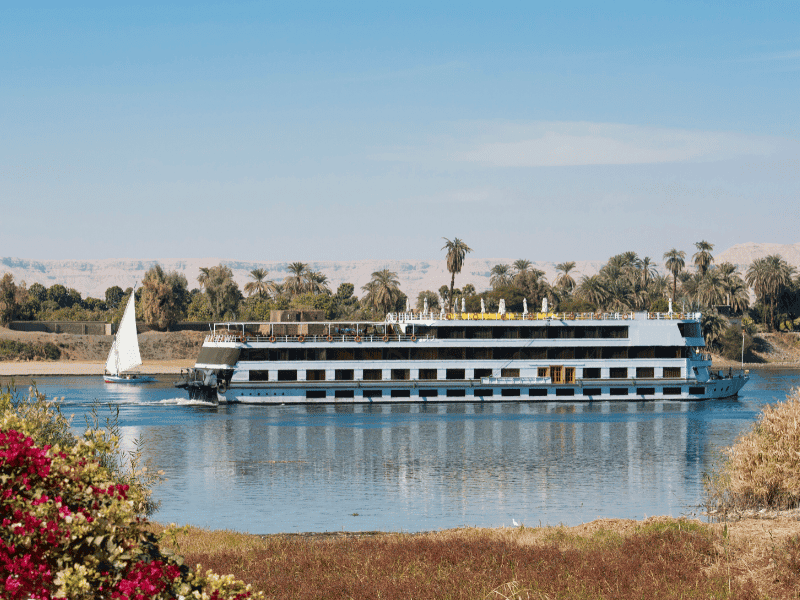
Travel Joy Egypt ofrece una lujosa experiencia de crucero de 5 estrellas a bordo del M/S Nile Dolphin entre Luxor y Asuán. Los huéspedes pueden disfrutar de…
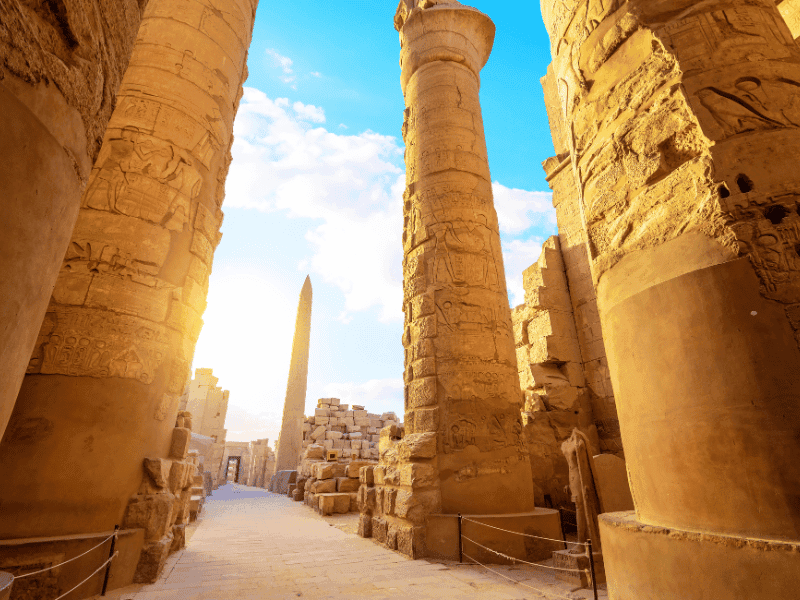
Este tour de un día a Luxor desde El Cairo ofrece una aventura inolvidable explorando los antiguos tesoros de Luxor. Los huéspedes visitarán el impresionante…
Este recorrido en grupos pequeños por Egipto lleva a los viajeros a una aventura arqueológica para explorar los sitios más ricos a lo largo del valle del río…

Travel Joy Egypt ofrece un emocionante recorrido de 10 días que cubre los sitios más emblemáticos de Egipto y Jordania. El recorrido comienza en El Cairo con…
Colosos de Memnón — Frequently Asked Questions
Everything you need to know before visiting Colosos de Memnón.