
Gran Esfinge de Giza: Tours, Tickets & Visitor Guide
About Gran Esfinge de Giza
Revelando la majestuosidad eterna de la Gran Esfinge de Giza
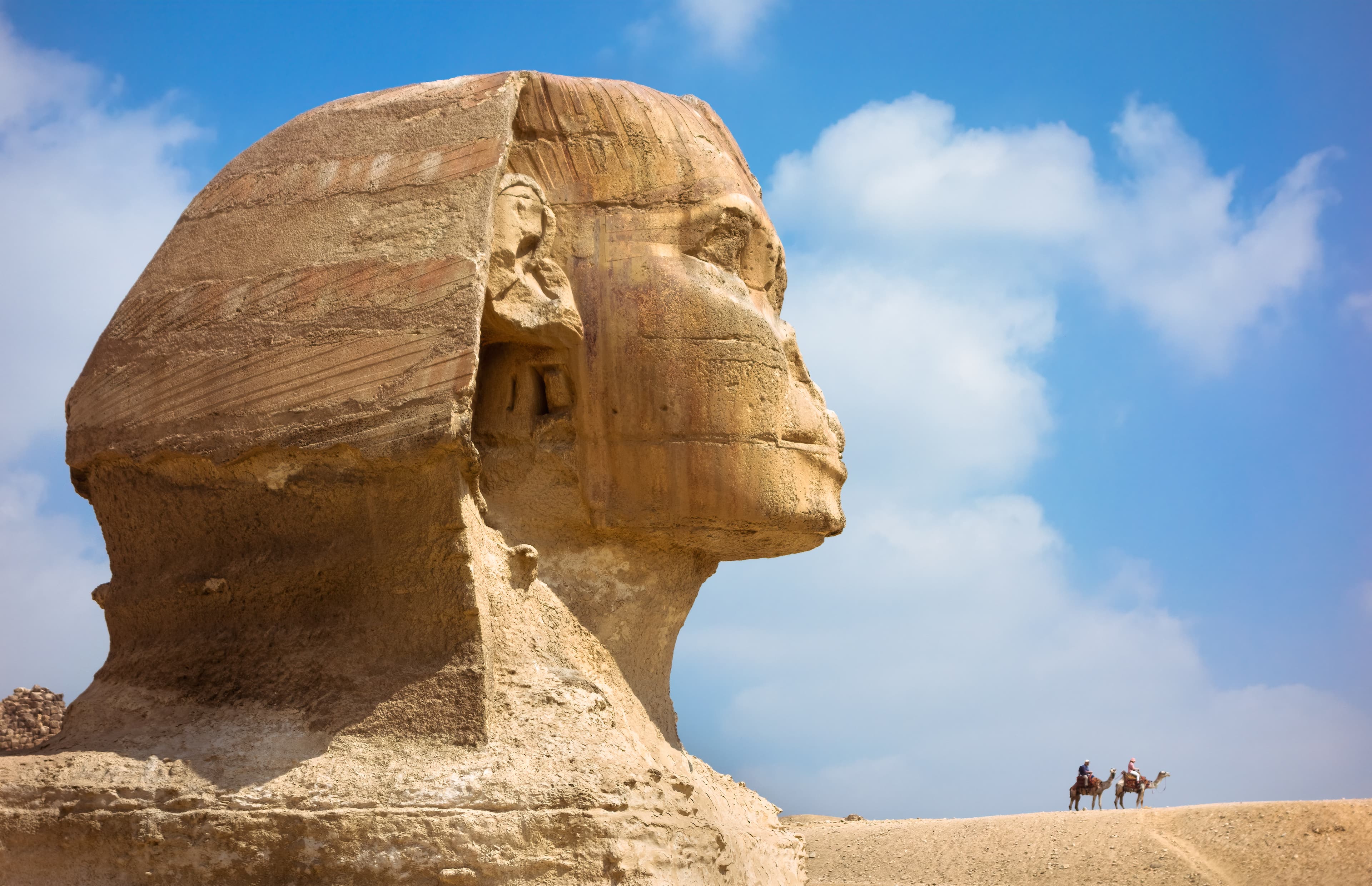
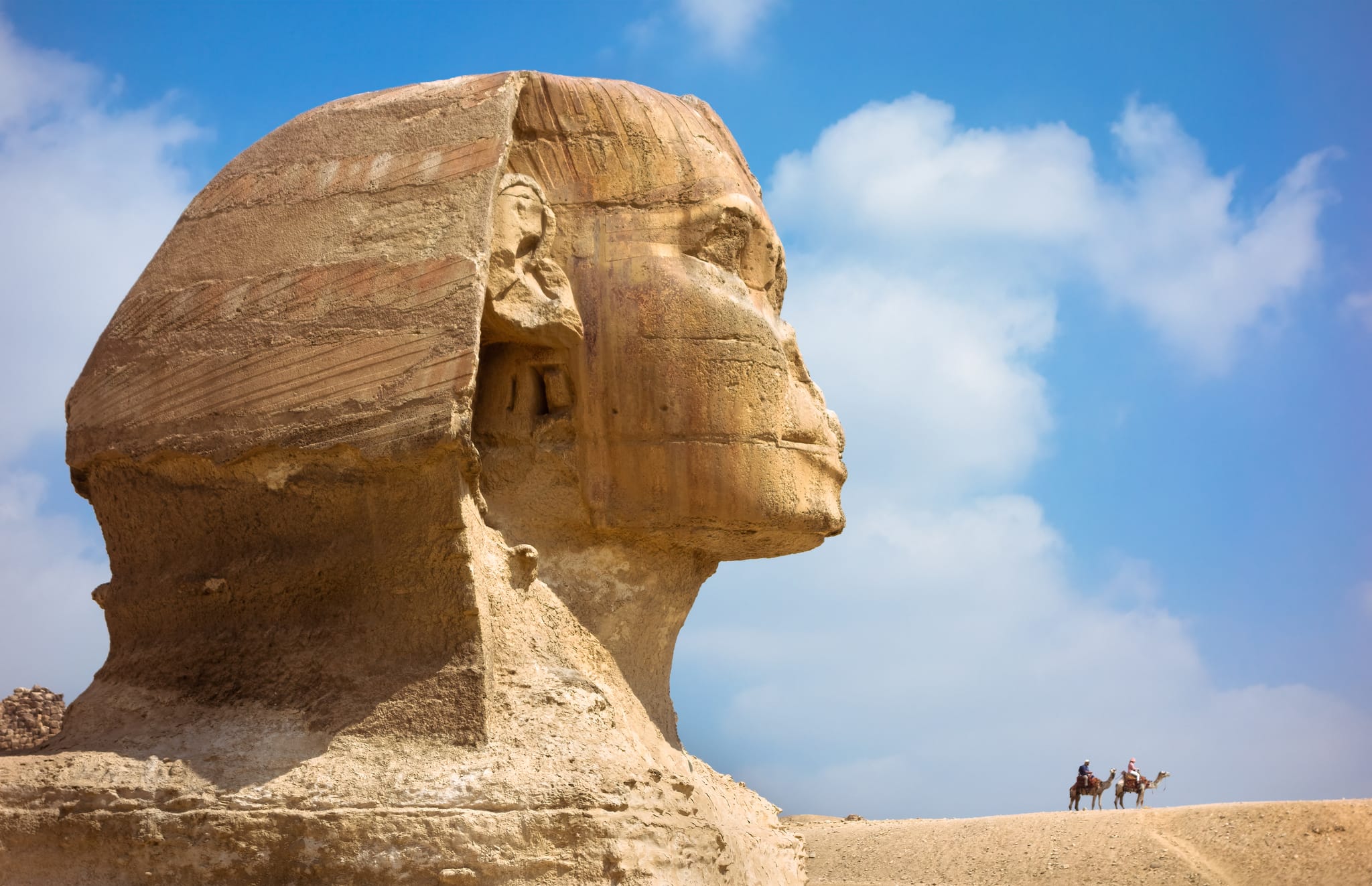
Prepárese para quedar asombrado ante uno de los enigmas más perdurables del mundo: la Gran Esfinge de Giza. Este centinela monumental, con el poderoso físico de un león y el rostro sereno de un faraón, es más que una simple talla antigua; es un símbolo profundo del pasado glorioso de Egipto, lleno de misterio y atractivo.
Como punto culminante esencial para cualquier viaje a El Cairo y Giza, la Esfinge ofrece una conexión inmediata con una civilización que floreció hace miles de años, mostrando una increíble ingeniería y maestría artística.
Tallada directamente en la base de la roca de la meseta de Giza, esta colosal escultura de piedra caliza mantiene una eterna vigilia hacia el este, su guardia silenciosa se extiende por milenios. Su magnitud es impresionante: mide más de 240 pies de largo y 66 pies de alto, estableciendo firmemente su estatus como la estatua monolítica más grande del mundo.
A pesar del paso del tiempo, las características sutiles de su rostro desgastado continúan transmitiendo una sensación de autoridad real y profunda sabiduría, invitando a la contemplación de su legado perdurable.
¿Qué hace que la Gran Esfinge de Giza sea tan especial?
La Gran Esfinge no es simplemente una atracción turística; es un testimonio vivo del ingenio y las creencias espirituales del antiguo Egipto. Su fusión única de intelecto humano y fuerza animal lo convierte en un símbolo poderoso, incomparable en el mundo antiguo. Esto es lo que realmente la distingue:
- Un guardián monumental: Su papel principal a menudo se debate, pero la teoría predominante lo presenta como un guardián de la necrópolis de Giza, que vigila los lugares sagrados de descanso de los faraones.
- Ingenio arquitectónico: Esculpida directamente a partir de una formación de piedra caliza natural en la meseta de Giza, la Esfinge demuestra una increíble comprensión de la geología y escultura. Este mismo lecho de roca también sirvió como fuente vital de material para la construcción de las pirámides cercanas.
- Misterio perdurable: Los orígenes de la Esfinge, su propósito preciso e incluso la identidad de su rostro humano continúan alimentando el debate académico y cautivando a los visitantes, asegurando su estatus como un ícono de enigma.
- Un símbolo de poder: La combinación del cuerpo de un león, que simboliza la fuerza y la ferocidad, con un La cabeza del faraón, que significa sabiduría y autoridad divina, crea una potente representación del poder real y divino. Muchos egiptólogos creen que el rostro representa al faraón Kefrén, quien encargó la construcción de la segunda pirámide en Giza alrededor del año 2500 a. C.
Explorando la Esfinge: qué ver
Su visita a la Gran Esfinge es un viaje de inmersión a la historia antigua. A medida que te acerques, sentirás la presencia palpable de milenios. Si bien su nariz está ausente y fragmentos de su barba ceremonial ahora se encuentran en el Museo Británico, su grandeza permanece intacta. Tendrás la oportunidad de atravesar la calzada que conduce hacia la Esfinge, ofreciendo varios puntos estratégicos para tomar fotografías y contemplar tranquilamente.
Recuerda observar los intrincados detalles de su cara desgastada, imaginando a los artesanos que esculpieron meticulosamente esta figura titánica. Busque los restos sutiles del tocado nemes y la cobra uraeus, símbolos de la realeza faraónica que alguna vez adornaron su frente. Considere su ubicación en relación con las Pirámides de Giza, comprendiendo su papel integral dentro del complejo de necrópolis más grande.
Cómo visitar la Gran Esfinge
Cómo llegar
La Gran Esfinge está ubicada en la Meseta de Giza, en las afueras de El Cairo. Las formas más comunes de llegar son:
- Taxi o viaje compartido: fácilmente accesible desde cualquier lugar de El Cairo a través de taxi o aplicaciones populares de viaje compartido como Uber o Careem.
- Tour organizado: muchos operadores turísticos ofrecen paquetes que incluyen transporte a las pirámides y la Esfinge de Giza, a menudo con un guía experto.
- Autobús: Hay autobuses públicos disponibles, pero pueden resultar confusos la primera vez. visitantes.
Entradas y entrada
La entrada al complejo de las Pirámides de Giza, que incluye la Gran Esfinge, requiere un solo billete. Este billete te otorga acceso a la meseta y a las inmediaciones de la Esfinge. No existe una entrada separada específicamente para la Esfinge. Los boletos se pueden comprar en las puertas de entrada.
Tiempo necesario
Para experimentar plenamente la Gran Esfinge y sus alrededores, incluida la toma de fotografías y la apreciación de su escala, dedica al menos 1 a 2 horas. Si planea visitar las pirámides y otros sitios dentro del complejo de Giza, calcule medio día o más.
Mejor época para visitar y consejos
Mejor época para visitar
Las épocas ideales para visitar la Gran Esfinge son durante los meses más fríos de octubre a abril. Durante estos meses, el clima es agradable, lo que hace más cómoda la exploración al aire libre. Intenta llegar temprano por la mañana (poco después de la apertura) o al final de la tarde (unas horas antes del cierre) para evitar las grandes aglomeraciones y el calor del mediodía.
La luz en estos momentos también ofrece fantásticas oportunidades fotográficas, proyectando sombras dramáticas y resaltando los rasgos de la Esfinge.
Consejos útiles para tu visita
- Usa zapatos cómodos: Caminarás bastante en terreno irregular.
- Manténte hidratado: Especialmente durante los meses más cálidos, lleva agua contigo.
- Protección solar: Se recomienda encarecidamente llevar sombrero, gafas de sol y protector solar.
- Respeta el sitio: Este es un lugar antiguo y sagrado. ubicación; trátelo con reverencia.
- Fotografía: las cámaras generalmente están permitidas, pero tenga en cuenta las restricciones específicas para ciertas áreas. Considere diferentes ángulos, especialmente desde la calzada, para tomar tomas memorables.
- Guías: contratar a un guía egiptólogo autorizado puede enriquecer significativamente su visita al brindarle un contexto histórico y responder sus preguntas.
- Cuidado con los estafadores: puede encontrarse con vendedores o personas que ofrecen servicios no solicitados (por ejemplo, paseos en camello, souvenirs). Sea cortés pero firme si no está interesado.
La Gran Esfinge de Giza no es sólo un monumento de piedra; es un profundo viaje al pasado, un encuentro con el espíritu perdurable del antiguo Egipto. Su mirada silenciosa ha sido testigo de milenios, y al estar frente a ella, tú también sentirás su poder cautivador y atemporal.
Historical Significance
Orígenes y construcción
Se cree que la Gran Esfinge fue tallada alrededor del año 2500 a. C. durante el reinado del faraón Kefre, quien encargó la segunda pirámide en Giza. Fue esculpida directamente a partir de una formación de piedra caliza natural en la meseta de Giza, que también sirvió como fuente de material para la construcción de la pirámide. Se cree ampliamente que el rostro representa al propio Kefrén, aunque sigue siendo difícil encontrar pruebas concluyentes.
Propósito y simbolismo
Su función precisa todavía se debate entre los egiptólogos. Las teorías van desde servir como guardián de la necrópolis de Giza hasta encarnar una deidad solar, o incluso ser un retrato del faraón manifestando poder divino. El cuerpo del león simboliza fuerza y ferocidad, mientras que la cabeza del faraón significa sabiduría y autoridad divina.
Redescubrimiento y Restauración
- La Esfinge ha sido sumergida por arena varias veces a lo largo de su historia, especialmente durante el Reino Nuevo, cuando Tutmosis IV soñó con limpiar la arena, como se documenta en la Estela del Sueño situada entre sus patas.
- Los esfuerzos arqueológicos modernos, Desde el siglo XIX hasta la actualidad, se ha desenterrado y restaurado gran parte de la Esfinge, revelando toda su magnificencia.
- Los esfuerzos de conservación en curso abordan la erosión y la integridad estructural, garantizando que esta antigua maravilla perdure para las generaciones futuras.
Tours Visiting Gran Esfinge de Giza
Private, Egyptologist-guided experiences with tickets and transfers handled for you.
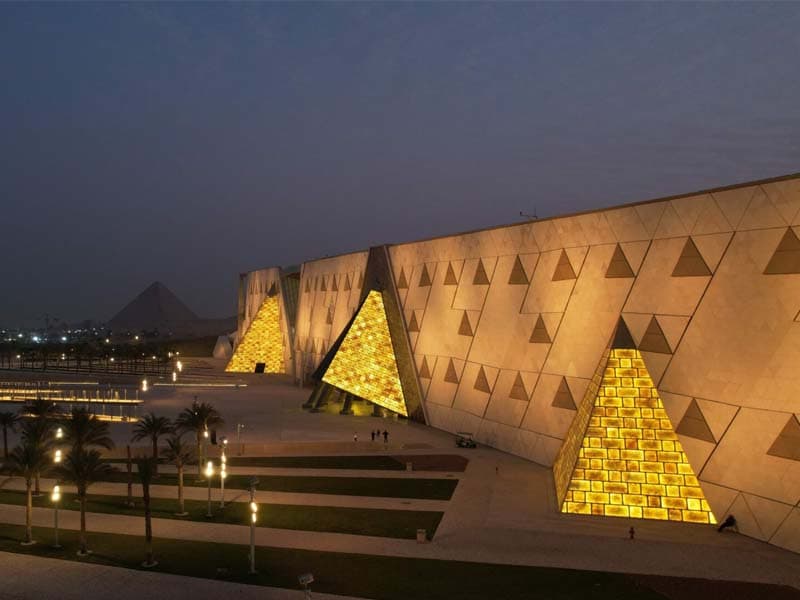
¡Su viaje inolvidable a través del tiempo con el recorrido por el Gran Museo Egipcio! Ubicado cerca de las icónicas pirámides de Giza, este museo de última…
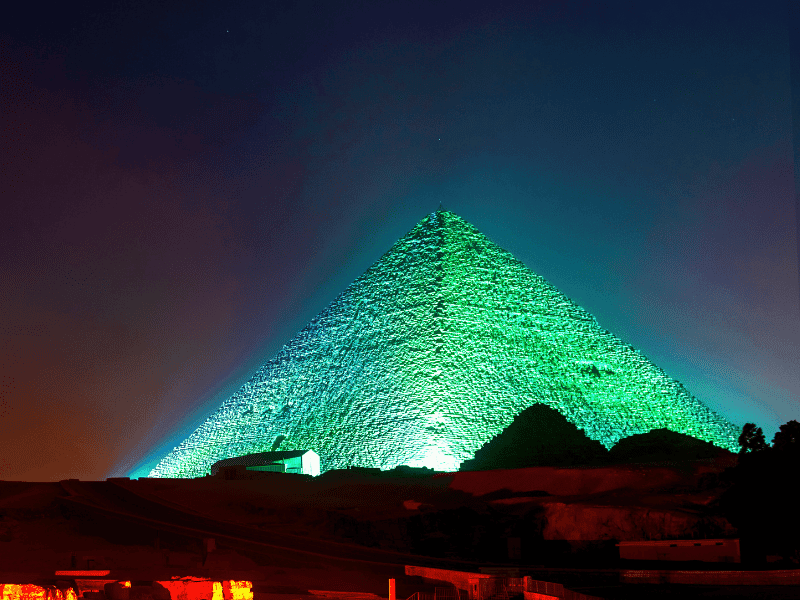
Sumérgete en el magnífico espectáculo de luz y sonido en las Pirámides de Giza que transporta vívidamente a los visitantes al pasado para experimentar las…

Travel Joy Egypt ofrece una excursión de un día desde Port Sokhna para que los visitantes descubran la historia y la cultura del antiguo Egipto en El Cairo a…

Travel Joy Egypt invita a los huéspedes del crucero a pasar un día memorable explorando sitios emblemáticos de El Cairo, incluido el extenso complejo de…

Este emocionante recorrido de un día de Travel Joy Egypt lo lleva desde Port Said a El Cairo para explorar las antiguas maravillas de las Pirámides de Giza y…

Esta excursión de un día completo de Travel Joy Egypt lo llevará desde su barco en Port Said para visitar las icónicas pirámides y la esfinge de Giza y la aún…
Gran Esfinge de Giza — Frequently Asked Questions
Everything you need to know before visiting Gran Esfinge de Giza.