
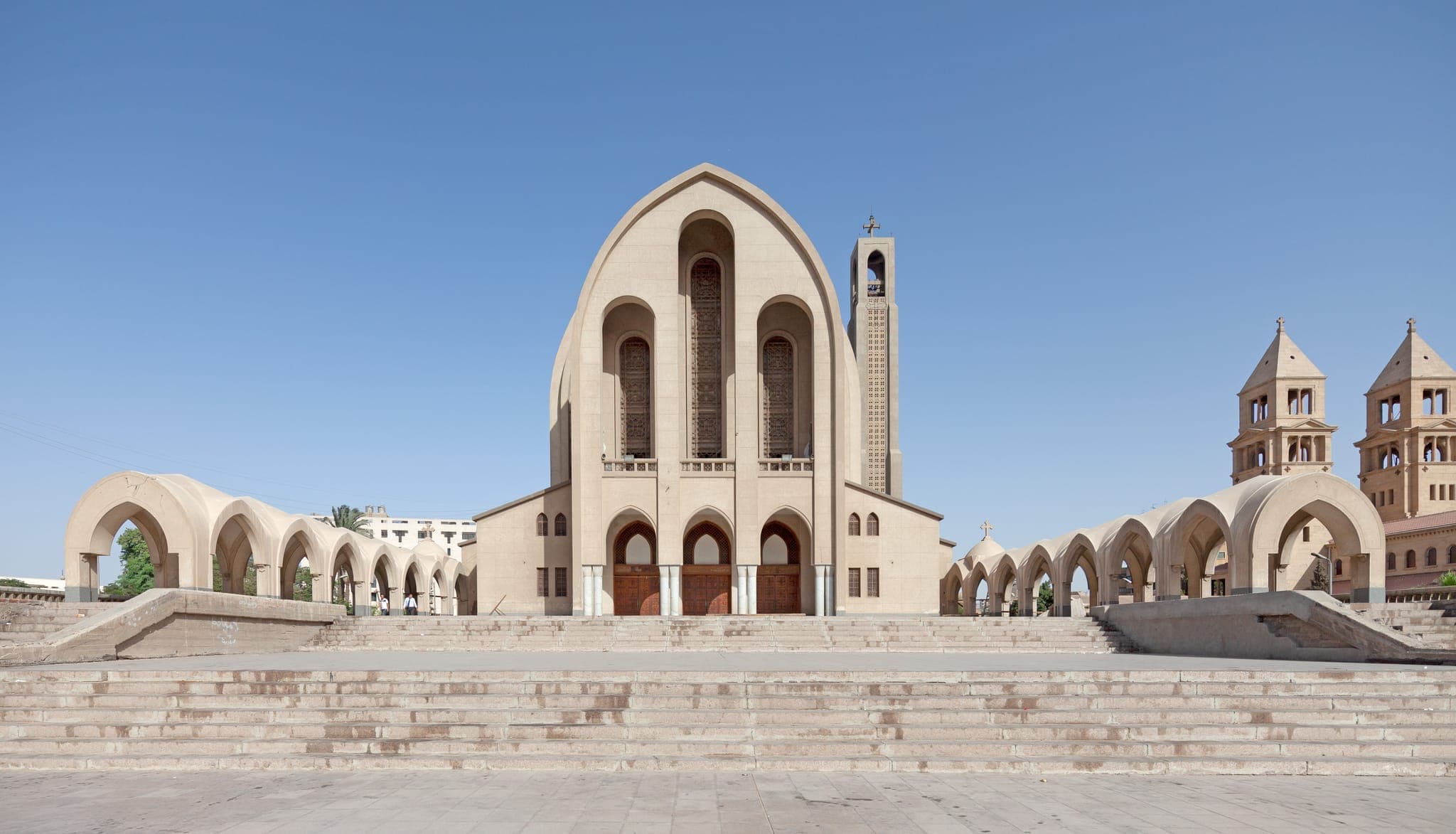
El Cairo copto: Tours, Tickets & Visitor Guide
About El Cairo copto
El Cairo copto: un viaje a través de la fe y el tiempo
Entra en un reino donde la historia susurra en cada piedra y siglos de devoción resuenan a través de caminos antiguos. El Cairo copto, ubicado dentro de los distritos más antiguos de la vibrante capital de Egipto, ofrece un viaje profundo a una herencia religiosa anterior a la era islámica. Esta zona única funciona como un museo viviente, proporcionando un escape tranquilo de la bulliciosa metrópolis moderna más allá de sus antiguos límites.
Aquí descubrirá un santuario espiritual donde las historias fundacionales del cristianismo y el judaísmo primitivos en Egipto cobran vida, invitándolo a explorar un legado de fe que ha dado forma a la nación durante milenios.

¿Qué hace que el Cairo copto sea especial?
El Cairo copto es mucho más que una colección de sitios históricos; es un testimonio vibrante de una fe duradera y un crisol de desarrollo cultural. Representa el corazón mismo del cristianismo egipcio, la Iglesia copta ortodoxa, cuyas raíces se remontan al siglo I d.C. El distrito está construido sobre y alrededor de la formidable Fortaleza Romana de Babilonia, cuyos antiguos muros aún se mantienen en pie, proporcionando un vínculo tangible con sus primeros cimientos.
Esta ubicación estratégica en la orilla oriental del Nilo se convirtió en un santuario fundamental y un centro para las comunidades cristianas, particularmente durante los períodos de persecución romana. La convergencia de estas profundas capas históricas con lugares de culto activos crea una atmósfera diferente a cualquier otro lugar en El Cairo, ofreciendo a los visitantes una perspectiva única sobre el diverso tapiz religioso de Egipto.
Qué ver en El Cairo copto
Su visita al Cairo copto promete un rico tapiz de lugares de interés, cada uno de los cuales cuenta su propia historia convincente. Prepárate para sumergirte en espacios sagrados y tesoros históricos.
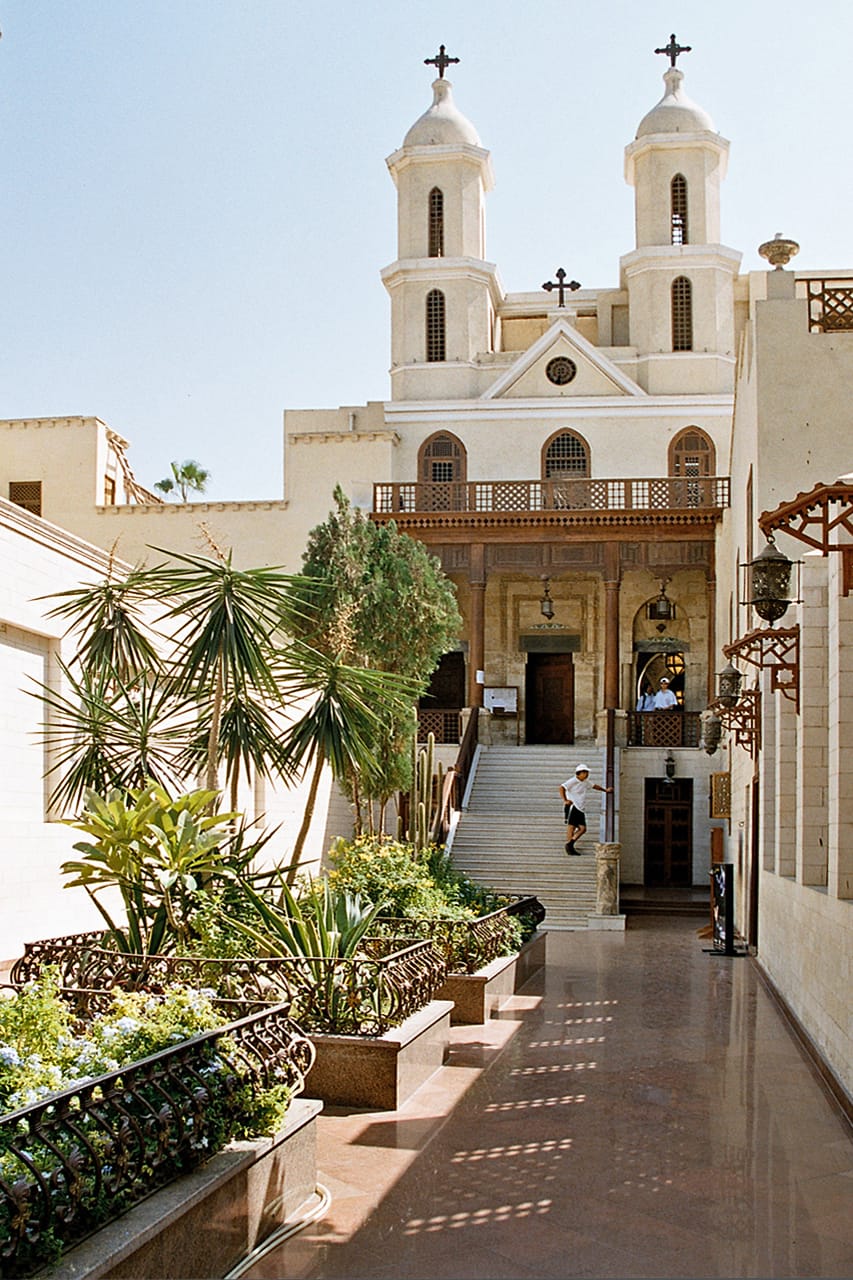
La Iglesia Colgante (Iglesia Copta Ortodoxa de Santa Virgen María)
Una maravilla arquitectónica, la Iglesia Colgante parece desafiar la gravedad, aparentemente suspendida sobre las puertas de la Fortaleza Romana de Babilonia. Su cautivador interior está adornado con intrincados biombos de madera, algunos del siglo XI, y una impresionante colección de iconos antiguos. La construcción única de la iglesia, con su nave construida sobre la puerta de entrada, crea una experiencia visual y espiritual inolvidable.
Su serena belleza y su rica historia lo convierten en un punto destacado de cualquier visita.
Iglesia de los Santos Sergio y Baco (Abu Serga)
Entra en una de las iglesias más antiguas de Egipto, donde la tradición sostiene que la Sagrada Familia encontró refugio durante su huida a Egipto. La cripta debajo de la iglesia marca el lugar exacto donde se cree que descansaron, ofreciendo una profunda conexión espiritual con este evento bíblico fundamental. La arquitectura antigua de la iglesia y su atmósfera tranquila evocan siglos de devoción y peregrinación, lo que la convierte en un lugar profundamente conmovedor.

Sinagoga Ben Ezra
Más allá de las iglesias cristianas, el Cairo copto también alberga la sinagoga Ben Ezra, un sitio de inmensa importancia histórica y religiosa para el judaísmo. La leyenda afirma que aquí es donde se descubrió al profeta Moisés cuando era niño, añadiendo otra capa de profunda antigüedad a la zona.
La sinagoga también es famosa por el descubrimiento de El Cairo Geniza, un tesoro escondido de manuscritos judíos medievales que iluminaron siglos de vida y cultura judía en Egipto y el Mediterráneo en general.
El Museo Copto
Si bien el Museo Copto es una atracción separada, es un complemento esencial para cualquier visita al Cairo copto, ubicado a solo unos pasos de las iglesias y la sinagoga. Alberga la colección de artefactos coptos más grande del mundo, que muestra el arte, la historia y la cultura del cristianismo egipcio desde sus inicios hasta la era moderna.
Las exhibiciones incluyen textiles antiguos, manuscritos iluminados, íconos y fragmentos arquitectónicos, que brindan un contexto invaluable a los sitios que ha explorado.

Cómo visitar El Cairo copto
Cómo llegar
El Cairo copto es de fácil acceso y está bien conectado dentro de El Cairo. La forma más cómoda de llegar es tomando el metro de El Cairo hasta la estación Mar Girgis (Línea 1, línea roja). La estación sale directamente al corazón del distrito histórico, lo que hace que el viaje sea increíblemente sencillo. También hay taxis y servicios de viajes compartidos disponibles, aunque navegar por el tráfico de El Cairo a veces puede ser más lento.
Entradas y entradas
- La entrada a la mayoría de las iglesias, incluida la Iglesia Colgante y la de San Sergio y Baco, es generalmente gratuita.
- Por lo general, se cobra una pequeña tarifa de entrada a la sinagoga Ben Ezra.
- El Museo Copto requiere una entrada aparte.
- Es recomendable llevar libras egipcias pequeñas (EGP) para cualquier pequeña tarifa o donación.
Tiempo necesario
Para apreciar completamente los sitios, espere al menos 3 a 4 horas para el Cairo copto, incluido el tiempo para el Museo Copto. Si desea visitar sólo las iglesias y la sinagoga, pueden ser suficientes de 2 a 3 horas. Considere tiempo extra para explorar las pequeñas tiendas o simplemente disfrutar del ambiente.

Mejor época para visitar y consejos
Mejor época para visitar
Los meses más fríos, de octubre a abril, son ideales para visitar El Cairo, ya que ofrecen temperaturas agradables para explorar. Las mañanas suelen estar menos concurridas, lo que permite una experiencia más serena, especialmente en las iglesias populares. Evite visitar durante las principales festividades cristianas a menos que desee experimentar las vibrantes celebraciones locales, que pueden ser muy concurridas.
Consejos para tu visita
- Vístase modestamente: como visitará sitios religiosos activos, se recomienda vestimenta modesta. Los hombros y las rodillas deben estar cubiertos.
- Zapatos cómodos: La zona implica caminar por calles adoquinadas y senderos históricos irregulares, por lo que el calzado cómodo es esencial.
- Conducta respetuosa: Sea consciente y respetuoso en todos los lugares de culto. Generalmente se permite la fotografía, pero siempre busque señales específicas o pida permiso, especialmente dentro de las iglesias.
- Interacciones locales: interactúe respetuosamente con los proveedores y residentes locales. El regateo es común en las tiendas de souvenirs.
- Manténgase hidratado: Especialmente fuera de los meses más fríos, lleve agua para mantenerse hidratado.
El Cairo copto ofrece una experiencia verdaderamente enriquecedora y contemplativa, un poderoso recordatorio de las profundas capas históricas de Egipto y su perdurable legado espiritual. Es un viaje no sólo a través de piedras antiguas, sino también a través del corazón de una fe que ha dado forma a una civilización.
Historical Significance
El legado perdurable del Cairo copto
Los orígenes del Cairo copto se remontan a la fortaleza romana de Babilonia, establecida alrededor del siglo I d.C. Esta ubicación estratégicamente importante en la orilla oriental del Nilo se convirtió en un sitio fundacional para el cristianismo primitivo en Egipto, que se convirtió en la Iglesia Copta Ortodoxa. El distrito sirvió como santuario y centro para las comunidades cristianas durante los períodos de persecución romana.
- Fundamentos romanos: El corazón del área se encuentra dentro de los restos de la Fortaleza romana de Babilonia, cuyos muros aún se mantienen en pie y forman la base para muchas de las estructuras posteriores.
- Desarrollo cristiano primitivo: A partir del siglo IV, se construyeron numerosas iglesias dentro y alrededor de la fortaleza, solidificando el Cairo copto como el núcleo espiritual del cristianismo egipcio.
- Presencia judía: La sinagoga Ben Ezra, aunque reconstruida varias veces, significa una presencia judía continua en Egipto que se remonta a la antigüedad, en particular por su Genizah (un depósito de textos sagrados) desenterrado a finales del siglo XIX.
- Preservación y resiliencia: A pesar de varios trastornos históricos, El Cairo copto ha conservado notablemente su identidad arquitectónica y espiritual, lo que constituye un testimonio de la resiliencia de sus comunidades.
Tours Visiting El Cairo copto
Private, Egyptologist-guided experiences with tickets and transfers handled for you.

Sumérgete en la rica cultura y siglos de historia de El Cairo con este recorrido turístico en grupo de 8 horas. Guías experimentados lo llevarán a los sitios…
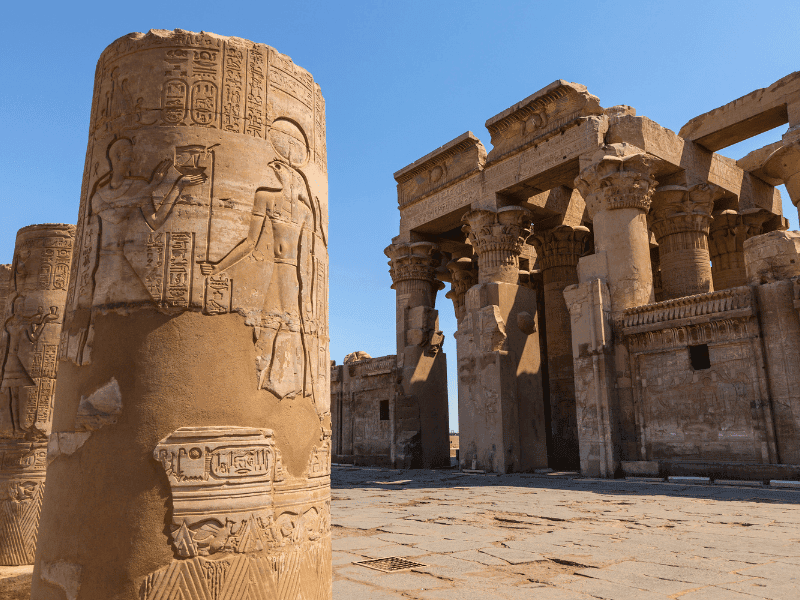
Este recorrido en grupos pequeños por Egipto lleva a los viajeros a una aventura arqueológica para explorar los sitios más ricos a lo largo del valle del río…

Travel Joy Egypt ofrece un emocionante recorrido de 10 días que cubre los sitios más emblemáticos de Egipto y Jordania. El recorrido comienza en El Cairo con…

Únase a Jessica en una aventura de 10 días por el corazón de civilizaciones antiguas. Explora las majestuosas pirámides de Giza, navega por el río Nilo y…
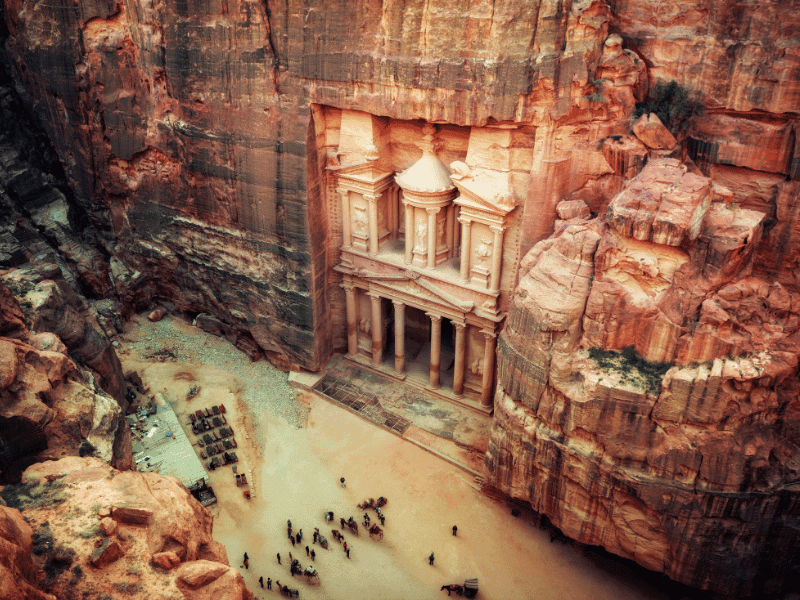
Este recorrido de 14 días por lo más destacado de Egipto y Jordania ofrece a los turistas una experiencia extraordinaria explorando las mejores atracciones de…

Este recorrido de 3 días le permite experimentar la rica historia y los sitios emblemáticos del antiguo Egipto a través de visitas a algunos de los lugares más…
El Cairo copto — Frequently Asked Questions
Everything you need to know before visiting El Cairo copto.