
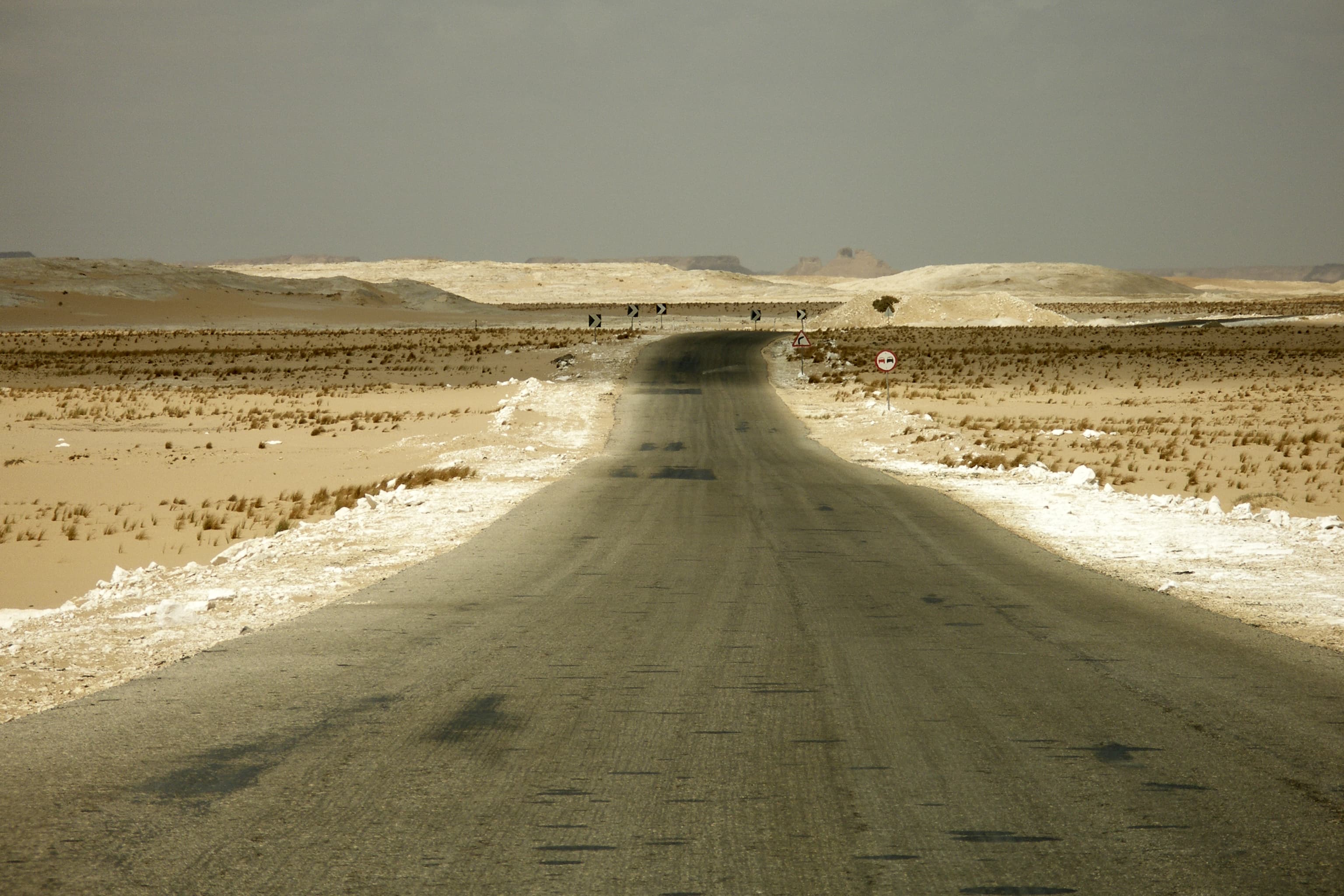

Honestly, Farafra Oasis is something special. Tucked away in Egypt's vast Western Desert, it's not the biggest oasis, and it certainly isn't overflowing with ancient ruins like Luxor or Aswan. But what it lacks in size or monumental history, it more than makes up for with raw, authentic charm and, of course, its role as the gateway to the truly mind-bending White Desert.
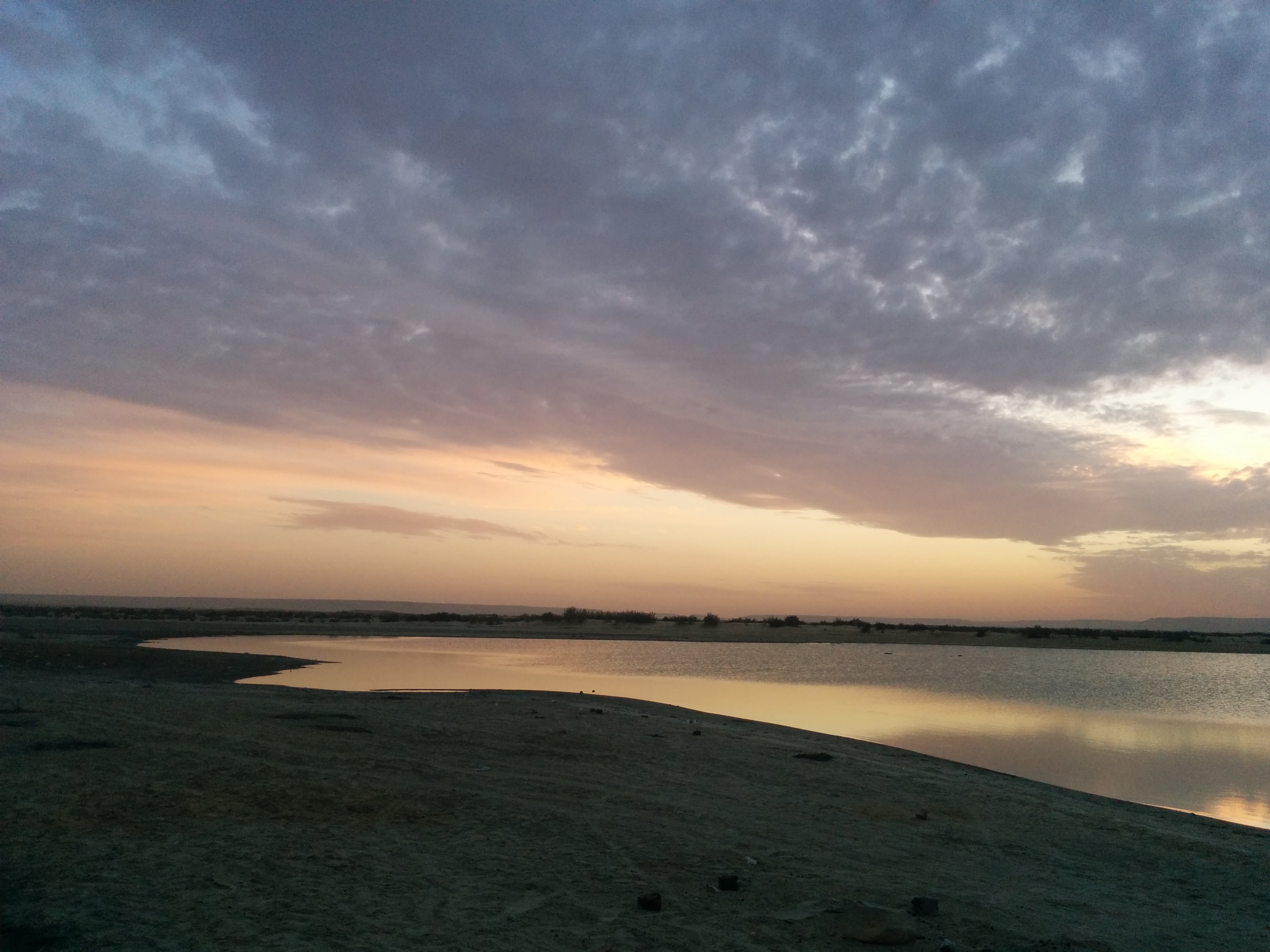
Imagine a place where the Bedouin way of life still thrives, where mud-brick homes whisper stories of generations, and hot springs bubble up from the earth like nature's own spa. That's Farafra. It's a small depression nestled among chalk and limestone cliffs, kept alive by underground springs—a true desert haven.
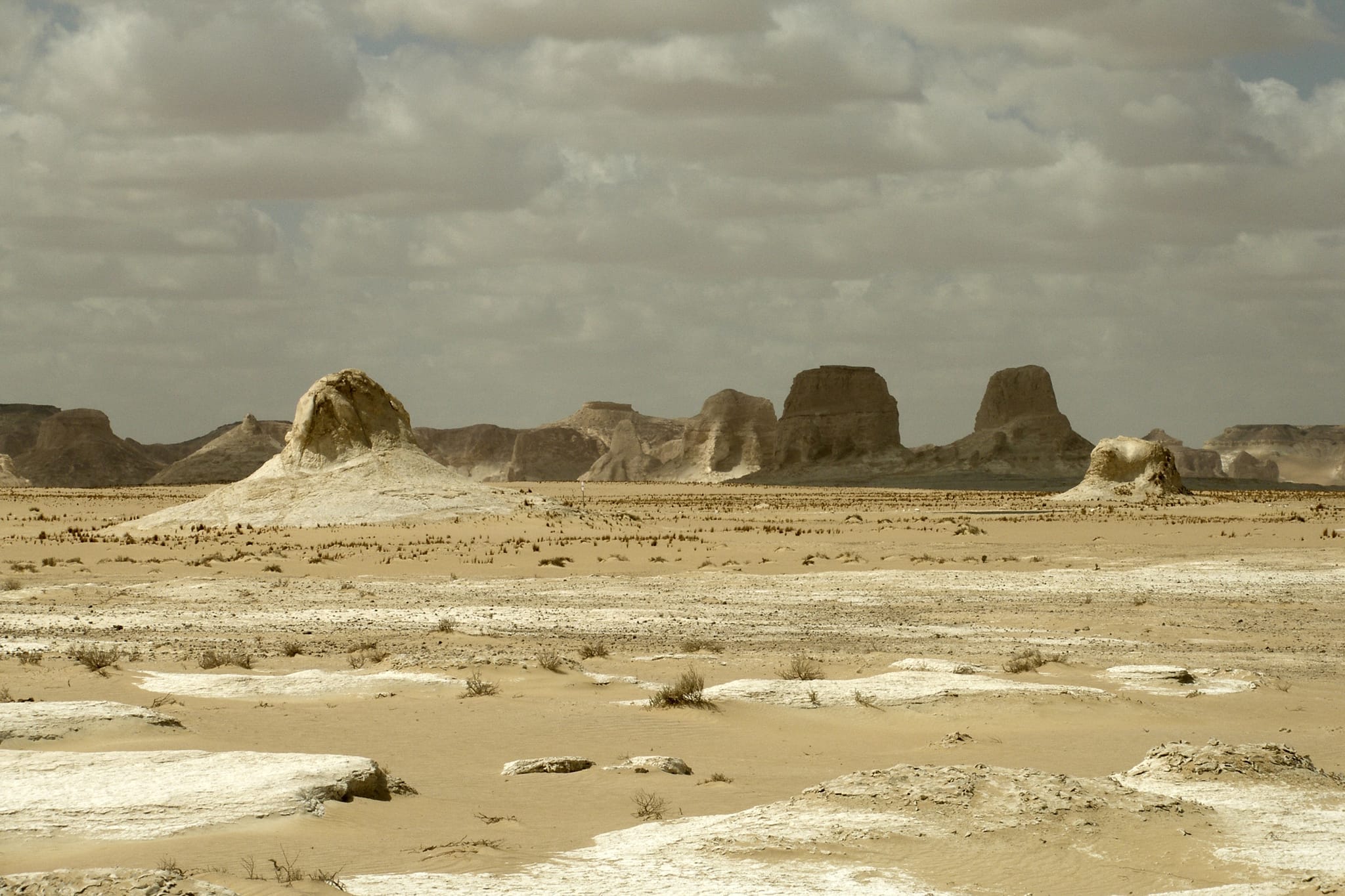
 Let's be real: most people come to Farafra for the White Desert. And for good reason. Around 45 kilometers north, you'll find a landscape that feels like it's been plucked from an alien planet or a surrealist painting. Picture vast stretches of brilliant white rock formations, carved by wind and sand into bizarre, fantastical shapes. Mushrooms, towering pinnacles, whimsical sculptures—it's a photographer's dream and a sight you simply won't forget.
 Farafra has held onto its Bedouin identity fiercely. This isn't a place that's been watered down by mass tourism. You'll see agriculture (dates, olives, apricots), animal husbandry, traditional crafts like palm weaving, and a strong, close-knit community that values storytelling and oral traditions.
**A word to the wise:** When you visit, remember this is a living, breathing community, not a theme park. Dress respectfully, ask permission before snapping photos of people, and generally appreciate the authentic vibe without disturbing it.
Farafra has held onto its Bedouin identity fiercely. This isn't a place that's been watered down by mass tourism. You'll see agriculture (dates, olives, apricots), animal husbandry, traditional crafts like palm weaving, and a strong, close-knit community that values storytelling and oral traditions.
**A word to the wise:** When you visit, remember this is a living, breathing community, not a theme park. Dress respectfully, ask permission before snapping photos of people, and generally appreciate the authentic vibe without disturbing it.
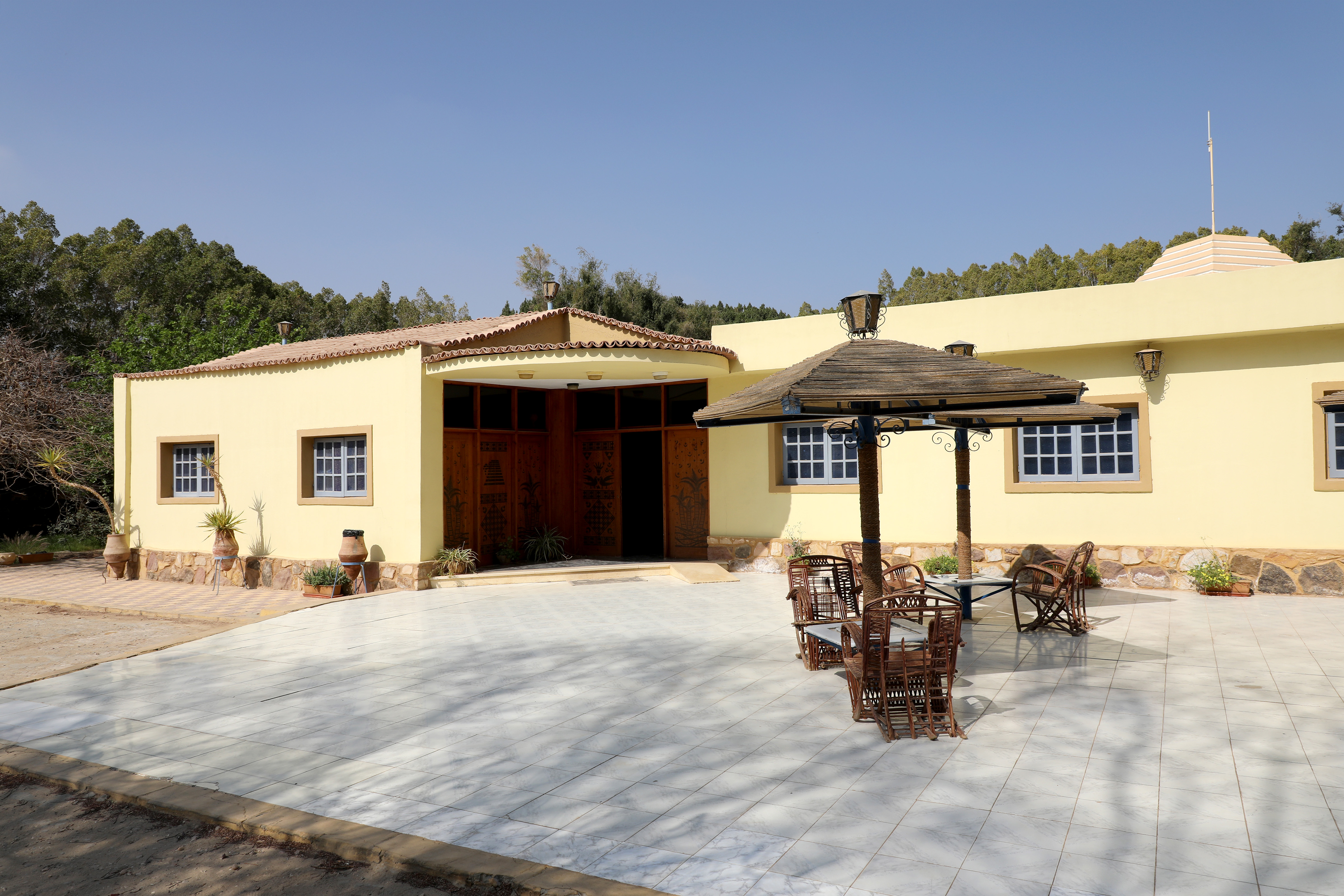 Don't miss the Badr Museum in Qasr Farafra. It's the former home and workshop of local artist Badr Abdel Moghny, now a unique museum showcasing his folk art. You'll see incredible clay sculptures of local life and people, paintings, and art that truly celebrates Farafra's traditions and legends. It's a rare and fascinating insight into contemporary art within a remote oasis.
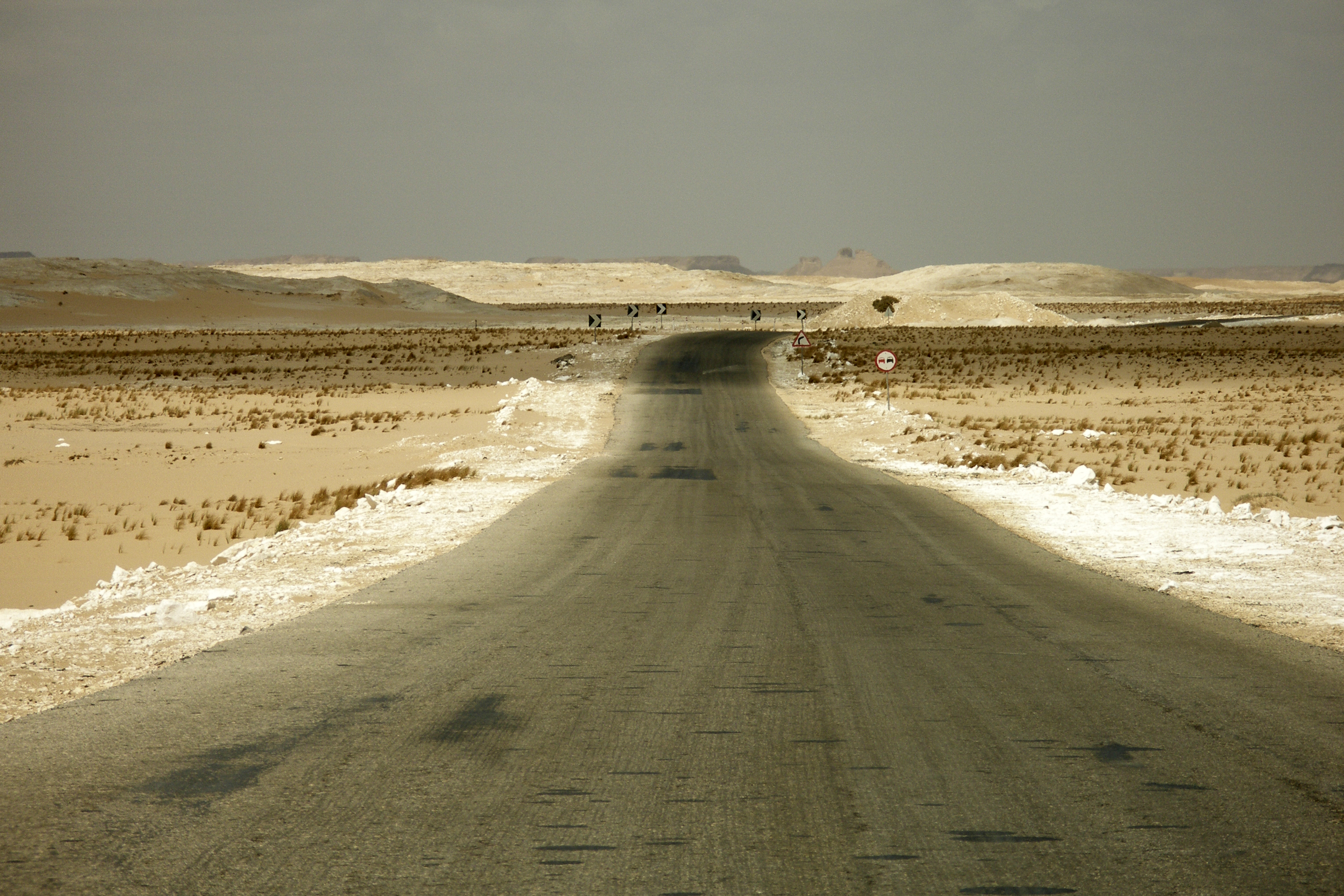 A safari into the White Desert is truly the highlight of a Farafra visit. Most commonly, people opt for a 2-day, 1-night trip.
The White Desert (Sahara el-Beyda): Egypt's Otherworldly Masterpiece
Egypt's Most Spectacular Desert Landscape
Let's be real: most people come to Farafra for the White Desert. And for good reason. Around 45 kilometers north, you'll find a landscape that feels like it's been plucked from an alien planet or a surrealist painting. Picture vast stretches of brilliant white rock formations, carved by wind and sand into bizarre, fantastical shapes. Mushrooms, towering pinnacles, whimsical sculptures—it's a photographer's dream and a sight you simply won't forget.
Nature's Sculpting Hand
This isn't some art installation; it's millions of years of geology at play. The White Desert was once an ancient seabed, laid down with chalk and limestone. When the sea receded, the desert winds took over, sculpting the softer rock layers away and leaving the harder formations standing like silent sentinels. Erosion is still happening, constantly reshaping this incredible landscape.What to Expect in the White Desert
* **Mushroom Rocks:** You'll see iconic mushroom-shaped rocks everywhere, formed when softer rock erodes faster underneath a harder cap. Keep an eye out for 'The Chicken and the Mushroom'—a famous duo often featured in photos. * **Cream & Old White Desert:** There are various sections, from the cream-colored formations in the north to the more weathered, older white formations in the south. The 'New White Desert' is actually a protected natural reserve. * **Amazing Activities:** This is where you camp under a blanket of stars, capture stunning sunrise and sunset photos, explore the unique rock formations up close, enjoy thrilling 4x4 desert drives, maybe even try sandboarding, and definitely stargaze like you've never stargazed before. It's an experience, not just a sight. **Just a heads-up:** You need a 4x4 safari tour from Farafra to visit; these are typically 2-3 day trips, often including overnight camping. It's the only way to truly experience it.Crystal Mountain: A Shimmering Stop
As you head from Farafra towards the White Desert, you'll pass Crystal Mountain, or Gebel al-Izzaz. It's not a huge mountain, but it's pretty neat: a natural rock arch studded with calcite crystals that just *sparkle* in the sunlight. It's a quick, interesting geological detour and makes for some great photos on your safari.¿Quieres explorar Farafra Oasis: Your Ultimate Guide to Egypt's White Desert Gateway?
Permítenos diseñar el itinerario privado perfecto para ti. Desde expertos guías locales hasta cruceros de lujo, creamos viajes a medida que te muestran el Egipto real.
Personalizar por WhatsAppTours por Siwa y el DesiertoPaquetes de Viaje a EgiptoCruceros por el Nilo
Farafra Town (Qasr Farafra): A Glimpse into Real Oasis Life
Stepping Back in Time with Traditional Architecture
Qasr Farafra, the main settlement, feels wonderfully untouched. Here, you'll find traditional desert architecture at its best: narrow, winding streets, thick mud-brick houses, and designs perfectly adapted to the desert's harsh climate. The town's name, 'Qasr,' hints at an ancient fortress, and remnants of one still provide a sense of its historic past. * **Mud-brick magic:** The dominant building material, it keeps homes cool in summer and warm in winter. * **Flat roofs:** Perfect for sleeping under the stars on hot summer nights. * **Small windows & thick walls:** Design choices meant to minimize heat and maximize insulation. * **Shady streets:** The narrow alleyways create natural coolness against the desert sun.The Heartbeat of Local Culture
Farafra has held onto its Bedouin identity fiercely. This isn't a place that's been watered down by mass tourism. You'll see agriculture (dates, olives, apricots), animal husbandry, traditional crafts like palm weaving, and a strong, close-knit community that values storytelling and oral traditions.
**A word to the wise:** When you visit, remember this is a living, breathing community, not a theme park. Dress respectfully, ask permission before snapping photos of people, and generally appreciate the authentic vibe without disturbing it.
Relax and Recharge in Natural Hot Springs
Farafra is blessed with several natural hot springs, and trust me, after a dusty desert safari, there's nothing better than soaking in mineral-rich waters.¿Quieres explorar Farafra Oasis: Your Ultimate Guide to Egypt's White Desert Gateway?
Permítenos diseñar el itinerario privado perfecto para ti. Desde expertos guías locales hasta cruceros de lujo, creamos viajes a medida que te muestran el Egipto real.
Personalizar por WhatsAppTours por Siwa y el DesiertoPaquetes de Viaje a EgiptoCruceros por el Nilo
Bir Sitta (Spring Number Six): The Main Event
This is the most popular and easiest to access, about 6 kilometers from Qasr Farafra. It's been developed a bit, with a large concrete pool fed by natural hot water—around 32°C (90°F), so it's perfectly comfortable for a good, long soak. You'll find changing facilities and some shaded areas here. **My tip:** Head there around sunset. The atmosphere is just magical.Other Untouched Springs
There are other, more rustic springs around, like Bir Al-Mufid, Bir Al-Sukar, and Bir Al-Hayiz, offering a more raw, authentic bathing experience if you're up for it.Badr Museum: A Local Artistic Treasure
Don't miss the Badr Museum in Qasr Farafra. It's the former home and workshop of local artist Badr Abdel Moghny, now a unique museum showcasing his folk art. You'll see incredible clay sculptures of local life and people, paintings, and art that truly celebrates Farafra's traditions and legends. It's a rare and fascinating insight into contemporary art within a remote oasis.
Desert Safari Tours: Your White Desert Adventure
A safari into the White Desert is truly the highlight of a Farafra visit. Most commonly, people opt for a 2-day, 1-night trip.
A Typical 2-Day White Desert Safari
**Day 1:** * Your adventure starts in the morning from Farafra. * You'll typically stop at Crystal Mountain and explore parts of the Black Desert along the way. * Lunch is a picnic in the desert. * By afternoon, you're deep in the White Desert, where your guide will set up camp. * Spend the late afternoon exploring the incredible formations, watching a breathtaking sunset, and then enjoying a traditional Bedouin dinner cooked right there in the sand. * The night is spent under a canopy of stars (or in a tent, if you prefer), gathered around a campfire. **Day 2:** * Wake up to a stunning White Desert sunrise. * After breakfast, there's more time for exploring and photography. * You'll then head back to Farafra, often taking a slightly different route and usually including a stop at a hot spring for a refreshing dip. * You'll be back in Farafra by late afternoon or early evening. **What's included in these tours?** Generally, all your 4x4 transport with a driver/guide, all meals (delicious Bedouin-style), camping gear (tents, sleeping bags, mattresses), and all necessary permits for the protected areas. Prices generally range from $80-150 per person for group tours, with private trips costing a bit more.Want more? Extended Desert Safaris
If you have more time, longer trips (3-5 days) can take you even deeper into the White Desert's remote areas, uncovering more hidden gems and offering extended photography opportunities—some even connect directly to Bahariya or other oases.Practicalities for Your Farafra Trip
Getting There
* **From Bahariya:** This is the most common route. It's about 180 km and takes 3-4 hours on a paved road through the Black Desert. There's a regular bus service. * **From Dakhla:** About 190 km, 3 hours, also on a paved road, but bus service is less frequent. * **From Cairo:** Farafra is roughly 550 km from Cairo (7-8 hours). It's usually best to break the journey and go via Bahariya. **Bus schedules:** Don't expect frequent buses; it's typically just one in each direction daily.Getting Around
Farafra town itself is small and easily walkable. You can walk or bike to Bir Sitta (the main hot spring) as it's only 6 km away. For the White Desert, 4x4 tours are absolutely essential.Where to Stay
Accommodation is pretty straightforward here. * **Budget options:** Simple guesthouses are available. * **Mid-Range:** The Al Badawiya Hotel & Safari Camp is often recommended as it's well-run and frequently organizes safaris. * **Camping:** Most visitors end up camping in the White Desert as part of their safari, rather than spending multiple nights in Farafra town itself. Expect basic but clean facilities, sometimes with air-conditioning, and simple restaurants.Food and Dining
You'll find hotel restaurants and a few simple local eateries. Street food is limited. On a safari, your meals are typically included and are a delicious, authentic Bedouin experience. **Must-try local stuff:** Fresh dates, traditional bread, strong Bedouin tea, and desert-cooked meals (think rice, chicken, veggies).When to Visit
* **Best times:** October to November and March to April offer perfect temperatures and clear skies. March and April might even treat you to some wildflowers if there's been rain. * **Winter (Dec-Feb):** The days are cool and pleasant, but nights can get *very* cold, even near freezing. Great for stargazing though! * **Avoid summer (May-Sep):** Daytime temperatures can soar to 40-45°C (104-113°F) and more. While summer nights can be surprisingly pleasant for camping, the heat during the day is intense.What to Pack for a Desert Safari
This is super important, especially if you're camping and visiting in winter: * **Warm sleeping bag:** Absolutely vital for winter nights; it can drop to near freezing. * **Layered clothing:** The desert has huge temperature swings from day to night. * **Sun protection:** Hat, sunglasses, high-SPF sunscreen, lip balm. * **Closed-toe shoes:** You'll be walking on uneven terrain. * **Headlamp/flashlight:** Essential for navigating camp after dark. * **Camera with extra batteries:** You'll be taking a million photos. * **Personal toiletries and any medications.** Seriously, even if the daytime is warm, the night cold can be shocking. Be prepared!The Western Desert Oasis Circuit: Farafra's Place in the Bigger Picture
Farafra fits beautifully into a broader Western Desert oasis adventure. Many combine it with other oases for a truly epic road trip. **A popular route often looks like this:** * **Northern Approach (Cairo → Farafra):** * Cairo to Bahariya: About 365 km (5 hours). * Bahariya to Farafra: Another 180 km (3 hours), leading you to the White Desert. * **Southern Journey (Farafra → Luxor):** * Farafra to Dakhla: 190 km (3 hours). * Dakhla to El Kharga: 190 km (3 hours). * El Kharga to Luxor: 200 km (3 hours). You can easily string together a complete circuit in 7-10 days, starting from Cairo and ending in Luxor, hitting Bahariya, Farafra, Dakhla, and El Kharga along the way. It's an unforgettable journey through Egypt's less-traveled, but equally mesmerizing, side.¿Listo para convertir esta guía en realidad?
Nuestros expertos locales pueden crear un itinerario personalizado basado en estas recomendaciones. ¡Solo envíanos un mensaje rápido!
Personaliza a través de WhatsApp