
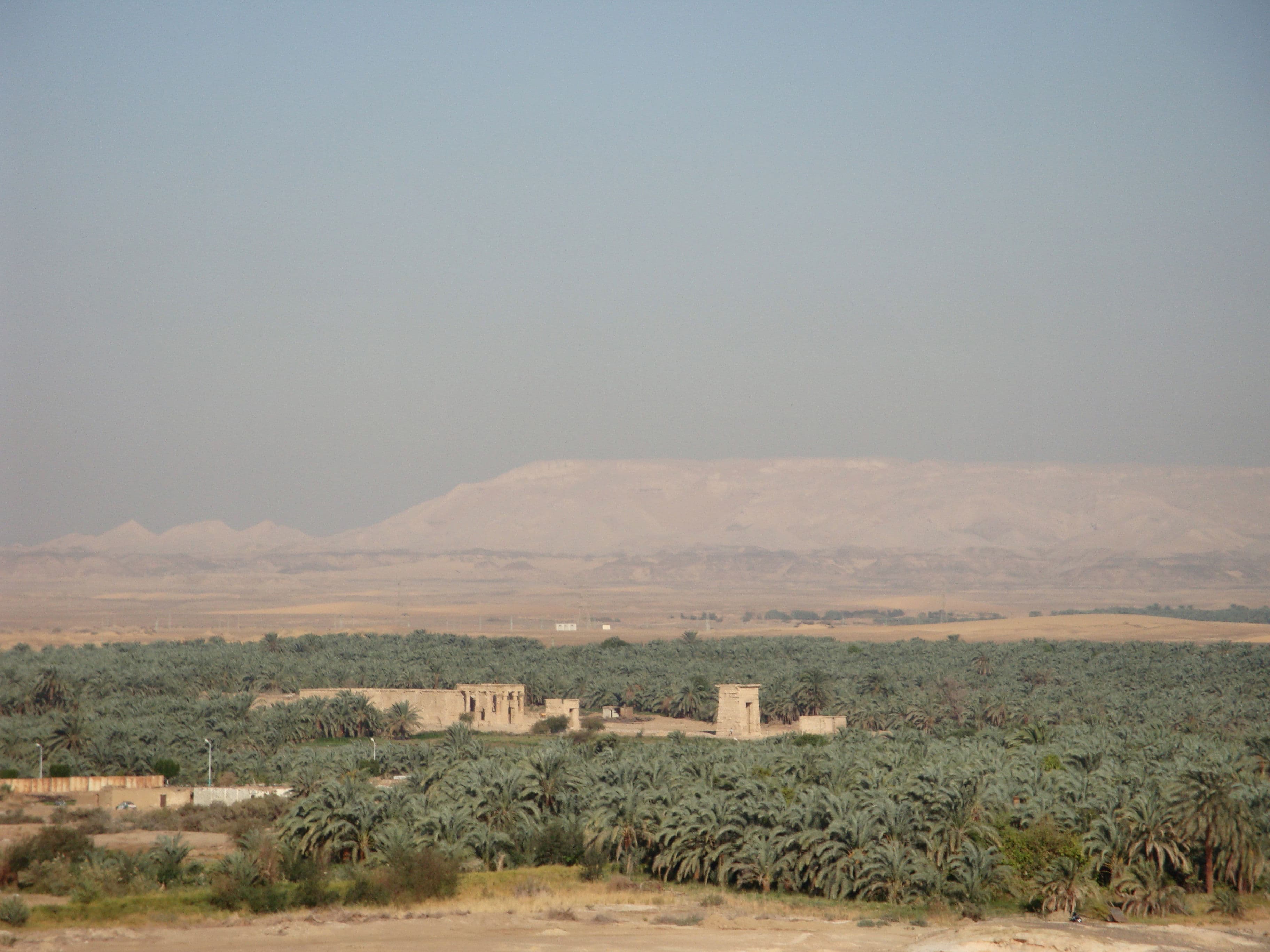

Kharga Oasis, el oasis más grande y desarrollado del extenso Desierto Occidental de Egipto, no es solo una parada polvorienta. Es la bulliciosa capital de la Gobernación del Nuevo Valle, un lugar donde la vida moderna coexiste tranquilamente con milenios de historia. Piénsalo como un cómodo campamento base para explorar algunos sitios verdaderamente notables, desde templos persas hasta antiguos puestos romanos y cementerios cristianos primitivos. Todo gracias a manantiales naturales vitales y tierras fértiles, Kharga ofrece una mezcla única de historia, cultura y esa auténtica sensación de desierto que probablemente anhelas.
Una Profundización en la Historia
Entendiendo las Raíces Antiguas de Kharga
El Kharga no era solo otro punto en el mapa; era un lugar estratégicamente importante. Situado justo en esas antiguas rutas del desierto que conectaban el Valle del Nilo con el vasto Desierto Occidental e incluso Sudán, ha sido importante durante mucho, mucho tiempo. ¡Estamos hablando de asentamientos prehistóricos aquí! Pero las cosas realmente comenzaron durante épocas específicas: - El Período Faraónico: Utilizado como lugar de exilio, una parada crucial en las rutas comerciales del desierto y una fuente de todo tipo de bienes del desierto. - El Período Persa (525-404 a.C.): Aquí es cuando las cosas realmente se construyeron, incluido el magnífico Templo de Hibis. Créeme, es impresionante. - El Período Greco-Romano: ¿Fortalezas, templos y esos ingeniosos acueductos? Sí, eso fue en gran parte obra de ellos. - El Período Cristiano Temprano: Una comunidad próspera floreció aquí, dejando atrás iglesias y monasterios que cuentan historias increíbles.El Legendario Darb el-Arbain: La Ruta de Cuarenta Días
Kharga era prácticamente el punto final norte del Darb el-Arbain – la 'Ruta de Cuarenta Días.' Este no era solo un camino cualquiera; era la antigua supercarretera de caravanas que unía Sudán con Egipto. Imagina esclavos, marfil, oro, animales exóticos y todo tipo de tesoros africanos haciendo su camino hacia los mercados egipcios a lo largo de esta ruta. Y esas fortalezas y estaciones de paso que verás? Estaban allí para proteger esas preciosas caravanas y mantener el comercio fluyendo sin problemas.
Tesoros Arqueológicos Imprescindibles
El Templo de Hibis: Una Obra Maestra Persa
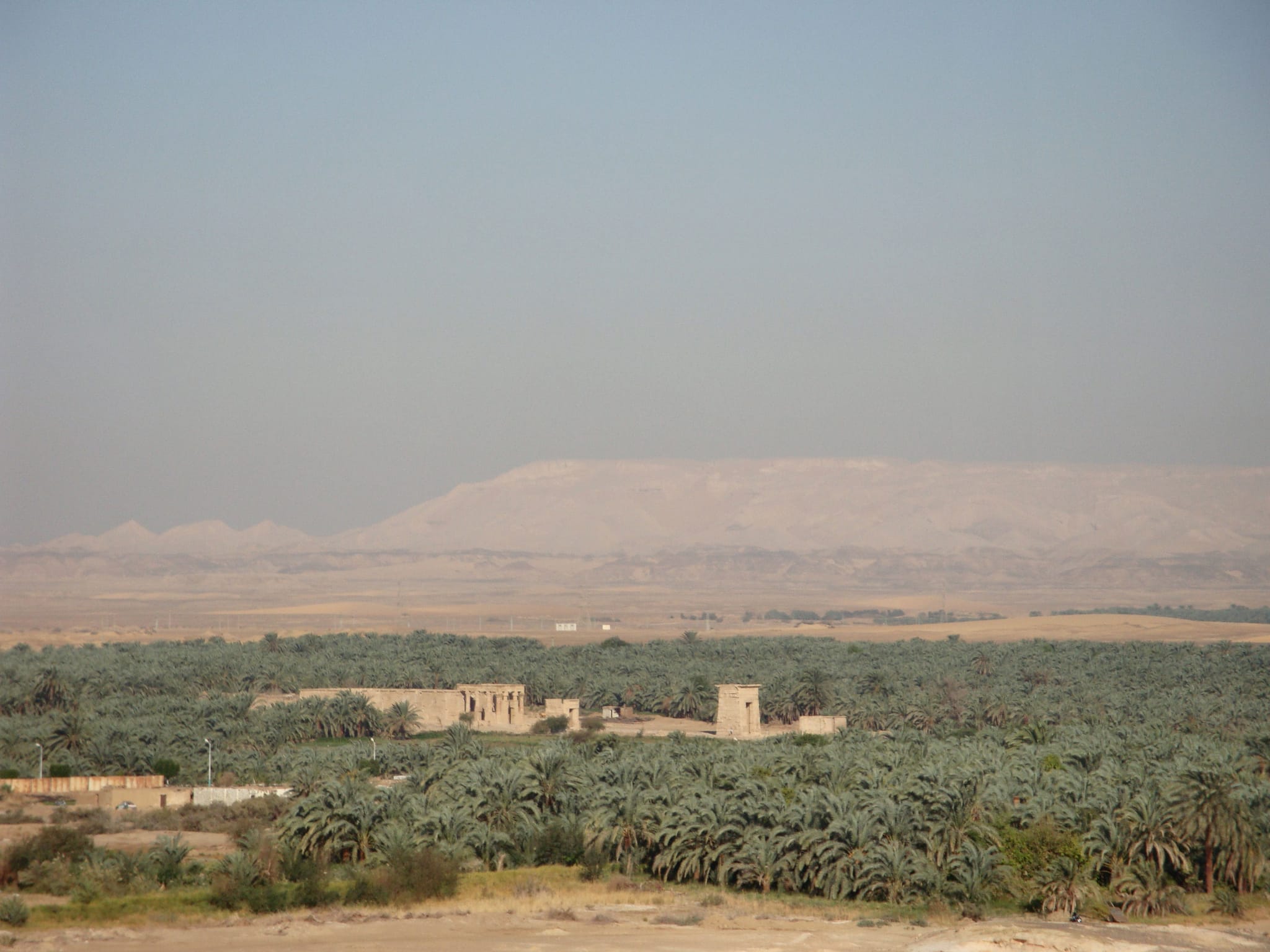
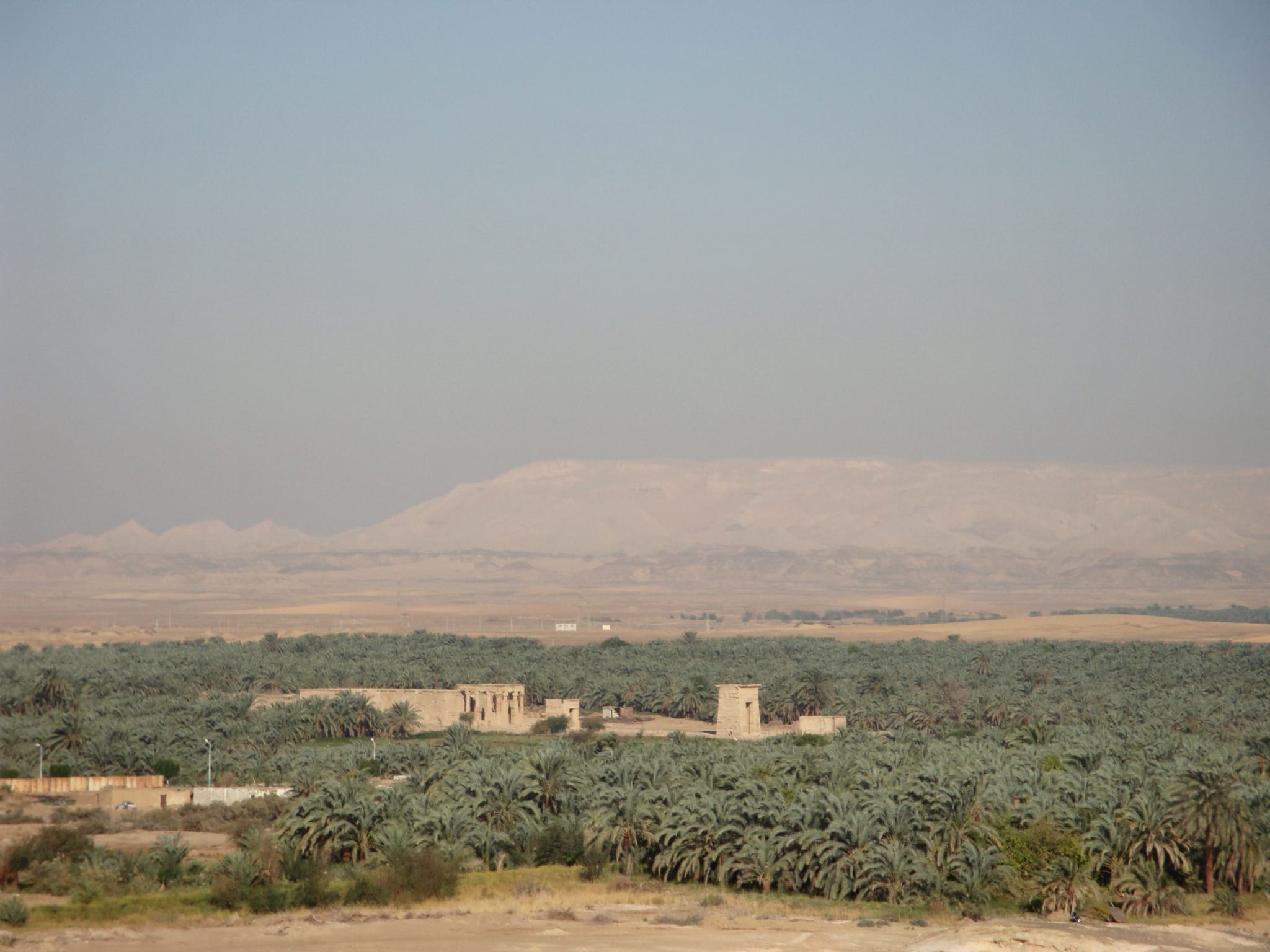
A solo dos kilómetros al norte de la ciudad de El Kharga, encontrarás el Templo de Hibis. Este no es un templo cualquiera; es el templo del Período Persa mejor conservado de todo Egipto, un sobreviviente verdaderamente raro de la dominación persa (esa es la 27ª Dinastía, 525-404 a.C.). Dedicado a la poderosa tríada tebana (Amón, Mut, Jonsu), sus relieves e inscripciones todavía están en condiciones asombrosas. ¿Qué lo hace tan especial? - Combina hermosamente la arquitectura persa con las tradiciones artísticas egipcias clásicas. - Verás relieves increíblemente conservados que muestran a los reyes persas representados como faraones. - Intrincadas inscripciones jeroglíficas cuentan historias antiguas. - Incluso hay un lago sagrado y un camino procesional, al igual que los grandes templos del Nilo. El rey Darío I inició su construcción, y fue terminado por gobernantes persas y egipcios posteriores. Ha sido restaurado recientemente y se ve fantástico. Dedica entre 45 y 60 minutos para realmente absorberlo todo. No te pierdas las coloridas decoraciones del techo: son un testimonio de esa única fusión artística persa-egipcia.¿Quieres explorar Oasis de Kharga: La mayor joya del desierto occidental de Egipto?
Permítenos diseñar el itinerario privado perfecto para ti. Desde expertos guías locales hasta cruceros de lujo, creamos viajes a medida que te muestran el Egipto real.
Personalizar por WhatsAppTours por Siwa y el DesiertoPaquetes de Viaje a EgiptoCruceros por el Nilo
Necrópolis de Bagawat: Un Vistazo al Cristianismo Temprano
Justo cerca del Templo de Hibis, entrarás en otro mundo: la Necrópolis de Bagawat. Este cementerio es uno de los sitios de enterramiento cristiano temprano más antiguos y mejor conservados en cualquier parte del mundo. Hablamos de más de 263 tumbas de capillas de adobe (mausoleos) que datan de los siglos III al VII d.C., y muchas de ellas albergan espectaculares frescos cristianos tempranos. ¿Qué buscar? - Esas 263 impresionantes tumbas de capillas de adobe. - Increíbles frescos cristianos tempranos que representan escenas bíblicas. - Arquitectura de cúpula y bóveda únicas. - El vasto y expansivo entorno del cementerio desértico. Está en la lista tentativa de la UNESCO por una razón. Asegúrate de buscar estas capillas notables: - La Capilla del Éxodo: Con frescos que cuentan la historia de Moisés y el Éxodo. - La Capilla de la Paz: Presentando escenas del Nuevo Testamento. - La Capilla del Apocalipsis: Presentando una visión de San Juan. Este sitio es un registro invaluable del arte y la arquitectura cristiana temprana. Planifica entre 60 y 90 minutos, y sí, la fotografía generalmente está permitida; solo sé respetuoso en este espacio sagrado.Qasr el-Labeka: Donde el Templo se Encuentra con la Fortaleza
A unos dos kilómetros de la ciudad de El Kharga, encontrarás Qasr el-Labeka, un templo-fortaleza grecorromano. Este lugar realmente muestra cómo pensaban los antiguos: combina un templo dedicado a Amun-Hibis con una fortaleza, y tienes tanto protección espiritual como estratégica. Está hecho de arenisca y se asienta orgullosamente en la cima de una colina. ¿Por qué es genial? - La fusión del diseño de templo y fortaleza. - Sólida construcción de arenisca. - Una ubicación estratégica en la cima de una colina que ofrece vistas panorámicas del oasis. - Aún alberga algunas inscripciones jeroglíficas. Dedica entre 30 y 45 minutos. Está parcialmente en ruinas, claro, pero su importancia estructural es clara.Ain Umm Dabadib: Potencia Romana en el Desierto
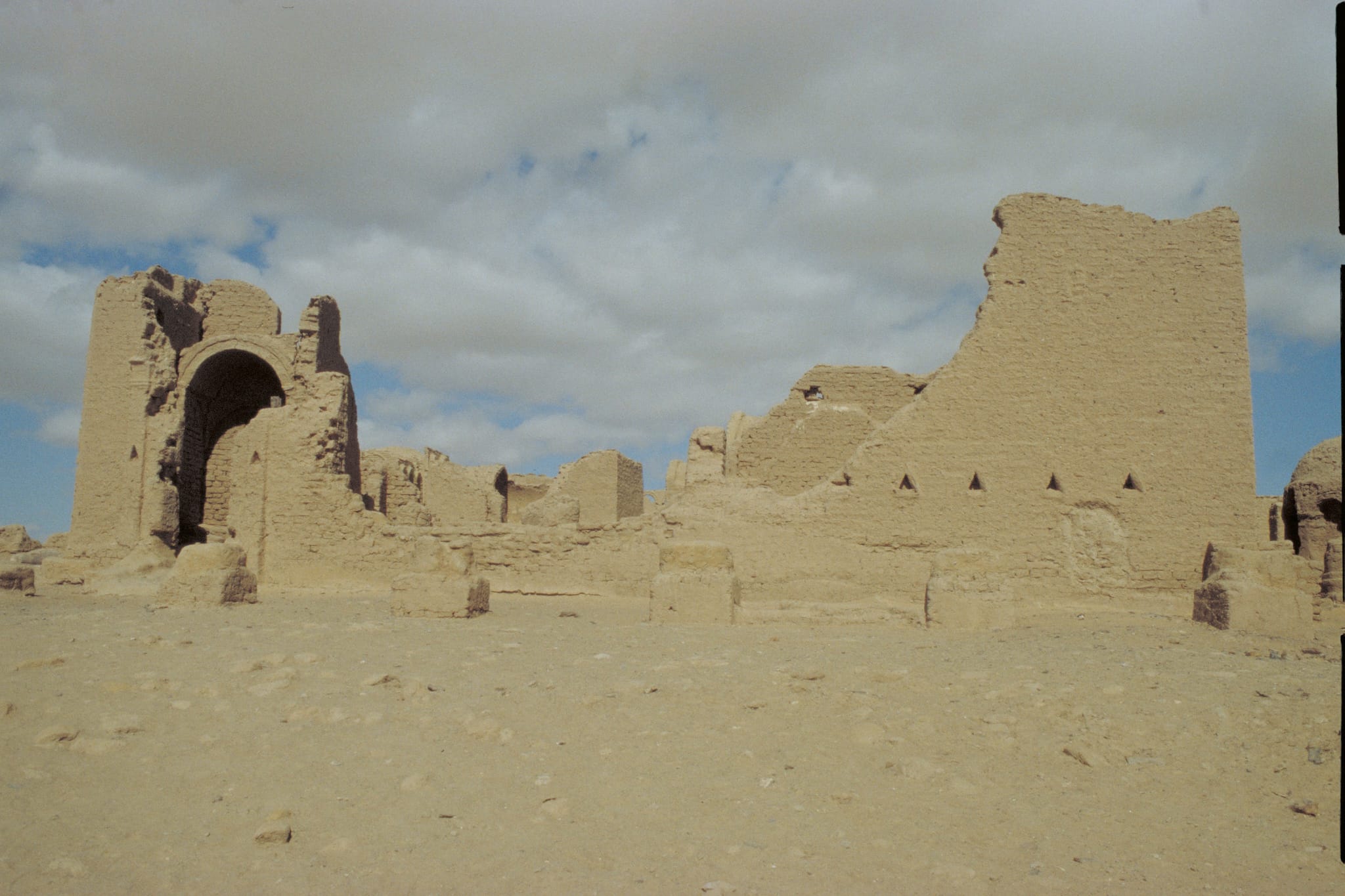
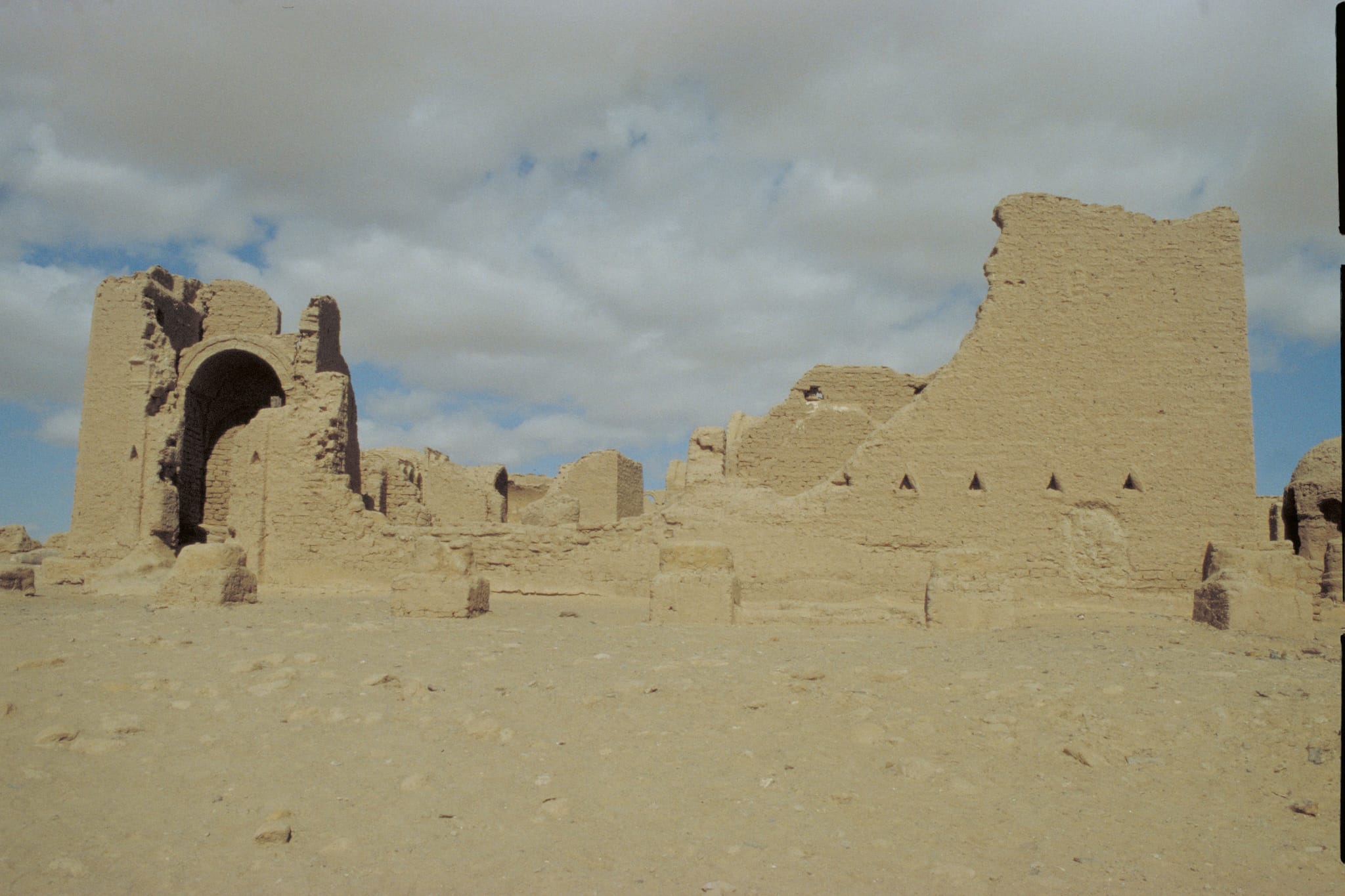
Aproximadamente a 55 kilómetros al noroeste de la ciudad de El Kharga, Ain Umm Dabadib es una de las fortalezas romanas más notables del Desierto Occidental. No es solo una fortaleza; es un enorme asentamiento fortificado completo con muros, templos, casas, acueductos y una extensa red de sistemas de agua subterránea. Realmente asombroso. Lo que lo hace destacar: - Es un enorme complejo de fortaleza romana. - Incluye un templo dedicado a Serapis e Isis. - Presenta un increíble sistema de acueductos subterráneos (un 'qanat'). - Aún puedes ver restos de barrios residenciales y terrazas agrícolas. - Los muros y torres defensivas cuentan una historia de vigilancia. Este es quizás el mejor ejemplo de fortificación romana en la frontera del desierto. Definitivamente necesitarás un 4x4 para llegar aquí debido al difícil camino del desierto. Planifica de 2 a 3 horas y definitivamente ve con un tour organizado o un guía local experimentado.Templo de Ghueita: Un Templo en una Colina
Ubicado a 25 kilómetros al sur de El Kharga, el Templo de Ghueita data de la 25ª Dinastía (alrededor de 690 a.C.), con adiciones durante los períodos persa, ptolemaico y romano. Dedicado a la tríada tebana, este templo bien conservado tiene un escenario dramático en un afloramiento rocoso. Características clave: - Construcción que abarca múltiples períodos, desde etíope hasta romano. - Está en excelente estado. - Encontrarás muchas inscripciones jeroglíficas. - Su ubicación en la cima de la colina ofrece vistas increíbles. - Una fascinante mezcla de estilos arquitectónicos. Dedica de 45 a 60 minutos aquí. Las cámaras intactas, las secciones originales del techo y las inscripciones son particularmente notables.¿Quieres explorar Oasis de Kharga: La mayor joya del desierto occidental de Egipto?
Permítenos diseñar el itinerario privado perfecto para ti. Desde expertos guías locales hasta cruceros de lujo, creamos viajes a medida que te muestran el Egipto real.
Personalizar por WhatsAppTours por Siwa y el DesiertoPaquetes de Viaje a EgiptoCruceros por el Nilo
Templo de El-Nadura: Vistas del Atardecer, al Estilo Romano
Situado en la cima de una colina con vistas dominantes sobre la ciudad de El Kharga, el Templo de El-Nadura es otro templo-fortaleza del Período Romano. Construido en el siglo II d.C. y dedicado a Amun-Nakht, combina perfectamente la reverencia religiosa con la fuerza defensiva. Por qué te encantará: - Esa posición estratégica en la cima de la colina. - Inmejorables vistas panorámicas de 360 grados. - Una inteligente combinación de templo y fortaleza. - Arquitectura clásica del Período Romano. - Es *el* lugar para ver un mágico atardecer en el desierto. Permite de 30 a 45 minutos, pero definitivamente intenta programar tu visita para la tarde – las vistas del atardecer valen absolutamente la pena.Tumbas Muzawwaqa: Arte Bajo la Arena
Seis kilómetros al sur de El Kharga, las Tumbas Muzawwaqa albergan tumbas del Período Romano (siglos I-II d.C.) bellamente decoradas. Estas tumbas cuentan con frescos excepcionales que combinan mágicamente estilos artísticos egipcios y grecorromanos. Es verdaderamente único. Lo que las hace especiales: - Son tumbas excavadas en roca. - La conservación de los frescos es increíble. - Esa impresionante fusión artística egipcio-grecorromana. - Verás escenas mitológicas. - Cámaras funerarias con techos pintados aún vibrantes. Busca la Tumba de Petosiris y la Tumba de Petobastet para ver los frescos de colores más impactantes. Planifica de 45 a 60 minutos, y ten en cuenta que la fotografía puede estar limitada (el flash suele estar prohibido para proteger esos preciosos frescos).
El Kharga Moderno: El Oasis Hoy
Ciudad de El Kharga: El Centro
La ciudad moderna de El Kharga sirve como la capital de la Gobernación del Nuevo Valle y el corazón administrativo del oasis. Aunque puede que no gane concursos de belleza por su arquitectura, tiene todas las comodidades que necesitarás para explorar cómodamente los tesoros circundantes. Aquí están las instalaciones que puedes esperar: - Una variedad de hoteles, desde económicos hasta de gama media. - Varios restaurantes. - Bancos y cajeros automáticos. - Un hospital, afortunadamente. - Una oficina de información turística. - Servicios de transporte para llevarte a donde necesites ir. - Mercados locales y tiendas donde puedes encontrar curiosidades y necesidades.La Vida en la Granja: Agricultura del Oasis
La agricultura es la savia de El Kharga, centrada en: - Palmeras datileras (¡hay tantas variedades!). - Uvas, tanto para comer como para vino. - Aceitunas. - Frutas cítricas. - Una variedad de verduras frescas. - Trigo y cebada. Los proyectos agrícolas modernos siempre buscan expandir el cultivo, haciendo un uso inteligente de esos esenciales recursos hídricos subterráneos.
Todo lo Práctico que Necesitas Saber
Cómo Llegar
- Desde Luxor: - Autobús: Servicio diario, tarda alrededor de 4-5 horas, muy asequible (alrededor de 50 EGP). - Coche Privado: Un pintoresco viaje por el desierto de 200 km, aproximadamente 2.5-3 horas. Esta es típicamente la ruta más popular para los turistas que se dirigen a Kharga. - Desde Assiut: - Autobús: Servicio diario, 3-4 horas. - Coche Privado: 232 km. - Desde El Cairo: - Autobús: Servicios directos limitados, un largo trayecto de 10-12 horas. - Aire: Hay un pequeño aeropuerto, pero los vuelos son bastante limitados. Honestamente, a menudo es más fácil volar a Luxor y luego dirigirse a Kharga desde allí. Si estás haciendo un gran tour por el Desierto Occidental, una gran ruta es: Luxor → El Kharga → Dakhla → Farafra → Bahariya → El Cairo. ¡Es un viaje épico!Cómo Moverse en Kharga
- Taxis: Fácilmente disponibles para sitios cercanos al centro de la ciudad. - Coche Privado/4x4: Absolutamente esencial si te aventuras a lugares más remotos como Ain Umm Dabadib. Te agradecerás por alquilar uno. - Tours Organizados: Muchos hoteles o operadores locales pueden organizar esto para ti. - Bicicleta: Para sitios cercanos, esta es una posibilidad; algunos hoteles las alquilan.Dónde Alojarse: Alojamiento
Encontrarás opciones decentes en la Ciudad de El Kharga: - Económico ($15-30/noche): Espera habitaciones limpias y básicas. Bueno para viajeros con presupuesto ajustado. - Gama Media ($30-60/noche): Hoteles como Pioneers Hotel (a menudo considerado el mejor en la oásis) y Sol Y Mar Hotel ofrecen más comodidades. - Lujo: No esperes resorts de cinco estrellas aquí; las opciones de lujo son bastante limitadas en comparación con las principales ciudades turísticas. Las instalaciones en general suelen incluir aire acondicionado, restaurantes y a veces Wi-Fi (la calidad varía). Algunos hoteles también tienen piscinas, ¡un agradable regalo en el desierto!Comer Fuera: Comida y Restauración
Tus opciones de comida incluyen: - Restaurantes de hoteles: Generalmente tu apuesta más confiable para una buena comida. - Restaurantes egipcios locales: Genial para sabores auténticos. - Comida callejera: Si te sientes aventurero y quieres un bocado rápido. Solo ten en cuenta que la variedad no es tan amplia como la que encontrarías en El Cairo o Luxor. Pero definitivamente prueba las especialidades locales: - Dátiles frescos de las palmas de la oásis – verdaderamente sublimes. - Uvas y otros productos de uva. - Platos clásicos egipcios. - Y si te gusta la carne, el cordero del desierto suele ser fantástico.El Mejor Momento para Experimentar Kharga
Para aprovechar al máximo tu visita, apunta a estas temporadas óptimas: - Octubre-Noviembre: Las temperaturas son perfectas, alrededor de 20-28°C. Ideal para explorar. - Marzo-Abril: Hermoso clima primaveral, nuevamente, muy cómodo para hacer turismo. - Diciembre-Febrero: Los días son frescos (15-22°C), pero las noches pueden ser bastante frías. **Definitivamente evita estos tiempos:** - Mayo-Septiembre: El calor puede ser brutal, a menudo superando los 40-45°C. Explorar sitios arqueológicos con ese tipo de calor es simplemente un desafío y no muy divertido.
Inmersión Cultural: Más Que Solo Ruinas
Abrazando la Vida Tradicional en el Oasis
Incluso con un toque de modernización, Kharga aún se aferra a sus tradiciones únicas del oasis. Encontrarás cosas como: - Cosecha y procesamiento de dátiles, un ritual atemporal. - Sistemas de riego tradicionales aún en funcionamiento, algunos increíblemente antiguos. - Artesanos dedicados a la elaboración de cestas de palma. - Fabricación de cerámica local. - Prácticas agrícolas ancestrales del oasis.La Calidez de la Hospitalidad Local
Los habitantes del oasis son conocidos por su increíble naturaleza acogedora. Si tienes la oportunidad, aprovecha las oportunidades para: - Compartir té con familias locales. - Visitar granjas locales. - Experimentar comidas tradicionales. - Simplemente aprender sobre su forma de vida en el desierto.Viaje Respetuoso: Etiqueta a Recordar
Solo unos pocos consejos para asegurar una visita fluida y respetuosa: - Viste modestamente: Cubre tus hombros y rodillas, especialmente al visitar sitios religiosos. - Siempre pide permiso antes de tomar fotos de personas. - Respeta la privacidad y el espacio personal. - Acepta con gratitud cualquier hospitalidad ofrecida; es un signo de calidez. - Apoya a los negocios locales; hace una verdadera diferencia.¿Listo para convertir esta guía en realidad?
Nuestros expertos locales pueden crear un itinerario personalizado basado en estas recomendaciones. ¡Solo envíanos un mensaje rápido!
Personaliza a través de WhatsApp