
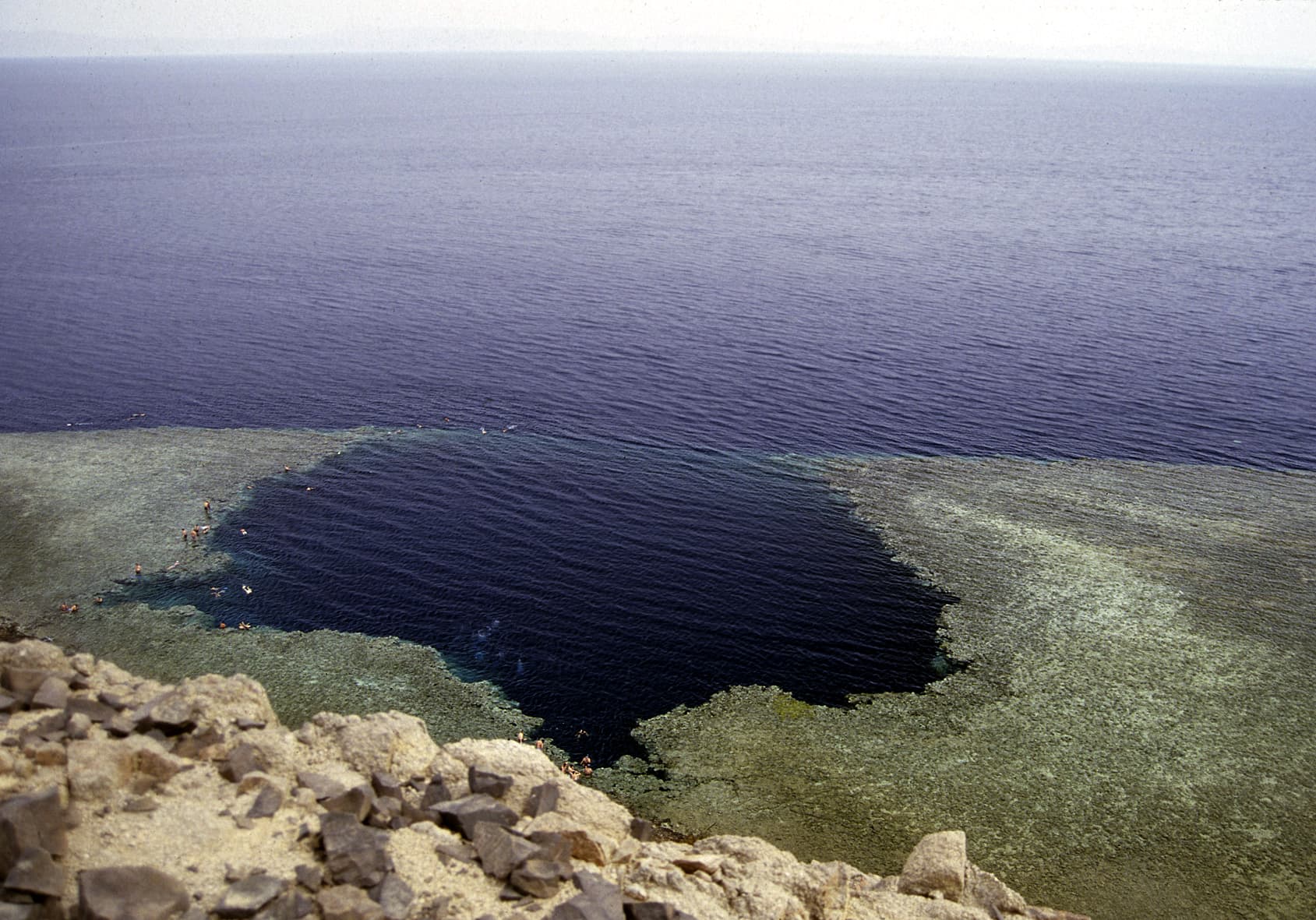

The Red Sea, with its vibrant marine life, truly is a diver's paradise, offering countless sites that draw enthusiasts from every corner of the globe. But for those seasoned divers, the ones searching for that ultimate thrill, Dahab holds a special, if somewhat solemn, allure: the Blue Hole.
It's this enigmatic submarine sinkhole, plunging over 100 meters, that beckons. Make no mistake, this isn't a beginner's casual dip. It demands peak confidence, razor-sharp skills, and a respect for its raw power. Yet, those who've dared to explore its depths often speak of a dive of a lifetime. And for the unlucky few who didn't return, well, they died doing what they loved most, in a place known as the world's deadliest dive site. Let's peel back the layers on this fascinating, fearsome natural wonder.
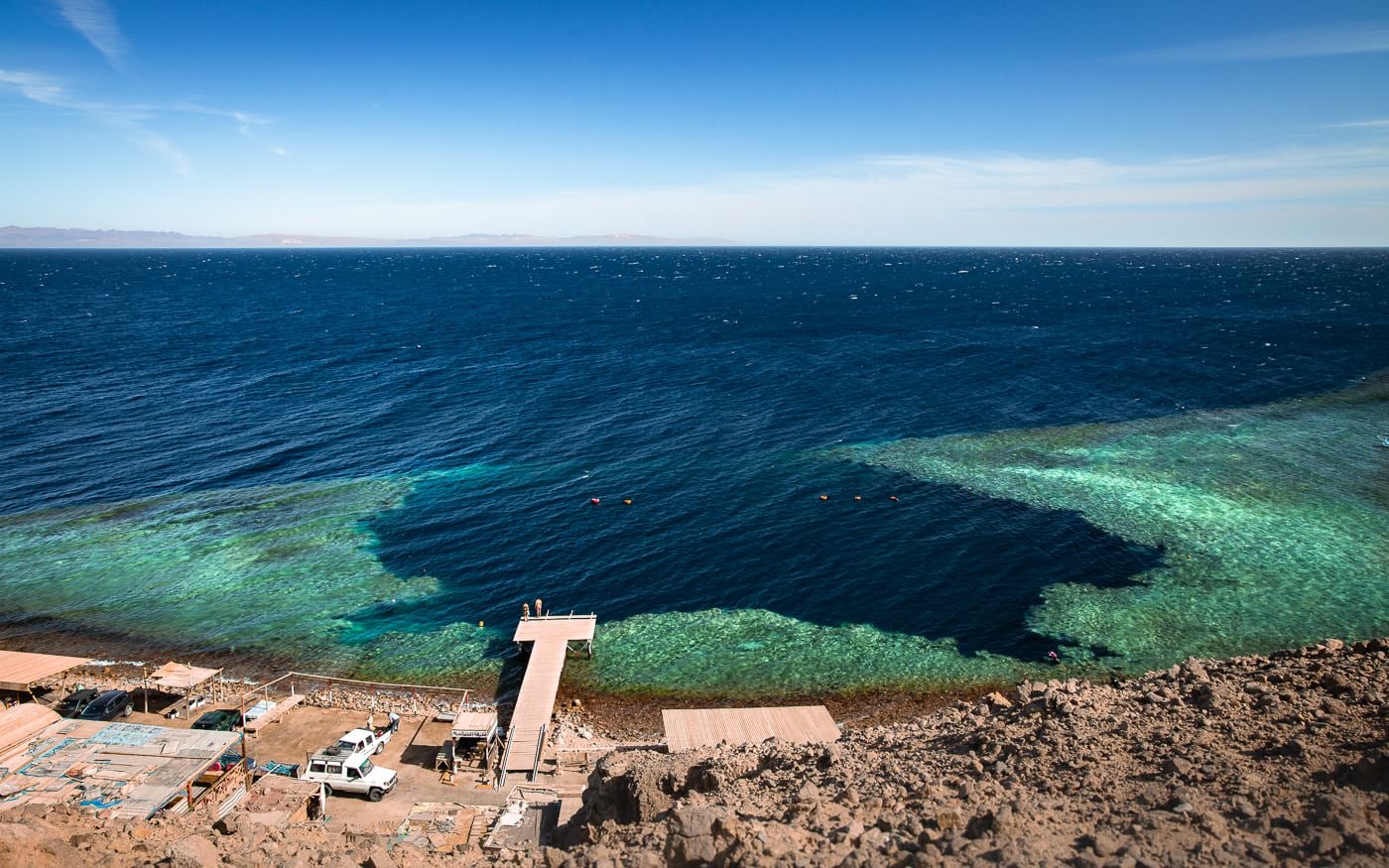 Just a few kilometers north of Dahab, nestled on the Red Sea coast of Egypt's Sinai Peninsula, you'll find it. It's easily accessible directly from shore, which makes it particularly popular for free diving. The lack of current sounds inviting, but don't let that fool you. The Blue Hole carries a heavy reputation for having some of the highest diving fatalities globally, with estimates ranging from 130 to 200 deaths in recent years. Why it's so dangerous? That's still heavily debated among the diving community. But one thing is crystal clear: it's no place for a novice.
 The exact number of deaths at the Blue Hole is, unfortunately, an estimate. But if you're considering a dive here, you absolutely need to remember why it's earned its nickname as the 'world's deadliest dive spot.' From 1997 to 2012 alone, it's believed that around 130 people lost their lives, averaging about 8 deaths a year. What's even more heartbreaking is that some deaths have occurred even to those surface snorkeling, making the cause of their demise an even deeper mystery.
Many of those who perished were highly trained technical divers, even instructors. This stark reality led the Egyptian Chamber For Diving & Water Sports to take action, placing a policeman at the Blue Hole facilities. Now, divers must be accompanied by a certified guide to ensure safety protocols are followed. It's a necessary measure for a place that demands the utmost respect.
The exact number of deaths at the Blue Hole is, unfortunately, an estimate. But if you're considering a dive here, you absolutely need to remember why it's earned its nickname as the 'world's deadliest dive spot.' From 1997 to 2012 alone, it's believed that around 130 people lost their lives, averaging about 8 deaths a year. What's even more heartbreaking is that some deaths have occurred even to those surface snorkeling, making the cause of their demise an even deeper mystery.
Many of those who perished were highly trained technical divers, even instructors. This stark reality led the Egyptian Chamber For Diving & Water Sports to take action, placing a policeman at the Blue Hole facilities. Now, divers must be accompanied by a certified guide to ensure safety protocols are followed. It's a necessary measure for a place that demands the utmost respect.
 One of the most well-known and somber stories linked to the Blue Hole is that of Yuri Lipski, a 22-year-old Russian-Israeli diver. On April 28, 2000, Yuri embarked on what would be his final dive, capturing it all on his Helmet camera. The footage, recovered after his death, became chillingly famous within the global diving community. It shows Yuri's involuntary and uncontrolled descent, reaching the bottom at 115 meters. You can see him trying to remove his regulator, attempting to inflate his buoyancy device, but failing to rise.
It's believed that nitrogen narcosis impaired his judgment, leading to panic and utter confusion. His body was recovered the next day by Tarek Omar, who's widely regarded as one of the world's top deep-water divers, at the request of Lipski's heartbroken mother. Omar had actually tried to warn Yuri about the immense dangers of this particular dive. The camera, miraculously intact, yielded the footage of Yuri's last moments, which became a stark, cautionary tale shared widely among divers. It's a reminder of the unforgiving nature of the deep.
One of the most well-known and somber stories linked to the Blue Hole is that of Yuri Lipski, a 22-year-old Russian-Israeli diver. On April 28, 2000, Yuri embarked on what would be his final dive, capturing it all on his Helmet camera. The footage, recovered after his death, became chillingly famous within the global diving community. It shows Yuri's involuntary and uncontrolled descent, reaching the bottom at 115 meters. You can see him trying to remove his regulator, attempting to inflate his buoyancy device, but failing to rise.
It's believed that nitrogen narcosis impaired his judgment, leading to panic and utter confusion. His body was recovered the next day by Tarek Omar, who's widely regarded as one of the world's top deep-water divers, at the request of Lipski's heartbroken mother. Omar had actually tried to warn Yuri about the immense dangers of this particular dive. The camera, miraculously intact, yielded the footage of Yuri's last moments, which became a stark, cautionary tale shared widely among divers. It's a reminder of the unforgiving nature of the deep.
Where Exactly is the Blue Hole?
Just a few kilometers north of Dahab, nestled on the Red Sea coast of Egypt's Sinai Peninsula, you'll find it. It's easily accessible directly from shore, which makes it particularly popular for free diving. The lack of current sounds inviting, but don't let that fool you. The Blue Hole carries a heavy reputation for having some of the highest diving fatalities globally, with estimates ranging from 130 to 200 deaths in recent years. Why it's so dangerous? That's still heavily debated among the diving community. But one thing is crystal clear: it's no place for a novice.
Just How Deep Does It Go?
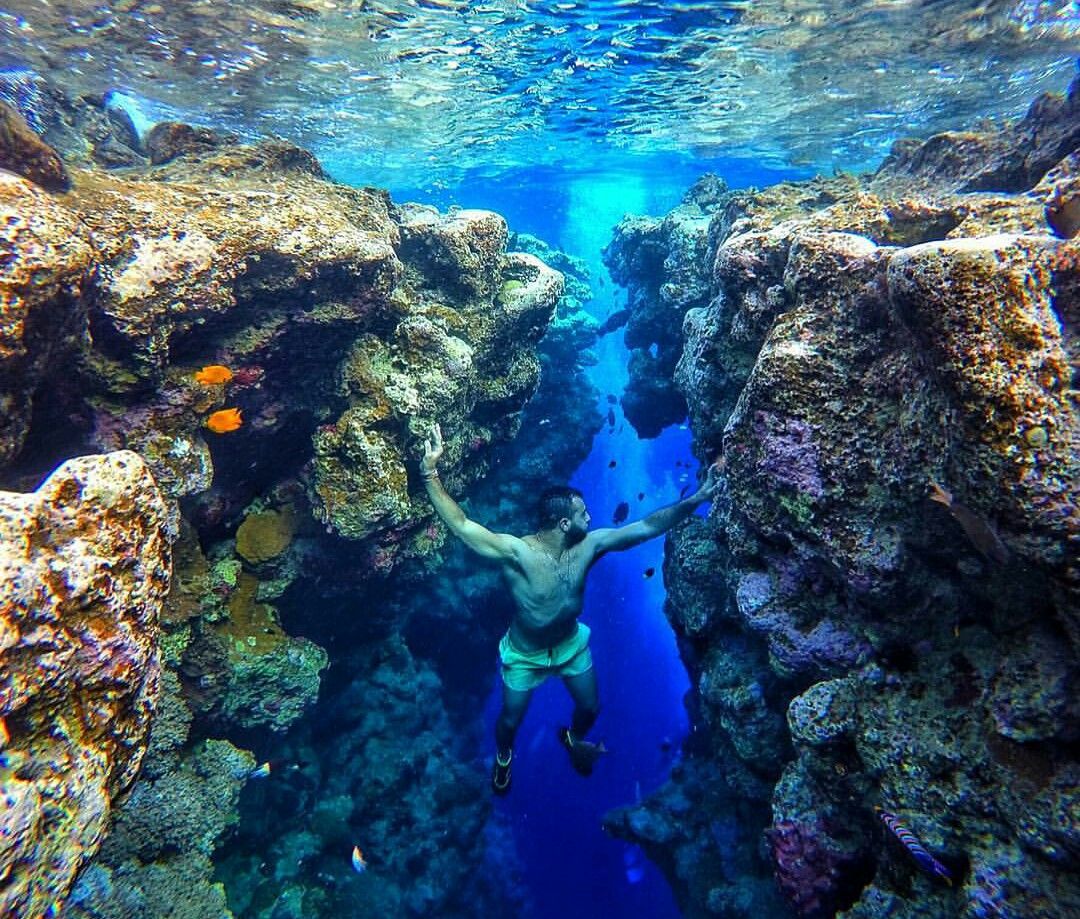
When you first arrive, the Blue Hole opens up into a relatively shallow area, about 6 meters deep, often called 'The Saddle.' From there, it dramatically drops away, leading into a 26-meter-long tunnel known as 'The Arch.' The roof of this arch sits at a daunting 55 meters, and its bottom extends down to approximately 120 meters on the seaward side. And if you go beyond that? The seaward drop-off plummets even further, anywhere from 1000 to 3000 meters into the abyss. It's a truly humbling, almost terrifying, scale.The Somber Reality: Diving Fatalities
The exact number of deaths at the Blue Hole is, unfortunately, an estimate. But if you're considering a dive here, you absolutely need to remember why it's earned its nickname as the 'world's deadliest dive spot.' From 1997 to 2012 alone, it's believed that around 130 people lost their lives, averaging about 8 deaths a year. What's even more heartbreaking is that some deaths have occurred even to those surface snorkeling, making the cause of their demise an even deeper mystery.
Many of those who perished were highly trained technical divers, even instructors. This stark reality led the Egyptian Chamber For Diving & Water Sports to take action, placing a policeman at the Blue Hole facilities. Now, divers must be accompanied by a certified guide to ensure safety protocols are followed. It's a necessary measure for a place that demands the utmost respect.
Want to explore Dahab's Infamous Blue Hole: Adventure, Danger, and Deep Secrets?
Let us design the perfect private itinerary for you. From expert local guides to seamless luxury cruises, we craft custom trips that show you the real Egypt.
Customize via WhatsAppThe Tragic Story of Yuri Lipski
One of the most well-known and somber stories linked to the Blue Hole is that of Yuri Lipski, a 22-year-old Russian-Israeli diver. On April 28, 2000, Yuri embarked on what would be his final dive, capturing it all on his Helmet camera. The footage, recovered after his death, became chillingly famous within the global diving community. It shows Yuri's involuntary and uncontrolled descent, reaching the bottom at 115 meters. You can see him trying to remove his regulator, attempting to inflate his buoyancy device, but failing to rise.
It's believed that nitrogen narcosis impaired his judgment, leading to panic and utter confusion. His body was recovered the next day by Tarek Omar, who's widely regarded as one of the world's top deep-water divers, at the request of Lipski's heartbroken mother. Omar had actually tried to warn Yuri about the immense dangers of this particular dive. The camera, miraculously intact, yielded the footage of Yuri's last moments, which became a stark, cautionary tale shared widely among divers. It's a reminder of the unforgiving nature of the deep.
The Diver's Cemetery: A Place of Remembrance
Around the site, you'll see it: plaques adorning the rocks, left by the families and friends of those lost to the Blue Hole. It's a raw, poignant sight. This entire area has become a hallowed 'diver's cemetery' – a testament to those whose bodies could not be recovered from the depths. Each plaque whispers a story, a life cut short, a reminder of the ocean's power. This site, steeped in both incredible beauty and profound sorrow, offers an unforgettable experience for those who visit. If you're drawn to its mystique, perhaps consider exploring Egypt's infamous dive site as part of one of our carefully curated Egypt tours. We're here to help you navigate its wonders, safely and respectfully.Ready to turn this guide into reality?
Our local experts can create a custom itinerary based on these recommendations. Just send us a quick message!
Customize via WhatsApp