


Egypt History Guides: Periods, Pharaohs and Sites
Unravel the stories of gods, kings, and dynasties that shaped human civilization.
Travel Joy Egypt publishes Egypt history guides for each era, from the Old, Middle and New Kingdom to Greco-Roman, Islamic and modern Egypt. Each period is matched to pyramids, temples and tombs you can visit, and we show you which guide to read first. For wider trip planning, see our Egypt travel guide with tips and visa information.
History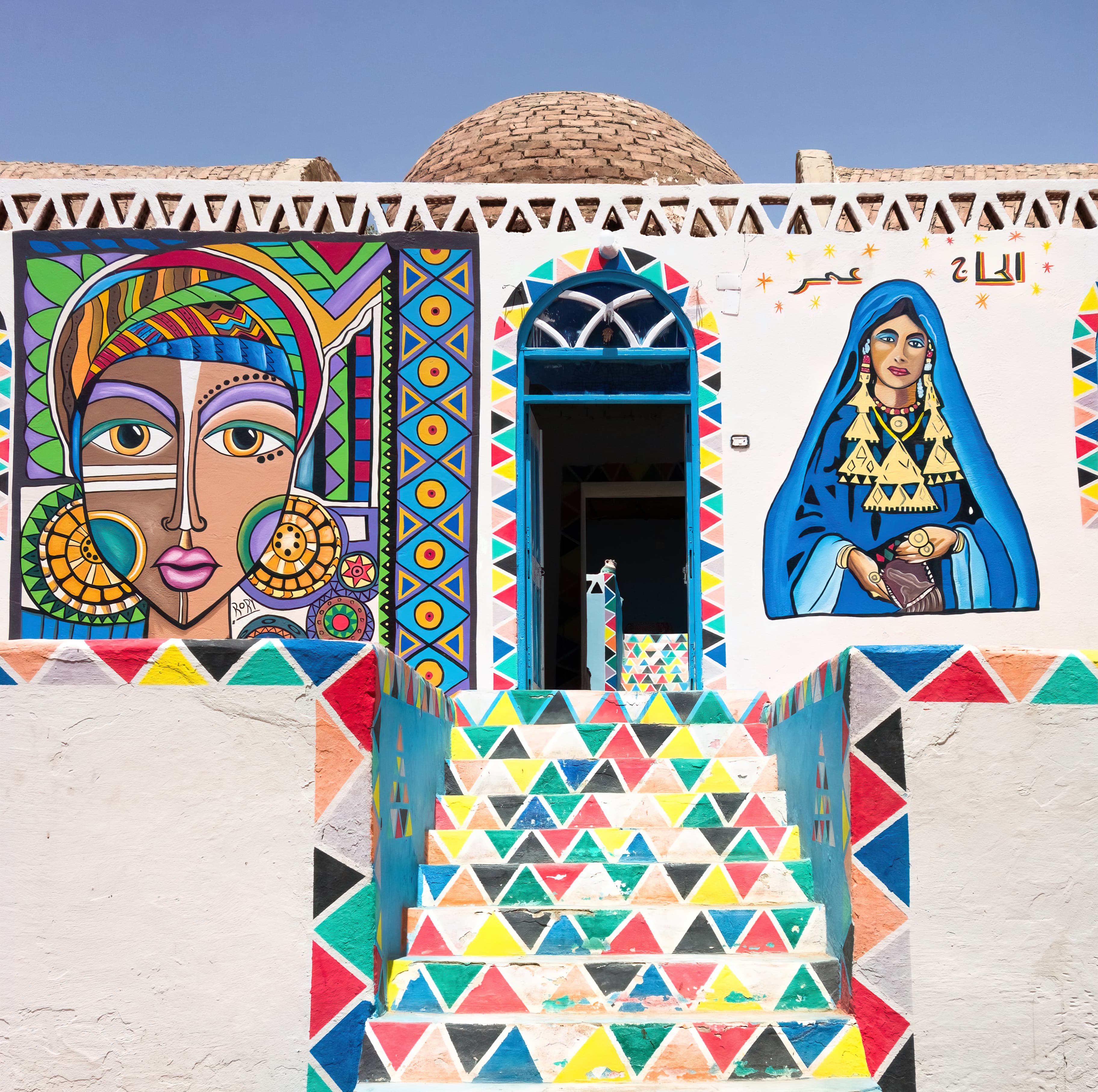
Jun 1, 2026
Dive into the tumultuous yet captivating history of modern Egypt, from Muhammad Ali's transformative reforms to the dramatic 2011 revolution. Discover the figur...
Reading Time8 Min
ExploreHistory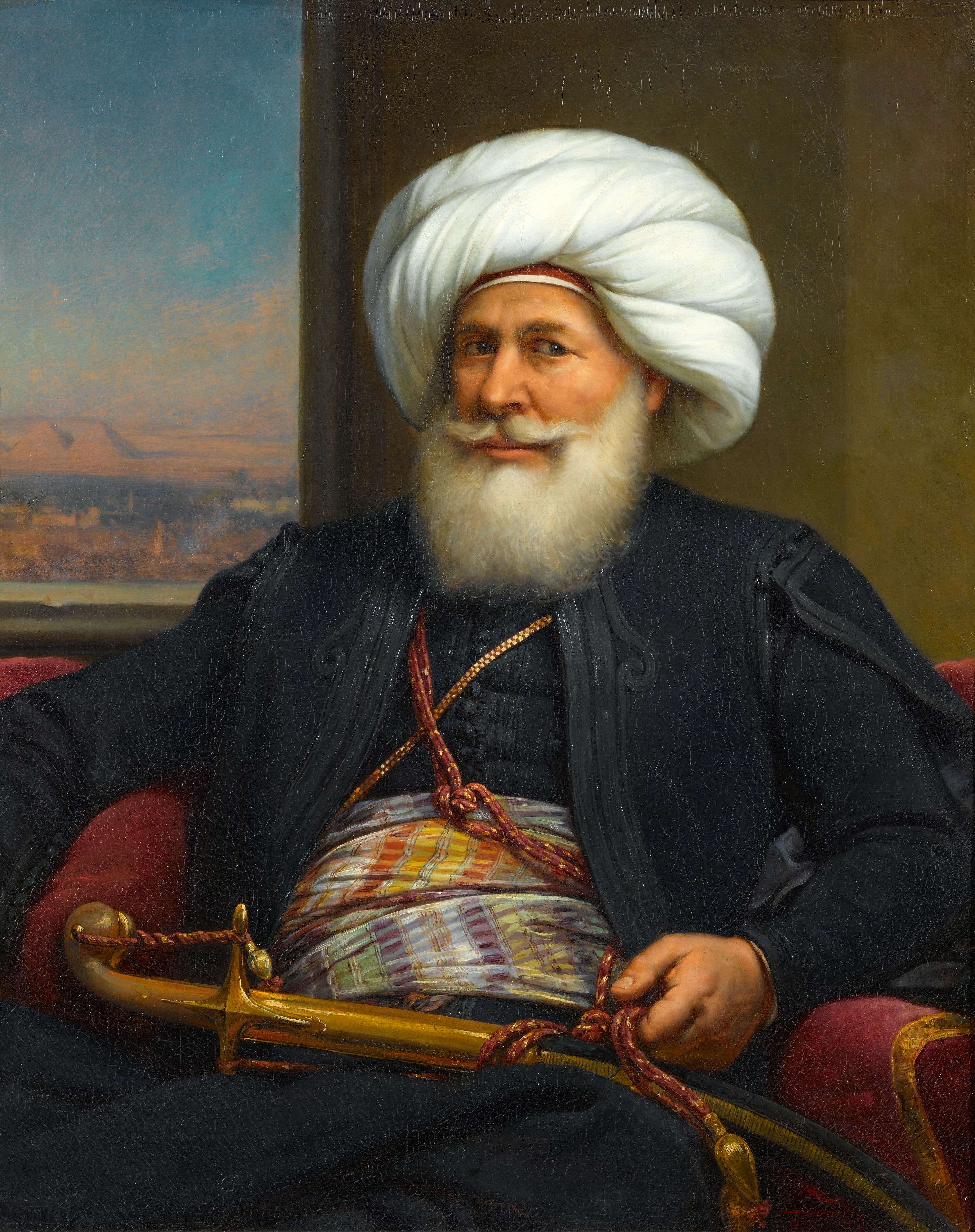
Jun 1, 2026
Dive into the incredible story of Mohamed Ali, the Ottoman Albanian commander who became the 'Father of Modern Egypt.' Explore his rise, radical reforms, milita...
Reading Time13 Min
ExploreHistory
Jun 1, 2026
Dive into the fascinating history of the Mamluks and Ottomans in Egypt. Discover how these two powerful eras shaped the country's architecture, culture, and ide...
Reading Time9 Min
ExploreHistory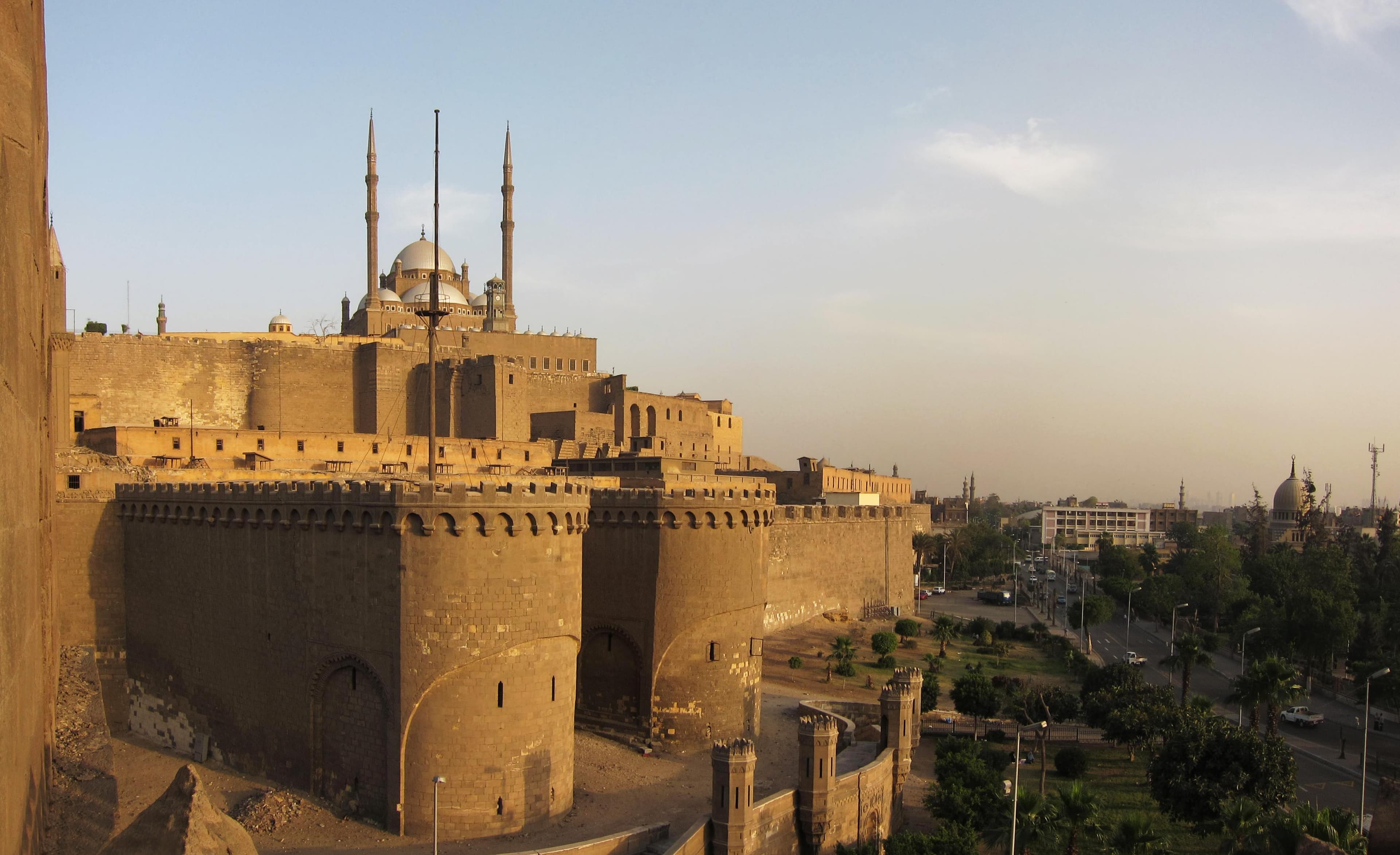
Jun 1, 2026
Dive into the incredible story of Salahuddin Ayyubi, the legendary ruler who shaped Cairo and the broader Middle East. Explore his connection to Egypt and the e...
Reading Time7 Min
ExploreHistory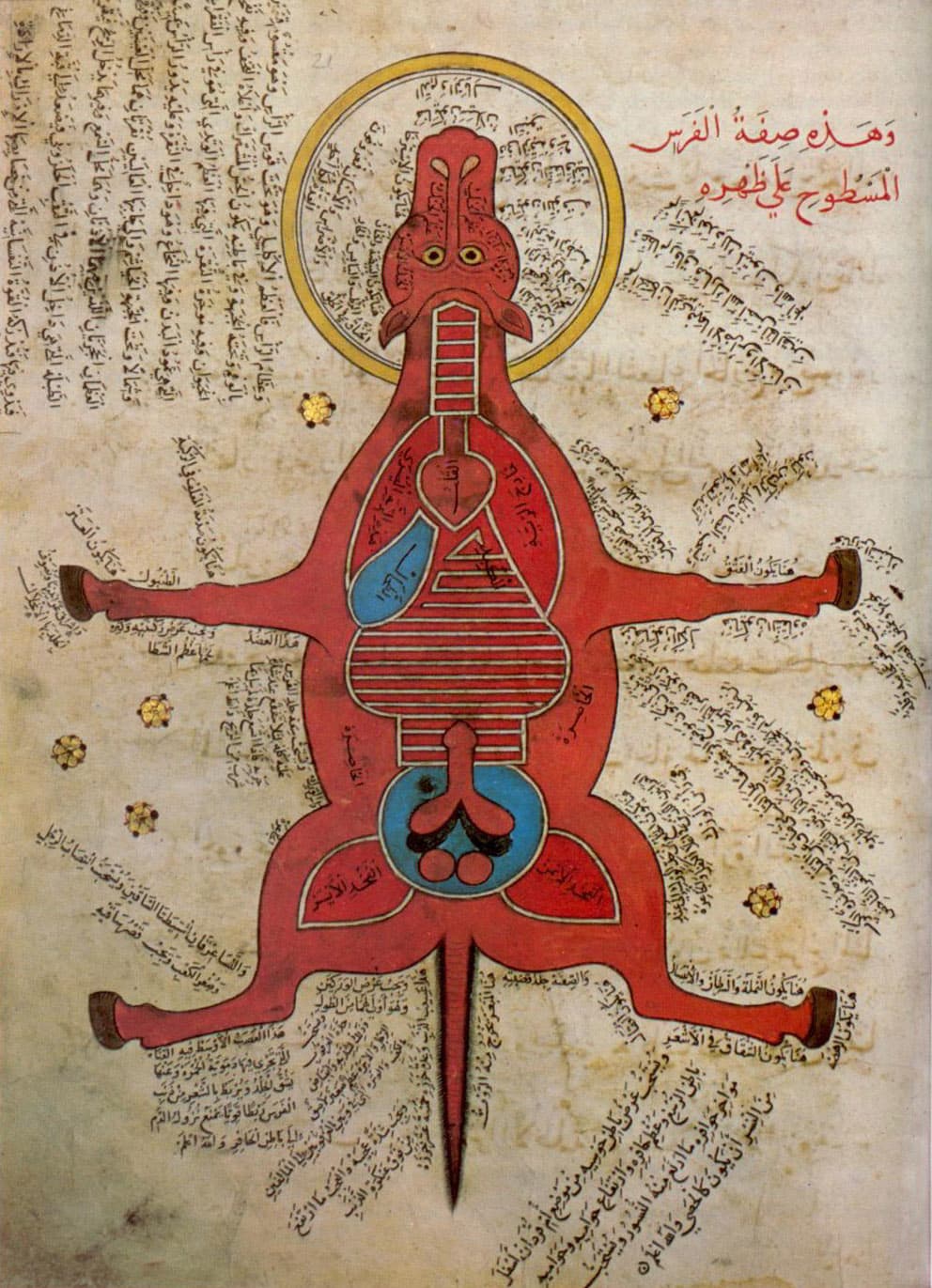
Jun 1, 2026
Dive into the rich history of Islamic Egypt, from its 7th-century beginnings to the stunning architecture of Cairo's mosques and bustling souqs. Discover how di...
Reading Time10 Min
ExploreHistory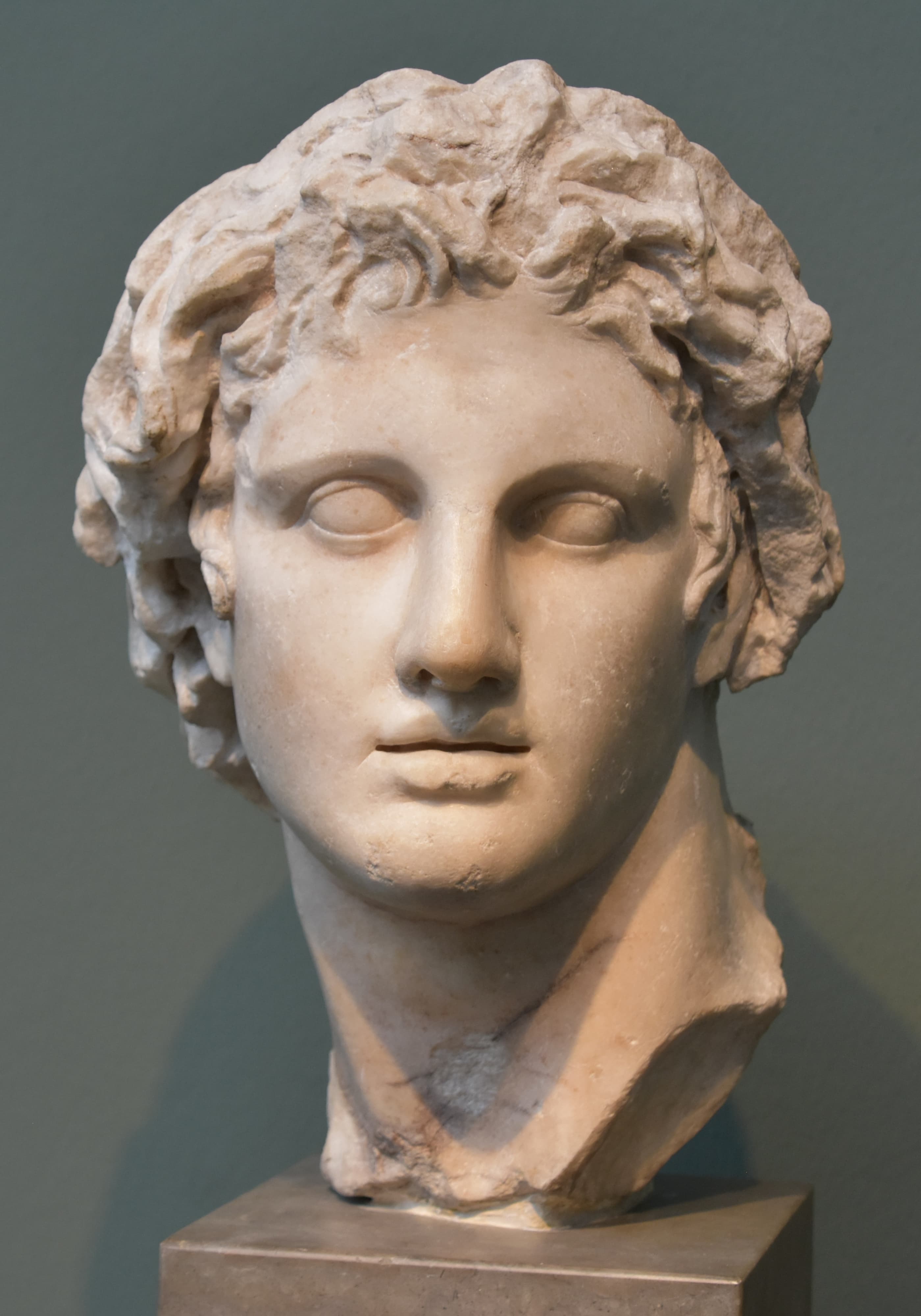
Jun 1, 2026
Dive into how Alexander the Great's brief but impactful time in Egypt transformed its political and cultural landscape. From founding Alexandria to visiting the...
Reading Time9 Min
ExploreHistory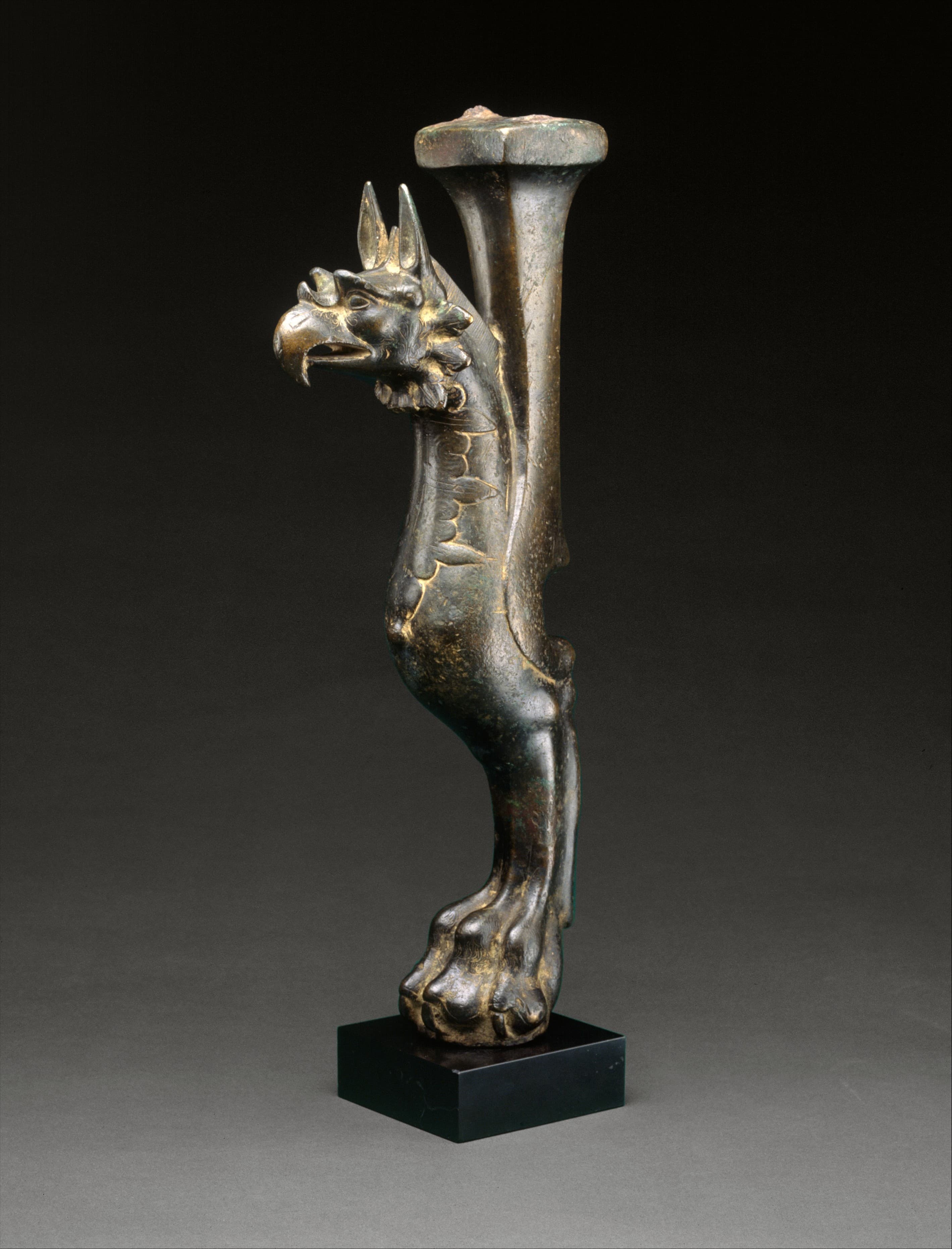
Jun 1, 2026
Dive into the real story of Queen Cleopatra VII, the last pharaoh of Egypt. Beyond the myths, discover her sharp political mind, strategic alliances, and fight ...
Reading Time9 Min
ExploreHistory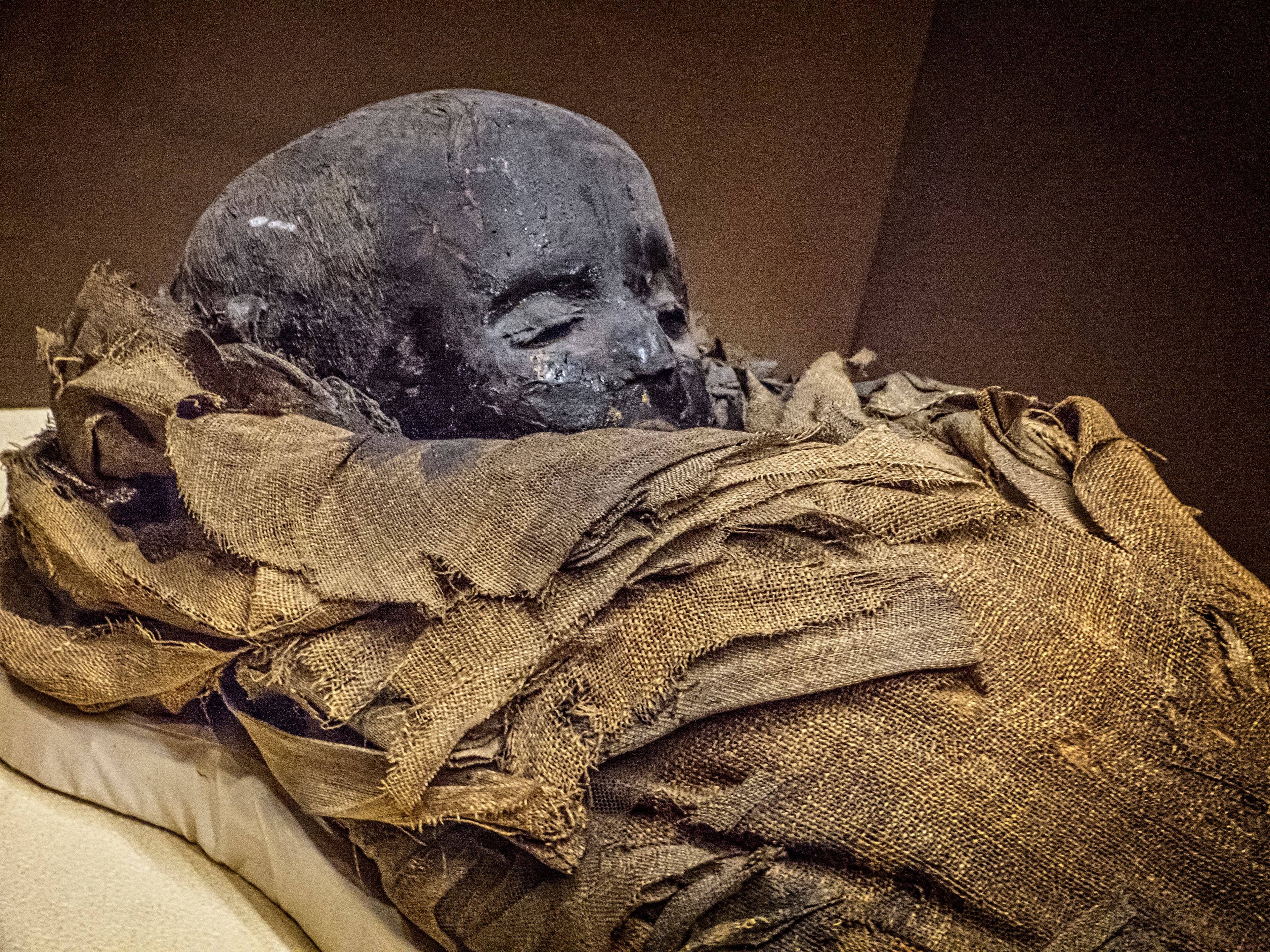
Jun 1, 2026
Dive into Egypt's Greco-Roman era, a fascinating time when Egyptian, Greek, and Roman cultures merged, shaping the land from Alexandria's splendor to the desert...
Reading Time9 Min
ExploreHistory
Jun 1, 2026
Dive into the incredible saga of Ramses II, Egypt's most celebrated pharaoh. Explore his monumental reign, legendary battles, vast building projects, and enduri...
Reading Time8 Min
ExploreHistory
Jun 1, 2026
Dive into the fascinating world of King Tutankhamun, the boy pharaoh who restored ancient Egypt's traditions. Discover the persistent mysteries surrounding his ...
Reading Time9 Min
ExploreHistory
Jun 1, 2026
Dive into the incredible story of Queen Hatshepsut, ancient Egypt's second confirmed female pharaoh. Discover her rise to power, her peaceful and prosperous rei...
Reading Time9 Min
ExploreExperience the difference with Travel Joy Egypt.
Why Choose Us?
13 Years of Travel Expertise
50,000+ Happy Travelers
100+ Destinations Worldwide
24/7 Customer Support
Get in Touch
Call Us
+20 106 023 3393
Email Us
info@traveljoyegypt.com
Customize Your Trip
Customize your vacation
Egypt History: our most recommended tours & activities
Hand-picked private experiences with licensed Egyptologist guides and tickets handled for you.
View tour
2-Day Cairo & Giza Pyramids from Port Said
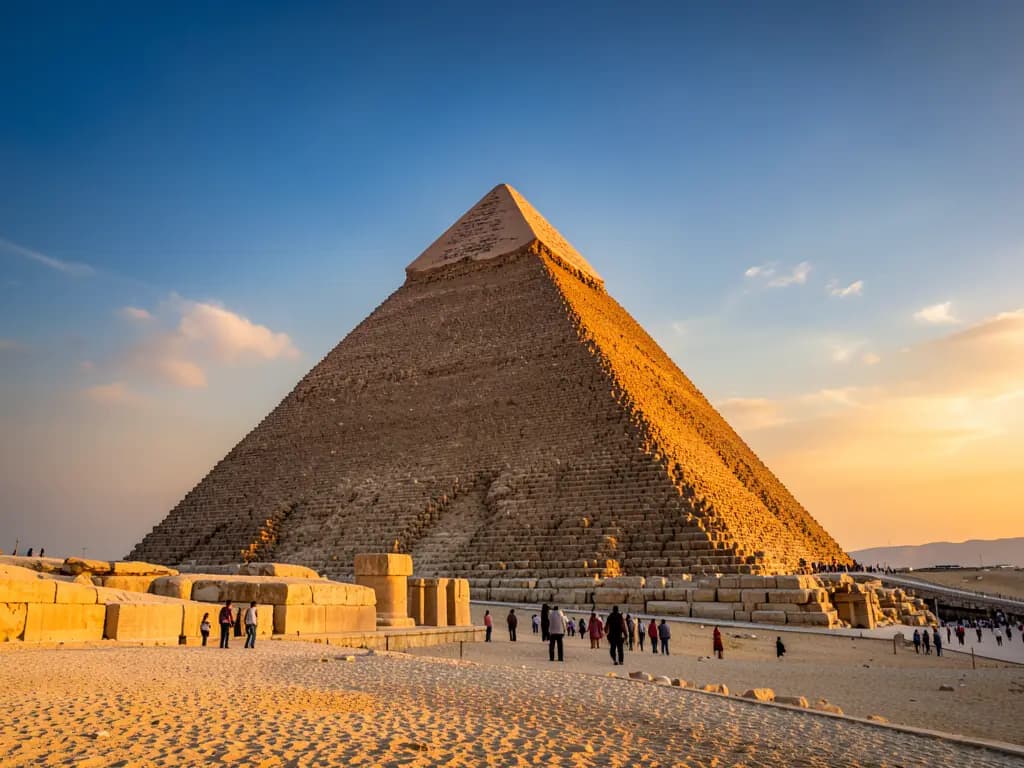
This 2-day tour from Port Said gives cruise passengers a fuller look at Cairo than a single day allows, combining the Giza Pyramids and the Grand Egyptian Museum on day one with the city's Islamic-era landmarks and bazaars on day two. Day one covers the Giza Pyramids Complex, the towering Great Pyramid of Khufu, and the Great Sphinx, along with the Grand Egyptian Museum. After an overnight stay in a Cairo hotel, day two turns to the Citadel of Salah al-Din with its Alabaster Mosque, the National Museum of Egyptian Civilization, and the historic Al-Muizz Street and Khan el-Khalili Bazaar, before the transfer back to Port Said. The package includes round-trip port transfers, one hotel night with breakfast, two lunches, bottled water, a full-time Egyptologist guide for both days, entrance fees to every listed site, and taxes and service charges; only gratuities and personal spending are left out. Time is also built into the second day for shopping in Cairo's well-known districts. It suits passengers on a longer Port Said call who want ancient and medieval Cairo covered in the same trip, rather than choosing between the pyramids and the old city.See more
Pyramids & Cairo Day Trip from Sokhna
This full-day private tour from Sokhna Port brings cruise passengers directly to the Giza Plateau for close-up views of the Great Pyramid and the Sphinx before continuing into central Cairo for its major museum collections. After arriving at Giza, the group takes in the sheer scale of the Great Pyramid of Khufu and the enigmatic Great Sphinx, then visits the Valley Temple, associated with the pharaohs' mummification rituals before their final burial. The day continues into Cairo for the Grand Egyptian Museum, home to King Tutankhamun's priceless treasures, with a scenic lunch stop at a carefully selected restaurant worked into the itinerary. A private, expert Egyptologist guide narrates throughout the day rather than a shared group tour, with stress-free round-trip transfers direct from the Sokhna Port cruise terminal in a modern, comfortable air-conditioned vehicle. Lunch, bottled water, entrance fees to every site, and all service charges and taxes are included; only gratuities for the guide and driver are left as optional but appreciated. It suits Sokhna Port passengers who want both the Giza monuments and a substantial museum visit in a single, well-paced day rather than splitting the two across separate excursions.See more
Giza Pyramids & Saqqara Day Trip from Alexandria
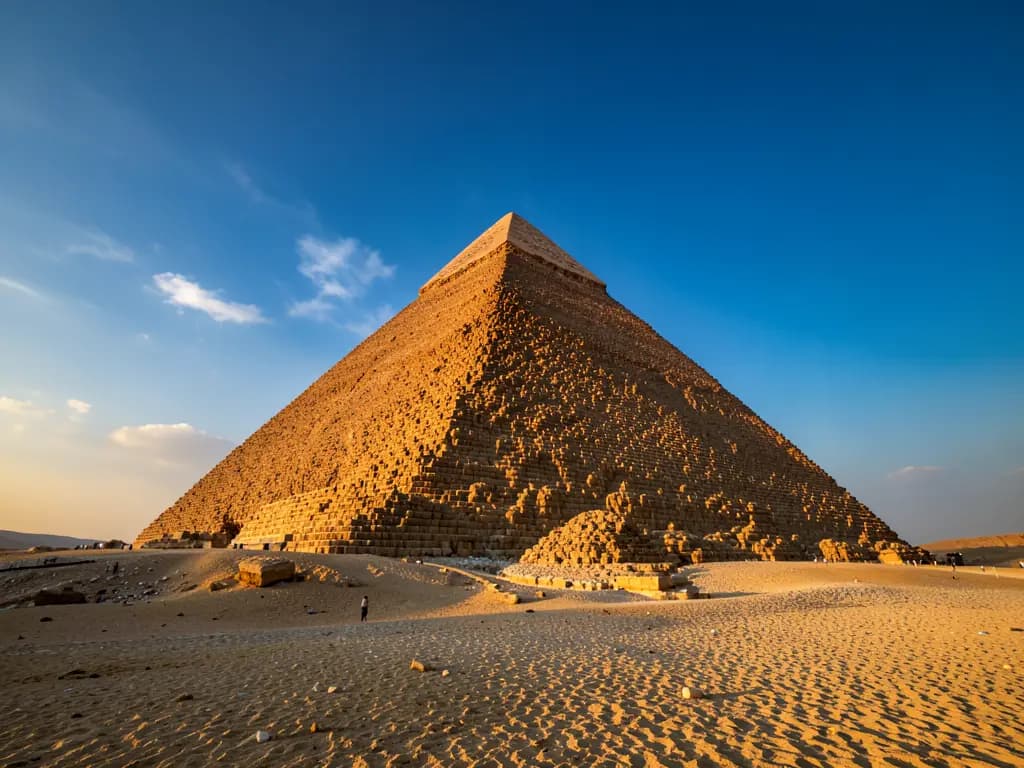
This full-day tour from Alexandria Port traces the evolution of pyramid design in a single trip, moving from the finished grandeur of Giza to the pioneering Step Pyramid at Saqqara that came before it. The day opens at the Giza Necropolis, where the group takes in the Great Pyramids and the Sphinx, feeling the sheer scale of these iconic structures up close, before continuing to the Valley Temple, tied to the ancient mummification process, and an exterior view of the Grand Egyptian Museum. From there, the tour drives to Saqqara for Djoser's Step Pyramid, the world's first monumental stone building and the direct architectural ancestor of the smooth-sided pyramids seen earlier in the day. A private, fully qualified Egyptologist guide travels with the group the entire day, sharing insights into the how and why behind these ancient achievements, with round-trip transfers from Alexandria Port in an air-conditioned vehicle. Lunch at a quality local restaurant, bottled water, entrance fees to both Giza and Saqqara, and all applicable service charges and taxes are included; only gratuities for the guide and driver are optional, though customary. By pairing Giza with Saqqara, this tour gives Alexandria cruise passengers a clearer sense of how Egyptian pyramid-building developed over time, an angle that a Giza-only excursion does not cover, all within a single shore day.See more
Explore Pyramids & Memphis from Alexandria
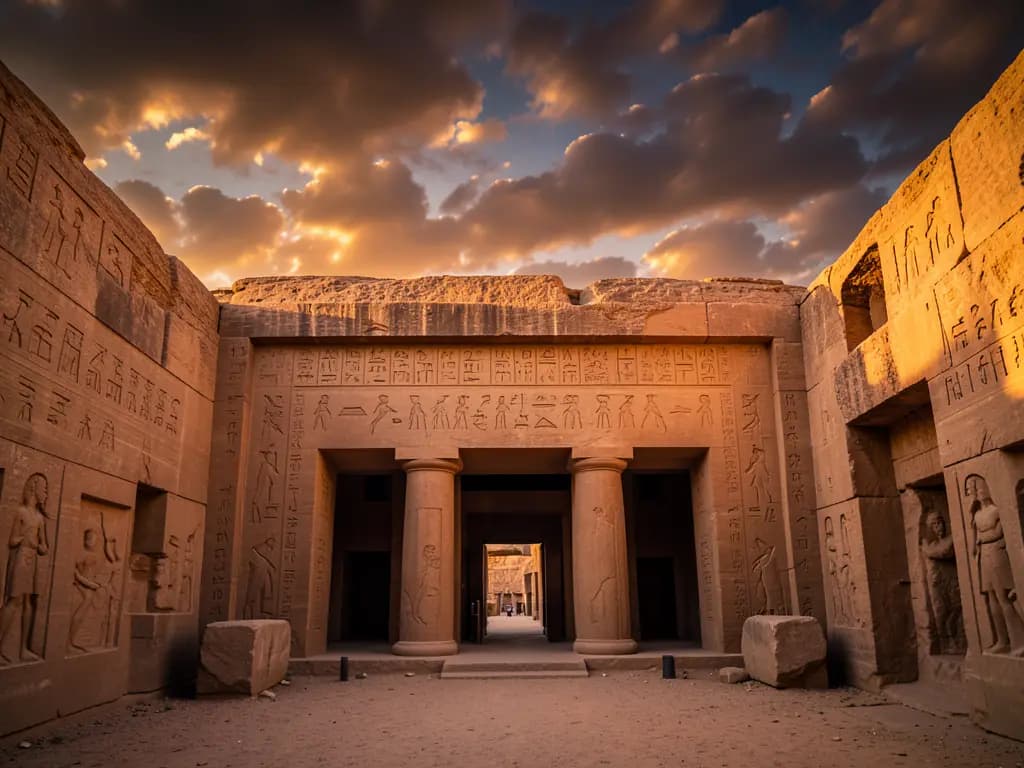
From Alexandria Port, we'll head directly towards Saqqara, a landscape critical to understanding ancient Egyptian burial practices. There, your personal Egyptologist guide will illuminate the genius behind the Step Pyramid, a revolutionary structure marking a profound shift in design. We'll then trace our path to Memphis, Egypt's ancient capital, examining its foundational role in early urban planning. The exploration continues at Dahshur, where we'll unpack the engineering brilliance of the Bent and Red Pyramids, providing insight into the evolution of pyramid construction across a single, fascinating day.See more

Abydos & Dendera Temples from Safaga
This full-day private tour from Safaga Port heads inland to two of Upper Egypt's less-visited but exceptionally preserved temples, Abydos and Dendera, both associated with major deities of the ancient Egyptian pantheon. At Abydos, the group explores a temple long regarded as a pilgrimage site tied to the god Osiris, known for its detailed reliefs and its famous king list carved into the walls. The tour then continues to Dendera, where the Temple of Hathor stands out for its well-preserved astronomical ceiling and its dedication to the goddess of love, music, and joy, giving guests a very different visual and thematic experience from the temples closer to the Red Sea coast. A private Egyptologist guide travels with the group for the whole day, with pickup and drop-off handled directly at Safaga Port in an air-conditioned vehicle. An authentic Egyptian lunch, bottled water, entrance fees to both temple complexes, and all service charges and taxes are included; only gratuities are left to guests' discretion. Because Abydos and Dendera see far fewer visitors than Luxor or Aswan, this tour suits travelers who have already seen the headline sites and want a quieter, more in-depth look at two temples still rich in original detail.See more
Top attractions in Egypt
- 1Philae Temple
- 2Coptic Cairo
- 3Hurghada Marina
- 4Pyramid of Menkaure
- 5Bibliotheca Alexandrina
- 6Naama Bay
- 7Valley of the Kings
- 8Mountain of the Dead
- 9Mahmya Island
- 10Dolphin House
- 11Panoramic Viewpoint
- 12Salah El Din Citadel
- 13Catacombs of Kom El Shoqafa
- 14Colossi of Memnon
- 15Pyramid of Khafre
- 16Pompey’s Pillar
- 17Karnak Temple
- 18Mount Sinai
Egypt tours by destination
Browse Egypt tours by category
Planning Guide
Last updated: 5 November 2026
Key takeaways
The short version of Egyptian history for a visitor:
- 3 kingdoms: the Old, Middle and New Kingdom give ancient Egypt a clear frame, and each left different monuments to visit.
- Sites by period: Giza and Saqqara date from the Old Kingdom, while the Valley of the Kings, Deir el-Bahari and Abu Simbel belong to the New Kingdom.
- Later layers: Alexandria and Historic Cairo carry the Greek, Roman and Islamic story, so a history trip can go beyond the pharaohs.
- Guided context: a licensed Egyptologist ties each monument to its period, and on a private tour you hear that explanation on the spot.
Egypt History Timeline: The Main Periods at a Glance
The history of Egypt breaks into 5 periods that you can still see on the ground, from the Old Kingdom to the Islamic and modern era. The table sets each period beside what it is known for and the sites that survive from it.
| Period | Known for | Sites to see | Best for |
|---|---|---|---|
| Old Kingdom | Age of the Pyramids | Giza, Saqqara, Memphis | First-time visitors |
| Middle Kingdom | Thebes and the cult of Osiris | Karnak's beginnings, Abydos | Temple enthusiasts |
| New Kingdom | Empire Age, royal tombs | Valley of the Kings, Abu Simbel | Visitors to Luxor and Aswan |
| Greco-Roman | Alexander, Ptolemies, Cleopatra | Alexandria | Visitors going to Alexandria |
| Islamic to modern | Fustat, Saladin, Mamluks, Muhammad Ali | Historic Cairo, Al-Azhar Mosque | Visitors staying in Cairo |
Pick the row that matches your route: Giza and Saqqara for the Old Kingdom, Luxor and Abydos for the Middle Kingdom, Luxor and Abu Simbel for the New Kingdom, Alexandria for the Greek and Roman layers, Cairo for Islamic Egypt. Egyptologists date these periods slightly differently, so treat every date as approximate.
Which Kingdom Built Which Ancient Sites?
The Old Kingdom built the pyramids, the Middle Kingdom began Karnak and the New Kingdom produced the royal tombs at Luxor and the cliff temples of Deir el-Bahari and Abu Simbel. Our guides to the pyramids, temples and tombs go into the individual monuments.
Old Kingdom: The Age of the Pyramids
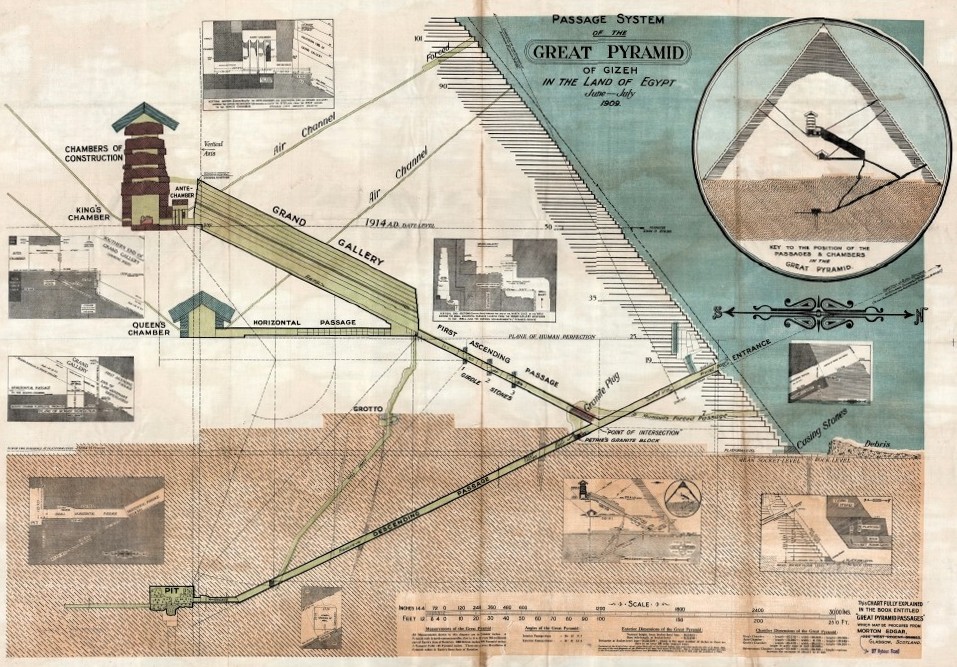
The Old Kingdom ran from roughly 2686 to 2181 BCE and is nicknamed the Age of the Pyramids; Memphis was its capital. Djoser's Step Pyramid at Saqqara, designed by Imhotep, was the first large-scale stone monument in the world. Khufu built the Great Pyramid at Giza, one of the original wonders of the ancient world.
UNESCO's listing for Memphis and its Necropolis describes the capital's tombs cut into rock, decorated mastabas, temples and pyramids, spread along the pyramid fields from Giza to Dahshur.
Visiting the Giza pyramids with a private Egyptologist puts Khufu's pyramid and the Great Sphinx into context.
Middle Kingdom: Thebes and the Start of Karnak
The Middle Kingdom ran from 2040 to 1782 BCE. According to UNESCO's World Heritage listing, Thebes was the capital of Egypt in both the Middle and New Kingdoms.
Senusret I started building Karnak, and pharaohs kept expanding it for roughly 2,000 years, so the Karnak temple complex in Luxor holds layers from many reigns.
This was also the period when Osiris became the dominant judge of the dead, with Abydos as the centre of his cult.
New Kingdom: Luxor, the Valley of the Kings and Abu Simbel
The New Kingdom is called the Empire Age and ran roughly 1570 to 1069 BCE, spanning the 18th and 19th Dynasties and the early 20th. Thebes became its capital under Ahmose I. These are the sites to plan around:
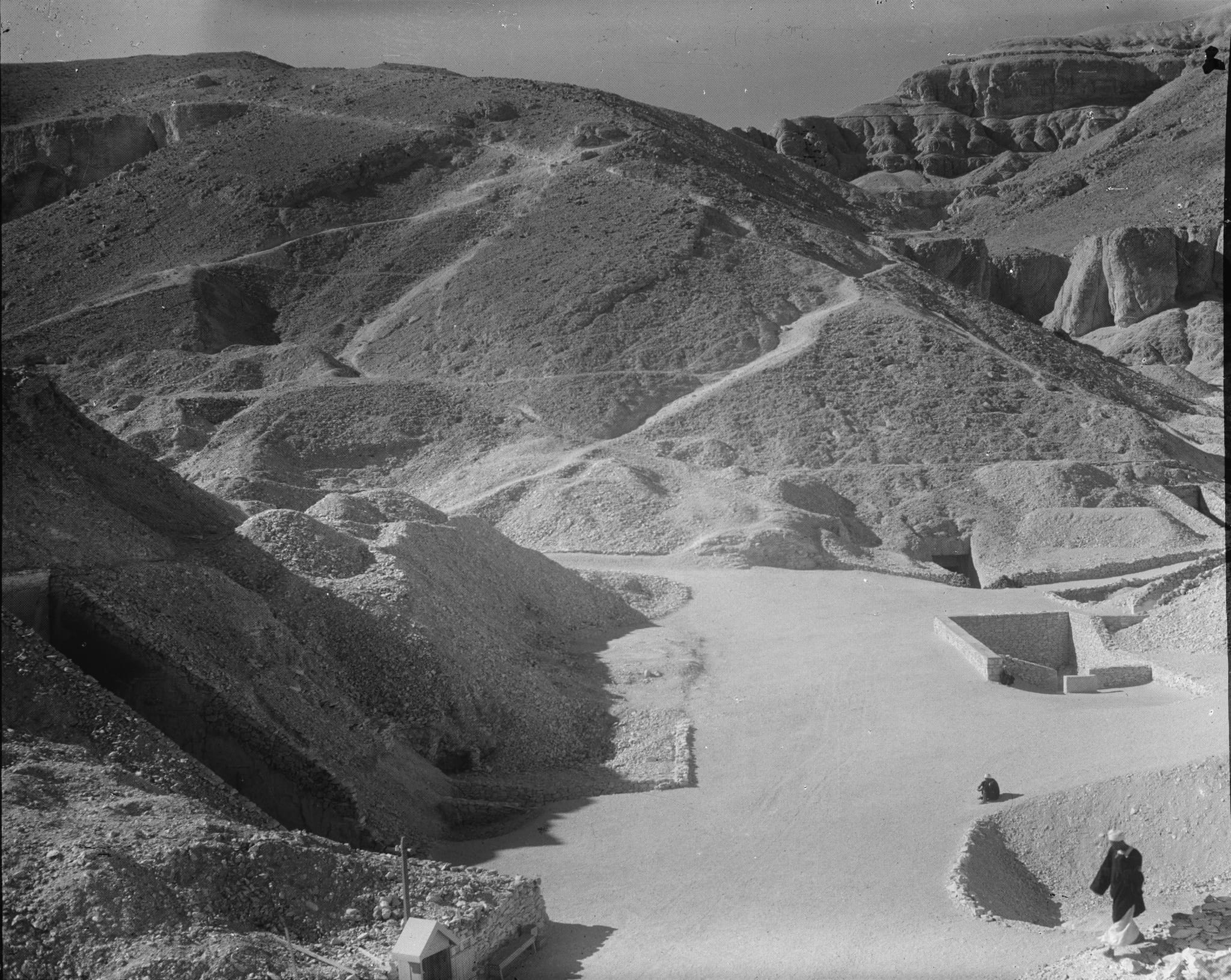
- Valley of the Kings: Howard Carter found Tutankhamun's tomb (KV62) intact here in 1922, and the valley has yielded 63 tombs and chambers so far; see Valley of the Kings tombs and tickets.
- Deir el-Bahari: Hatshepsut's mortuary temple rises in 3 tiers against the cliffs of Luxor's West Bank.
- Abu Simbel: 4 seated colossi of Ramesses II, about 20 metres tall, are carved into the cliff; read about Abu Simbel and the temples of Ramesses II.
Which Egypt History Guides Should You Read First?
Read them in this order to follow Egypt's story from the pyramids to Islamic Cairo:
- Start with the Old Kingdom: read our guide to the Old Kingdom and the Age of the Pyramids before Giza and Saqqara.
- Continue with the Middle Kingdom: the Middle Kingdom and the rise of Thebes prepares you for Karnak.
- Complete the 3 kingdoms: the guide to the New Kingdom of Ramesses II and Hatshepsut sets up Luxor and Abu Simbel.
- Add a pharaoh: choose the one whose monuments you will see; the next section has a guide for each.
- Add Alexandria: if it is on your route, read the Greco-Roman period guide.
- Finish with Islamic Egypt: read the early Islamic period guide before Historic Cairo.
Pharaohs Worth Knowing Before You Go
These 4 pharaohs are an easy way into ancient Egypt's history, and each is tied to a place on your route:
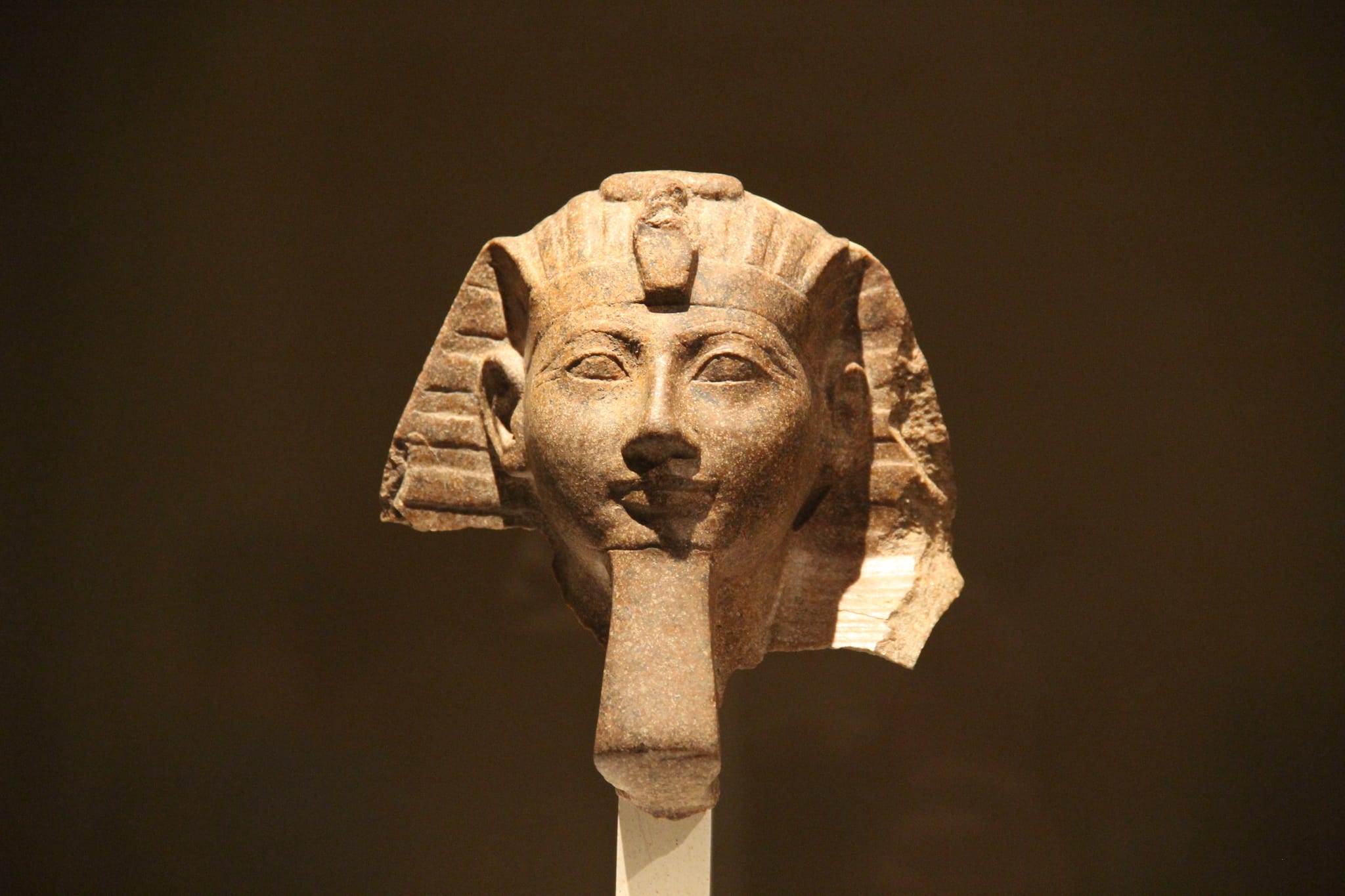
- Hatshepsut: chose peace over conquest, and her mortuary temple stands at Deir el-Bahari; our guide, Queen Hatshepsut, Egypt's trailblazing female pharaoh, has the full account.
- Ramesses II: built the Great Temple at Abu Simbel; Ramesses II's reign and monuments is a good primer before a trip to Aswan.
- Tutankhamun: came to the throne aged 9 after his father Akhenaten died; his tomb (KV62) lies in the Valley of the Kings, and Tutankhamun's story explains why it mattered.
- Cleopatra VII: ruled as Egypt's last pharaoh, and her defeat made Egypt a Roman province, so she belongs with Greco-Roman Egypt and Alexandria; see Queen Cleopatra of Egypt for her full story.
Greek, Roman, Islamic and Modern Egypt
Egypt's story went on long after the pyramid builders, and Alexandria and Cairo are where you can follow the Greek, Roman and Islamic chapters.
Greco-Roman Egypt: Alexandria and the Ptolemies
Alexander the Great arrived in 332 BCE and founded Alexandria in 331 BCE. After Alexander, Ptolemy I founded the Ptolemaic Dynasty, and Cleopatra's defeat alongside Mark Antony turned Egypt from an independent kingdom into a Roman province.
Islamic and Modern Egypt: Fustat to Muhammad Ali
Islamic Egypt began in 640 CE, when Amr ibn al-As led a force into the country and founded Fustat, its first Islamic capital. Saladin (Salah ad-Din) became Vizier of Egypt in 1169 and ended the Fatimid Caliphate.
The Mamluk era ran from 1250 to 1517, and with Ottoman rule it covers almost 7 centuries. Muhammad Ali landed in Egypt in 1801 and was appointed governor by the Ottoman Sultan in 1805.
Historic Cairo, home to Al-Azhar Mosque, is the place to see this layer of the story.
See the History With a Private Egyptologist
Travel Joy Egypt runs private tours led by licensed Egyptologists, and we handle the tickets. You can book a private Egyptologist guide for Giza, Luxor or Abu Simbel.
If your route crosses several periods, we will build a tailor-made trip with the days arranged around the sites you choose.
To turn these Egypt history guides into a trip, message us on WhatsApp +20 106 023 3393 with the sites or periods you want to see.
Travel Guide
Egypt Travel Guide — Frequently Asked Questions
Quick, expert answers to the questions every Egypt traveller asks before they go.
1Can you go inside the Great Pyramid of Giza?
Yes. Interior tickets for the Great Pyramid are capped each day and sell out early, and a guided tour secures them. On our private tours we handle the tickets, so you do not need to chase one yourself. Tell us your dates early if going inside matters to you.
2Does my guide come inside the Great Pyramid with me?
No. Guides are not allowed inside the Great Pyramid during public hours, so your Egyptologist briefs you at the entrance and meets you at the exit. Reading our Old Kingdom guide first means you already know Khufu's story when you step inside.
3How long should I spend at the Giza pyramids?
Allow 2 to 4 hours for the Giza plateau and the Sphinx. Tell us which monuments matter most to you, and we will plan the visit around them.
4What does a Valley of the Kings ticket include?
A standard ticket covers entry to 3 of the open tombs. The tombs of Tutankhamun (KV62), Ramesses VI (KV9) and Seti I (KV17) each need a separate extra ticket. Tell us which of those tombs you want when you enquire, so we can arrange the extra tickets.
5When does the sun light up the inner sanctuary at Abu Simbel?
Twice a year, on 22 February and 22 October, the rising sun shines straight through the temple and lights the inner sanctuary. If you want to see it, plan your road transfer or flight from Aswan for one of those 2 dates.
6Will I be able to understand hieroglyphs at ancient sites?
Yes, with help. At nearly all major ancient sites, plaques or guided tours explain the prominent hieroglyphic inscriptions, so you do not need to read them yourself. On a private tour, ask your licensed Egyptologist about any inscription that catches your eye.
7Where can I see Islamic history in Cairo?
Head for Historic Cairo, which was founded in the 10th century and reached its golden age in the 14th, according to UNESCO. Al-Azhar Mosque, built in 970 in the classic Fatimid style, is a good first stop. For the architectural styles, see our Islamic architecture guide.
8Who built the Great Pyramid of Giza?
Khufu, a 4th Dynasty pharaoh, had the Great Pyramid of Giza built. The same dynasty produced the pyramids of Khafre and Menkaure and Sneferu's Bent and Red Pyramids. To place these monuments in the Age of the Pyramids, start with our Old Kingdom guide.
9How long did Ramesses II reign?
Ramesses II ruled for 66 years, from 1279 BCE to 1213 BCE, and the Great Temple at Abu Simbel dates from his reign. Our Ramesses II guide covers his building programme and the temple in more depth.
10What is Hatshepsut best known for?
Hatshepsut is best known as a female pharaoh who put peace and economic strength ahead of conquest. Her Punt expedition brought back 31 living myrrh trees, and her surviving granite obelisk at Karnak rises around 30 metres. Her mortuary temple at Deir el-Bahari is the place to see her legacy.
11When did the Middle Kingdom end?
The Middle Kingdom ended around 1782 BCE, when Queen Sobeknefru died without heirs and its golden age drew to a close. It began around 2040 BCE. Treat both dates as approximate. Read the Middle Kingdom guide for the rulers and the rise of Thebes.
12Do I need a guide to understand Egyptian history at the sites?
Yes, at sites where several periods overlap. Karnak, for example, was built and expanded over roughly 2,000 years, so a licensed Egyptologist helps you tell one reign's work from the next. Ask us to arrange a private Egyptologist for your visit.