
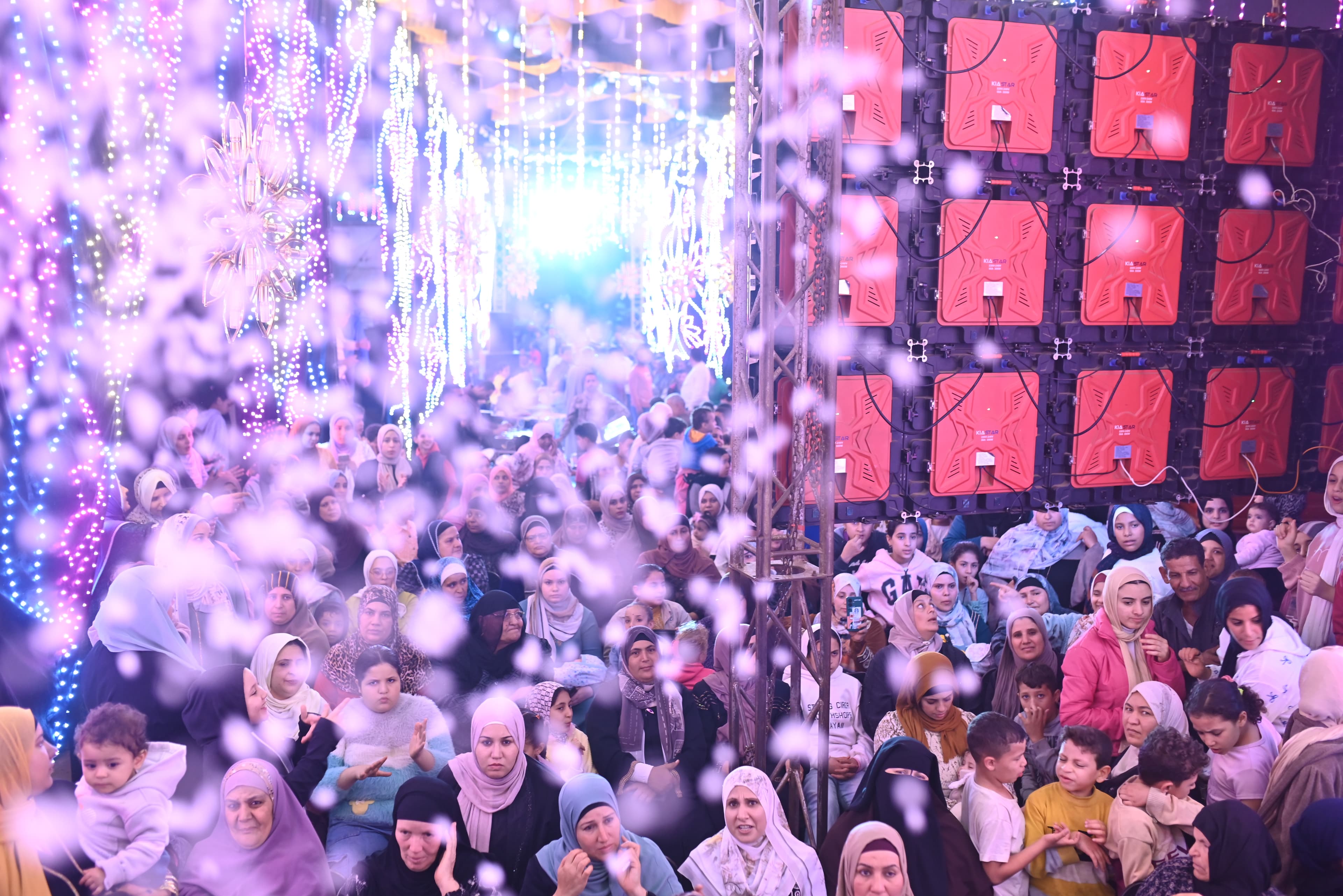

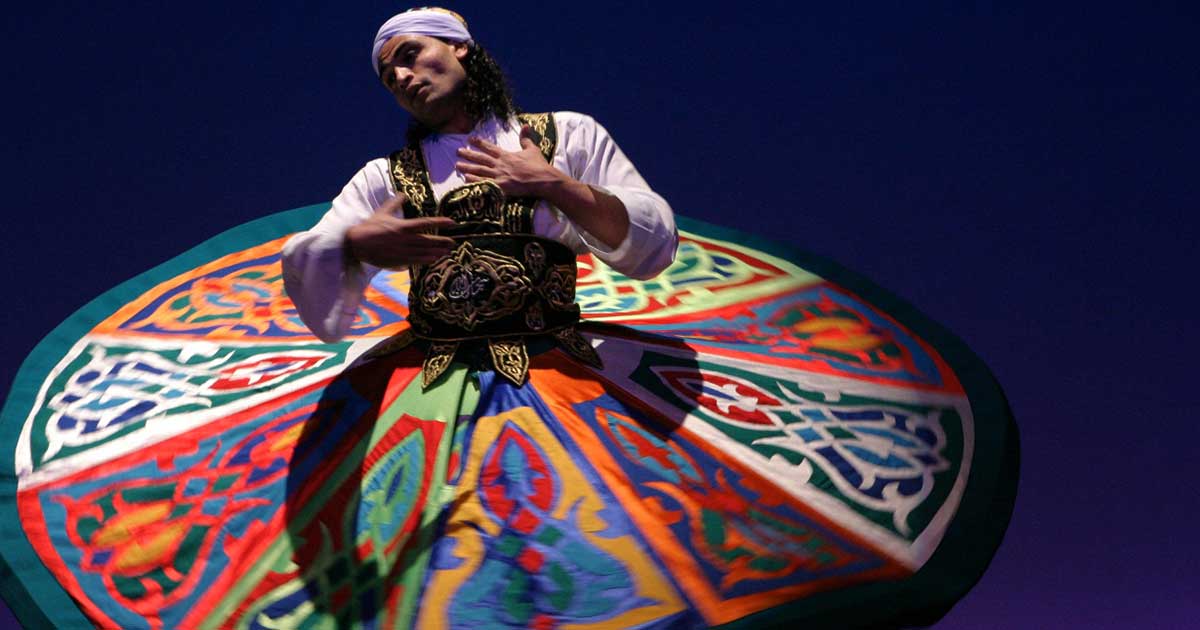
Egyptian festivals aren't just dates on a calendar; they're the vibrant pulse of a nation, weaving together threads of ancient history, profound spirituality, and modern life. Seriously, if you want to understand Egypt, you need to experience its festivals. They're not just for show; they're deeply ingrained in the country's identity, an incredible mix of Coptic Christian observances, Islamic traditions, ancient rituals, and new-age gatherings. You'll find yourself stepping into a living story that reaches back thousands of years. From the quiet reverence of `Coptic Christmas` to the sheer spectacle of the `Abu Simbel Sun Festival` and the energetic vibes of `Sandbox Music Festival` in El Gouna, these events offer a window into the Egyptian soul that you simply can't get from monuments alone.
Religious Festivals That Shape Egyptian Identity
When we talk about Egyptian festivals, it's impossible to ignore the deep religious roots. These aren't just holidays; they're profound expressions of cultural identity, holding communities together, and revealing values and traditions that have been the bedrock of Egyptian society for millennia.Coptic Orthodox Christmas and Easter
Egypt's Coptic Orthodox Christians, making up about 10-15% of the population, celebrate Christmas on January 7th. It's a different date than much of the Western world because they follow the Julian calendar. For devout Copts, preparation means a 43-day fast, sidestepping animal products from sunup to sundown. Christmas Eve is a big deal, with services kicking off around 8 PM and wrapping up at midnight. Then, it's all about family gatherings and special meals, often featuring hearty meat dishes like fatta – rice and bread soaking up garlic and meat. Trust me, it's delicious. Easter holds an even deeper spiritual weight for Coptic Egyptians. They observe a strict 55-day period known as the `Great Fast` (al-Siyam al-Kabir). Holy Week is intense, starting with `Palm Sunday` (Hadd al-Za'f) and moving through `Good Friday` (al-Gum'a al-Hazina). The celebration culminates on `Easter Sunday` ('Id al-Qiyama). Worshippers gather on Holy Saturday evening, breaking their fast after a day of prayer. Many also participate in 'resurrection plays,' where lights shift from depicting humanity's darkness before Christ to heaven's gates opening as he ascends. It's a truly moving experience.Ramadan and Eid al-Adha
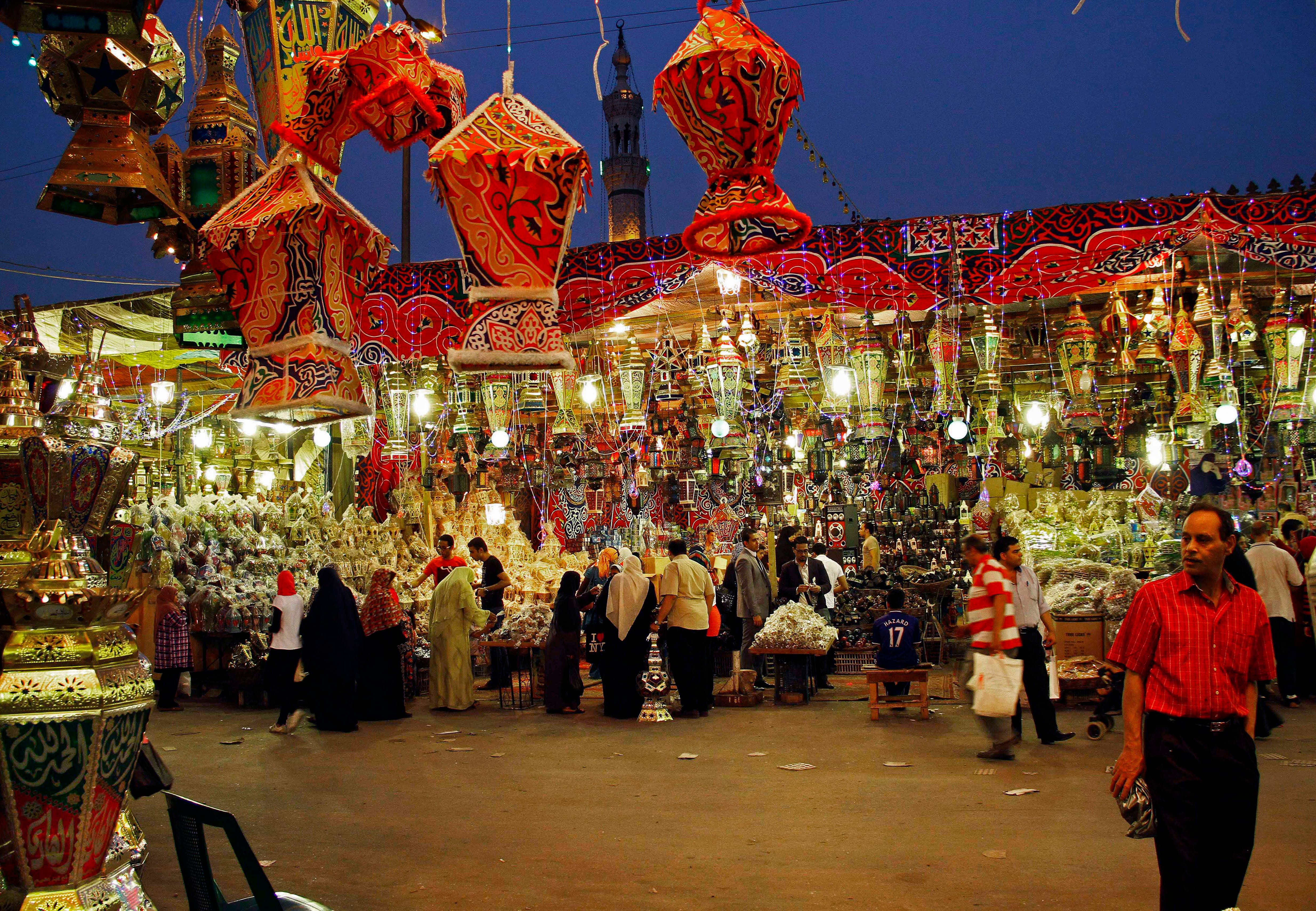
For Egypt's Muslim majority, Ramadan completely transforms daily life. It's a month of dawn-to-sunset fasting, and if you're here during this time, you'll feel the unique atmosphere. A cannon firing from the Citadel's top marks `iftar`—the time to break the fast—and then, wow, the streets really come alive. Bright `fanous` lanterns light up every corner. And `mesharati` (drummers) walk through neighborhoods before dawn, gently waking people up for `sohour`, their pre-dawn meal before fasting begins again. It's truly magical. `Eid al-Adha`, the 'Festival of Sacrifice,' commemorates Ibrahim's unwavering devotion to God. It's a time for communal prayers and the ritual animal sacrifice, with families dividing the meat into three parts: one for themselves, one for relatives and friends, and one for those in need. It's a beautiful act of charity and togetherness. These festivals, both Coptic and Islamic, aren't just about religious observance. They actively strengthen social bonds, weaving together communities and fostering a shared national identity. Egyptians, regardless of their background, unite through these collective experiences. These traditions are constantly passed down, generation after generation, connecting people to Egypt's incredibly rich cultural heritage.
Cultural Celebrations Rooted in Ancient Traditions
Beyond religious observation, Egypt's cultural celebrations are living testaments to its ancient past. These festivals are like living museums, preserving customs that would otherwise be confined to history books, helping people connect with their heritage in a visceral way.Sham Ennessim: A Springtime Legacy
`Sham Ennessim`, meaning 'smelling the breeze' in Arabic, is one of those traditions that makes you pause and marvel. This 5,000-year-old celebration dates back to the Third Dynasty around 2700 BCE! The ancient Egyptians called it 'Shemu,' marking the start of the harvest season. What's incredible is how it's survived through millennia, through ancient Egyptian religion, then Christianity, and now Islam. Today, it stands as a unique, secular holiday that brings all Egyptians together, no matter their faith. It's celebrated on the Monday after Coptic Orthodox Easter. Families flock outdoors, picnicking by the Nile, in parks, or at the zoo to soak up the spring air. The traditional Sham Ennessim feast is a direct link to Pharaonic times: `fesikh` (fermented salted gray mullet fish), colored eggs, green onions, and lettuce. Seriously, each item has a story. Eggs symbolize new beginnings, renewal. Ancient Egyptians believed onions kept evil spirits away. Lettuce represented hope and fertility, and `fesikh` symbolized abundance. There's even a tradition where ancient Egyptians would write wishes on eggshells and hang them on trees, believing the morning sun would help them come true. How cool is that?Want to explore Experience Egypt's Vibrant Festivals: A Journey Through Time and Tradition?
Let us design the perfect private itinerary for you. From expert local guides to seamless luxury cruises, we craft custom trips that show you the real Egypt.
Customize via WhatsAppAbu Simbel Sun Festival: Light and Legacy
Picture this: twice a year, on February 22 and October 22, thousands gather at the `Temple of Ramses II` in Abu Simbel for an absolutely spectacular event. It's a mind-blowing display of ancient Egyptian astronomical genius. At dawn, sunlight pierces 60 meters into the temple's deepest sanctuary, illuminating statues of Ramses II and the deities Amun-Re and Re-Hor-Akhty. Perfectly, Ptah, the god of darkness, remains shrouded in shadow. It's pure magic. Interestingly, this solar alignment often coincides with dates linked to farming and harvest seasons. Some historians even suggest these dates might mark Ramses II's actual birthday and coronation. The carvings on the temple walls tell epic tales, like the `Battle of Kadesh` and what many consider the world's very first peace treaty. This twice-yearly festival draws visitors from every corner of the globe, transforming into a lively cultural celebration. Expect traditional Nubian music, dancing, and festivities. It's a rare, powerful chance to experience ancient Egyptian spiritual practices firsthand, connecting modern celebrations directly to traditions that are over 3,000 years old.
Modern Festivals Reflecting a Changing Egypt
Egypt's festival scene isn't just about echoes of the past. It's seen some incredible transformations, too, reflecting the country's social and cultural evolution. There's a dynamic mix happening.Sandbox Music Festival and Youth Culture
Then there's `Sandbox Festival`, Egypt's premier boutique festival experience. It turns El Gouna's Red Sea Riviera into an absolute playground for electronic music lovers. This three-day event, typically held every May, features performances across five stages, with DJs from all over the world and the region. It really came into its own right after the 2011 revolution, a time when millions of Egyptians got their first smartphones and 3G internet exploded. That sparked a wave of new creative expressions, and Sandbox was born. This festival draws Egypt's young, hip crowd, creating a space for those under 29 (who make up about 60% of Egypt's population!) to experience modern culture. With tickets starting around $200, it's become a significant cultural milestone, showing a different, contemporary side of Egypt.Moulid un Nabi and Contemporary Observance
Even traditional festivals like `Mawlid al-Nabi`, the celebration of Prophet Muhammad's birthday, show how old traditions adapt. Its roots go back to the Fatimid era (10th-12th centuries). You'll see distinctive sugar dolls called 'arouset al-mawlid' and charming horse figurines. While plastic versions now often replace traditional handmade sugar figurines due to rising production costs and fewer skilled artisans, the spirit endures. In fact, Egyptians spent over 1 billion EGP on Mawlid sweets in 2020! Today's celebrations blend age-old Sufi traditions with festive elements: street parades, sweet distributions, and poetry recitations take center stage. Modern changes haven't stopped many Egyptians from keeping these cultural traditions vibrant for future generations.
Want to explore Experience Egypt's Vibrant Festivals: A Journey Through Time and Tradition?
Let us design the perfect private itinerary for you. From expert local guides to seamless luxury cruises, we craft custom trips that show you the real Egypt.
Customize via WhatsAppWhy These Festivals Matter Beyond Tourism
Let's be clear: Egyptian festivals are *way* more than just tourist attractions. Think of them as living archives, preserving national identity and the social fabric across generations. Many Egypt tours are now recognizing this, highlighting these as truly authentic cultural experiences. They're not just something to watch; they're something to feel.Community, Belonging, and Shared Rituals
These festivals create powerful communal bonds. When people immerse themselves in water during `Eid el Ghettas`, for example, it's a shared joy that absolutely bridges religious divides. Christian and Muslim children walk side-by-side in street processions, holding oranges with candles and singing together—it's heartwarming and passes common heritage to future generations. These rituals really go beyond religious boundaries. Ancient celebrations called 'Heb' used to bring communities together to honor their gods, structuring Egypt's social rhythm and deepening spiritual beliefs. Today, heritage sites like Dendera and Abydos temples host singing concerts that draw nearly 15,000 people, showing that 'people in Upper Egypt are thirsty for carnivals.' It's a basic human need for connection.Festivals as a Window into Egyptian Values
Egyptian celebrations shine a spotlight on core cultural values like sharing and reciprocity. People of different faiths exchange traditional foods. Women and men share sugar cane, `feteer` (pastry), and `kolqas` with their neighbors. Muslim neighbors often offer special Ramadan dishes, creating natural opportunities to connect and chat. It's beautiful. These festivals allow communities of all kinds to build positive connections with seasonal changes and farming cycles. It's a stark contrast to any notion of religious division; as someone once put it, 'social cohesion is forged not when people are blind to their differences but when these differences become the basis of genuine positive associations.' Ultimately, Egypt's celebrations truly reflect its rich identity, a stunning balance of ancient traditions, Islamic customs, and modern influences.Ready to turn this guide into reality?
Our local experts can create a custom itinerary based on these recommendations. Just send us a quick message!
Customize via WhatsApp