
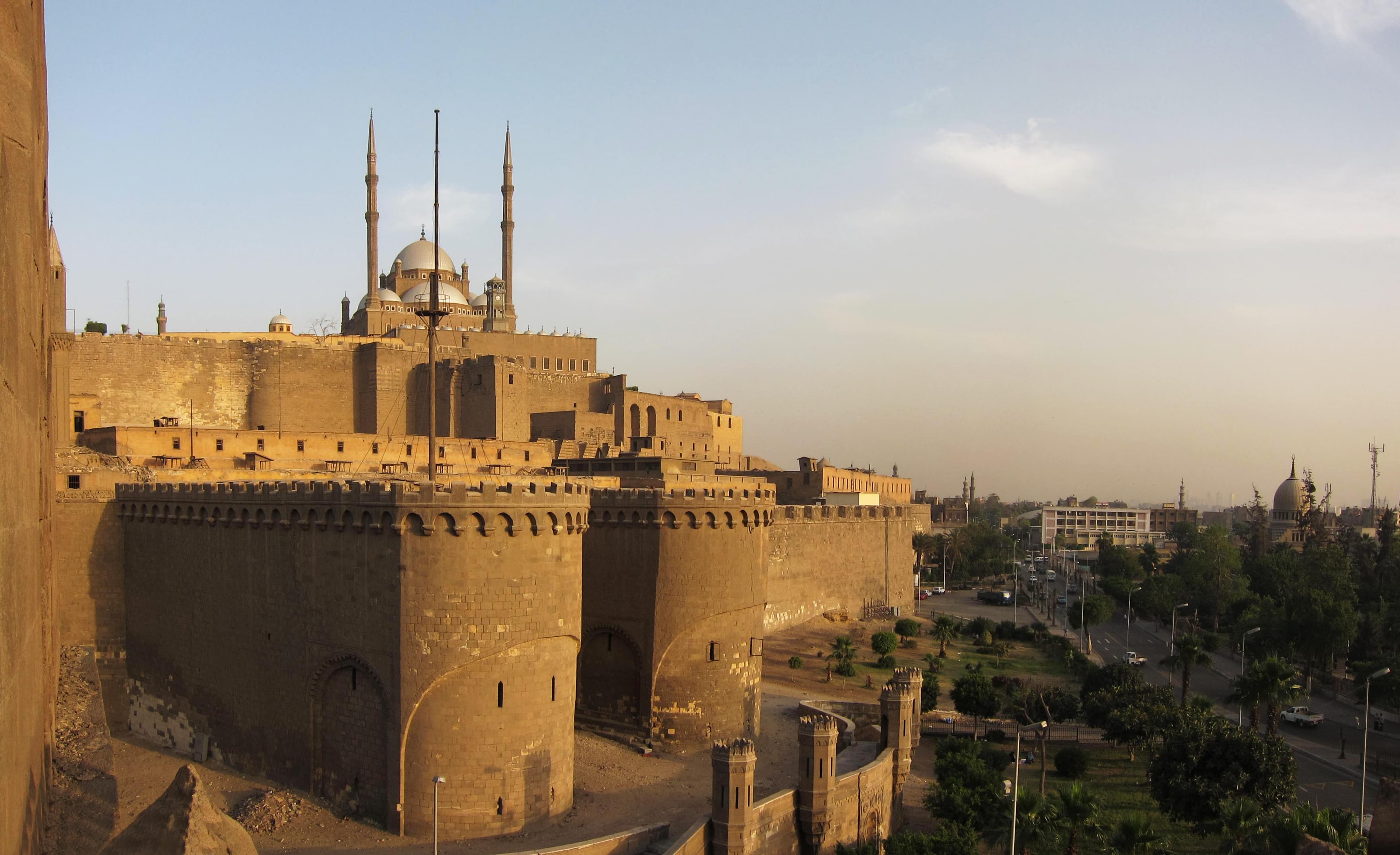

Salahuddin Ayyubi, known to many in the West as Saladin, isn't just a name in old history books. He's a figure steeped in legend, admired across cultures for his military brilliance, political savvy, and a sense of chivalry that was truly ahead of his time. When you travel through Egypt and the wider Middle East, his name pops up everywhere—connected to massive citadels, ancient walls, and pivotal events that literally redrew the map.
Understanding Salahuddin isn't just about dates and battles; it's about grasping a big piece of Egypt's soul. It's the kind of deep dive that really brings those old stones to life.
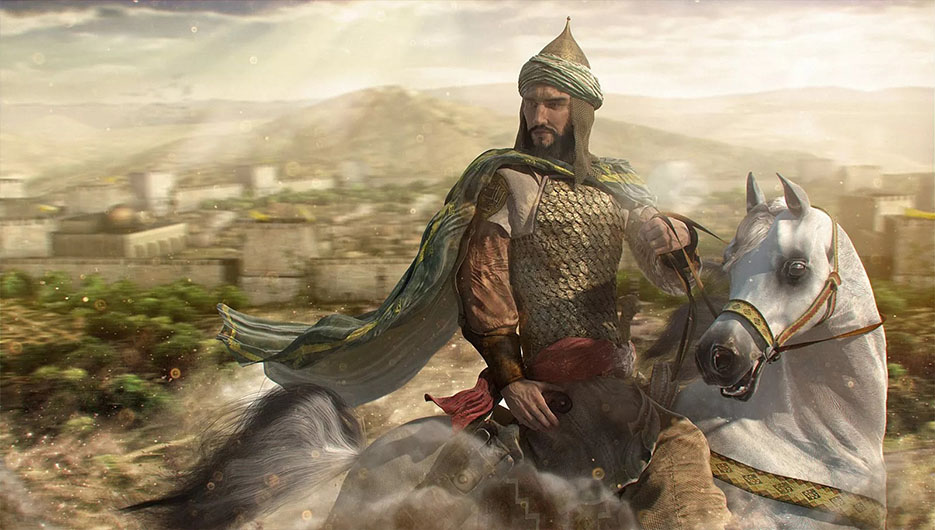
Who Was This Guy? The Legend of Salahuddin Ayyubi
Born in 1137 CE in Tikrit, modern-day Iraq, Salahuddin Ayyubi laid the foundations for the Ayyubid Dynasty. His family, Kurdish and deeply rooted in military life, served the Zengid dynasty, which meant young Salahuddin grew up surrounded by strategy and leadership. You wouldn't have picked him as the future ruler of a vast empire back then; he was intelligent, disciplined, and had a strong sense of duty, but not necessarily a natural-born warrior in the aggressive sense.
Yet, he soared. From a young officer, he climbed the ranks to become the most powerful leader in his era, stretching his influence across Egypt, Syria, the Hijaz, and large chunks of the Levant. His name became forever linked with the Crusades, especially that pivotal moment in 1187 when he recaptured Jerusalem, solidifying his status as a hero across the Islamic world.
His Early Years: More Than Just a Soldier
Salahuddin's childhood unfolded against a backdrop of constant upheaval in the Middle East. His father, Najm Al-Din Ayyub, was a governor and military leader, so young Salahuddin learned about command and administration early on. But he wasn't just a military mind; he immersed himself in:
- Islamic law
- Literature and theology
- Military sciences, of course
- Horsemanship and strategic thinking
Interestingly, despite his military background, Salahuddin was known for being thoughtful and calm, not some hot-headed aggressor. He genuinely admired scholars, poets, and religious figures. This well-rounded perspective helped shape the balanced, wise leader he would become.
Egypt: Where His Power Truly Began
Salahuddin's star really began to rise when he arrived in Egypt with his mentor, Shirkuh. They were sent by the Zengid ruler Nur Al-Din. Egypt at that time was a bit of a mess, with the Fatimid Caliphate crumbling and political instability everywhere. Then, in 1169, Shirkuh passed away, and Salahuddin was named Vizier of Egypt. It was a surprising move—he was relatively young and new to Cairo's political scene.
But he quickly proved his worth through strong leadership, fair governance, and smart military moves.
In Egypt, he wasted no time:
- He beefed up the army.
- He overhauled the financial system.
- He ended the Fatimid Caliphate, bringing back Sunni rule.
- He bolstered Egypt's defenses against Crusader threats.
- He kicked off major fortification projects, notably the improvements to Cairo's Citadel (though others would finish it).
This period transformed him from a capable military leader into a true statesman with massive regional sway.
Bringing Egypt and Syria Together
After Nur Al-Din's death, Salahuddin made his move into Syria. The goal was to stabilize the region and fend off the Crusader armies. Using a mix of diplomacy, sharp military tactics, and even strategic marriages, he gradually unified Egypt and Syria under his banner. This was crucial, because the Crusader states were strong and organized. Without a united front, the Muslim lands were vulnerable.
Salahuddin understood that a powerful, central government was essential to protect the region's cities, trade routes, and sacred sites.
By 1177–1186, he had cemented his authority, forging the formidable Ayyubid Sultanate.
Hattin and Jerusalem: His Defining Moments
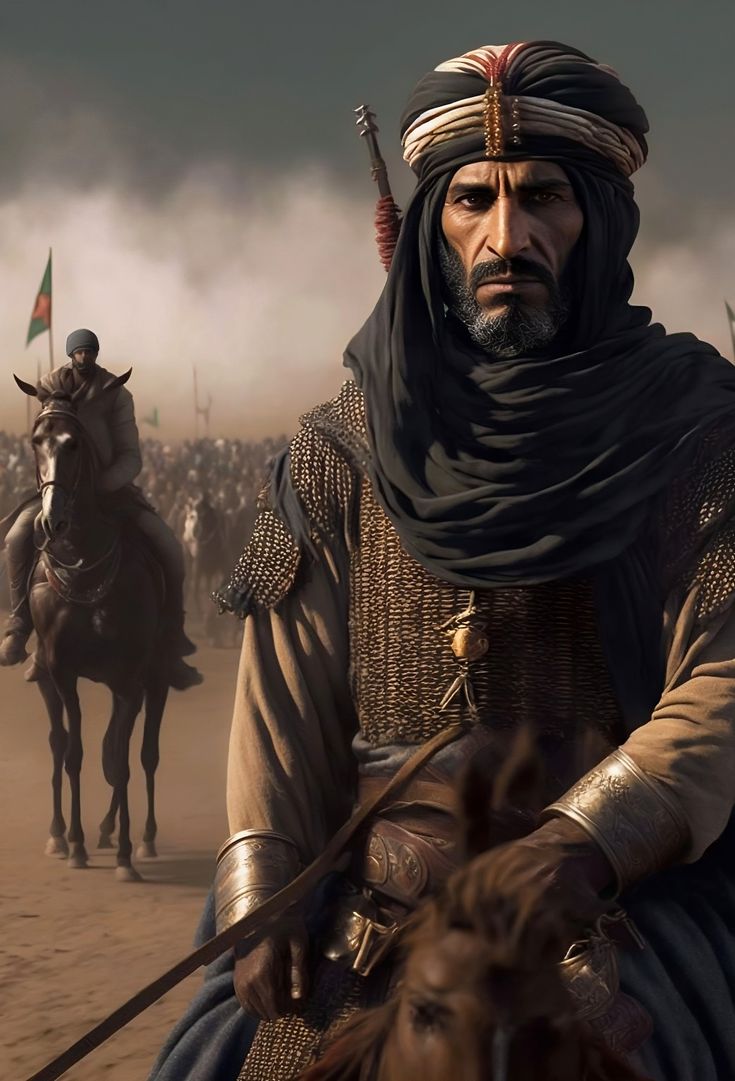
Salahuddin's most celebrated achievement was undoubtedly his victory at the Battle of Hattin in 1187. This was a game-changer for the Crusades. His tactics were brutal but brilliant: cutting off water, encircling the enemy, and executing perfectly coordinated cavalry charges. The aftermath was a triumphant march to Jerusalem, which he recaptured peacefully.
And here's where his reputation truly shone: unlike previous conquests, he allowed Christian civilians to leave unharmed and welcomed pilgrims of all faiths. This respectful treatment earned him admiration even among his European adversaries. It was a defining moment, showing his deep commitment to both justice and mercy.
Want to explore Salahuddin Ayyubi: Cairo's Warrior, Egypt's Legacy?
Let us design the perfect private itinerary for you. From expert local guides to seamless luxury cruises, we craft custom trips that show you the real Egypt.
Customize via WhatsAppMore Than Just a Conqueror: His Character
What really sets Salahuddin apart isn't just his military genius, but his personality. Arab and European historical accounts often describe him as:
- Generous and humble to a fault
- Deeply religious, but remarkably tolerant
- Brave, yet full of compassion
- A leader who preferred negotiation over needless bloodshed
- Someone profoundly respected by friends and foes alike
Stories of his chivalry became legendary across Europe, especially his interactions with King Richard the Lionheart during the Third Crusade. Despite being fierce opponents, they exchanged gifts and showed a mutual respect that was incredibly rare in medieval warfare.

His Lasting Footprint on Egypt
For anyone exploring Egypt today, Salahuddin Ayyubi's influence is evident in several key sites, especially around Cairo.
The Cairo Citadel: His Vision
One of his biggest contributions was initiating the construction and expansion of fortifications on Cairo's hilly terrain. While much of what we see today was finished by later rulers, the Citadel still bears Salahuddin's name because he laid the groundwork and envisioned it as Egypt's ultimate defense against Crusader threats.
Reforming Cairo
He wasn't just about fortresses. Salahuddin restructured Cairo's defenses, improved its water supply, and reorganized the military. His vision shaped the city's medieval development for centuries to come.
Want to explore Salahuddin Ayyubi: Cairo's Warrior, Egypt's Legacy?
Let us design the perfect private itinerary for you. From expert local guides to seamless luxury cruises, we craft custom trips that show you the real Egypt.
Customize via WhatsAppThe Ayyubid Dynasty: A Golden Age
Even after his death, Salahuddin's descendants ruled vast swathes of the Middle East for over 80 years. The Ayyubids fostered an era of growth, building schools, mosques, fortresses, and trade networks that fueled learning, culture, and economic prosperity across Egypt and Syria.
Some of the dynasty's notable achievements include:
- Championing Sunni Islamic education
- Securing trade routes from the Red Sea to the Mediterranean
- Spurring incredible architectural innovation
- Nurturing scientific and literary advancements
Today, travelers often stumble upon Ayyubid-era structures when visiting places like Cairo, Aswan, and the Red Sea region.

The End of an Era
Salahuddin Ayyubi passed away in Damascus in 1193 at just 55. His death truly marked the end of an era, but his legend only grew. He's buried near the Umayyad Mosque in Damascus, in a modest tomb that humbly reflects his character. Think about it: a man who ruled one of the biggest empires of his time, yet he died with almost no personal wealth, having given so much away to charity and his military.
Salahuddin remains one of history's most respected leaders, revered for his courage, wisdom, and humanity. His achievements permanently altered the political and cultural landscape of the Middle East, and his influence echoes through Egypt and beyond even today. Whether you're digging into his military triumphs or standing before monuments that bear his name, you're getting a much richer understanding of this region's incredible story.
His life is a powerful reminder that true leadership is built on justice, compassion, and a clear vision. That's what made Salahuddin Ayyubi a timeless figure, admired across centuries.
Ready to turn this guide into reality?
Our local experts can create a custom itinerary based on these recommendations. Just send us a quick message!
Customize via WhatsApp