
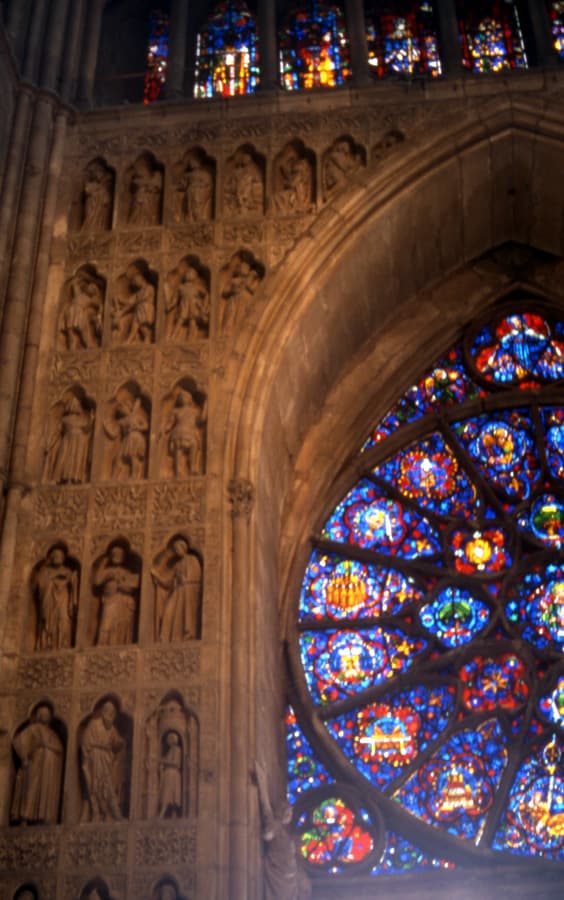

Christmas in Egypt really isn't your average holiday; it happens not just once, but twice each year! That means the festive season here stretches out beautifully, going way beyond what most of the world experiences on December 25th. You see, while many folks are settling back into their routine after New Year's, a huge part of Egypt is just getting ready for their second round of Christmas celebrations on January 7th.
This unique setup comes from an interesting blend of two different calendars and totally reflects Egypt's diverse Christian communities. From the deep spiritual traditions of the Coptic Orthodox Church to the more familiar Western-style festivities complete with Baba Noël (that's our version of Santa Claus), the country truly embraces both dates with such warmth and unity. It's a gorgeous example of how religious traditions can live side-by-side so harmoniously in a country that's mostly Muslim.
Why We Celebrate Christmas Twice in Egypt
Egypt's two Christmas celebrations really come down to the differences between the Julian and Gregorian calendars. These two systems dictate when major Christian holidays fall, leading to two distinct, yet equally cherished, celebrations here.
The Calendar Conundrum: Julian vs. Gregorian
So, originally, pretty much everyone followed the Julian calendar, which was set up by Julius Caesar. But over centuries, this calendar started getting a little out of sync with the actual solar year. To fix that drift, Pope Gregory XIII introduced the Gregorian calendar in 1582, and that's the one most of the world uses today. The Julian calendar now lags about 13 days behind the Gregorian one. That's why December 25th on the Julian calendar lines up with January 7th on the Gregorian calendar.
And that's exactly why Orthodox Christians, including Egypt's very own Coptic community, mark Christmas on that later date.
Coptic Orthodox and Western Christian Traditions
The majority of Egyptian Christians belong to the Coptic Orthodox Church, and they follow the Julian calendar, celebrating Christmas on January 7th. Then you've got Western denominations here, like Catholics and Protestants, who stick to the Gregorian calendar, so they celebrate on December 25th.
For the Coptic celebration, there's a really significant 43-day Holy Nativity Fast, which focuses a lot on spiritual reflection and discipline. Meanwhile, Western traditions tend to center more on joyful gatherings and those global Christmas customs we all know. But despite the differences, both share a profound reverence for the birth of Christ.
Celebrating Both Christmases: It's All About More Joy!
You'll often find that Egypt's Christian population celebrates both Christmas dates, beautifully blending traditions across denominations. January 7th is even recognized as an official national holiday, but December 25th still brings plenty of festive decorations and gatherings across our cities.
It's common for families to celebrate December 25th with gift exchanges and special meals, and then come together again on January 7th for the more traditional Coptic festivities. Instead of creating division, these dual celebrations really just extend the season of joy and unity for everyone.
Coptic Orthodox Christmas: A Deeper Dive
For Coptic Orthodox Christians, Christmas isn't just a single day; it's the beautiful culmination of weeks of deep spiritual preparation and devotion. The focus here is less on material celebrations and much more on faith, reflection, and families truly coming together.
Want to explore Christmas in Egypt: A Double Dose of Holiday Cheer?
Let us design the perfect private itinerary for you. From expert local guides to seamless luxury cruises, we craft custom trips that show you the real Egypt.
Customize via WhatsAppThe 43-Day Holy Nativity Fast
Starting on November 25th, the Holy Nativity Fast runs for 43 days. During this time, Copts abstain from all animal products, essentially embracing a vegan diet. This fast is a really profound period for prayer, self-control, and spiritual renewal, helping worshippers focus on gratitude and faith as they anticipate the birth of Christ.
The Sacred Midnight Mass
The absolute highlight of Coptic Christmas is the midnight liturgy held on January 6th. This service is incredibly solemn and beautiful, starting late in the evening and continuing past midnight. Churches are bathed in the glow of candlelight, filled with the scent of incense, and resonate with traditional hymns.
Worshippers share Communion and a special bread called Qurban, which symbolizes unity and blessing. The atmosphere of reverence and devotion makes this night one of the most meaningful on the Coptic calendar.
Breaking the Fast with a Grand Feast
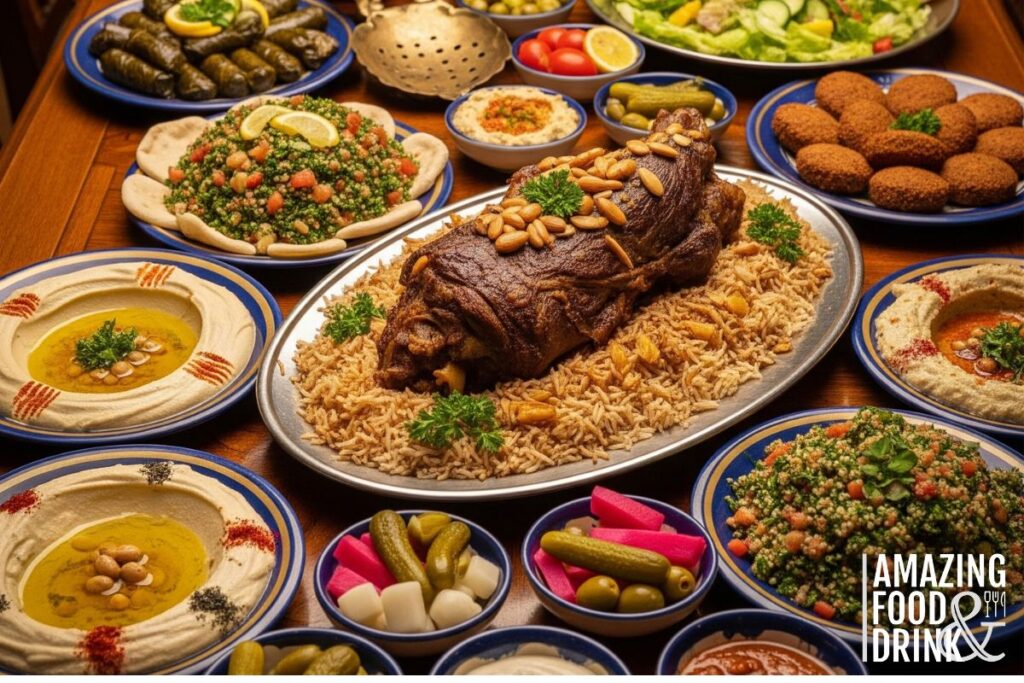
After the midnight mass, families gather for a much-anticipated feast. The star dish of the evening is definitely fatta—a delicious layered combination of rice, bread, and meat, usually lamb or beef. You'll also find other popular dishes like roasted duck, macarona bechamel, and stuffed vegetables (mahshi).
For dessert, families indulge in kahk, Egypt's beloved shortbread cookies, often dusted with powdered sugar. This meal is truly a celebration of both physical and spiritual fulfillment, marking the end of fasting and the joyful start of the festivities.
How Egypt Celebrates December 25th
Even though January 7th is the official Coptic Christmas, December 25th has also become a pretty significant festive occasion in Egypt, especially in places like Cairo and Alexandria, and in tourist areas.
Want to explore Christmas in Egypt: A Double Dose of Holiday Cheer?
Let us design the perfect private itinerary for you. From expert local guides to seamless luxury cruises, we craft custom trips that show you the real Egypt.
Customize via WhatsAppWestern Christian Communities
Catholic, Protestant, and Greek Orthodox communities in Egypt observe Christmas on December 25th, just like in many Western countries, following the Gregorian calendar. They hold their own church services, family gatherings, and festive dinners, much like you'd expect.
It's also worth noting that many Egyptian families with mixed denominational backgrounds often celebrate both dates, creating a wonderful blend of spiritual and modern holiday customs.
Decorations and Festive Atmosphere
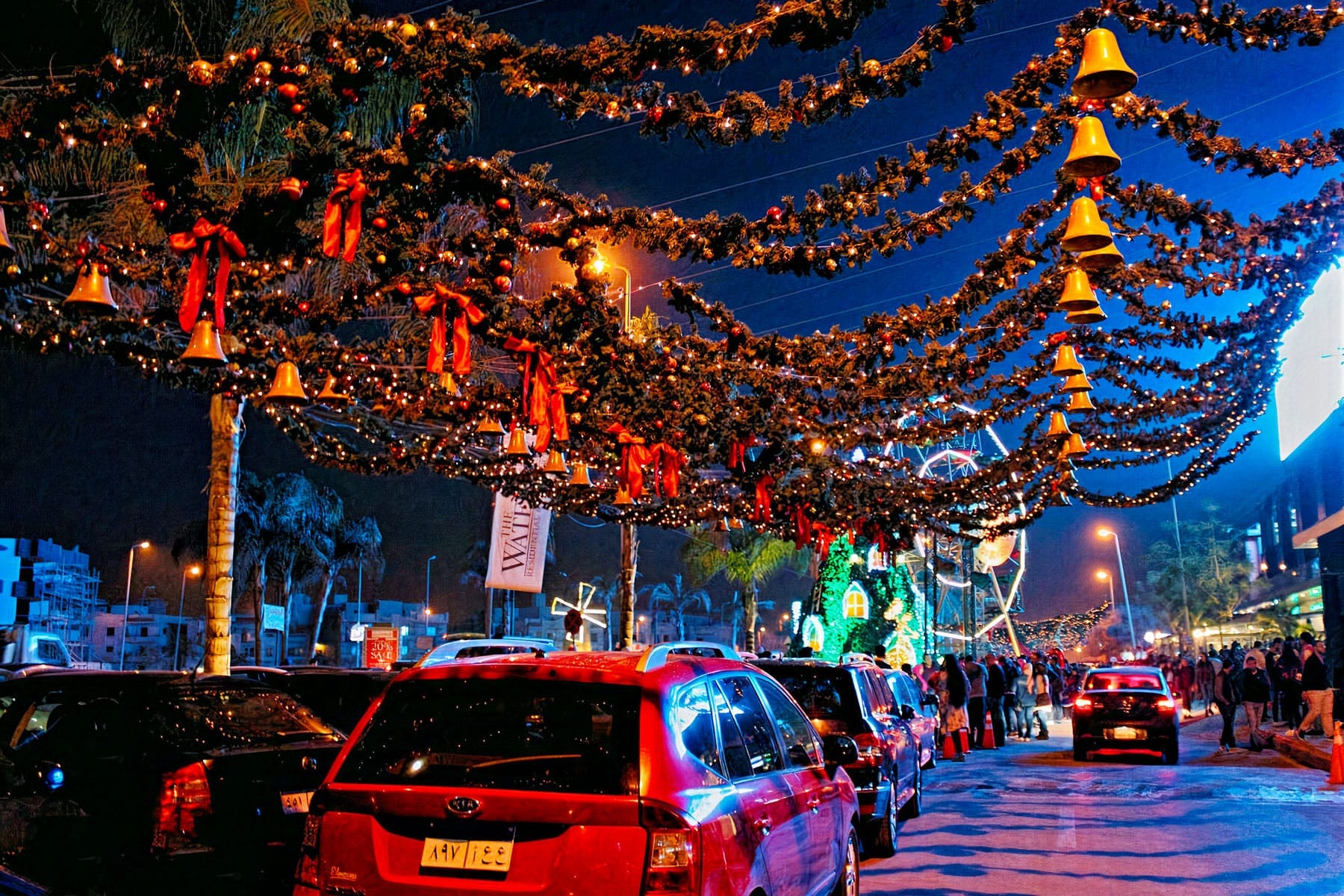
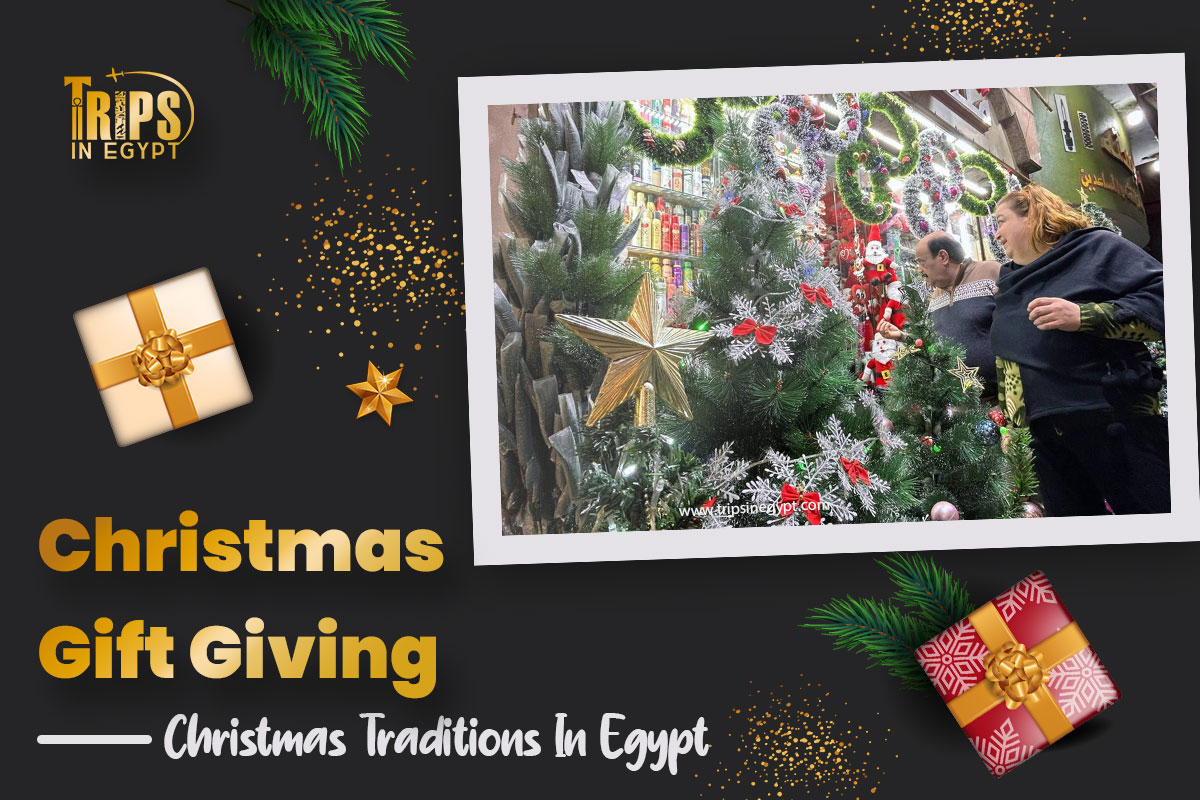
From mid-December onwards, cities like Cairo and Alexandria really light up. Streets, hotels, and shopping malls sparkle with Christmas lights, decorated trees, and ornaments. You'll even see palm trees wrapped in colorful lights, adding a uniquely Egyptian charm to the celebrations.
Upscale neighborhoods often host Christmas markets, where both locals and tourists can enjoy seasonal food, find handmade crafts, and soak in the cheerful music.
Baba Noël: Egypt's Very Own Santa Claus
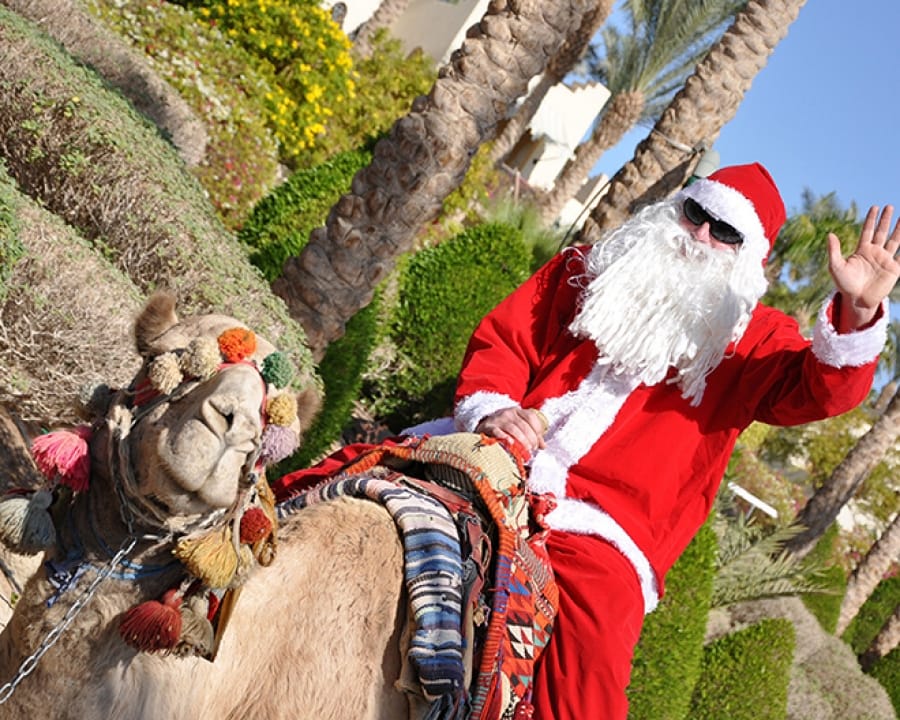
Baba Noël, Egypt's version of Santa Claus, is a truly beloved figure during December celebrations. Children eagerly await his arrival, sometimes leaving out kahk cookies in hopes of receiving gifts.
While Western-style gift-giving is certainly becoming more popular, many families still keep the lovely Egyptian tradition of giving money—especially to children—as a token of love and blessing.
Unique Egyptian Christmas Traditions
Egypt's Christmas season is truly rich with customs that beautifully blend ancient heritage and modern joy.
Kahk and Other Festive Treats
Kahk el Eid—those delightful, crumbly cookies often filled with nuts or dates—are perhaps the most iconic Egyptian holiday treat. These sweets actually have roots going way back to ancient Egypt and are enjoyed across various religious holidays, symbolizing unity and shared culture. Families also whip up qatayef (sweet stuffed pancakes) and other homemade desserts, often exchanging them as thoughtful gifts during visits.
Fatta: The Heart of the Feast
The dish known as fatta holds such a special place, marking the end of the 43-day fast. It's a comforting, hearty combination of toasted bread, rice, and meat, all topped with a tangy garlic-vinegar sauce. It's a true symbol of abundance and celebration.
Adea: Giving Money, Not Just Wrapped Gifts
In Egypt, it's a common and cherished tradition for elders to give 'Adea'—small amounts of money—to children on Christmas Eve. This often takes the place of Western-style wrapped gifts and consistently brings so much excitement and happiness to the younger generations.
How Both Christmases Coexist Peacefully
One of the most heartwarming aspects of Egypt's dual Christmas celebrations is the incredible spirit of unity and respect you see between different faiths.
Muslim-Christian Solidarity
During Christmas, it's not unusual at all to see Muslim Egyptians extending greetings and even lending a hand with church celebrations. There have even been powerful moments where Muslims have stood outside churches as 'human shields' to protect their Christian neighbors—a truly moving symbol of national unity and compassion.
National Recognition of Coptic Christmas
Since 2002, Egypt has officially recognized January 7th as a public holiday. This national acknowledgment really highlights Egypt's commitment to religious diversity and the mutual respect that typically exists among its people.
Shared Festivities and National Pride
The festive season in Egypt truly transcends religious lines. Muslims and Christians alike enjoy the cheerful decorations, the public celebrations, and the family gatherings. This beautiful spirit of inclusivity makes Egypt's Christmas season a national celebration of harmony and a shared identity. It's something pretty special to witness.
Ready to turn this guide into reality?
Our local experts can create a custom itinerary based on these recommendations. Just send us a quick message!
Customize via WhatsApp