
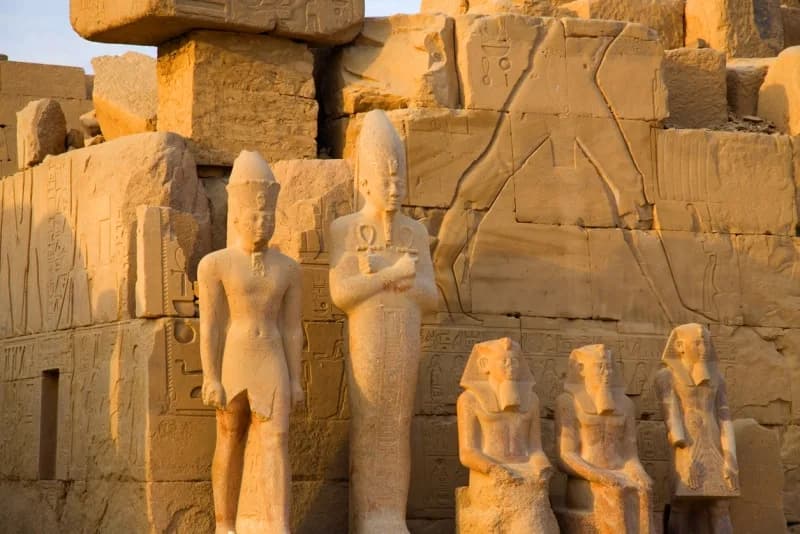

The best things to do in Luxor split cleanly across the Nile: the East Bank holds the living-city temples of Karnak and Luxor Temple, while the West Bank is the ancient necropolis — the Valley of the Kings, the Temple of Hatshepsut, the Colossi of Memnon, Medinet Habu, and the Valley of the Queens. Add the Luxor Museum, a sunrise hot-air balloon, a felucca sail at golden hour, and a walk along the reopened Avenue of Sphinxes, and you have the richest open-air museum on earth.
Most travelers need a full two days to see it well; a focused single day is possible if you start before sunrise.
East Bank: Karnak and Luxor Temple
Begin at Karnak, the largest religious complex of the ancient world, built and rebuilt over roughly 2,000 years. Its Great Hypostyle Hall — 134 colossal columns crowding an area larger than a cathedral — is the single most overwhelming space in Egypt. Allow about two hours; arrive at opening to beat the heat and the cruise crowds.
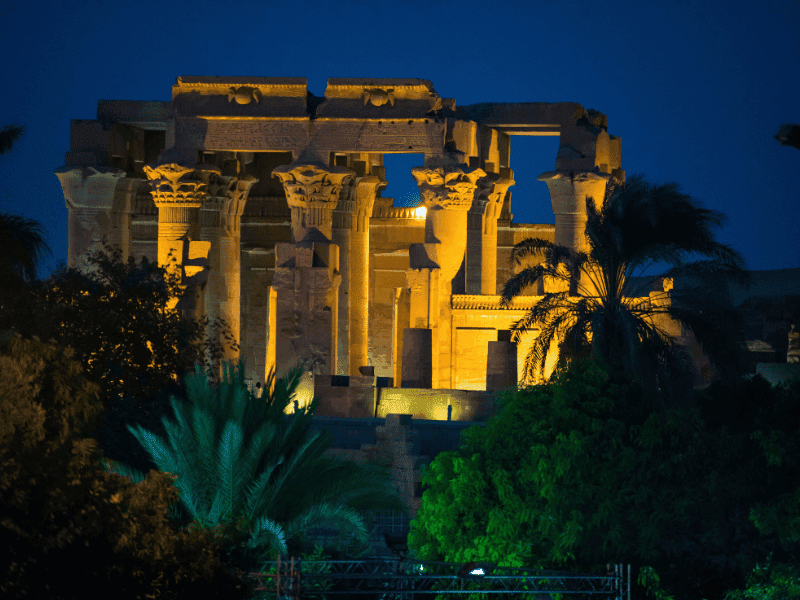
About 2.5 km south sits Luxor Temple, smaller but more intimate, and best seen in late afternoon when the warm stone glows and the columns light up after dark. The two temples were once joined by the Avenue of Sphinxes, a ceremonial 2.7 km processional road lined with ram- and human-headed statues, ceremonially reopened in 2021 and now partly walkable. A licensed Egyptologist guide turns the carvings into legible history; our Luxor tours pair both temples with the West Bank over one or two days.
West Bank: the Valley of the Kings and royal temples
Cross to the West Bank early — this is where the pharaohs were buried. The Valley of the Kings holds 60-plus rock-cut tombs; a standard ticket admits you to three (Tutankhamun, Seti I, and a few others carry separate tickets). The painted ceilings of tombs like Ramesses V/VI are astonishingly vivid.
- Temple of Hatshepsut (Deir el-Bahari): the dramatic three-terraced temple set against sheer cliffs — go early before the rock face radiates heat.
- Colossi of Memnon: two 18-metre seated statues, a quick photo stop on the way in.
- Medinet Habu: Ramesses III's mortuary temple, less crowded and with some of the best-preserved original color in Luxor.
- Valley of the Queens: royal wives and princes; the tomb of Nefertari (separate, limited ticket) is widely called the finest painted tomb in Egypt.
The West Bank sites are spread over several kilometers, so a car and guide save hours versus taxis. See how the necropolis fits a wider itinerary on our Egypt tour packages.
The Luxor Museum, a balloon and a felucca
The Luxor Museum, on the East Bank corniche, is compact, beautifully lit, and far less exhausting than Cairo's — a curated highlight reel of statuary and royal mummies, ideal for a late-afternoon hour.
For the trip's signature memory, take a sunrise hot-air balloon over the West Bank: a roughly 45-minute flight at first light drifts over the temples, tombs, and green farmland with the Nile beyond. Book the day before and expect a very early hotel pickup. At the other end of the day, a felucca — the traditional lateen-sailed boat — is the calmest way to watch sunset, gliding past Banana Island with no engine noise. Both are easy to fold into a Egypt day tours itinerary.
See it for yourself
Trips that visit the places in this article.

This 10-day tour moves through four distinct regions of Egypt, starting in Cairo, continuing by domestic flight and first-class train to Aswan and Luxor, and…
This 4-day, 3-night Nile cruise sails from Aswan to Luxor, covering the river's most-visited temples and tombs at an unhurried pace aboard a five-star ship…
Want a different route or length? We'll build it around you.
How to structure 1 or 2 days in Luxor
One focused day
Cross to the West Bank at sunrise for the Valley of the Kings, Hatshepsut, and the Colossi before the heat peaks. Return to the East Bank for lunch and a rest, then do Luxor Temple and the Avenue of Sphinxes in the cooler late afternoon. It is doable but demanding.
Want to explore Things to Do in Luxor: Top Sites & 2-Day Plan?
Let us design the perfect private itinerary for you. From expert local guides to seamless luxury cruises, we craft custom trips that show you the real Egypt.
The relaxed two days
Day 1: sunrise balloon, then West Bank (Valley of the Kings, Hatshepsut, Medinet Habu, optionally the Valley of the Queens). Day 2: Karnak at opening, the Luxor Museum midday, Luxor Temple and the Avenue of Sphinxes at dusk, and a felucca at sunset. Two days lets you add Nefertari's tomb or Dendera Temple (about 90 minutes north) without rushing.
Many travelers reach Luxor by river — a Nile cruise between Luxor and Aswan stops at Edfu and Kom Ombo en route, combining the temples with onboard nights. Travel Joy Egypt, a private operator with licensed Egyptologist guides and roughly 13 years on the ground, builds either approach around your pace.
Practical tips for visiting Luxor
- Best time of year: October to April for comfortable daytime temperatures; summer is intense, so plan everything before midday.
- Start early: open-air sites are brutal by late morning — sunrise starts are the single biggest comfort upgrade.
- Tickets: the Valley of the Kings general ticket covers three tombs; Tutankhamun, Seti I, and Nefertari each need a separate ticket, so decide in advance.
- Visa: most US and EU visitors need an Egypt visa — currently $30 as an e-Visa or visa-on-arrival ($65 multi-entry).
- Getting around: West Bank distances make a private car with guide the most efficient option.
From here, many travelers continue south to Aswan — see our Aswan tours — or design a fully bespoke route with tailor-made Egypt tours. With temples, tombs, a balloon, and a felucca, Luxor rewards every hour you give it.
Ready to turn this guide into reality?
Our local experts can create a custom itinerary based on these recommendations. Just send us a quick message!
Customize via WhatsApp