
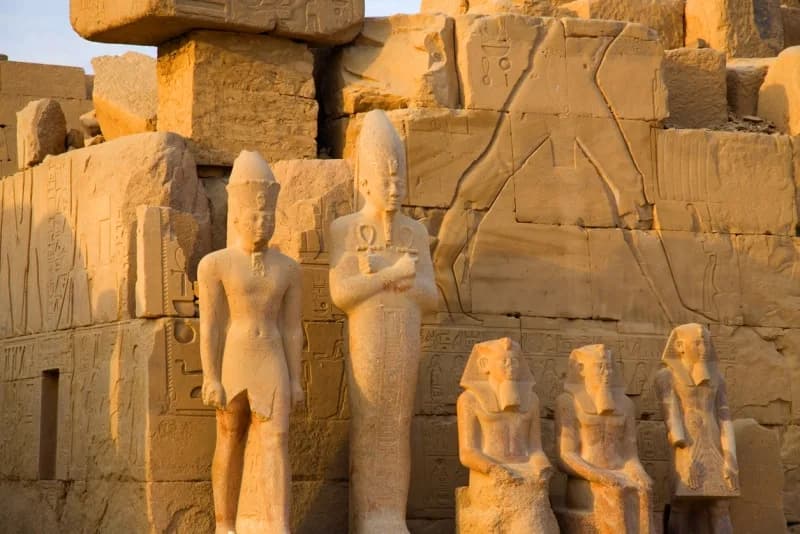

Luxor's East Bank holds the living city and its great temples (Karnak and Luxor Temple); the West Bank holds the ancient necropolis (Valley of the Kings, Hatshepsut's Temple, Valley of the Queens, and the Colossi of Memnon). The most efficient plan is to do the West Bank first, starting at dawn when the desert tombs are coolest and least crowded, then cross the Nile to the East Bank for an afternoon at Karnak and a sunset visit to Luxor Temple.
With two days you can split it: one full West Bank day (optionally with a sunrise hot-air balloon) and one relaxed East Bank day. The two banks sit directly across the river from each other, roughly a 15-20 minute drive via the Luxor Bridge or a short ferry hop.
East Bank vs West Bank: what's on each side
Ancient Thebes was deliberately divided by the Nile. The east, where the sun rises, was the land of the living: temples for worship and the bustling town. The west, where the sun sets, was the land of the dead: tombs and mortuary temples carved into the cliffs. That logic still shapes how you visit today.
- East Bank (the city): Karnak Temple (the largest religious complex of the ancient world, with the breathtaking Hypostyle Hall), Luxor Temple (stunning when lit at night), the Avenue of Sphinxes connecting the two, the Luxor and Mummification Museums, the souk, and most hotels and restaurants.
- West Bank (the necropolis): the Valley of the Kings (royal tombs including Tutankhamun and Ramesses VI), the Valley of the Queens (the painted tomb of Nefertari is the jewel), the dramatic terraced Temple of Hatshepsut at Deir el-Bahari, the towering Colossi of Memnon, the Tombs of the Nobles, Medinet Habu, and the dawn hot-air balloon launch sites.
Which bank to do first (and why)
Do the West Bank first. The tombs are unshaded, the Valley of the Kings sits in a sun-trap of bare limestone, and by late morning it is brutally hot and packed with cruise-ship groups. Arriving close to opening (typically around 6am) means cooler air, softer light on Hatshepsut's terraces, and quieter tombs where you can actually study the painted walls.
Save the East Bank for the afternoon and evening: Karnak handles midday crowds better because of its scale and partial shade, and Luxor Temple is at its most magical after sunset, when floodlights bring the colonnades to life. Many of our guided Luxor tours are sequenced exactly this way.
See it for yourself
Trips that visit the places in this article.
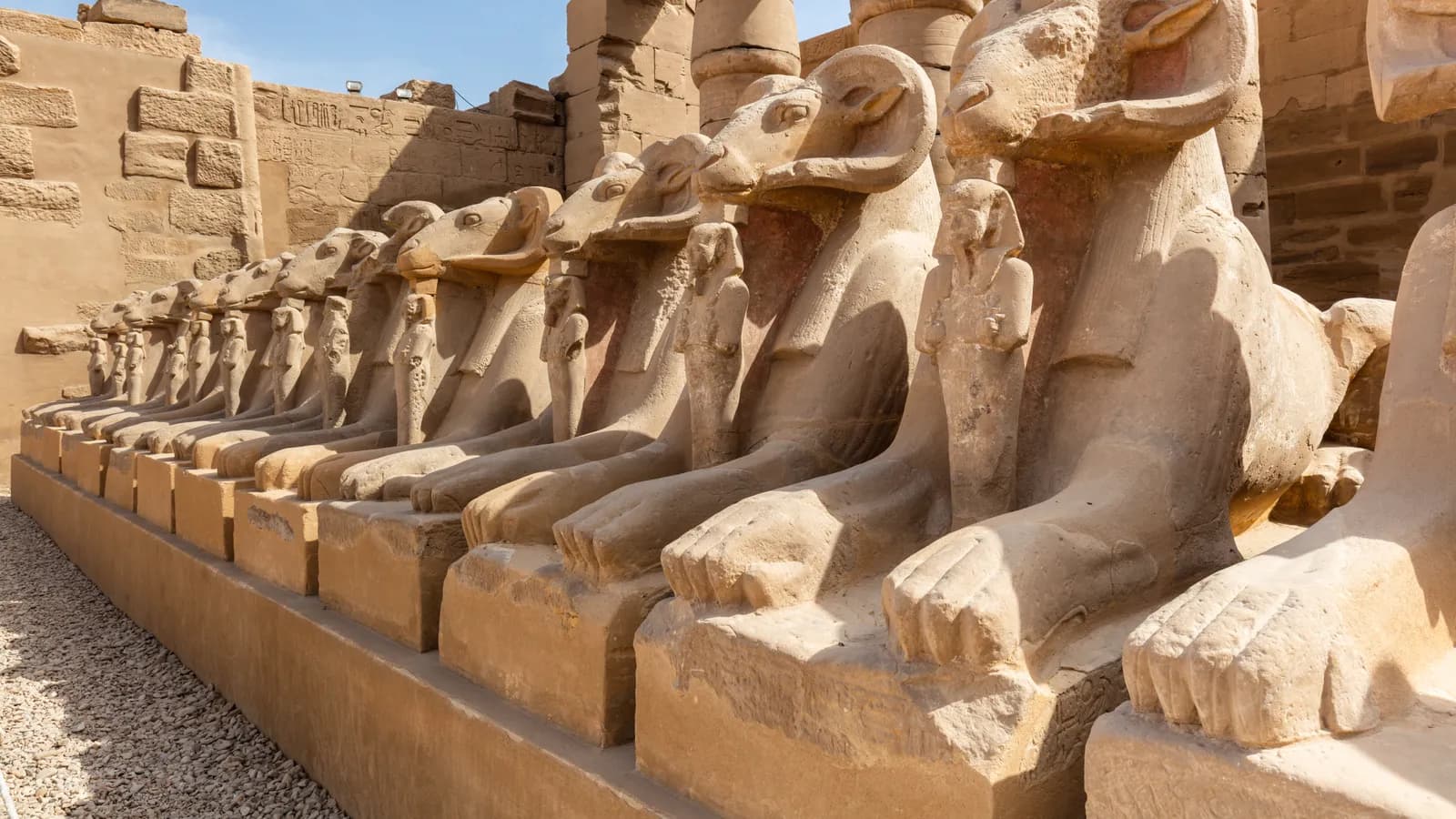
This Luxor West Bank day tour focuses on sites beyond the standard Valley of the Kings circuit: the Valley of the Queens, Deir el-Medina and the mortuary…

This 10-day tour moves through four distinct regions of Egypt, starting in Cairo, continuing by domestic flight and first-class train to Aswan and Luxor, and…
Want a different route or length? We'll build it around you.
How to split one or two days
One day (efficient but full-on)
- Dawn-noon, West Bank: Valley of the Kings (3 tombs are usually included on the standard ticket; Tutankhamun and Nefertari need separate tickets), Hatshepsut's Temple, the Colossi of Memnon. Add the Valley of the Queens if time allows.
- Lunch: cross the river, eat near the corniche, escape the worst heat (1-4pm).
- Afternoon-evening, East Bank: Karnak in the cooler late afternoon, then Luxor Temple at dusk and after dark.
Two days (the relaxed, recommended plan)
- Day 1 - West Bank: optional sunrise balloon, then a leisurely tomb-by-tomb morning. Add the Tombs of the Nobles or Medinet Habu, which most day-trippers skip.
- Day 2 - East Bank: Karnak in the morning, museums or the souk midday, Luxor Temple at sunset.
Two days is the sweet spot, and it's the rhythm most multi-day Egypt tour packages use when Luxor is a highlight rather than a stopover. If you're arriving by river, a Nile cruise typically docks on the East Bank and runs guided excursions to both sides, so your planning is handled for you.
Want to explore Luxor East Bank vs West Bank: How to Plan Your Days?
Let us design the perfect private itinerary for you. From expert local guides to seamless luxury cruises, we craft custom trips that show you the real Egypt.
Crossing the Nile: ferries, bridges and taxis
The two banks are linked three ways. The public ferry from near Luxor Temple to the West Bank landing is cheap, frequent and used by locals; it's a fun 10-15 minute crossing but drops you a taxi ride from the sites. A private car or taxi via the Luxor Bridge (a few kilometres south of town) is the practical choice for covering the spread-out West Bank sites, which are several kilometres apart and not walkable in the heat.
On a guided day, a private vehicle waits between stops so you never queue or haggle. Independent travelers usually arrange a half-day taxi rate for the West Bank loop.
Timing for heat, crowds and the balloon
Luxor is hot for much of the year and genuinely punishing from May to September, when midday temperatures regularly exceed 40°C. The golden rule on both banks is go early or go late, and keep midday for indoor or shaded breaks. Carry more water than you think you need, wear a hat and sunscreen, and bring small change for tomb photo permits.
- Hot-air balloon: flights launch at dawn over the West Bank for an unforgettable view of the temples and Nile. Book the day before; flights are weather-dependent and sell out.
- Sound & light show: Karnak runs an evening show on the East Bank, a cool-weather alternative to daytime touring.
- Tickets: the Valley of the Kings standard ticket covers a set number of tombs; star tombs (Tutankhamun, Seti I, Nefertari) are extra. A guide cannot enter most tombs, so booking a licensed Egyptologist who briefs you outside each one is the way to actually understand what you're seeing.
Why a guided plan helps in Luxor
Luxor rewards context more than almost anywhere in Egypt. The walls are not decoration; they are coded religious texts, and a good guide turns a hot walk past faded paint into the story of a pharaoh's journey to the afterlife. Travel Joy Egypt runs Luxor with licensed Egyptologist guides and private vehicles, sequencing the day to beat the heat and the cruise crowds.
If your dates or interests are unusual, an tailor-made Egypt tour lets you weight more time toward the necropolis, the temples, or a balloon-and-cruise combination. You can also browse self-contained day options and pick exactly the sites you care about through our Egypt day tours.
However you arrange it, the principle holds: west at dawn for the dead, east at dusk for the living. Plan around that, and Luxor becomes one of the most rewarding stops on any Egypt itinerary.
Ready to turn this guide into reality?
Our local experts can create a custom itinerary based on these recommendations. Just send us a quick message!
Customize via WhatsApp