

Most folks looking at Cairo today see structures dating back primarily to the Greco-Roman period, or even later Islamic eras. But just beyond the modern city's edge, you hit something truly ancient: the Giza Pyramids. Now, these aren't just old; they're *prehistoric* by Cairo's standards, stark proof that what we see today isn't the whole story.
See, the pyramids at Giza and sprawling across the desert near Cairo are echoes of a much older civilization, one that flourished and faded long before Cairo was even a glimmer in anyone's eye. This was Memphis, the beating heart of Egypt's Old Kingdom (2686–2181 BC), and the very home of the pharaohs who somehow managed to raise those impossible pyramids.
Imagine: this was Egypt's first capital. And those hundreds of pyramids dotting the landscape around greater Cairo? They mostly went up when Memphis was at its zenith, quite possibly the most important city on the planet at the time.
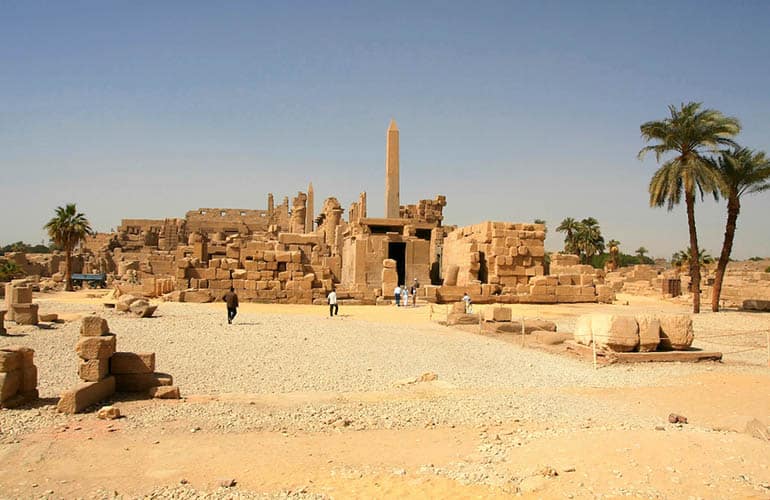 Manf, Mn nfr—whatever you call it, Memphis is an ancient Egyptian city, a bonafide World Heritage Site. It was founded way back in 3200 BC by King Narmer, setting the stage for its legendary role. For the entire Old Kingdom era (Dynasties 3-6), Memphis was *the* capital, a place where the god Ptah, the patron of craftsmen and architects, was revered.
 You'll find the scattered ruins of this ancient metropolis about 20 kilometers south of Cairo, nestled on the west bank of the Nile. Head to a village called 'Meet Raheena' in Badrasheen, roughly 13 miles south of Giza. At over 5,000 years old, time has certainly taken its toll, but what remains is still incredibly impressive: a collection of artifacts and statues unearthed over the past century.
 Deep within the ancient remains of Memphis, Italian archaeologist Giovanni Caviglia made a phenomenal discovery in 1820: a 10-meter-long limestone statue of Ramses II, found near the temple of Ptah. And that wasn't all. Another massive Ramses II statue, almost perfectly preserved, was also found in Ptah's temple. This latter statue once stood proudly in Cairo's Ramses Square until 2006, and now, it's the iconic centerpiece welcoming visitors to the Grand Egyptian Museum.
King Ramses II, often heralded as the New Kingdom's greatest, most celebrated, and dominant pharaoh, reigned from 1279-1213 BC (the 19th Dynasty). His reputation, and the enduring affection of ancient Egyptians, largely stemmed from his numerous military campaigns that reclaimed Egyptian territories like Nubia and Canaan. His successors, and indeed all subsequent Egyptians, reverently called him 'the Great Ancestor.'
Deep within the ancient remains of Memphis, Italian archaeologist Giovanni Caviglia made a phenomenal discovery in 1820: a 10-meter-long limestone statue of Ramses II, found near the temple of Ptah. And that wasn't all. Another massive Ramses II statue, almost perfectly preserved, was also found in Ptah's temple. This latter statue once stood proudly in Cairo's Ramses Square until 2006, and now, it's the iconic centerpiece welcoming visitors to the Grand Egyptian Museum.
King Ramses II, often heralded as the New Kingdom's greatest, most celebrated, and dominant pharaoh, reigned from 1279-1213 BC (the 19th Dynasty). His reputation, and the enduring affection of ancient Egyptians, largely stemmed from his numerous military campaigns that reclaimed Egyptian territories like Nubia and Canaan. His successors, and indeed all subsequent Egyptians, reverently called him 'the Great Ancestor.'
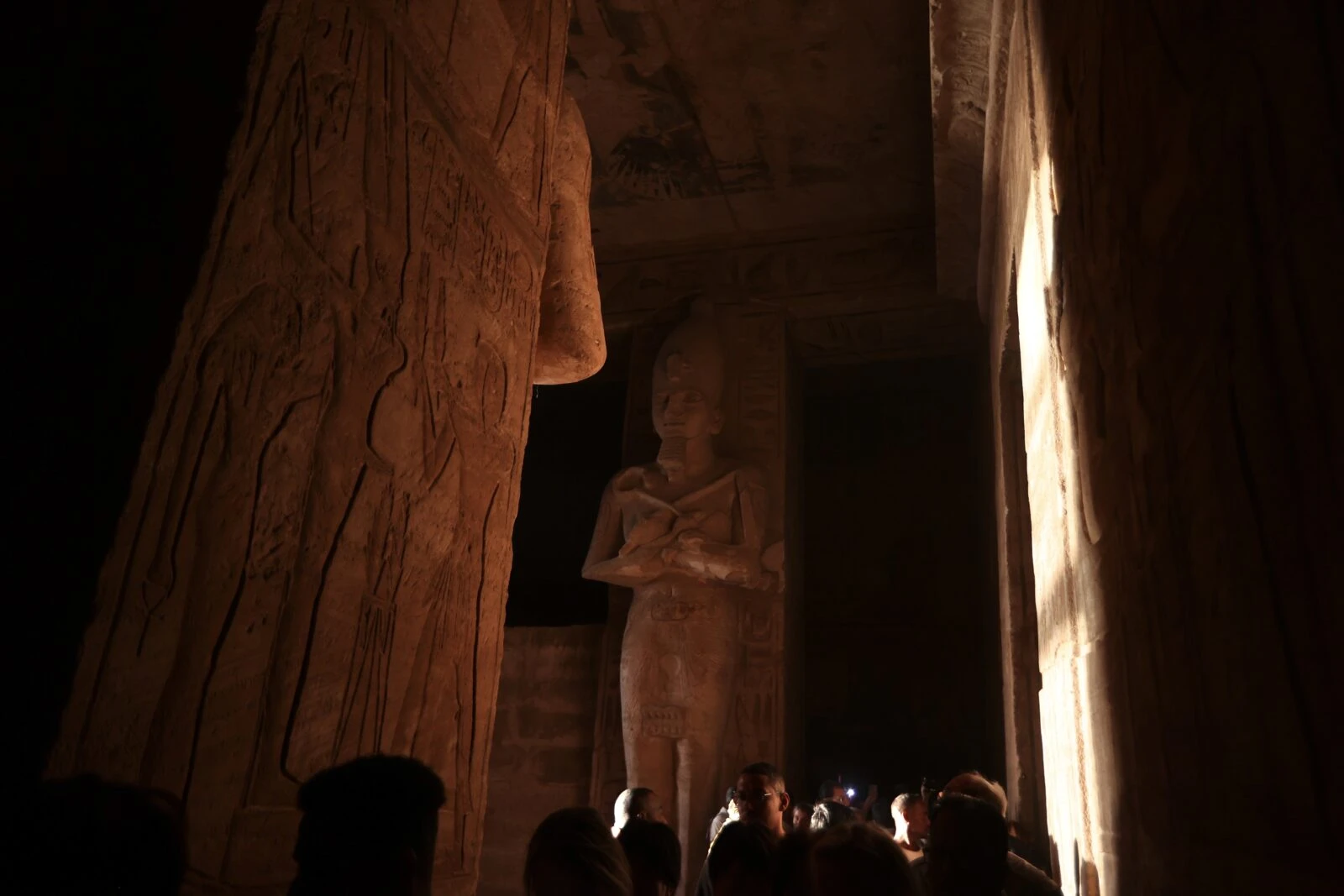 Widely considered one of the most vital archaeological sites globally, the Saqqara Necropolis served as the burial ground for Memphis's citizens – kings, nobles, and even animals. Among its most significant discoveries are the beautifully preserved Mastaba of Ti and the tomb of King Djoser, located within the Step Pyramid itself – a groundbreaking structure, the very first pyramid ever built.
The Mastaba of Ti, a tomb so remarkably detailed and intact, has offered modern scholars an unparalleled window into daily life during the Old Kingdom. It's one of those rare, precious resources that truly illuminate an entire era.
Beyond royalty and nobles, Saqqara's Necropolis is also home to an extensive complex of animal cemeteries and cult buildings. Ancient Egyptians cherished their pets, and animals played a crucial role in both agriculture and religious life. Cats, for instance, were believed to safeguard children, while others like falcons, hawks, and the humble scarab beetle were considered sacred.
Widely considered one of the most vital archaeological sites globally, the Saqqara Necropolis served as the burial ground for Memphis's citizens – kings, nobles, and even animals. Among its most significant discoveries are the beautifully preserved Mastaba of Ti and the tomb of King Djoser, located within the Step Pyramid itself – a groundbreaking structure, the very first pyramid ever built.
The Mastaba of Ti, a tomb so remarkably detailed and intact, has offered modern scholars an unparalleled window into daily life during the Old Kingdom. It's one of those rare, precious resources that truly illuminate an entire era.
Beyond royalty and nobles, Saqqara's Necropolis is also home to an extensive complex of animal cemeteries and cult buildings. Ancient Egyptians cherished their pets, and animals played a crucial role in both agriculture and religious life. Cats, for instance, were believed to safeguard children, while others like falcons, hawks, and the humble scarab beetle were considered sacred.
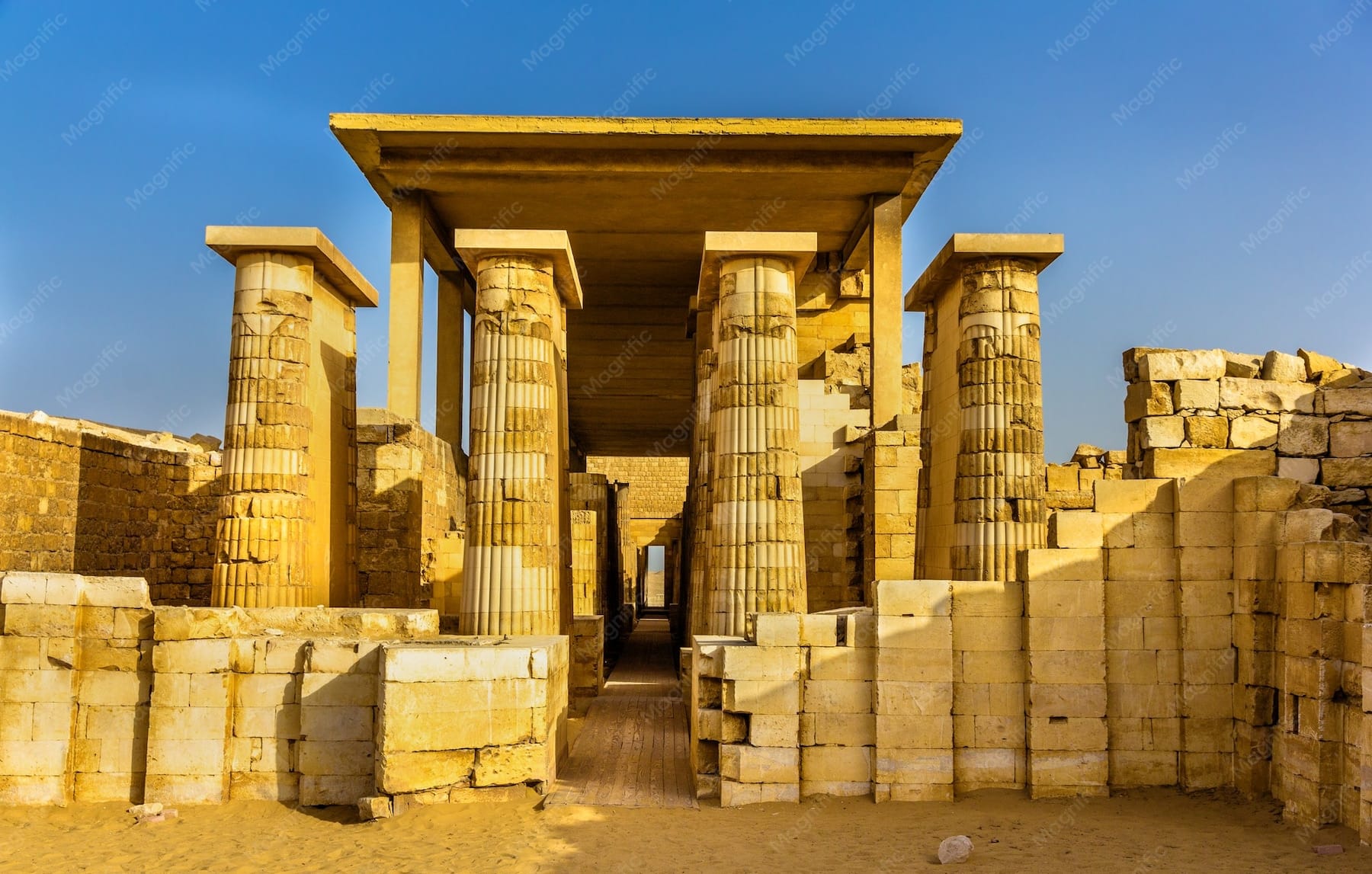 Ready to walk through the ruins of Ancient Memphis, Egypt's fascinating first capital? Let us weave this incredible history into one of our unforgettable Egypt tours!
The Storied Past of Memphis City
Manf, Mn nfr—whatever you call it, Memphis is an ancient Egyptian city, a bonafide World Heritage Site. It was founded way back in 3200 BC by King Narmer, setting the stage for its legendary role. For the entire Old Kingdom era (Dynasties 3-6), Memphis was *the* capital, a place where the god Ptah, the patron of craftsmen and architects, was revered.
Where Did the Name 'Memphis' Come From?
Originally, this powerful city was known as the 'White Wall.' That name probably referred to the king's grand palace, built from dazzling whitewashed bricks. Fast forward to the 26th century BC, and its official name changed. 'Memphis' is actually a Greek take on the Egyptian 'Men-nefer,' a name given to a nearby pyramid complex from the 6th Dynasty.Finding Ancient Memphis Today
You'll find the scattered ruins of this ancient metropolis about 20 kilometers south of Cairo, nestled on the west bank of the Nile. Head to a village called 'Meet Raheena' in Badrasheen, roughly 13 miles south of Giza. At over 5,000 years old, time has certainly taken its toll, but what remains is still incredibly impressive: a collection of artifacts and statues unearthed over the past century.
Meet Raheena's Open-Air Museum: A Glimpse into Grandeur
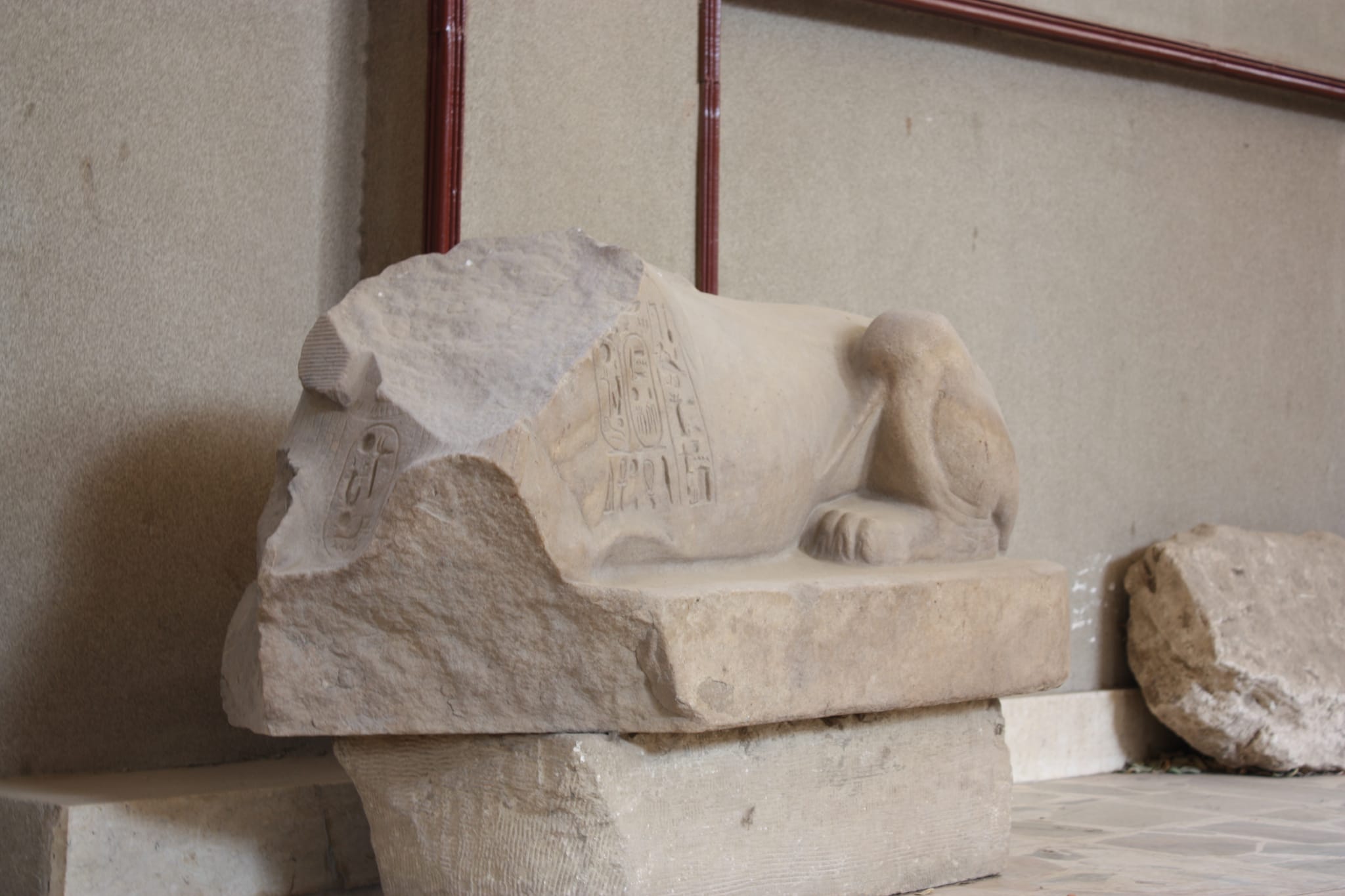
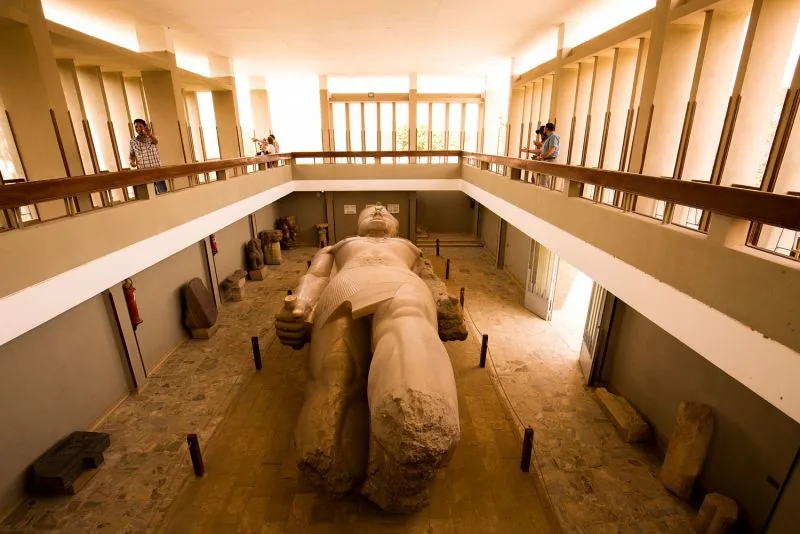
This open-air museum, built among the remnants of Memphis, holds some truly remarkable pieces. Right at the entrance, you're greeted by a statue of Ramses II. But then there's *the* colossal statue of Ramses II, reclining on the ground – it's truly massive. You'll also spot a beautiful Alabaster Sphinx and a scattering of other captivating monuments. The reclining statue of Ramses II is a real showstopper, towering over 30 feet tall. Now, Ramses II ruled from Thebes (near modern-day Luxor) much later, in the 13th century BC, long after Memphis's peak power. Yet, this gigantic statue here perfectly illustrates that Memphis held significant importance for well over a millennium after those Giza Pyramids were finished.Ramses II: A Legacy in Stone
Deep within the ancient remains of Memphis, Italian archaeologist Giovanni Caviglia made a phenomenal discovery in 1820: a 10-meter-long limestone statue of Ramses II, found near the temple of Ptah. And that wasn't all. Another massive Ramses II statue, almost perfectly preserved, was also found in Ptah's temple. This latter statue once stood proudly in Cairo's Ramses Square until 2006, and now, it's the iconic centerpiece welcoming visitors to the Grand Egyptian Museum.
King Ramses II, often heralded as the New Kingdom's greatest, most celebrated, and dominant pharaoh, reigned from 1279-1213 BC (the 19th Dynasty). His reputation, and the enduring affection of ancient Egyptians, largely stemmed from his numerous military campaigns that reclaimed Egyptian territories like Nubia and Canaan. His successors, and indeed all subsequent Egyptians, reverently called him 'the Great Ancestor.'
Want to explore Memphis, Egypt's First Capital: A Journey Through Time?
Let us design the perfect private itinerary for you. From expert local guides to seamless luxury cruises, we craft custom trips that show you the real Egypt.
Customize via WhatsAppThe Necropolis: Memphis's Eternal City
Widely considered one of the most vital archaeological sites globally, the Saqqara Necropolis served as the burial ground for Memphis's citizens – kings, nobles, and even animals. Among its most significant discoveries are the beautifully preserved Mastaba of Ti and the tomb of King Djoser, located within the Step Pyramid itself – a groundbreaking structure, the very first pyramid ever built.
The Mastaba of Ti, a tomb so remarkably detailed and intact, has offered modern scholars an unparalleled window into daily life during the Old Kingdom. It's one of those rare, precious resources that truly illuminate an entire era.
Beyond royalty and nobles, Saqqara's Necropolis is also home to an extensive complex of animal cemeteries and cult buildings. Ancient Egyptians cherished their pets, and animals played a crucial role in both agriculture and religious life. Cats, for instance, were believed to safeguard children, while others like falcons, hawks, and the humble scarab beetle were considered sacred.
Ready to walk through the ruins of Ancient Memphis, Egypt's fascinating first capital? Let us weave this incredible history into one of our unforgettable Egypt tours!Ready to turn this guide into reality?
Our local experts can create a custom itinerary based on these recommendations. Just send us a quick message!
Customize via WhatsApp