
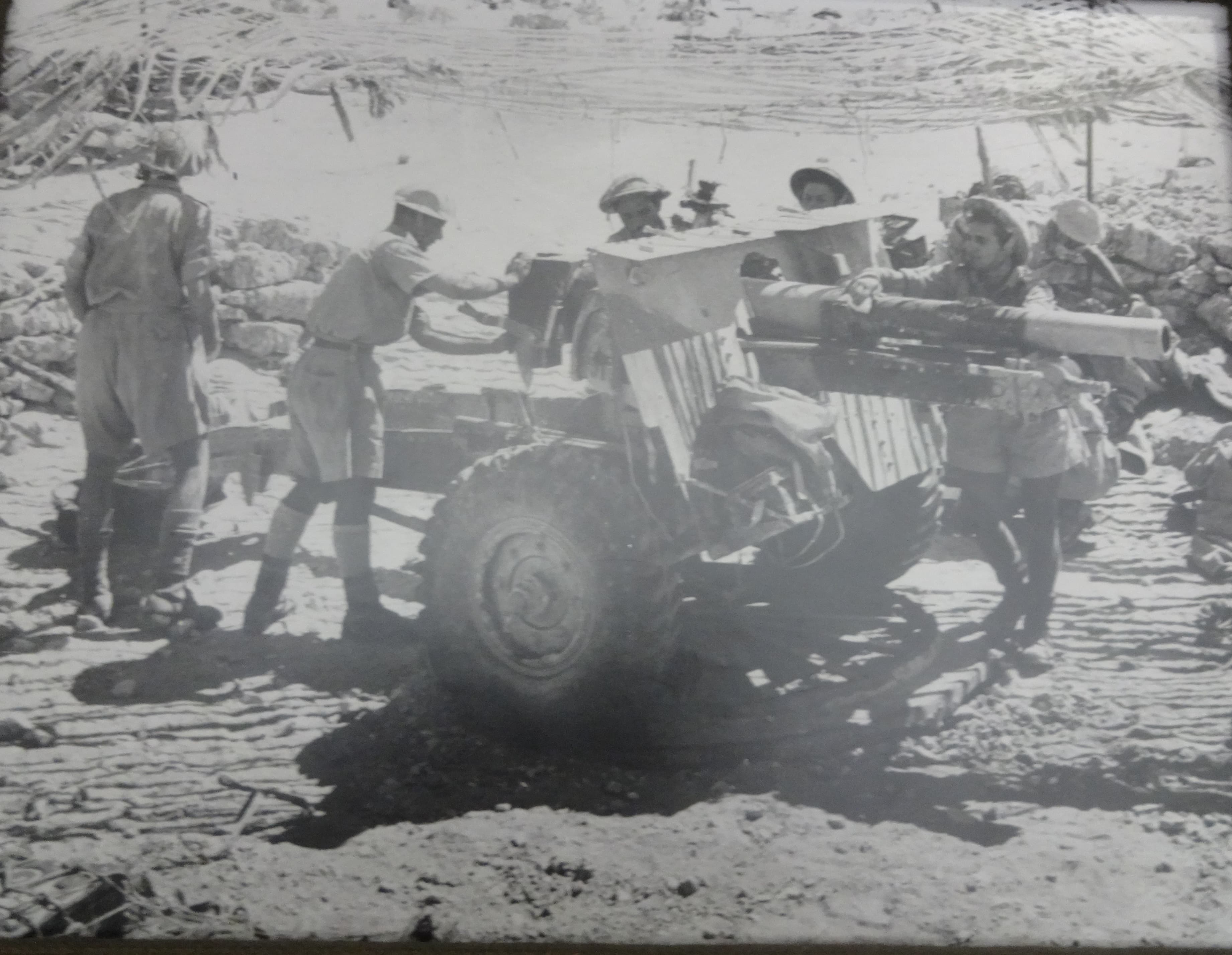

Ever wondered how a relatively small patch of desert in Egypt became one of the most crucial battlefields of World War II? El Alamein, a quiet town nestled on the Mediterranean coast, just west of Alexandria, holds that distinction. In late 1942, this unassuming landscape witnessed a brutal 13-day battle that forever altered the course of the war.
It wasn't just another skirmish; El Alamein's strategic choke point, bordered by the impassable Qattara Depression, made it a military strongbox. During the Second Battle of El Alamein, the British Eighth Army, some 195,000 strong, faced down Rommel’s Panzerarmee Afrika, with its 116,000 soldiers. The British victory there wasn't just a win; it was a game-changer for the entire Western Desert Campaign. Today, the Commonwealth Alamein Memorial and its serene war cemetery stand as a poignant reminder, honoring the countless soldiers who gave their lives on this pivotal ground.
The Strategic Geography that Shaped a War
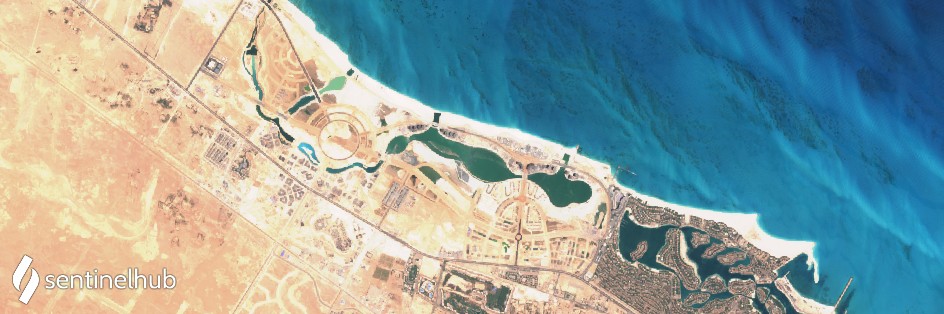
It's rare for geography to play such a critical role in human history, but at El Alamein, the very land itself dictated the fate of nations. The natural contours of this seemingly barren stretch of North Africa didn't just influence military strategy; they determined tactical possibilities and, ultimately, the outcome of the entire North African campaign.
A Narrow Corridor: Mediterranean and Qattara Depression
El Alamein's terrain was practically engineered for defense. Picture a narrow, 40-mile-wide strip of land sandwiched between two colossal natural barriers: the sparkling Mediterranean Sea to the north and the deep, utterly impassable Qattara Depression to the south. General Auchinleck, understanding this perfectly, wisely positioned the 8th Army here after pulling back from Mersa Matruh.
That Qattara Depression, by the way, isn't just any ditch. It's Africa’s second-lowest point, a staggering natural barrier of salt marshes, treacherous cliffs, and soft 'fech fech' sand that acted like a massive, impenetrable wall, effectively blocking any attempt by Rommel to flank the British. It turned the entire landscape into an unbreachable fortress.
Why Rommel's Signature Moves Were Useless Here
The geography of El Alamein was Rommel's worst nightmare. The narrow bottleneck, that impassable Qattara Depression with its salt lakes, cliffs, and soul-sucking soft sand, totally neutralized his famous flanking tactics. His fast, mobile desert warfare style, which had brought him so much success, simply couldn't work here. He was forced into a head-on engagement, a frontal assault, which played directly into the Allies' defensive strengths. It was a boxing match where one fighter's hands were tied behind his back.
The Prize: Suez Canal and Middle East Oil
Beyond the immediate battle, El Alamein held immense strategic importance because a victory there would have opened the floodgates for the Axis to seize the Suez Canal and the vital oil fields of the Middle East. Consider the implications: controlling the Suez Canal would have cut shipping routes by a staggering two weeks, effectively choking global trade and massively impacting Allied supply lines. More critically, it would have given the Axis control over the Middle East's oil supplies, threatening Europe and the U.S. which were heavily reliant on it. This wasn't just a regional fight; it was a global struggle for energy security and control of critical arteries.
The First Battle of El Alamein: Halting the Unstoppable
Summer 1942, and the North African campaign was teetering on a knife's edge. Rommel's Axis forces seemed unstoppable, marching relentlessly towards Egypt and the prize jewel: the Suez Canal. But amidst this profound danger, Rommel's seemingly endless advance finally hit a wall. This was the First Battle of El Alamein.
Want to explore Why El Alamein Egypt Became WWII's Most Important Battlefield?
Let us design the perfect private itinerary for you. From expert local guides to seamless luxury cruises, we craft custom trips that show you the real Egypt.
Customize via WhatsAppRommel's Relentless Push into Egypt
The 'Desert Fox,' Field Marshal Erwin Rommel, was riding high, fresh off his victory at Gazala in June 1942. He pushed his forces mercilessly eastward, chasing the retreating British across the vastness of Libya and directly into Egypt. Tobruk fell on June 21st, earning Rommel his field marshal's baton and, more importantly, crucial supplies for his battle-weary army. Mersa Matruh followed on June 28th. It felt like nothing could stop him.
But beneath that string of victories, a harsh truth lurked: Rommel's forces were utterly exhausted. Only 85 tanks remained operational, and 30 of those were inferior Italian models, barely fit for the desert. Still, the Desert Fox, ever the gambler, bet everything on momentum, hoping to crush British defenses before they could properly dig in.
Auchinleck's Defensive Masterclass
On June 25th, General Auchinleck took command of the Eighth Army and immediately recognized El Alamein's terrain as perfect for defense. He quickly established the "El Alamein Box"—a formidable line of mines and fortifications. When Rommel struck on July 1st, a surprise sandstorm and the unexpected ferocity of Indian troops threw the Axis plan into disarray. The Royal Air Force piled on the pressure, unleashing over 2,000 airstrikes in just a few days.
A Grinding Stalemate and Crucial Pause
What followed was a brutal, month-long slugfest from July 1st to 27th. Attack met counterattack in the scorching desert heat, but neither side could land a decisive blow. Rommel's exhausted forces, starved of supplies and reinforcements, simply couldn't break Auchinleck's meticulously prepared defenses.
The British commander launched his own probing attacks at Tel el Eisa and Ruweisat Ridge. While these operations gained limited ground, they achieved something far more valuable: preventing the Axis forces from regrouping for another major offensive. Both armies fought themselves to a standstill, and by late July, the battle fizzled out to an inconclusive end.
This seeming stalemate, however, was a profound strategic victory for the Allies. For the very first time since his arrival in North Africa, Rommel had been stopped dead in his tracks. The precious breathing room this provided would prove invaluable as the British prepared for the next, even bigger, confrontation.
The Second Battle of El Alamein: Turning the Tide

"Rommel's vaunted force was decimated, and the Italians had suffered the complete destruction of most of their forces in the western desert." – A stark assessment from a WWII history editorial.
August 1942 brought a new commander to the Eighth Army, and with him, a radically different approach to desert warfare. Lieutenant-General Bernard Montgomery's arrival instantly infused a new energy into the Allied forces. His unwavering confidence and meticulous planning style were a stark contrast to previous leadership, signaling a sea change in strategy and morale.
Want to explore Why El Alamein Egypt Became WWII's Most Important Battlefield?
Let us design the perfect private itinerary for you. From expert local guides to seamless luxury cruises, we craft custom trips that show you the real Egypt.
Customize via WhatsAppMontgomery's Deception and Meticulous Prep
Montgomery took command of a robust, diverse force of 195,000 troops, armed with significant firepower, including impressive tank formations and artillery. Instead of rushing into battle, he executed a calculated delay, meticulously preparing and then launching 'Operation Bertram'—a brilliant deception plan. They built fake supply dumps, laid dummy pipelines, and disguised tanks as trucks to completely mislead Axis intelligence about the true location and timing of the impending attack.
Lightfoot to Supercharge: The Breakthrough
On October 23, 1942, the Allies launched 'Operation Lightfoot' with an earth-shattering artillery barrage. Infantry then moved forward to clear minefields, paving the way for tanks, but Rommel's deeply laid minefields proved stubbornly effective. Montgomery's strategy, a slow, methodical 'crumbling' of Axis defenses, began to wear down his opponents.
The decisive breakthrough came with 'Operation Supercharge' (November 1–2). British and New Zealand troops finally punched through at Tel el Aqqaqir, allowing the Allied tanks to surge past the shattered Axis defenses. It was the moment the tide truly turned.
The Axis Retreat and a Global Shift
By November 2nd, Rommel, recognizing the inevitable, began a desperate retreat, even in defiance of Hitler’s direct order to "stand and die." Facing acute fuel and ammunition shortages, the Germans withdrew by November 4th, leaving behind many Italian troops to their fate. The battle was immensely costly: approximately 13,500 Allied casualties versus a staggering 30,000 Axis prisoners, along with 1,000 destroyed guns and 400 tanks.
El Alamein wasn't just a victory; it was the first undeniable Allied win of the war. Churchill famously declared, "Before Alamein we never had a victory. After Alamein, we never had a defeat." It solidified the belief that the Allies could not only stand up to but comprehensively beat the formidable Afrika Korps. The war in North Africa, and indeed the entire global conflict, had undeniably shifted.
Legacy of the Battles: Why El Alamein Still Matters
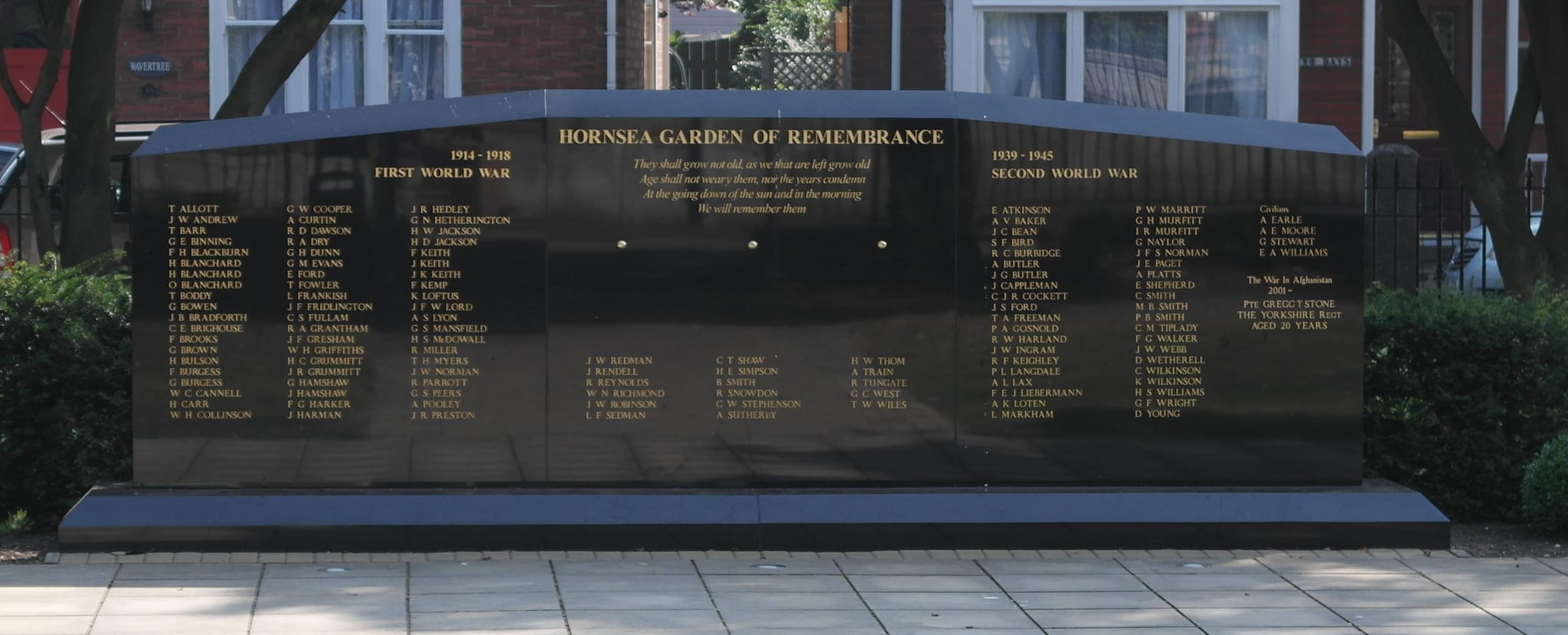
Between 30,000 and 50,000 Axis soldiers were captured at El Alamein. The profound impact of the 1942 battles stretches far beyond the desert sands, leaving behind lasting legacies that continue to shape the region and how we understand key moments of World War II history.
Silent Tributes: Military Cemeteries and Memorials
The Alamein Memorial stands as a powerful testament, honoring 11,866 Commonwealth soldiers who perished during World War II. Designed by Hubert Worthington to endure the harsh desert climate, it was unveiled by Viscount Montgomery himself in 1954. It sits alongside the El Alamein War Cemetery, where 7,239 soldiers are interred, including 814 unknown. The memorial's inscription eloquently captures the battle's vital role in connecting East and West and irrevocably changing the war's trajectory.
A Hidden Scourge: Landmine Contamination
Decades after the last shot was fired, El Alamein still harbors a deadly secret: unexploded ordnance scattered across 2,680 square kilometers. EU funding has been crucial in supporting clearance efforts, especially after a reduction in Egyptian military aid. These buried hazards have severely hampered local economic growth, but there's clear progress. Landmine incidents dropped to just one in 2017, and cleared areas are now seeing development, with a new city planned to create 300,000 jobs. A testament to resilience.
A Spark of Hope: Symbolism for Allied Morale
Churchill famously called El Alamein "the end of the beginning," a profound turning point for Britain after a string of demoralizing defeats. Church bells, silent since 1940, rang out in celebration. The battle's epic scale was captured in the award-winning film 'Desert Victory,' filmed by incredibly brave cameramen who risked their lives. Leaders like Roosevelt and Stalin lauded the film, recognizing its importance.
Most significantly, El Alamein proved, unequivocally, that British and Commonwealth troops could not only face but defeat the highly-skilled Axis forces. It wasn't just a military victory; it was a monumental boost to Allied morale, changing the psychology of the war forever.
Ready to turn this guide into reality?
Our local experts can create a custom itinerary based on these recommendations. Just send us a quick message!
Customize via WhatsApp