
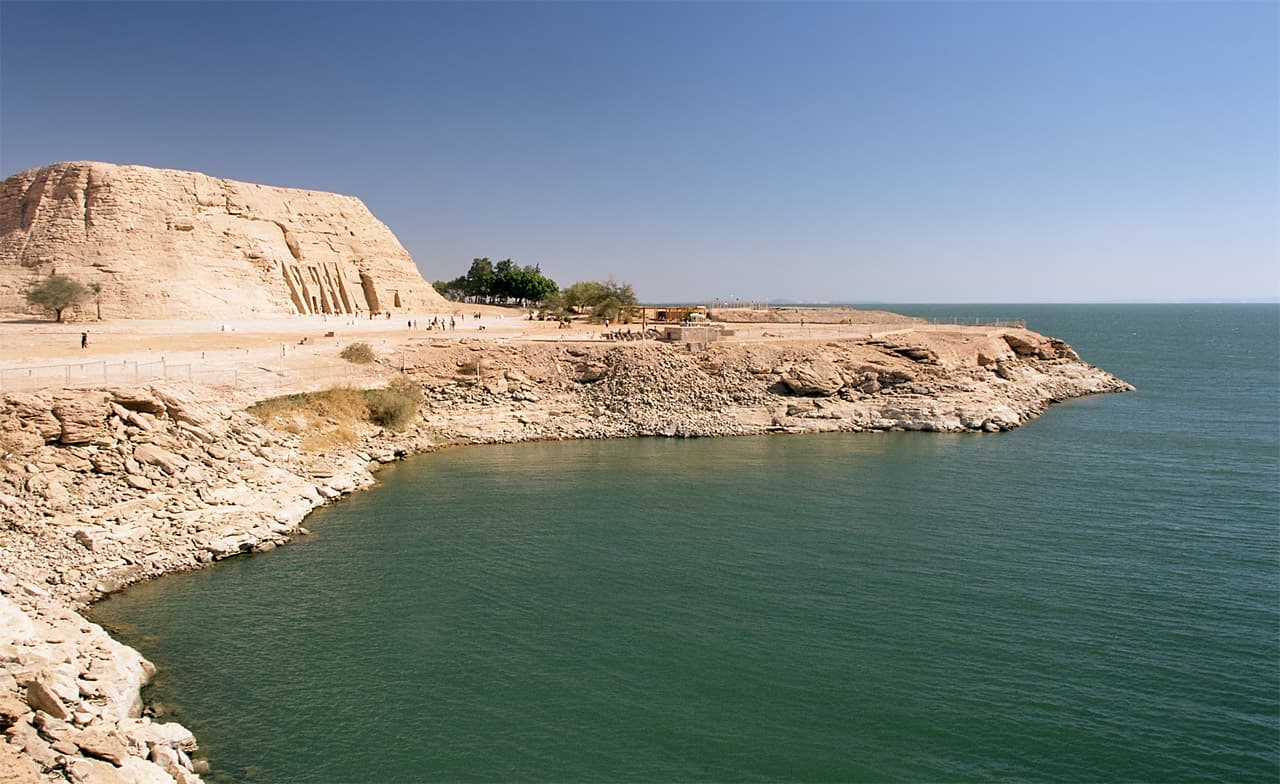

The Story of Lake Nasser: A Modern Marvel
The tale of Lake Nasser really begins with the ambition of a nation. In the 1950s, under President Gamal Abdel Nasser, Egypt embarked on a colossal project that would forever reshape its landscape and future: the Aswan High Dam. Built between 1960 and 1970 near Aswan, this dam didn't just control the Nile's floods; it birthed one of the world's largest artificial reservoirs – Lake Nasser.
How the Aswan High Dam created Lake Nasser
Think about it: building a dam to replace an older, smaller one (the 1902 Aswan Low Dam) is already a huge undertaking. But the Aswan High Dam, with crucial support from the Soviet Union, was on another level. Construction kicked off in 1960, and by 1964, the reservoir started filling. When President Anwar Sadat officially opened it in 1971, it was clear this dam was a game-changer.
It was designed to guarantee Egypt's water supply, boost agriculture, and generate electricity, all by containing an astonishing 169 billion cubic meters of water.
The transformation of Nubia and surrounding regions
Of course, such a massive project came with profound consequences. The creation of Lake Nasser meant displacing about 100,000 Nubians from both Egypt and Sudan. They had to leave their ancestral lands, their homes, and their way of life as 44 villages disappeared beneath the rising waters. This loss was immense, disrupting communities and cultures that had thrived for centuries.
In response, UNESCO launched a truly remarkable initiative in 1960 – the International Campaign to Save the Monuments of Nubia, which successfully rescued iconic sites like Abu Simbel and Philae from inundation.
Why it's called Lake Nasser in Egypt and Lake Nubia in Sudan
It's interesting how a single body of water can have two names, isn't it? In Egypt, the vast majority of the reservoir (about 83%!) is known as Lake Nasser, a tribute to President Gamal Abdel Nasser, the driving force behind the dam. But venture further south into Sudan, and their 17% share is called 'Lake Nubia'. This isn't just a geographical distinction; it's a nod to political sensitivities and a respectful acknowledgment of the Nubian people who were relocated.
It's a subtle reminder of how borders and national identity can literally put their stamp on the landscape.
Four Things That Make Lake Nasser Truly Unique
Want to explore Lake Nasser: Discover Egypt's Man-Made Wonder?
Let us design the perfect private itinerary for you. From expert local guides to seamless luxury cruises, we craft custom trips that show you the real Egypt.
Customize via WhatsApp1. One of the world's largest man-made lakes
Just look at the numbers. Lake Nasser isn't just big; it's colossal. Stretching a staggering 479 km long and up to 16 km wide, it covers an area of 5,250 square kilometers and holds 132 cubic kilometers of water. That's a lot of water! Its shoreline is incredibly intricate, with countless inlets and coves that create a striking landscape, so vast it's even noticeable from space. It's a huge part of Egypt's geography and absolutely vital to its economy.
2. A haven for rare fish and bird species
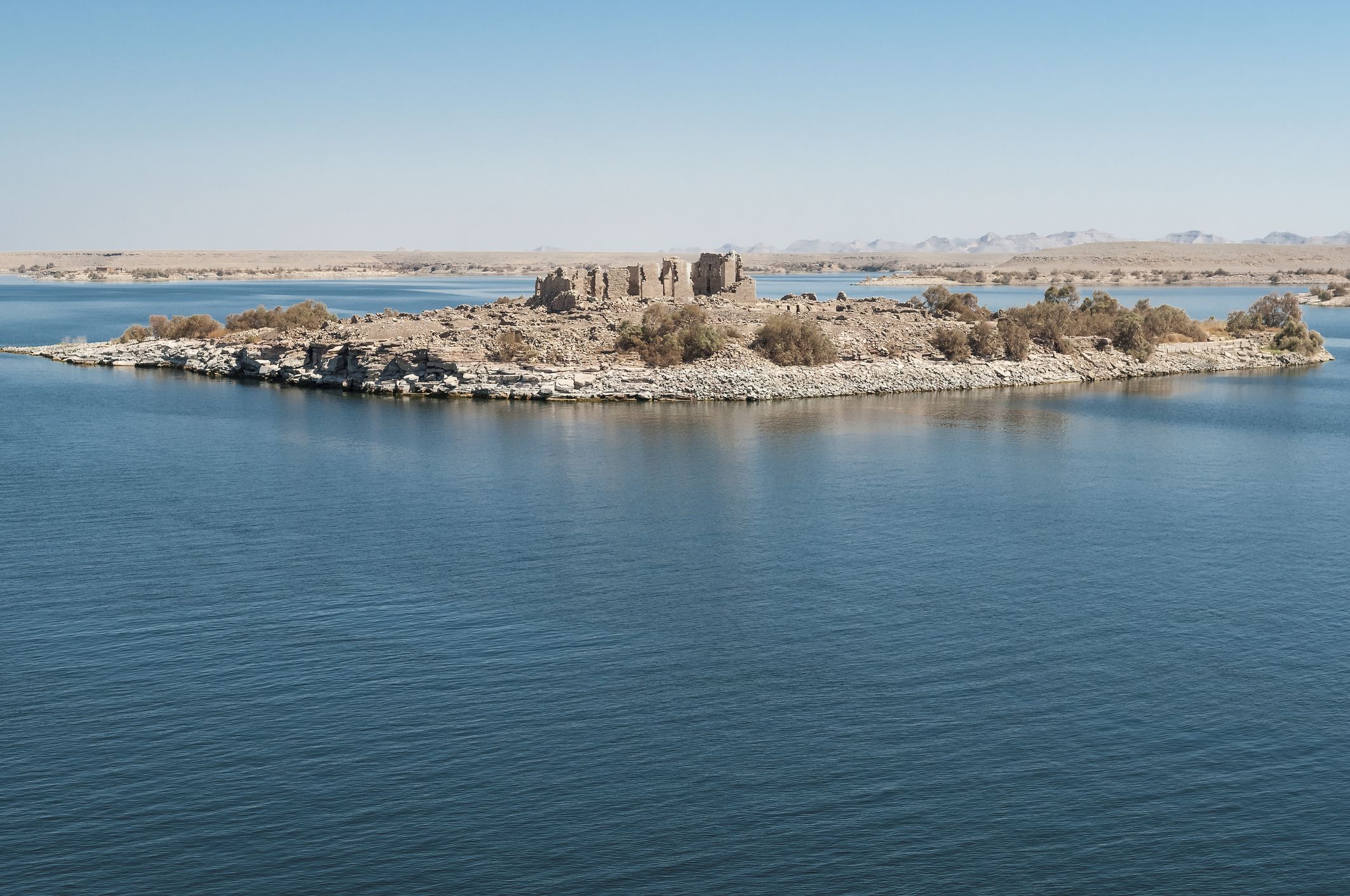
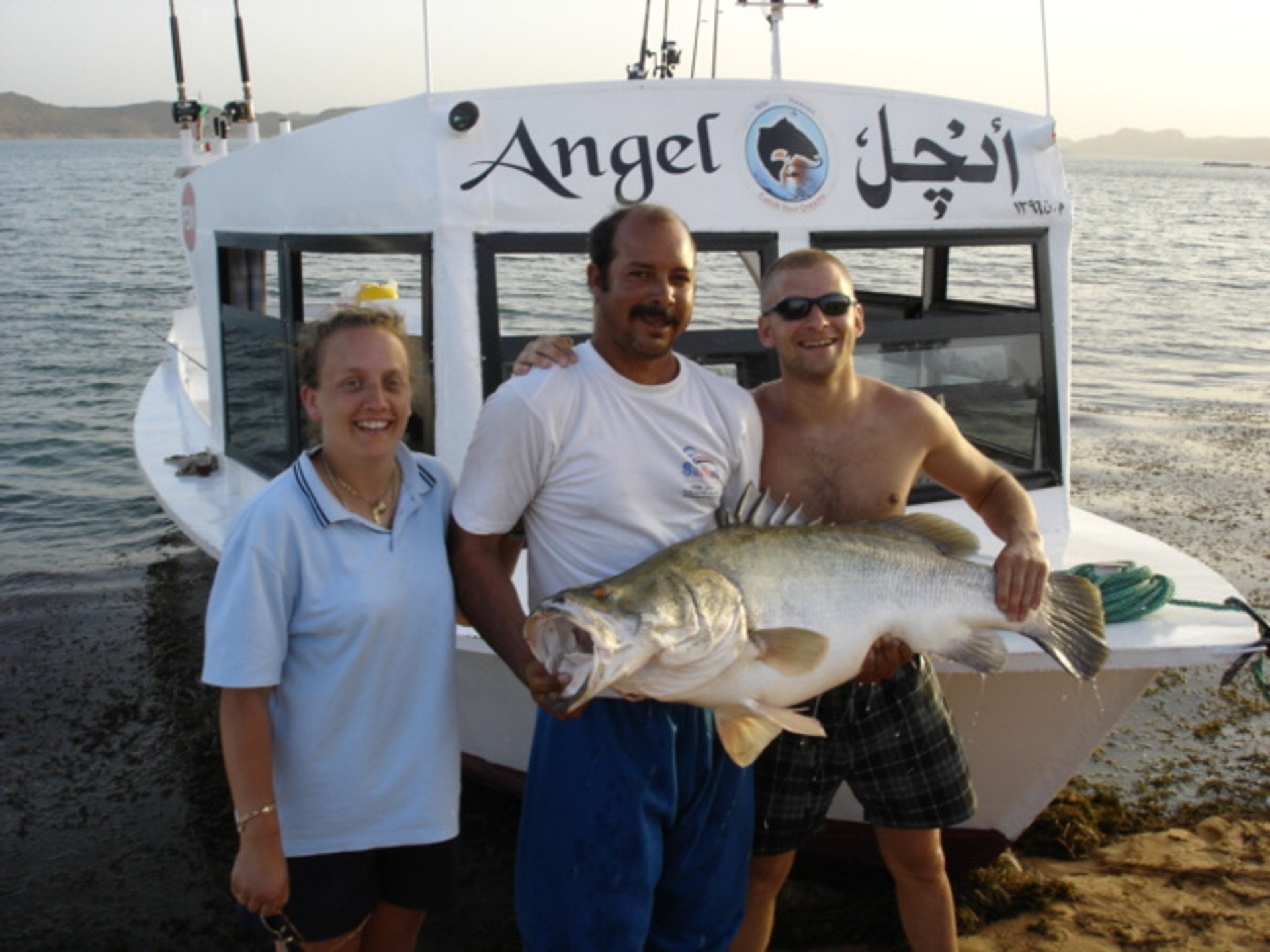
You might not expect a man-made lake to become a thriving ecological hotspot, but Lake Nasser has done just that. It's home to 52 different fish species, dominated by tilapia and the legendary Nile perch, which supports a significant fishing industry. Beyond that, it's recognized as an Important Bird Area, with Abu Simbel particularly attracting a diverse array of Afrotropical birds.
Those tranquil bays, reed-lined shores, and scattered islands offer crucial habitats for both fish and our feathered friends.
3. The submerged history beneath its waters
Imagine what lies beneath those calm waters. Lake Nasser holds countless submerged historical sites: ancient Nubian villages, whispers of fortresses like Buhen. While many monuments were famously saved, others were lost to the rising flood. Modern sonar surveys have started to reveal some of these hidden treasures – underwater homes, rock carvings, even Pharaonic artworks linked to rulers like Amenhotep III and Thutmose IV, all near areas like Philae and Knossos that now lie beneath the surface.
4. The story of Abu Simbel and other relocated temples
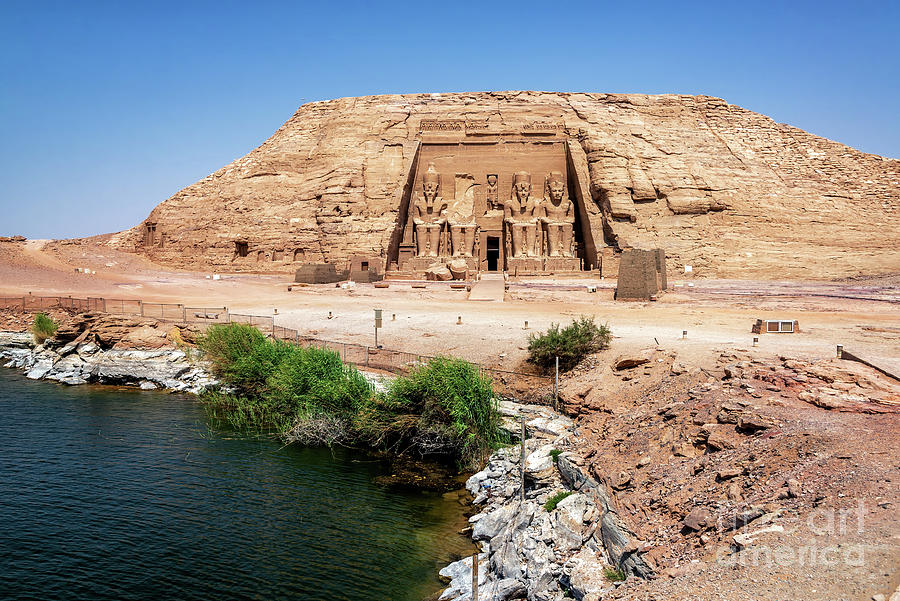
Perhaps the most compelling aspect of Lake Nasser's creation is the incredible international rescue mission it spawned. UNESCO's International Campaign was a pioneering effort to save endangered Nubian monuments. The most famous example, of course, is Abu Simbel – painstakingly dismantled into over a thousand blocks and then carefully reassembled 64 meters higher and 180 meters further inland.
Other temples, like Kalabsha, Wadi es-Sebua, Amada, and the Philae complex, were also meticulously moved. This wasn't just preservation; it set a whole new global standard for protecting cultural heritage.
Want to explore Lake Nasser: Discover Egypt's Man-Made Wonder?
Let us design the perfect private itinerary for you. From expert local guides to seamless luxury cruises, we craft custom trips that show you the real Egypt.
Customize via WhatsAppPlanning Your Visit to Lake Nasser
Alright, so you're thinking about visiting Lake Nasser? Excellent choice! It's a bit of a hidden gem, and with a little planning, you can make your trip truly unforgettable. Let's talk about what you need to know to dive into this unique part of Egypt.
Best time to visit and climate conditions
If you're wondering when to go, aim for between October and April. This is when the weather is simply divine – mild and pleasant, perfect for exploring. Believe me, you don't want to be here in the summer when temperatures can soar past 40°C (104°F)! The winter and early spring months offer cool breezes and absolutely breathtaking sunsets, making a cruise incredibly enjoyable. Plus, you'll find more tours and cruise options running during this peak season.
How to get there: flights, trains, and cruises
Most travelers start their Lake Nasser adventure by flying into Aswan or Abu Simbel. Cairo International Airport has daily flights to Aswan International Airport, a quick 1-hour 20-minute to 1-hour 30-minute hop. You can also fly to Abu Simbel Airport via Aswan, with flights six times a week. Once you're in southern Egypt, the real magic happens: you'll likely board a cruise ship from Aswan heading south toward Abu Simbel, or vice versa, for the ultimate exploration.
Top activities: fishing, cruising, and temple tours
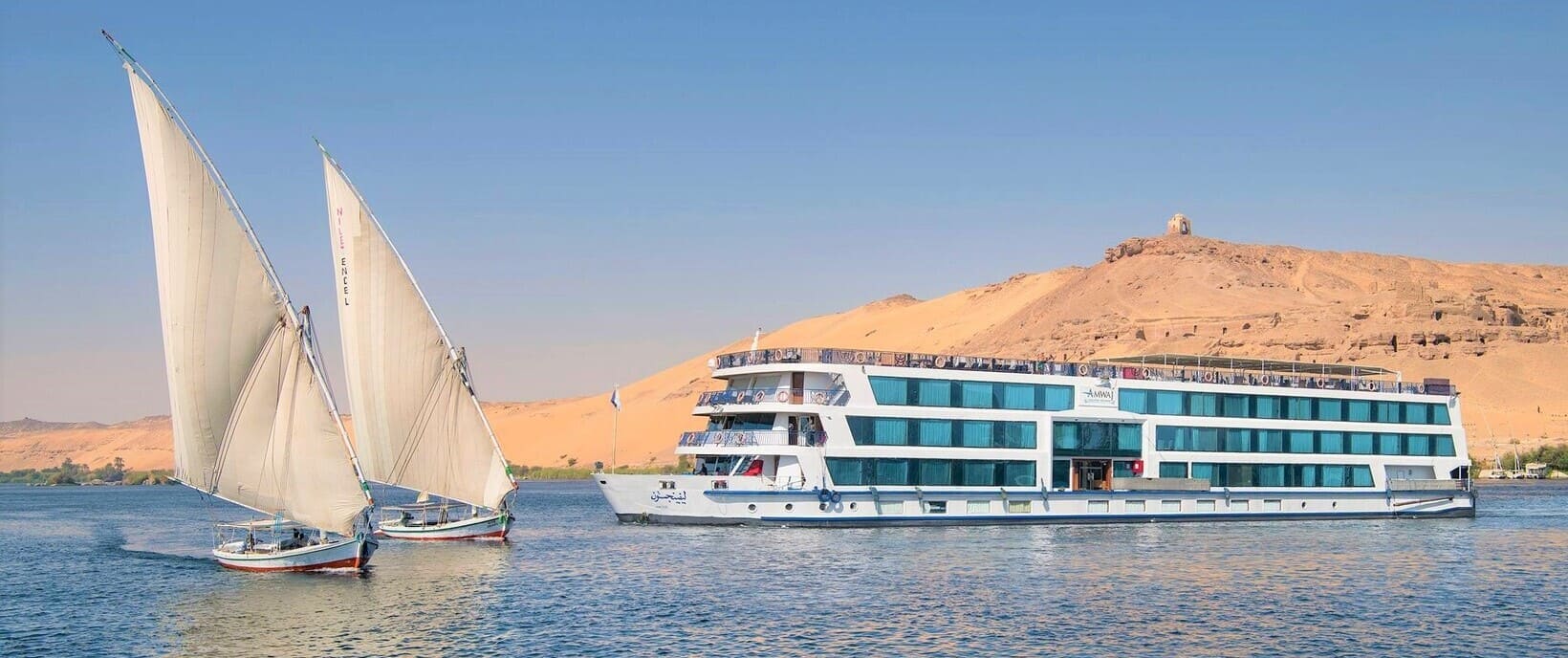
Lake Nasser isn't your typical Egyptian tourist circuit, and that's precisely its charm. Anglers flock here for the chance to catch massive Nile perch – a truly epic fishing experience. The luxury cruises, usually 4-5 days long, are fantastic. They float you between historical sites, offering a deep dive into the area's heritage with expert-guided tours to the relocated temples like Abu Simbel, Amada, and Wadi El Seboua.
Beyond that, you can enjoy bird watching, spot some unique wildlife, venture out on desert safaris, or visit traditional Nubian villages.
Where to stay: lodges, boats, and nearby towns
Your accommodation options around Lake Nasser are varied and exciting. Many travelers opt to stay in hotels in nearby cities like Aswan or Abu Simbel. For example, the Sofitel Legend Old Cataract Aswan is usually rated around 9.3, and the Seti Abu Simbel Lake Resort checks in around 8.3. But for a truly immersive experience, a cruise ship like the Steigenberger Omar El Khayam or the Prince Abbas acts as your floating hotel.
If you're on a tighter budget, places like the Ekadolli Nubian Guesthouse offer rooms starting from just USD 8.00 per night.
Safety tips and travel considerations
Lake Nasser is a very safe destination, but a little preparation goes a long way. Pack light, breathable clothing – essential for the desert sun – along with a good hat, sunglasses, and high-SPF sunscreen. Bug spray is definitely recommended, as are basic first-aid supplies. And always, always stay hydrated, especially during shore excursions. As for paperwork, make sure your passport is valid, and you have the necessary Egyptian visa ready to go.
Ready to turn this guide into reality?
Our local experts can create a custom itinerary based on these recommendations. Just send us a quick message!
Customize via WhatsApp