
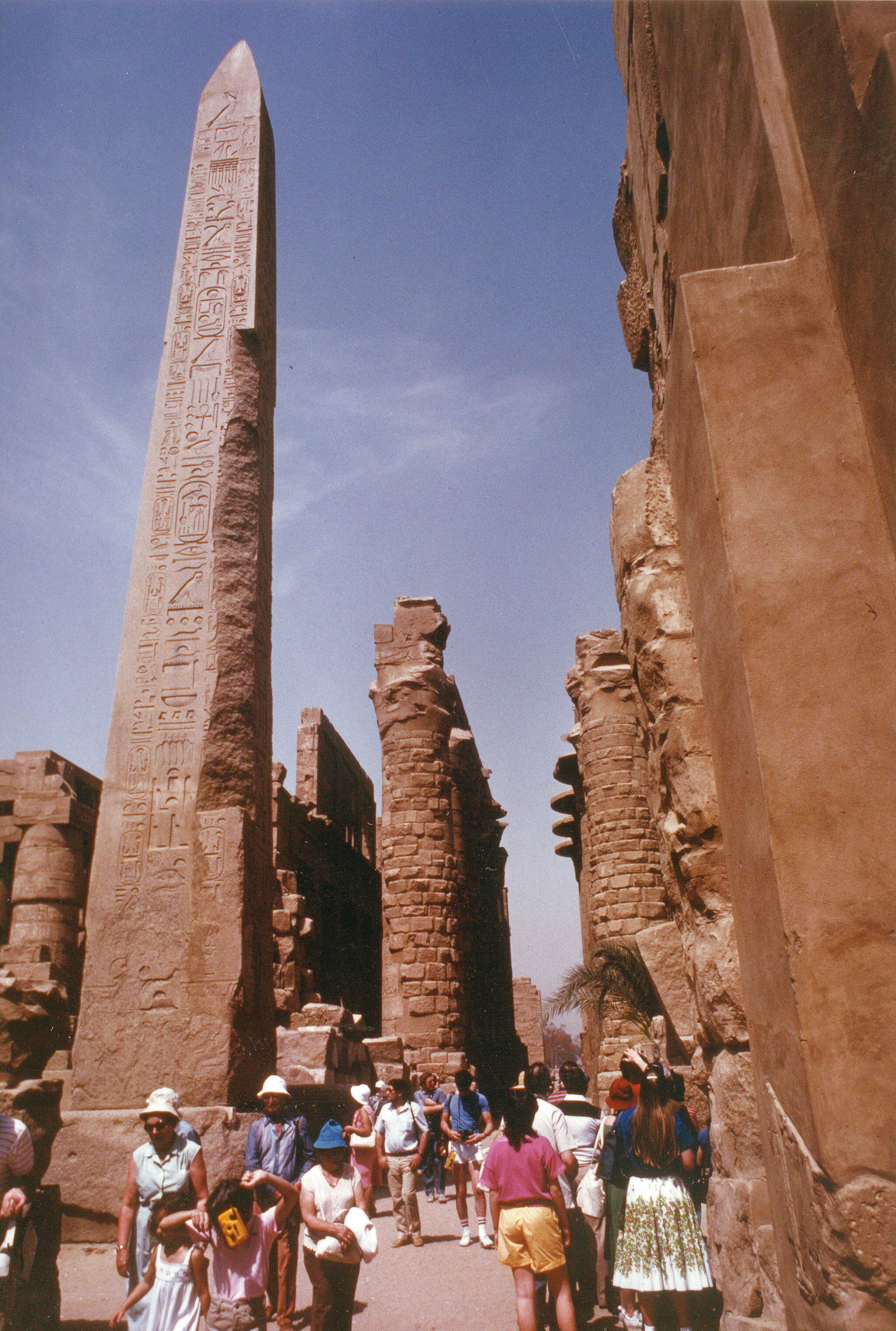

Luxor, what was once ancient Thebes, truly holds a special place in my heart. This city was Egypt's bustling capital from 1570 to 1069 BCE, hitting its peak between 1353 and 1336 BCE as the largest city in the world with a staggering 80,000 residents. The Nile gracefully divides Luxor, with the vibrant East Bank home to incredible marvels like Karnak Temple – the second-largest religious site in all of Egypt. Then, on the mysterious West Bank, you'll find the legendary Valley of the Kings, housing over 60 royal tombs that tell stories of pharaohs long past.
You'll also want to see the imposing Colossi of Memnon and the breathtaking Temple of Queen Hatshepsut, carved right into the limestone cliffs. And for a truly unforgettable start to your day, nothing beats a hot air balloon ride at sunrise. Seeing Luxor unfold beneath you, bathed in golden light, really drives home just how historically and culturally significant this place still is.
 The East Bank of Luxor always feels so alive to me, brimming with some of Egypt's most incredible archaeological treasures. It's the perfect spot to kick off your journey and truly grasp the sheer grandeur of ancient Egyptian civilization.
 The West Bank of Luxor is always a profoundly moving experience for me. It's truly a rich collection of royal tombs and mortuary temples, a place where you can really dive deep into ancient Egyptian beliefs about death and the afterlife. They called this the 'City of the Dead,' and it stretches across nine square kilometers, packed with thousands of tombs, dozens of temples, and countless shrines.
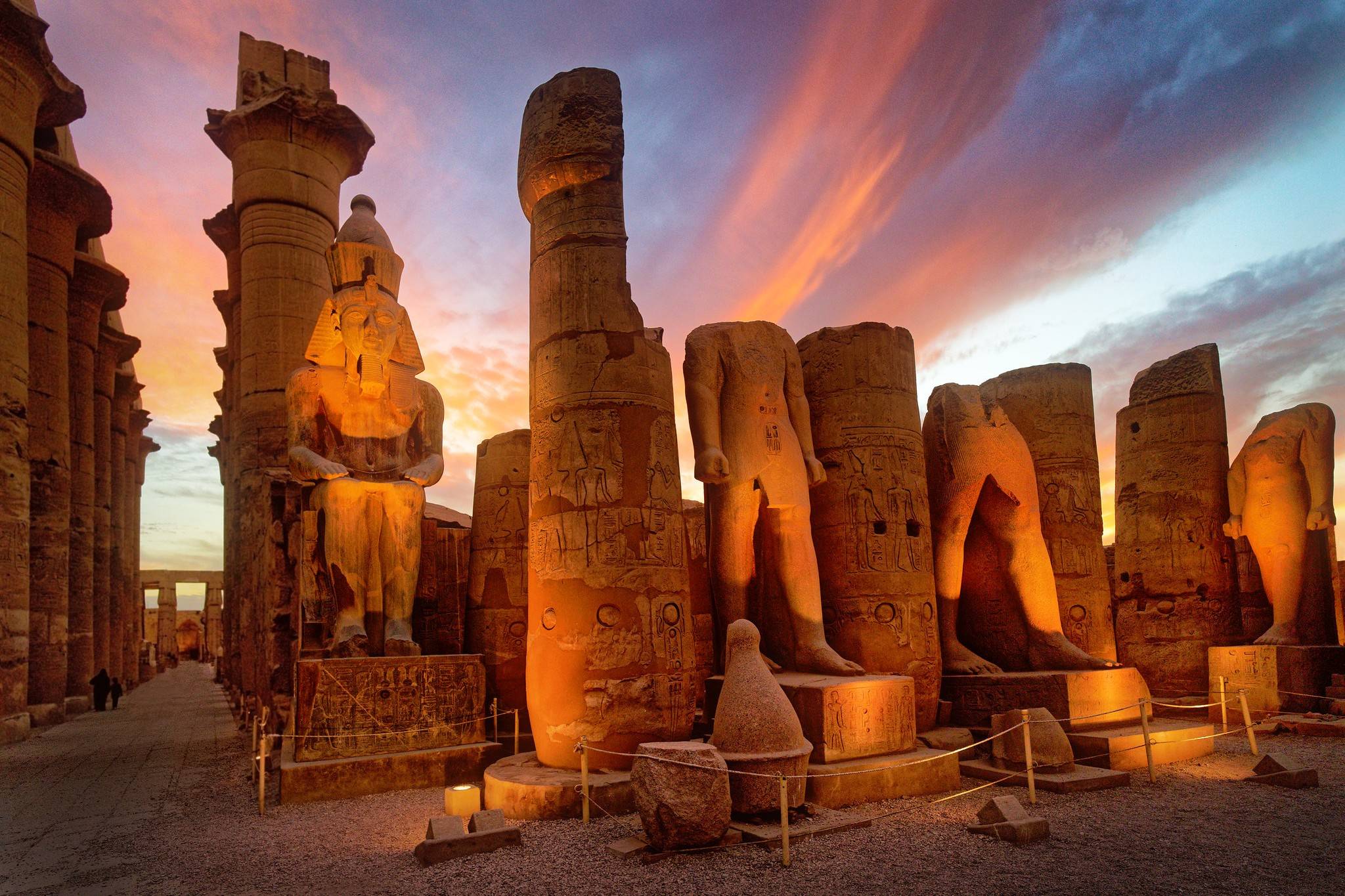 Luxor really does hold treasures far beyond its most famous monuments. For curious travelers willing to step a little off the main tourist path, you'll uncover hidden gems that offer truly fascinating glimpses into ancient Egyptian life – the ones that make you feel like you've discovered something special.
 A truly great trip to Luxor hinges on smart planning – making sure your visit is comfortable and genuinely enjoyable. The right timing and accommodation choices can seriously elevate your whole Egyptian archaeological adventure.
Explore the East Bank: Iconic Luxor Attractions
The East Bank of Luxor always feels so alive to me, brimming with some of Egypt's most incredible archaeological treasures. It's the perfect spot to kick off your journey and truly grasp the sheer grandeur of ancient Egyptian civilization.
Karnak Temple: A vast open-air museum
Karnak Temple isn't just big; it's the second-largest religious site on Earth, an astonishing testament to ancient Egyptian architectural genius and their deep devotion. Walking through it, you'll find the Open-Air Museum, where they've painstakingly reassembled monuments like the White Chapel of Senusret I, Amenhotep II's calcite shrine, and Hatshepsut's distinctive Red Chapel. The Hypostyle Hall, with its 134 towering pillars, each over 75 feet high, is genuinely awe-inspiring. And don't miss the Sacred Lake; it offers a fantastic panoramic view and is where you'll find Amenhotep III's Sacred Scarab—a powerful reminder of the temple's rich history and spiritual significance.Luxor Temple at night: A magical experience
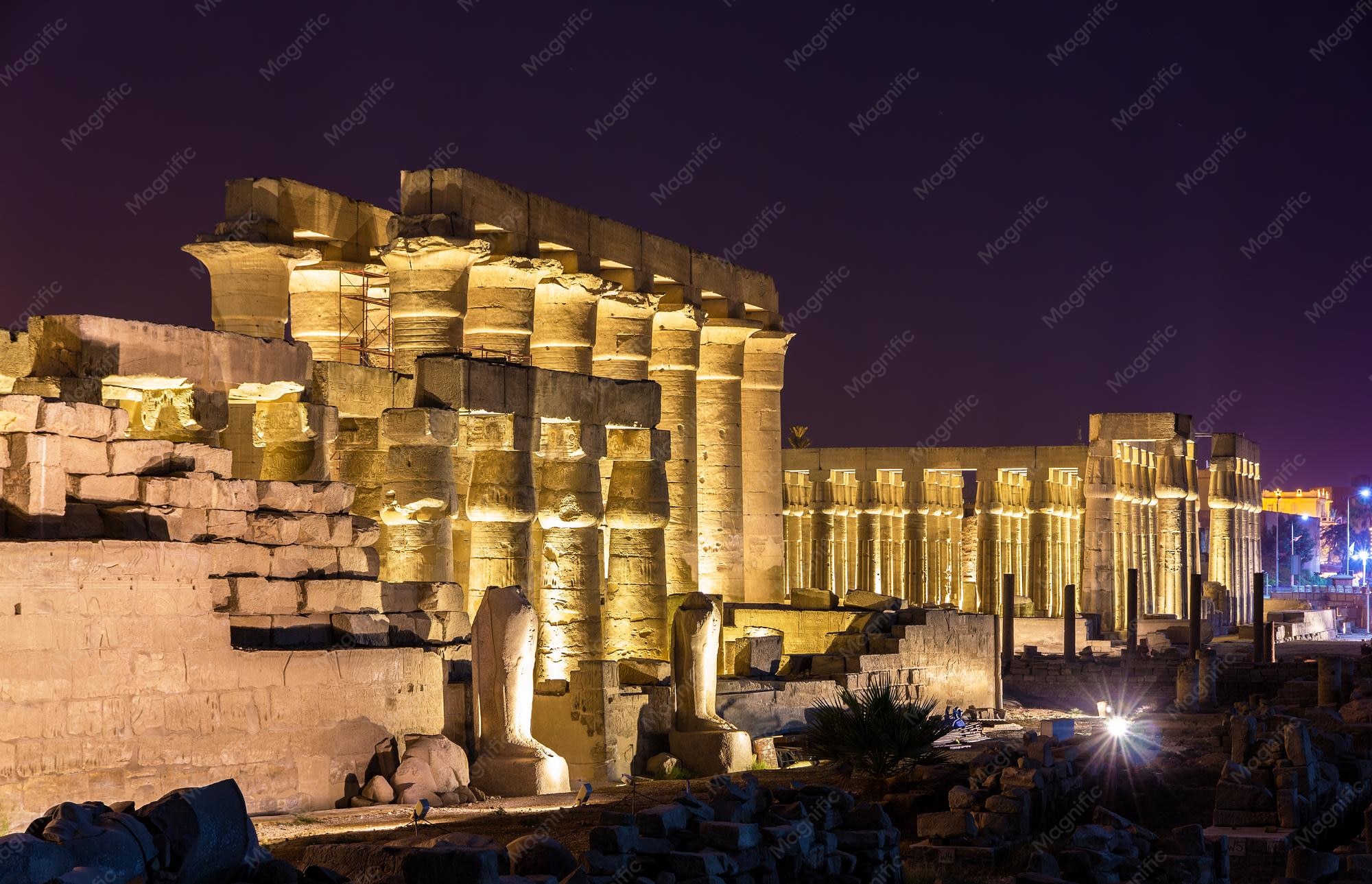
Luxor Temple, originally begun by Amenhotep III and later expanded by Ramses II, transforms into something truly magical after the sun goes down. The way the spotlights play on the colossal statues and obelisks, casting dramatic shadows, it's like the ancient stories themselves are coming to life. The softly glowing Avenue of Sphinxes, quiet and majestic, guides you along the very path the pharaohs once took for their grand ceremonies. Visiting at night gives you such a peaceful atmosphere; it's easy to close your eyes and imagine the ancient rituals. Entry is usually around USD 10, and it's absolutely worth it.Luxor Museum and Mummification Museum
I always recommend the Luxor Museum, which opened in 1975. It has this incredibly thoughtful collection, spanning from the Old Kingdom right up to the Mamluk period. They really prioritize quality over quantity here. You'll see treasures from Tutankhamun's tomb – shabti figures, model boats, sandals, and beautiful gilded bronze rosettes. A newer wing, added in 2004, even houses royal mummies, including Ahmose I and possibly Ramses I, along with pieces from the reconstructed Wall of Akhenaten, showing rare decorations from an Aten temple. Just nearby, the Mummification Museum, opened in 1997, is equally fascinating. It lays out all the tools, oils, and salts used in embalming, alongside remarkably preserved human and animal mummies. It's a wonderful way to see how science, spirituality, and artistry all came together in ancient Egyptian mummification practices.Discover the West Bank: Ancient Tombs and Temples
The West Bank of Luxor is always a profoundly moving experience for me. It's truly a rich collection of royal tombs and mortuary temples, a place where you can really dive deep into ancient Egyptian beliefs about death and the afterlife. They called this the 'City of the Dead,' and it stretches across nine square kilometers, packed with thousands of tombs, dozens of temples, and countless shrines.
Want to explore Unlocking Luxor: Your Insider's Guide to Egypt's Ancient Capital?
Let us design the perfect private itinerary for you. From expert local guides to seamless luxury cruises, we craft custom trips that show you the real Egypt.
Customize via WhatsAppValley of the Kings: Where pharaohs rest
The Valley of the Kings was the final resting place for Egypt's New Kingdom pharaohs, from the 18th to the 20th Dynasties (around 1539–1075 BC). They chose this hidden spot specifically to protect the royal tombs from looters – though as we know, not all were successful. There are at least 63 tombs here, starting with Thutmose I and ending with Ramesses X or XI, each a labyrinth of sloping corridors, halls, and burial chambers, all adorned with religious texts and imagery meant to guide the pharaohs through the afterlife. To preserve the incredible artwork, they rotate which 8–10 tombs are open to visitors; a standard ticket usually covers three. Of course, Tutankhamun's tomb (KV62), famously discovered mostly intact by Howard Carter in 1922 with over 5,000 treasures, requires a special, separate ticket.Hatshepsut's Temple: A queen's legacy
Hatshepsut’s mortuary temple at Deir el-Bahari is a truly stunning architectural marvel, with its terraced design drawing inspiration from the older Temple of Mentuhotep II nearby. Built over about thirteen years during her reign, it features three grand terraces connected by ramps. The middle terrace is particularly fascinating, with reliefs depicting her famous expedition to Punt and even her divine birth – all designed to cement her authority as a powerful female pharaoh. This terrace also holds shrines to Hathor and Anubis, with a central sanctuary dedicated to the barque of Amun-Re. They've been restoring it since the 1960s, and it was fully opened to the public in March 2023, giving us all a chance to witness its glory.Colossi of Memnon: Sunrise photo spot
The Colossi of Memnon are two absolutely massive statues of Pharaoh Amenhotep III. Standing over 18 meters (59 ft) tall, they've guarded the site of his now-mostly-vanished mortuary temple for millennia. It's a bit of a misnomer, though; they got their name during the Greco-Roman period, when people mistakenly thought they were of the legendary Ethiopian King Memnon. The northern statue once famously 'sang' at sunrise after an earthquake in 27 BC, a phenomenon believed to be caused by dew evaporating from cracks in the stone. These 3,400-year-old monuments are still a favorite spot for photographers, especially at sunrise when they stand silhouetted against the backdrop of the Theban Necropolis.Medinet Habu and the Ramesseum
Ramesses III's mortuary temple at Medinet Habu is vast, covering 7,000 square meters (1.7 acres) with 48 rooms. The detailed reliefs depicting his military victories, especially over the Libyans and the formidable Sea Peoples, are incredibly vivid and really bring the history to life. Over at Ramesses II's Ramesseum, excavations have revealed so much more than just a temple – we've found tombs, storage areas for olive oil and honey, workshops, kitchens, and even the 'House of Life,' which was essentially a temple-based scientific school. Together, these sites offer such a rich picture, showing us not just the grand religious rituals but also the everyday rhythm of ancient Egyptian life.Want to explore Unlocking Luxor: Your Insider's Guide to Egypt's Ancient Capital?
Let us design the perfect private itinerary for you. From expert local guides to seamless luxury cruises, we craft custom trips that show you the real Egypt.
Customize via WhatsAppHidden Gems in Luxor Worth Visiting
Luxor really does hold treasures far beyond its most famous monuments. For curious travelers willing to step a little off the main tourist path, you'll uncover hidden gems that offer truly fascinating glimpses into ancient Egyptian life – the ones that make you feel like you've discovered something special.
Deir el-Medina: The village of artisans
This ancient village, remarkably well-preserved even today, tells the compelling story of the skilled craftsmen who painstakingly created the royal tombs in the Valley of the Kings. Known as 'Set maat' ('Place of Truth'), this community flourished around 1550–1080 BCE during the New Kingdom. Imagine about 68 houses spread across 5,600 square meters, with a narrow road winding through the settlement. Excavations, which began in 1922, have made this site an invaluable source of information about ancient community life. What often surprises visitors is that these middle-class artisans lived surprisingly privileged lives: they worked eight days, then rested for two, and enjoyed so many festivals that they had free time for over a third of the year.Tombs of the Nobles: Colorful and overlooked
Nestled between the Ramesseum and Hatshepsut's Temple, these tombs offer such a refreshing change from the royal burial sites. Unlike the Valley of the Kings, here you'll find wonderfully realistic scenes depicting everyday Egyptian life, not just religious imagery. The walls are like open books, telling authentic stories of ancient lifestyles, agriculture, and social customs. Their simpler design makes them more accessible – usually, an entrance leads to a room or two before the burial chamber. What's best is that these tombs see nowhere near the crowds of their royal counterparts, making for a much more intimate experience.Howard Carter House: Step into history
Stepping into Howard Carter's modest, one-story house is like stepping back in time to the very moment he discovered Tutankhamun's tomb in 1922. After a wonderful restoration completed in November 2022, his living environment has been brought back to life. Several rooms are now carefully furnished, including Carter's study and his photographic darkroom. You can even walk around a replica of Tutankhamun's sarcophagus – something you can't do at the actual tomb site! While most items are period reproductions, the house does hold one genuine treasure: a foundation brick that Lord Carnarvon himself gave to Carter.Esna Temple: Restored colors and quiet charm
The Roman-era Esna Temple, located about 60 kilometers south of Luxor, has seen some truly remarkable changes since restoration work began in 2018. For centuries, fires set by local people inside the temple vestibule had blackened its vibrant decorations. But now, after painstaking cleaning, bold yellow and red pigments have reappeared, dominating the temple in a way that's quite different from the typical white and blue colors found in other Egyptian temples. The restoration team has even uncovered new details on the clothing, crowns, and thrones of the depicted deities and kings. The most impressive discovery, for me, is the scene showing Khnoum's sacred barque being carried by priests during ancient processions.Unforgettable Experiences Beyond the Ruins
Luxor's magic extends so far beyond its archaeological treasures. I always tell visitors not to miss out on the other vibrant aspects – the city's culture and its stunning landscapes – through a variety of unique activities.Hot air balloon ride over the West Bank
Few things can compare to watching dawn break as you gently float above Luxor's ancient landscape. This 45-60 minute aerial adventure usually starts with a very early 4 AM pickup, but trust me, the exceptional views of the Valley of the Kings, Hatshepsut's Temple, and other nearby monuments are absolutely worth it. It typically costs between $55-85, often including hotel transfers and refreshments. Most travelers I've spoken to say this flight becomes their most cherished Egyptian memory.Sunset felucca ride on the Nile
There's something so timeless about a traditional wooden sailboat, with its triangular sails, gliding silently on the Nile. These relaxing two-hour trips rely solely on the wind, offering a peaceful way to witness the golden sunset painting Luxor's skyline. Some tours even take you to Banana Island, where you can explore its plantations and a small zoo. Felucca rides usually start around £10 and provide a wonderful, tranquil break from the bustling temples.Shopping at Luxor's local bazaars
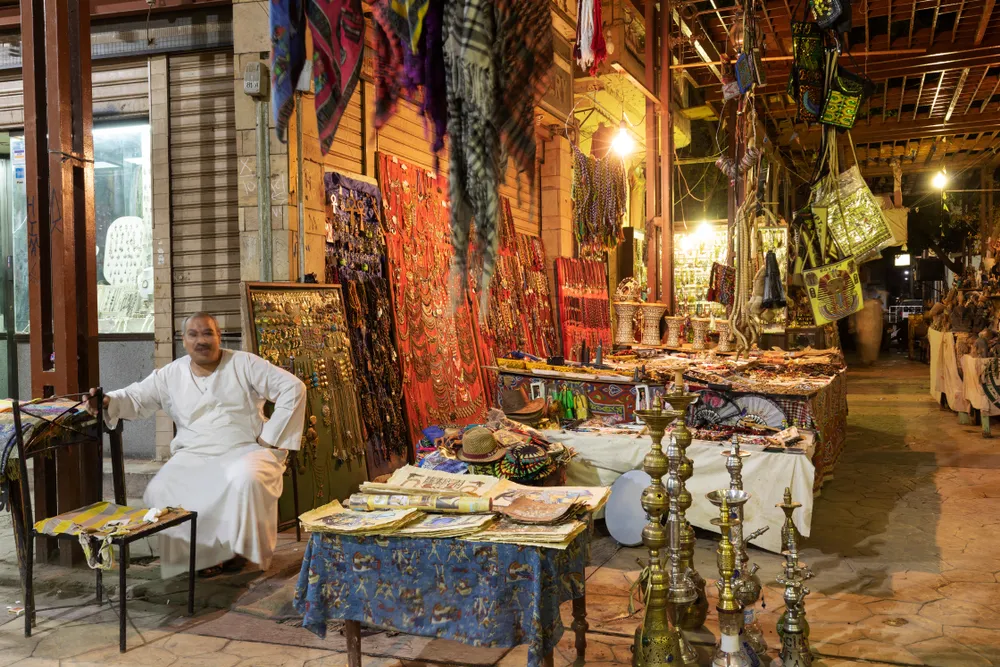
The colorful markets near Luxor Temple are a treasure trove, brimming with special finds like genuine alabaster statues, intricate papyrus artworks, aromatic spices, exotic perfumes, and soft Egyptian cotton clothing. Bargaining is definitely expected, especially for more valuable items, but paying full price for smaller trinkets is also a nice way to show respect to the local vendors. It's all part of the experience!Trying traditional Egyptian food
Egyptian cuisine is such a delight, with authentic dishes that truly tantalize the taste buds. You absolutely must try koshary, often called Egypt's national dish, and the flavorful ta'ameya (fava bean falafel), or the comforting ful mudammas. For a truly immersive experience, Sofra restaurant not only serves incredible traditional meals but also offers cooking classes at 300 EGP (about £8), where you can learn to create these authentic Egyptian recipes yourself.Planning Your Visit to Luxor
A truly great trip to Luxor hinges on smart planning – making sure your visit is comfortable and genuinely enjoyable. The right timing and accommodation choices can seriously elevate your whole Egyptian archaeological adventure.
Best time to visit Luxor Egypt
I always tell people that the sweet spot for visiting Luxor is either March-April or October-November. Those months bring lovely, mild temperatures, usually fewer tourists, and often better hotel rates. You can really enjoy comfortable sightseeing with temperatures ranging from the low 50s to the mid-90s Fahrenheit during these shoulder seasons. The winter months, December to February, are the coolest, with temperatures typically staying between the low 40s and upper 70s. But be warned, this is peak tourist season, so prices for everything will be higher. If you're going then, make sure to book your flights and hotels months in advance. Summer, from May through September, can be pretty brutal. Daytime temperatures often soar into the 100s, making outdoor activities quite challenging. However, if you're a budget traveler who can handle the heat, this is when you'll find the cheapest hotel rates.How to get to Luxor and move around
Tourist buses are a great way to hit the major sites without the headache of bargaining. They usually come with knowledgeable guides and cost anywhere from USD 65-175 per tour. If you're feeling adventurous and want a cheaper option, bikes are widely available. Hotels and local shops rent them for just 5-20 Egyptian pounds (USD 0.50-2.00). For taxis, always, always agree on the price upfront! Most trips should cost between 5-150 Egyptian pounds (USD 0.50-17.00), depending on your bargaining skills and the distance. Public ferries cross the Nile for about 1 Egyptian pound each way, but be prepared for them to wait until they're full before departing. Flights from Cairo to Luxor are quick, usually 1-2 hours, with several daily options. Trains are a longer journey, 9-12 hours, but they're a much cheaper option, costing around USD 25-35.Where to stay: East Bank vs. West Bank
Choosing where to stay really depends on your travel style. The East Bank is the bustling center of activity. It's got better amenities, comfy hotels, and those luxurious international chains often located right near Luxor and Karnak Temples. You'll find tons of restaurants, shops, and transport options here – it's really convenient. The West Bank, on the other hand, offers a sense of peace and quiet. You're closer to the Valley of the Kings and Hatshepsut's Temple, and this area feels more authentic, with its cozy guesthouses and boutique stays. First-time visitors often lean towards the East Bank for its ease. But if you're craving a quieter, more immersive stay, head to the West Bank. Many savvy travelers even split their time between both areas to get a truly comprehensive feel for the city.Do you need a guide in Luxor?
I always recommend a guide, especially in a place like Luxor. Hotel-arranged private guides typically charge 500-800 EGP daily, offering that personal attention and flexible schedule which is invaluable. Group tours are a bit less, around 300-500 EGP per person, but they follow fixed times. Going solo can save money, of course, but you'll definitely miss out on the rich historical context. A good guide can help you truly understand those complex temple layouts and spot important details you might never notice on your own. It really elevates the experience.Ready to turn this guide into reality?
Our local experts can create a custom itinerary based on these recommendations. Just send us a quick message!
Customize via WhatsApp