
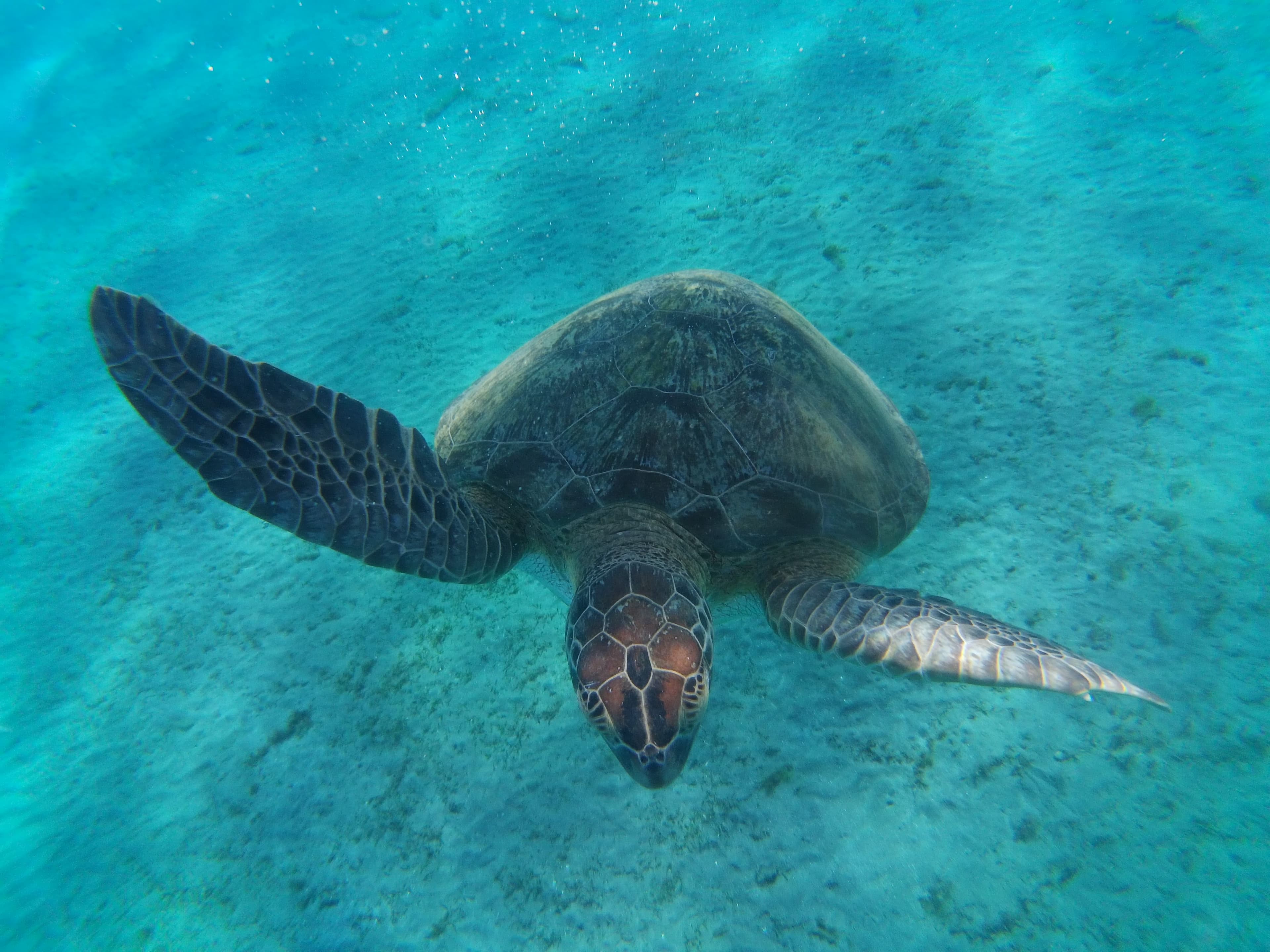

Marsa Alam, sitting some 271 kilometers south of Hurghada, truly feels like one of Egypt's last unspoiled Red Sea destinations. It's miles away from the crowds you might find elsewhere, famous for its untouched coral reefs, an incredible abundance of marine life – think turtles, playful dolphins, and those gentle dugongs – and waters so clear they almost hum. If you're looking for world-class shark diving or just serene snorkeling, this place delivers. What was once just a quiet fishing village has quietly blossomed into Egypt's top eco-tourism spot, all while miraculously holding onto its natural charm.
Travelers flock here for things like the protected dive sites, those once-in-a-lifetime wildlife encounters, the fantastic kite surfing, and desert adventures where ancient mountains dramatically meet the sea. Trust me, it's a special kind of magic.


Why Marsa Alam is Special, Really
Pristine Marine Environments That Wow
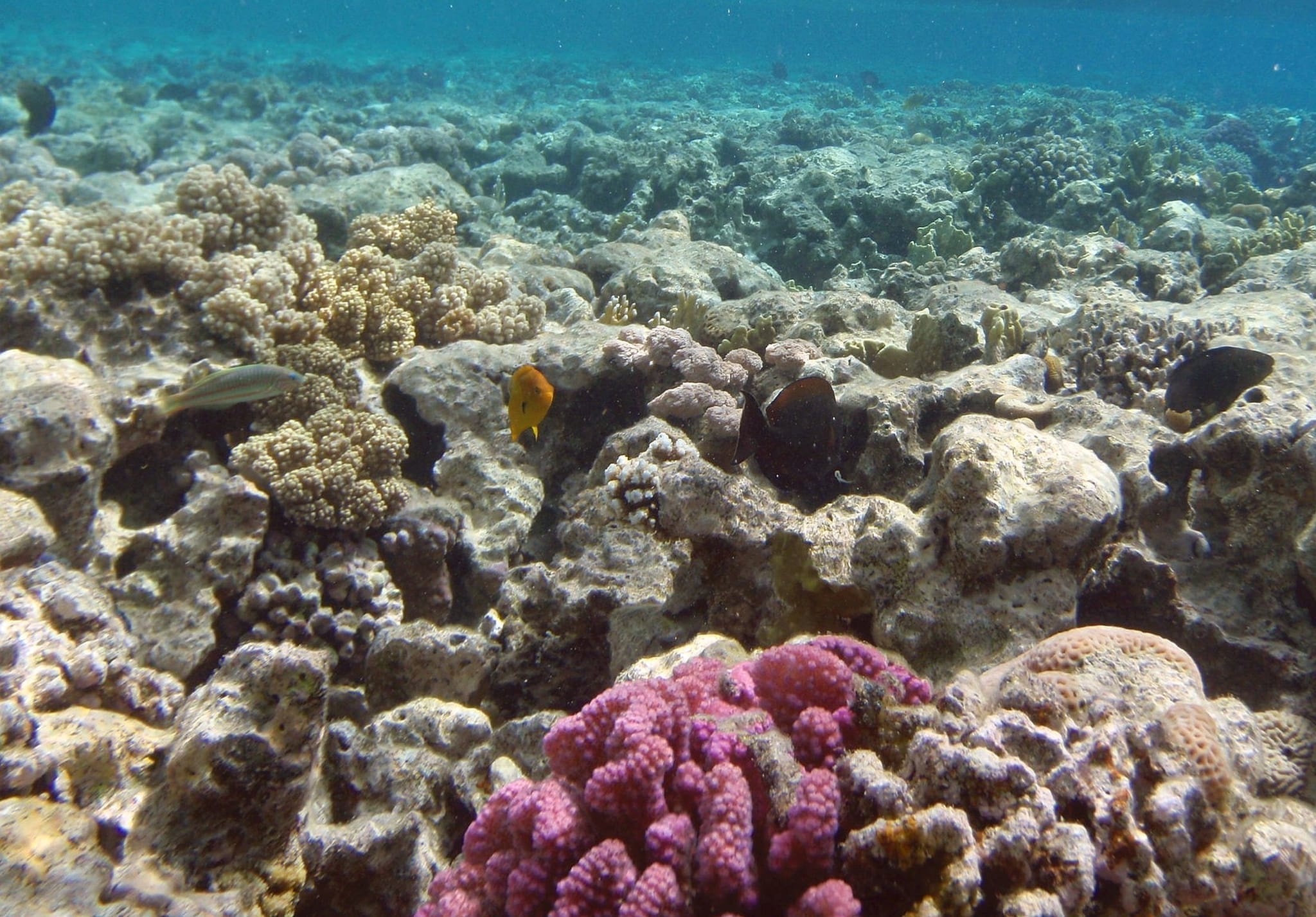
Marsa Alam's true treasure? It's all under the waves. The coral reefs here are, hands down, some of the healthiest and most vibrant you'll find anywhere. Why? Well, a few things really came together: tourism here only really boomed in the 2000s, there are pretty strict environmental rules in place, way fewer visitors than those other big Red Sea resorts, and strong, genuine conservation efforts. The upshot? You get to see coral reefs bursting with color and texture you just don't find in places that have been loved (or over-loved) to death. And the marine life? It's absolutely teeming. We're talking over 1,200 fish species, plus dolphins, sharks, rays, sea turtles, and those incredibly rare dugongs. Many of these dive spots feel practically untouched – offering experiences you simply won't get elsewhere in Egypt.Rare Marine Encounters You'll Talk About Forever
Marsa Alam is *the* place for reliable encounters with creatures divers dream of seeing. Those gentle dugongs, these amazing marine mammals related to manatees, graze on seagrass beds right here in Marsa Alam's bays. It's one of the very few places on the planet where seeing them is almost a given. Sea turtles nest on our beaches and munch on reefs all over the area. And spinner dolphins? They regularly visit certain bays, putting on a show with their famous acrobatic spins. These aren't just lucky chances. They're predictable, thanks to Marsa Alam's super healthy ecosystems and protected marine parks. Good, responsible tour operators know exactly where and when to find these animals, all while making sure we don't disturb them too much.World-Class Dive Sites That Call Your Name
Marsa Alam gives you direct access to some of the Red Sea's most legendary dive spots. Take Elphinstone Reef, for instance: it's this incredibly long, narrow reef plateau out in the open water. Think thrilling drift dives and really frequent shark encounters – we're talking oceanic whitetips, hammerheads, and even the occasional whale shark patrolling this remote spot. Then there's Daedalus Reef, a circular wonder right in the middle of the Red Sea, with sheer walls that just plunge into the deep, offering spectacular pelagic action. Closer to shore, you'll find countless amazing 'house reef' sites, meaning you can literally dive right from the beach. And the St. John's Reef system, usually explored on liveaboard safaris, holds pristine coral gardens in a protected area that sees very little boat traffic.
Top Marine Life and Activities Worth Every Moment
Want to explore Marsa Alam: Egypt's Untamed Red Sea Frontier?
Let us design the perfect private itinerary for you. From expert local guides to seamless luxury cruises, we craft custom trips that show you the real Egypt.
Customize via WhatsAppSwimming with Dugongs: A Dream Come True
Marsa Alam offers one of those truly rare chances to swim with dugongs in their natural home. These shy, herbivorous giants love grazing on seagrass in shallow bays like Abu Dabbab and Marsa Mubarak. These gentle creatures, who are actually related to elephants (imagine!), can eat up to 40 kilos of seagrass a day and hold their breath for a solid 12 minutes. Pretty impressive, right? Your best bet for seeing them is an early morning visit, before too many people arrive. Always keep a respectful distance – at least three meters – and absolutely never chase, touch, or use flash photography on them. These endangered animals, with only about 100,000 left worldwide, need our protection and respect.Sea Turtles and Dolphins: Grace in the Water
Both green sea turtles and hawksbill turtles are regular visitors to Marsa Alam's reefs and seagrass beds. Green turtles prefer munching on seagrass in those shallow bays, while the hawksbills, with their distinctive pointed beaks, love the coral reefs where they feast on sponges. You'll pretty much guarantee a turtle sighting at many dive spots; they're often curious and aren't shy about approaching divers. Spinner dolphins are perhaps the most famous, regularly visiting Sha'ab Samadai (Dolphin House) to rest in its protected lagoon. They get their name from those breathtaking spinning jumps they do, sometimes twirling up to seven times mid-air! Bottlenose dolphins are out in the open waters. Just remember, any dolphin encounter should always be on their terms, respecting their space.Shark Diving: An Adrenaline Rush
If you're into sharks, Marsa Alam has some of the best shark diving across the Red Sea. Those majestic oceanic whitetip sharks, easy to spot with their white-tipped fins, cruise around Elphinstone Reef and other offshore sites. These powerful predators will glide through the blue, sometimes coming quite close. Hammerhead sharks visit deeper reefs, especially around Daedalus, and various reef shark species are local residents on our coral reefs. And sometimes, usually during spring and autumn migrations, we even get visits from whale sharks.The Best Dive Sites (In My Humble Opinion!)
* **Elphinstone Reef:** This one's for the experienced divers. It's famous for shark encounters, dramatic walls that drop deep, and strong currents. You'll find incredible coral formations and loads of pelagic action on its northern and southern plateaus. * **Abu Dabbab:** A beautifully sheltered bay, absolutely perfect for all skill levels. It's legendary for its resident dugongs and green sea turtles. The sandy bottom and seagrass meadows are what draw these gentle creatures in. It's also fantastic for snorkeling. * **Marsa Mubarak:** Another protected bay with vast seagrass meadows, prime dugong territory. Sea turtle sightings here are pretty much a sure thing. The shallow, calm conditions make it ideal for beginners. * **Dolphin House (Sha'ab Samadai):** This is a protected reef complex where spinner dolphins come to rest during the day. There are strict rules about visitor numbers here, and it's mostly for snorkeling to ensure we don't disturb our dolphin friends. * **Daedalus Reef:** Remote, circular, with sheer walls, strong currents, and spectacular marine life including sharks, dolphins, and enormous schools of fish. It's an unforgettable experience.Want to explore Marsa Alam: Egypt's Untamed Red Sea Frontier?
Let us design the perfect private itinerary for you. From expert local guides to seamless luxury cruises, we craft custom trips that show you the real Egypt.
Customize via WhatsAppDesert Safari Adventures: Beyond the Blue
Beyond the stunning coastline, Marsa Alam's Eastern Desert offers up dramatic landscapes and unique cultural experiences. You can hop into a Jeep for safaris exploring ancient wadis (dry riverbeds), vast mountains, and endless desert plains. Or maybe quad biking is more your speed for an adrenaline-fueled desert blast. Make sure to visit a local Bedouin community; you'll get a real taste of traditional desert life, sharing tea and learning about their fascinating culture and traditions. The Eastern Desert near Marsa Alam also hides ancient emerald and gold mining sites that date all the way back to the Ptolemaic and Roman periods. Wadi Gemal, now a protected national park, even has ruins of an emerald mine, showing just how big these operations were historically. Some tours even include traditional Bedouin dinners, complete with music and storytelling under that incredible desert sky.Kite Surfing and Water Sports: Ride the Wind
Marsa Alam's consistent winds create some truly excellent conditions for kite surfing and windsurfing. The best wind season runs roughly from March to October, with peak conditions usually between May and August. You'll find several kite surfing schools here offering lessons, gear rentals, and guided sessions. The flat, shallow waters in some bays are perfect for beginners to get the hang of it. And if kite surfing isn't your jam, there's always stand-up paddleboarding and kayaking to enjoy.
Practical Travel Information and Insider Tips
Getting to Marsa Alam: Easier Than You Think
Marsa Alam International Airport (RMF) actually gets direct international flights from several European cities, especially during our winter high season (November-April). You'll find major airlines running seasonal routes from the UK, Germany, Italy, and more. Domestic flights from Cairo take about 1.5 hours, though they're not as frequent. For anything overland from Hurghada, a private transfer or bus will get you to Marsa Alam in about 3.5-4 hours, cruising along that beautiful coastal highway. Most resorts will arrange airport transfers, so make sure to double-check that when you book – public transportation here is pretty limited.When to Visit: Pick Your Perfect Slice of Paradise
* **Best Overall (October-April):** This is when it's just glorious. Pleasant temperatures (20-30°C), calm seas, amazing visibility, and it's prime time for spotting all sorts of marine life, including manta rays and those big sharks. * **Budget/Fewer Crowds (May-June, September):** It's shoulder season, meaning good value, fewer tourists, and still-excellent diving conditions. Temperatures are either warming up or cooling down, but still super comfortable. * **Hot Summer (July-August):** Prepare for heat – it's typically 35-40°C+ with intense sun. But hey, the water is at its warmest, and visibility is just exceptional. Resorts often offer their best prices, but be ready for that intense summer warmth! Water temperatures generally hover between 22°C (72°F) in winter and a balmy 29°C (84°F) in summer – always comfortable for a dip or a dive. And visibility? Usually, it's 20-30 meters, but on those truly perfect days, you can see 40+ meters.Where to Stay: Your Home Away From Home
Accommodation in Marsa Alam tends to be grouped in resort areas north and south of the main town, rather than in the charming but small town itself. * **Luxury Resorts:** You'll find international chains here (think Hilton, Jaz, Radisson) offering all-inclusive packages. These spots come with private beaches, multiple restaurants, diving centers, and all the amenities you could want. They're self-contained havens of comfort and convenience. * **Dive-Focused Resorts:** These are often smaller properties, specifically designed for divers, complete with their own house reefs, on-site dive centers, and services tailored to the diving crowd. They often offer better value than the big luxury resorts and a more personalized touch. * **Eco-Lodges:** If you're looking for something environmentally conscious, these places minimize their impact while still providing comfy accommodation and often a more authentic experience, usually with direct beach access to those pristine reefs. * **Budget Options:** In Marsa Alam town itself, you can find smaller hotels and guesthouses offering clean, basic accommodation at more wallet-friendly prices.Costs and Budgeting: A Quick Glance
* **Accommodation:** Budget ($30-50/night), Mid-range ($80-150/night), Luxury ($200-400+/night all-inclusive) * **Diving:** Single dive ($35-50), Day trip with 2 dives ($60-80), PADI Open Water course ($350-450), Liveaboard week ($800-1,500+) * **Activities:** Snorkeling trip ($25-40), Desert safari ($40-60), Kite surfing lesson ($50-80), Dolphin House trip ($50-70) * **Food:** Often included if you're all-inclusive, otherwise, a restaurant meal typically runs ($10-25), and street food/casual bites are around ($3-8).What to Pack: The Essentials
Seriously, make sure you pack reef-safe sunscreen (those chemical ones harm our precious coral!), a rashguard or UV-protection swim shirt, your underwater camera or GoPro (you'll want it!), your own snorkel gear if you prefer it, your dive certification card and logbook, some light layers for air-conditioned spots, a good hat and sunglasses, light and breathable clothing, and cash – some places here don't take cards. Optionally, if you're an experienced diver, bring your dive computer and personal gear, a waterproof phone case, binoculars for dolphin spotting, and any basic first aid meds you might need.
Engaging with Marsa Alam: Do It Responsibly
Before Your Visit: A Little Prep Goes a Long Way
Take a moment to research the marine life you might encounter – really knowing what you're seeing makes it so much richer. If you're diving, review your certifications and maybe even consider a refresher course if you're a bit rusty. Book your diving or activities in advance, especially during high season. And learn a bit about dugong and turtle conservation; understanding it really highlights the importance of respectful encounters. Download offline maps since mobile coverage can be spotty. Make sure your airport transfers are arranged *before* you arrive. And if you're diving, consider travel insurance that covers diving accidents, including decompression chamber treatments.Responsible Wildlife Encounters: Our Shared Duty
Always keep a respectful distance from all marine life – at least three meters, minimum. Never, ever touch, chase, or feed any wildlife. Avoid using flash photography underwater; it stresses the animals. Listen to your dive guide's instructions, especially during shark and dolphin encounters. And please, only support tour operators who truly prioritize conservation and animal welfare. Good buoyancy control is key to preventing accidental coral damage. Don't stand on or touch coral, ever. Avoid kicking up sediment with your fins. Please don't collect shells, coral fragments, or any marine life. And stick to reef-safe sunscreen. Even small, seemingly insignificant actions multiply across thousands of visitors – your care really does make a difference.Cultural Respect: A Heartfelt Consideration
Marsa Alam is generally a more conservative place than Hurghada or Sharm el-Sheikh. Outside of your resort, try to dress modestly – cover your shoulders and knees. Alcohol is available within resorts, but not everywhere else, so be mindful of local customs. If you're visiting Bedouin communities, accept their hospitality with grace and always ask permission before taking photos of people.Interactive Experiences: Dive Deeper
Consider keeping a marine life journal; jot down the species you spot, behaviors you observe, and any conservation thoughts you have. You might even find opportunities to join reef cleanup dives organized by local dive centers. And chat with your dive guides! They're often a wealth of knowledge about coral bleaching, conservation efforts, and all the amazing interconnections in this underwater world. Ask them questions! **Just a thought:** As you swim alongside a dugong, pause and think about how these ancient mammals have survived for millions of years, and what challenges they face today. During a shark dive, ponder why sharks truly deserve our respect, not fear, and the vital role apex predators play in keeping ecosystems healthy. And when you're exploring those vibrant coral reefs, reflect on how long they took to grow, and the intricate web of life that thrives within them.Why Marsa Alam Matters: A Model for the Future
A Conservation Success Story We Can All Learn From
Marsa Alam is proof that tourism and conservation *can* absolutely thrive together. Strict regulations are in place to protect marine parks while still allowing for thoughtful, sustainable tourism. The area's relatively late development meant that planners could learn from the mistakes made in those already overdeveloped northern Red Sea resorts. Protected areas here intentionally limit visitor numbers, restrict certain activities, and rigorously enforce environmental standards. The result? A thriving marine ecosystem that supports vital tourism revenue while maintaining incredible ecological health. Dugongs, sea turtles, dolphins, and coral reefs are flourishing here, even as they've sadly vanished from many other Red Sea locations. This success isn't just local; it offers a powerful model for sustainable coastal tourism globally.Research and Education: Planting Seeds for the Future
Marsa Alam's healthy ecosystems naturally draw marine researchers who come here to study dugongs, sea turtles, sharks, coral reefs, and the dynamic workings of this ecosystem. Their research is feeding into global marine conservation science – seriously important stuff. Our dive guides and tour operators are also increasingly incorporating educational elements into their trips, explaining marine life, highlighting conservation challenges, and reminding visitors of their responsibilities. So many visitors leave Marsa Alam with a far deeper appreciation for marine ecosystems and a renewed commitment to ocean conservation. It's truly inspiring to witness.Ready to turn this guide into reality?
Our local experts can create a custom itinerary based on these recommendations. Just send us a quick message!
Customize via WhatsApp