

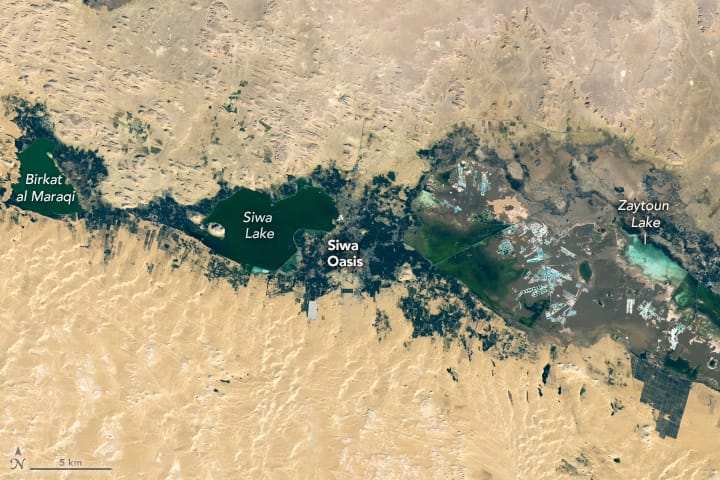
Siwa Oasis, nestled close to Egypt's western border, isn't just another spot on the map; it's practically a world unto itself. This remote haven is a vibrant tapestry woven with rich Berber heritage, a distinct Siwi language, and traditions fiercely held onto. Picture lush palm groves stretching as far as the eye can see, fed by countless freshwater springs, all cradling brilliant, blue salt lakes. Then, add in historical marvels like the Oracle Temple of Amun. It's this blend of raw natural beauty and a powerful, unique cultural identity that makes Siwa one of Egypt's most captivating and unforgettable destinations.

Historical Whisperings
The Oracle of Amun
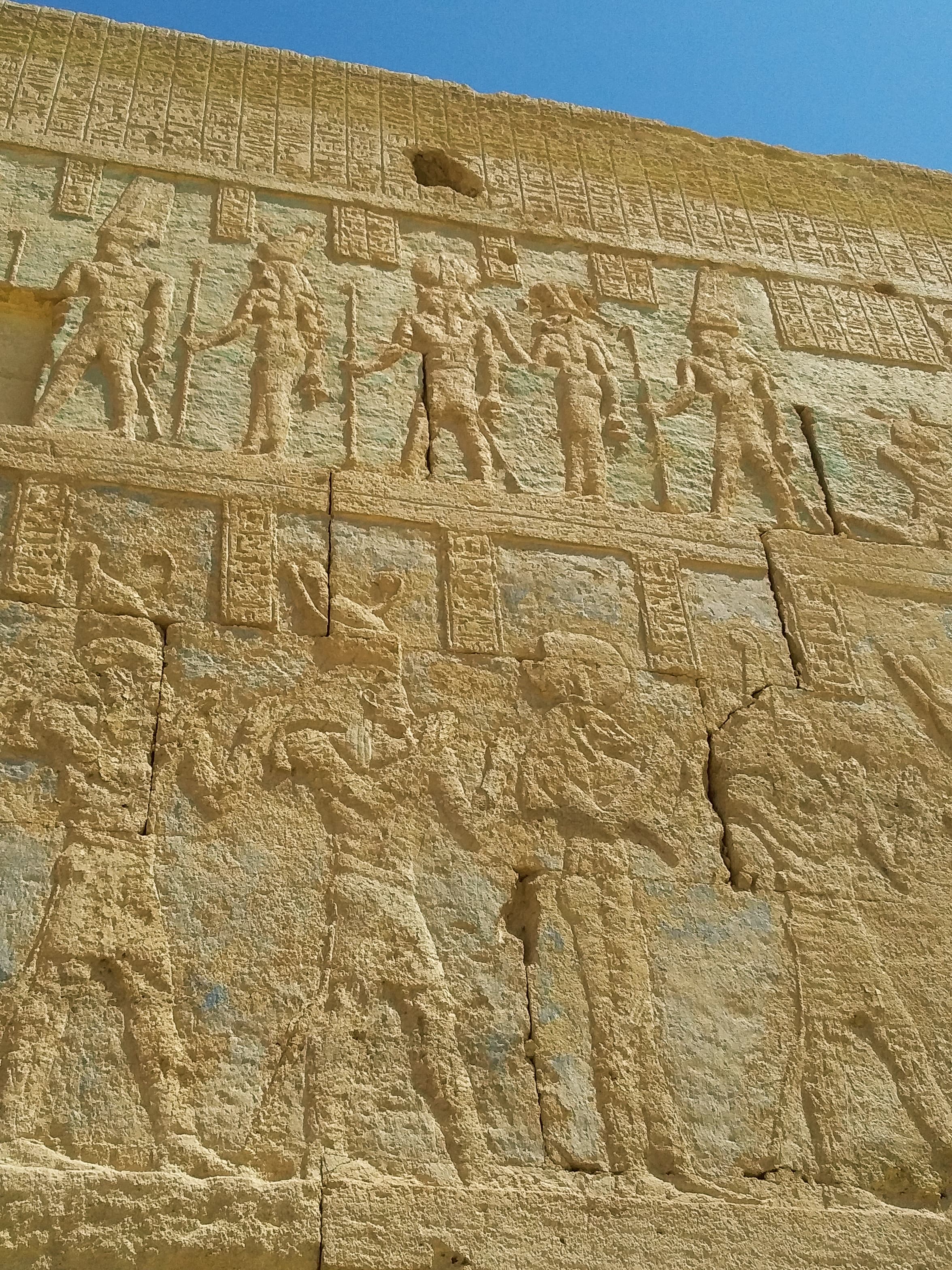
Siwa's Oracle Temple of Amun wasn't just famous in the ancient world; it was legendary. Considered one of the most vital oracular sites across the Mediterranean, it was where rulers, generals, and everyday folks flocked, seeking divine insight. Its reputation for wisdom was right up there with Delphi in Greece. The highlight, of course, was Alexander the Great's visit in 331 BC. After conquering Egypt, he made the arduous trek across the desert, specifically to consult this oracle. Legend has it (and ancient texts suggest) that the oracle confirmed his divine parentage – recognizing him as the son of Zeus-Amun – and, crucially, affirmed his right to rule Egypt as Pharaoh. This divine blessing wasn't just a nice-to-have; it was a cornerstone of Alexander's legitimacy and his image as a god-king. Now, exactly what questions Alexander asked, and what answers he truly received, remains a bit of a mystery, with historical accounts differing. But the political impact was crystal clear: Alexander emerged from Siwa with a religious stamp of approval that bolstered his claim to Egypt and cemented his broader divine status, fueling his imperial ambitions. You'll find this ancient site in Aghurmi village, about 4 km from Siwa town. It's partially ruined today, but its structural significance is profound. Give yourself about 45-60 minutes here to soak it all in.Ancient Siwa (Shali)
When you see the historic town of Shali, you're looking at Siwa's architectural crown jewel. It's built from 'kershef,' a local material literally made of salt, rock, and clay – truly unique! This fortified settlement, perched proudly on a rocky outcrop, dates back to the 13th century. Imagine an entire community living within its protective walls, in multi-story mud-brick buildings clustered so close, they almost breathed together. Its architecture is distinct: * 'Kershef' construction (that magical salt-rock-clay mix) * Buildings soaring 5-7 stories high * A labyrinth of narrow, winding streets * Robust defensive walls and gates * An integrated mosque, central to the community Today, Shali is largely in ruins; devastating rains in 1926 caused irreparable damage. But its silhouette still dominates the Siwan skyline. It's an incredible place to explore, offering panoramic views of the oasis from its hilltop. While modern Siwa has sprung up around it, the traditional architectural style still inspires contemporary building, often using the same sustainable local materials.
Natural Wonders
Cleopatra's Bath (Ein Guba)
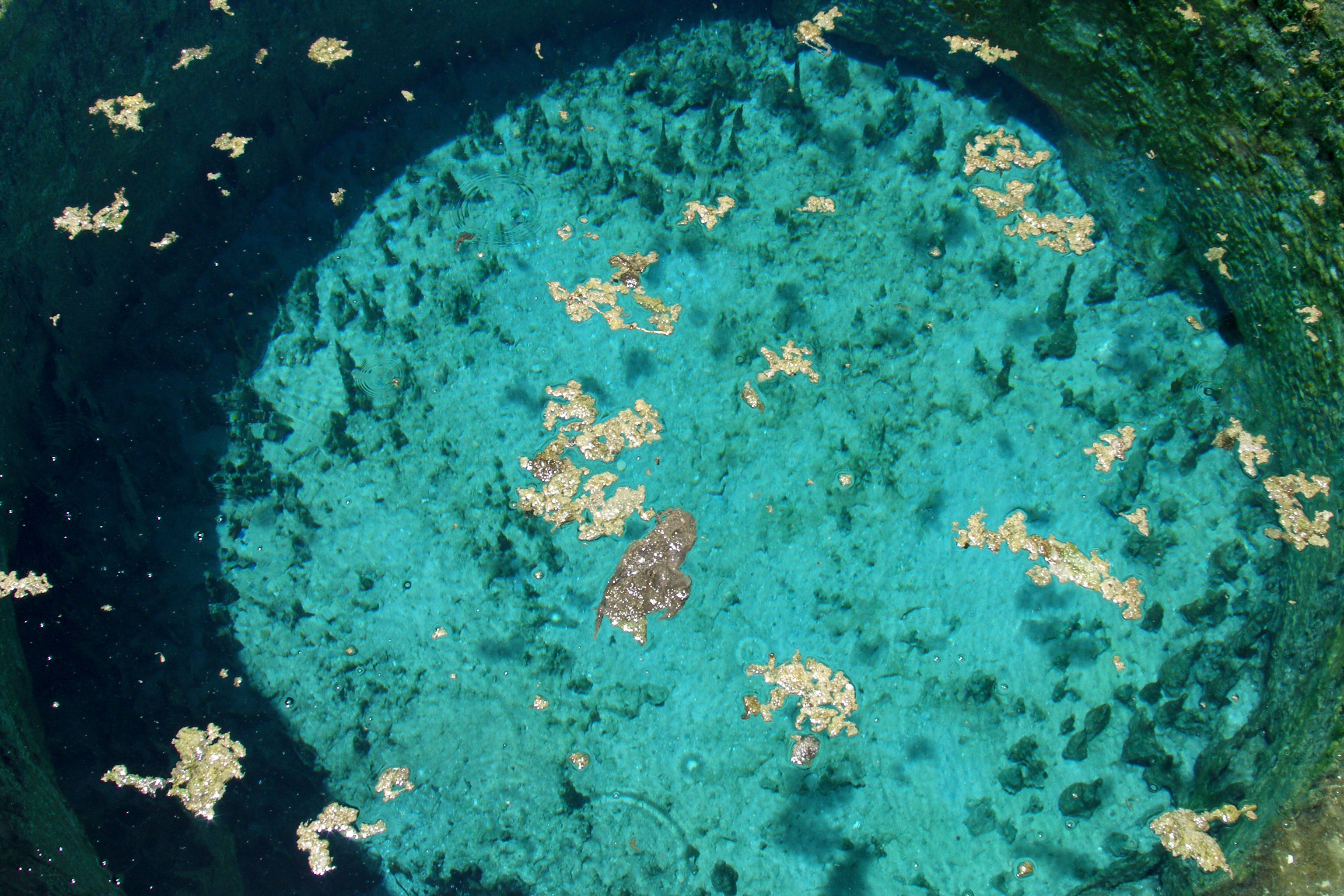
Don't let the name fool you; there's no real historical link to Cleopatra here, but this natural spring is still one of Siwa's most beloved swimming spots. It's a large, stone-lined pool, constantly fed by the pure spring water, maintaining a wonderfully comfortable temperature all year round. It's simply divine. What makes it so inviting? * Pure, natural freshwater spring * A beautifully constructed stone-lined pool * Consistently pleasant water temperature * Shaded by graceful palm trees * Convenient changing facilities nearby It's a truly relaxing experience to immerse yourself in the crystal-clear water. I'd suggest going in the early morning or late afternoon to avoid the midday crowds. There's usually a modest entry fee, around 20-40 EGP.Want to explore Siwa Oasis: A Traveler's Deep Dive into Egypt's Hidden Gem?
Let us design the perfect private itinerary for you. From expert local guides to seamless luxury cruises, we craft custom trips that show you the real Egypt.
Customize via WhatsAppSiwa's Salt Lakes
Siwa is famous for its numerous hypersaline lakes. We're talking such high salt concentrations that you'll float effortlessly, just like in the Dead Sea. The most popular of these, Birket Siwa, offers not only a unique floating sensation but also incredibly stunning sunset views. About the swimming experience: * You'll float without effort, thanks to the extreme salinity. * It's a natural exfoliation for your skin, rich in salt and minerals. * Locals even claim therapeutic benefits. * Absolutely no swimming skills required. Word to the wise: avoid getting the salty water in your eyes – it stings! And definitely shower afterward to wash off the salt residue. If you have any cuts or scrapes, they'll let you know about the salt. Birket Siwa and the lakes near Fatnas Island are the best spots. Late afternoon is the optimal time for a magical, sunset float.Fatnas Island (Fantasy Island)
Fatnas Island, also affectionately known as Fantasy Island, is a small, palm-covered slice of paradise. You can reach it via a narrow causeway. Head there for truly spectacular sunset views over the salt lake. It features a simple cafe, lovely palm groves, and an overall peaceful vibe – perfect for watching the sun dip below the horizon, painting the desert and water in dramatic hues. What to do there: * Witness legendary sunsets. * Take a dip in the adjacent salt lake. * Stroll through the gentle palm groves. * Indulge in some photography. * Grab refreshments at the cafe. Aim to arrive late afternoon, around 4:00-5:00 PM, to secure your spot for the sunset. You'll likely want to spend 1-2 hours here.The Great Sand Sea
Siwa sits right on the edge of the truly immense Great Sand Sea, an incredible expanse of sand dunes that stretches westward into Libya. These dunes can reach staggering heights of over 100 meters, creating a breathtaking desert landscape ripe for adventure. Adventure activities abound: * Thrilling 4x4 desert safaris. * Exhilarating sandboarding down massive dunes. * Unforgettable sunset and sunrise desert viewing. * Overnight desert camping for a truly immersive experience. * Endless photography opportunities. There are various tours available, from half-day trips to multi-day expeditions. Crucially, always go with experienced guides who have the proper safety equipment. This isn't a place you want to explore alone.
Cultural Immersion
Want to explore Siwa Oasis: A Traveler's Deep Dive into Egypt's Hidden Gem?
Let us design the perfect private itinerary for you. From expert local guides to seamless luxury cruises, we craft custom trips that show you the real Egypt.
Customize via WhatsAppSiwi Berber Culture
The people of Siwa are primarily descendants of Berber tribes who settled this oasis centuries ago. This is key: unlike the rest of Egypt, where Arabic language and culture are predominant, Siwa proudly maintains a distinct Berber identity. It's a special pocket of authenticity. Here are some unique cultural elements you'll encounter: * **Language:** Besides Arabic, the Siwi language (a Berber dialect) is widely spoken. * **Clothing:** You'll see beautiful traditional silver jewelry and intricately embroidered garments, often worn for special occasions. * **Social Structure:** Life here is guided by conservative traditional customs. * **Architecture:** Distinctive building styles, born from local materials and needs. * **Crafts:** A rich tradition of basketry, palm weaving, and exquisite silver jewelry making. * **Food:** Unique dishes that cleverly blend Berber and Egyptian culinary influences. Visiting respectfully is paramount: * **Dress modestly:** For both men and women, covering shoulders, arms, and legs is a sign of respect. * **Photography:** Always ask permission before photographing people. * **Privacy:** Respect local homes and privacy; don't enter uninvited. * **Greetings:** Learning a few basic Siwi greetings will be greatly appreciated. * **Support Local:** When shopping, make an effort to buy authentic crafts directly from local artisans.Traditional Crafts
Siwan artisans are dedicated to preserving traditional craft skills that have been passed down through generations. These aren't just souvenirs; they're pieces of history and culture. Look out for: * **Silver Jewelry:** Distinctive Siwi silver jewelry, often featuring symbolic designs, is especially cherished during weddings. * **Basket Weaving:** Intricate baskets woven from palm fronds, showcasing traditional patterns. * **Embroidery:** Traditional garments adorned with beautiful, detailed embroidered patterns. * **Olive Products:** Siwa's olives and olive oil are world-renowned. You'll find delicious olives, rich oil, and even olive oil soap. * **Date Products:** From the vast palm groves come an abundance of dates and sweet date syrup. When you're shopping, make sure you're supporting genuine local artisans. Sadly, some vendors might try to sell imported goods as 'Siwi crafts.' Ask questions, and look for authenticity.Siwan Houses and Eco-Lodges
If you're looking for a truly authentic stay, several eco-lodges in Siwa are built using traditional kershef and other sustainable local materials. These accommodations offer a unique experience while championing traditional building methods and the local economy. Some notable eco-lodges include: * **Adrere Amellal:** A luxury eco-lodge famous for operating without electricity, illuminated by candles alone – a truly magical experience. * **Taziry Ecolodge:** Blends traditional architecture with modern comfort. * **Siwa Shali Resort:** Cleverly incorporates parts of the old Shali ruins into its design. Staying in one of these means experiencing traditional-style architecture firsthand, savoring organic local food, and supporting sustainable tourism initiatives.
Practicalities for Your Visit
Getting to Siwa
It's a journey, but a rewarding one! **From Cairo:** * **By Bus:** The West Delta Bus Company runs daily services from Cairo's Turgoman Station. Expect a 10-11 hour journey, costing around 100 EGP. * **By Private Car:** The drive is about 560 km (8-9 hours) if you go via the Marsa Matruh coastal route. The best route generally takes you from Cairo → Alexandria → Marsa Matruh → Siwa. **From Alexandria:** * **By Bus:** Daily services are available, taking 7-8 hours and costing around 70 EGP. * **By Private Car:** A 450 km drive along the coastal road. **Travel Tips:** * Overnight buses are common, often departing in the evening and arriving in the morning. * Always bring plenty of food and water for the journey, as services are sparse on the desert road. * Book bus tickets in advance, especially during holidays or weekends.Getting Around Siwa
Siwa is wonderfully suited for slow exploration. * **Bicycles:** This is by far the most popular way to get around! The terrain is flat, and distances are short. * **Rental:** Expect to pay 30-50 EGP per day. You can find them at hotels and rental shops. * **Tuk-Tuks/Donkey Carts:** These are traditional local transport options for short trips within the town. Always negotiate prices beforehand. * **4x4 Vehicles:** Absolutely essential for any desert excursions. You'll need to hire one through your hotel or a local tour operator, and it will come with a driver/guide. Half-day to multi-day safaris are available. * **Walking:** Siwa town itself is very walkable, making it easy to explore on foot.Accommodation Options
Siwa offers a range of stays to suit different preferences and budgets. * **Budget ($10-30/night):** Look for simple guesthouses, often family-run, with basic facilities. * **Mid-Range ($30-80/night):** You'll find comfortable hotels offering air-conditioning, swimming pools, and restaurants. * **Eco-Lodges ($80-250+/night):** This includes unique places like Adrere Amellal (that candlelit luxury escape) and Taziry Ecolodge. They feature traditional architecture, often serve organic food, and provide truly unique experiences. * **Camping:** If you book a desert safari, overnight desert camping is often included.Food and Dining
Siwan cuisine is a delightful blend of local ingredients and inherited traditions. **Local Specialties to try:** * **Tagine:** A slow-cooked stew, often prepared in a traditional clay pot. * **Fresh Dates:** Directly from the famous Siwa palm groves – incredibly sweet and delicious. * **Siwa Olives and Olive Oil:** Considered among the world's best, you'll find them in abundance. * **Spring Chicken:** Often prepared with local spices. * **Fresh Vegetables:** Harvested directly from the fertile oasis farms. **Dining Options:** * Most hotels have restaurants. * There are charming local cafes. * Eco-lodges often offer fantastic farm-to-table dining. * Don't shy away from trying some local street food. **A quick note:** Siwa is a conservative oasis, so you won't find alcohol readily available.Best Time to Visit
Timing your visit is key to enjoying Siwa to the fullest. **Optimal Seasons:** * **October-November:** Temperatures are perfect (20-28°C), and it's harvest season, bringing with it lively festivities. * **March-April:** Pleasant spring weather, often with fewer tourists. * **December-February:** Days are cool (15-22°C), but nights can get quite cold (5-10°C). **Avoid:** * **June-August:** Extreme heat is common, often soaring to 40-45°C+. * **December-January (nights):** Can be very cold, approaching freezing temperatures. **Annual Events:** * **Siyaha Festival (October):** A truly wonderful traditional celebration featuring harvest festivities, music, and exciting camel races. Definitely try to time your visit with this if you can!Ready to turn this guide into reality?
Our local experts can create a custom itinerary based on these recommendations. Just send us a quick message!
Customize via WhatsApp