
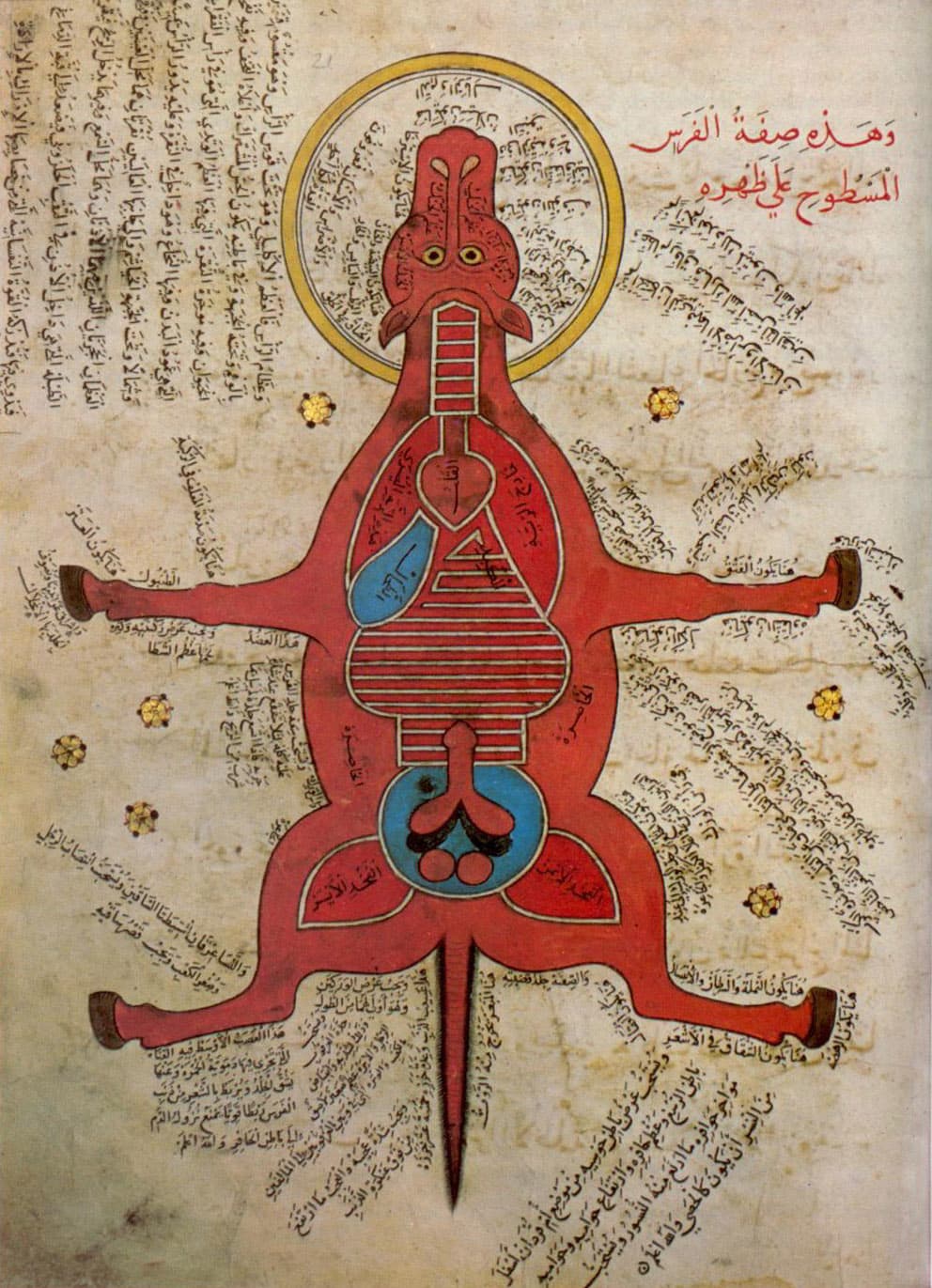

When you picture Egypt, do pyramids and pharaohs immediately pop into your head? Totally understandable. But here's a secret that's not really a secret once you've been: the 'Islamic Egypt' era, starting way back in the 7th century, is just as profound and visually stunning. It's truly one of the most compelling chapters in human history – a time of massive changes, powerful rulers, and cultural brilliance that shaped so much of what visitors experience today.
Think about it: the winding, atmospheric alleyways of Old Cairo, those magnificent mosques punctuating the skyline, and traditions that are still very much alive. This period transformed Egypt from a Byzantine province into a powerhouse of the Islamic world. For over nine centuries, one dynasty after another left behind incredible architecture, vibrant cultural practices, and institutions that are still thriving.
For those who love history, culture, or simply beautiful places, Islamic Egypt offers an unforgettable journey into a world blending deep spiritual roots, breathtaking artistry, and a truly rich heritage.
Consider this your insider's guide to how this remarkable era unfolded – who ruled, which cities rose, what monuments were built, and how those living traditions continue to shape modern Egypt.
The Dawn of Islamic Egypt (640 CE): A New Era Begins
The Muslim Conquest and the Fall of Byzantine Rule
Islamic Egypt began, quite dramatically, in 640 CE. That's when Amr ibn al-As led a relatively modest force of about 4,000 soldiers into the region. Byzantine Egypt was already on shaky ground, weakened by years of internal conflict and heavy taxation, plus the local Coptic Christian population was facing intense religious persecution. This created a fertile ground for change, almost an invitation.
After some decisive victories at towns like Pelusium, Bilbeis, and Heliopolis, the Muslim forces arrived at the mighty fortress of Babylon – not far from where Old Cairo stands today – and officially secured Egypt in 641. Alexandria, the old capital, briefly returned to Byzantine hands in 645, but Amr quickly recaptured it the following year, sealing the end of Byzantine control for good.
Fustat: The First Islamic Capital of Egypt
Instead of sticking with Alexandria for his capital, Amr ibn al-As made a bold move. He founded a new city called Fustat, right near the old fortress of Babylon. This new capital grew incredibly fast, built up around what is now the Mosque of Amr ibn al-As – which, by the way, was Africa's very first mosque and is still a huge historical landmark. Fustat quickly became a buzzing hub for trade, governance, and military operations.
Its layout really reflected the structure of early Islamic society, with distinct tribal quarters, bustling marketplaces, and clear administrative districts, all helping to carve out Egypt's new identity.
Pragmatic Governance & Cultural Harmony
Amr ibn al-As wasn't a radical. He largely kept the existing administrative system in place. Coptic officials largely stayed in their positions, and non-Muslims were treated fairly under a system of taxation. Slowly but surely, Arabic began to replace Greek as the official language. This early Islamic government focused on stability, cooperation, and a gradual cultural transformation – essential foundations that helped Islamic Egypt flourish for centuries.
Egypt Under the Umayyads & Abbasids: Shifting Powers, Lasting Change
Want to explore Islamic Egypt: A Journey Through Dynasties & Domes?
Let us design the perfect private itinerary for you. From expert local guides to seamless luxury cruises, we craft custom trips that show you the real Egypt.
Customize via WhatsAppUmayyad Governance (661–750 CE)
The Umayyads technically ruled Egypt, but they did so from distant Damascus, appointing governors to keep an eye on taxation and security. In 706 CE, Arabic was officially declared the language of administration, a clear sign of Egypt's deeper integration into the wider Islamic world. However, their often heavy taxation policies led to several Coptic revolts, showing the growing friction between local communities and the centralized authorities.
The Abbasid Era (750–868 CE): Reform & Centralization
When the Abbasids took over, they brought in Persian-inspired administrative reforms and put a big emphasis on Islamic law. Cairo wasn't yet the capital; Egypt was still governed by officials sent from Baghdad. By the 9th century, Caliph al-Mu‘tasim tightened control even further, directing all of Egypt's revenue straight to Baghdad and replacing Arab soldiers with loyal Turkish troops.
These decisions gradually eroded local autonomy and really paved the way for Egypt's future independent rulers.
The Rise of Autonomous Dynasties: Egypt Finds Its Own Voice
The Tulunids (868–905 CE): Prosperity & Independence
Ahmad ibn Tulun initially arrived as just another governor but quickly declared Egypt's autonomy. He wasn't content being a mere proxy ruler. He went on to build:
- A brand new capital city, al-Qata’i
- The truly spectacular Mosque of Ibn Tulun
- A powerful, independent local army
- Economic systems that significantly boosted Egypt's wealth
The Tulunid period is significant because it marked Egypt's first strong, independent political identity since ancient times.
Want to explore Islamic Egypt: A Journey Through Dynasties & Domes?
Let us design the perfect private itinerary for you. From expert local guides to seamless luxury cruises, we craft custom trips that show you the real Egypt.
Customize via WhatsAppThe Ikhshidids (935–969 CE): Stability & Leadership
After a brief return to Abbasid control, Egypt once again found a measure of semi-independence under the Ikhshidids. The truly remarkable figure of this era was Kafur, a former slave who was born in Ethiopia. He rose to become the de facto ruler of Egypt. His strong leadership brought stability, ensured economic continuity, and successfully defended against external threats, holding things together until a new power emerged.

The Fatimid Caliphate (969–1171): The Birth of Cairo & A Cultural Golden Age
Cairo: A New Capital for a New Empire
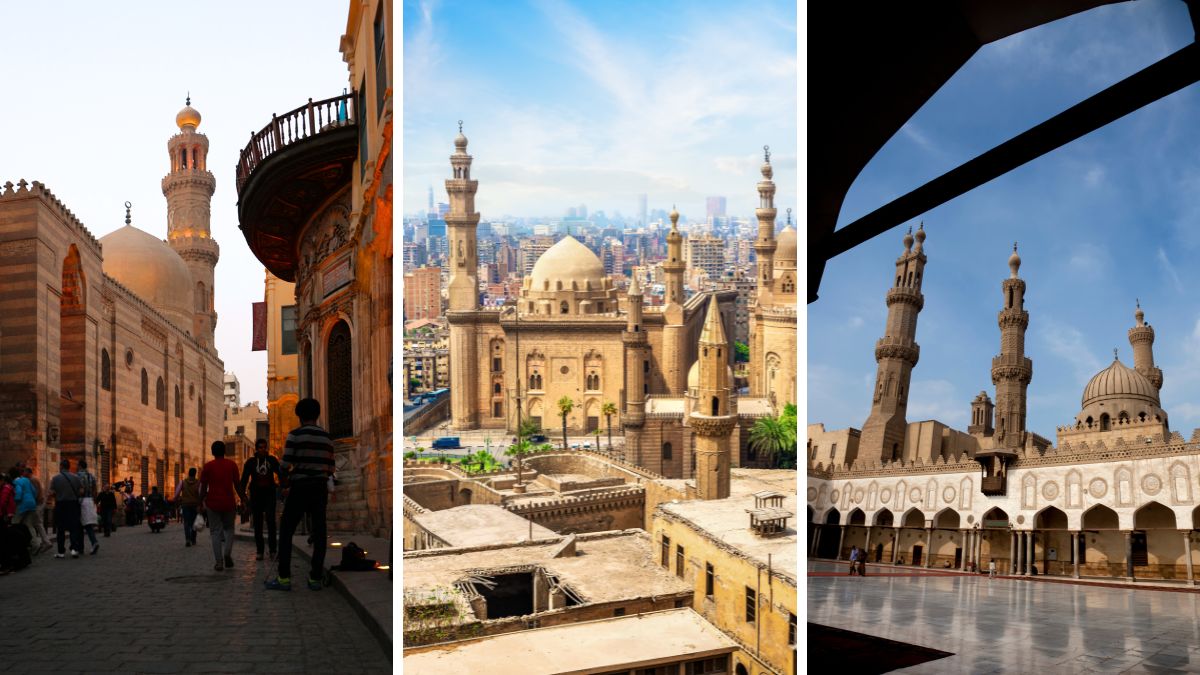
The Fatimids, a powerful Ismaili Shia dynasty, swept into Egypt in 969 CE. They didn't just conquer; they founded a legendary city: al-Qahira – 'The Victorious' – which we know today as Cairo. They immediately started building grand palaces, bustling markets, and, crucially, the now-iconic Al-Azhar Mosque. This mosque would later grow into the world’s leading center of Sunni Islamic learning, despite its Shia origins.
A Flourishing Age of Tolerance & Culture
The Fatimid period is largely remembered as a true golden age. Why? Because of:
- Their remarkable religious tolerance towards Sunnis, Copts, and Jews
- Groundbreaking scientific, artistic, and architectural advances
- Thriving trade routes that connected Africa, Asia, and Europe, making Egypt incredibly prosperous
Even today, when you wander through Cairo’s oldest districts, you'll see Fatimid architecture everywhere – those narrow, winding alleys, ancient gates, and beautifully decorated façades. They keep this vibrant era vividly alive.
The Ayyubid Dynasty (1171–1250): Saladin & the Rise of Sunni Egypt
Saladin’s Leadership
Then came Salah ad-Din, better known as Saladin. He decisively ended the Fatimid caliphate and firmly reestablished Sunni rule in Egypt. His legacy is immense and includes:
- Building the majestic Cairo Citadel, which still stands as a timeless symbol of strength and strategic brilliance
- Unifying diverse Muslim territories to effectively counter the Crusader threat
- Championing and promoting Sunni theological education, shifting the religious landscape
The Ayyubid era undeniably strengthened Egypt’s military might and solidified its religious identity.
The Mamluk Sultanate (1250–1517): Power, Glory & Monumental Architecture
From Slave Soldiers to Sultans
In a fascinating turn of events, the Mamluks – originally military slaves of Turkic and Circassian origin – seized power and established one of the most successful and enduring regimes in medieval history. Their long rule is usually broken into two major dynasties:
- The Bahri dynasty (1250–1382)
- The Burji dynasty (1382–1517)
Military Success & Cultural Achievements
The Mamluks were not just rulers; they were saviors. They famously halted the seemingly unstoppable Mongol advance at the Battle of Ain Jalut in 1260 and eventually expelled the last Crusaders from the Levant. But their prowess wasn't just military; they were also master builders. Cairo’s skyline absolutely blossomed under their rule, filled with stunning mosques, madrasas (schools), and grand mausoleums. Think of masterpieces like:
- The awe-inspiring Sultan Hassan Mosque
- The beautiful Al-Nasir Muhammad Mosque
- The intricate Barquq Complex
These structures aren't just old buildings; they remain some of the most breathtaking examples of Islamic architecture anywhere in the world.
Decline & Ottoman Conquest
Eventually, even the mighty Mamluks faced challenges. Recurring plague outbreaks, economic downturns, and a failure to modernize their military gradually weakened their grip. In 1517, the Ottoman Empire delivered the final blow, ushering Egypt into a completely new imperial chapter.
Ottoman Egypt (1517–1914): A Blend of Cultures
Under Ottoman rule, Egypt became a central, vital province of a vast empire. This brought new artistic, architectural, and administrative influences. Cairo continued its role as a vibrant cultural mosaic, beautifully blending Ottoman elegance with the deep Mamluk foundations and existing local traditions. You can still see and feel elements of this Ottoman legacy in Egyptian cuisine, music, and the very design of its older urban areas today.
Landmarks of Islamic Egypt Every Traveler Should See
Look, Islamic Egypt isn't just 'history' – it's alive, vibrant, and packed with world-class attractions perfect for any cultural traveler or history buff. Here are some key highlights that you absolutely shouldn't miss:
1- Al-Azhar Mosque & University: Founded in 970 CE, this isn't just a mosque; it's practically a living legend, still the most influential institution in Sunni Islamic learning globally.
2- Mosque of Amr ibn al-As: You're standing at the very beginning here; this was the first mosque ever built in Africa and truly the birthplace of Islamic Egypt.
3- Ibn Tulun Mosque: This is a breathtaking architectural masterpiece, a monumental achievement from Egypt’s first autonomous dynasty. The scale is incredible.
4- Sultan Hassan Mosque: Talk about grandeur! This is an architectural marvel from the Mamluk age, majestic and imposing.
5- The Cairo Citadel: Saladin’s formidable fortress, literally watching over the city, holds centuries of stories within its walls.

Islamic Art & Architecture: Beauty in Every Detail
When you look at Islamic art in Egypt, you'll quickly notice some incredibly consistent themes:
- Intricate geometric designs that feel both complex and harmonious
- Elegant Arabic calligraphy, often turning text into breathtaking art
- Subtle and elaborate floral motifs
- An almost obsessive precision in craftsmanship
Whether carved into wood, stone, or plaster, these elements don't just decorate; they reflect the deep spiritual and artistic depth of Islamic civilization.
And the architecture? It speaks volumes. Egypt’s architectural heritage from this period features:
- Grand, soaring domes that inspire awe
- Towering minarets that reach towards the sky
- Cool, open courtyards providing serene escapes
- Richly ornamental façades that tell stories
These design choices weren't accidental; they profoundly shaped the identity of Islamic Egypt and continue to inspire architects even today.
Islamic Attractions in Egypt: A Journey Through Living History
Beyond the grand historical mosques and towering medieval monuments, Islamic Egypt offers a treasure trove of attractions that truly highlight the country’s spiritual heritage, artistic traditions, and incredible cultural diversity. So many of these gems are nestled right in the heart of Historic Cairo – a UNESCO World Heritage Site, by the way – famed for its unbelievable concentration of Islamic architecture.
Visitors can easily lose themselves on Al-Muizz Street, one of Cairo's oldest thoroughfares. It's truly an open-air museum filled with Fatimid and Mamluk treasures. Imagine walking past mosques, sabils (public fountains), palaces, and intricately carved façades – it’s a vivid, living glimpse into centuries of daily life under Islamic rule.
Just nearby, the famous Khan el-Khalili Bazaar pulls you into a whole other world with traditional crafts, shimmering lanterns, brass workshops, and the intoxicating smell of spices. It’s easily one of Egypt's most vibrant cultural hubs; you can almost hear the echoes of medieval trade routes.
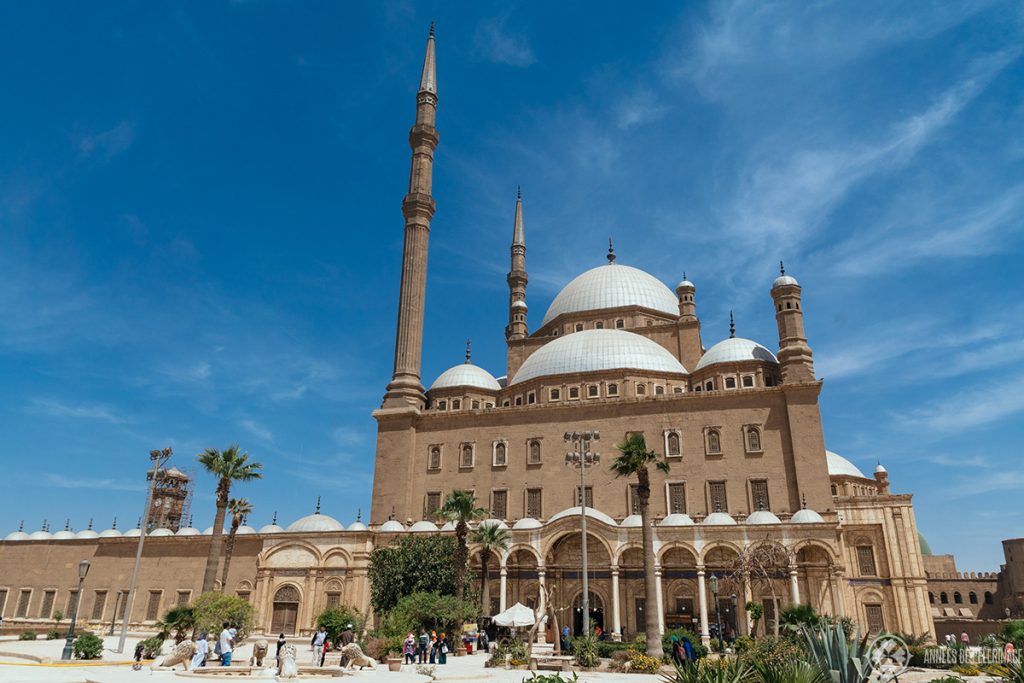
Another absolute must-see is the Citadel of Saladin, home to the magnificent Mosque of Muhammad Ali. Its iconic domes and Ottoman-era design dominate Cairo’s skyline, offering truly panoramic views across the sprawling city.
And for those seeking a deeper spiritual connection, you can also explore the Al-Hussein Mosque, the Sayyida Zainab Mosque, and the Sayyida Nafisa Mosque, each holding profound significance for Egyptian Muslims and acting as vital community centers for worship, learning, and celebration. All these attractions, together, paint a vivid picture of the heart of Islamic Egypt – an enduring legacy woven with devotion, incredible architecture, rich culture, and the pulse of everyday life.
Ready to turn this guide into reality?
Our local experts can create a custom itinerary based on these recommendations. Just send us a quick message!
Customize via WhatsApp