
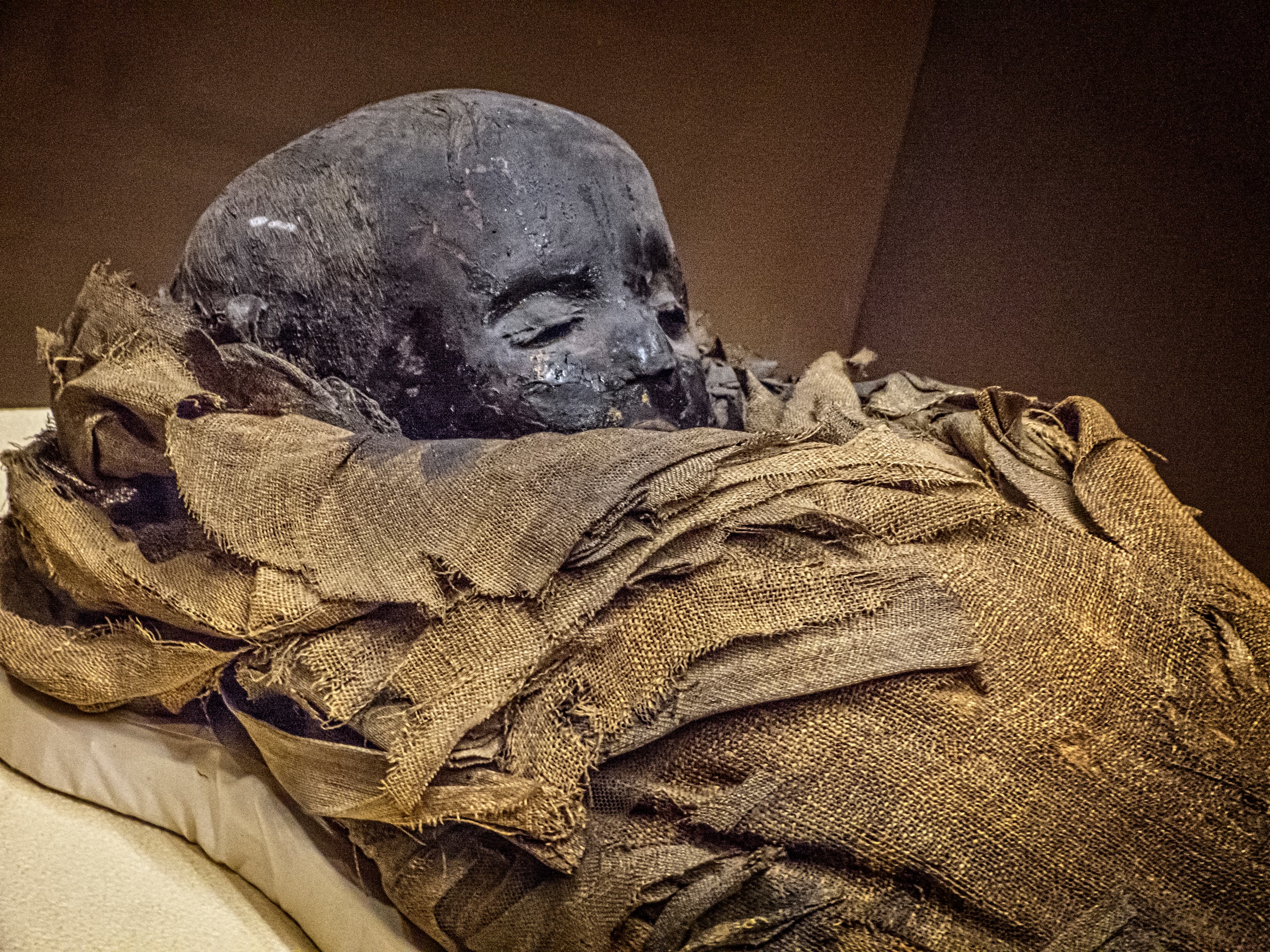

The Ancient Egyptian Empire, after centuries of glory, gradually faded after its New Kingdom peak. From the 11th century BC to the 4th century BC, various foreign powers and even native dynasties battled for control of the Nile Valley, constantly reshuffling the deck.
Now, before we jump into the details, let's clear up some common ideas about this period.
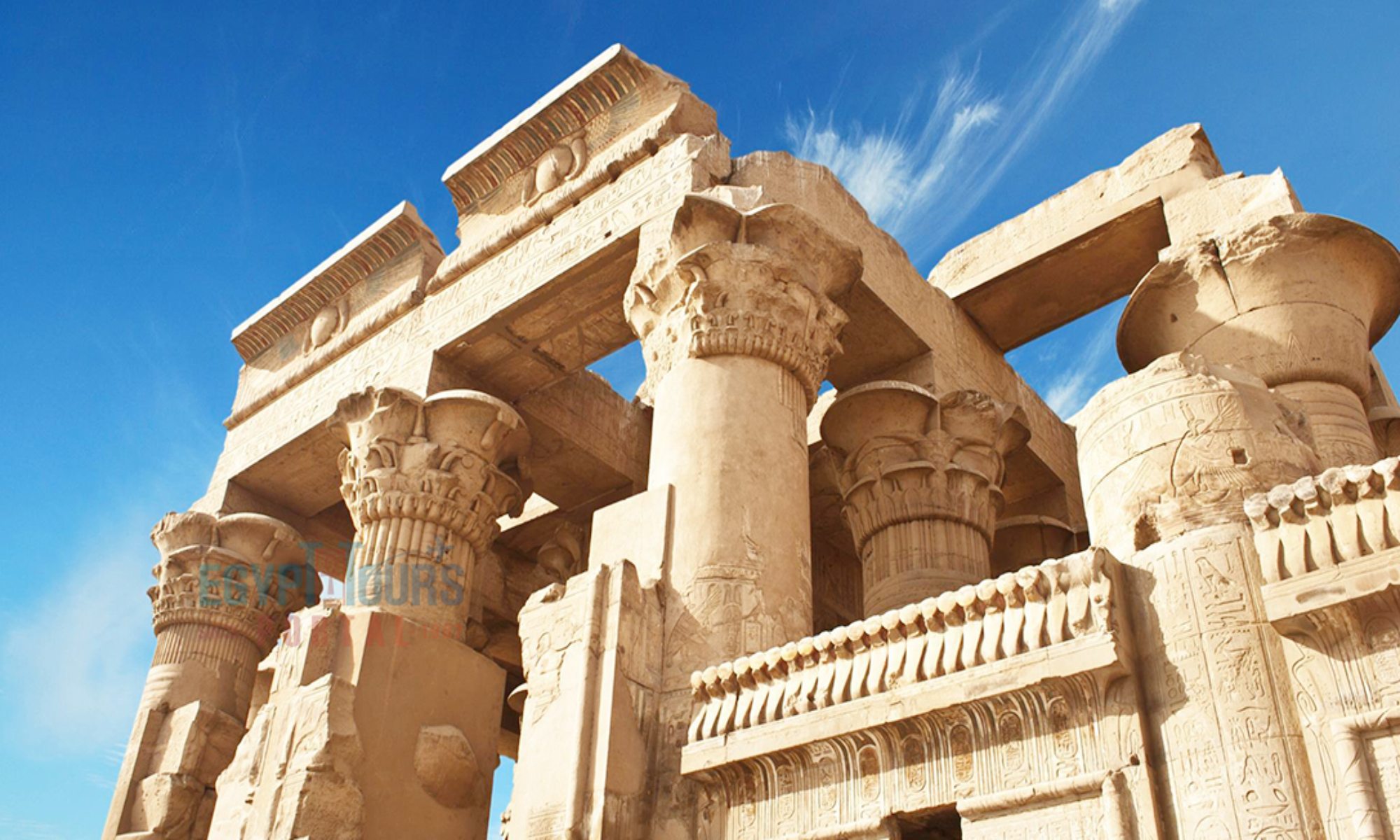


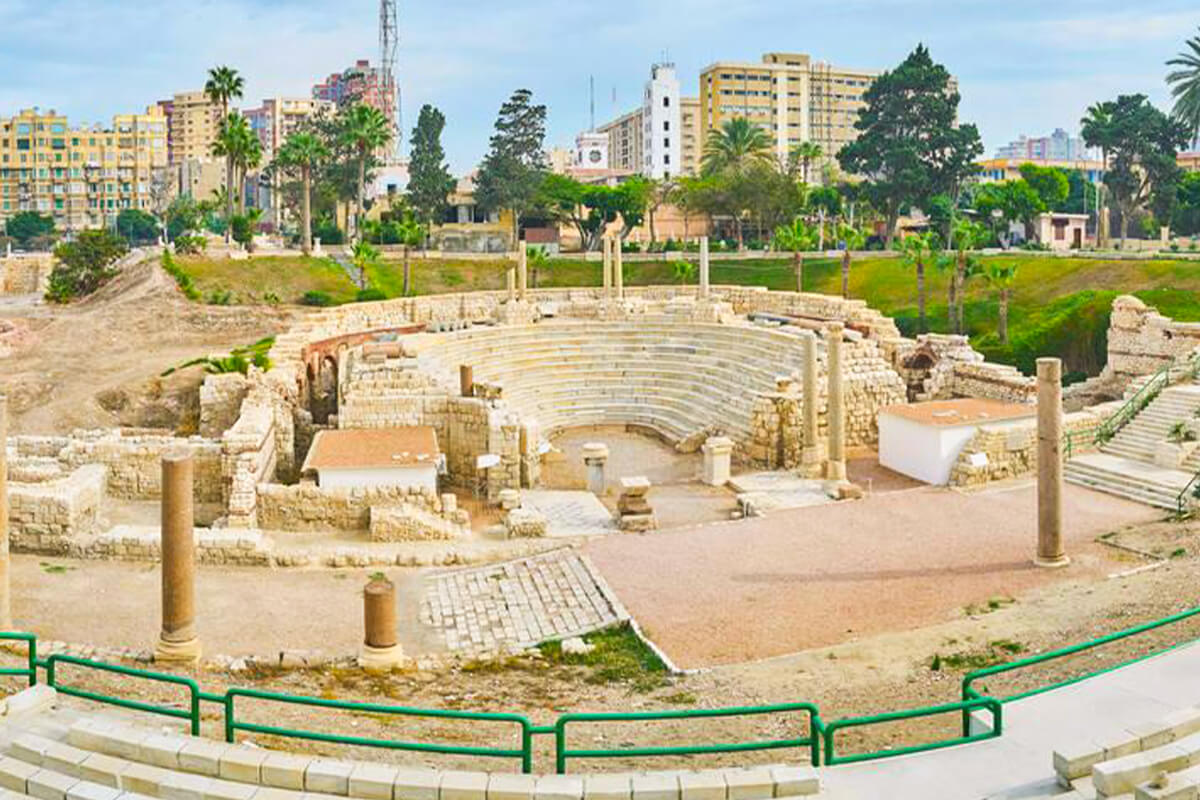 The Greco-Roman Period in Egypt truly stands as one of the most dynamic, transformative eras in its history. With centuries of intense cultural exchange, significant scientific leaps, stunning architectural innovations, and powerful rulers, this period left behind landmarks that are absolutely essential to Egypt's travel experience today. For modern travelers like you, exploring these Greco-Roman sites isn't just a trip; it's a journey through a world where ancient Egyptian heritage met Greek artistry and Roman power, creating a civilization that continues to captivate everyone who visits. Come, reveal the stories of Cleopatra, powerful Roman emperors, and ancient desert fortresses with our Egypt tours that perfectly trace this incredible evolution of culture and power.
What exactly is Greco-Roman culture?
It's a vibrant mashup, really. Think of it as a creative blend of Greek and Roman traditions, art, and beliefs, forming something new yet distinctly influenced by both. It's not just mythology; it's a whole cultural identity.When was this period, precisely?
We're talking about 'Classical Antiquity' here, a sprawling stretch from the 8th century BC right up to the 5th or 6th century AD. It's a massive chunk of history.And where was this Greco-Roman world centered?
It was primarily centered around the Mediterranean Sea, stretching north to the Rhine and Danube rivers, west to the Atlantic, and south into the deserts. Egypt, as you'll see, became a pivotal part of this vast interconnected sphere.
The Story Begins: Historical Background
Egypt's Greco-Roman chapter truly kicked off when Alexander the Great marched in, pretty much unopposed, in 332 BCE. The Egyptians, weary of Persian rule, welcomed him as a genuine liberator. After Alexander's early death in 323 BCE, his general, Ptolemy I Soter, cleverly seized control and founded the Ptolemaic Dynasty. These folks held the reins for almost 300 years. Under the Ptolemies, things really started to change:- Alexandria wasn't just a city; it became the new capital of Egypt, a true powerhouse.
- The legendary Library of Alexandria came to life, a beacon of knowledge.
- The Pharos Lighthouse, one of the Seven Wonders, stood proudly, guiding ships.
- Greek became the language of power, used in administration and culture.
- Interestingly, Egyptian traditions and faith didn't just vanish; they coexisted, blending with Hellenistic ideas.
Everyday Life: Society and Culture
Life during the Greco-Roman period was a vibrant, cultural mosaic. Egyptians continued their age-old traditions but were also adapting to the new Greek and Roman influences all around them.Want to explore The Greco-Roman Period in Egypt: A Timeless Blend of Cultures?
Let us design the perfect private itinerary for you. From expert local guides to seamless luxury cruises, we craft custom trips that show you the real Egypt.
Customize via WhatsAppLanguages Spoken
- Greek was the official language of administration, the one you needed for business and government.
- But Egyptian, specifically Demotic, was still widely spoken by the local population.
- Later, under Roman rule, Coptic — an evolution of the Egyptian language written with Greek characters — began to emerge.
Who Made up the Population?
Egyptian society was a melting pot:- Of course, native Egyptians formed the bedrock.
- Then there were the Greeks, who flocked to Alexandria and other major cities.
- Roman officials and merchants soon joined them, bringing their own customs.
- And you had communities from all over the Mediterranean and Near East, making it a genuinely cosmopolitan place.
Gods and Beliefs: A Spiritual Evolution
Religion underwent some truly fascinating shifts during this era. It wasn't about one faith replacing another but more about merging and adapting.Syncretic Gods
Greek and Egyptian deities often fused, creating new, hybrid forms that resonated with both cultures:- Serapis was a big one—a potent mix of Osiris, Apis, and some Greek gods, becoming a widely revered figure.
- Hermanubis brought Anubis and Hermes together, bridging the underworlds.
- And the cult of Isis? It exploded, spreading her worship right across the Mediterranean.
Want to explore The Greco-Roman Period in Egypt: A Timeless Blend of Cultures?
Let us design the perfect private itinerary for you. From expert local guides to seamless luxury cruises, we craft custom trips that show you the real Egypt.
Customize via WhatsAppThe Rise of Christianity
By the time the Romans were firmly in charge, something else was quietly stirring: Christianity. It began to spread across Egypt, with Alexandria quickly becoming a major center for early Christian thought and theology.
Art and Engineering: Architecture and Artistic Expression
This period wasn't shy about introducing new artistic styles, but it always did so while respecting and often integrating ancient Egyptian traditions.Architectural Feats
- Expect to see massive stone temples, often featuring those iconic Greek-style columns.
- The Romans, being Romans, built their theatres, public baths, and elegant villas.
- Tombs became elaborate spaces, decorated with a seamless blend of Egyptian and Greek motifs.
- And then there were the Fayoum mummy portraits—stunningly realistic portraits that are among the best-preserved from the ancient world.
Major Artistic Achievements
- Those realistic funerary paintings are a highlight.
- Exquisite marble statues of rulers and gods.
- And let's not forget the advanced engineering evident in city planning, bustling ports, and clever irrigation systems that allowed this fertile land to thrive.
The Players: Major Rulers
Alexander the Great (332–323 BCE)
His arrival wasn't just a conquest; it was the start of Hellenistic Egypt, a whole new chapter.Ptolemy I Soter
The visionary founder of the Ptolemaic Dynasty, he's the one who truly transformed Alexandria into a global hub of knowledge.Ptolemy II Philadelphus
He supercharged the Library of Alexandria, expanding its collections and driving major building projects across the land.Ptolemy III and IV
These rulers focused on strengthening Egypt's economy and military, trying to maintain its power and influence.Cleopatra VII (51–30 BCE)
Ah, Cleopatra! Known for her sharp political mind, her famous alliances with Julius Caesar and Mark Antony, and her passionate fight to keep Egypt independent. What a story!Roman Emperors
After Cleopatra, Roman emperors called the shots, ruling Egypt through appointed prefects. Guys like Augustus, Hadrian, and Trajan left their mark, contributing to temple expansions and civic architecture that you can still see today.Wealth and Connectivity: Economy and Trade
Egypt's Greco-Roman economy was absolutely booming, fueled by a few key factors:- Agriculture was king, especially vast wheat production. Egypt was the granary of the ancient world.
- Trade routes crisscrossed the Mediterranean, with goods flowing in and out.
- Alexandria's strategic position made it an unparalleled commercial hub, a real gateway to the world.
A Lasting Impression: Cultural Influence and Legacy
Honestly, the Greco-Roman era left a footprint that shaped Egyptian history for centuries to come. It wasn't just a fleeting moment; it was a transformation. Its key legacies echo even today:- Alexandria's enduring fame as an intellectual and cultural capital.
- The wide dissemination of Hellenistic philosophy and scientific knowledge.
- The striking artistic innovations, especially those mesmerizing Fayoum portraits.
- Unique architectural styles, a beautiful fusion of Greek, Roman, and Egyptian forms.
- The profound shift in religious practices with the emergence of Christianity.
Must-See Sites from the Greco-Roman Period
For those of us exploring Egypt now, there are still remarkable sites that offer a direct, tangible connection to this fascinating blend of cultures. These aren't just ruins; they're living stories.Alexandria
The city founded by Alexander himself remains the beating heart of Greco-Roman heritage. If you're heading there, make sure to see:- The Roman Amphitheatre: Egypt's only Roman theatre, complete with marble seats and intricate mosaic floors. It's quite a sight!
- The Catacombs of Kom El Shoqafa: A truly unique place where Egyptian, Greek, and Roman funerary art merge in a spooky, beautiful way.
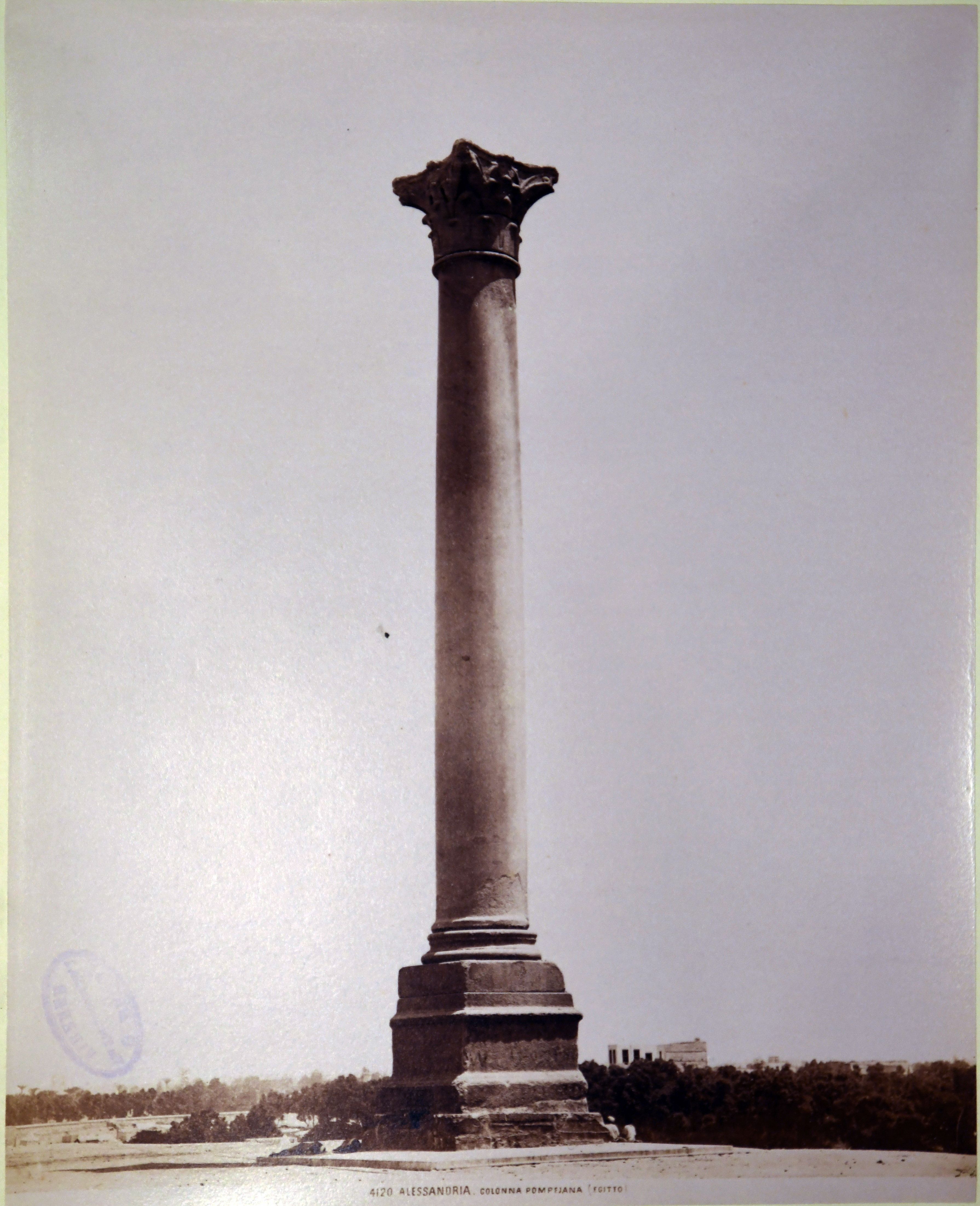
- The Serapeum and Pompey's Pillar: This massive column is one of Alexandria's most iconic landmarks, a lone sentinel from a bygone era.
- The Bibliotheca Alexandrina: A modern architectural marvel, paying homage to the ancient Library.
Fayoum
Head to Fayoum, and you'll find the region famous for those extraordinary mummy portraits—real masterpieces of Greco-Roman art, often discovered in the ancient necropolises here.Siwa Oasis
This remote oasis holds a special story: Alexander visited the Oracle of Siwa and was declared the son of Amun, a pivotal moment in his reign that solidified his power.Western Desert
Don't overlook the Dakhla and Kharga Oases. They're dotted with Roman forts, temples, ancient houses, and even some of the earliest Christian sites, hidden gems waiting to be discovered.
The Greco-Roman Period in Egypt truly stands as one of the most dynamic, transformative eras in its history. With centuries of intense cultural exchange, significant scientific leaps, stunning architectural innovations, and powerful rulers, this period left behind landmarks that are absolutely essential to Egypt's travel experience today. For modern travelers like you, exploring these Greco-Roman sites isn't just a trip; it's a journey through a world where ancient Egyptian heritage met Greek artistry and Roman power, creating a civilization that continues to captivate everyone who visits. Come, reveal the stories of Cleopatra, powerful Roman emperors, and ancient desert fortresses with our Egypt tours that perfectly trace this incredible evolution of culture and power.Ready to turn this guide into reality?
Our local experts can create a custom itinerary based on these recommendations. Just send us a quick message!
Customize via WhatsApp