


Egypt's story isn't just about pharaohs and pyramids; it's also deeply woven with the rich tapestry of the Mamluk era and subsequent Ottoman rule. As a traveler hitting Cairo, Alexandria, or sailing down the Nile, truly 'getting' these chapters of Egyptian history adds such incredible depth to every ancient mosque, every bustling madrasa, and every lively marketplace you'll encounter. This guide? It's my friendly, no-nonsense take on the Mamluks and Ottomans in Egypt, designed to help you appreciate the enduring architectural, cultural, and political threads visible throughout modern-day Egypt.
 The Mamluk and Ottoman periods? They're not just dusty old history chapters. They literally shaped the streets, the art, and the very cultural heartbeat of the Egypt you'll see today. Understanding these stories, even just a little, truly elevates every visit to Cairo's landmarks, whether you're marveling at intricate Mamluk stonework or gazing up at elegant Ottoman domes cutting through the city's skyline. For anyone curious about Ottoman history, Islamic architecture, or how the Mamluks played such a pivotal role in Egypt, exploring these incredible sites on one of our Egypt tours offers an unmatched way to connect with the country's profound past. Don't just see Egypt; *feel* its history.
Why These Eras Still Resonate Today
These two periods together stitched almost seven centuries of history, from the mid-13th century right up to the late 19th. Imagine that! During this time, Egypt wasn't just a place; it was a vibrant center of learning, military might, booming trade, and stunning artistic innovation. Many of the Islamic monuments we flock to today – from Cairo's soaring minarets to the sprawling urban complexes in what we now call Medieval Cairo – were built under Mamluk or Ottoman patronage. When you're wandering through Old Cairo, Islamic Cairo, or those serene Nile cities, knowing the stories behind these eras changes everything. It's not just sightseeing; it's like a journey back in time, stripping back the layers of Egyptian history.
The Mamluk Era in Egypt (1250–1517)
Who Exactly Were the Mamluks?
The word 'Mamluk' itself means 'owned' or 'possessed.' It originally referred to enslaved soldiers, typically brought from Central Asia, the Caucasus, and Eastern Europe. But here's the twist: these elite warriors didn't stay enslaved. They rose. They rose to incredible power, eventually carving out their own independent rule over Egypt and Syria. Their system was pretty unique – leadership wasn't about who your father was, but about military merit. That created a dynamic, fiercely disciplined ruling class, ready for anything.The Rise of the Mamluk Sultanate
Fast forward to 1250. The Ayyubid dynasty collapses, and boom – the Mamluks step in, establishing their own sultanate in Egypt. A decade later, in 1260, they pulled off something truly monumental: beating back the Mongols at the Battle of Ain Jalut. That victory didn't just cement their rule; it pretty much saved the region from Mongol expansion. No wonder it's such a celebrated moment in Mamluk history.Mamluk Society and Governance
The Mamluk state was a military-based structure where an elite few controlled everything – land, markets, administration. Cairo became the undisputed political heart, while Alexandria flourished as a bustling port, linking the Mediterranean to the Red Sea and the Indian Ocean. Here's what made Mamluk governance tick: * A system built entirely on military might. * They were big on Islamic education and supporting scholars. * Tight control over those lucrative trade routes. * A golden age for arts and architecture.Want to explore Mamluks and Ottomans in Egypt: Uncovering Their Enduring Legacy?
Let us design the perfect private itinerary for you. From expert local guides to seamless luxury cruises, we craft custom trips that show you the real Egypt.
Customize via WhatsAppArt and Architecture: A Golden Age
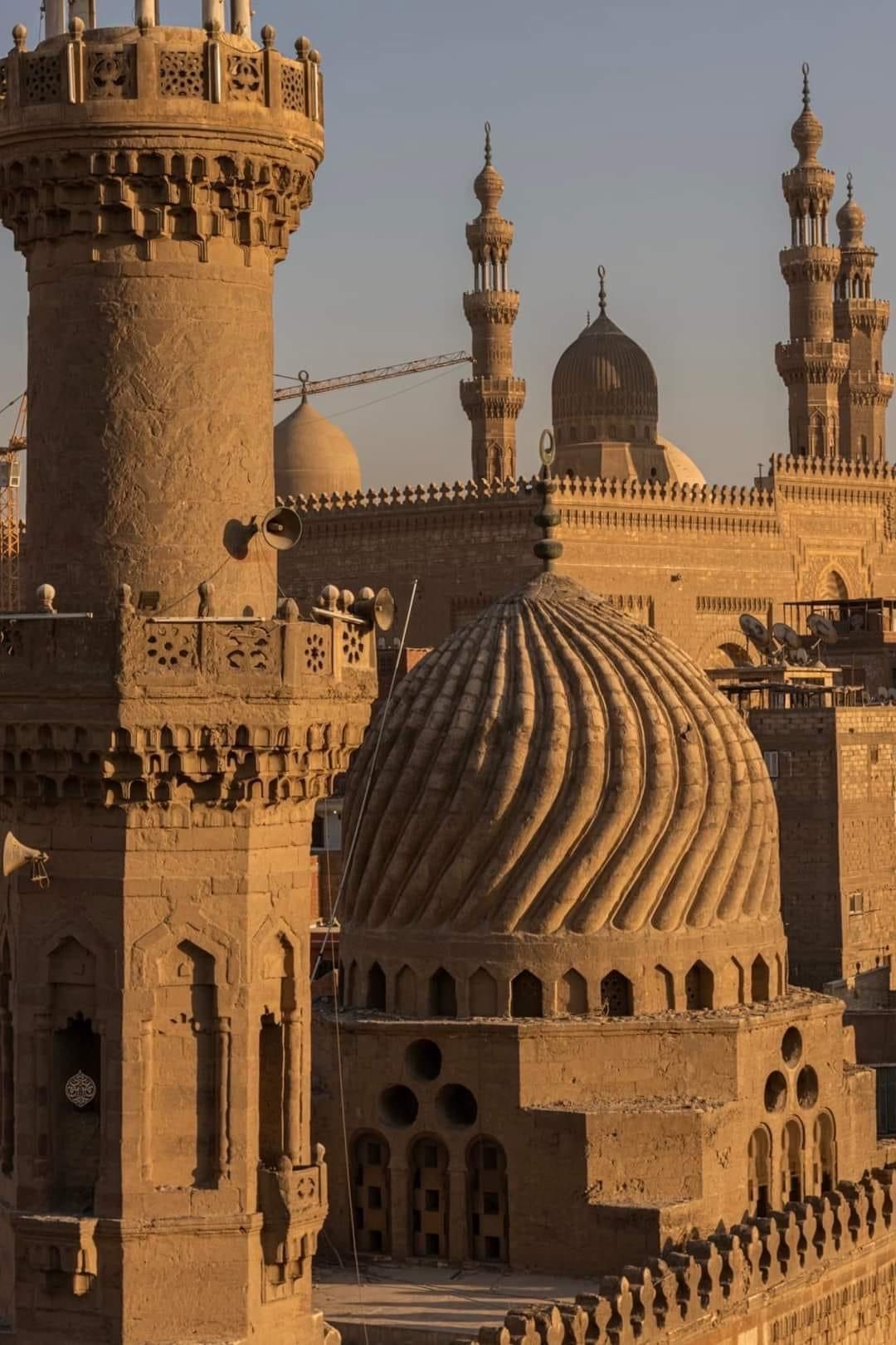
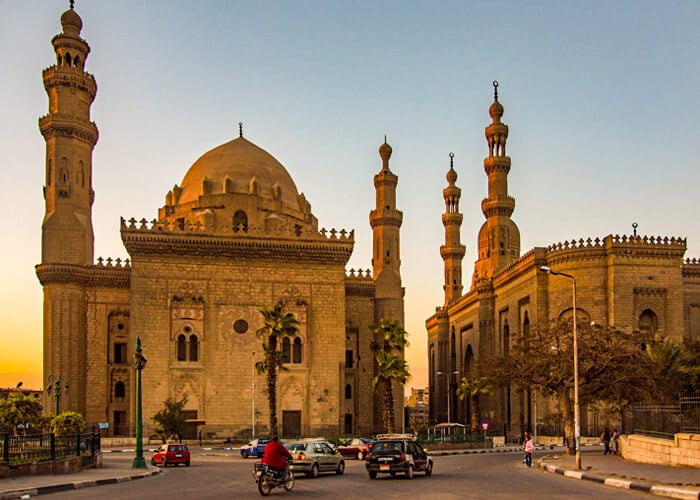
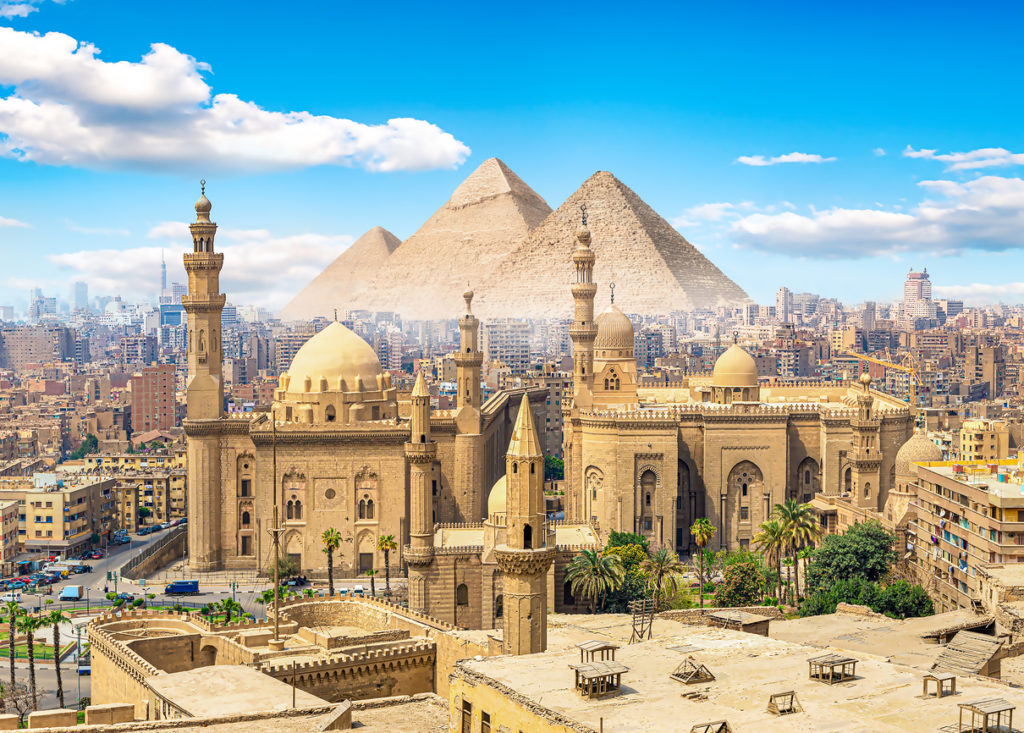
Stroll through Old Cairo today, and you'll see Mamluk fingerprints everywhere. Their architectural style is just stunning: intricate geometric stonework, those impossibly tall minarets reaching for the sky, graceful domes, and interiors that are just dripping with rich decoration. Don't miss these Mamluk masterpieces in Cairo: 1. **Sultan Hassan Mosque & Madrasa**: Seriously, this is one of the most breathtaking Islamic monuments anywhere. 2. **Al-Nasir Muhammad Mosque**: Tucked within the Citadel, it's a beauty. 3. **Qalawun Complex**: On Al-Muizz Street, it's an amazing combination of hospital, madrasa, and mausoleum. 4. **Barquq Mosque and Madrasa**: A true architectural gem from the later Mamluk period. For any traveler, these spots aren't just old buildings; they're a masterclass in Islamic design, with craftsmanship that's genuinely hard to find in later centuries.Trade, Culture, and Daily Life
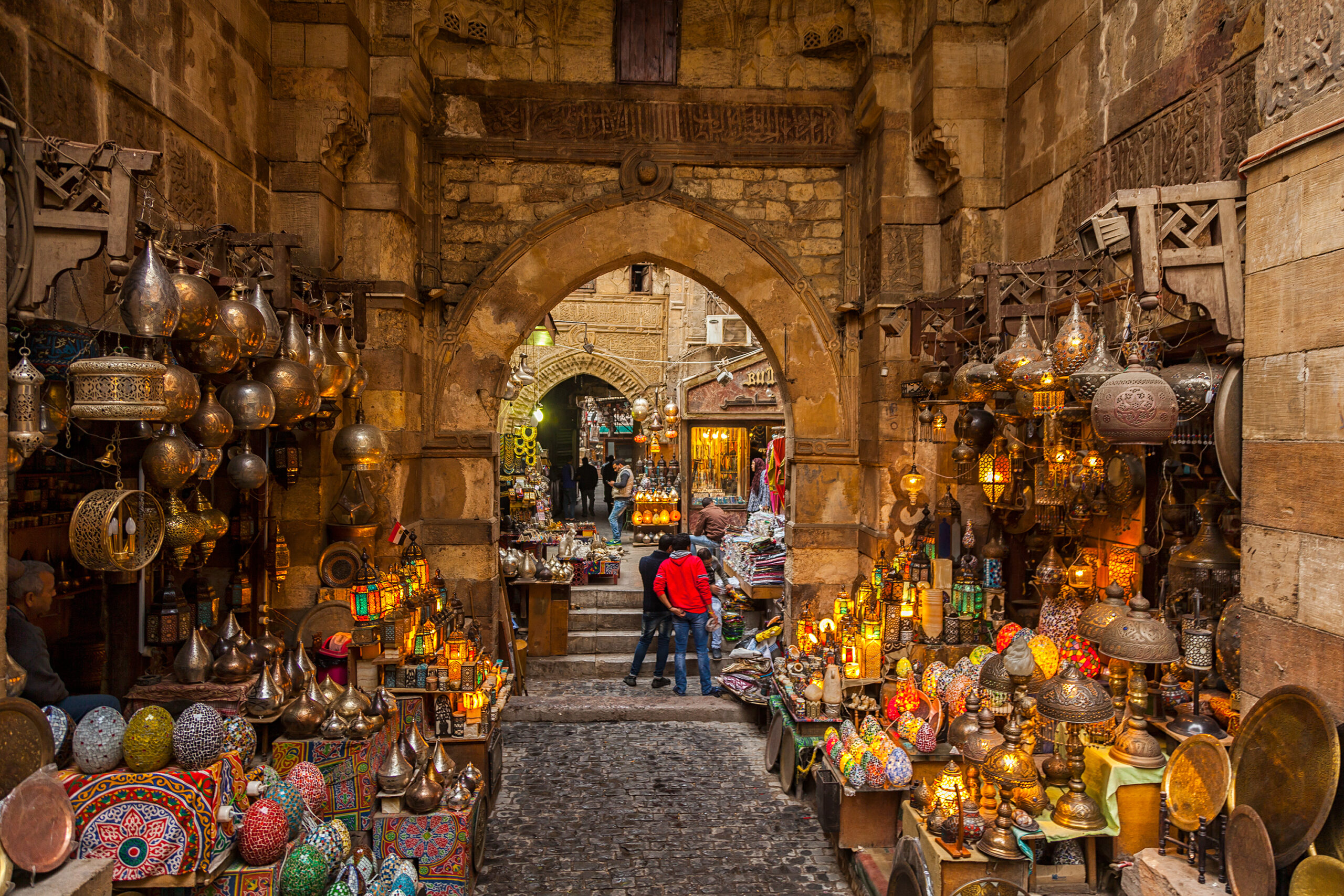
Under Mamluk reign, Cairo wasn't just a capital; it was one of the world's most cosmopolitan cities. Think about it: scholars, artisans, traders, diplomats from across Africa, Asia, and Europe – they all passed through Cairo's gates. The spice trade was absolutely bonkers, and caravan routes connected Egypt to India, Arabia, and the Mediterranean. Daily life revolved around the *souqs* (markets), bathhouses, religious schools, and caravanserais. Many of these historic hubs are still alive and kicking today, just waiting for you to explore them on a city tour.The End of an Era
By the early 16th century, things started to unravel for the Mamluks. Internal squabbles and external pressures weakened their state. Then, in 1517, the Ottomans moved in, conquering Egypt and officially ending Mamluk political power. But here's the kicker: the Mamluks didn't just vanish. They maintained significant influence under Ottoman rule, continuing to shape Egyptian society for centuries. Pretty resilient, huh?
The Ottoman Period in Egypt (1517–1882)
Want to explore Mamluks and Ottomans in Egypt: Uncovering Their Enduring Legacy?
Let us design the perfect private itinerary for you. From expert local guides to seamless luxury cruises, we craft custom trips that show you the real Egypt.
Customize via WhatsAppThe Ottomans Arrive: A New Story Begins
In 1517, Sultan Selim I brought Egypt into the vast Ottoman Empire. This wasn't just a change of guard; it transformed Egypt from an independent sultanate into a powerful Ottoman province. If you're exploring Egypt's mosques, markets, and historic neighborhoods, understanding this period is key – it's a huge piece of Ottoman history played out on Egyptian soil.Governance Under Ottoman Rule
The Ottomans set up a provincial administration, headed by a governor (a *wali*). Here's where it gets interesting: the Mamluks, still a force to be reckoned with in Egypt, largely kept control over local administration and the land system. So, you had this kind of dual power structure – Ottoman oversight blended with deep Mamluk influence. It was unique. Here’s a quick look at the political setup: * A *Wali* (Governor) sent directly from Istanbul. * Mamluk *beys* who managed taxes and local forces. * Janissaries, elite Ottoman soldiers, stationed in Cairo. This mix made Egypt one of the empire's most strategically vital regions. Everyone wanted a piece of Egypt.Economic and Cultural Life
Under the Ottomans, Egypt remained a central economic engine of the Ottoman world. That incredibly fertile Nile Valley? It fed Istanbul. Meanwhile, Cairo kept on booming as a major urban center. Economically, Egypt thrived on: * Massive agricultural output from the Nile. * Being a key stop on pilgrimage routes to Mecca and Medina. * Vibrant textile and craft industries. * Bustling harbor trade in Alexandria, Damietta, and Rosetta. As a traveler today, you can still spot Ottoman influences in traditional crafts, the lively textile markets, and remnants of those ancient caravan routes.Ottoman Architecture in Egypt
Egyptian architecture had its own deep-rooted local styles, but Ottoman rule infused new artistic trends straight from Istanbul. Think more elegant domes, slender minarets, and exquisite tilework. It was a beautiful fusion. Don’t miss these Ottoman-era gems: 1. **Mosque of Suleiman Pasha**: Inside the Citadel, this was Cairo's very first Ottoman-style mosque. 2. **Mosque of Muhammad Ali (Alabaster Mosque)**: A truly iconic landmark, built during Muhammad Ali Pasha's time. 3. **Ottoman houses and palaces**: Wander through Cairo's Darb al-Ahmar and Gamaliya districts for these. 4. **Rosetta's Ottoman mansions**: Famous for their carved wood and beautiful *mashrabiya* windows. These places offer prime opportunities to see that magnificent blend of Ottoman and Egyptian artistic traditions at play.The Rise of Muhammad Ali Pasha
By the early 19th century, Ottoman power in Egypt was starting to wane. This opened the door for Muhammad Ali Pasha, an Albanian Ottoman officer, to seize control. He technically remained an Ottoman governor, but in reality, he ruled Egypt almost independently. He wasn't just a ruler; he launched a massive modernization project that would change Egypt forever. Muhammad Ali's big achievements: 1. Completely revamped the military. 2. Pioneered industrial projects. 3. Revolutionized agriculture and irrigation. 4. Championed education and modern science. Many historians consider his era the actual birth of modern Egypt. When you travel through the country today, you'll feel his legacy everywhere, from the Alabaster Mosque to various industrial sites along the Nile Delta.The Decline of Ottoman Rule
As the mid-19th century rolled on, European powers – especially France and Britain – started poking their noses more and more into Egypt's economy and politics. Financial crises, mounting foreign debts, and administrative headaches chipped away at Ottoman-Egyptian control. Then, in 1882, Britain invaded Egypt. This marked the definitive end of Ottoman influence and ushered in a whole new, colonial era for Egypt.
What Travelers Can Experience Today
Even now, when you walk the streets of Cairo or explore the towns dotting the Nile Valley, you're literally treading on centuries of Mamluk and Ottoman history. You can wander through neighborhoods where mosques, palaces, and markets – hundreds of years old – are still operating, just as they did in their original urban settings. Here are some top spots to really connect with Mamluk and Ottoman Egypt: 1. **Walk Through Historic Cairo (a UNESCO World Heritage Site)**: Al-Muizz Street, Darb al-Ahmar, and the famous Khan el-Khalili are like open-air museums showcasing Mamluk and Ottoman artistry. 2. **Visit Cairo Citadel**: This is a fantastic place to see the actual transitions between medieval, Mamluk, and Ottoman architecture all in one go. 3. **Explore Alexandria and Rosetta**: Those Ottoman houses, fortresses, and Mediterranean harbors? They tell brilliant stories of Egypt's role in global trade. 4. **Take a Nile Cruise through Old Cities**: Many towns along the Nile still boast incredible Ottoman-era mosques, hammams, and old administrative buildings. 5. **Discover the Museums**: The Museum of Islamic Art, especially, has an incredible collection from both periods. It'll really help you visualize how design and daily life evolved.
The Mamluk and Ottoman periods? They're not just dusty old history chapters. They literally shaped the streets, the art, and the very cultural heartbeat of the Egypt you'll see today. Understanding these stories, even just a little, truly elevates every visit to Cairo's landmarks, whether you're marveling at intricate Mamluk stonework or gazing up at elegant Ottoman domes cutting through the city's skyline. For anyone curious about Ottoman history, Islamic architecture, or how the Mamluks played such a pivotal role in Egypt, exploring these incredible sites on one of our Egypt tours offers an unmatched way to connect with the country's profound past. Don't just see Egypt; *feel* its history.Ready to turn this guide into reality?
Our local experts can create a custom itinerary based on these recommendations. Just send us a quick message!
Customize via WhatsApp