


Who Was Ramses II? The 'Great Ancestor' Himself
Alright, let's talk about Ramses II – you know, Ramses the Great. This guy wasn't just any pharaoh; he was *the* pharaoh for many, ruling during what most consider Egypt's golden age. We're talking about the third ruler of the 19th Dynasty, a truly mighty figure. He actually inherited the crown from his father, Seti I, and even before he officially became king, Prince Ramses was out there with his dad, getting hands-on military training and learning the ropes of kingship.
He wasn't afraid to get his hands dirty, and that experience shaped the ruler he'd become.
How Long Did Ramses II Reign? A Dynasty-Defining Era
Ramses II didn't just rule; he dominated the throne for an astonishing 66 years, from 1279 BC to 1213 BC. Imagine that kind of longevity in power! This wasn't just about sticking around; it was about vision and relentless pursuit of his goals. He led countless expeditions, always with an eye toward strengthening Egypt.
This drive earned him the title 'Ruler of Rulers,' and it's precisely why historians still call him 'Ramses the Great.' Under his unbelievably long tenure, Egypt hit its peak in terms of power, wealth, and cultural glory. It’s hard to overstate the impact of such a sustained period of stable, powerful leadership.
Ramses II's Family Life: Wives, Children, and Succession Challenges
Speaking of power, Ramses II was also legendary for his sprawling family. While pinning down an exact number is tough for historians, it's rumored he fathered well over 160 children! He had many wives, but his first and most beloved was Queen Nefertari. She wasn't just a queen; she was a powerful figure in her own right, often depicted alongside him. Together, they had at least four sons and two daughters, quite possibly more.
Some of his better-known children include Amun-her-khepeshef (Nefertari's firstborn), Ramesses, Merneptah, Meritamen, Nebettawy, and Khaemweset. Here's a fascinating bit: his immediate successor wasn't his first son, but his thirteenth! See, after ruling for 66 years, Ramses outlived many of his children. It was Merneptah, who was already 60 years old at the time, who eventually took the throne. That's what happens when you live to be 90!
When Was Ramses II Born and When Did He Die?
Ramses II entered the world around 1303 BC and departed from it in 1213 BC. His lineage wasn't royal from the beginning; his grandfather, Ramses I, actually elevated their family's status through military prowess. Born to Pharaoh Seti I and Queen Tuya, young Ramses grew up in the royal court, receiving the finest education and military training from his father. This was a privilege he enjoyed because Seti I became Pharaoh when Ramses was just five years old.
Interestingly, Ramses had an older brother who was initially next in line for the throne. But, as fate would have it, that brother passed away when Ramses was about 14. Just like that, Ramses II became the heir apparent, joining his father on military campaigns and gaining invaluable experience that prepared him to rule as he did.
Here's a quick cheat sheet on Ramses II:
- Father: Seti I
- Mother: Queen Tuya
- Born: 1303 BC
- Died: 1213 BC
- Burial Sites: Initially KV7 in the Valley of the Kings, later moved to the Egyptian Museum, Cairo, via Deir el-Bahari.
- Spouses: Nefertari (his favorite), Nebettawy, Henutmire, Meritamen, Maathorneferure, Bintanath, Isetnofret.
- Children: Over 162 total, quite possibly the most prolific father among historical figures!
Ramses II's Accomplishments: Military Prowess and the Rise of an Empire
When his father passed, Ramses ascended to the throne in 1279 BC at just 25 years old. What truly set him apart was his remarkable command over the Egyptian army. He led fierce battles, meticulously securing Egypt's vast borders against threats from the Nubians, Syrians, Libyans, and even the formidable Hittites.
One notable achievement was his decisive action against the Sherden sea pirates in 1281 BC. These pirates were a massive pain for Egypt's maritime trade. Ramses, with his clever strategic mind, set a trap: he positioned ships and troops along the coast and waited. When the unsuspecting pirates sailed in, they were utterly surprised and defeated in a brutal sea battle. That's how you deal with maritime threats!
But the most famous clash of his reign has to be the Battle of Kadesh. This epic confrontation, fought in May 1274 BCE during his fourth regnal year, was against the Hittite Empire – a truly powerful rival. Ramses led a force of 20,000 men against an estimated 50,000 Hittite warriors. It remains one of the oldest and largest documented battles in history.
While the battle itself was a tactical draw, with no clear winner, Ramses absolutely emerged as the hero. He fought with incredible bravery, narrowly escaping death and rallying his troops to reclaim territories that had been lost. His personal courage on the battlefield became the stuff of legend.
Want to explore King Ramses II: Facts, Accomplishments, Life, and Death?
Let us design the perfect private itinerary for you. From expert local guides to seamless luxury cruises, we craft custom trips that show you the real Egypt.
Customize via WhatsAppWhy Was Ramses II So Important? A Legacy Beyond Battle
History's First Recorded Peace Treaty
Because the Battle of Kadesh was inconclusive, Egypt and the Hittite Empire remained in a tense standoff for years. But Ramses, always pragmatic, did something truly revolutionary. In 1258 BC, he initiated and signed one of the first major peace treaties ever recorded in history with the Hittites. Think about that: a ruler in the ancient world choosing diplomacy over endless conflict.
This act secured a peaceful northern border for the rest of his long reign, a remarkable feat that sets him apart.
Ramses II's Monumental Works: Temples, Cities, and Colossal Statues
Beyond his military and diplomatic genius, Ramses II was an absolute titan of architecture. During his 66 years on the throne, he embarked on an unprecedented building spree, crafting and rebuilding countless monuments, structures, and temples across Egypt.
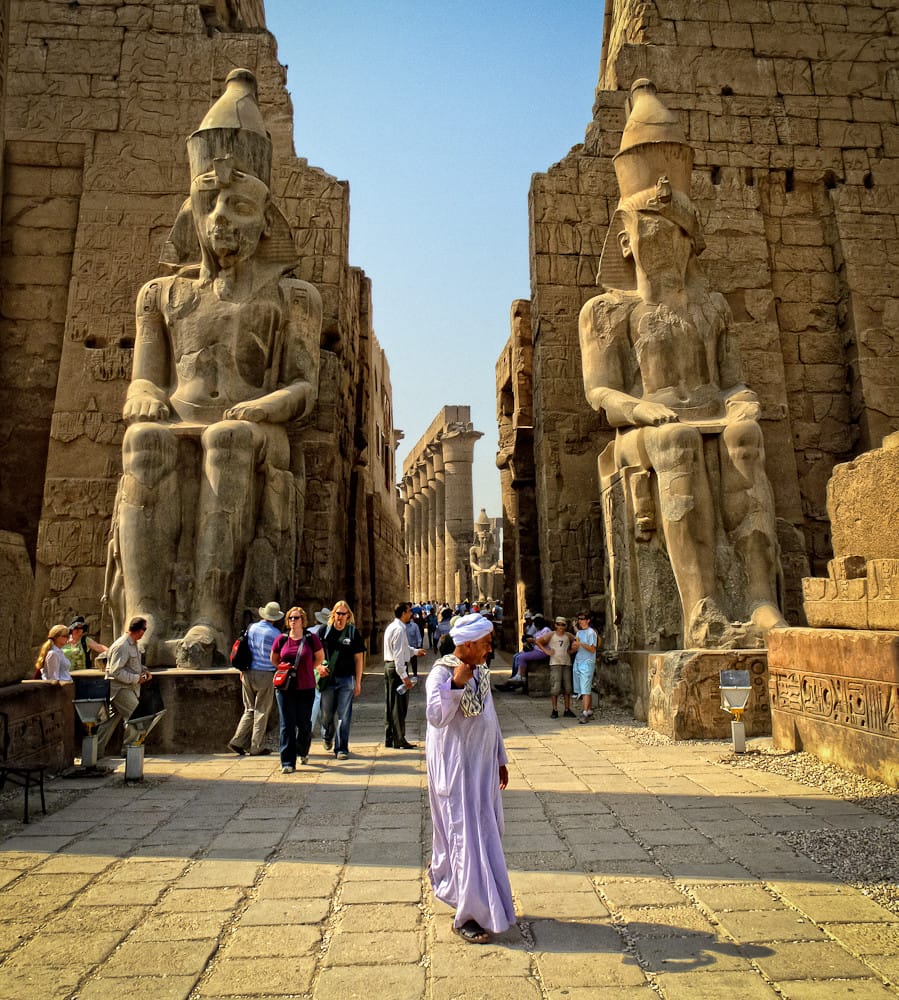
His most famous creations are without a doubt the colossal Temples of Abu Simbel and the Ramesseum. These aren't just buildings; they're testaments to a new style of architecture – grander in size, more intricate in design, and simply awe-inspiring. What really grabs you about these places is Ramses's insistence on featuring gigantic statues of himself, asserting his divine presence.
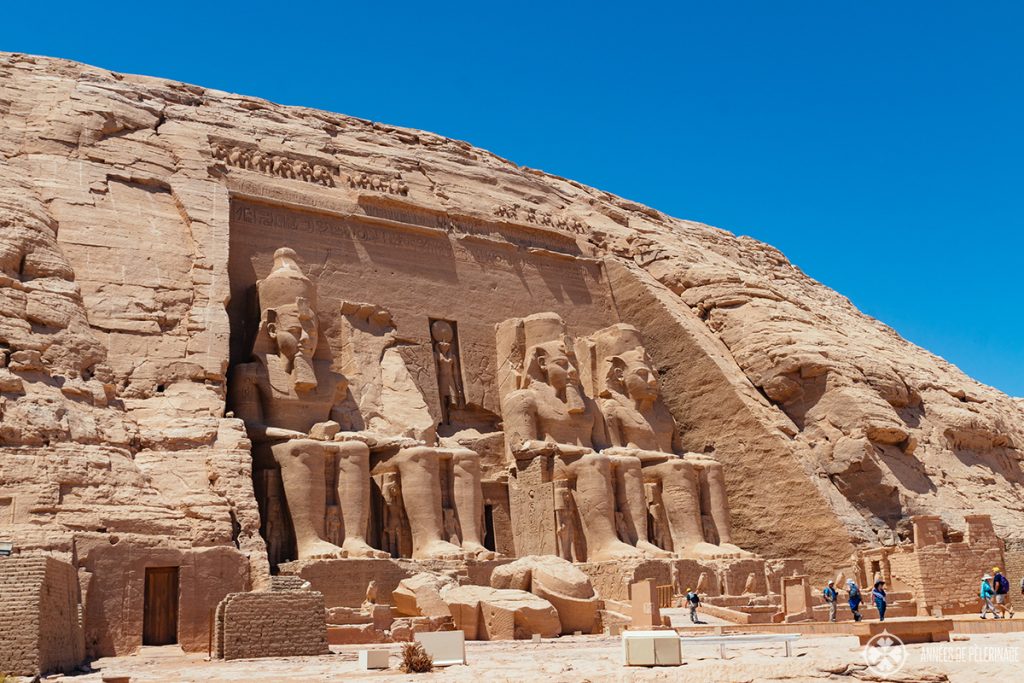
The Abu Simbel temple, carved right into the rock face in Nubia (southern Egypt), is still breathtaking today. Its entrance is famously guarded by four massive sculptures of Ramses II, each standing about 20 meters tall. The Ramesseum, located on the west bank of the Nile near Luxor, served as his mortuary temple, a place for his eternal veneration.
He didn't stop there. Ramses also built a brand-new capital city called Pi-Ramesses (meaning 'House of Ramses'), right in the Nile Delta where his family hailed from. This city was no humble abode; it grew to feature multiple massive temples, lavish palaces, and cutting-edge infrastructure for its time. It was even rumored to have amazing gardens, orchards, and waterfalls – a true oasis.
Other Iconic Ramses II Temples and Contributions
Ramses the Great lent his name and vision to many other sacred sites. Besides Abu Simbel, he built a smaller temple for his beloved wife Nefertari, and of course, his grand mortuary temple, the Ramesseum. He also contributed significantly to the vast Temple of Karnak complex, leaving his mark through reliefs, sculptures, and inscriptions, effectively claiming them as part of his legacy.
His cartouche can be found on countless other monuments throughout Egypt, a clear sign of his desire to connect himself to established power and history.
And let's not forget the stunning tomb he commissioned for Nefertari in the Valley of the Queens – still considered one of the most beautiful in ancient Egypt. Plus, if you ever visit Memphis (the ancient capital, not the one in Tennessee!), you'll find colossal statues of him there, near the temple of the god Ptah, symbolizing his close relationship with the gods and his own divine status.
How and When Did King Ramses II Die? And Where Was He Buried?
After an astonishingly long life, Ramses II finally passed away at the age of 90. The cause? Likely arthritis, a common ailment after decades of ruling and campaigning. Initially, he was laid to rest in a spectacular burial chamber, KV7, in the Valley of the Kings on the west bank of Thebes. However, to protect his mummy from tomb robbers, it was later moved to a secret royal cache at Deir el-Bahri.
The mummy was rediscovered in 1881 and, after careful preservation, found its permanent home in the Egyptian Museum in Cairo. Perhaps the most famous anecdote tied to his mummy is its 1974 flight to Paris for preservation. He was famously issued an Egyptian passport, listing his occupation as 'King of Egypt (deceased)'. Examinations at the time revealed a tall, muscular man with distinct features, including a sharp nose and chiseled jawline, and even some traces of red hair.
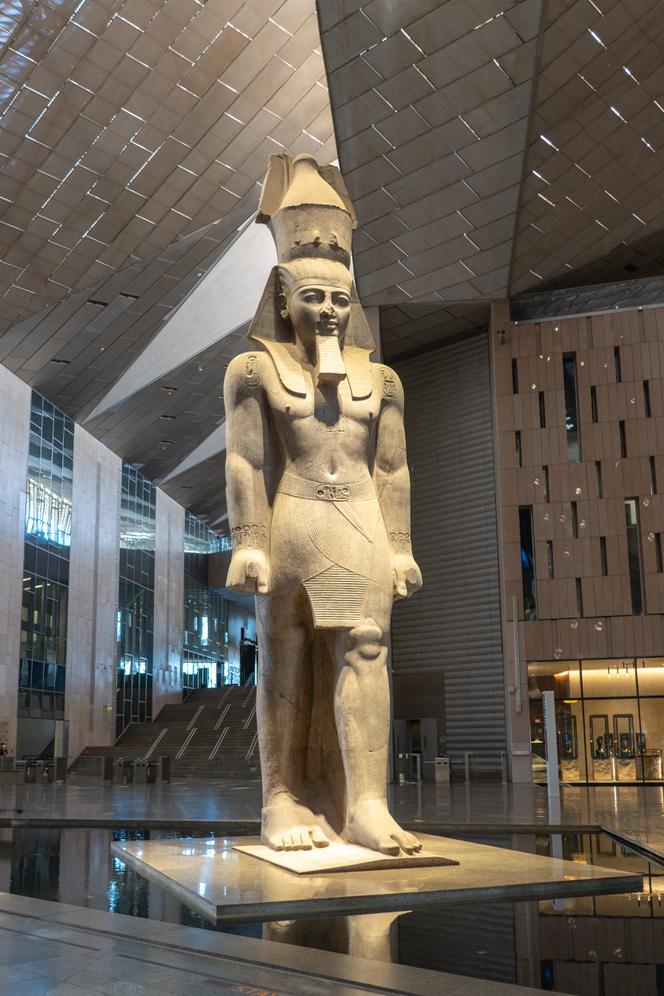
His legacy is undeniable. Referred to as the 'Great Ancestor,' many subsequent pharaohs honored him by taking the regnal name of Ramses themselves. His impact on Egyptian culture, evidenced by the divine figures and monumental architecture he left behind, continues to flourish. These sites don't just tell a story; they still bring in countless travelers, generating invaluable revenue for Egypt's tourism industry today.
Ready to turn this guide into reality?
Our local experts can create a custom itinerary based on these recommendations. Just send us a quick message!
Customize via WhatsApp