

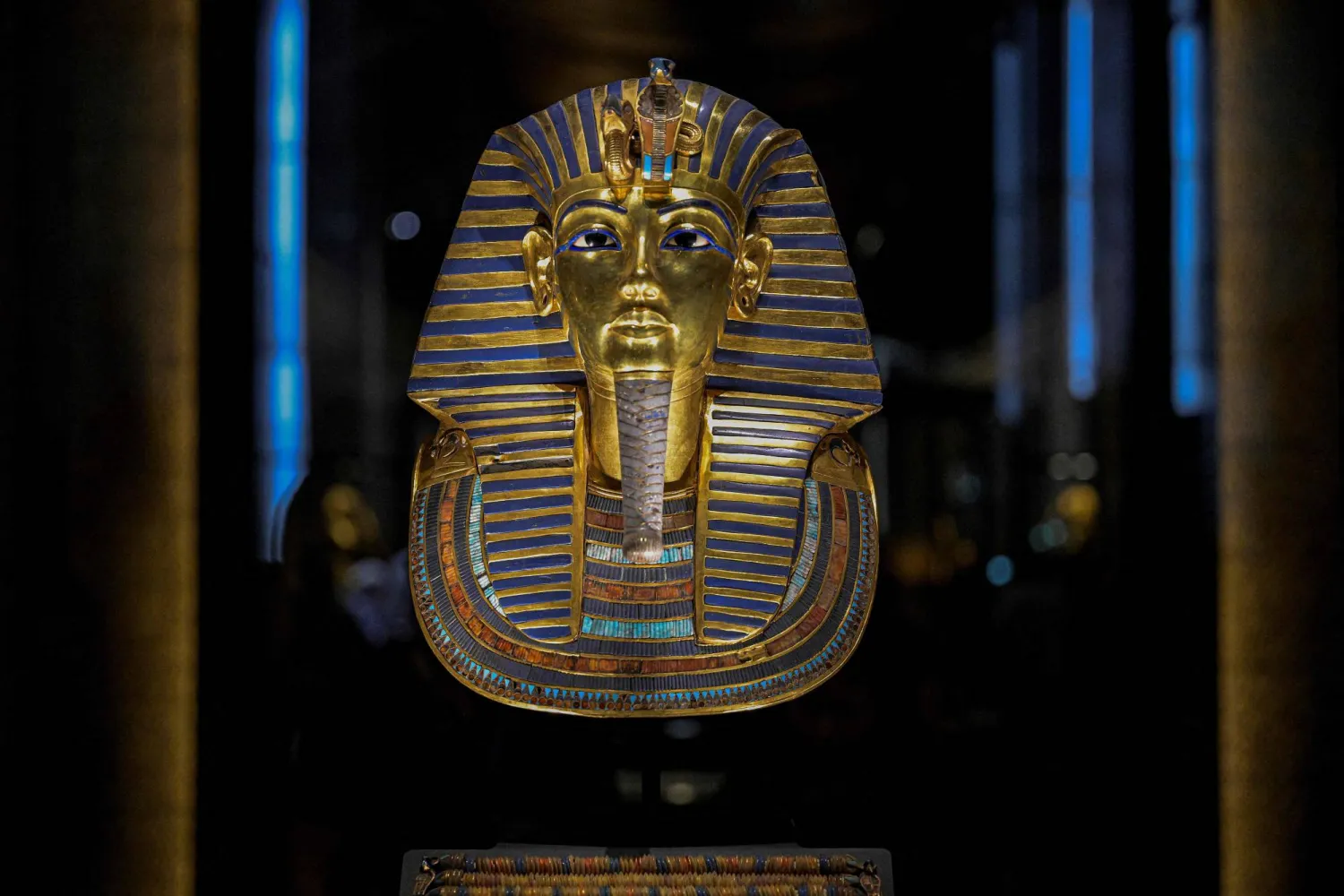
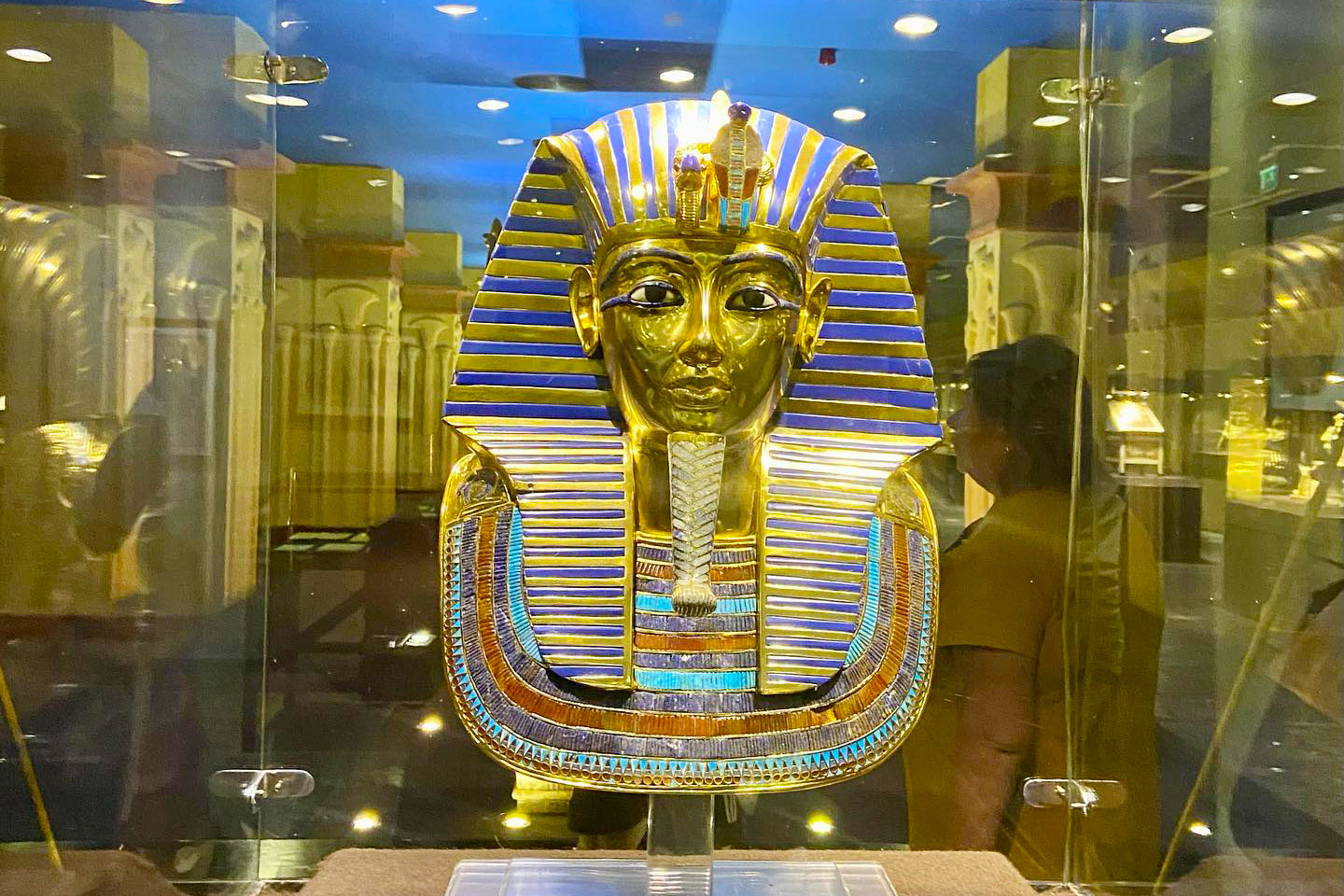
For nearly a century, King Tutankhamun's tomb has been giving up its secrets one by one. But what if the dramatic 1922 discovery by Howard Carter wasn't the whole story? Recent high-tech scans have hinted at unexplained anomalies—a potential additional, sealed chamber within the tomb's walls. Some even whisper it could be the long-lost resting place of Queen Nefertiti.
Turns out, certain evidence, some unpublished data, and wild theories about this potential hidden room have been kept under wraps, far from official reports and public eyes. But modern technology is finally peeling back those layers, bringing these ancient secrets into the light.


The Boy King's Reign and His Early Reforms
Unlike his father, the radical Akhenaten, Tutankhamun's legacy wasn't about revolution. It was all about *restoration*. After years of religious upheaval, this young pharaoh aimed to heal Egypt and bring back its age-old spiritual traditions. And his journey, honestly, started under some pretty remarkable circumstances.Tutankhamun's Unexpected Rise to Power
Born as Tutankhaten, a name meaning 'Living Image of Aten,' this young prince inherited a kingdom that was frankly in chaos. After his father Akhenaten died, the nine-year-old ascended the throne. Talk about a tough gig for a kid! Naturally, he leaned heavily on his experienced advisers—the shrewd vizier Ay and the military commander Horemheb—who truly steered the ship, guiding his early decisions and stabilizing the whole empire. He married Ankhesenpaaten, who most believe was his half-sister. This wasn't some romantic choice, but a practical royal custom: keep the bloodlines pure, secure political unity. That's just how things were.Undoing His Father's Radical Changes
Under the steady hand of his advisers, Tutankhamun swiftly began to dismantle his father's controversial religious revolution. Akhenaten had completely upended Egypt's traditional pantheon, forcing the sole worship of the Aten, the sun disk. This wasn't popular, and it created deep, deep divisions across the land. Tutankhamun made big moves: he abandoned the controversial city of Amarna, moved the capital back to Memphis, and famously changed his own name to Tutankhamun—'Living Image of Amun.' His queen followed suit, changing her name to Ankhesenamen. All of it symbolized a powerful return to the worship of Amun, the venerable king of the gods.Restoring Amun and Sacred Temples
The young king then kicked off an ambitious restoration program, rebuilding temples and countless statues that had fallen into disrepair. A huge chunk of effort went into the magnificent temples of Karnak and Luxor, where monuments dedicated to Amun were meticulously reconstructed, gleaming with gold and stone. He also revived worship in Memphis and breathed new life into trade centers and sanctuaries all across Egypt. Though Tutankhamun ruled for less than a decade (he died around 19), his reforms genuinely helped heal a nation torn by religious conflict. By the time of his death, Egypt's traditional faith and political stability were largely restored. That's his greatest legacy, even if it's often overshadowed by the mind-blowing treasures found in his tomb.
The Enduring Mystery of the Hidden Chamber
Almost a century after Howard Carter's monumental discovery, Tutankhamun's tomb is *still* surprising archeologists. Modern technology keeps revealing new clues, making us wonder if what we've seen is just a piece of a much larger, more complex burial site.Want to explore King Tutankhamun: The Boy Pharaoh and the Enduring Mystery of His Tomb?
Let us design the perfect private itinerary for you. From expert local guides to seamless luxury cruises, we craft custom trips that show you the real Egypt.
Customize via WhatsAppUnusual Anomalies Detected
Back in 2015, researchers poring over high-resolution scans of the burial chamber noticed something odd: straight lines and subtle cracks beneath the vibrant painted walls. These weren't random. They were patterns that could suggest hidden doorways. Especially on the north and west walls, these markings hinted at sealed entrances that somehow eluded Carter's initial incredible find.Radar Scans and Architectural Puzzles
Naturally, several radar investigations followed. The first scans indicated voids behind the walls, sending a jolt of excitement through the archeological world—new chambers! Later surveys gave mixed results, which is typical for this kind of work, but further studies consistently detected a large, corridor-like space running parallel to the tomb's entrance passage. We're talking roughly six feet high and thirty feet long. Then there's the tomb's unusual design itself. It's smaller and shaped differently than other royal tombs. This has led many experts to believe it might have originally been built for a queen, not a powerful king.Theories About a Sealed Room
Early radar data suggested these voids might contain both metal *and* organic materials—potential signs of burial goods. This really fueled the speculation. Could this chamber hold another royal burial, perhaps one as significant as Tutankhamun's own?The Nefertiti Connection
One of the most thrilling theories is that the hidden space might be the final resting place of Queen Nefertiti, Tutankhamun's renowned stepmother and arguably one of ancient Egypt's most famous queens. Some researchers even point to certain wall paintings inside Tut's tomb that look like they've been altered, possibly covering earlier depictions of a burial scene for Nefertiti. If this theory ever proves true? Well, it would be one of the greatest archeological discoveries of this century. It could completely rewrite what we know about Egypt's fascinating 18th Dynasty.
Want to explore King Tutankhamun: The Boy Pharaoh and the Enduring Mystery of His Tomb?
Let us design the perfect private itinerary for you. From expert local guides to seamless luxury cruises, we craft custom trips that show you the real Egypt.
Customize via WhatsAppWhat Archeologists Found (But Didn't Quite Share)
Beyond the exciting public announcements and flashy headlines, there's a quieter story of caution and secrecy. Archeologists and officials have been pretty guarded about releasing *all* their findings, and for some very understandable reasons.Unpublished Data
A significant amount of radar and thermal data collected from the tomb simply hasn't been made public. Preliminary reports circulate among researchers, sure, but they often contain information and interpretations that don't make it to the media. Scientists are careful; they hold back formal publication until findings are fully verified—a process that can genuinely take years.Political and Cultural Sensitivities
Egypt takes its archeological heritage extremely seriously. All activity, especially for foreign researchers, is closely regulated by the Ministry of Antiquities. Discoveries related to King Tut have a massive impact on tourism and national pride, so officials are incredibly careful about how and when information gets released.Protecting the Tomb from Damage
Imagine breaching those beautifully decorated walls to get into a hidden chamber. It could cause irreversible damage to priceless ancient art. Given the deterioration seen from earlier, less careful excavations, today's archeologists prioritize non-invasive technologies to protect the site above all else.Scholarly Disagreements
Frankly, archeologists are divided. You have those who are passionate about the Nefertiti theory, and those who flat-out dismiss it. These academic debates, differing interpretations, and sometimes even professional rivalries can definitely slow down progress and delay the full publication of findings.
High-Tech Tools for an Ancient Secret
Modern technology is truly a game-changer here, allowing researchers to explore the tomb without ever physically disturbing it. Several advanced methods have been deployed to search for hidden spaces and meticulously document every single detail of this incredible site.Ground-Penetrating Radar (GPR)
GPR is fantastic. It sends radar waves through rock and plaster, allowing experts to detect voids and changes in density. Multiple teams have used this method to scan behind Tutankhamun's walls, mapping those strange anomalies that could signal concealed rooms.Infrared Thermography
Infrared imaging measures tiny temperature variations on the tomb's walls. Differences in heat patterns can actually reveal hollow spaces behind solid surfaces. Early tests, for instance, showed some interesting temperature anomalies along the northern wall—potential signs of an air pocket or a hidden chamber.3D Scanning and Digital Mapping
Advanced 3D scanners have created astonishingly detailed digital replicas of the tomb's interior. These scans capture every color, every texture, every tiny surface imperfection. This means researchers can study the tomb remotely, analyzing its fragile artwork without ever touching it.The Challenges of Technology
While these methods are remarkable, they do have limitations. Radar signals can sometimes bounce misleadingly off painted surfaces, and electrical interference from modern ventilation systems can complicate readings. So, for now, researchers often have to rely on indirect evidence rather than direct excavation. It's a careful dance.
Why This Hidden Chamber Still Matters Today
The possibility of a hidden chamber in Tutankhamun's tomb isn't just some dusty archeological curiosity. Oh no. It has the potential to absolutely transform our understanding of ancient Egypt.Rewriting History
If that chamber truly contains Queen Nefertiti's burial, it would offer unparalleled insight into one of the most enigmatic periods in Egyptian history. Such a discovery could confirm theories that she ruled, even briefly, as pharaoh before Tutankhamun's reign, completely reshaping the historical timeline of the 18th Dynasty. Imagine that.Understanding Royal Burials
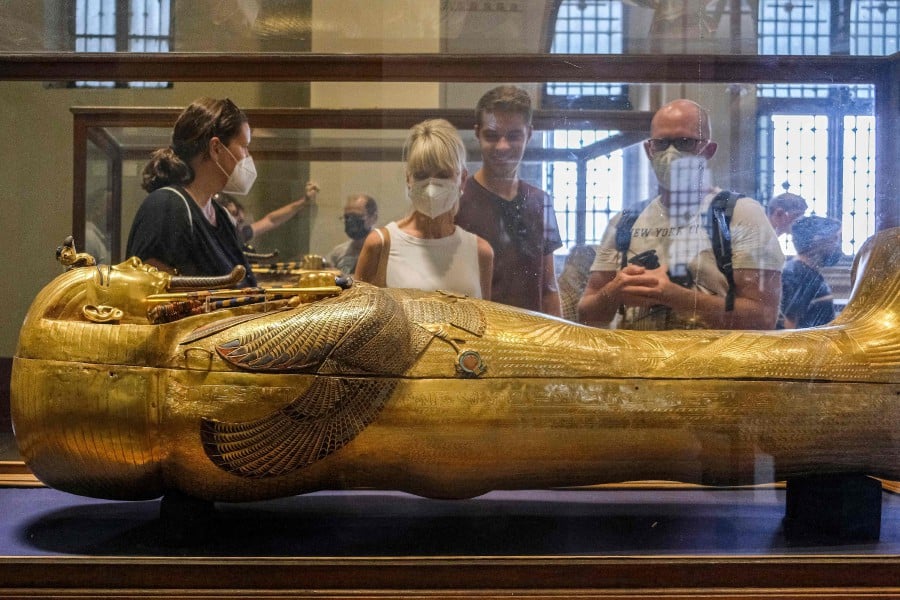
Tutankhamun's tomb remains the most intact royal burial ever found—a time capsule. Discovering an adjoining chamber could reveal so much about how royal funerary practices evolved and why certain tombs might have been repurposed. It might even explain why Tutankhamun's final resting place was unusually small for a king.Boosting Tourism and Global Interest
Any confirmation of a new discovery would instantly rekindle global fascination with ancient Egypt. Just like the original discovery in 1922 sparked worldwide 'Egyptomania,' a new revelation could draw in millions of visitors and significantly boost Egypt's vital tourism economy.The Delicate Balance: Discovery vs. Preservation
Archeologists walk a tightrope here, balancing the pursuit of new knowledge with the sacred duty of preserving priceless heritage. Many experts advocate patience, waiting for future technologies that can explore sealed spaces without any physical intrusion. This isn't just about discovery; it's about respectful guardianship of history.Ready to turn this guide into reality?
Our local experts can create a custom itinerary based on these recommendations. Just send us a quick message!
Customize via WhatsApp