
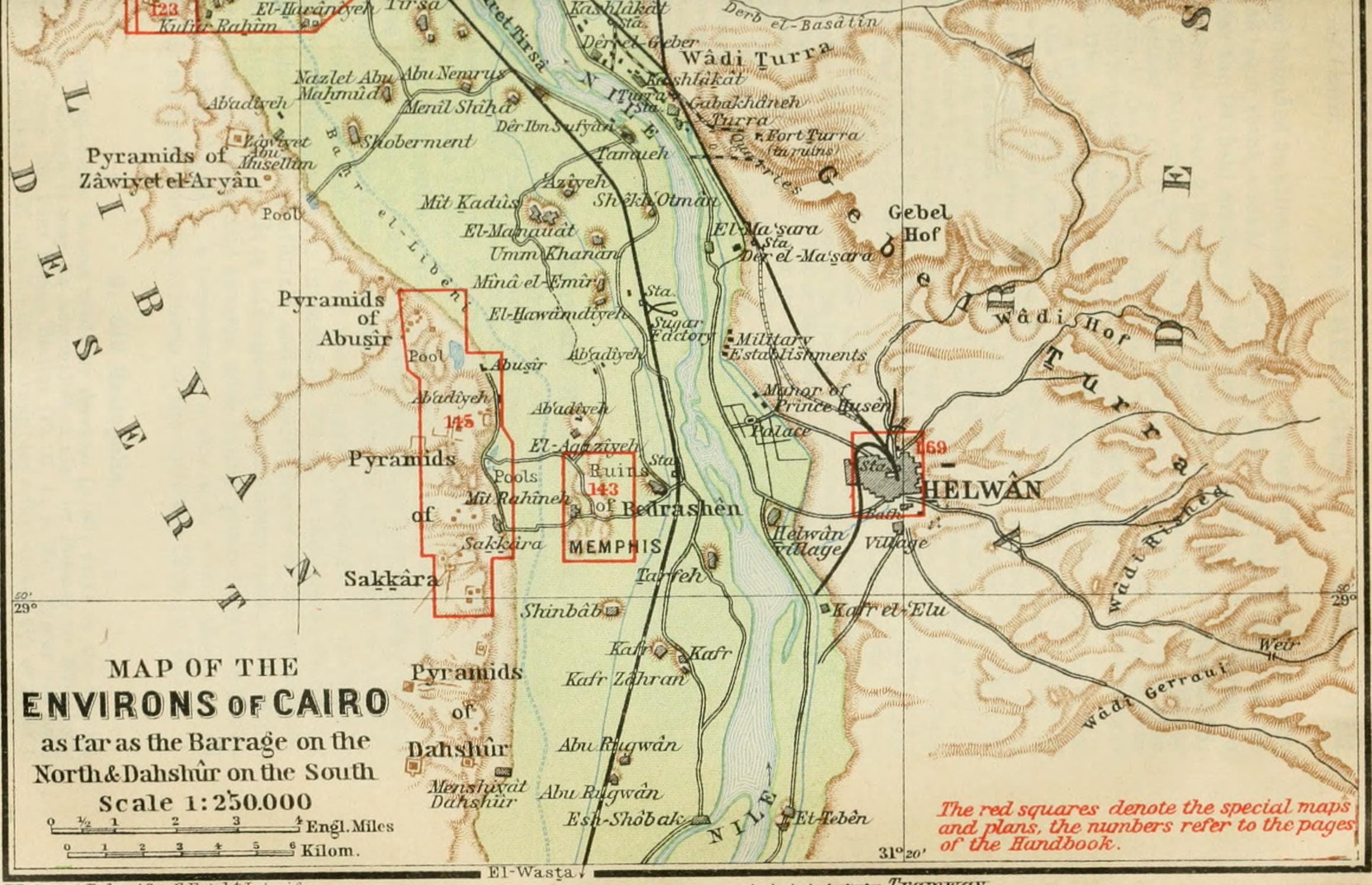

Alright, let's talk about Saqqara – this isn't just another dusty old site, it's where it all really began for monumental Egyptian architecture. About 30 kilometers south of Cairo, this vast necropolis served as the primary burial ground for Memphis, the ancient capital, for over 3,000 years. If the Giza pyramids are the famous rock stars, Saqqara is the genius producer who laid the groundwork for their sound.
It's home to the Step Pyramid of Djoser, which honestly, is one of the most groundbreaking structures ever built. But it's not just about that one pyramid; Saqqara is packed with other pyramids, incredibly detailed tombs (some featuring the world's oldest religious texts!), and the mysterious underground chambers of the Serapeum. While Giza gets all the postcard fame, Saqqara offers a far more diverse and intimate look at how pyramid building evolved, how Egyptians lived, and what they believed.
And here's the cool part: archaeologists are still turning up new, astonishing finds, like the 2020 discovery of over a hundred sealed sarcophagi. This place is alive with history.
The Step Pyramid of Djoser: Where it All Began
A True Architectural Revolution
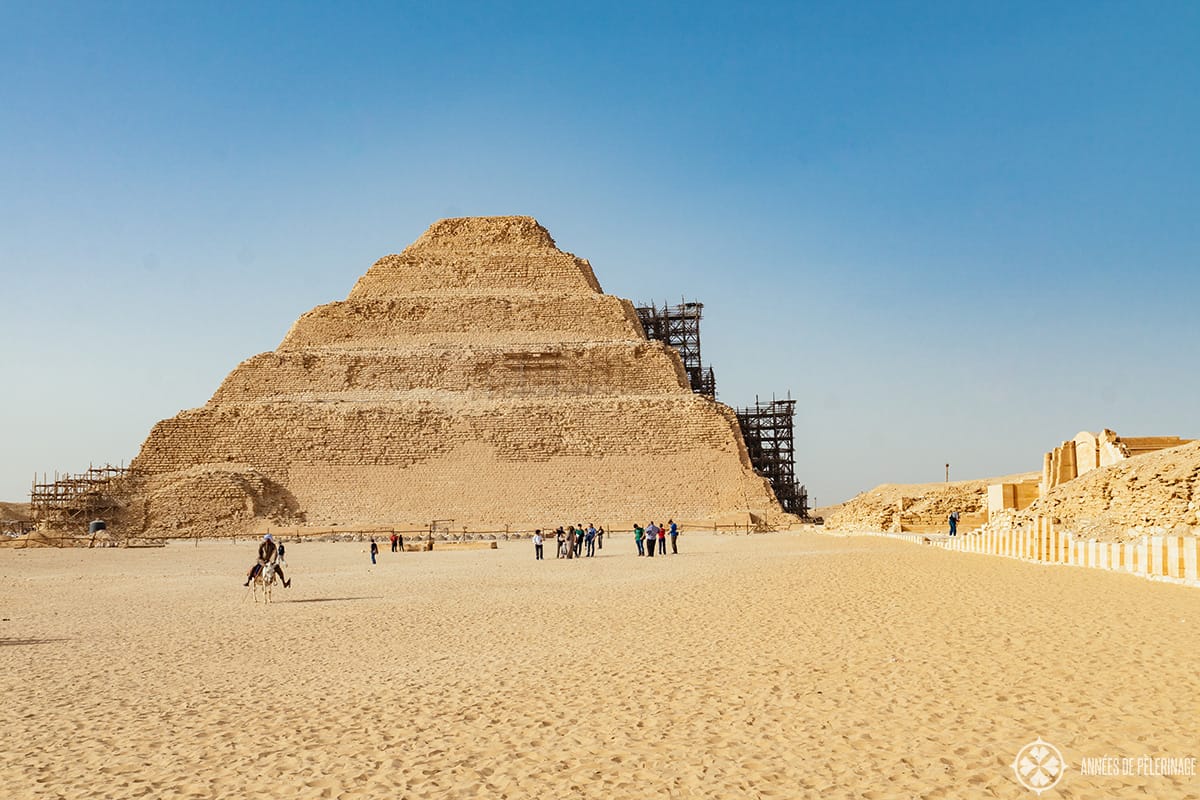
Picture this: around 2650 BC, Pharaoh Djoser of the 3rd Dynasty had a visionary dude named Imhotep as his vizier and architect. Imhotep basically threw out the old playbook of mud-brick mastaba tombs and designed something entirely new – the Step Pyramid. This wasn't just a bigger tomb; it was a complete paradigm shift, the first major stone building in Egypt, rising an impressive 62 meters (about 203 feet) in six huge steps.
It set the stage for all future pyramids and frankly, it's mind-boggling to think about the ingenuity. Imhotep was so revered for his genius that he was later deified, seen as a god of wisdom and medicine!
Just to give you an idea of the scale:
- Height: 62 meters (203 feet)
- Base: 109 meters × 125 meters
- Construction: It's essentially six mastabas stacked on top of each other, getting smaller as they go up.
- Material: Locally sourced limestone.
This was real innovation:
- It was the absolute first major stone building in Egypt.
- Introduction of sophisticated stone column architecture.
- Massive-scale complex planning – not just a single building.
- It's the clear design bridge between simple tombs and the 'true' pyramids we see at Giza.
Exploring the Complex
The Step Pyramid doesn't sit alone. It's part of an elaborate complex, all enclosed within a grand 10.5-meter-high limestone wall. The whole place sprawls across about 15 hectares and is filled with fascinating structures:
- Entrance Colonnade: Imagine walking through a hall with 40 stone columns – these were the first stone columns in history!
- South Tomb: Still a bit of a mystery, but likely for the king's internal organs (canopic jars).
- Heb-Sed Court: Used for Djoser's jubilee festival, symbolic of his continued rule.
- Houses of the North and South: Symbolic shrines representing Upper and Lower Egypt, showing the king's dominion.
- Mortuary Temple: Right against the pyramid's north face, where offerings and rituals were performed for the deceased king.
When you visit:
- The entrance fee is typically part of your general Saqqara ticket.
- Access to the interior of the Step Pyramid varies – it's often closed, but when open, the underground chambers are spectacular.
- Give yourself a good 60-90 minutes to really soak in the complex.
- The sheer audacity of the architecture and its historical significance are the highlights here.
Beyond Djoser: Other Pyramids at Saqqara
Saqqara wasn't a one-hit wonder. Many pharaohs chose this spot for their eternal rest, and their pyramids, while not as instantly recognizable as Djoser's, hold incredibly significant treasures.
Pyramid of Unas: Home of the Pyramid Texts
The Pyramid of Unas (5th Dynasty, around 2350 BC) doesn't look like much from the outside today – it's pretty ruined. But step inside, and you're in for a treat. This is where you'll find the Pyramid Texts, the oldest religious literature known to humanity. These are beautiful hieroglyphic spells, prayers, and incantations carved into the burial chamber walls.
They were meant to guide the king successfully through the afterlife, and they influenced all subsequent Egyptian religious texts, including the famous Book of the Dead.
What makes it special:
- The first pyramid ever to feature the Pyramid Texts.
- Beautifully preserved blue-painted hieroglyphs.
- You can sometimes spot a causeway with reliefs depicting famine scenes.
Visiting: It's usually open, and absolutely worth seeing for those historic texts.
Want to explore Saqqara: Journey to Egypt's First Pyramid and Ancient Tombs?
Let us design the perfect private itinerary for you. From expert local guides to seamless luxury cruises, we craft custom trips that show you the real Egypt.
Pyramid of Teti: Another Text-Filled Gem
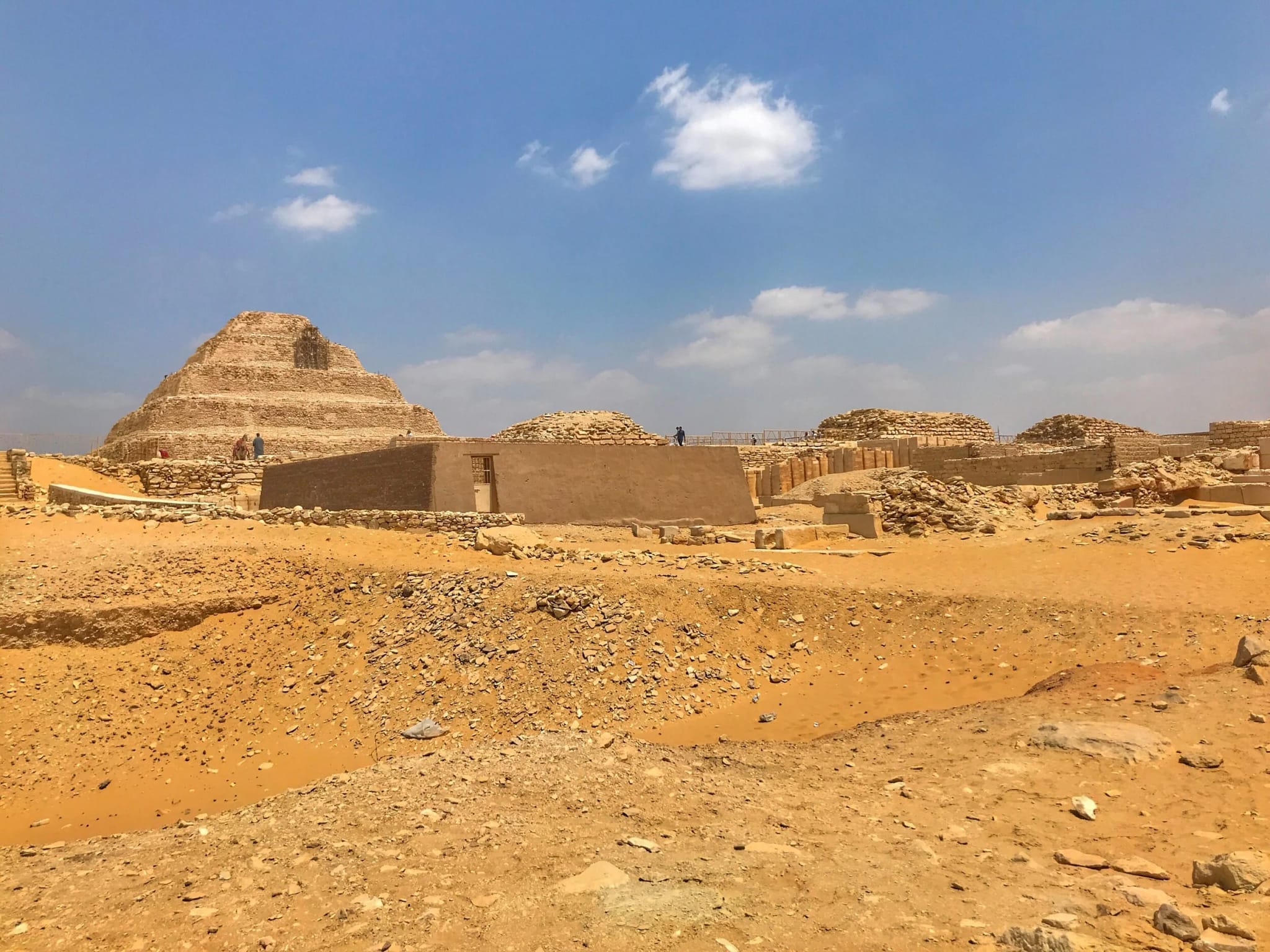
The Pyramid of Teti (6th Dynasty, around 2345-2323 BC) is another exterior ruin that hides a beautifully preserved interior. Just like Unas, its burial chamber walls are covered with Pyramid Texts, often in remarkable condition. It's a great companion visit to Unas to see more of these ancient spells.
Key features:
- More Pyramid Texts in the burial chamber.
- A generally well-preserved interior that's typically accessible.
- You'll find mastaba tombs of his nobles nearby, adding to the exploration.
Other Notable Pyramids
Saqqara is littered with more pyramids, each telling a piece of the story, though many are quite ruined:
- The Pyramid of Userkaf (5th Dynasty)
- The Pyramid of Pepi I (6th Dynasty)
- The Pyramid of Pepi II (6th Dynasty) – who was one of the longest-reigning pharaohs in history!
- And of course, many smaller pyramids belonging to queens and other nobles.
See it for yourself
Trips that visit the places in this article.

This Cairo day trip covers the Giza Pyramids and Saqqara in one itinerary, pairing the most famous pyramid field with the site where Egyptian pyramid-building…

This 8-day tour combines Cairo's pyramids with a four-night dahabiya sailing aboard the Three Pyramids vessel, following the Luxor-to-Aswan route with an Abu…
Want a different route or length? We'll build it around you.
Magnificent Mastaba Tombs: Glimpses of Daily Life
Beyond the pyramids, Saqqara is famous for its mastaba tombs. These rectangular, flat-roofed tombs for nobles are absolute treasure troves of information, adorned with vibrant reliefs depicting astonishing details of ancient Egyptian daily life. It's like stepping into a snapshot of their world.
Mastaba of Ti: A Masterpiece of Art
The Mastaba of Ti is one of the most stunningly preserved and decorated tombs at Saqqara. Ti was a high-ranking official serving three pharaohs in the 5th Dynasty. His tomb is a visual feast, with spectacular reliefs showing everything from farming and cattle herding to craftsmen at work, boat building, and even bird trapping in the marshes.
Don't miss these highlights:
- Detailed agricultural scenes (plowing, harvesting, threshing grain).
- Lively market scenes and cattle drives.
- Craftsmen diligently working with metal, wood, and stone.
- Impressive boat-building sequences.
- Offering bearers bringing provisions for Ti's afterlife.
Inside, you'll also see the 'serdab' – a chamber with holes where a statue of Ti was placed, allowing his 'ka' (life force) to view the offerings. Plan for 45-60 minutes here.
Want to explore Saqqara: Journey to Egypt's First Pyramid and Ancient Tombs?
Let us design the perfect private itinerary for you. From expert local guides to seamless luxury cruises, we craft custom trips that show you the real Egypt.
Mastaba of Mereruka: The Grandest of Them All
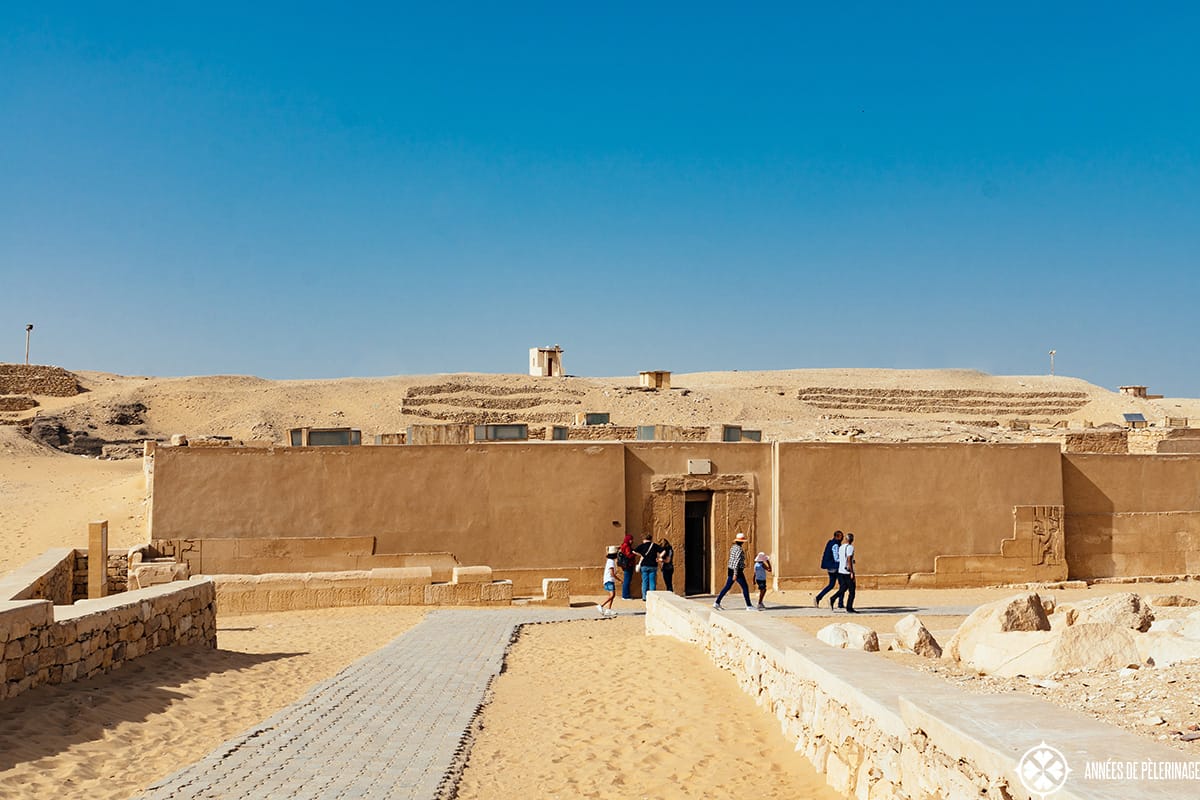
This is the largest non-royal tomb at Saqqara, belonging to Mereruka, a vizier to Pharaoh Teti (6th Dynasty). It's huge, boasting 32 chambers – that's more rooms than many ancient palaces! The superb reliefs here illustrate Mereruka's many titles, scenes from his daily life, and his family.
What to look for:
- A unique statue of Mereruka seemingly emerging from a false door.
- Dynamic hunting scenes in the marshes.
- Depictions of games and various forms of entertainment.
- Numerous family members shown in the art.
This one definitely needs 45-60 minutes to explore properly.
Mastaba of Kagemni: Vivid Colors and Artistry
Another vizier under Teti, Kagemni's mastaba stands out for its beautifully preserved, vibrant reliefs and exceptional artistic quality. The colors here are truly striking, showing scenes of fishing, fowling (bird hunting), dancing, and ceremonial offering processions.
Highlights to appreciate:
- The incredible preservation of the original vibrant colors.
- Detailed fishing and bird hunting scenes.
- Lively depictions of dance and musical performances.
- The overall high artistic standard of the carvings.
This tomb is typically well-lit, making it a joy to explore. Allow 30-45 minutes.
Other Fascinating Mastabas
- Ptahhotep and Akhtihotep: A joint tomb with more beautiful agricultural scenes.
- Niankhkhnum and Khnumhotep: A unique tomb belonging to two men (perhaps brothers or partners) with distinctive iconography.
- Irukaptah: Affectionately known as 'The Butchers' Tomb,' it features vivid butchery scenes.
The Serapeum: Crypt for Sacred Bulls
The Serapeum is one of Saqqara's most haunting and impressive features. Imagine descending into vast underground galleries, carved out of the rock, to find 24 massive granite sarcophagi. These weren't for pharaohs, but for the mummified sacred Apis bulls, believed to be manifestations of the god Ptah.
Consider the engineering feat:
- Miles of underground tunnel galleries.
- Each of the 24 sarcophagi weighs up to 80 tons, carved from a single block of granite!
- Their lids alone are often over 30 tons.
- It's still a marvel how these colossal objects were moved and placed underground.
The Apis bulls lived revered lives in Memphis. Upon death, they received elaborate mummification and royal burial ceremonies, a real testament to their religious importance.
If you visit:
- It's usually open, but check current status before you go.
- The atmospheric, cool underground chambers are a welcome escape from the heat and incredibly impressive.
Allocate 30-45 minutes for this unique experience.
Saqqara: An Active Archaeological Treasure
What's truly exciting is that Saqqara isn't just a historical site; it's a living, breathing archaeological zone with ongoing discoveries that constantly rewrite our understanding of ancient Egypt:
- 2020 Discovery: Over 100 perfectly sealed sarcophagi, some 2,500 years old, were unearthed in shafts. Many contained untouched mummies – one of the largest finds in recent memory.
- Colorful Tomb of Wahti (2018): An exceptionally preserved Old Kingdom tomb with incredibly vivid colors, a truly rare sight.
- High Priests' Tombs (2019): Tombs of high priests of the god Ptah, boasting beautiful reliefs.
These recent discoveries highlight just how much more Saqqara has yet to reveal.
The Imhotep Museum: Context and Understanding
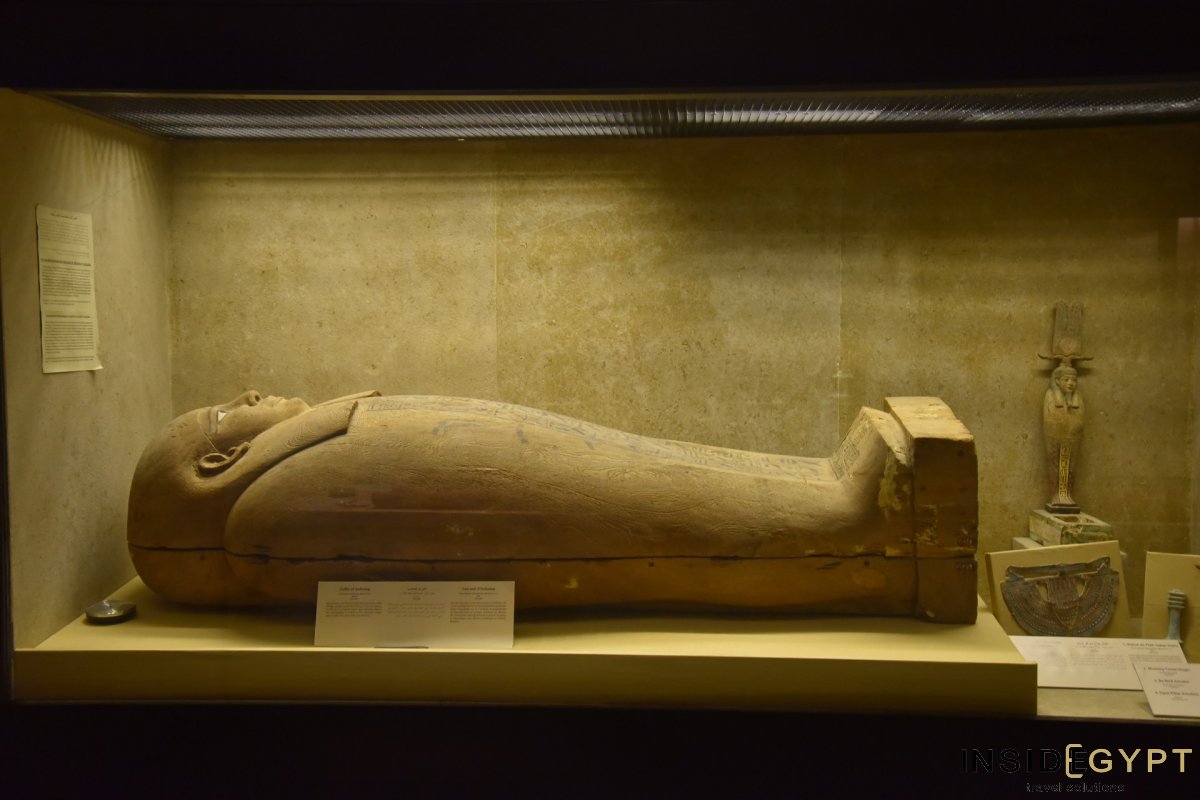
Before or after exploring the site, a visit to the Imhotep Museum, located right near the Step Pyramid, is highly recommended. It offers crucial context for what you're seeing. The museum showcases:
- Stone vessels retrieved from the underground galleries.
- Wooden sarcophagi and mummies.
- Everyday tools and objects unearthed at Saqqara.
- Detailed information about Imhotep himself.
- Explanations of the archaeological process.
It adds immense value to your visit; plan for 30-45 minutes here.
Planning Your Visit to Saqqara
Essential Practical Information
- Location: Approximately 30 km south of Cairo, close to the village of Saqqara.
- Getting There:
- From Cairo: A taxi or Uber takes about 45-60 minutes (expect to pay 200-300 EGP round-trip).
- Combined Tours: Saqqara is often paired with Memphis and Dahshur for a full day.
- From Giza: About a 30-45 minute drive south.
- Opening Hours: Daily, typically 8:00 AM - 4:00 PM in winter, extending to 5:00 PM in summer.
- Entry Fees (always subject to change, so double-check locally):
- General Admission: Around 450 EGP (usually includes the Step Pyramid complex, mastaba tombs, and Imhotep Museum).
- Serapeum: An additional 150 EGP is generally required.
- Student Discounts: 50% off with a valid ID, which is a great deal if you qualify.
- Duration: Realistically, you need a minimum of 2-3 hours for the major highlights. A half-day (4 hours) lets you explore thoroughly, including the Serapeum and Museum. A full day is needed if you combine it with neighboring sites.
When to Go
- Optimal Times: Early morning (8:00-10:00 AM) is best – it's cooler, there are fewer crowds, and the light is fantastic for photos. Late afternoon (3:00-4:00 PM) also offers good light and fewer tour groups.
- Seasons: October to April offers the most comfortable temperatures. Avoid the peak summer heat if you can.
What to Pack
- Sun Protection: A wide-brimmed hat, sunglasses, and sunscreen are non-negotiable.
- Water: Bring plenty – at least 2 liters per person.
- Comfortable Shoes: You'll be doing a lot of walking on uneven terrain.
- Flashlight: Handy for peering into darker tomb chambers.
- Camera: You'll want to capture the incredible details.
- Cash: Always useful for small purchases or unofficial guides.
Combine and Conquer: Nearby Treasures
Saqqara is perfectly situated to be combined with other fantastic sites:
- Memphis: Just 15 minutes south. This was the ancient capital, now home to evocative ruins and a colossal statue of Ramesses II.
- Dahshur: About 20 minutes further south, where you can see the unique Red Pyramid and Bent Pyramid.
- Full-Day Itinerary: A popular and enriching way to spend a day is to visit Saqqara, then Memphis, and finally Dahshur. Organized tours often follow this route. While some ambitious tours try to squeeze in Giza too, it tends to be very rushed.
Why Saqqara is a Must-Visit
It's not just another stop on a checklist; Saqqara offers something truly unique:
- It's the birthplace of pyramid architecture – you're seeing the very first one!
- You'll encounter the oldest religious literature in the world through the Pyramid Texts.
- The exceptional mastaba tomb reliefs provide an unparalleled view into ancient daily life and art.
- You're stepping into over 3,000 years of history all in one place.
- The ongoing archaeological discoveries mean it's constantly evolving, a living site.
- It's generally less crowded than Giza, allowing for a more reflective experience.
- It boasts a diverse range of monuments spanning multiple dynasties.
Seriously, Saqqara provides a much deeper understanding of pyramid evolution, artistic development, religious beliefs, and daily life across ancient Egyptian history than almost any other single site. Don't skip it.
Ready to turn this guide into reality?
Our local experts can create a custom itinerary based on these recommendations. Just send us a quick message!
Customize via WhatsApp