
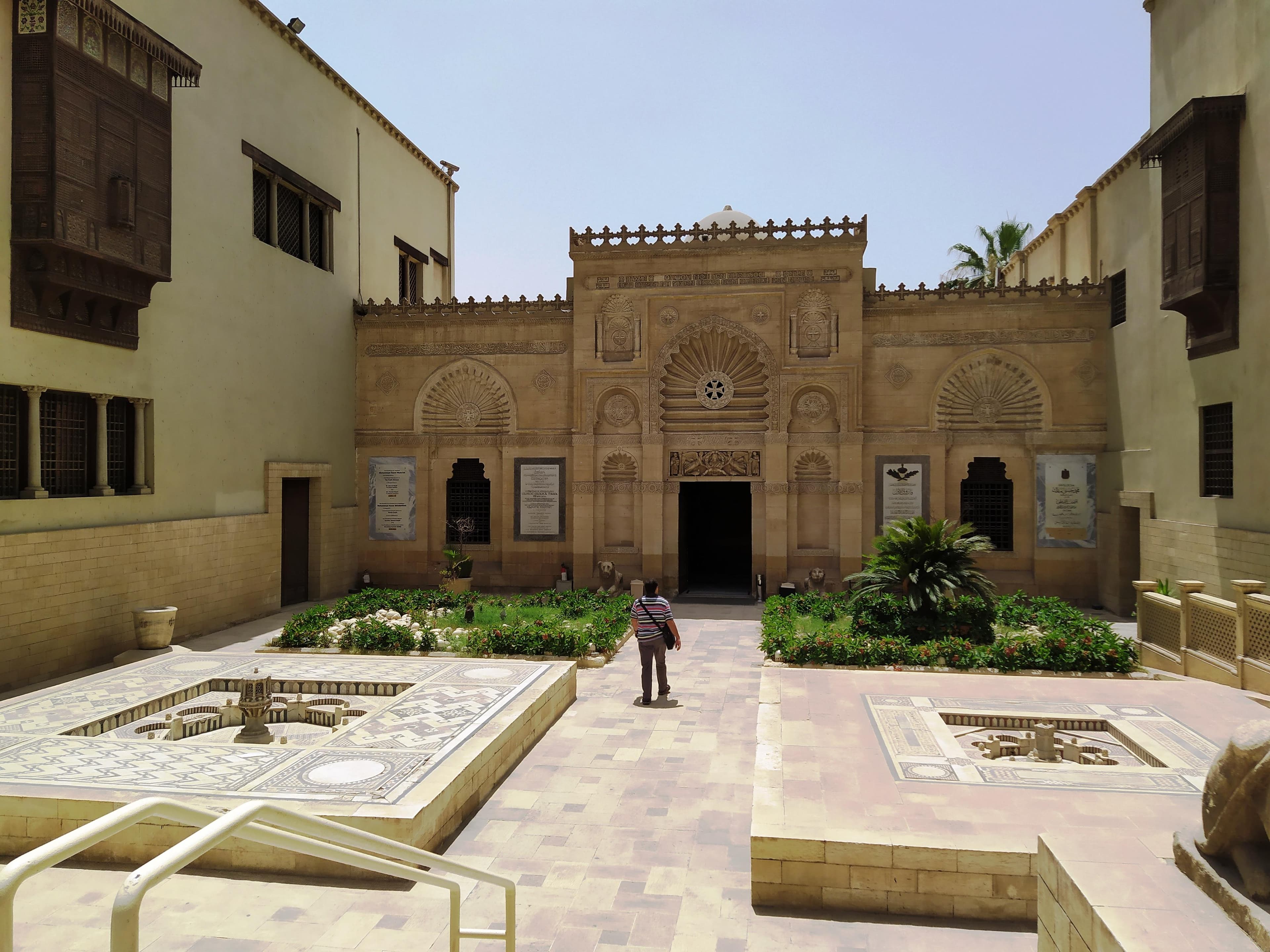

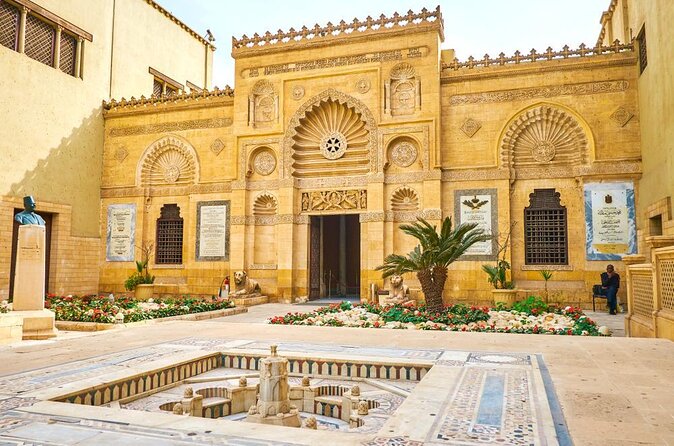
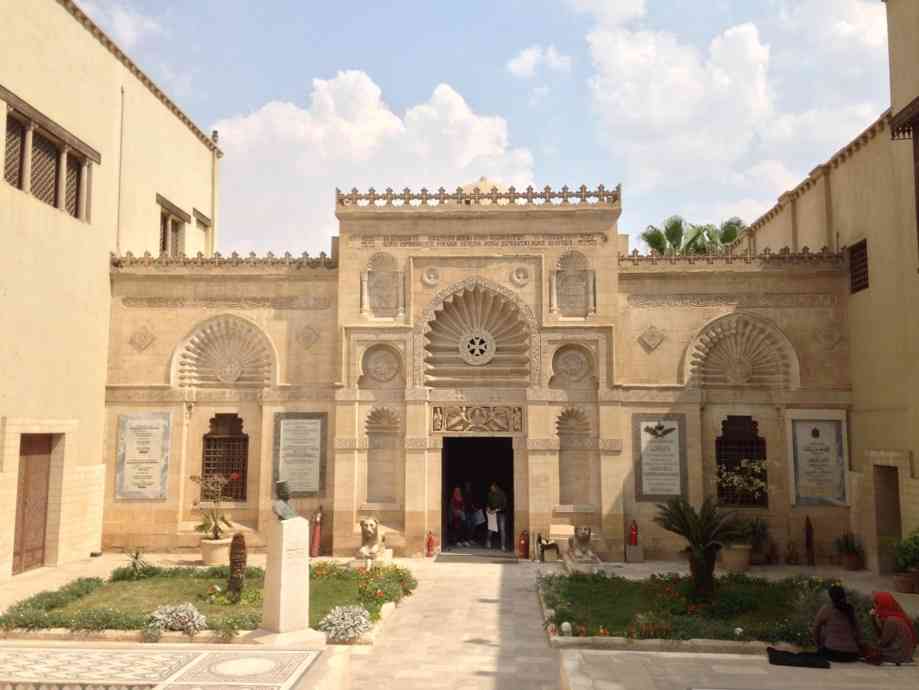
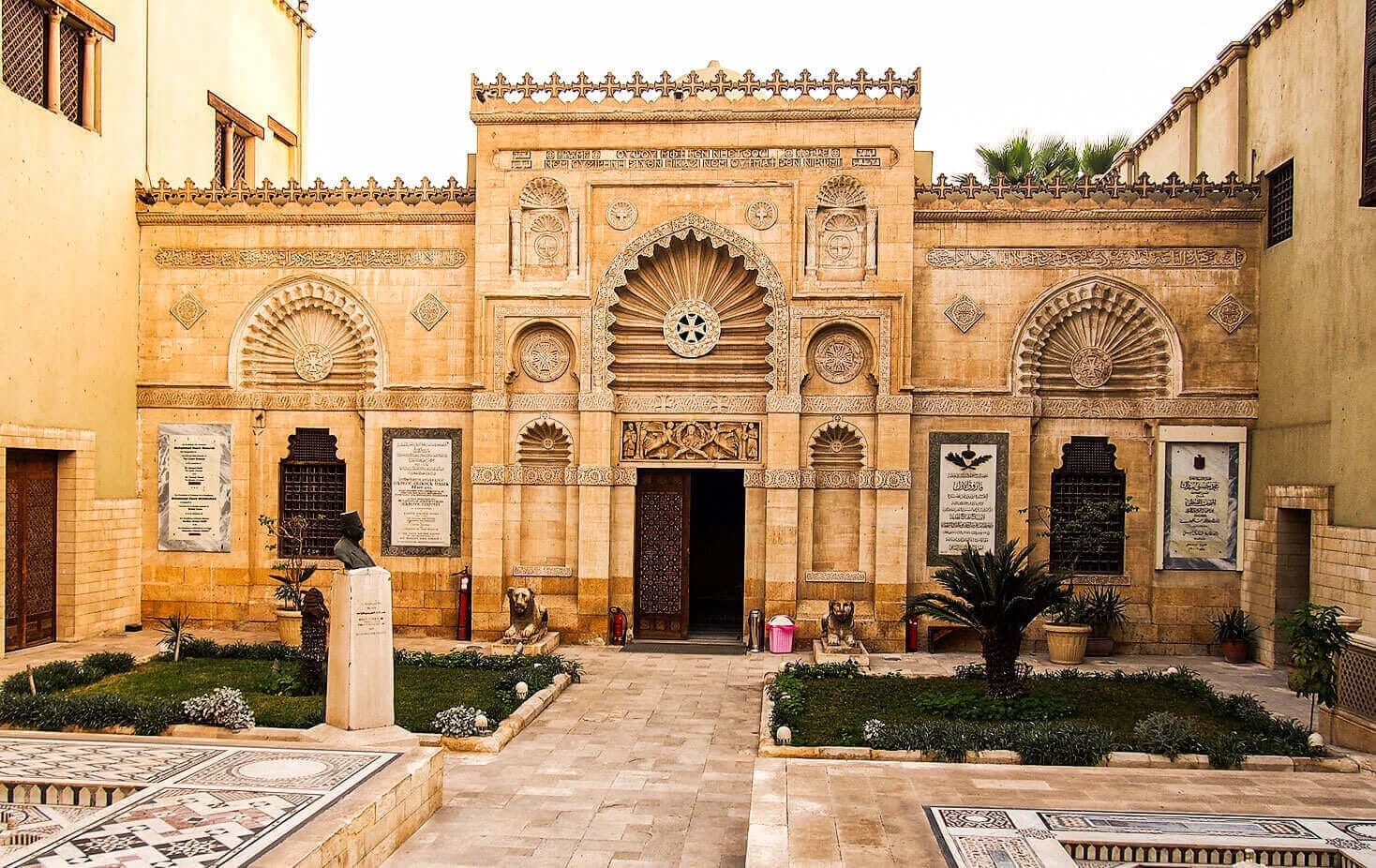
Hidden behind the ancient walls of the Roman fortress of Babylon, right in the heart of Old Cairo, you'll find the incredible Coptic Museum. This isn't just any museum; it's home to the planet's largest collection of Coptic Christian artwork and artifacts.
Established back in 1910, the museum does a beautiful job telling the story of Egyptian Christianity, from its very beginnings all the way through the Ottoman era. So, if you're looking to dive a bit deeper into Egypt's heritage, beyond just the pharaohs and pyramids, the Coptic Museum offers a truly essential experience.
Understanding Coptic Christianity in Egypt
What 'Coptic' Really Means
Frankly, 'Coptic' just means 'Egyptian.' It actually comes from the Greek word 'Aigyptios.' We use it to talk about Egyptian Christians and their really unique traditions. Coptic Christianity isn't new; it's one of the oldest Christian communities globally, tracing its roots all the way back to Saint Mark the Evangelist in Alexandria during the first century AD.The Coptic Orthodox Church: A Unique Path
The Coptic Orthodox Church took its own path, separating from the Greek, Turkish Orthodox, and Roman Catholic Churches back in 451 AD. This split happened during the Council of Chalcedon, mainly over theological differences. Because of this, the Coptic Church ended up preserving a lot of ancient Christian practices that simply disappeared elsewhere over time. Before Islam arrived in the 7th century AD, Coptic Christianity was the dominant religion in Egypt under Roman rule.The Story Behind the Coptic Museum
The Vision and Its Founder
Marcus Simaika Pasha was the driving force behind the Coptic Museum, founding it in 1910. His goal was to create a place that would preserve this absolutely irreplaceable heritage. With support from both the Coptic Church and the Egyptian government, the museum officially opened its doors.Want to explore The Coptic Museum in Cairo: A Journey Through Egypt's Christian Heritage?
Let us design the perfect private itinerary for you. From expert local guides to seamless luxury cruises, we craft custom trips that show you the real Egypt.
Customize via WhatsAppThe Perfect Setting
The museum's location couldn't be more perfect. It sits right within the Fortress of Babylon, a Roman fort built around 30 BC during Emperor Augustus's reign. This fort actually became a key hub for early Christian communities. Think about it: the very walls of the fortress encircle some of Cairo's oldest Coptic churches. This means visitors get to experience Coptic art right there, within its historical home.Modern Updates
Recently, the museum underwent some significant restoration work. They've improved everything from lighting and climate control to the overall exhibition design. It's all about making sure visitors have a great experience while maintaining its world-class reputation.
The Museum's Incredible Collections
Art Spanning Centuries
The collections here truly span centuries, mostly from 300 AD to over 1000 AD. These were times of intense cultural mixing, blending Egyptian, Greek, Roman, Byzantine, and even early Islamic influences. With over 16,000 artifacts, it's easily the most comprehensive collection of Coptic art you'll find anywhere.Want to explore The Coptic Museum in Cairo: A Journey Through Egypt's Christian Heritage?
Let us design the perfect private itinerary for you. From expert local guides to seamless luxury cruises, we craft custom trips that show you the real Egypt.
Customize via WhatsAppTextiles: Coptic Weaving at Its Best
Don't skip the textile collection. You'll see early fabric fragments with incredibly intricate patterns and still-vibrant colors. They showcase everything from geometric designs to botanical motifs and even figural art. Coptic weavers were masters, blending ancient Egyptian traditions with Greco-Roman styles and Christian symbolism seamlessly.Religious Texts and Icons
Inside, the museum also holds a treasure trove of illuminated manuscripts. These include some of the earliest surviving Christian texts in Coptic, preserving ancient Biblical translations and important theological writings. And the icon collection? Look for a 10th-century Virgin and Child with distinctively Egyptian features—it's a perfect example of how Coptic artists adapted Byzantine traditions to their own style.Stone and Woodwork
Keep an eye out for carved stone reliefs that feature early Christian symbols: crosses, fish, vines, and geometric patterns. The woodwork is just as impressive, with carved doors, screens, and architectural elements that really show off their sophisticated carpentry and decorative traditions that just kept evolving.Metalwork and Ceramics
The metalwork collection is full of liturgical objects, things used in Coptic churches for centuries. Many pieces have incredibly detailed engravings, a testament to their metallurgical skills. The ceramics offer a peek into everyday life, with pottery vessels, oil lamps, and other decorative items.The Interesting Ankh-Cross Link
One of the most fascinating aspects is how the museum explores the connection between the ancient Egyptian ankh and the Christian cross. The ankh, Egypt's symbol for eternal life, shares a fundamental form with the cross. It's a beautiful example of how early Egyptian Christians integrated familiar pharaonic symbols into their new faith, a synthesis you'll see throughout Coptic art.
What to Expect When You Visit
The Old Wing
The older part of the museum is housed in a beautiful early 20th-century building. This wing presents artifacts in truly evocative historical settings, complete with carved screens. Walking through here feels a bit like stepping into a grand, old Coptic home.The New Wing
Then there's the newer wing, offering more modern exhibition spaces. These galleries boast improved climate control and contemporary display techniques, all while respectfully highlighting the historical importance of the pieces.Must-See Highlights
Seriously, don't miss the textile collection—it's a masterclass in weaving. Also, seek out the Fayum portraits; they're hauntingly beautiful artworks from the Roman era. The various architectural elements give you a real, tangible connection to these early communities. And of course, the manuscripts and icons offer a deep dive into Coptic religious life.The Coptic Cairo Connection
Exploring Beyond the Museum Walls
The museum's location is just perfect for exploring the ancient churches that make up Coptic Cairo. There's even a passage near the cafeteria that leads directly to Al Muallaqa, affectionately known as the 'Hanging Church.' This church dates back to the 9th century, though it might even stand on a 3rd-century site.Other Churches Nearby
You're also a stone's throw from the Church of Saint Sergius, which is believed to be where the Holy Family rested during their time in Egypt. Saint Barbara's Church features incredible 11th-century architecture and relics. And Saint George's Church serves Cairo's Greek Orthodox community. You'll even find the Ben Ezra Synagogue, which fascinatingly, used to be a Coptic church.The Fortress of Babylon
As you wander, you'll definitely notice two impressive Roman towers built by Emperor Trajan around 130 AD. There are still massive fragments of the walls visible throughout the area, remnants of what was once a vital Roman settlement.
Planning Your Visit to the Coptic Museum
Getting There
The museum is in Old Cairo (Misr Al-Qadima), sitting pretty on the Nile's right bank. The easiest way to get there is by metro; take Line 1 to Mar Girgis (St. George) station. Taxis and ride-sharing services can also drop you right at the entrance. Just tell the driver 'Coptic Cairo' or 'Mar Girgis.'Hours and Tickets
It's typically open daily from 9 AM to 5 PM, but it's always a good idea to double-check for any changes. Admission fees are quite modest, and they usually offer student discounts. Just a heads up, photography might be restricted in some areas inside.How Much Time Should You Allow?
I'd say plan for at least 1.5 to 2 hours to really soak in the collections. If you're particularly keen, you could easily spend 3-4 hours. And remember to factor in extra time if you want to explore the surrounding Coptic Cairo churches, which I highly recommend!When's the Best Time to Go?
Weekday mornings are generally quieter, offering a more serene experience. Weekend afternoons can get a bit busier with families and tour groups. If you're visiting during the cooler months (November to March), walking around Coptic Cairo afterward will be much more comfortable.Guided Tours vs. Solo Exploration
The museum does a good job with informative labels in both English and Arabic. But, honestly, a good guide can seriously elevate your understanding of the artifacts. They can provide context and explain all those beautiful symbolic connections between ancient Egyptian and Christian art that you might otherwise miss.
Make it a Full Day in Old Cairo
Crafting Your Itinerary
My advice? Start your morning at the museum, then spend some time exploring the nearby churches before lunch. In the afternoon, you can visit the Ben Ezra Synagogue and take a leisurely walk through the historic neighborhood.Other Cool Spots Nearby
Just a short walk away is the Amr ibn al-As Mosque, Egypt's oldest mosque, dating back to 642 AD. If you're up for more, the Egyptian Museum in Tahrir Square is only about a 15-20 minute taxi ride. You could easily combine pharaonic, Christian, and Islamic experiences all in one amazing day.Why the Coptic Museum is So Important
Protecting a Unique Heritage
This museum isn't just a collection of old things; it's a guardian of one of Christianity's most ancient traditions. It stands as a powerful testament to Christianity's deep historical roots in Egypt. The collections here truly show the profound African and Middle Eastern origins of the faith.Learning and Research
Scholars from all over the world come here to study these collections, helping us understand early Christianity better. The museum actively participates in international scholarly exchanges. For anyone studying religious or art history, it's an absolutely invaluable resource.A Symbol of Cultural Blend and Tolerance
Perhaps most importantly, the museum tells a story of how Egyptian, Greek, Roman, and Christian traditions weren't just separate, but beautifully merged. This offers incredibly valuable lessons about different traditions coexisting. The very location, surrounded by churches, a synagogue, and Islamic monuments, perfectly embodies Egypt's long-standing tradition of coexistence. It's a place that reminds us that culture is always a conversation.Ready to turn this guide into reality?
Our local experts can create a custom itinerary based on these recommendations. Just send us a quick message!
Customize via WhatsApp