
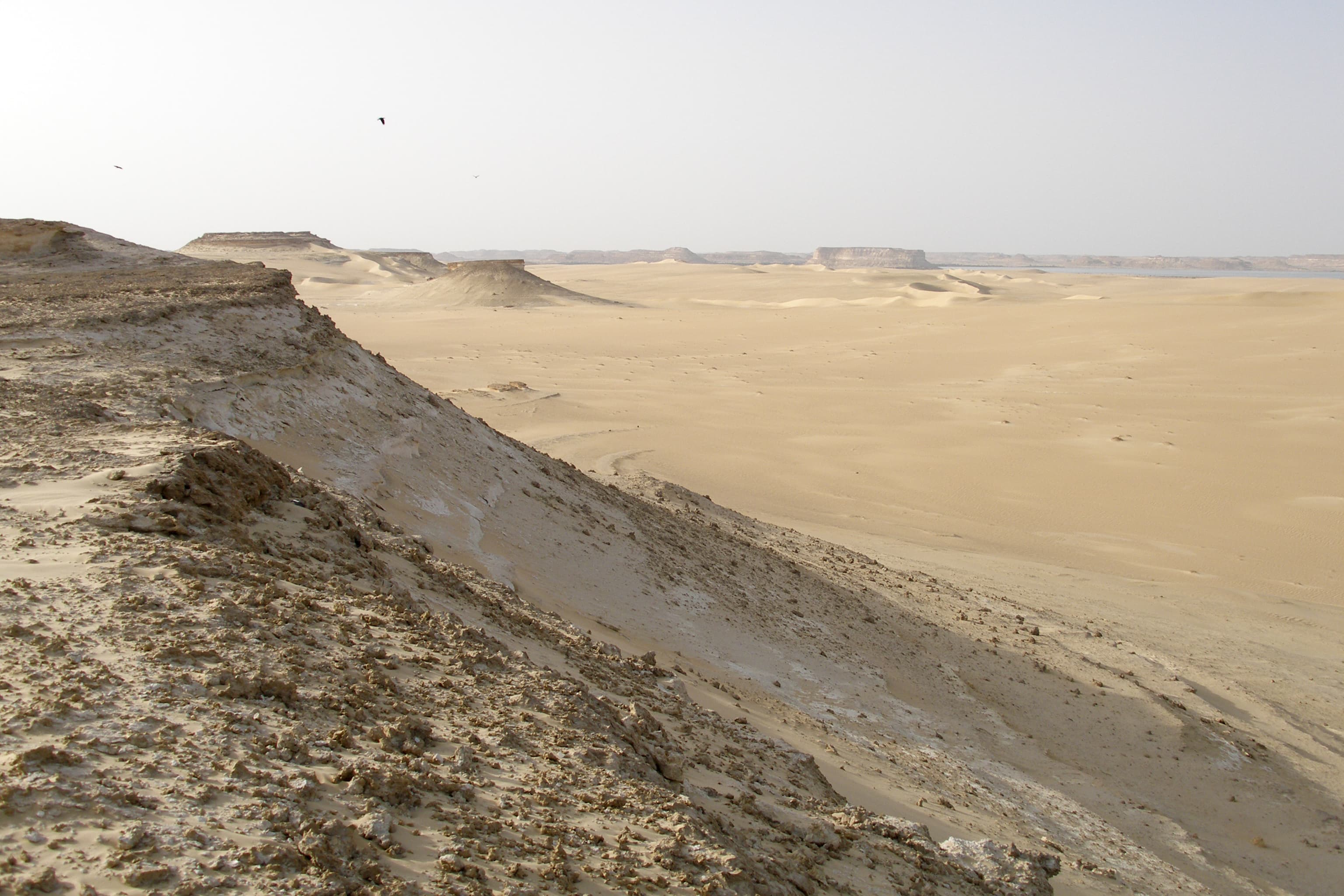

Peeling Back the Layers of the Western Desert's Terrain
I've always found the Western Desert's terrain fascinating; it's like a massive geological puzzle stretching out as far as the eye can see. This region kicks off right at the Nile Valley, then rolls west, all the way to the Libyan border. From north to south, it's about 680 kilometers, and east to west, it spans around 700 kilometers. In total, this desert covers roughly 680,650 square kilometers, which, if you're keeping count, means it makes up about two-thirds of Egypt's entire landmass.Boundaries and the Lay of the Land
Naturally, the Western Desert forms a border between Egypt and Libya, and it also kisses Sudan to the south. Just to give you a sense of scale, it's significantly larger than Egypt's Eastern Desert, which is about 221,900 square kilometers. Its northern edge is kissed by the Mediterranean coast, while the Nile River gently traces its eastern boundary. This colossal area, roughly 262,800 square miles, is mostly sandy terrain, though you'll find rocky outcrops scattered here and there, adding to its rugged charm.Elevation and Dramatic Plateaus
Oh, and don't imagine a flat, boring expanse. The Western Desert's landscape is anything but. It's broken up by some truly striking plateaus and vast, dramatic dunes. The Gilf Kebir plateau, for instance, dramatically soars over 1,000 meters into the sky. Then there's the Great Sand Sea—it's shaped like a lung on a map, spreading across 72,000 square kilometers, with dunes that rise more than 100 meters, creating a terrain that's both complex and absolutely breathtaking.The Qattara Depression and the Lush Fayyum
The Qattara Depression is one of Africa's largest, plunging an astonishing 133 meters below sea level and spanning 19,500 square kilometers. Its salt pans and marshes make it pretty much uninhabitable, a stark, wild beauty. In contrast, the nearby Fayyum Oasis is fascinating. It sits 45 meters below sea level but is linked to the Nile by the Bahr Yusuf canal. This connection means it offers incredibly fertile land, a haven that has supported life and agriculture since ancient times. It's a real testament to how water can transform a landscape.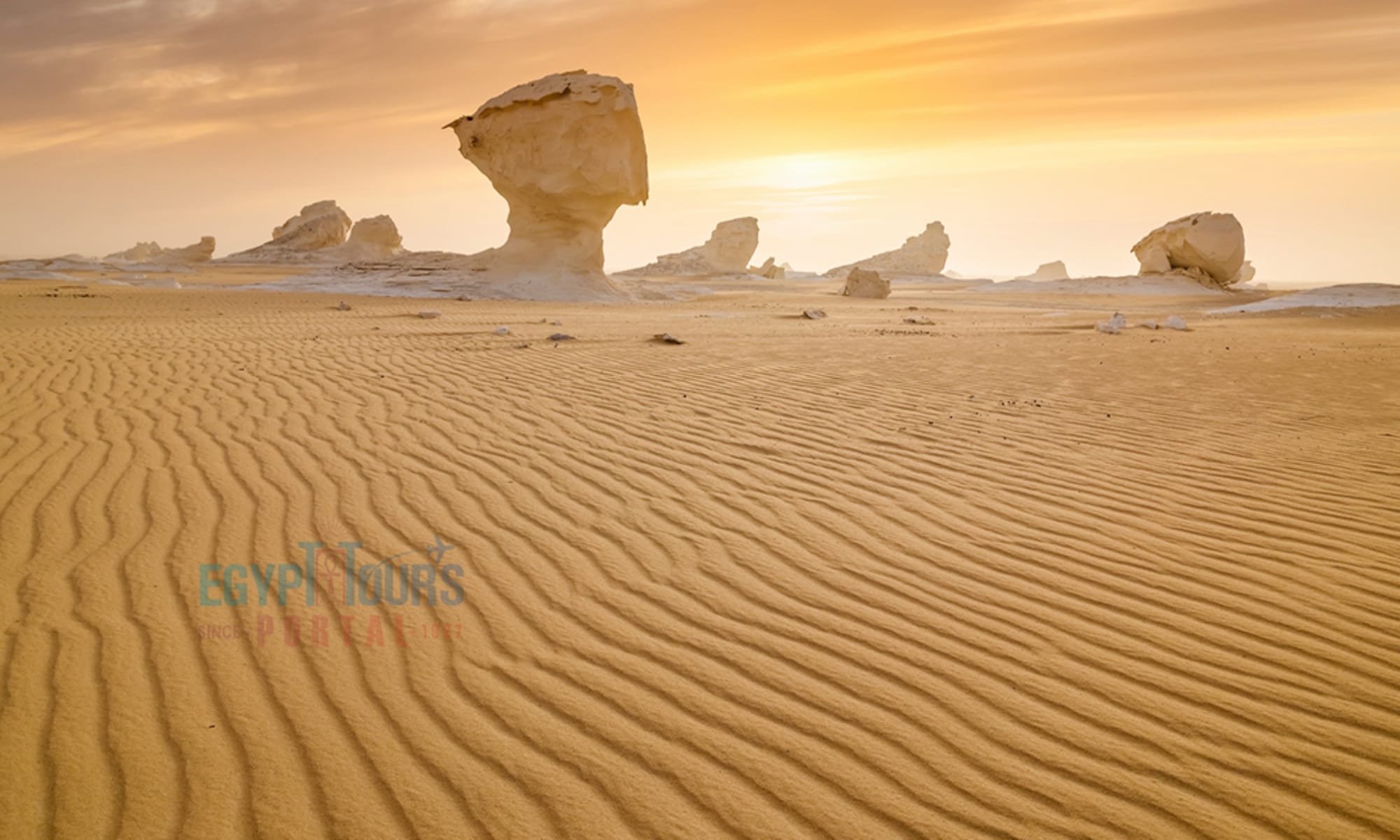
The Western Desert's Unforgettable Natural Wonders
If you're looking for landscapes that feel like they're from another planet, the Western Desert delivers. The White Desert, in particular, is famed for its otherworldly beauty and is genuinely one of Egypt's most unique and breathtaking geological marvels.Want to explore Egypt's Western Desert and Oases: A Journey Through Time?
Let us design the perfect private itinerary for you. From expert local guides to seamless luxury cruises, we craft custom trips that show you the real Egypt.
The Great Sand Sea: A Frozen Ocean of Dunes
Imagine stepping into a boundless expanse where sand stretches into the horizon like a frozen, tumultuous ocean. That's the Great Sand Sea for you. Covering 72,000 km² between Egypt and Libya, it's an incredible desert of towering dunes, some over 100 meters high, forming stunning, wave-like patterns. It's an experience that truly redefines 'vast'.The Black Desert: Echoes of Ancient Volcanoes
Between the Bahariya and Farafra Oases lies the enigmatic Black Desert. It's a landscape unlike anything else, with volcanic-inspired mounds that stretch for about 30 kilometers. These unique formations, some reaching 100 meters high, showcase a fascinating mix of colors. You'll see surfaces ranging from dark iron quartzite to reddish iron sandstone. These distinctive black hues? They're thanks to ancient volcanic eruptions of dark volcanic dolerite from the Jurassic period, roughly 180 million years ago. If you get to Al-Marsous Mountain, its crater-like formation offers panoramic views that truly capture the immense scale of the Black Desert.The White Desert: Nature's Master Sculptor at Work
Ever wonder what nature could do with a chisel and eons of time? The White Desert, made a national park in 2002, is your answer. It's an absolute masterpiece of natural sculpture. This surreal landscape is nestled within the Farafra depression, about 45 kilometers north of Qsar El Farafra. Over millions of years, wind and sand erosion have carved spectacular white chalk rock formations. The distinct white coloration comes from calcium carbonate and silica deposits, remnants of an ancient, dried-up seabed. As you wander through this 300 km² protected area, you'll encounter whimsical shapes that look like giant mushrooms, elegant columns, and all sorts of other intriguing, abstract forms. It's a place that sparks the imagination like no other.Gilf Kebir and Its Hidden Prehistoric Art
In southwestern Egypt, the majestic Gilf Kebir plateau rises nearly a thousand feet, a remote and rugged marvel. It's here, in 1933, that Hungarian explorer László Almásy made a monumental discovery: the famous 'Cave of Swimmers'. Inside, you'll find human figures painted with limbs that truly appear to be swimming. These incredible paintings, dating back 8,000-9,000 years, offer a crucial glimpse into a time when the Sahara was a lush savanna, not the desert we know today. Scientists have confirmed that lakes once existed in this region, supporting the vibrant, diverse ecosystem captured in these ancient artworks. And the area keeps giving, too; the 'Cave of Beasts' was found as recently as 2002, proving there are still treasures waiting to be uncovered.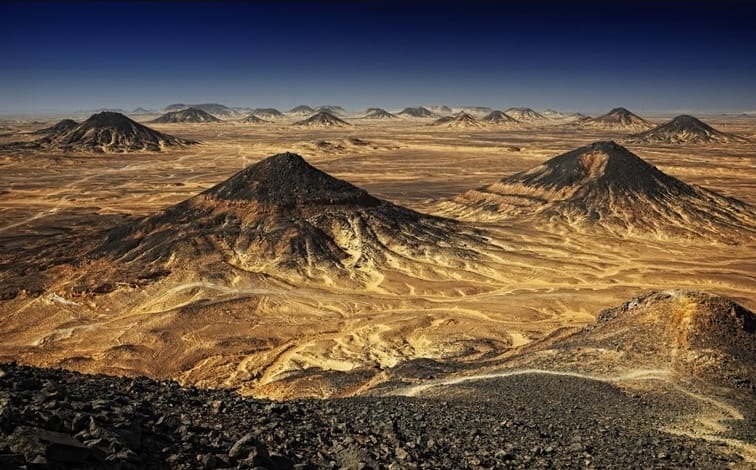
Want to explore Egypt's Western Desert and Oases: A Journey Through Time?
Let us design the perfect private itinerary for you. From expert local guides to seamless luxury cruises, we craft custom trips that show you the real Egypt.
See it for yourself
Trips that visit the places in this article.
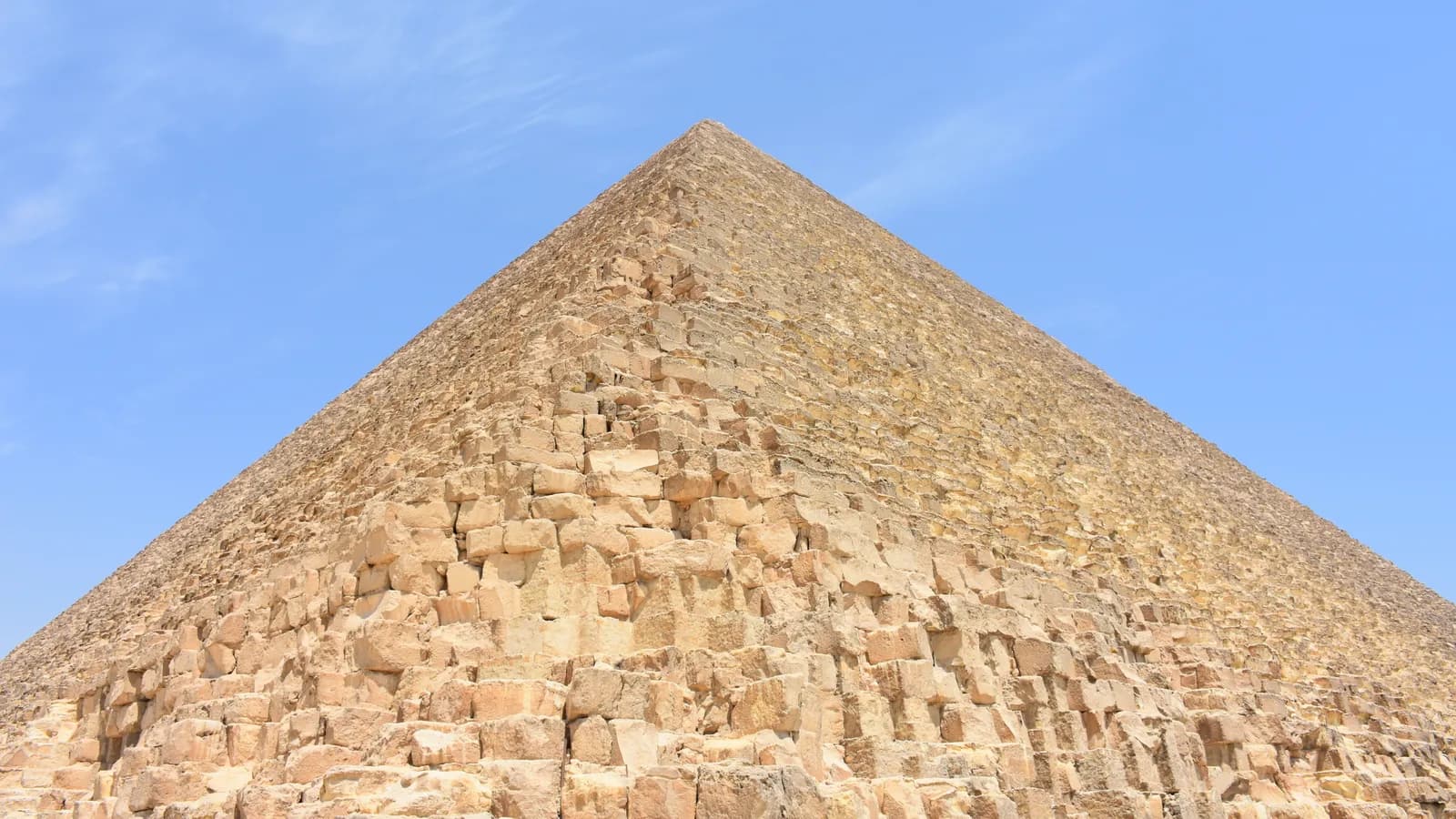
This 7-day tour covers Cairo, Luxor, and Aswan, including the temples of Edfu and Kom Ombo, opening with the Giza Pyramids and Sphinx, the Valley Temple, and…
This 6-day tour combines two nights in Cairo with a three-night Nile cruise from Aswan to Luxor, connected by domestic flights, so the Nile Valley's temples…
Want a different route or length? We'll build it around you.
Oases: Pockets of Life and Human Endurance Through Time
For thousands of years, these green havens in Egypt's Western Desert haven't just survived; they've thrived. They're not just pretty spots on a map; they've been vital safe spots for travelers and permanent settlements, playing a huge role in writing the region's history.How These Desert Havens Are Born
Oases are essentially natural springs, appearing when underground water breaches the surface. Deep aquifers push water up through porous limestone until it emerges as a spring. This typically happens in low-lying areas where groundwater sits close to the surface, and continuous erosion eventually exposes these underground water sources. The Nubian Sandstone Aquifer feeds the Western Desert oases, a limited water source that accumulated between 20,000 and 5,000 years ago during a period when the Sahara received much more rainfall. This 'fossil water' then creates the rich soil that supports farming and the human communities that flourish here.From Siwa to Kharga: A Chain of Life
Think of the Western Desert's oases as a unique arc of life, stretching from Siwa in the northwest all the way down to Kharga in the south. Each oasis has truly developed its own distinct personality: * **Siwa:** This one is almost at the Libyan border, just 50 km away. It boasts 200 natural springs and sits in a depression 19 meters below sea level. The ancient fortress of Shali Ghadi stands proudly, a testament to clever desert building techniques, constructed entirely from salt and mud-brick, known locally as 'kershef'. * **Bahariya:** This is the home of the Wahatis tribe. With over 400 mineral and sulfur springs, it's been an agricultural hub since the Middle Kingdom period (2050-1710 BCE). * **Farafra:** You'll find hot springs dotted across this landscape, which also serves as the gateway to the stunning White Desert. * **Dakhla:** Here, lush olive groves and palm forests thrive, watered by some 500 hot water springs. It's a real picture of fertility. * **Kharga:** This is the most modernized oasis, sitting strategically at the southern end, perfectly positioned along old trade routes.Footprints of Ancient Egyptians and Romans
Human presence in the Western Desert oases goes way back, stretching into prehistoric times. Under Egypt's pharaohs, especially Pepi I and II, governors were appointed to manage these vital lands. The famous Darb El Arba‘īn, a crucial trade route, even linked Kharga all the way to Sudan. Later, the Romans arrived and wisely integrated the region into Libya Inferior, building fortresses, farms, and well-planned settlements to protect those very same trade routes.Modern Communities and Their Agricultural Hustle
Today, the communities in these oases face new challenges, primarily concerning water. Farmers are digging deeper wells and grappling with rising salinity, which can affect precious date yields. But they're resilient. They continue to grow vital crops like dates, olives, and apricots, and they're adopting modern methods, such as drip irrigation, to conserve water. Tourism is also a growing lifeline, drawing visitors who are keen to explore the natural wonders, ancient sites, and the therapeutic hot springs. It's a delicate balance between tradition and innovation, all to sustain life in the desert.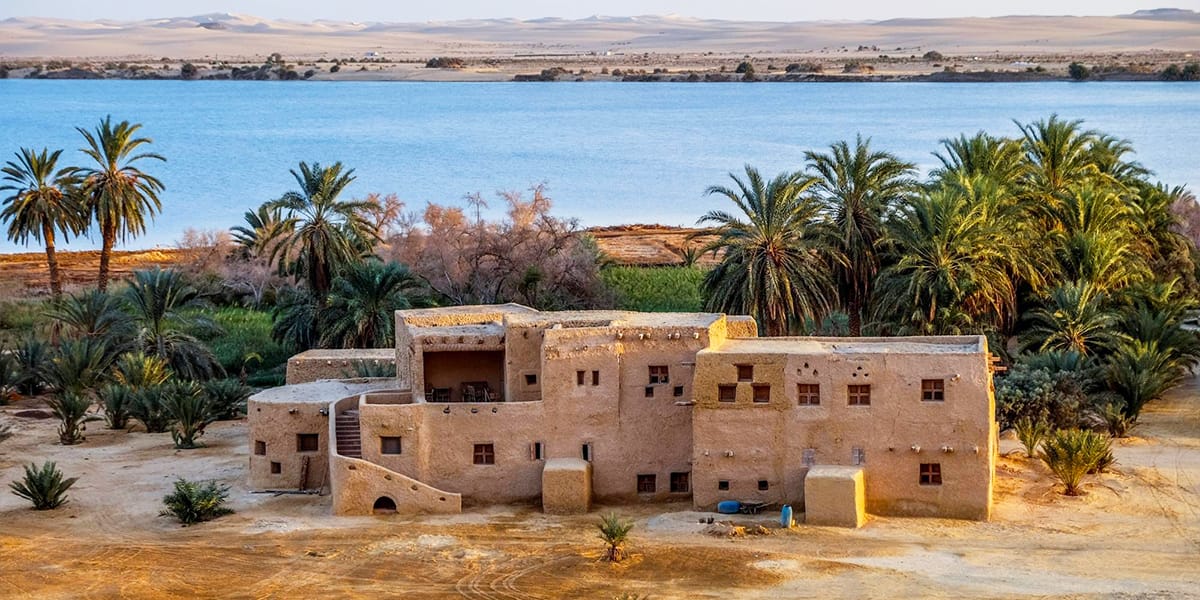
From Legends of Lost Armies to Ambitious Modern Projects
Egypt's Western Desert isn't just about sand and sun; it's a place that brims with countless legends and showcases human triumphs that span across ages.The Mystery of Cambyses' Lost Army
Ever heard the story of the lost army of Cambyses? The Persian king Cambyses II, way back in 525 BC, sent a massive force of 50,000 soldiers to destroy the Oracle of Ammon at Siwa Oasis. What happened next is shrouded in legend: Herodotus claims this army simply vanished, wiped out by a devastating sandstorm. For centuries, people have searched for traces of them. Explorers like Hungarian László Almásy and the Castiglioni brothers were among those who hunted for clues. The Castiglioni brothers even claimed in 2009 to have found human remains and Persian-era artifacts near Siwa. Some researchers, though, lean towards a different theory, suggesting the army might have met its end in battle rather than being swallowed by sand. A true desert mystery!World War II: The Western Desert Campaign
During World War II, the Western Desert wasn't just a quiet expanse; it became a critical battleground from June 1940 to November 1942. British and Commonwealth forces engaged in intense fighting against Italy and Germany. Italy initiated the conflict by invading Egypt in September 1940, and German forces, under the infamous General Erwin Rommel, joined the fray in February 1941. Ultimately, the Allied forces secured decisive victories at El Alamein, emerging triumphant in November 1942. The desert holds many quiet memorials to those struggles.The Toshka Project: Greening the Desert
In October 2020, Egypt breathed new life into the ambitious Toshka Project. The government committed 6.4 billion Egyptian pounds (about USD 413 million) to essentially create a new agricultural delta in the Western Desert. This bold plan aims to transform vast desert areas into farmland, potentially expanding Egypt's agricultural land by a remarkable 40%. The project channels water from the Nile through massive pumping stations, aiming to alleviate population density issues in Egypt's traditional settlements along the river. It's a massive undertaking, showing a long-term vision for the desert.Tourism, Conservation, and What's Next
The Western Desert has truly blossomed into a popular destination for Egypt Tours, with myriad activities spread across its chain of oases. Many experts are starting to suggest that focusing more on desert tourism, rather than just agriculture, could bring higher revenues while also protecting the delicate ecosystems here. This approach aims to strike a thoughtful balance between economic growth and the crucial preservation of the region's incredible natural treasures. It's about looking forward, respecting the past, and sustaining this unique place for generations to come.Ready to turn this guide into reality?
Our local experts can create a custom itinerary based on these recommendations. Just send us a quick message!
Customize via WhatsApp