

While ancient hieroglyphs still whisper tales of pharaohs and pyramids, the real, gritty story of Egypt over the past two centuries is just as captivating, sometimes even more so. Most travelers come for the Giza Plateau or the Valley of the Kings, but I always tell them there's another epic narrative waiting—one of revolution, occupation, and incredible resilience that truly shaped the Egypt we see today.
It's a journey through ambition, struggle, and unexpected turns, peeling back layers of history far beyond what any ancient papyrus could tell you.
Think about it: who knew Egypt had a vibrant feminist movement kicking off as early as 1919, long before many Western nations? Or that the colossal Aswan High Dam, a symbol of national pride, displaced entire Nubian communities, forever altering their way of life? And the political tightrope walked in forging peace with Israel? These aren't just historical footnotes; they're the vibrant, often heartbreaking, threads woven into the fabric of modern Egyptian identity.
So, let's skip the textbook dry-speak and uncover the real stories that transformed an Ottoman province into the dynamic nation it is today.
The Visionary: Muhammad Ali and the Birth of Modern Egypt
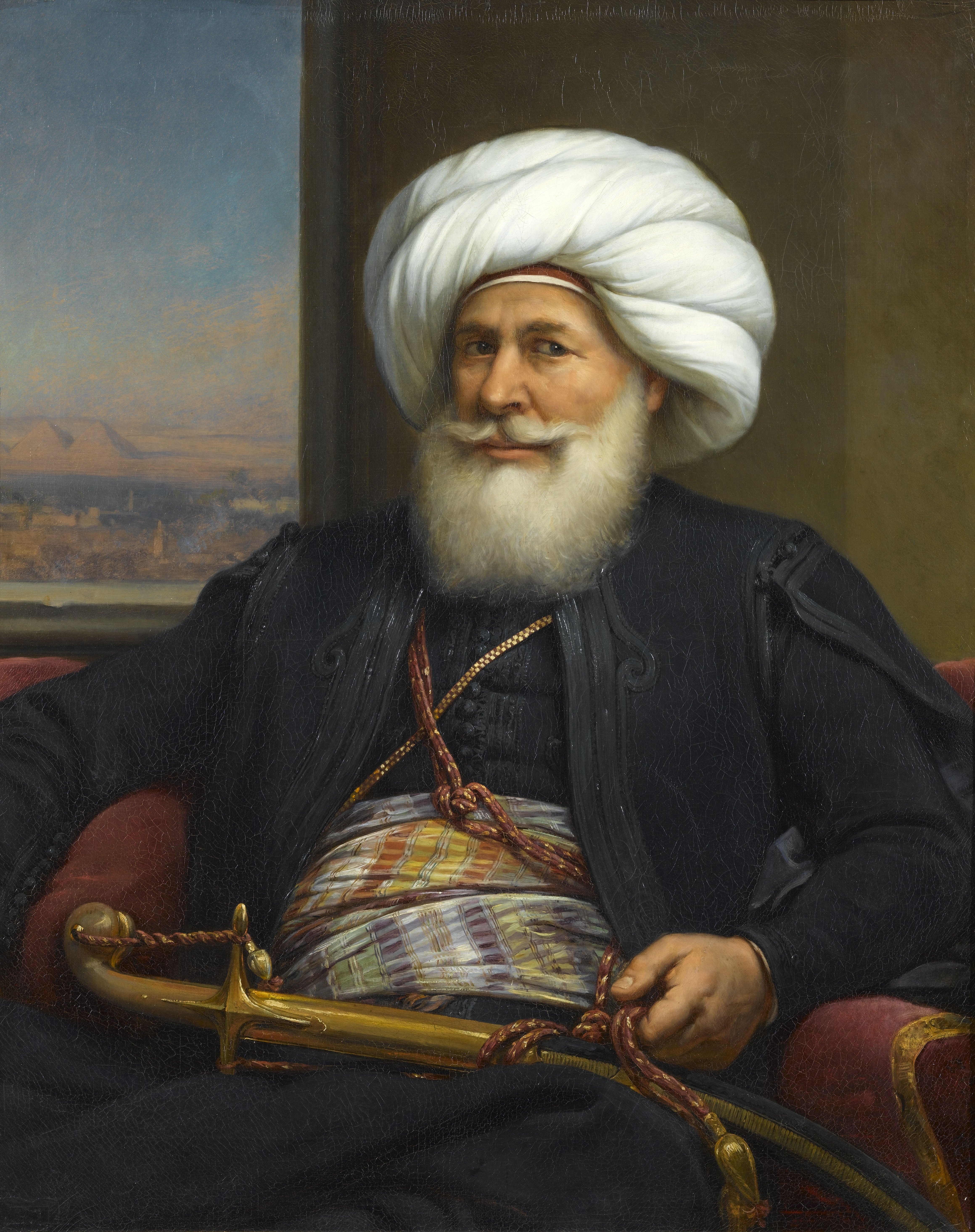
When Napoleon's grand ambitions fizzled out and he left Egypt in 1801, he didn't just leave behind battle-scarred landscapes. He left a power vacuum, a tumultuous playground where Ottoman forces, Mamluk warlords, and local factions were all scrambling for control. And right into that chaos stepped a shrewd Albanian officer: Muhammad Ali.
From 1801 to 1805, this man played the political game like a master. He wove together alliances, garnered support from local leaders and the populace, and in 1805, a popular revolt in Cairo, along with the backing of respected religious scholars, saw him appointed governor by the Ottoman Sultan. The moment he seized power, he didn't just settle in; he began a radical transformation, setting Egypt on a path to becoming a modern, formidable state.
He completely overhauled agriculture, pushing valuable cash crops like cotton, rice, and sugarcane for export. This wasn't just about farming; it was about funding massive public works—think irrigation systems, canals, and dams that changed the landscape. He centralized land ownership and reformed taxes, essentially creating a controlled economy. At the same time, he built factories for textiles, glass, sugar, and even weapons.
Egypt's shipyards and arms manufacturers became some of the most advanced in the region. He was truly a man ahead of his time.
But not everyone was thrilled. The Mamluks, who'd ruled Egypt for centuries, were a thorn in his side. In a move that still sends shivers down your spine, Muhammad Ali orchestrated the infamous 1811 massacre at the Cairo Citadel. Dozens of Mamluk leaders were ambushed and killed, an act of sheer brutality that cemented his control and ended Mamluk power for good.
His rule didn't just change Egypt; it made it a powerful, semi-independent entity within the Ottoman Empire. And the dynasty he started? It would govern for nearly 150 years, laying down the groundwork for the modern nation we recognize today.
The Long Shadow: British Occupation and the Fight for Freedom
Even as Muhammad Ali's dynasty took root, European powers, especially Britain, started circling. Their eyes were on Egypt's strategic location, particularly the Suez Canal, which was a vital artery to India. This increasing foreign influence stoked the flames of nationalism, shaping Egypt's identity for generations to come.
'Urabi's Cry: 'Egypt for the Egyptians'
Fast forward to 1881, and a figure emerges who embodies this nationalistic spirit: Colonel Ahmed 'Urabi. He led Egypt's first major uprising under the powerful slogan, 'Egypt for the Egyptians.' This wasn't just a military revolt; it was a loud cry against foreign control and social inequality, resonating with a lot of people.
The revolt culminated in the 1882 Battle of Tell el-Kebir, where British forces swiftly crushed 'Urabi's army. Egypt then became a British protectorate in all but name, reducing the Khedive to a symbolic ruler. Despite its failure, the 'Urabi Revolt didn't die in vain; it ignited a national consciousness that would burn brighter than ever in the early 20th century.
When Women Marched: The 1919 Revolution
World War I exacerbated the resentment against foreign control. So, when nationalist leader Saad Zaghlul and his cohorts were exiled in 1919, the country erupted. Strikes, demonstrations, and acts of civil disobedience swept across Egypt, from bustling cities to quiet villages. It was a remarkable moment, uniting Egyptians across all social classes and even genders.
One of the most inspiring aspects of this revolution was the prominent role of women. On March 16, 1919, hundreds, led by remarkable figures like Safia Zaghlul and Huda Sha'arawi, marched through Cairo. Their demand was simple: independence. Their courage not only invigorated the nationalist cause but also marked the undeniable birth of Egypt's feminist movement.
Though Britain eventually declared Egypt 'independent' in 1922, they kept a tight grip on defense, foreign affairs, and the crucial Suez Canal, leaving Egypt's sovereignty frustratingly curtailed.
From Monarchy to Republic: Nasser, Sadat, and the Course of a Nation

The monarchy under King Fuad I was largely a facade. Real power still lay with the British, whose treaties allowed them to keep troops on Egyptian soil. This created a simmering anti-British sentiment that eventually boiled over in the early 1950s.
Despite the political gridlock, this era saw an incredible cultural blossoming. Cairo became the beating heart of the Arab world, leading the way in art, literature, cinema, and music. Intellectuals debated the path to a modern, industrialized, and secular nation. Yet, beneath this cultural flourish, corruption and vast inequality continued to fester.
Then came 1952. A group of young military officers, calling themselves the Free Officers Movement and led by Gamal Abdel Nasser and General Mohamed Naguib, staged a bloodless coup, ousting King Farouk. The monarchy was abolished, and Egypt was declared a republic the following year. This wasn't just a change in government; it was the dawn of a whole new era.
Want to explore Egypt's Modern Story: Beyond Pyramids and Pharaohs?
Let us design the perfect private itinerary for you. From expert local guides to seamless luxury cruises, we craft custom trips that show you the real Egypt.
Customize via WhatsAppNasser's Revolution: Arab Socialism and a Pan-Arab Dream
Gamal Abdel Nasser became the defining leader of mid-20th century Egypt. He championed 'Arab socialism,' focusing on social justice, state-led development, and unifying the nation. He nationalized major industries, reformed education, and redistributed land. But his vision wasn't confined to Egypt; he dreamt of Pan-Arabism—a united Arab world, free from Western influence.
Under Nasser, Egypt became a powerful voice in the Non-Aligned Movement and a symbol of anti-colonial resistance across Africa and the Middle East. However, his ambitious plans hit a wall with the devastating 1967 Arab-Israeli War, a wound to Egyptian pride that ran deep.
The Aswan High Dam: A Monument with a Human Cost
One of Nasser's most colossal achievements was the Aswan High Dam. Completed in 1970, this engineering marvel allowed Egypt to control the Nile's annual floods, generate electricity, and boost agriculture significantly. Yet, it came at a profound human cost. More than 50,000 Nubians were displaced as Lake Nasser swallowed their ancestral lands, forcing entire communities to rebuild their lives in unfamiliar territories.
Sadat's Seismic Shift: Infitah and Peace with Israel
After Nasser's death, Anwar Sadat took the reins and completely changed Egypt's trajectory. His 'Infitah' ('opening') policy injected economic liberalization, welcoming private investment and foreign trade. While it brought in new capital, it also, controversially, widened the chasm between the rich and the poor.
Sadat made history in 1977 by visiting Jerusalem, a groundbreaking move that paved the way for the Camp David Accords and Egypt's 1979 peace treaty with Israel—the first such treaty between Israel and an Arab nation. This earned Sadat the Nobel Peace Prize but infuriated much of the Arab world. Tragically, he was assassinated by extremists during a military parade in 1981.
The Contemporary Chapter: Revolutions, Hopes, and Hard Realities
Hosni Mubarak governed Egypt from 1981 to 2011, maintaining a tight grip on stability through authoritarian rule. His three decades were characterized by economic stagnation, widespread corruption, and a relentless suppression of political opposition.
Want to explore Egypt's Modern Story: Beyond Pyramids and Pharaohs?
Let us design the perfect private itinerary for you. From expert local guides to seamless luxury cruises, we craft custom trips that show you the real Egypt.
Customize via WhatsAppThe Roar of Tahrir: The 2011 Revolution
Then, on January 25, 2011, a storm broke. Mass protests erupted across Egypt, fueled by a collective yearning for 'bread, freedom, and social justice.' For 18 unforgettable days, Egyptians from every walk of life filled Tahrir Square, their unified voice pushing Mubarak to resign. It was a moment that captivated the world and swelled national pride, with youth movements and social media playing a pivotal role in mobilizing millions.
Morsi's Brief Reign and the Military's Return
In 2012, Egypt held its first truly free elections, resulting in Mohamed Morsi of the Muslim Brotherhood becoming president. However, his presidency was short-lived. Accusations of authoritarianism and economic mismanagement sparked fresh protests, leading to a military coup in 2013, spearheaded by General Abdel Fattah El-Sisi.
El-Sisi's Egypt: Order and Control
El-Sisi's ascent marked a decisive return to military-backed governance. His administration has consolidated power through constitutional amendments and severe crackdowns on dissent. While critics point to the tight restrictions on political freedoms and the thousands of activists currently imprisoned, supporters highlight significant infrastructure projects and enhanced security. It's a complex, evolving story, still very much being written.
Ready to turn this guide into reality?
Our local experts can create a custom itinerary based on these recommendations. Just send us a quick message!
Customize via WhatsApp