


The Old Kingdom of Ancient Egypt isn't just a chapter in history; it's the very bedrock upon which Egypt built its magnificent, enduring legacy. Think about it – from roughly 2686 to 2181 BC, the inhabitants of the Nile Valley started crafting the art and monumental architecture that still leaves us absolutely speechless. Before this period, ancient Egypt was a patchwork of smaller regional chiefdoms, each with its own gods and local rulers.
 Here's what really defined the Old Kingdom:
* A highly centralized rule, with kings seen as divine beings.
* Groundbreaking innovations in everything from architecture to engineering.
* The pyramid's evolution into the ultimate royal tomb.
* The development of sophisticated administrative systems.
* Incredible artistic refinement in sculpture, reliefs, and pottery.
This widespread stability allowed rulers to undertake mind-boggling construction projects that, thousands of years later, still stand as testaments to their vision and power.
Here's what really defined the Old Kingdom:
* A highly centralized rule, with kings seen as divine beings.
* Groundbreaking innovations in everything from architecture to engineering.
* The pyramid's evolution into the ultimate royal tomb.
* The development of sophisticated administrative systems.
* Incredible artistic refinement in sculpture, reliefs, and pottery.
This widespread stability allowed rulers to undertake mind-boggling construction projects that, thousands of years later, still stand as testaments to their vision and power.

When Was This 'Old Kingdom' Exactly?
The 'Old Kingdom' truly kicks off around 2575 BC and stretches to about 2150 BC. This encompasses the 4th, 5th, 6th, 7th, and 8th Dynasties, with a total of about 25 pharaohs. While the 4th and 5th Dynasties were undoubtedly its golden age––some archaeologists even consider the 3rd Dynasty a crucial precursor. For over 400 years, Egypt was a unified force with a robust central government and a thriving economy. It's during this time we see the pyramids rising from the desert, earning it the nickname, 'the Age of the Pyramids' or 'the Age of the Pyramid Builders.'What Made the Old Kingdom Tick?
This era is when the truly iconic structures—the Great Pyramids and the Great Sphinx—came to life, with most of the pyramid building concentrated in the earlier part of the period. But it wasn't just about massive stones. This was a time of huge leaps in administration, architectural innovation, stunning painting and sculpture, efficient transportation, food management, and even early astronomy and sanitation.Old Kingdom Egypt at a Glance
* Capital: Memphis * Religion: Ancient Egyptian religion * Population: Approximately 1.5 million * Government: Divine absolute monarchy * Common Language: Ancient Egyptian
Here's what really defined the Old Kingdom:
* A highly centralized rule, with kings seen as divine beings.
* Groundbreaking innovations in everything from architecture to engineering.
* The pyramid's evolution into the ultimate royal tomb.
* The development of sophisticated administrative systems.
* Incredible artistic refinement in sculpture, reliefs, and pottery.
This widespread stability allowed rulers to undertake mind-boggling construction projects that, thousands of years later, still stand as testaments to their vision and power.
The Rise of the Pharaoh
During the Old Kingdom, the pharaoh wasn't just a king; he was considered a living god on Earth—the embodiment of Horus and the very son of the sun god Ra. This profound belief system wasn't just for show; it justified the ruler's absolute power and was essential in unifying the entire kingdom. The pharaoh's enormous responsibilities included: 1. Maintaining 'Ma'at' (the universal principle of order, justice, and balance). 2. Overseeing the sprawling royal administration. 3. Directing massive construction efforts and crucial agricultural work. 4. Performing the most important religious rituals. This concept of divine kingship provided Egypt with the unparalleled stability it needed to accomplish such monumental feats as constructing the massive pyramids and temples we see today.Major Dynasties of the Old Kingdom
Want to explore The Old Kingdom of Ancient Egypt?
Let us design the perfect private itinerary for you. From expert local guides to seamless luxury cruises, we craft custom trips that show you the real Egypt.
Customize via WhatsAppThe 3rd Dynasty: Birth of Stone Architecture
The Old Kingdom truly began with King Djoser, whose reign completely revolutionized Egyptian architecture. His brilliant vizier and architect, Imhotep (yes, that Imhotep!), designed the iconic Step Pyramid of Saqqara. This wasn't just any pyramid; it was the world's first large-scale stone monument, a true game-changer.The 4th Dynasty: The Pyramid Builders
This is the dynasty that gave us the most celebrated pyramid builders: * Sneferu: Responsible for the innovative Bent Pyramid and the elegant Red Pyramid in Dashur. * Khufu: The mastermind behind the Great Pyramid of Giza, one of the original Seven Wonders of the Ancient World. * Khafre: Often associated with the enigmatic Great Sphinx, standing guard beside his pyramid. * Menkaure: Builder of the smallest, yet beautifully proportioned, of the three main Giza pyramids. These kings pushed Egypt's architectural prowess to truly astonishing, unprecedented levels.The 5th Dynasty: Focus on the Sun
With the 5th Dynasty, rulers shifted some of their focus to religious institutions, particularly building magnificent sun temples. This era also saw the first inscriptions of the 'Pyramid Texts'—some of the earliest religious writings known to humankind—within royal tombs.The 6th Dynasty: Beginnings of Decline
Toward the end of the Old Kingdom, the power of the central government gradually began to weaken, eventually leading to its decline. However, kings like Pepi II still made significant contributions to artistic and administrative development during their long reigns.
Want to explore The Old Kingdom of Ancient Egypt?
Let us design the perfect private itinerary for you. From expert local guides to seamless luxury cruises, we craft custom trips that show you the real Egypt.
Customize via WhatsAppSociety and Daily Life
Life in the Old Kingdom was deeply interlinked with agriculture, profound religious beliefs, and the unquestionable authority of the king. Key elements of this ancient society included: * Nobles and officials: They formed the backbone of the administration, managing temples and provinces. * Skilled workers: This was the era of incredible craftsmen, artists, carvers, and builders, whose work we still marvel at. * Farmers: Making up the vast majority of the population, they literally fed the nation and supported the entire economy. * Priests: Essential for maintaining temples and performing the many religious ceremonies. Egypt's predictable climate and the annual, life-giving flooding of the Nile allowed people to farm incredibly efficiently. This created an agricultural surplus, which was the very foundation of the wealth that financed the astonishing pyramid construction.Religion and Beliefs: The Heart of Everything
Religion wasn't just a part of Old Kingdom life; it was central to it, permeating every aspect. Some key religious concepts included: * Ma'at: The all-important principle of cosmic order, truth, and balance. * Ka and Ba: The spiritual components of the soul, believed to continue after death. * The Afterlife: A concept so profound it necessitated elaborate funerary rituals and the careful preservation of the body. The Old Kingdom also saw the significant development of: * Intricate pyramid complexes, sprawling architectural marvels. * The introduction of the earliest known funerary texts. * A massive expansion of the priesthood and temple estates, signifying the growing power of religious institutions. These elaborate religious structures and practices clearly show the overriding importance of the afterlife and the divine nature of the king to the ancient Egyptians.Art and Architecture: Wonders of the World
The Old Kingdom absolutely excelled in producing some of the most remarkable art and architecture in all of human history. Just look at the architectural achievements: * The very first true pyramids, rising majestically into the sky. * Intricate valley temples and mortuary temples, part of the extensive pyramid complexes. * Astoundingly advanced stone-cutting and transportation techniques that still baffle engineers today. * Complex causeways, effectively linking temples to tombs in a grand processional way. And the artistic achievements were equally stunning: * Lifelike statues of kings and high officials, capturing their essence with incredible detail. * Masterfully carved relief scenes, depicting daily life, religious rituals, and heroic deeds. * Detailed wooden models, offering glimpses into ancient Egyptian daily activities. * High-quality jewelry, exquisite pottery, and intricately designed offering tables. The sheer precision and artistry of Old Kingdom craftsmanship continue to astound both visitors and scholars alike.Major Attractions from the Old Kingdom (Must-Visit Sites)
For any traveler exploring Egypt today, you can literally walk through the heart of Old Kingdom civilization at several iconic archaeological sites. Trust me, these are places you absolutely must see.1. The Pyramids of Giza
These are, without a doubt, the most famous landmarks from the Old Kingdom. And for good reason! Highlights include: * The Great Pyramid of Khufu: One of the 'original' Seven Wonders of the Ancient World, and the only one still standing. * Khafre Pyramid: Known for retaining some of its original casing stones at the top, giving you a glimpse of how they once looked. * Menkaure Pyramid: Often admired for its harmonious proportions, quite distinct from its larger neighbors.2. The Great Sphinx
This enigmatic creature, often believed to represent King Khafre, is the largest monolithic statue ever carved. It’s not just a statue; it's an enduring symbol of ancient Egyptian power and mystery.3. Saqqara Necropolis
Saqqara is an archaeological treasure trove, one of the richest and most important sites in Egypt. You could spend days here, but make sure you see: * The Step Pyramid of Djoser: As mentioned, the first pyramid ever built, a truly foundational structure. * The Pyramid of Unas: Significant for containing some of the earliest 'Pyramid Texts' in its burial chambers. * Tombs of Nobles: These often feature incredibly vivid and detailed scenes of daily life, offering a window into the past. * The Serapeum: The fascinating burial place of the sacred Apis bulls, a truly unique site.4. Dashur
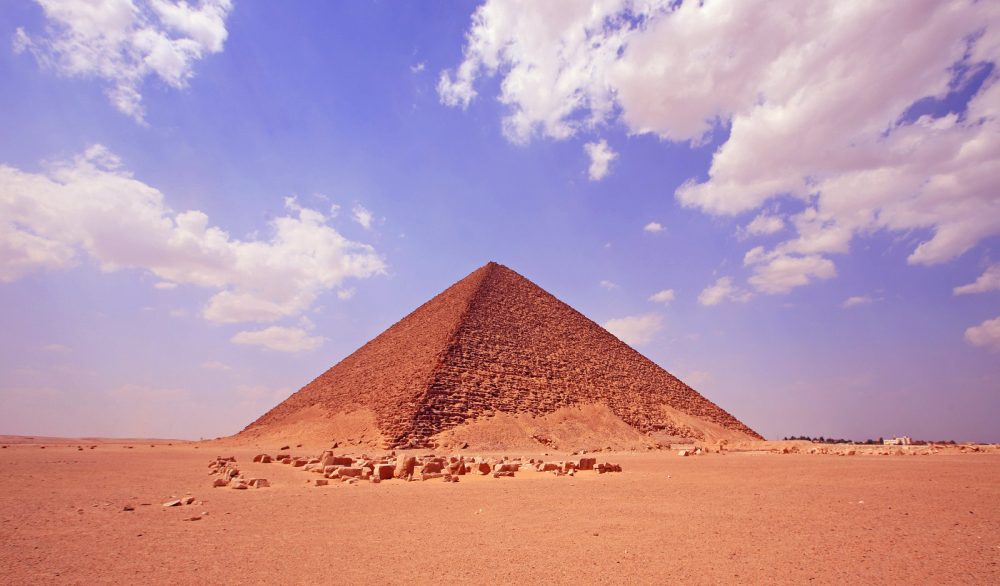
This is a quieter, less crowded desert site, but home to two of the most crucial pyramids built by King Sneferu: * The Bent Pyramid: A marvel of early pyramid design, showcasing an architectural shift midway through its construction. * The Red Pyramid: Considered the first true, geometrically perfect pyramid, marking a significant milestone.5. Abu Rawash
Though largely in ruins, this site holds the remains of the pyramid of Djedefre (Khufu's successor). It offers incredible panoramic views of the desert and, on a clear day, even the Giza pyramids in the distance.
Economy and Trade in the Old Kingdom
Egypt's immense prosperity during this period relied heavily on its agricultural bounty, which was, of course, made possible by the dependable annual flooding of the Nile. The main economic activities were diverse: * Farming: Primarily growing staples like wheat, barley, and various vegetables. * Cattle raising: A significant source of food and labor. * Mining expeditions: Venturing out for valuable resources like copper, gold, and turquoise. * Trade: Engaging in commerce with neighboring regions like Nubia (to the south), the Sinai Peninsula (for turquoise), and the Levant (modern-day Middle East). This economic stability wasn't just about comfort; it provided Egypt with the substantial resources required to undertake its world-changing monumental building projects.Legacy of the Old Kingdom
The achievements of the Old Kingdom weren't fleeting; they laid the groundwork for Egyptian civilization for thousands of years to come. Its lasting legacy includes: * The fundamental creation of pyramid architecture itself. * Unparalleled advanced stone masonry techniques. * Artistic and cultural models that were revered and copied by countless later dynasties. * Perfected administrative systems that allowed for complex governance. * A comprehensive worldview centered on the supreme concept of divine kingship. Today, the awe-inspiring monuments from this era are among the most visited historical sites globally, forming the very core of Egypt's identity as a tourist destination. The Old Kingdom of Ancient Egypt is truly one of the most remarkable periods in all of human history. Its incredible pyramids, its artistic masterpieces, and its sophisticated society continue to inspire wonder and admiration in modern travelers like us. Visiting Giza, Saqqara, and Dashur isn't just seeing old stones; it's a journey back to a time when Egypt built wonders that still stand proudly, defying time, for over 4,500 years. For anyone exploring Egypt, the Old Kingdom isn't just history—it is the living foundation of the country's cultural identity and an absolute highlight of every Egypt travel experience. Ready to discover these iconic Old Kingdom sites yourself? Let Travel Joy Egypt help you plan an unforgettable tour to Giza, Dashur, and Saqqara, where you can truly immerse yourself in Egypt's fascinating past.Ready to turn this guide into reality?
Our local experts can create a custom itinerary based on these recommendations. Just send us a quick message!
Customize via WhatsApp