

Al-Muizz Street: Tours, Tickets & Visitor Guide
About Al-Muizz Street
Discover Al-Muizz Street: Cairo's Timeless Tapestry of History and Life
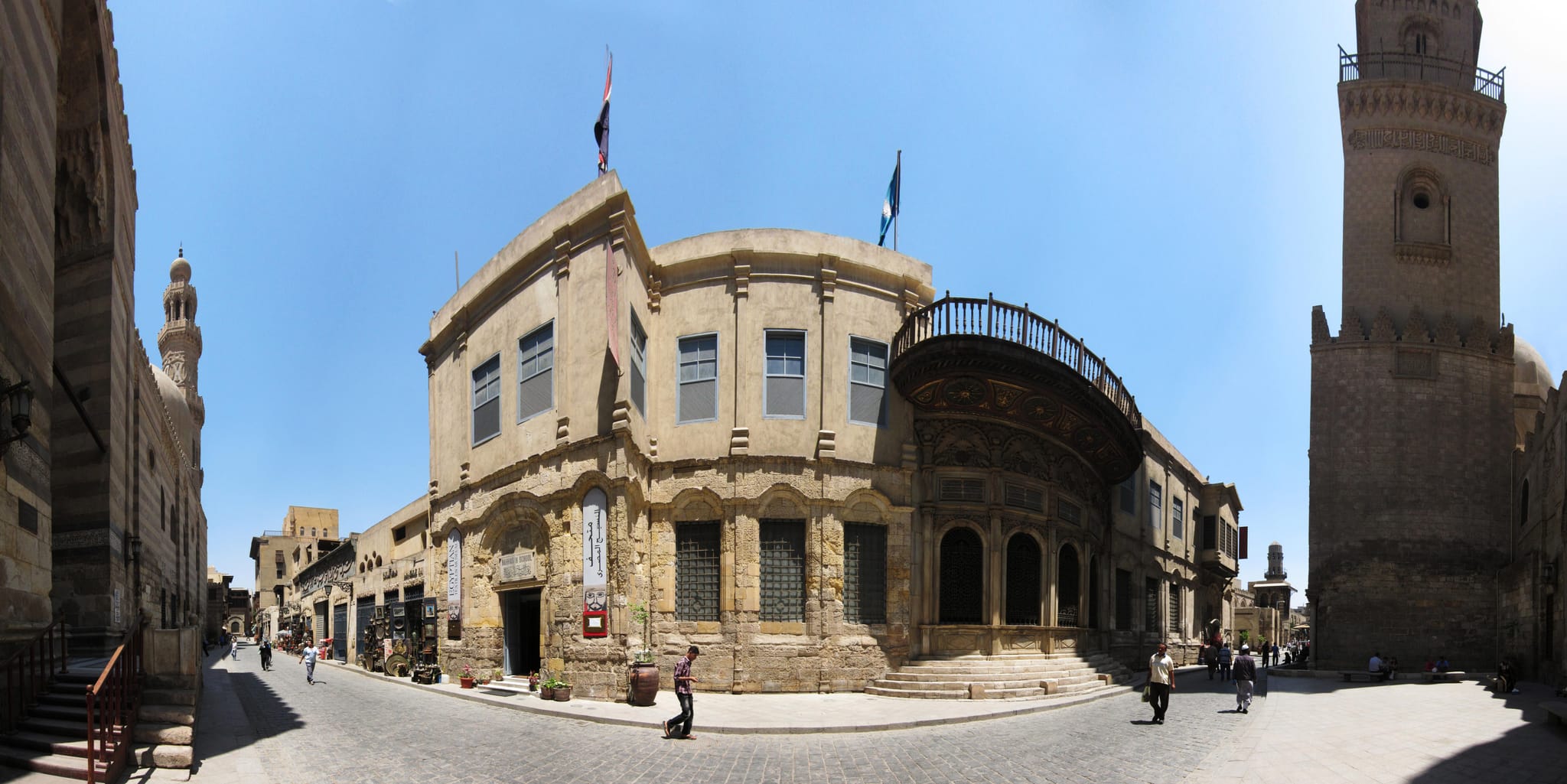
Step into a living museum along Al-Muizz Street, the vibrant heart of Islamic Cairo and a UNESCO World Heritage site. This storied thoroughfare offers a clear window into a millennium of Egyptian heritage.
Stretching for approximately one kilometer, the pedestrianized street boasts the highest density of medieval Islamic architectural marvels on the planet. As you walk, you will pass mosques, madrasas (religious academies), hospitals, palaces, and sabil-kuttabs (public fountains with Koranic schools situated above).
Each landmark tells a story, from the intricate stonework of the Sultan Qalawun Complex to the soaring minaret of the Mosque of Sultan Barquq. Every step invites a deeper look into Cairo's rich past.
Street Life and Craft
The street hums with activity. Artisan workshops still practice age-old crafts, with coppersmiths tapping rhythmic patterns into metal.
Spice sellers heap fragrant blends in vivid colors, and vendors call out to passersby. Daily life unfolds against a backdrop of carved stone and shaded lanes.
Glance up at delicate mashrabiya (ornate wooden screens) on historic homes. Step into a caravanserai (khan) to picture the trade that once buzzed within its walls. Al-Muizz is not just preserved architecture; it is living Cairo.

What Makes Al-Muizz Street Special
Al-Muizz blends deep history with everyday life. It is not a static relic but a lived-in space where past and present meet.
Its UNESCO status highlights its unmatched collection of medieval Islamic architecture and urban design. The walkable scale invites close looks at facades, courtyards, and side alleys.
The street is tied to the Fatimid Caliphate. Named for Al-Mu'izz li-Din Allah, the fourth Fatimid Caliph who founded Cairo in 969 CE, it served as the city's main artery and ceremonial route. For centuries it saw grand processions and events that shaped medieval Cairo's political, economic, and religious life.
A Millennium of Architectural Splendor
Born in the Fatimid Era (969-1171 CE), the street was flanked by palaces and administrative halls. In the Ayyubid Era (1171-1250 CE), Saladin and his successors fortified Cairo and further embellished the route.
Much of its grandeur endures. Styles from early Islamic to Mamluk and Ottoman stand side by side, revealing the evolution of Islamic art and architecture in one walkable stretch.

What to See on Al-Muizz Street
Your walk will reveal major monuments and intimate details. Highlights include:
- Sultan Qalawun Complex: A breathtaking masterpiece of Mamluk architecture, this complex includes a mosque, madrasa, and mausoleum, renowned for its intricate stucco and marble decorations.
- Mosque of Sultan Barquq: Another impressive Mamluk structure, featuring a grand entrance and a towering minaret that dominates the skyline.
- Khan el-Khalili Bazaar: While technically adjacent, this famous souk is an essential extension of your Al-Muizz experience, offering everything from spices and jewelry to souvenirs and traditional crafts.
- Bayt Al-Suhaymi: A beautifully preserved Ottoman-era house showcasing traditional Egyptian domestic architecture, complete with courtyards and mashrabiya.
- Sabil-Kuttab of Abd al-Rahman Katkhuda: A prominent example of a sabil-kuttab, these public fountains with Koranic schools above were vital civic structures in medieval Cairo.
- Al-Azhar Mosque and University: One of the oldest continuously operating universities in the world and a pivotal center of Islamic learning, its historical significance is immense.
- Al-Hakim Mosque: A large Fatimid-era mosque, notable for its monumental entrance and sturdy architecture.
Beyond the headline sites, pause for the small moments: craftspeople at work, the scent of spices, and the energy of the market. Daily life animates a singular historic stage.

How to Visit Al-Muizz Street
Getting There
Al-Muizz Street sits in the heart of Islamic Cairo and is easy to reach. Taxis and ride-sharing apps are simple options, or take the Metro to Bab El-Shaariya station near the northern end.
Because the street is pedestrianized, explore on foot and plan a relaxed pace.
Tickets and Entry
Entry to Al-Muizz Street is free. Key buildings such as the Sultan Qalawun Complex, the Mosque of Sultan Barquq, and Bayt Al-Suhaymi charge modest entrance fees, so carry small Egyptian Pound notes.
Some sites may offer combined tickets. Ask at the first major site you visit.
Time Needed
Set aside at least half a day, and a full day if you can. A brisk walk-through takes two to three hours.
To tour several monuments, browse shops, and linger for photos, allow more time. Slow down and enjoy the details.
Plan breaks for Egyptian tea or a simple meal at a local spot. Short rests make the experience richer.
Best Time to Visit & Tips
Best Time to Visit
The most comfortable months are October to April. Temperatures suit long walks and outdoor exploring.
Avoid peak summer heat (June to August). Weekdays are generally quieter than weekends (Friday and Saturday in Egypt).
Helpful Tips for Your Visit
- Dress Modestly: When visiting mosques and religious sites, both men and women should dress modestly, covering shoulders and knees. Women should also carry a headscarf to cover their hair when entering mosques.
- Comfortable Shoes: You'll be doing a lot of walking on uneven surfaces, so comfortable footwear is essential.
- Bargaining: If you plan to shop in Khan el-Khalili or other market stalls, bargaining is expected and part of the experience.
- Stay Hydrated: Carry water, especially on warmer days.
- Be Aware of Your Surroundings: While generally safe, be mindful of your belongings in crowded areas.
- Embrace the Experience: Al-Muizz Street is a sensory overload in the best possible way. Be open to interacting with locals, trying local foods, and truly immersing yourself in this unique historical setting.
Historical Significance
A Millennium of Splendor
Al-Muizz Street, officially named in honor of Al-Mu'izz li-Din Allah, the fourth Fatimid Caliph who established Cairo in 969 CE, began as the main artery of the Fatimid capital.
For centuries it served as the ceremonial route for caliphs and sultans, witnessing grand processions and pivotal events. Its placement made it the center of political, economic, and religious life in medieval Cairo.
- Fatimid Era (969-1171 CE): The street anchored the new city, flanked by royal palaces and administrative structures.
- Ayyubid Era (1171-1250 CE): Saladin and his successors fortified Cairo and continued to adorn the street, though much original Fatimid architecture was later replaced.
- Mamluk Era (1250-1517 CE): This period saw the greatest architectural flourishing, turning Al-Muizz into the 'street of mosques and madrasas'. Complexes such as the Sultan Qalawun Complex and the Mosque-Madrasa of Sultan Barquq showcase Mamluk mastery.
- Ottoman and Khedival Eras: New buildings appeared and the street retained its importance, even as some areas declined before major preservation efforts in the late 20th century.
Tours Visiting Al-Muizz Street
Private, Egyptologist-guided experiences with tickets and transfers handled for you.
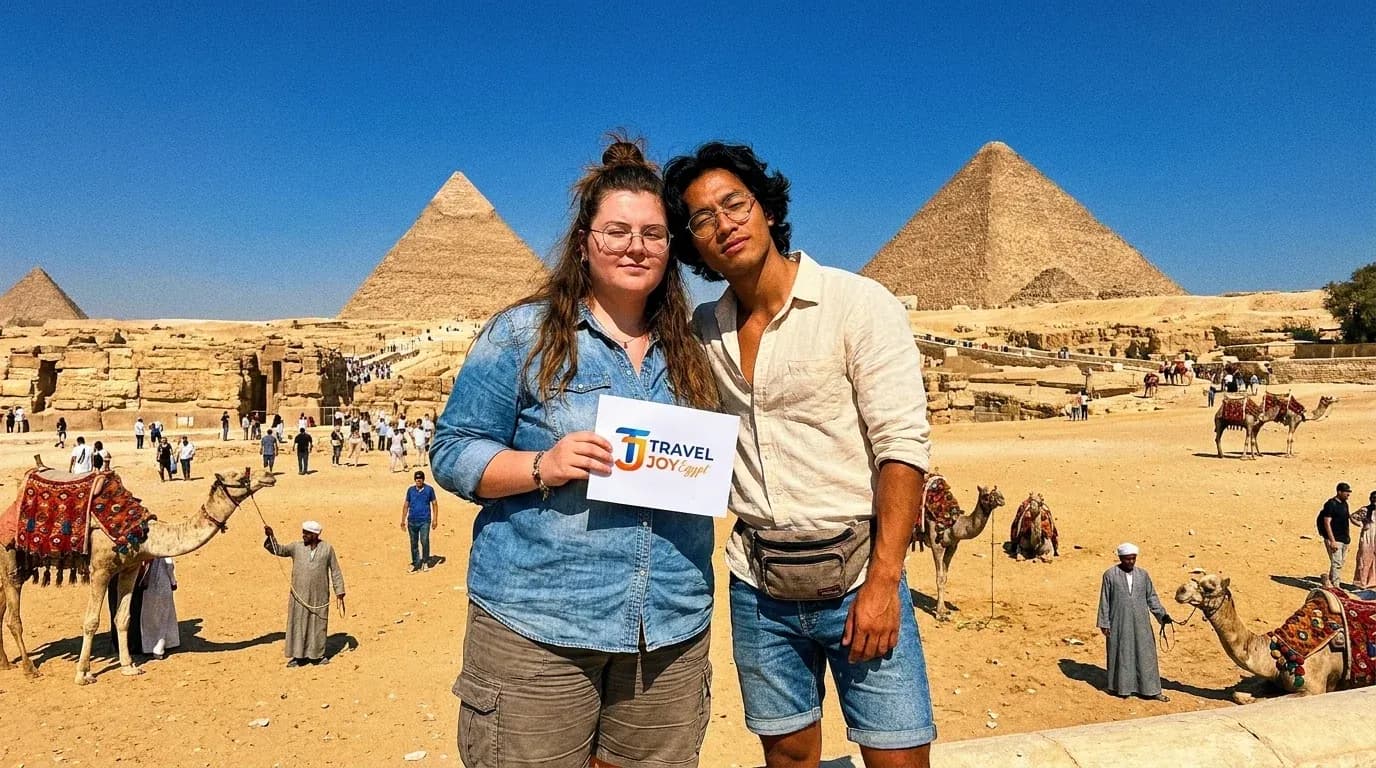
This 13-day cultural tour covers Cairo, Alexandria, Luxor, and Aswan, combining hotel-based sightseeing in the north with a week-long Nile cruise through Upper…
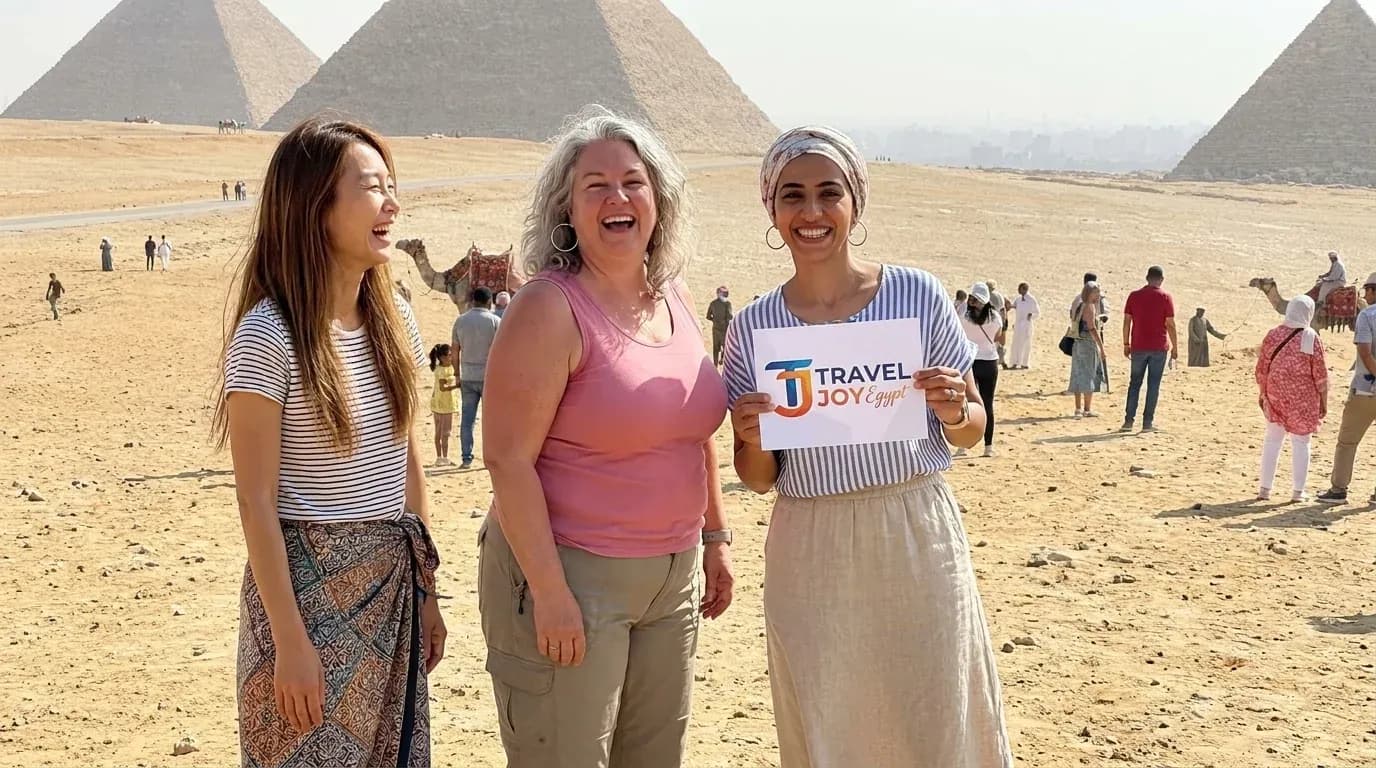
This 15-day luxury tour is one of Travel Joy Egypt's longest itineraries, covering Cairo, Alexandria, a Nile cruise through Aswan, Abu Simbel, Kom Ombo, Edfu,…
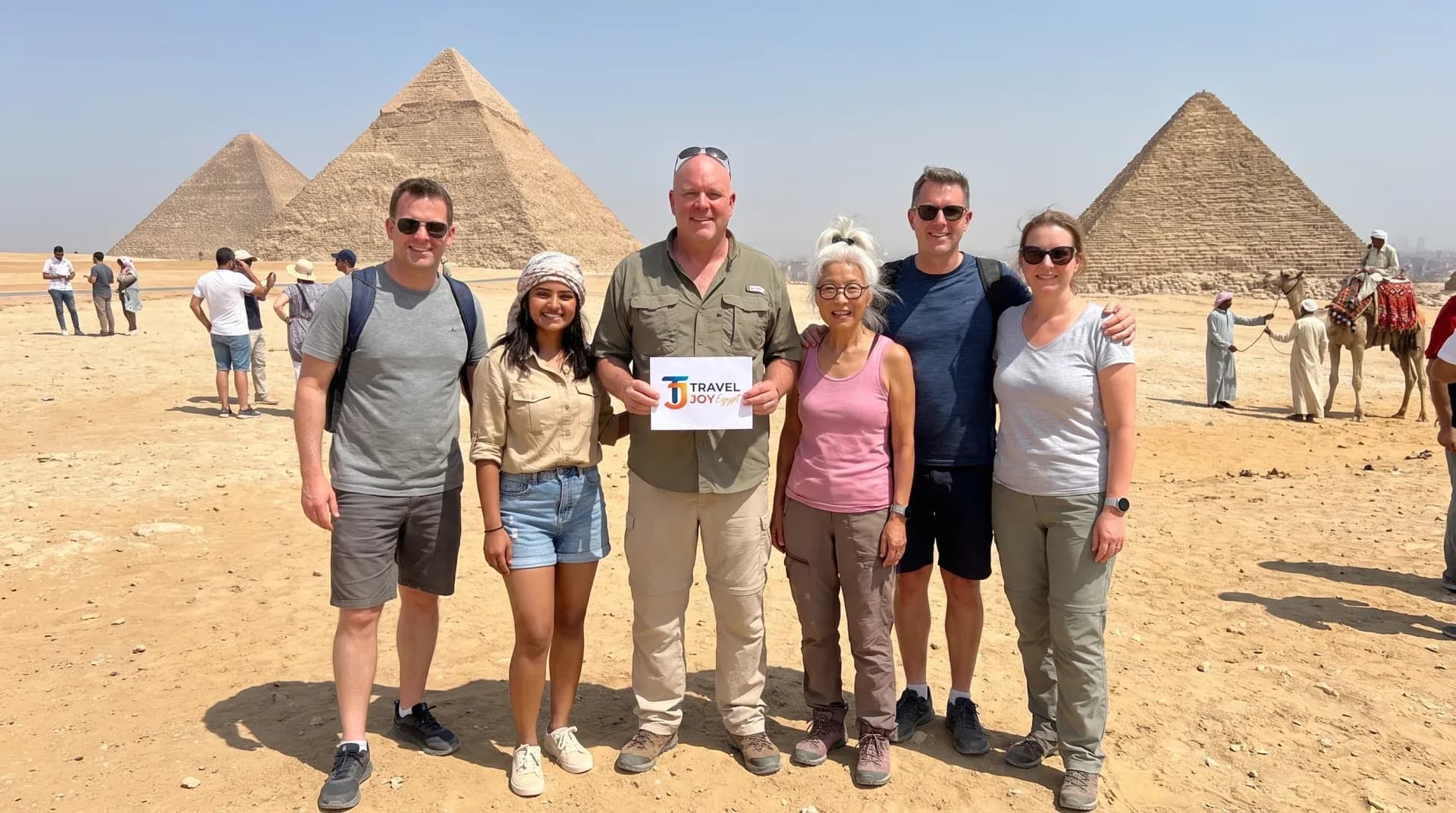
This 10-day private tour runs from Cairo to Luxor by domestic flight and finishes with several days on the Red Sea coast at Hurghada, mixing ancient sites with…
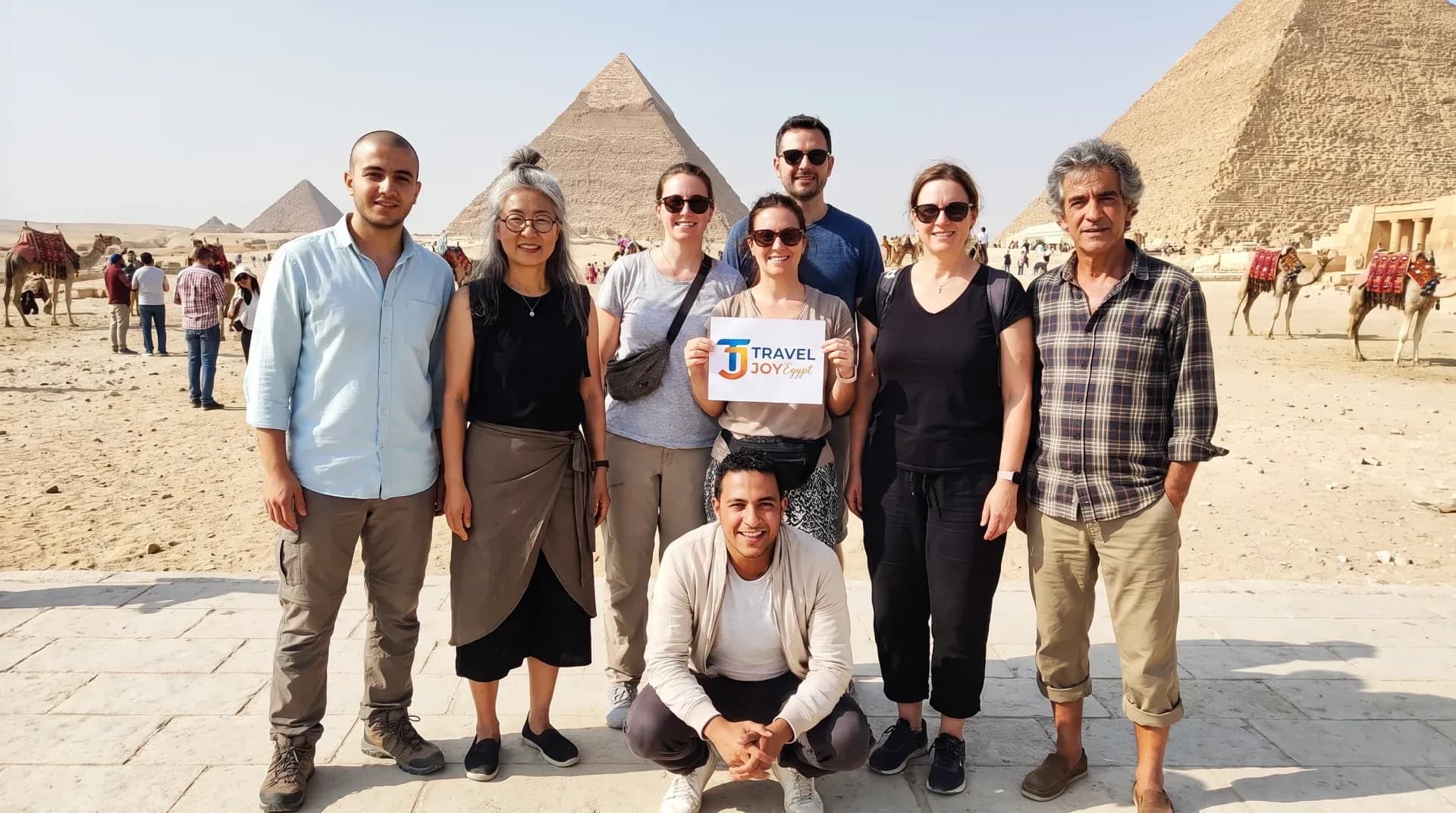
This 11-day tour builds a deep itinerary around Cairo, Alexandria, Luxor and Aswan, adding the sacred temples of Dendera and Abydos to the standard route. A…
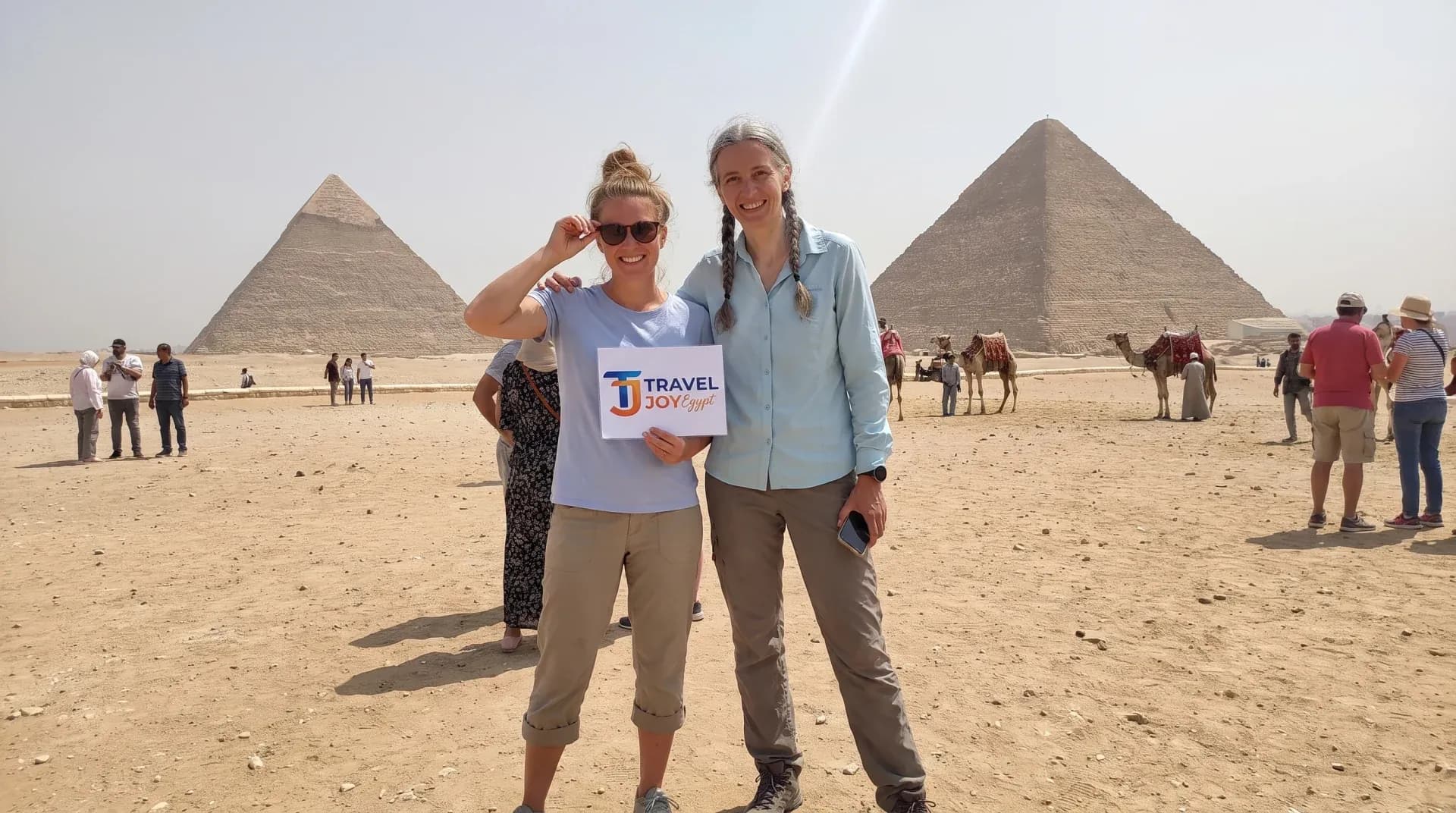
This 11-day tour uses domestic flights and a Nile cruise to link Cairo, Hurghada, Luxor and Aswan in one continuous circuit around Egypt. A Nile dinner cruise…
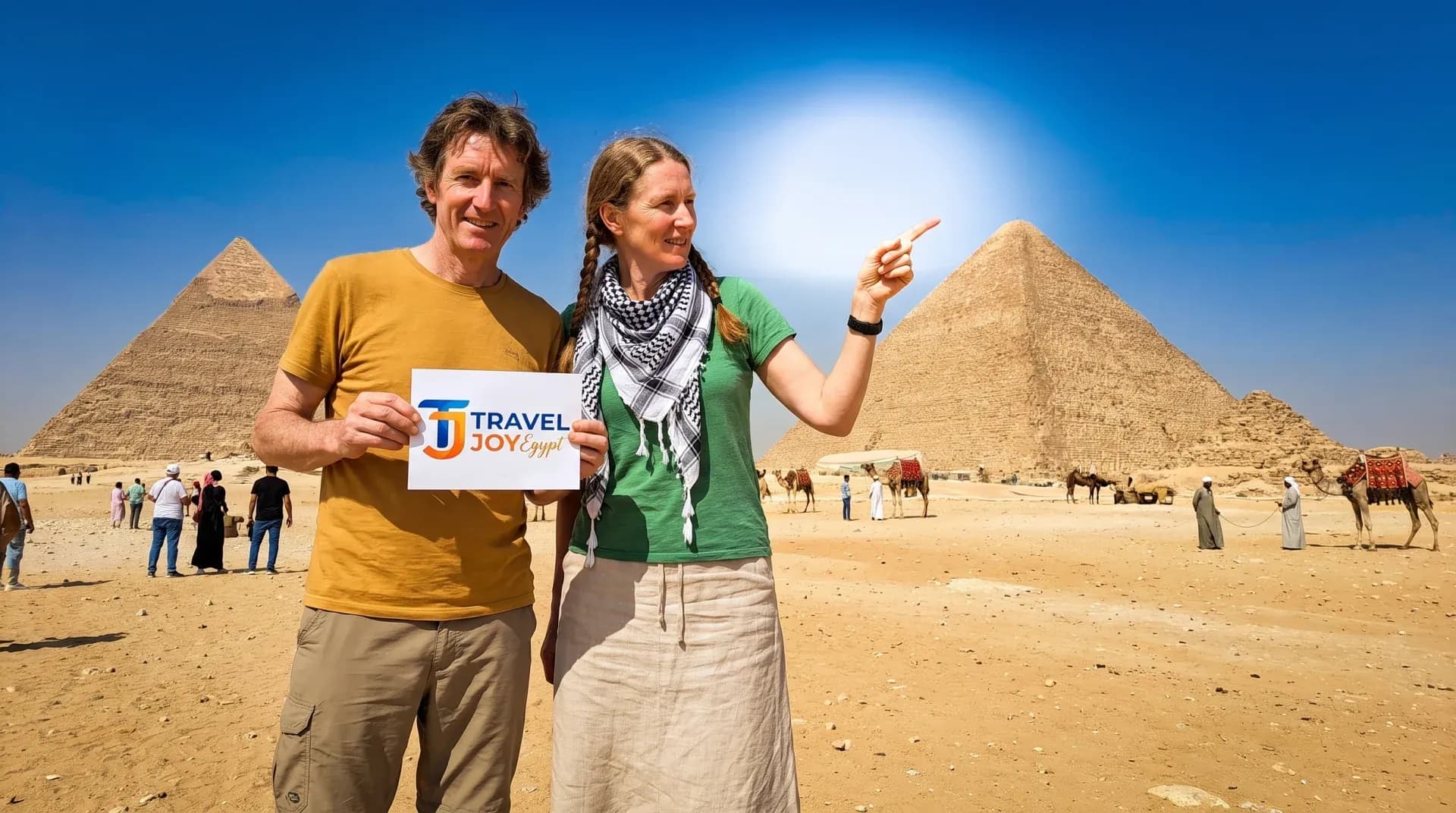
This 12-day tour combines a deep dive into Cairo and Upper Egypt's temples with a run of Red Sea and desert days in Hurghada. An evening Sound and Light Show…
Al-Muizz Street — Frequently Asked Questions
Everything you need to know before visiting Al-Muizz Street.
Top attractions in Cairo & Giza
Egypt tours by destination
Browse Egypt tours by category
- 1Egypt Tour Packages
- 2Egypt Day Tours
- 3Nile Cruises
- 4Tailor-Made Tours
- 5Honeymoon Packages
- 6Family Packages
- 7Luxury Packages
- 8Private Packages
- 9Small-Group Packages
- 10All-Inclusive Packages
- 11Last-Minute Egypt Tours
- 12Dahabiya Cruises
- 13Egypt Travel Guide
- 14Egypt Tour Packages from USA
- 15Egypt & Jordan Tour Packages