

Nubian Museum: Tours, Tickets & Visitor Guide
About Nubian Museum
About Nubian Museum: A Journey Through Ancient and Modern Nubia
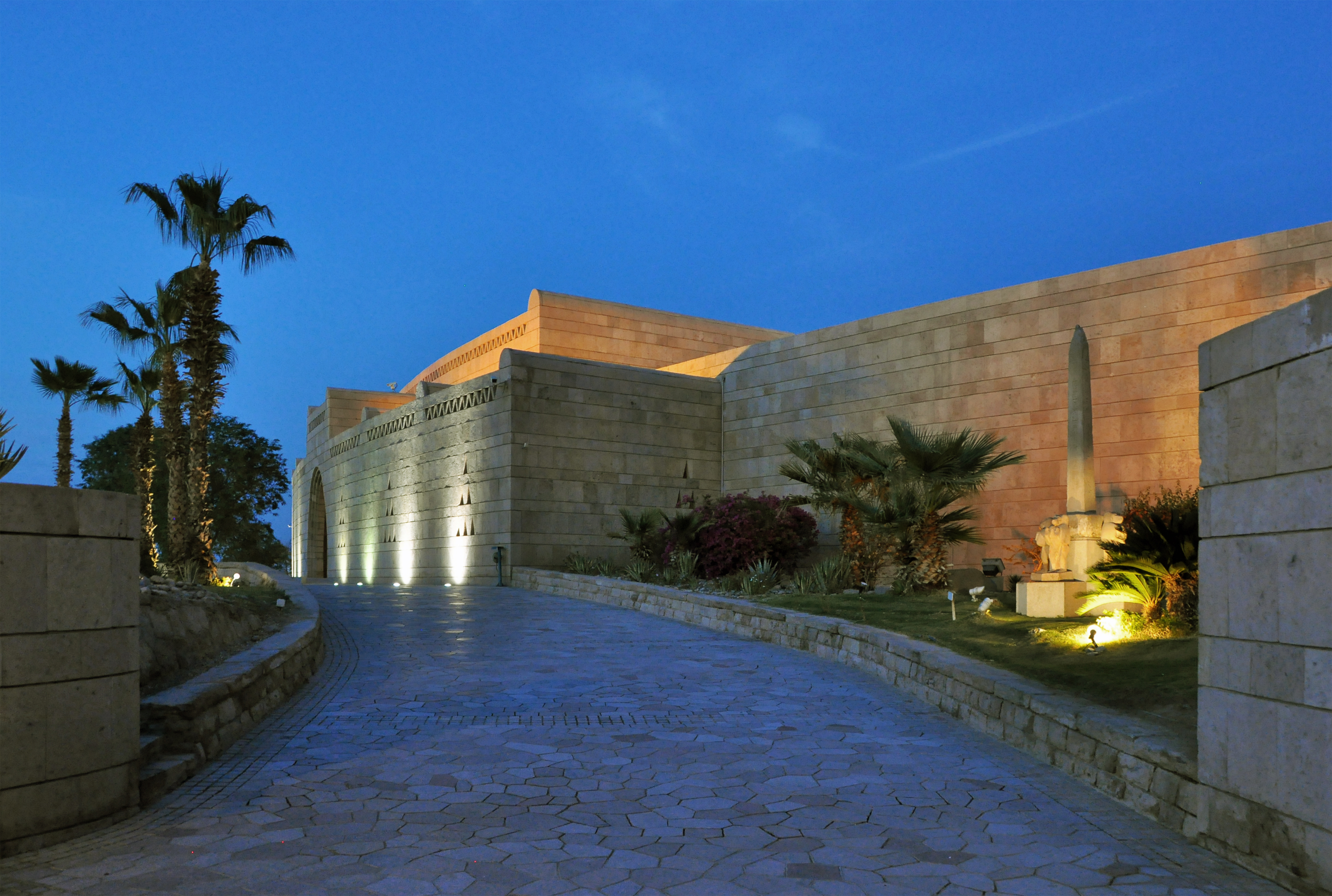
Delve into the vibrant tapestry of Nubian civilization at the Nubian Museum, an architectural masterpiece in Aswan that serves as a dynamic tribute to a people whose legacy is profoundly woven into the essence of the Nile and the very foundation of both ancient and contemporary Egypt. More than merely a repository of historical items, this institution illuminates a resilient culture through a rich collection of artifacts, artistic expressions, and engaging displays.
Upon entering this acclaimed edifice, conceived to mirror traditional Nubian village aesthetics, visitors embark on a chronological expedition, experiencing a culture that spans millennia.
The museum skillfully narrates Nubia's saga, from prehistoric epochs through the Pharaonic, Roman, Coptic, and Islamic eras, extending to the modern day. It's a place where the past isn't just preserved; it's brought to life, offering a profound understanding of a civilization that thrived along the banks of the Nile, adapting and enduring through various historical transformations.
What Makes the Nubian Museum Special?
The Nubian Museum stands out not only for its comprehensive collection but also for its very existence, which is a testament to international cooperation and cultural preservation. It is a living monument to a people whose heritage faced submersion, yet found a new home and a voice here. The museum's design, blending seamlessly with the natural landscape and echoing traditional Nubian architecture, immediately immerses visitors in the spirit of the region.
Beyond the aesthetic, the institution excels in its storytelling. It's not just a display of objects; it’s a carefully curated narrative, presenting the continuity and evolution of Nubian life. The thoughtful integration of informative descriptions in Arabic, English, and French, complemented by evocative photography and multimedia presentations, ensures accessibility and deep engagement for visitors from around the globe.
A Legacy Salvaged: The Genesis of Preservation
The narrative of the Nubian Museum is intricately tied to one of the 20th century's most ambitious archaeological undertakings: the international initiative to safeguard Nubia's monuments. With the construction of the Aswan High Dam in the 1960s, a vast expanse of ancient Nubian territory, along with its invaluable archaeological sites and cultural heritage, faced imminent submersion beneath the rising waters of Lake Nasser.
Recognizing this catastrophic loss, UNESCO issued an urgent appeal to the global community. This initiated an unprecedented worldwide effort where archaeologists, engineers, and governments collaborated to dismantle, relocate, and reconstruct numerous temples and sites, most famously Abu Simbel. The Nubian Museum became not just a repository for artifacts but a symbolic home for a displaced culture, ensuring its stories and treasures would continue to inspire future generations.
What to See at the Nubian Museum
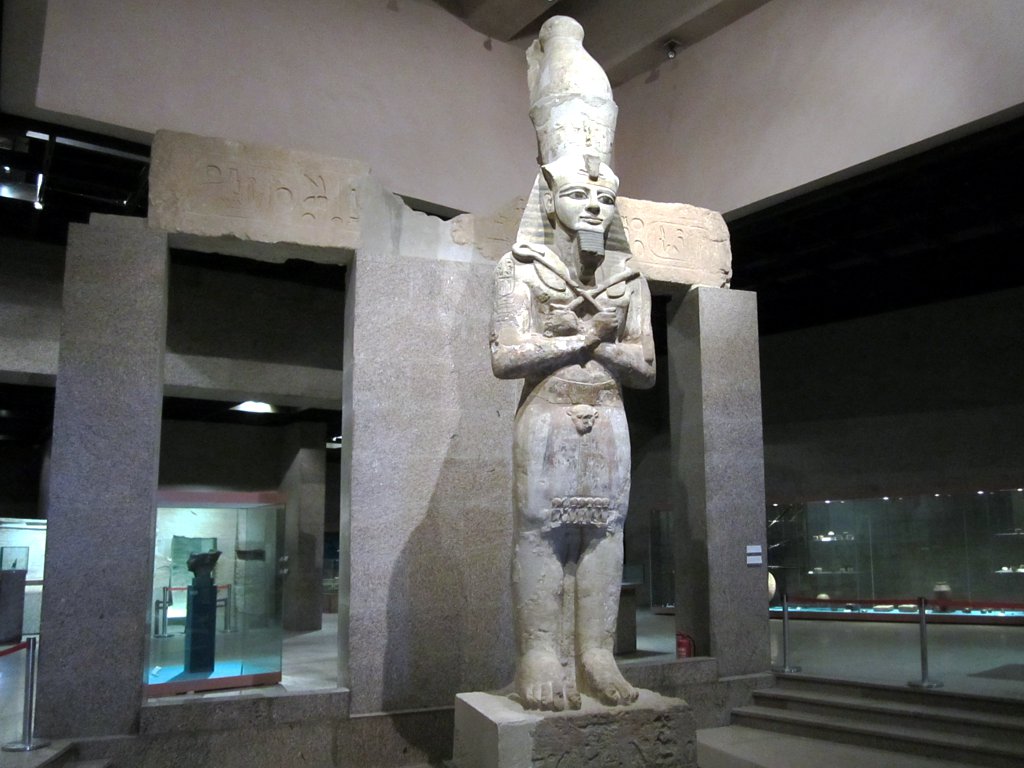
Your journey through the museum begins with an outdoor exhibit, transitioning into a chronological exploration inside. Stroll through galleries showcasing meticulously preserved treasures, offering a window into daily life, beliefs, and artistic prowess.
- Prehistoric to Roman Eras: Discover early tools, pottery, and evidence of Nubia's earliest inhabitants, tracing their development through interaction with Pharaonic Egypt and later Roman influences.
- Pharaonic Connections: Explore artifacts that highlight the deep connections and sometimes complex relationship between Nubia and ancient Egypt, including statues, stelae, and intricate carvings.
- Coptic and Islamic Periods: Witness the cultural shifts as Christianity and then Islam spread through Nubia, reflected in religious artifacts, textiles, and architectural fragments.
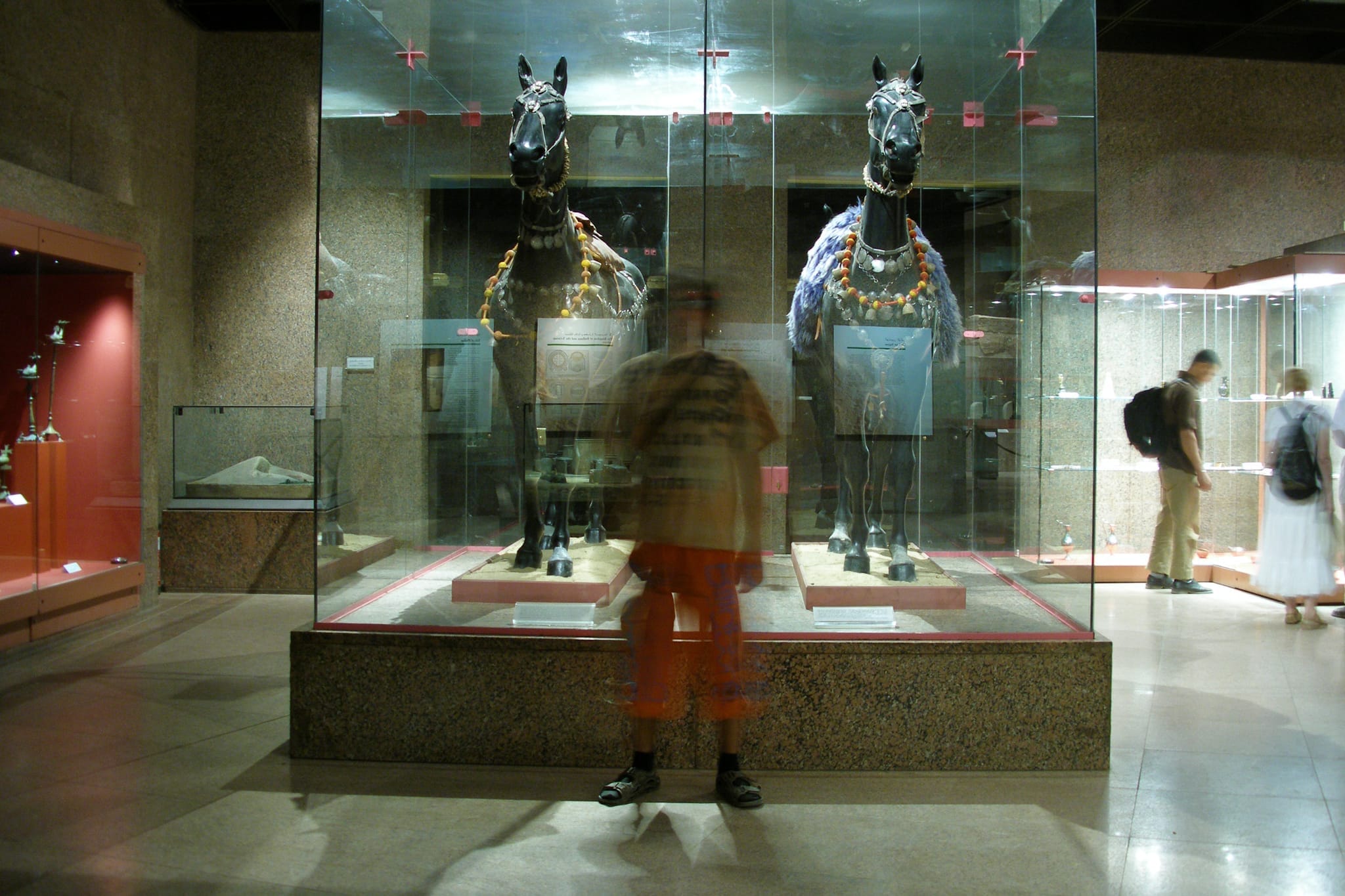
- Traditional Nubian Life: A significant portion of the museum is dedicated to the vibrant customs of modern Nubia, featuring elaborate jewelry, customary attire, household items, and musical instruments. These exhibits celebrate the resilience and beauty of contemporary Nubian culture.
- Salvaged Temples Exhibition: A particularly poignant section is dedicated to the monumental global undertaking that salvaged temples and archaeological sites from the rising waters of Lake Nasser. This area often includes models, photographs, and sometimes even original pieces from these relocated structures, illustrating the incredible effort to save Nubia's heritage.
How to Visit the Nubian Museum
Getting There:
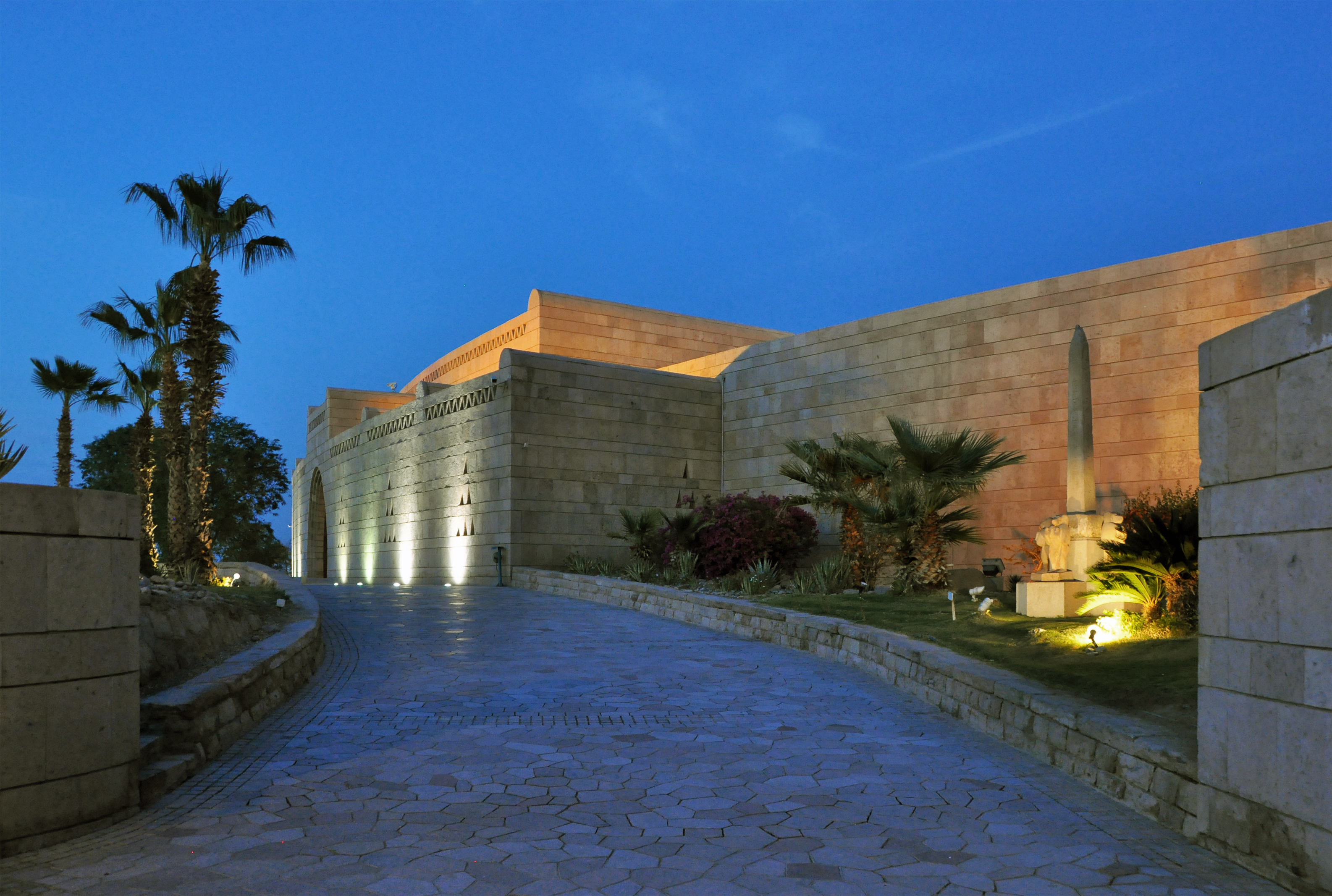
The Nubian Museum is conveniently located in Aswan, just south of the Fatimid Cemetery and quite accessible from the city center. You can easily reach it by taxi, which is the most common and convenient mode of transport. Many hotels can arrange this for you, or you can hail one directly. For those staying on Elephantine Island, a short ferry ride to the mainland followed by a taxi will get you there.
Tickets:
Tickets can be purchased directly at the museum's entrance. It's advisable to check current opening hours and ticket prices beforehand, as they can occasionally change. There are typically different rates for Egyptian citizens, Arab nationals, and foreign visitors, as well as reduced prices for students (with a valid international student ID).
Time Needed:
To fully appreciate the extensive collection and the detailed explanations, plan to spend at least 2 to 3 hours at the museum. If you're particularly interested in history, archaeology, or anthropology, you might easily spend longer.
Best Time to Visit & Tips
The best time to visit Aswan, and consequently the Nubian Museum, is during the cooler months, from October to April. The weather during this period is much more pleasant for exploring. During the peak summer months (May to September), temperatures can be extremely high, making indoor activities more appealing, but travel around Aswan itself can be challenging.
Tips for Your Visit:
- Go Early or Late: To avoid crowds and enjoy a more serene experience, consider visiting right after opening or an hour or two before closing.
- Wear Comfortable Shoes: You'll be doing a fair bit of walking through the galleries and potentially the outdoor exhibits.
- Stay Hydrated: Especially if visiting in warmer months, carry water with you.
- Photography: Check the current photography policy upon entry. Often, non-flash photography is permitted in certain areas, but rules can vary.
- Combine with Other Sites: The museum is relatively close to the Philae Temple (via a short transfer to the boat dock) and the Unfinished Obelisk, making it easy to group these attractions together for a full day of sightseeing in Aswan.
Historical Significance
The Genesis of Preservation: Aswan's Nubian Museum
The narrative of the Nubian Museum is intricately tied to one of the 20th century's most ambitious archaeological undertakings: the international initiative to safeguard Nubia's monuments. With the construction of the Aswan High Dam in the 1960s, a vast expanse of ancient Nubian territory, along with its invaluable archaeological sites and cultural heritage, faced submersion beneath the rising waters of Lake Nasser.
- UNESCO's Call to Action: Recognizing the imminent loss, UNESCO issued an urgent appeal to the global community. This initiated an unprecedented worldwide effort, where archaeologists, engineers, and governments collaborated to dismantle, relocate, and reconstruct numerous temples and sites, most famously Abu Simbel.
- A Home for the Salvaged: As artifacts were unearthed and rescued from the threatened region, the necessity for a dedicated institution to house and interpret this rich heritage became paramount. The concept for a museum specifically focused on Nubian culture gained momentum.
- Construction and Opening: Construction of the Nubian Museum commenced in 1986, with support from UNESCO and the Egyptian government. Designed by architect Mahmoud El-Hakim, its architecture harmonizes seamlessly with the surrounding environment, drawing inspiration from traditional Nubian villages. The museum officially opened its doors in 1997, quickly earning international acclaim for its comprehensive collection and thoughtful presentation.
- A Living Legacy: Today, the Nubian Museum stands as a vital cultural institution, not only preserving the material culture of Nubia but also celebrating the ongoing vitality of Nubian traditions and identity. It serves as a powerful reminder of the importance of cultural heritage and the success of international cooperation in its preservation.
Nubian Museum — Frequently Asked Questions
Everything you need to know before visiting Nubian Museum.
Top attractions in Aswan & Nubia
Egypt tours by destination
Browse Egypt tours by category
- 1Egypt Tour Packages
- 2Egypt Day Tours
- 3Nile Cruises
- 4Tailor-Made Tours
- 5Honeymoon Packages
- 6Family Packages
- 7Luxury Packages
- 8Private Packages
- 9Small-Group Packages
- 10All-Inclusive Packages
- 11Last-Minute Egypt Tours
- 12Dahabiya Cruises
- 13Egypt Travel Guide
- 14Egypt Tour Packages from USA
- 15Egypt & Jordan Tour Packages