

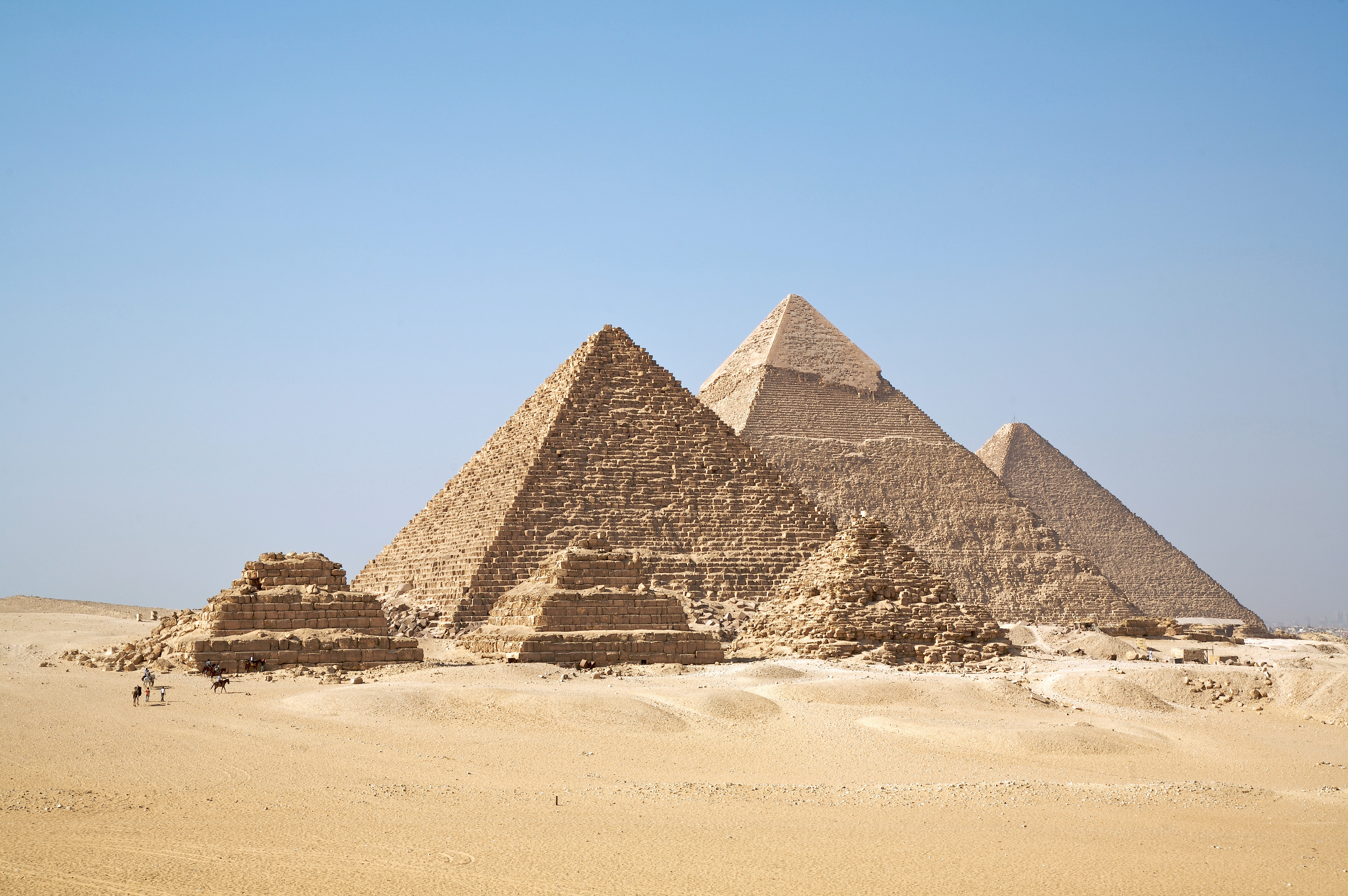
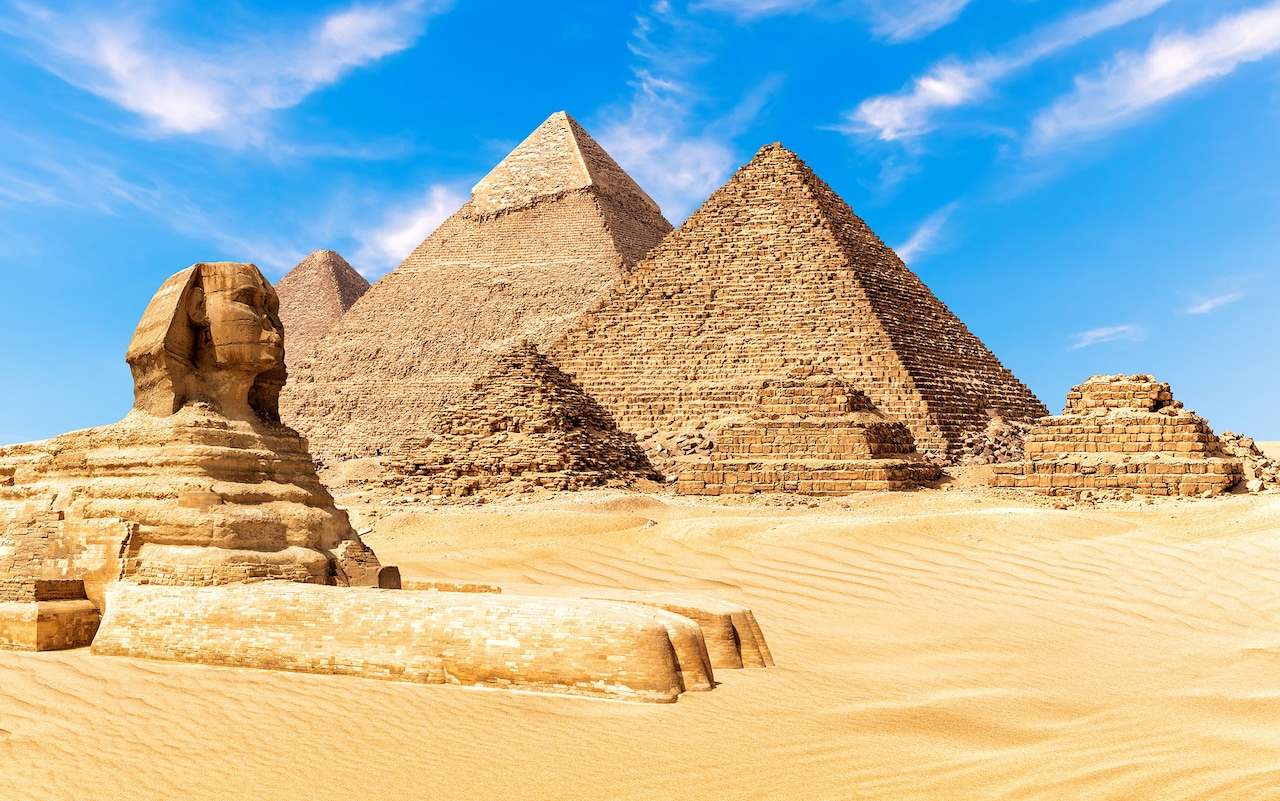
Rising from the dusty plateau of Egypt, the Pyramids of Giza aren't just old stones; they're a testament to human ambition and ingenuity. Built some 4,500 years ago for pharaohs Khufu, Khafre, and Menkaure, these monuments have stood the test of time, practically daring anyone to try and match them even today. Just think about Khufu's Great Pyramid alone – it took millions of heavy stone blocks to build, making it arguably the most ambitious construction project in all of history.
While old stories might paint a picture of 100,000 laborers toiling away, modern archaeology tells a more complex, and frankly, more impressive story: a smaller, highly skilled workforce of about 20,000, supported by an army of craftsmen and specialists. It really just goes to show how incredibly organized and advanced ancient Egyptian society truly was.
The Giza Pyramids: A Monumental Feat
Even after 4,500 years, the Giza Pyramids still stun us. They're a humbling reminder of what the ancient Egyptians achieved without any of our modern tools. It's a feat that even today's construction giants sometimes struggle to wrap their heads around.
Scale and Precision of the Structures
Khufu's Great Pyramid once dominated the skyline at 146.6 meters tall, holding the record as the world's tallest structure for nearly 3,800 years. Imagine that! It was built with millions of tons of limestone, granite, and mortar, truly a symbol of ancient ambition. But what really gets researchers scratching their heads is the sheer precision. We're talking stone joints as narrow as a hair (0.5 mm!), sides that differ by mere centimeters, and a base squared off with near-perfect accuracy.
These aren't just good measurements; they're achievements that honestly rival, and sometimes even surpass, modern construction standards.
Geographic and Astronomical Alignment
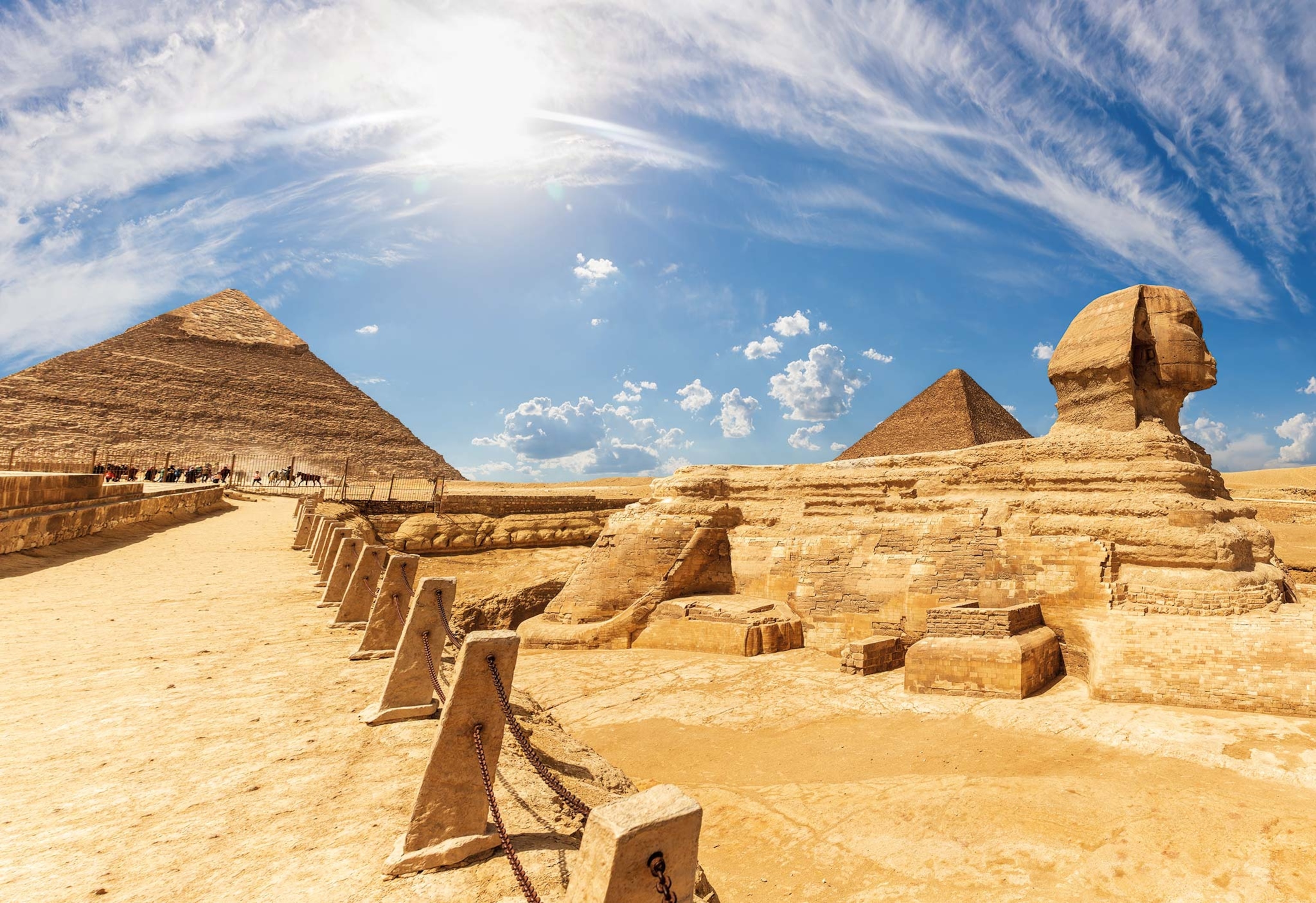
There's a subtle genius in the Giza Pyramids' astronomical precision. Khufu's pyramid points almost perfectly to the cardinal directions. How? Likely by carefully tracking equinox shadows or observing stars. And it's not just basic alignment; solar alignments play a role too. If you're standing at the Sphinx during the winter solstice, you'd see the sun set right over Menkaure's pyramid. During the summer solstice, it sets perfectly between the two larger pyramids.
It's a clear sign that the builders weren't just engineers; they were also keen astronomers.
Uncovering the Workforce Behind the Pyramids
Forget the old Hollywood movies. Archaeology has shown us that the pyramids weren't built by enslaved masses. Instead, they were constructed by organized, highly skilled Egyptian workers. The evidence paints a picture of incredibly well-structured and supportive communities behind these monumental structures.
Who Were the Builders?
The pyramid builders were Egyptians, and definitely not foreign slaves. Cemeteries near the sites have revealed the resting places of some 20,000 to 30,000 workers. About 4,000 of them were the dedicated stoneworkers, with the rest providing essential support. This workforce wasn't just a random group; it was meticulously organized into crews, gangs, and small, specialized teams.
They even had proud names for themselves, like 'Friends of Khufu,' which really speaks volumes about their skill and national pride.
Want to explore Egypt Pyramids: Uncovering the Truth Behind the Great Monuments?
Let us design the perfect private itinerary for you. From expert local guides to seamless luxury cruises, we craft custom trips that show you the real Egypt.
Living Conditions in Worker Villages
Thanks to the hard work of archaeologists like Mark Lehner and Zahi Hawass, we have a clear picture of the worker settlements near the pyramids. These excavations revealed how the laborers lived during construction. The town had barracks, streets with drainage, and a mix of permanent homes and temporary camps. Housing wasn't one-size-fits-all; it reflected social rank. Skilled workers had better quarters, complete with storage and courtyards, while general laborers lived more communally.
Everyone got paid in bread and beer, with supervisors receiving higher rations – a system that even fostered internal trade.
Support Systems: Bakers, Medics, and Priests
Supporting such a massive workforce required an equally massive infrastructure. We're talking copper workshops, bustling bakeries, and fish-processing sites. These workers weren't just scraping by; they had a rich and varied diet, including beef, pork, and poultry. What's truly amazing is the evidence of advanced medical care – healed fractures, and even a successful leg amputation! This just goes to show their high status within society.
Religious life was also deeply ingrained, with cemeteries containing both simple and elaborately decorated tombs, reflecting the spiritual importance these builders held in Egyptian society.
See it for yourself
Trips that visit the places in this article.

This 8-day tour combines Cairo's pyramids with a four-night dahabiya sailing aboard the Three Pyramids vessel, following the Luxor-to-Aswan route with an Abu…

This 12-day family itinerary moves from Cairo's monuments to a Nile cruise between Aswan and Luxor and finishes with an extended, all-inclusive stay on the Red…
Want a different route or length? We'll build it around you.
Recent Archeological Discoveries
Every year, ongoing excavations in Egypt bring new evidence to light. These finds continually reshape our understanding of the pyramid builders, challenging old theories and offering deeper insights into their construction methods and daily lives.
New Tombs and Burial Artifacts
Recently, near Luxor, excavation teams revealed three fascinating tombs from the New Kingdom period (1550-1070 B.C.), each telling a unique story of ancient Egyptian life. Among them is the resting place of Amum-em-Ipet, who dedicated his life to Amun's temple, and Baki, who managed grain storage. Then there's an individual known only as 'S' – quite a character, serving simultaneously as temple supervisor and mayor of northern oases.
These burial sites feature elaborate courtyards, corridors, and ceremonially significant burial chambers. And let's not forget the incredible discovery at Abydos: a massive 3,600-year-old tomb, buried nearly 23 feet deep with impressive 16-foot vaulted chambers, all built from mud bricks. Stunning.
Want to explore Egypt Pyramids: Uncovering the Truth Behind the Great Monuments?
Let us design the perfect private itinerary for you. From expert local guides to seamless luxury cruises, we craft custom trips that show you the real Egypt.
Tools and Construction Equipment Found
The ground around the pyramids has yielded some truly tangible connections to the past: the actual tools ancient builders used. Flint tools have been found right alongside construction stones. Even more significant, archaeologists located a limestone quarry just a thousand feet from the Great Pyramid, where remnants of rubble and mud ramps still hint at how they transported stone. These ramp discoveries have really shaken up old assumptions about construction methods.
Evidence now suggests builders used dramatically steeper inclines than researchers ever thought possible – grades exceeding 20 percent, not the previously assumed 10 percent maximum.
Hieroglyphs and Graffiti by Workers
Some of the most engaging discoveries are found right inside the pyramids themselves, where ancient workers left their literal marks. Within Campbell's Chamber inside the Great Pyramid, for instance, there's hieroglyphic graffiti proudly declaring, 'The gang, Friends of Khufu.' It's such an intimate glimpse into their identity and pride. Other inscriptions reveal specific job titles – 'overseer of the side of the pyramid' and 'craftsman' – carved directly into the monument's inner walls.
And at the Red Sea site of Wadi al-Jarf, researchers unearthed papyrus logbooks kept by a 160-member work crew. These logs meticulously detail their efforts in transporting stones from the Tura quarries directly to Giza, truly putting us in their shoes.
Digital Mapping and 3D Scans
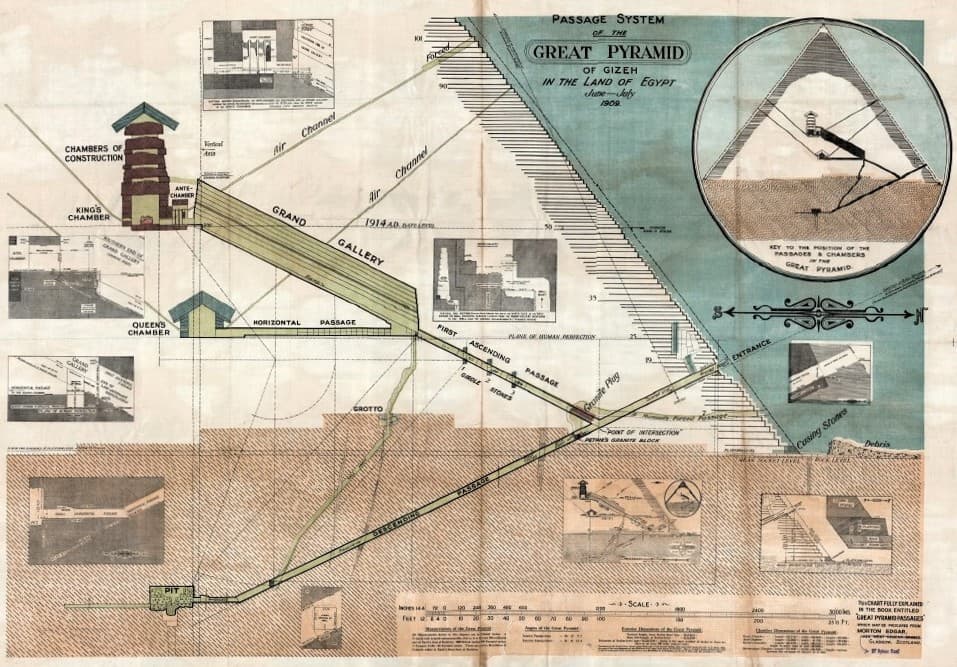
Modern tech has opened up completely new ways to explore the pyramids without disturbing them. Projects like ScanPyramids use sophisticated muon detection to find previously unknown internal spaces, successfully uncovering a substantial cavity above the Grand Gallery in 2017. Parallel research using ground-penetrating radar has even revealed an ancient branch of the Nile, stretching 64 kilometers, which bordered 31 different pyramids.
It was likely the primary transportation route for construction materials! Digital reconstruction initiatives, like the 'Great Pyramid in 3D' project, now offer virtual access to these monuments with incredible detail and accuracy.
Changing Our Understanding of Ancient Egypt
All this modern archaeological work continues to dismantle centuries-old assumptions about Egypt's most famous monuments. These pyramid investigations reveal a civilization far more sophisticated than historical accounts suggested, fundamentally altering how scholars view ancient Egyptian capabilities and social structures.
Debunking the Slave Labor Myth
The evidence from excavation sites has definitively shattered the persistent myth about enslaved pyramid builders. Worker burial sites discovered near the sacred monuments tell a starkly different story: these individuals received honorable burials, reflecting their status as valued contributors to pharaonic projects. Such treatment is a stark contrast to what enslaved populations would have experienced.
It turns out that historical dramatizations and even some ancient writings by folks like Herodotus painted a misleading picture of the construction reality.
Archaeological findings show these builders came from everyday Egyptian families and were compensated for their work. Daily provisions included substantial quantities – 21 cattle and 23 sheep delivered regularly! This demonstrates the high regard Egyptian society had for these essential workers.
Reevaluating Ancient Engineering Skills
Scientific investigations have unveiled a level of engineering sophistication that truly challenges traditional views of ancient technological limitations. The discovery of the Ahramat Branch reveals how the Nile wasn't just a river; it was an ancient transportation network, creating incredibly efficient pathways for moving massive construction materials to the pyramid sites.
Even more remarkable, evidence points to advanced hydraulic systems that may have played a role in pyramid construction through innovative water-powered mechanisms. Research suggests these systems had the theoretical capacity to move up to 100 tons simultaneously – capabilities that literally force us to reconsider what ancient civilizations could achieve without modern machinery. It's mind-boggling.
Cultural and Social Implications
Documentary evidence, like the Merer Papyrus, truly illuminates the complex organization behind pyramid construction. These ancient records detail specific work crews – names like 'Great Company' and 'Corps of Heroes' – along with precise documentation of their daily bread and beer allocations. Tomb inscriptions bearing titles such as 'Chief of Transport Workers' further demonstrate the sheer hierarchical sophistication that underpinned these massive projects.
The pyramid construction process emerges not as brute forced labor, but as a masterpiece of coordinated effort. It combined architectural mastery, organizational excellence, and deep religious devotion – elements that collectively defined the very essence of ancient Egyptian civilization.
Ready to turn this guide into reality?
Our local experts can create a custom itinerary based on these recommendations. Just send us a quick message!
Customize via WhatsApp