

The Name That Stuck: Unpacking the Pompey Myth
 The granite column dominating the Alexandria skyline is a prime example of history's really persistent cases of mistaken identity. This monumental mix-up has colored how folks have understood this landmark for ages, creating an incredible narrative of historical confusion.
How the name 'Pompey' came to be
It all boils down to a simple linguistic tangle that sparked this centuries-old error. Research shows the mistake began with people misreading the Greek dedicatory inscription on the monument's base. The Greek spelling of 'Publius' (ΠΟΥΠΛΙΟΣ/Pouplios) somehow got confused with how Greeks wrote 'Pompey' (ΠΟΜΠΗΙΟΣ/Pompeios). That basic sound similarity sent everyone down the wrong path. The story really took hold during the Crusades, when European travelers latched onto the idea that Roman general Pompey's head was buried within the column. People kept believing this tale, even with an obvious timeline problem: Pompey died in 48 BC, but the column wasn't even put up until 292 AD. That's a 340-year gap between the general's death and the monument's construction!The real identity behind the monument
In stark contrast to this popular misconception, this column was actually raised to celebrate Roman Emperor Diocletian around 300 AD. The monument marked Diocletian's victory over rebels in Alexandria back in 297 AD. This massive structure was a huge display of Roman power at its peak, celebrating their triumph over Egyptian resistance. Locally, people have their own way of referring to this landmark. The Arabic name ''Amud El-Sawari' simply means 'column'. Some experts even think the 'Sawari' part might link to Emperor Septimius Severus, which just adds another fascinating twist to this monument's already complex naming story.Why the misnaming matters historically
This naming error really highlights how historical narratives can get twisted through translation mistakes and cultural 'telephone games'. Medieval Europeans saw this enormous pillar and naturally wanted to link it to someone they felt matched its grandeur, someone they already knew. The monument essentially became a blank canvas for historical storytelling. The column's sheer size—it reaches about 100 feet (30 meters) high and was made from stunning red Aswan granite—made it impossible to ignore, so people projected their own ideas onto it. We've come a long way in understanding how historical interpretation shifts across cultures and time. Today, the column's case of mistaken identity has become an integral part of its story, adding yet another captivating chapter to its already rich historical significance.The Real Story: Diocletian and the Roman Legacy
 Diocletian's grand column stands as a quiet witness to a pivotal period in Rome's history. This era was marked by crisis, sweeping reforms, and a massive religious transformation that truly shaped the empire's final centuries.
Want to explore Pompey's Pillar in Alexandria: Unveiling the Real Story?
Let us design the perfect private itinerary for you. From expert local guides to seamless luxury cruises, we craft custom trips that show you the real Egypt.
The political context of Diocletian's reign
Diocletian rose to power in 284 AD amidst the chaos of the Crisis of the Third Century, which had plunged the empire into turmoil. He implemented incredibly far-reaching reforms that brought much-needed stability to the crumbling Roman state. His groundbreaking innovation was the establishment of the Tetrarchy—a 'rule of four' that divided imperial authority among multiple emperors to manage the vast territory more effectively. This system allowed Diocletian to govern the Eastern provinces while his appointed colleagues oversaw other regions. Diocletian personally led a campaign in Egypt to crush the rebellion of usurper Domitius Domitianus in 297 AD. Alexandria finally surrendered to imperial forces after a long siege in 298 AD. Diocletian, surprisingly, showed mercy to the defeated city by exempting its people from taxes and even redirected Rome's crucial grain shipments to feed Alexandria's population.The monument as a symbol of imperial power
This column is a textbook example of classic Roman power projection—a massive physical display of imperial authority in conquered territory. This 26.85-meter-high structure, *with* its base and capital, remains the only known monolithic column in Roman Egypt. The inscription clearly names Diocletian as 'polioúchon Alexandreias' (city-guardian-god of Alexandria), directly linking him to the city's divine protection.The Serapeum and Roman religious influence
This monument was once part of the Serapeum complex, a sanctuary that Ptolemy III Euergetes built for the Greco-Egyptian god Serapis. This religious site grew to match even Rome's Capitoline sanctuary in importance by the 4th century. However, the world changed dramatically when Emperor Theodosius I banned paganism in 391 AD. Christian mobs soon after destroyed the Serapeum. Diocletian's column, remarkably, endured as the sole survivor of Alexandria's former religious heart.See it for yourself
Trips that visit the places in this article.

This 8-day tour covers Cairo, Luxor, Aswan, and Alexandria, moving between destinations by domestic flight and private vehicle to take in the Giza pyramids,…

This 11-day tour covers four distinct regions of Egypt in sequence, from Cairo and Alexandria to Luxor and finally Hurghada on the Red Sea. An evening Nile…
Want a different route or length? We'll build it around you.
What You'll See at Pompey's Pillar Alexandria
 Pompey's Pillar today stands as a truly impressive archaeological site, connecting visitors directly to Alexandria's Roman past. This enduring monument offers a remarkable visual experience for modern travelers, despite that fun historical confusion about its name.
Want to explore Pompey's Pillar in Alexandria: Unveiling the Real Story?
Let us design the perfect private itinerary for you. From expert local guides to seamless luxury cruises, we craft custom trips that show you the real Egypt.
The towering granite column
A truly massive red Aswan granite column dominates the site. The monolithic shaft reaches 20.46 meters in height (27 meters if you include its base) and weighs roughly 285 tons. This makes it one of the largest ancient monolithic columns ever found outside Rome. The column measures 9 meters around its base and tapers elegantly upward. An intricately carved Corinthian capital sits at the very top, adding an artistic touch to this marvel of Roman engineering.Traces of the original statue
Look closely at the flat surface on top of the capital, and you'll see evidence of a missing colossal statue. A massive porphyry statue of Emperor Diocletian once stood here, likely reaching about 7 meters tall. Only attachment marks remain now, silently telling the story of the emperor's likeness that watched over ancient Alexandria for centuries.Surrounding ruins and historical markers
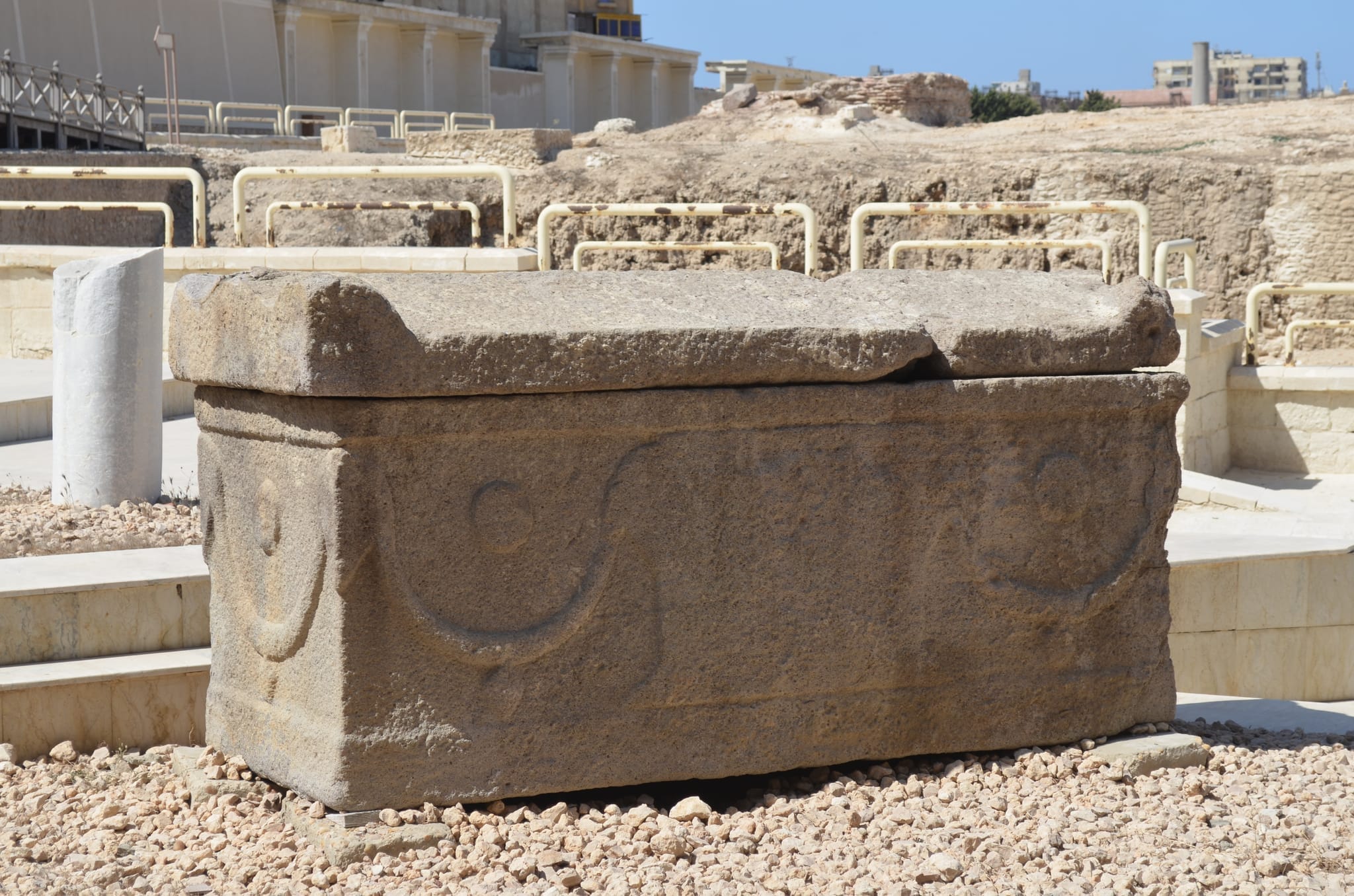
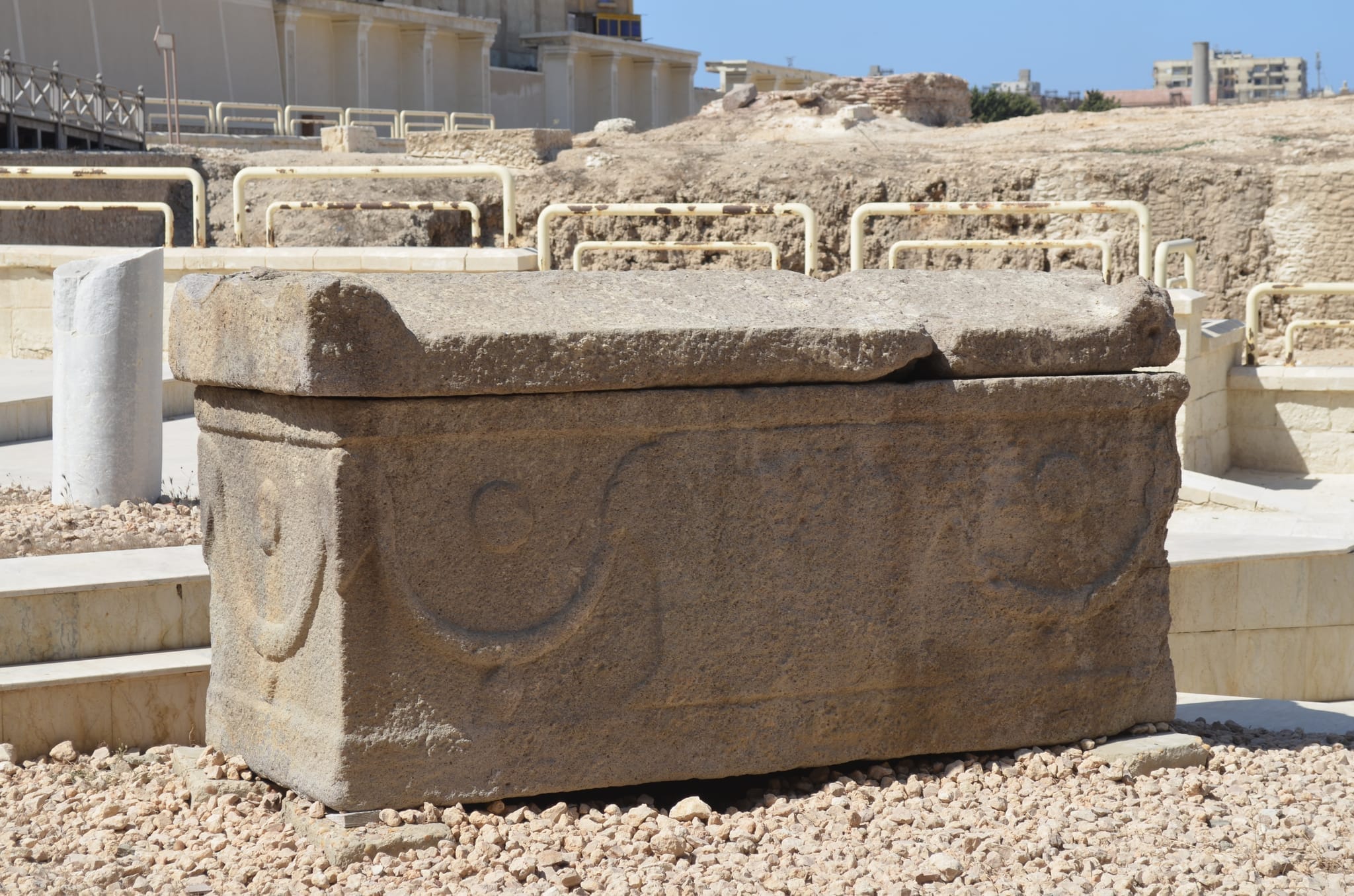
The column rises amidst the fascinating remains of the ancient Serapeum complex. You'll find underground galleries, ancient cisterns, and foundation stones that once supported this enormous temple dedicated to Serapis. Two smaller sphinxes from the Pharaonic era also stand guard near the column's base. Scattered architectural fragments hint at the site's original grandeur, while information panels throughout the area provide context about the column and its surrounding religious complex.Nearby museums and visitor centers
A small on-site museum is just steps from the column. It displays artifacts unearthed during excavations, including ancient statuary fragments and architectural elements. For an even deeper dive, the Greco-Roman Museum and National Museum of Alexandria showcase additional artifacts from the city's Roman period. These museums are an excellent way to gain further insight into the site's history, and often, guides at the site entrance are happy to provide detailed historical explanations.Why It Still Matters: Cultural and Historical Impact
 Pompey's Pillar still towers over Alexandria's skyline like a lone guardian of the past. This ancient monument means so much more than just an architectural wonder; it's a testament to enduring history.
Its place in Alexandria's ancient landscape
The column stands as the last surviving monument in Alexandria that still occupies its original spot. Writers in the fourth century AD saw it as a marvel that only Rome's sanctuary to Jupiter Optimus Maximus on the Capitoline Hill could rival. This magnificent column once stood at the very heart of the Serapeum complex, Alexandria's bustling religious center, until Christian mobs led by Patriarch Theophilus notoriously destroyed the temple around it in 391 CE. So, the pillar now tells the poignant story of Alexandria's transformation from pagan to Christian times.Modern interpretations and tourism
Today, Pompey's Pillar draws people from all corners of the globe who want to connect with Alexandria's rich Roman heritage. Visitors can explore the surrounding ruins, ancient statues, and scattered architectural pieces. Brand new information boards help tourists understand the column's true history, moving beyond its misleading name. The pillar's location offers stunning views of modern Alexandria, creating a seamless connection between the city's ancient past and its vibrant present—it's a definite highlight featured in many Egypt tours exploring the country's Greco-Roman legacy.Conservation challenges and global interest
Unfortunately, this monument faces tough preservation challenges due to weather damage and human activity. Several restoration projects have focused on cleaning and protecting the pillar from climate-related deterioration. These ongoing preservation efforts clearly demonstrate how much the world values this column—one of the largest single-stone columns ever found outside the grand imperial capitals.Ready to turn this guide into reality?
Our local experts can create a custom itinerary based on these recommendations. Just send us a quick message!
Customize via WhatsApp