

The Deep Roots of Qasr Ibrim
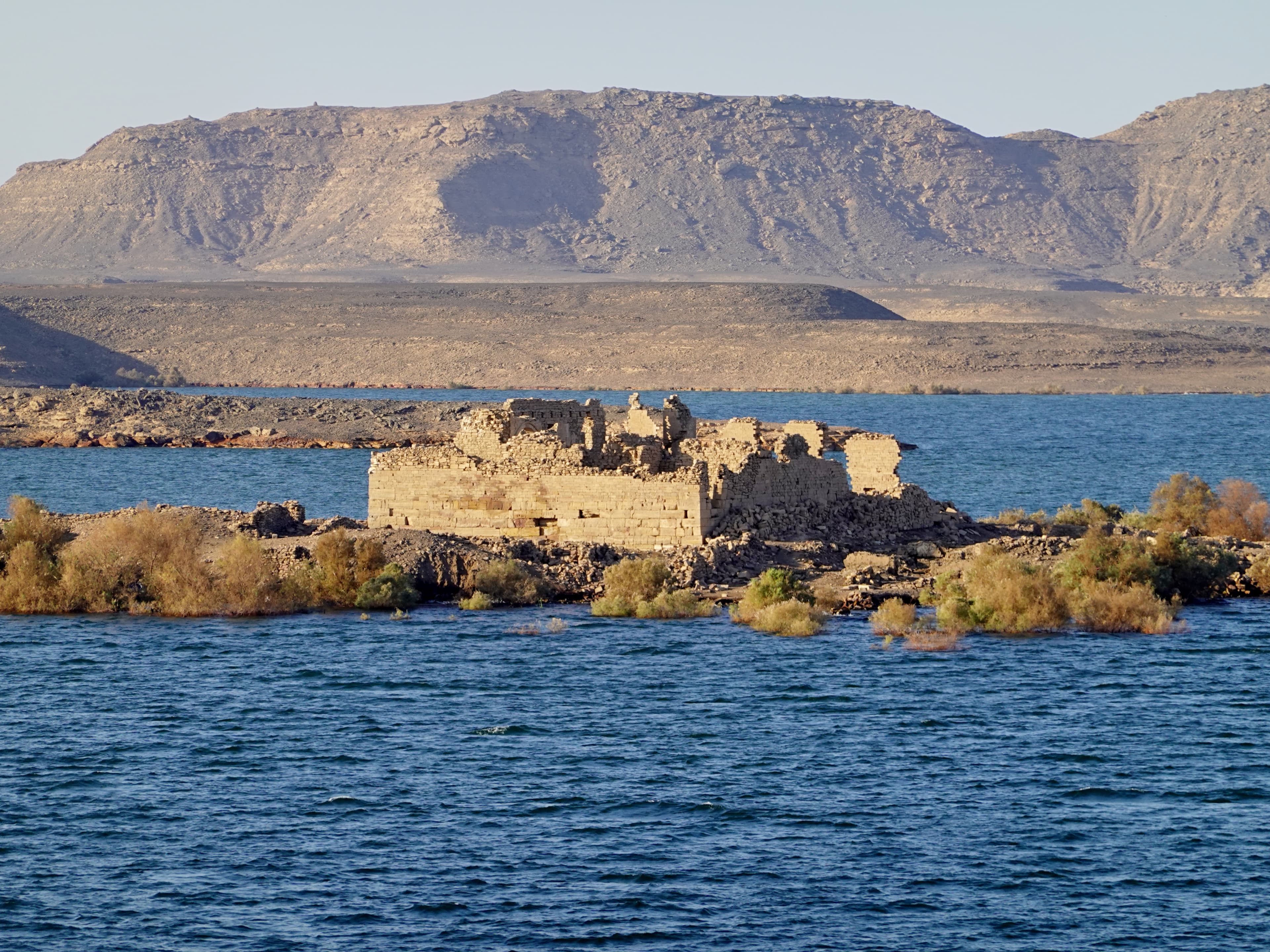
Digging into Qasr Ibrim's past feels like peeling back layers of a fascinating story, each revealing human ambition etched into stone and mud-brick. While some theories stretch its origins even further, solid archaeological evidence consistently places the earliest confirmed human presence around 1000 BCE. The fortress itself, as we see remnants of it today, came into being under more deliberate circumstances.Pharaonic Foundations and Early Nubian Strength
That fortress you glimpse today? It started taking shape between 920 and 800 BCE. This was a crucial period; Egyptian forces had pulled back from the region, leaving a power vacuum. The Nubians, ever shrewd, recognized the sheer strategic value of this elevated spot. They built fortifications to protect their interests, setting the stage for centuries of control. One of the site's most ancient temples, a mud-brick stunner in the southwestern section, was built around the 7th century BCE by the Nubian King Taharqa. Dedicated to the goddess Isis, it shows how deeply intertwined religious belief and military strategy were right from the start.Echoes of Amenhotep I: Early Egyptian Footprints
Egypt's relationship with Nubia spans an incredible 4,000 years, and Qasr Ibrim certainly bears witness to this. You'll find Egyptian artifacts and architectural touches scattered throughout. One particularly remarkable discovery is a stela from the eighth year of Amenhotep I's reign. This isn't just an artifact; it's the earliest documented proof of a royal Egyptian presence right here. This piece of history even had its own journey—later generations repurposed it in a Christian Byzantine cathedral's crypt before it finally found its way to the British Museum.Roman Occupation: "Bremen" or "Primis" under the Empire
After the monumental Battle of Actium in 31 BCE, which spelled the end of Antony and Cleopatra's ambitions, Qasr Ibrim gained new importance within the expanding Roman sphere. Under Gaius Petronius, during Augustus's reign around 23 BCE, the fortress underwent significant reconstruction. The Romans knew it as "Bremen" or "Primis." Roman military engineers were certainly thorough. They left behind substantial walls encircling the citadel, with remnants still visible at its northern end. Historical accounts describe these as the most formidable defenses along the entire Nile Valley during that era. Qasr Ibrim served Rome's strategic interests, guarding the Aswan region until around 100 CE, when the Meroites reclaimed this commanding position.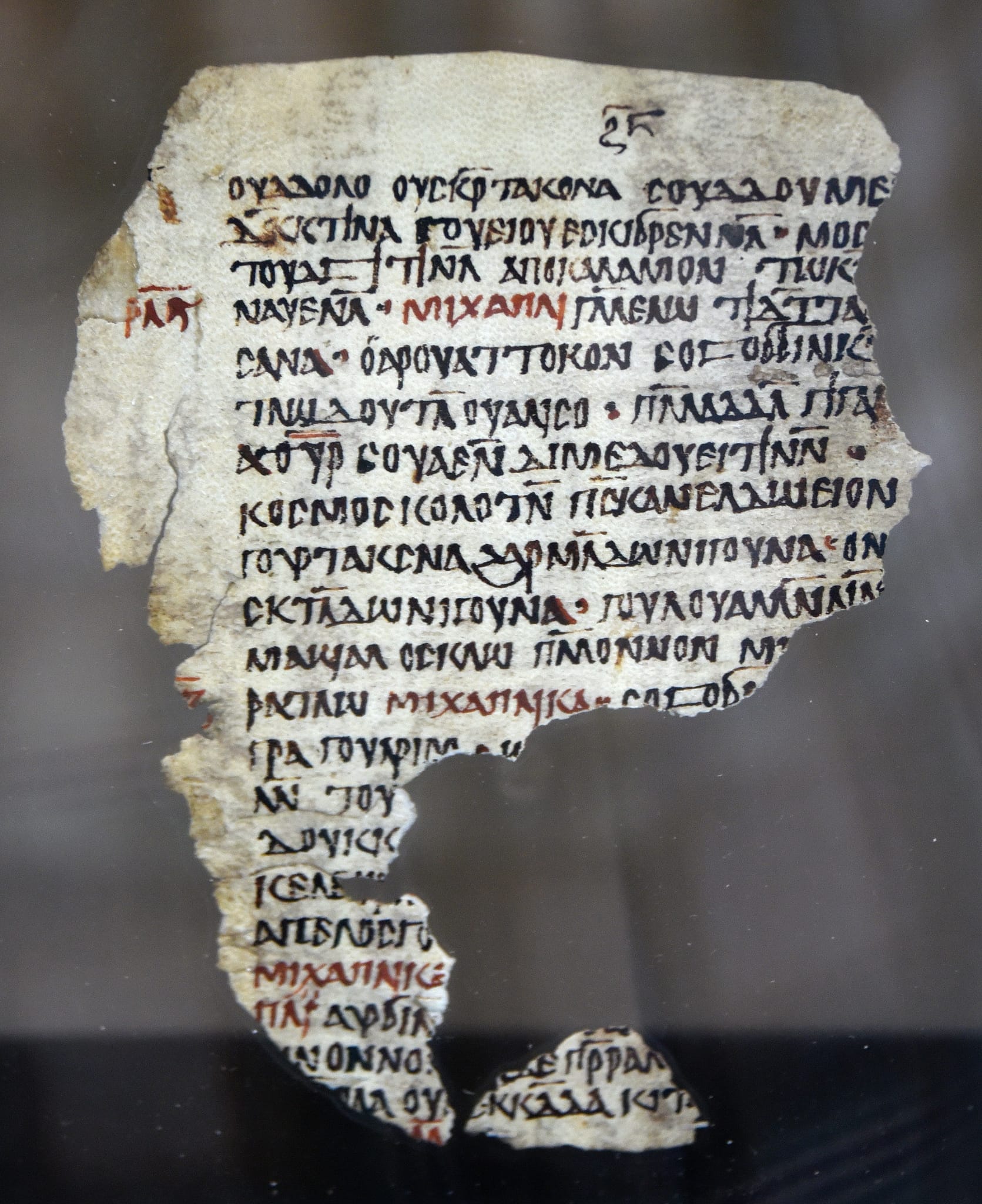
Religious Shifts: A Tapestry of Faiths
Few archaeological sites tell a story of religious evolution quite like Qasr Ibrim. Over two millennia, its spiritual landscape dramatically transformed, each shift leaving its indelible mark in stone and scripture. It's a place where old gods lingered, new faiths took hold, and cultures blended.Want to explore Qasr Ibrim: The Unsinkable Fortress of Nubia?
Let us design the perfect private itinerary for you. From expert local guides to seamless luxury cruises, we craft custom trips that show you the real Egypt.
From Old Gods to the Cross: Paganism to Christianity
Qasr Ibrim showed remarkable spiritual tenacity during the Roman era. It clung to its pagan character long after Christianity had swept through surrounding regions. Six ancient temples once graced the fortress, their devotion to traditional deities enduring for roughly two centuries beyond Egypt's widespread conversion. This made it a unique pocket of ancient worship in Lower Nubia, where old rituals flourished against the tide of change. Christianity eventually arrived within the fortress walls in the 6th century, though slowly at first. The transformation gained momentum through a common architectural practice: existing pagan structures were methodically converted into Christian places of worship. Stone by stone, ancient temples shed their original purpose for new spiritual needs. Archaeological findings point to the Taharqa Church as one of the earliest Christian structures, built between 542 and 580 CE, making it a pioneering ecclesiastical building in Nubia. Later centuries saw the emergence of a grand cathedral, probably in the early 8th century, becoming the community's spiritual heart. Excavations have unearthed intriguing Christian artifacts, including epitaphs with curious linguistic blends, where Nubian-Coptic elements mix with Greek. A true cultural melting pot!The Ascendance of the Makurian Kingdom
Qasr Ibrim saw accelerated religious change once it was absorbed into the Makurian kingdom during the early 8th century. Makuria had risen from the ashes of the collapsed Kingdom of Kush in the 4th century. Initially, it embraced Chalcedonian Christianity, while its neighbors, Nobatia and Alodia, followed Miaphysite doctrine. King Merkurios, famously dubbed "the new Constantine," orchestrated sweeping governmental and religious reforms in the late 7th and early 8th centuries. His administration declared Miaphysite Christianity the official faith, and political expansion brought Nobatia under Makurian control, uniting a Christian realm. Within this new framework, Qasr Ibrim thrived as a significant Christian center throughout Lower Nubia.Islamic Tides and Ottoman Rule
Christian dominance at Qasr Ibrim held firm for centuries, but Islamic influences began moving northward after the Muslim conquest of Egypt in 641 CE. Remarkably, the fortress maintained its Christian identity with incredible persistence, resisting full Islamization until the 16th century. The real turning point came with Bosnian soldiers serving in the Ottoman military. Their occupation of the site signaled the beginning of permanent change. These soldiers put down deep roots, marrying into local Nubian communities and settling there, establishing a lasting Muslim presence that would reshape the fortress's identity. The ultimate symbol of this religious transition was when parts of the ancient cathedral were converted into a mosque, completing the long spiritual journey from pagan temples through Christian churches to Islamic worship.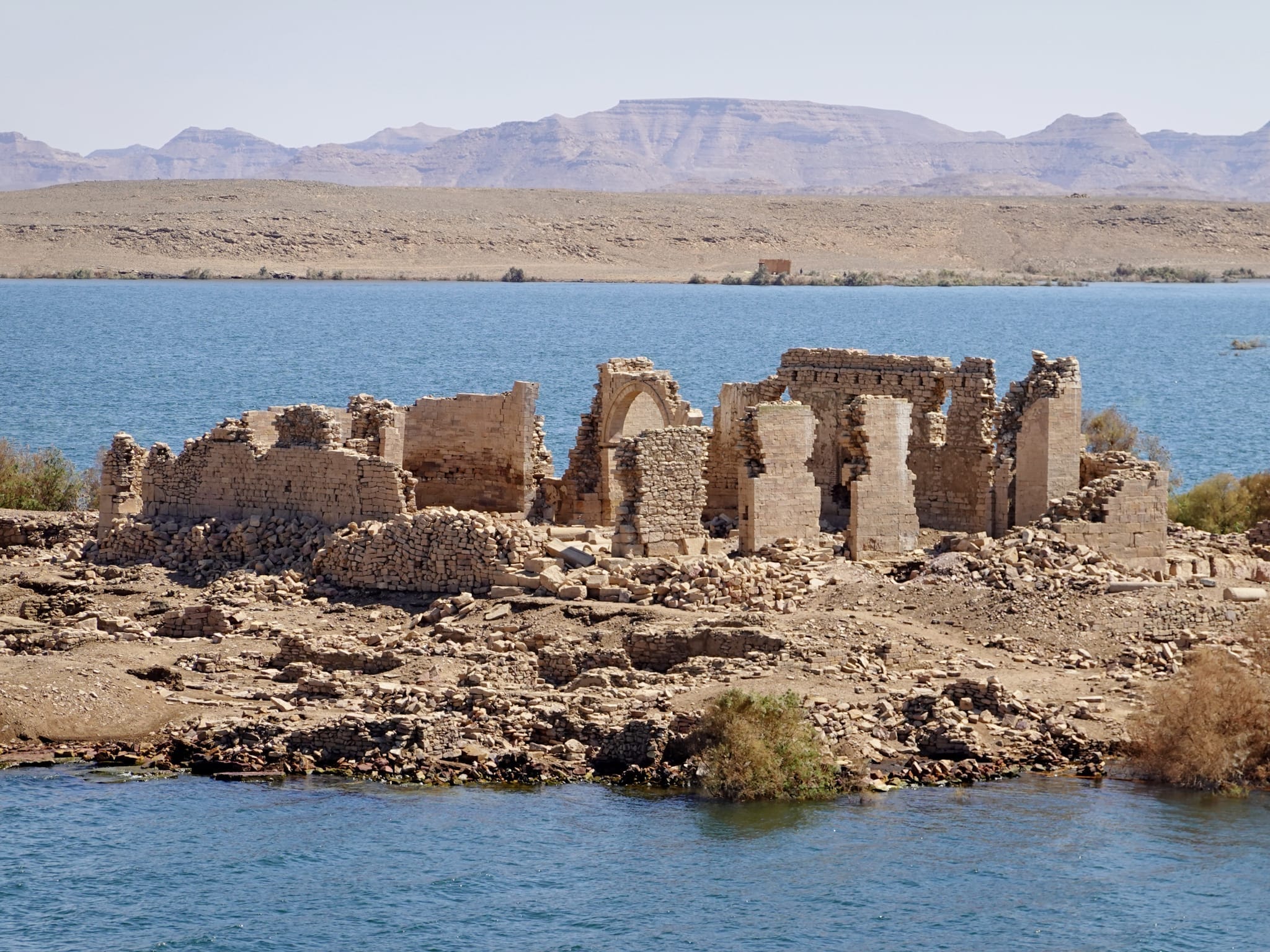
See it for yourself
Trips that visit the places in this article.

This 10-day tour moves through four distinct regions of Egypt, starting in Cairo, continuing by domestic flight and first-class train to Aswan and Luxor, and…
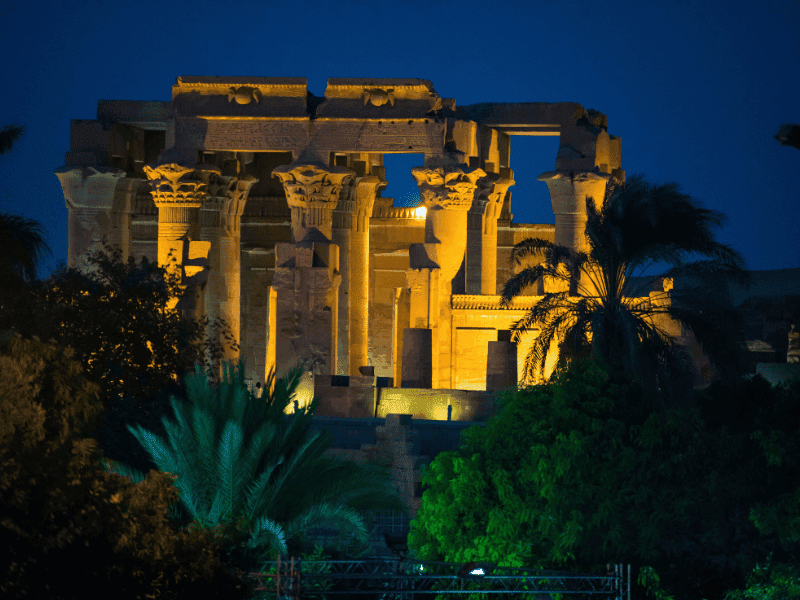
This 4-day, 3-night Nile cruise sails from Aswan to Luxor, covering the river's most-visited temples and tombs at an unhurried pace aboard a five-star ship…
Want a different route or length? We'll build it around you.
Treasures Unearthed: Archaeological Wonders
Qasr Ibrim's excavations have utterly transformed our understanding of ancient Nubian civilization. Much of this is thanks to the site's exceptional preservation, where the desert's dry embrace has kept organic materials intact for thousands of years. It's like a time capsule opened just for us.Want to explore Qasr Ibrim: The Unsinkable Fortress of Nubia?
Let us design the perfect private itinerary for you. From expert local guides to seamless luxury cruises, we craft custom trips that show you the real Egypt.
A Library in the Desert: Preserved Manuscripts
Few archaeological sites worldwide can boast an textual archive as extraordinary as Qasr Ibrim's. It's a true ancient library, holding thousands of documents spanning centuries. What makes this collection truly remarkable is its linguistic diversity; texts are written in nine distinct languages and scripts: * Hieroglyphics * Demotic * Meroitic * Greek * Latin * Coptic * Old Nubian * Arabic * Turkish The diversity isn't just about language; it extends to almost every writing medium known in the ancient world. Scribes carved messages into stone, etched words onto clay, impressed text onto metal, and inked wood, pottery shards, papyrus, leather, parchment, textiles, and paper. Among these treasures, archaeologists even found the longest surviving Arabic papyrus document—a remarkable manuscript from 758 CE, measuring 53.5 centimeters wide and an incredible 264.5 centimeters long.Life Preserved: Botanical and Zoological Finds
The desert's relentless aridity has acted as nature's ultimate preservation system, safeguarding organic materials that would have long since vanished elsewhere. Botanists studying these finds have identified three distinct agricultural periods, revealing the evolution of farming: the Napatan era (8th-7th century BCE), Roman occupation (25 BCE-1st century CE), and Meroitic control (100-300 CE). Particularly captivating are the four different varieties of sorghum recovered, which chart humanity's agricultural progress from wild grain collection to sophisticated cultivation techniques developed over two millennia, from 800 BCE right through to 1800 CE.Artifacts: Fabrics, Tools, and Royal Stones
Textile discoveries at Qasr Ibrim paint a vivid picture of cultural exchange and technological adoption. Meroitic peoples introduced cotton fabrics in the 1st century CE, while Roman settlers brought woolen textiles around 23 BCE. These fabric fragments are tangible proof of the trade networks and cultural preferences that shaped daily life in ancient Nubia. The artifact collection also includes monumentally significant pieces, like the stela of King Amenhotep I and the tomb of Bishop Timotheos. For scholars of early Christianity, perhaps most remarkable is a page from the Book of Revelation, written in the Nubian language—now carefully preserved at the British Museum.A Century of Digs: From 1911 to Today
Archaeological investigations at Qasr Ibrim began way back in 1911, with David Randall-MacIver and C. Leonard Woolley leading the first systematic excavations under the University of Pennsylvania. Their work continued in subsequent decades, including cemetery digs east and west of the main settlement in 1932 and 1961. The modern era of Qasr Ibrim archaeology truly kicked off in 1963 when the Egypt Exploration Society established ongoing excavation programs that still continue periodically today. These sustained research efforts have brought to light Qasr Ibrim's crucial role as both a frontier settlement and a vital hub for extensive trade networks connecting ancient Africa with the Mediterranean world. It's an ongoing saga of discovery!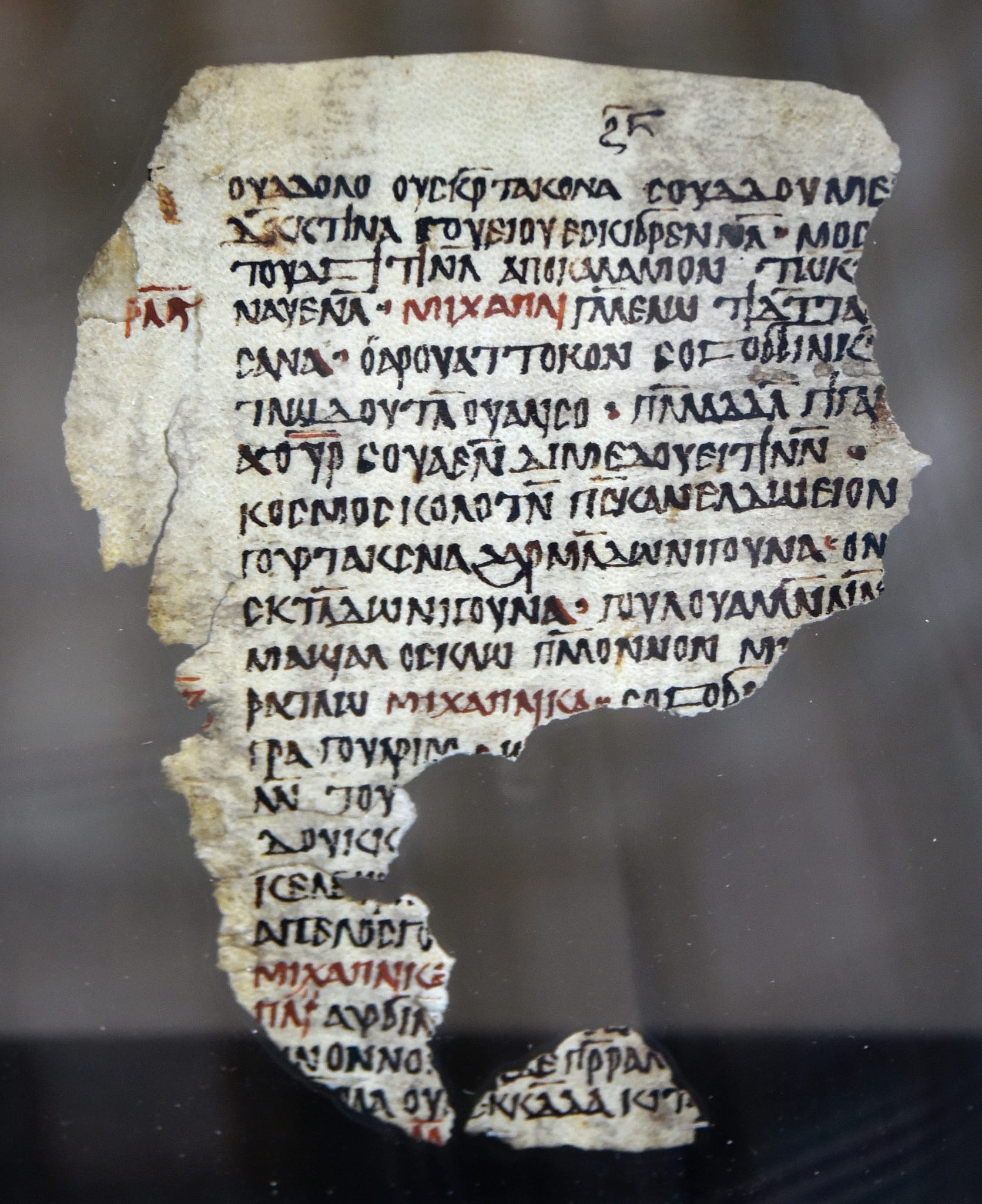
Geography, Preservation, and How to See It Now
Qasr Ibrim's dramatic story is a fascinating blend of ancient resilience and modern ambition. Once, this fortress perched majestically on towering cliffs above the Nile, watching centuries unfold from its commanding position. Then, the 20th century arrived, bringing changes that would forever reshape its world.Lake Nasser's Embrace: The Impact of the Aswan High Dam
The late 1950s marked a pivotal moment when the construction of the Aswan High Dam began to rewrite the geography of an entire region. As Lake Nasser slowly formed, Qasr Ibrim transformed from a cliff-top citadel into an isolated island. The rising waters gradually claimed the surrounding landscape, which had remained unchanged for millennia. This colossal engineering project, championed by Egypt's Free Officers movement of 1952, had ambitious goals: taming the Nile's floods, vastly expanding water storage, and harnessing hydroelectric power. The sheer scale of the project is staggering—479 kilometers of the Nile south of the dam vanished beneath the new lake, effectively erasing all of historical Lower Nubia from maps.Against the Odds: Why Qasr Ibrim Still Stands
Nature's ancient architecture proved remarkably prescient. Qasr Ibrim today is the *only* major archaeological site in Lower Nubia to have survived Lake Nasser's transformation. While rescue operations painstakingly dismantled and relocated nearly every other monument threatened by the rising waters—the temple complex of Philae Island being a famous example—Qasr Ibrim's lofty perch atop solid bedrock saved it from complete submersion. This sheer accident of ancient placement gives the fortress a unique distinction around Lake Nasser: it remains exactly where its builders intended, thousands of years ago. It's a defiant sentinel against the waters.Strict Rules: Current Restrictions and Protection
Today, Qasr Ibrim is under careful guardianship. Its shores are closed to all but scholarly visitors. The Egypt Exploration Society has maintained emergency excavations since the 1960s, treating each season's work as a race against time and the elements. The site's scorching desert climate creates a unique preservation environment; anaerobic conditions have kept organic materials in states of remarkable integrity. Everything from mundane household refuse to exquisite textiles, leather artifacts, and papyrus scrolls emerges from the sandy deposits as if placed there yesterday, not centuries ago.Seeing the Sentinel: Lake Nasser Cruises
Modern travelers can still witness this archaeological marvel, albeit from a respectful distance. Lake Nasser cruises offer the *only* way to approach Qasr Ibrim. These vessels can draw close enough for photography, allowing you to capture its weathered ramparts and ponder its extraordinary story, while still maintaining the site's protected status. Cruise ships routinely pause beside the fortress island, giving passengers ample time to soak it all in. The connection between this ancient site and modern tourism runs so deep that one vessel is even named the MS Kasr Ibrim, honoring the very citadel it carries visitors to see. These water-based expeditions have become the preferred method for experiencing the scattered wonders between Aswan and Luxor, offering unique access to monuments that would otherwise remain hidden beneath the waves.Ready to turn this guide into reality?
Our local experts can create a custom itinerary based on these recommendations. Just send us a quick message!
Customize via WhatsApp