

The Temple's Enduring Place in History
 Tucked away from the bustling crowds, the Temple of Amada speaks volumes about Egypt's intricate relationship with Nubia. It might be smaller than some of the grander temples, but its significance is anything but. This place truly stands out.
Why Amada is a Hidden Gem
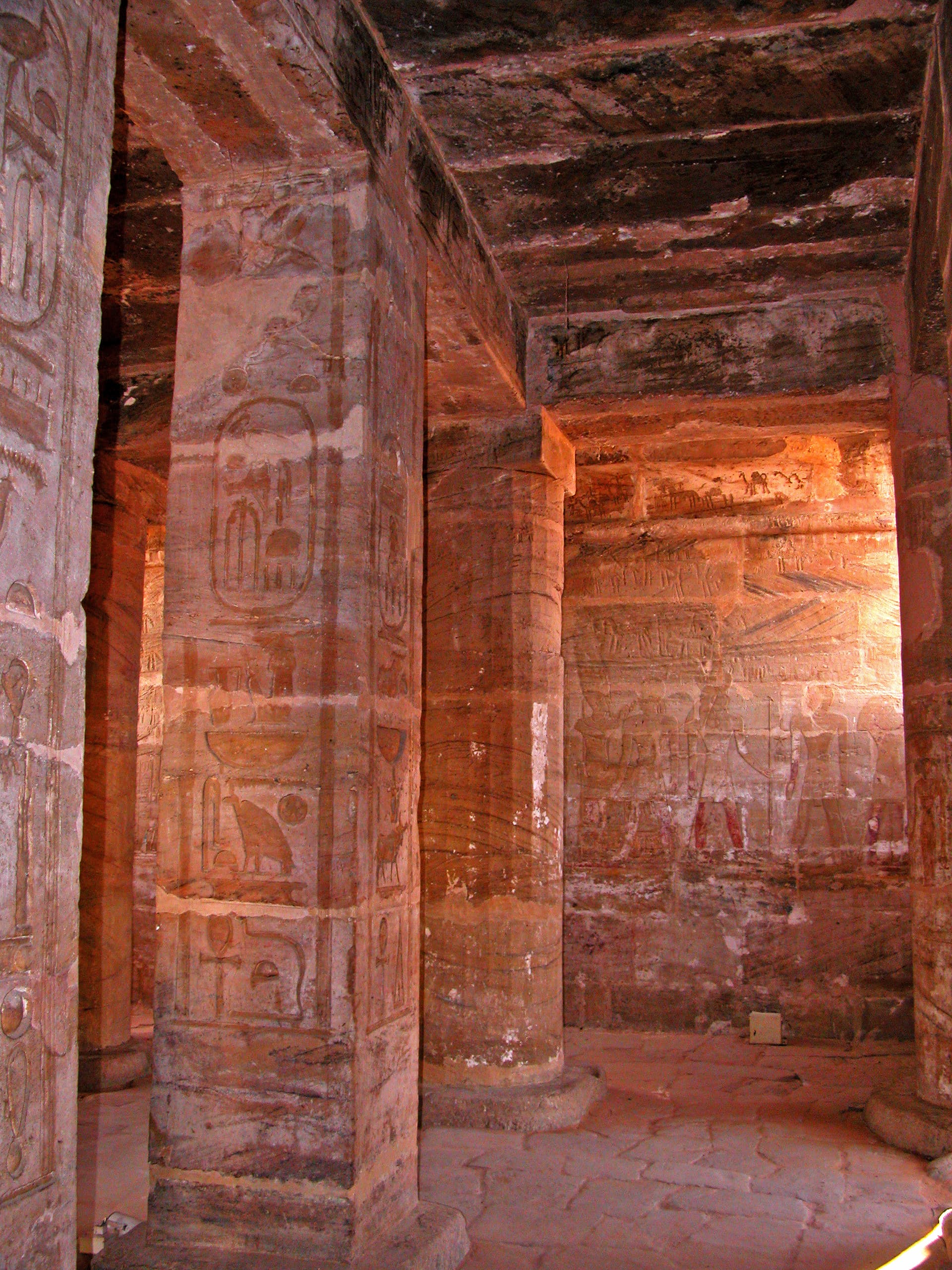
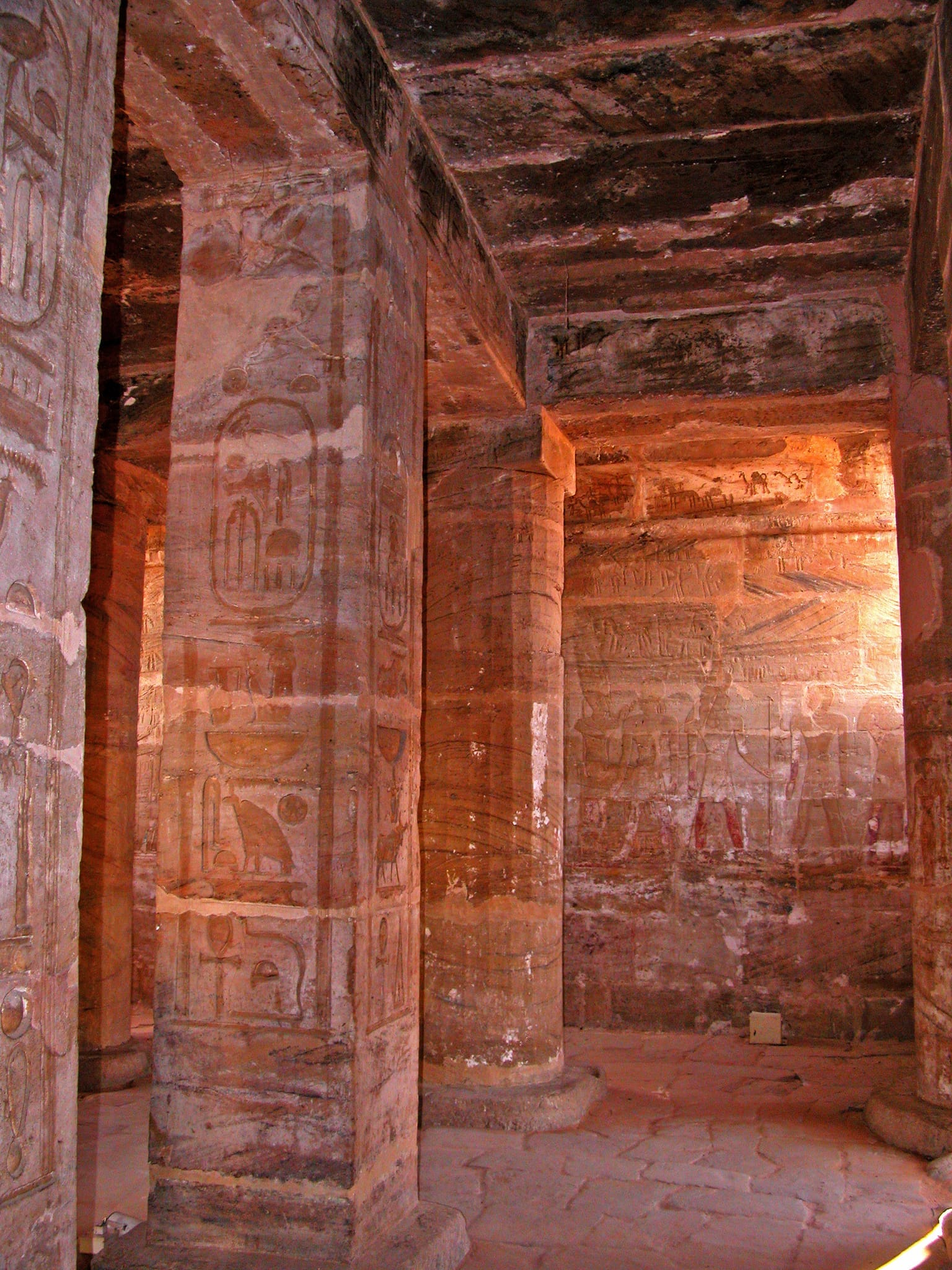
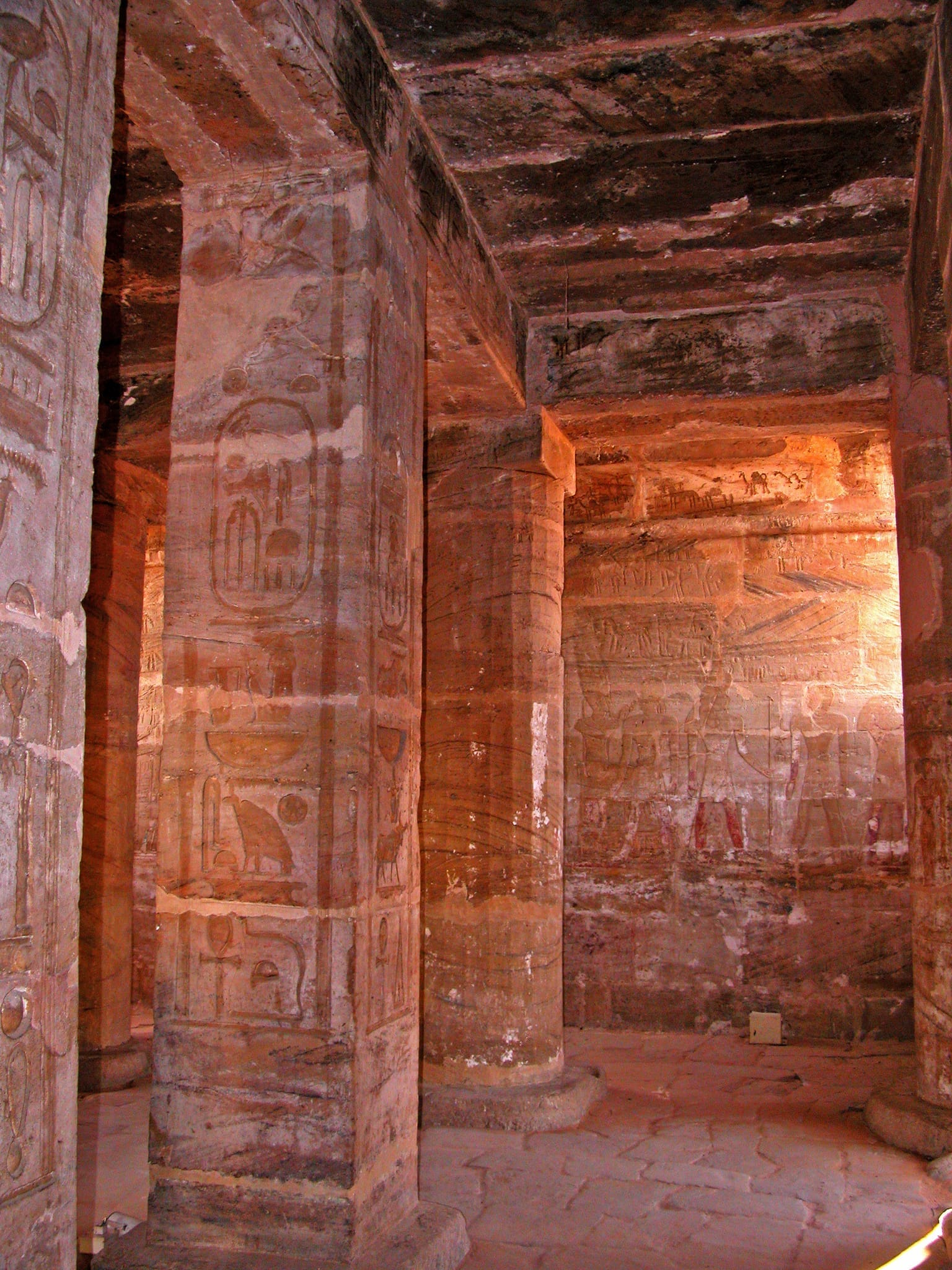
If you're looking for that special, authentic ancient Egyptian experience without jostling for space, Amada is your spot. The wall paintings here? Honestly, they're some of the best-preserved I've seen in Egypt, the colors still incredibly vibrant after thousands of years. What's even more fascinating is how they survived Akhenaten's controversial religious revolution almost entirely intact. While many temples suffered severe damage during that period, Amada's remote location in Nubia served as its protector, saving historical records that could have been lost forever. It's a genuine marvel.Its Role in the 18th Dynasty and Beyond
Amada's construction during the 18th Dynasty wasn't just about building a temple; it was a strong statement about Egypt's growing influence in Nubia. As Egypt pushed southward militarily, Amada became a crucial religious and administrative center. It stood as a powerful symbol of Egyptian control over conquered Nubian lands. The fact that three generations of pharaohs—Thutmose III, Amenhotep II, and Thutmose IV—all contributed to its construction really emphasizes its importance. This temple evolved beyond a mere place of worship; it became a nexus where Egyptian officials and local Nubians exchanged ideas and customs.A Cultural Fusion of Nubian and Egyptian Beliefs
Walk through Amada, and you'll see the walls telling tales of cultural blending. Traditional Egyptian religious symbols coexist beautifully with subtle Nubian artistic touches. It's a clear illustration of how Egyptian religious practices adapted to incorporate local Nubian elements, creating a truly unique spiritual space. This cultural fusion highlights the complex relationship between the Egyptian conquerors and the indigenous Nubians. Religion, in this context, wasn't just a tool for control; it was also a bridge connecting these distinct cultural traditions in ancient times.Inside the Amada Temple: What You'll Discover
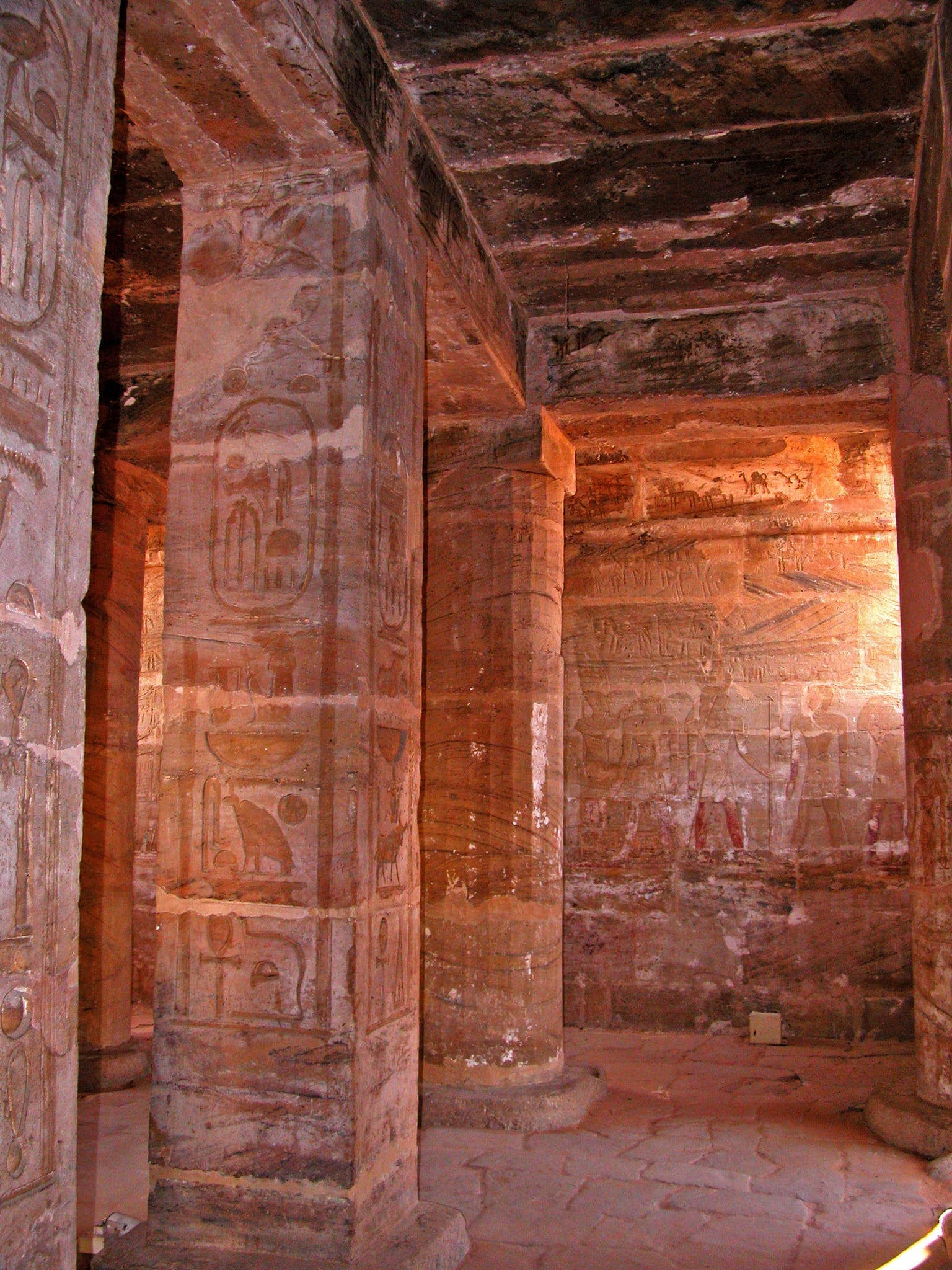 Stepping into Amada feels like entering a remarkable time capsule of ancient artistic achievement. Modest in size, this structure nonetheless holds some of ancient Egypt's most astonishingly preserved artwork. It offers a truly personal connection to the past, something larger, more famous temples often struggle to provide.
Want to explore Temple of Amada: Nubia's Ancient Jewel & Survival Story?
Let us design the perfect private itinerary for you. From expert local guides to seamless luxury cruises, we craft custom trips that show you the real Egypt.
Vibrant Reliefs and Inscriptions
The moment you enter, the temple's painted reliefs will absolutely captivate you. While most Egyptian temples show bare stone where colors have long faded, Amada's artwork still boasts its original, vivid hues. This incredible preservation happened because the temple was converted into a Christian church during the Byzantine period. Over a thousand years ago, Christian artists covered many reliefs with protective plaster. When archaeologists later removed this plaster, they found the original paintings underneath, sealed away since ancient times. Today, you can see the authentic colors ancient Egyptian artists used—deep blues, bright reds, and golden yellows—making the sacred scenes feel incredibly alive.Depictions of Pharaohs and Deities
The reliefs vividly showcase the pharaohs who commissioned its construction. Thutmose III makes several appearances, depicted making offerings to the gods. His son, Amenhotep II, often takes center stage in various ritual poses, underscoring his divine connection. The temple primarily honors two major deities: Amun-Ra, the revered king of the gods, and Ra-Horakhty, the solar deity representing the morning sun. Other key figures, like Thoth (god of wisdom) and Khnum (the ram-headed creator god), also grace the temple's walls. These images meticulously follow Egypt's traditional artistic rules—pharaohs and gods in profile, with stylized features, their size denoting their importance.Architectural Layout and Sacred Rooms
While Amada might be smaller than many grand Egyptian temples, its layout follows a classic pattern, gradually increasing in sanctity as you journey inward. Visitors first enter a hypostyle hall supported by twelve columns. This leads to an offering hall, which in turn gives way to the inner sanctuary—a deeply sacred area accessible only to ancient priests. Even after its remarkable relocation in the 1960s-70s, the temple's original orientation was carefully maintained. Its compact size, around 22 meters long, offers an intimate experience, allowing visitors to truly appreciate every artistic detail up close.Stories Told Through Temple Art
Amada's reliefs are more than just pretty pictures; they tell powerful stories of royal authority, religious devotion, and military triumph. One striking scene depicts Amenhotep II defeating his enemies—a quintessential symbol of a pharaoh's power. A particularly famous inscription recounts how the king handled seven Syrian princes captured in battle: he hung six bodies on the walls of Thebes and sent the seventh to Nubia as a grim warning against rebellion. Later rulers, like Seti I, added their own inscriptions, often to repair damage from the Amarna period. These images and texts demonstrate how temples served as historical records across generations. Visiting truly offers a window into how ancient Egyptians perceived their world and their place within it.Want to explore Temple of Amada: Nubia's Ancient Jewel & Survival Story?
Let us design the perfect private itinerary for you. From expert local guides to seamless luxury cruises, we craft custom trips that show you the real Egypt.
See it for yourself
Trips that visit the places in this article.

This 10-day tour moves through four distinct regions of Egypt, starting in Cairo, continuing by domestic flight and first-class train to Aswan and Luxor, and…
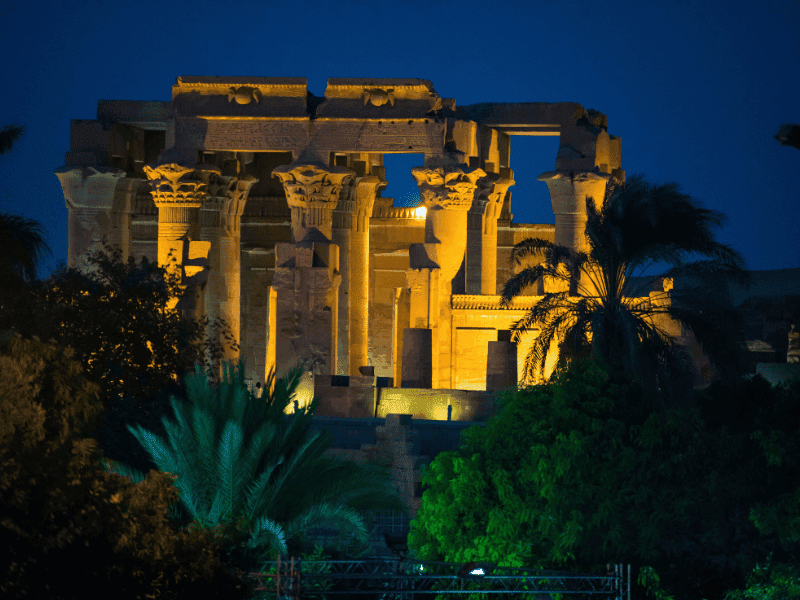
This 4-day, 3-night Nile cruise sails from Aswan to Luxor, covering the river's most-visited temples and tombs at an unhurried pace aboard a five-star ship…
Want a different route or length? We'll build it around you.
Secrets Preserved Through Time
 It's incredible how fate sometimes plays a hand in preservation. The Temple of Amada's journey through time is one of accidental salvation, featuring religious transformations, unexpected discoveries, and surprisingly effective preservation techniques.
Christian Church Conversion and Its Effect
Amada's story took a fascinating turn in the 6th century AD. It was converted into a Christian church, and what could have been its destruction actually became its salvation. The new Christian occupants covered the 'pagan' hieroglyphs and imagery with their own religious paintings. These Christian artworks then remained untouched for centuries, unknowingly protecting the older layers beneath. Early visitors, like Frederic Louis Norden in 1738, noted depictions of 'the Trinity, the apostles, and divers other saints'—a truly unique overlay of history.Rediscovery in the 19th Century
The temple lay hidden for centuries until Swiss explorer Johann Ludwig Burckhardt stumbled upon it in the early 19th century. Burckhardt immediately recognized its historical value and worked tirelessly to bring this archaeological gem to light. Interestingly, Franz Christian Gau created paintings of the remaining Christian artwork in 1822. However, a sad chapter followed when Johann Matthias Neurohr and Jean-Jacques Rifaud controversially suggested removing these Christian paintings to reveal the underlying Egyptian art. Regrettably, this led to the artwork's destruction shortly after 1830.How Plaster Protected Ancient Art
The real secret to the temple's extraordinary preservation lies in the plaster applied by those early Christians. This unassuming coating protected the original Egyptian reliefs for over a thousand years! When archaeologists finally removed the plaster layer, they were met with an incredible surprise: vibrant colors and incredibly detailed inscriptions in remarkable condition underneath. To this day, the temple's reliefs remain Nubia's best-preserved examples, retaining much of their original color. Without this accidental act of preservation, the ancient Egyptian artwork would almost certainly have faded away, just like so many other monuments.Modern Legacy and Visitor Experience
The Temple of Amada's survival is honestly one of the most incredible archaeological rescue missions of the 20th century. With the rising waters from the Aswan High Dam construction in the 1960s threatening to submerge it forever, its future looked bleak.Relocation and Conservation Efforts
Saving this temple presented unique challenges that demanded groundbreaking solutions. Between 1964 and 1975, engineers achieved what many thought impossible: they moved the entire temple in one piece! It was transported 2.5 kilometers away and lifted 65 meters higher. This approach was absolutely essential because the temple's delicate painted reliefs would never have survived traditional dismantling, block by block. French archaeologist Christiane Desroches Noblecourt championed this extraordinary project when others had given up hope of saving it. The team ingeniously devised a system to transport the entire structure on rails, using hydraulic power to reach higher ground. Even the rock-cut Temple of Derr found a new home at this site, now known as 'New Amada'. It's a truly inspiring feat of engineering and dedication.UNESCO Designation and Global Importance
In 1979, the Temple of Amada, alongside other rescued Nubian monuments like Abu Simbel and Philae, proudly earned UNESCO World Heritage status. This global recognition celebrates not only its profound historical value but also the unprecedented international teamwork that saved it. The UNESCO campaign to rescue Nubian monuments fundamentally changed heritage preservation forever. Now, Egyptian antiquities laws guide detailed management plans for these protected sites. This ongoing preservation work ensures that future generations can connect with this vital piece of ancient Egyptian-Nubian cultural exchange. It's truly a global treasure.How to Visit the Amada Temple Today
The Temple of Amada is located about 180 kilometers south of Aswan and welcomes visitors daily from 7:00 am to 4:00 pm. International visitors pay 100 EGP (currently about $3.25 USD) for entry. Most people reach the site by boat or car, often as part of a fascinating Lake Nasser cruise. Its remote location truly sets it apart from Egypt's more bustling tourist spots. This isolation offers a unique opportunity to explore ancient Egyptian architecture in a serene, almost personal atmosphere. When you visit, remember to dress modestly, stick to the marked paths, and please, resist the urge to touch the carved surfaces. Guided tours are highly recommended; they're a wonderful way to gain deeper insights into this truly remarkable and resilient site.Ready to turn this guide into reality?
Our local experts can create a custom itinerary based on these recommendations. Just send us a quick message!
Customize via WhatsApp