

The Origins of the Valley of the Queens
The western bank of the Nile, with its imposing limestone hills, held immense spiritual significance for ancient Egyptian royalty. They believed this was the ideal place for their eternal rest. This remarkable burial ground became an exclusive final home for queens, their royal consorts, princesses, and even some high-ranking nobles during the New Kingdom period. It saw its most active use throughout the 19th and 20th dynasties (roughly 1292-1075 BCE).Why it was called Ta-Set-Neferu
Ancient Egyptians had a beautiful name for this sacred necropolis: Ta-Set-Neferu. This name carried a dual meaning, often translated as 'The Place of Beauty' or 'The Place of the Royal Children.' It perfectly captured both the breathtaking landscape and its profound role as the final resting place for members of the royal family. Interestingly, earlier queens were often laid to rest inside their king's tombs or in simpler, separate chambers. But the Ramesside period (1292-1075 BCE) changed everything. The tombs dedicated to royal women became progressively larger and far more ornate than those from the 18th Dynasty, signaling a clear shift in their status within Egyptian society.Geographical location and natural features
You'll find the Valley of the Queens nestled on Luxor's West Bank, about 1.5 miles (2.4 km) west of Ramses III's Mortuary Temple at Medinet Habu and just south of the famous Valley of the Kings. It's actually part of the broader Theban Necropolis and encompasses several smaller, intriguing sub-valleys. Think the Valley of Prince Ahmose, the Valley of the Rope, the Valley of the Three Pits, and the Valley of the Dolmen—together, these hold around 110 tombs. The entire site is cradled by rugged cliffs, creating a natural protective embrace that suggested both security and a deep sense of spiritual tranquility. Its placement on the west bank wasn't accidental; it perfectly aligned with ancient Egyptian beliefs linking the setting sun to death, rebirth, and the soul's journey into the afterlife.Connection to Deir el-Medina and Valley of the Kings
Two nearby sites heavily influenced the decision to designate the Valley of the Queens as a royal burial ground. First, Deir el-Medina, the community that housed the brilliantly skilled artisans who carved and decorated these very tombs, was only about 1 km away. This provided easy access for the craftsmen, often through the Valley of the Dolmen. Second, the location achieved a balance within the royal necropolis: kings were typically interred in the north (the Valley of the Kings), while queens found their eternal rest in the south. Both, crucially, remained within sacred territory. Spiritual considerations were also key. An ancient grotto dedicated to Hathor, nestled right at the valley's entrance, served as a powerful symbol of protection, motherhood, and rebirth. This reinforced the site's profound role as a place where royal women could achieve divine renewal.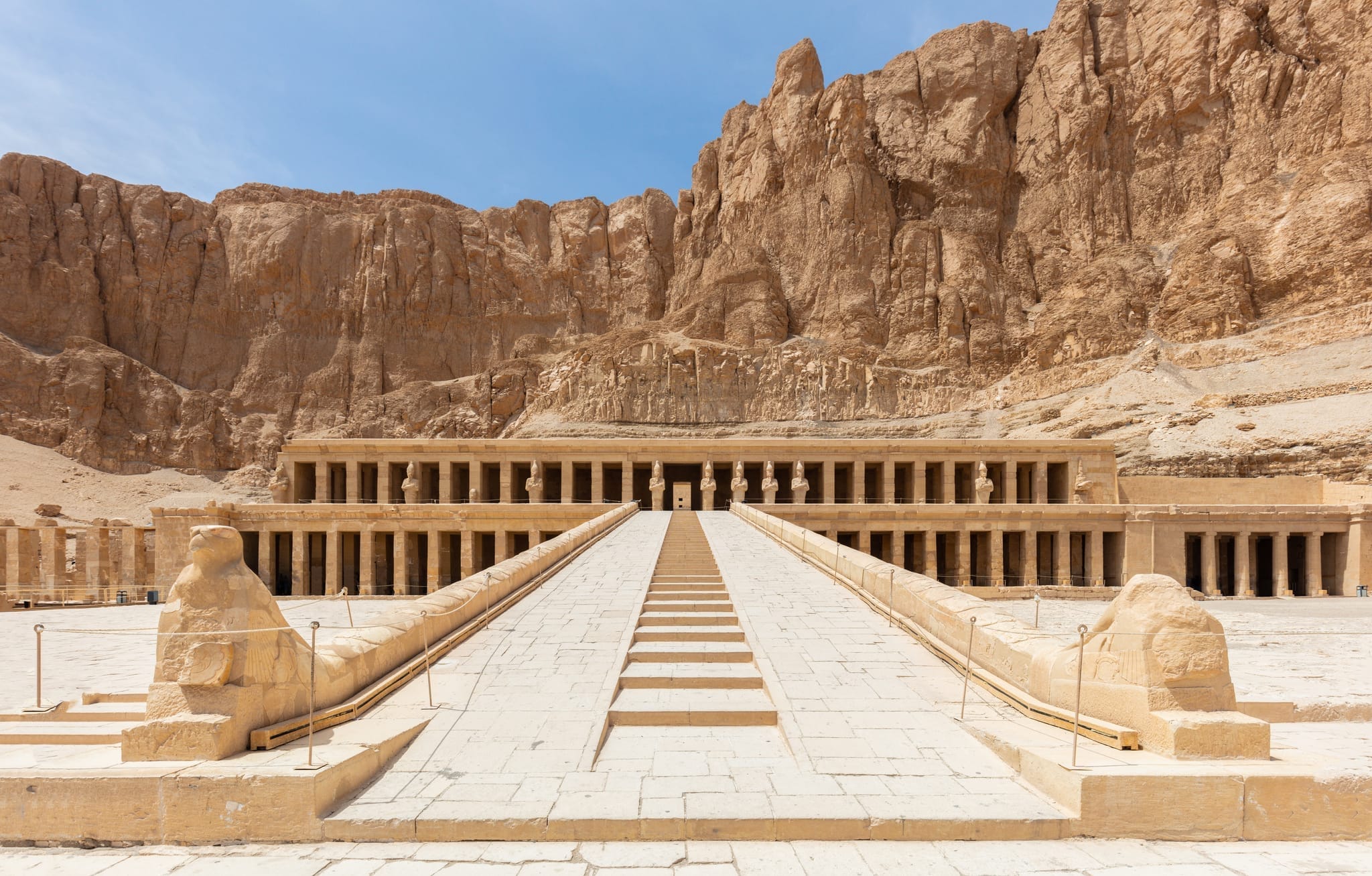
Royal Burials Through the Dynasties
Burial practices in the Valley of the Queens weren't static; they evolved significantly across three dynasties of the New Kingdom period. These shifts offer a fascinating window into how ancient Egyptian society's perception of royal women and children changed over time.Want to explore Valley of the Queens: A Journey Through Royal Tombs?
Let us design the perfect private itinerary for you. From expert local guides to seamless luxury cruises, we craft custom trips that show you the real Egypt.
Tombs from the 18th Dynasty
The earliest tombs in the Valley go all the way back to the 18th Dynasty (around 1550-1295 BCE). Interestingly, initially, this wasn't exclusively for queens. High-ranking officials and royal children were buried here first. Princess Ahmose's tomb was one of the earliest, likely constructed during the reign of Thutmose I. She was the daughter of Seqenenre Tao and Queen Sitdjehuti, and her burial included fascinating artifacts like leather sandals and a linen piece inscribed with 20 chapters from the Book of the Dead. These early tombs were quite simple in design, typically featuring a chamber-and-shaft structure. Some were even expanded to accommodate multiple burials. You can find three significant shaft tombs from this era in the Valley of the Three Pits: QV 89, QV 90, and QV 91. The really high-ranking queens of this dynasty, however, weren't buried here; they had large, undecorated tombs, often filled with lavish burial gifts from the king, located in the Western Wadis area.19th Dynasty and the rise of royal women's tombs
As the 19th Dynasty dawned (around 1292 BCE), the Valley of the Queens transformed, becoming the exclusive burial ground for royal women. This change began with Queen Sat-Re's tomb (QV 38), which was started under Ramesses I and completed by Seti I. During the Ramesside period, queens' tombs grew in both size and elaboration, far surpassing those of the 18th Dynasty. They essentially became a 'female counterpart' to the Valley of the Kings. Each queen was granted her own richly decorated rock-cut tomb, a testament to her status and importance. And the showstopper? Queen Nefertari's tomb (QV 66). It's renowned for its unbelievably preserved wall paintings, which vividly depict her elaborate journey through the afterlife.20th Dynasty: sons and wives of Ramesses III
By the 20th Dynasty (around 1189–1077 BCE), the Valley of the Queens expanded its purpose even further, becoming a resting place for royal sons alongside the queens. You'll find five tombs belonging to the sons of Ramesses III, often considered the last great pharaoh of the New Kingdom: Amun-her-khepeshef (QV55), Khaemwaset (QV44), Pareherwenemef (QV42), Ramesses Meryamun (QV53), and Seth-her-khopeshef (QV43), who later even became Ramesses VIII. Queen Tyti (QV52), who was both the wife and sister of Ramesses III, was also buried here, and she might have been the mother of Ramesses IV. Historical records from this era paint a picture of rising difficulties—workers famously went on strike in Year 29 of Ramesses III's reign, and tomb robberies became increasingly common towards the dynasty's end, hinting at the growing instability that ultimately contributed to the New Kingdom's collapse.Post-New Kingdom reuse and Roman/Coptic periods
After the 20th Dynasty, the Valley ceased to be an official royal burial site. Yet, many of its tombs found new purposes in subsequent eras. During the Third Intermediate Period, people modified some tombs to accommodate multiple burials, often digging additional burial pits. While the Valley's Ptolemaic Period remains largely a mystery, the Roman times saw a resurgence of burial activity. Then came the Coptic Period, lasting until the 7th century CE, which brought about truly fascinating changes. Many tombs were repurposed as Christian spaces. Hermit shelters were constructed, and tombs like QV60 (Nebettawy) and QV73 (Henuttawy) bear clear signs of Coptic use, with ancient wall scenes covered in plaster and Egyptian imagery replaced by Christian symbols. The establishment of the Deir el-Rumi monastery right within the Valley completed its transformation from a royal burial ground to a Christian center.
Want to explore Valley of the Queens: A Journey Through Royal Tombs?
Let us design the perfect private itinerary for you. From expert local guides to seamless luxury cruises, we craft custom trips that show you the real Egypt.
See it for yourself
Trips that visit the places in this article.
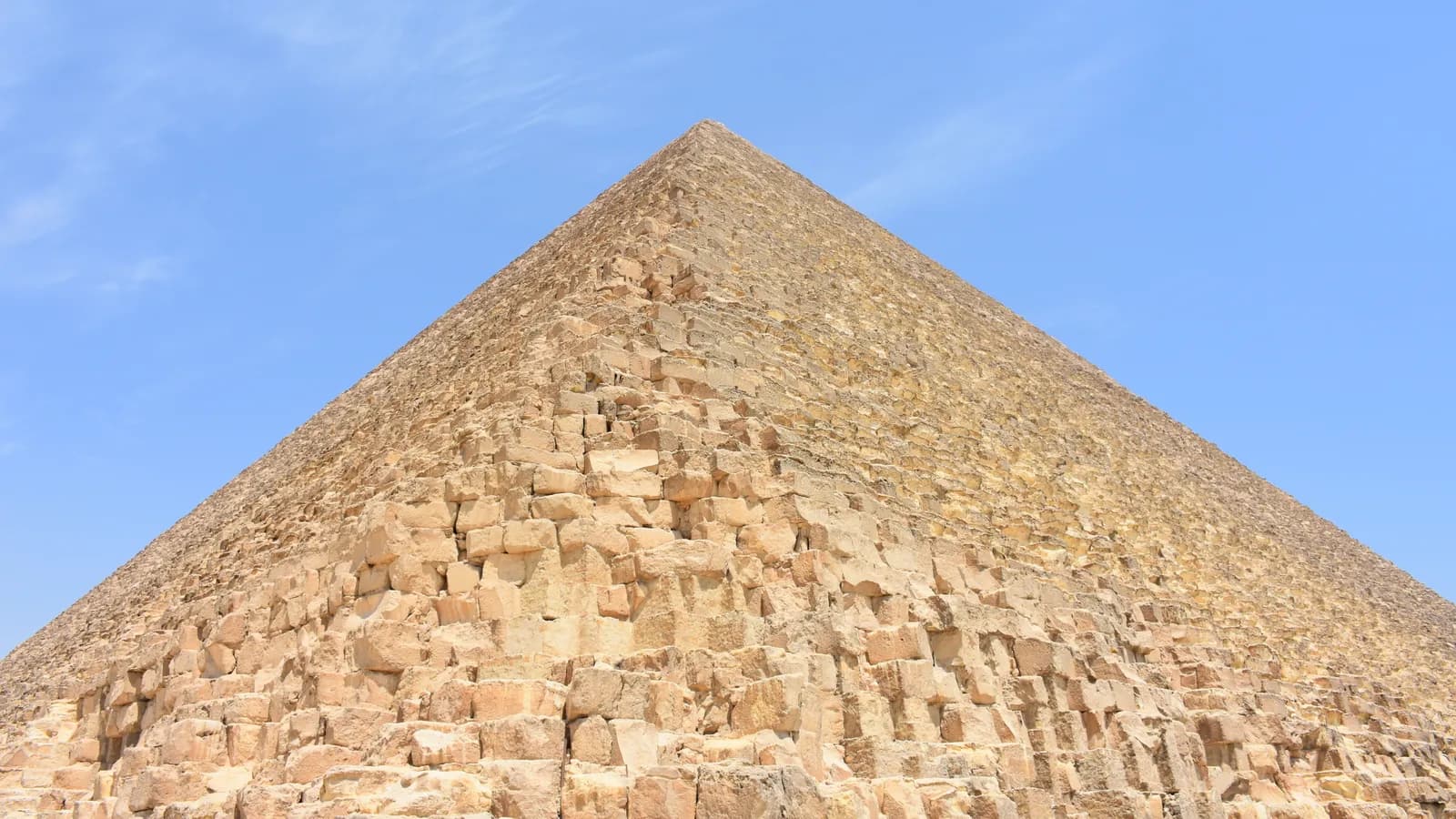
This 7-day tour covers Cairo, Luxor, and Aswan, including the temples of Edfu and Kom Ombo, opening with the Giza Pyramids and Sphinx, the Valley Temple, and…

This 6-day tour combines two nights in Cairo with a three-night Nile cruise from Aswan to Luxor, connected by domestic flights, so the Nile Valley's temples…
Want a different route or length? We'll build it around you.
Tombs That Tell Stories
Behind the rugged limestone cliffs of Egypt's Valley of the Queens lie beautifully decorated burial chambers, each one a silent storyteller. These tombs offer intimate glimpses into royal lives and the profound ancient beliefs that shaped them. With their vibrant wall paintings and intricate symbolic imagery, they provide a rare window into how ancient Egyptian nobility envisioned their journey into the afterlife.Queen Nefertari's tomb (QV66)
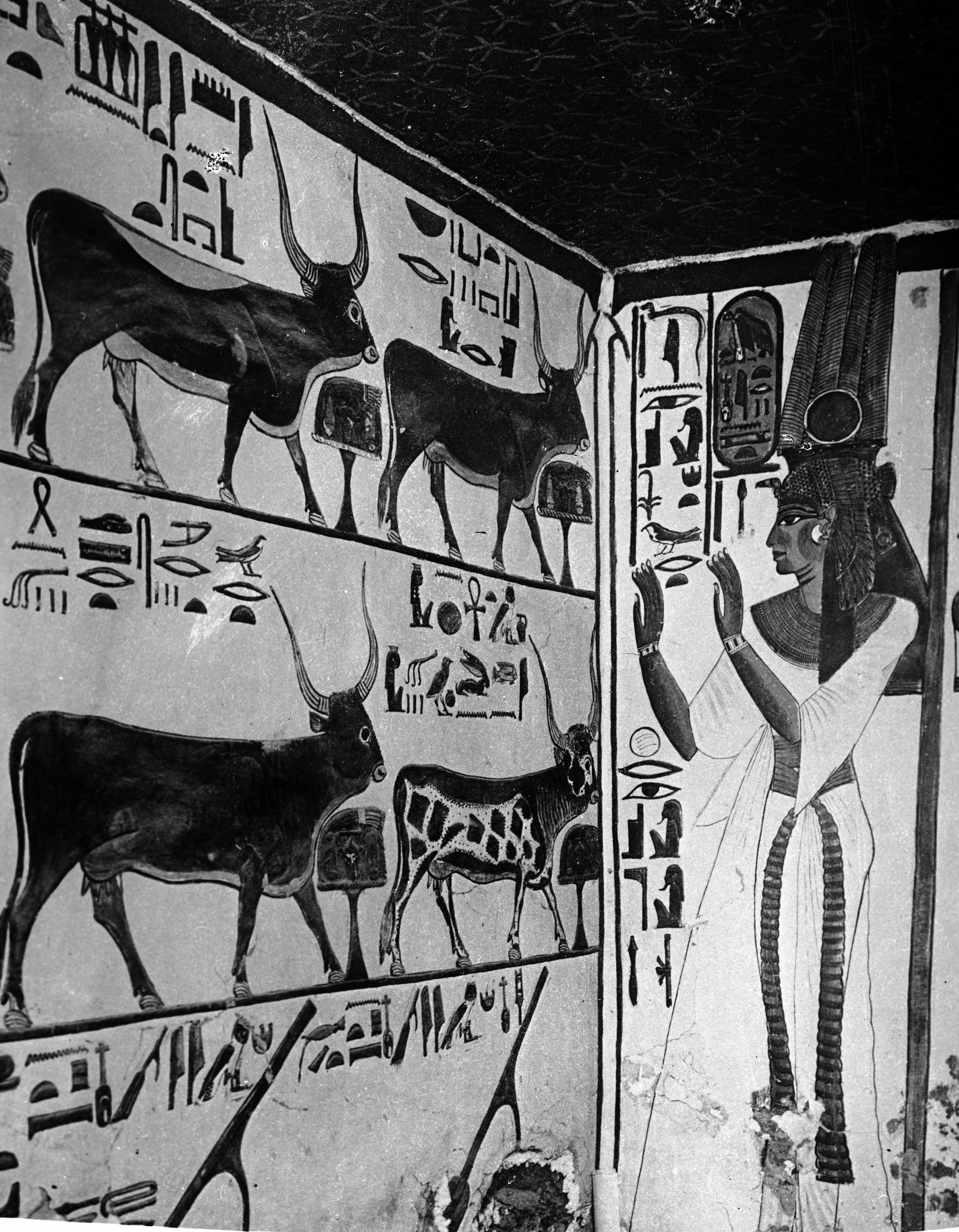
Without a doubt, the tomb of Queen Nefertari stands as the most magnificent discovery here. Italian archaeologist Ernesto Schiaparelli unearthed this breathtaking masterpiece in 1904. Often called the 'Pearl of Thebes,' this exquisite burial chamber boasts some of Egypt's most remarkably preserved polychrome reliefs. Its walls literally sing the story of Nefertari's afterlife experience, guided by revered deities like Isis, Hathor, and Osiris. What truly sets this tomb apart is its astronomical ceiling. Imagine a deep, dark blue paint across the surface, speckled with countless golden five-pointed stars. These decorative elements drew inspiration from Chapters 17, 144, and 146 of the Book of the Dead. Interestingly, Nefertari appears alone throughout the tomb, never with Ramesses II. Her skin is depicted with reddish tones, typically reserved for male figures, suggesting she took on male attributes to fully become Osiris in the afterlife.Prince Amun-her-khepeshef (QV55)
Prince Amun-her-khepeshef's tomb (QV55) tells a poignant story of a life cut too short. The eldest son of Ramesses III, he passed away at just 15 years old. Italian archaeologists brought his tomb to light between 1903 and 1904. Inside, vibrant scenes depict Ramesses III introducing his young son to the gods of the heavens. A traditional side lock of hair, worn by Egyptian youth, helps identify the prince. His sarcophagus still rests in the tomb today, allowing visitors a tangible connection to this young royal who held impressive titles, including 'Heir to the Throne,' 'Royal Scribe,' and 'Charioteer-in-Chief.'Queen Tyti (QV52)
Queen Tyti's tomb (QV52) unveils another captivating narrative. She played multiple royal roles, serving as both wife and sister to Ramesses III, and quite possibly even bore Ramesses IV. Her tomb features a distinct Latin cross layout, encompassing a main corridor, a central hall, and various side chambers. The artwork within Tyti's tomb is particularly evocative, showing her at different stages of her life. Some scenes portray her as a young girl with the braided teenage hairstyle of the era, while others depict her as a middle-aged woman adorned in more conservative attire and subtle makeup.Other notable tombs and their symbolism
The valley is home to many other fascinating burials beyond these prominent ones. Bintanath's tomb (QV71), for instance, captivates with its beautiful star motifs gracing the ceiling. Its religious imagery shows the queen standing before a pantheon of deities, including Ptah-Sokar, Horus, and Anubis.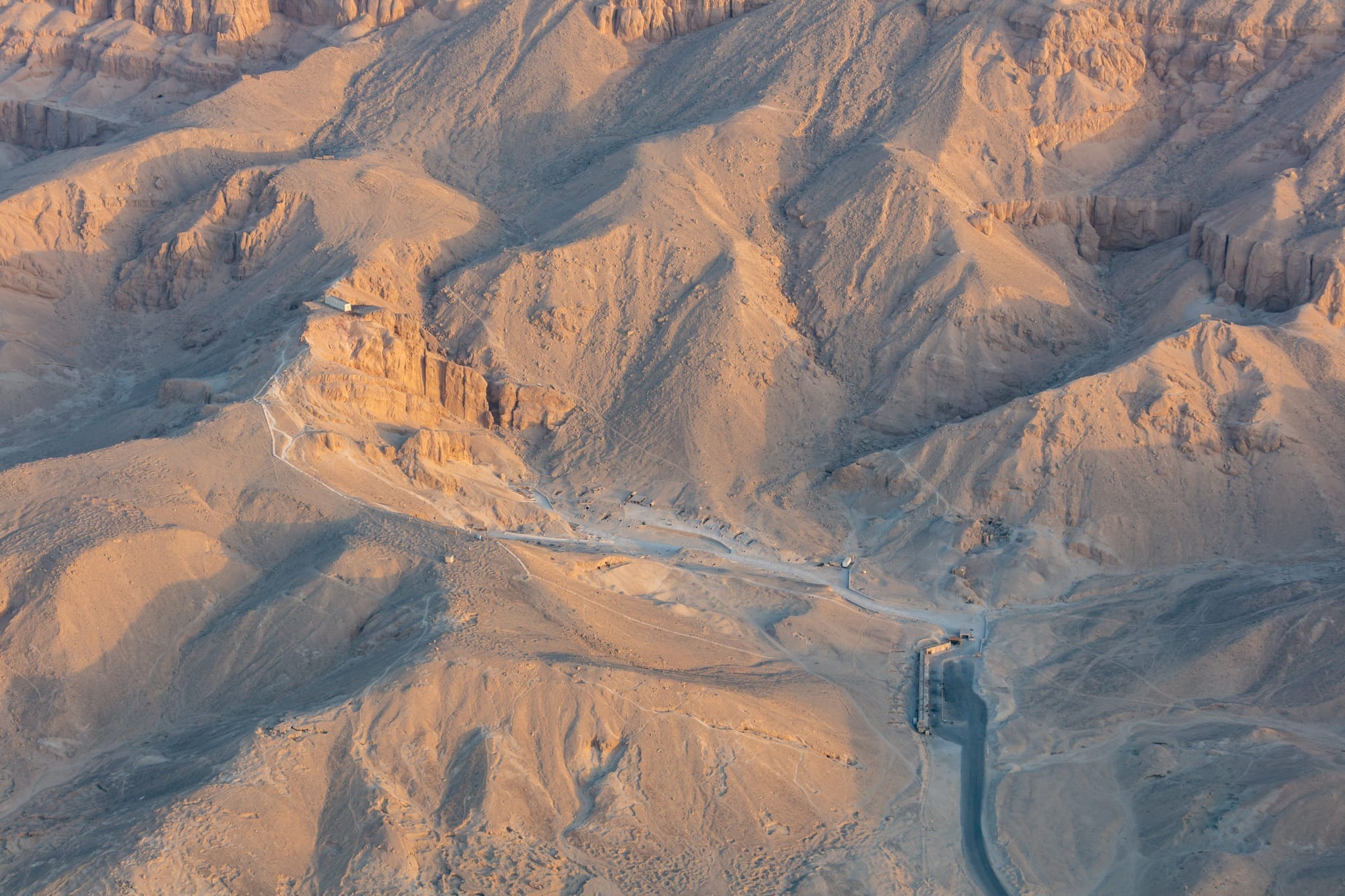
Art, Architecture, and Afterlife Beliefs
The artistic and architectural elements within the tombs of the Valley of the Queens are so much more than decoration; they're a profound lesson in ancient Egyptian views of death and rebirth. These sacred spaces weren't just simple resting places for the deceased – they were carefully crafted vessels designed to aid royal souls on their journey to eternity.Tomb layout and structure
Most tombs in the Valley of the Queens share a fairly consistent design. Typically, you'll find an entrance passage leading to several short halls, culminating in a sarcophagus chamber. Some of the grander tombs boast two larger chambers connected by a corridor, often with additional side rooms. This design isn't arbitrary; it reflects the soul's perceived spiritual journey. Each space played a specific role in various rituals, and the physical progression through these private chambers mirrored the soul's transition from earthly life to a divine afterlife.Use of color and mineral-based paints
These tombs are a testament to remarkable ancient artistry, showcasing vivid wall paintings that still retain their power. Egyptian artists masterfully used mineral pigments sourced directly from the earth, grinding them into fine powders and mixing them with binders like gum arabic. That striking blue color you see so often wasn't found naturally; artists created it by heating a precise mixture of sand, lime, sodium carbonate, and copper compounds. Every color held deep meaning: black represented fertility and rebirth, white symbolized purity, red denoted life force, green was for regeneration, and yellow linked to eternal life.Symbolism from the Book of the Dead
The tomb decorations are rich with spells and images drawn from the Book of the Dead—essentially, a detailed instruction manual for navigating the afterlife. These texts were believed to help the deceased overcome obstacles and successfully pass divine gatekeepers, ultimately leading to eternal life. The 'weighing of the heart' ceremony is a frequently depicted and crucial scene. It shows the deceased before Osiris and a divine jury, declaring their innocence in a moment vital for passage.Depictions of gods and goddesses
Divine figures are ever-present in these royal tombs, always serving as protectors of the dead. Osiris, often depicted with green skin symbolizing resurrection, reigned over the underworld. Queens entering the afterlife would have been welcomed by Hathor, who embodied motherhood and fertility. Other protective deities like Isis, Nephthys, and the four Sons of Horus stood guard. These powerful beings played active roles, transforming the deceased into an 'akh'—a blessed spirit destined to live among the gods.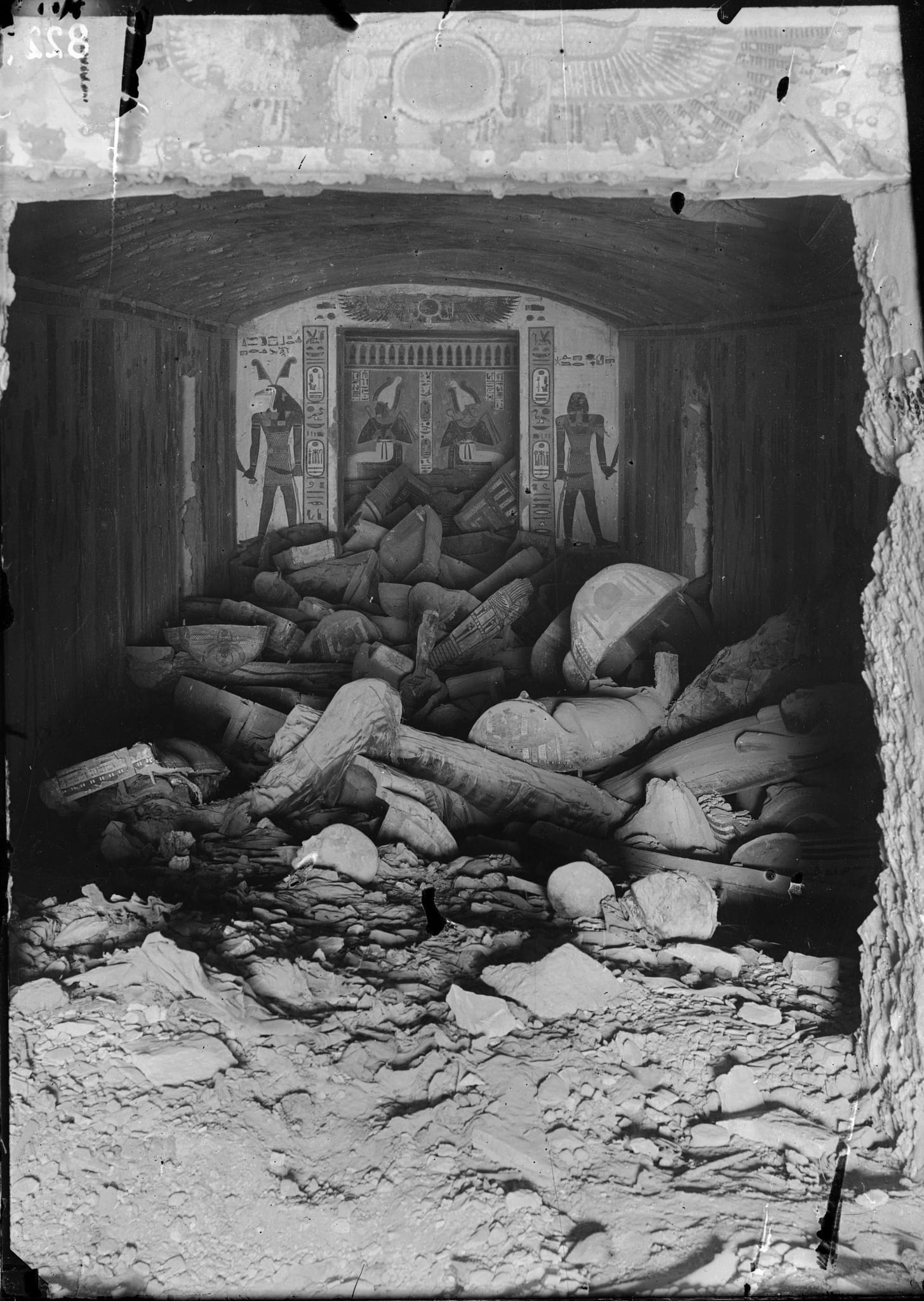
Preservation Challenges and Conservation Efforts
The ancient tombs in the Valley of the Queens, despite their enduring majesty, face serious threats from both human activities and natural forces. Preservationists are constantly working to find sustainable solutions to protect these invaluable historical treasures.How mass tourism affects the tombs
Before the 2011 revolution, the sheer volume of tourist crowds created significant preservation challenges. Large numbers of visitors inevitably raised tomb temperatures and humidity levels. Carbon dioxide readings would often soar above 3500 ppm—far beyond the safe limit of 1500 ppm. Beyond environmental factors, visitors sometimes inadvertently damage the tombs by touching delicate walls, leaving graffiti, or even bumping their heads on low ceilings. While glass barriers now protect many tombs, they can accumulate dust and sometimes make viewing less clear.Environmental threats like salt and humidity
Flash floods are arguably the deadliest natural threat to the Valley, having caused devastating rock collapses throughout centuries. The limestone in the Valley contains a high clay content, which exacerbates problems when water seeps in, causing the clay to expand. Water also dissolves salts embedded in the tomb walls; these salts later recrystallize as the water evaporates, shattering the stone surfaces. This salt literally 'eats away at the stone like an acid'.Bat colonies and biological damage
Many of the open tombs have become home to bat colonies, which, while fascinating, pose significant conservation problems. Their guano (droppings) and blood stains can severely damage the intricate wall paintings and inscriptions. And while bats play an important role in the ecosystem, they can also present a health risk to visitors, potentially spreading diseases like histoplasmosis or rabies.Modern conservation strategies
Modern preservation efforts are multi-faceted. They focus on carefully controlling visitor numbers, implementing advanced air circulation systems, and installing protective plexiglass barriers. Queen Nefertari's tomb, for example, is under particularly strict protection: visitors are allotted only 15 minutes inside and require special, limited tickets. Beyond direct protection, conservation teams are now diligently creating detailed replicas of some tombs to reduce wear and tear on the original sites, ensuring their survival for future generations.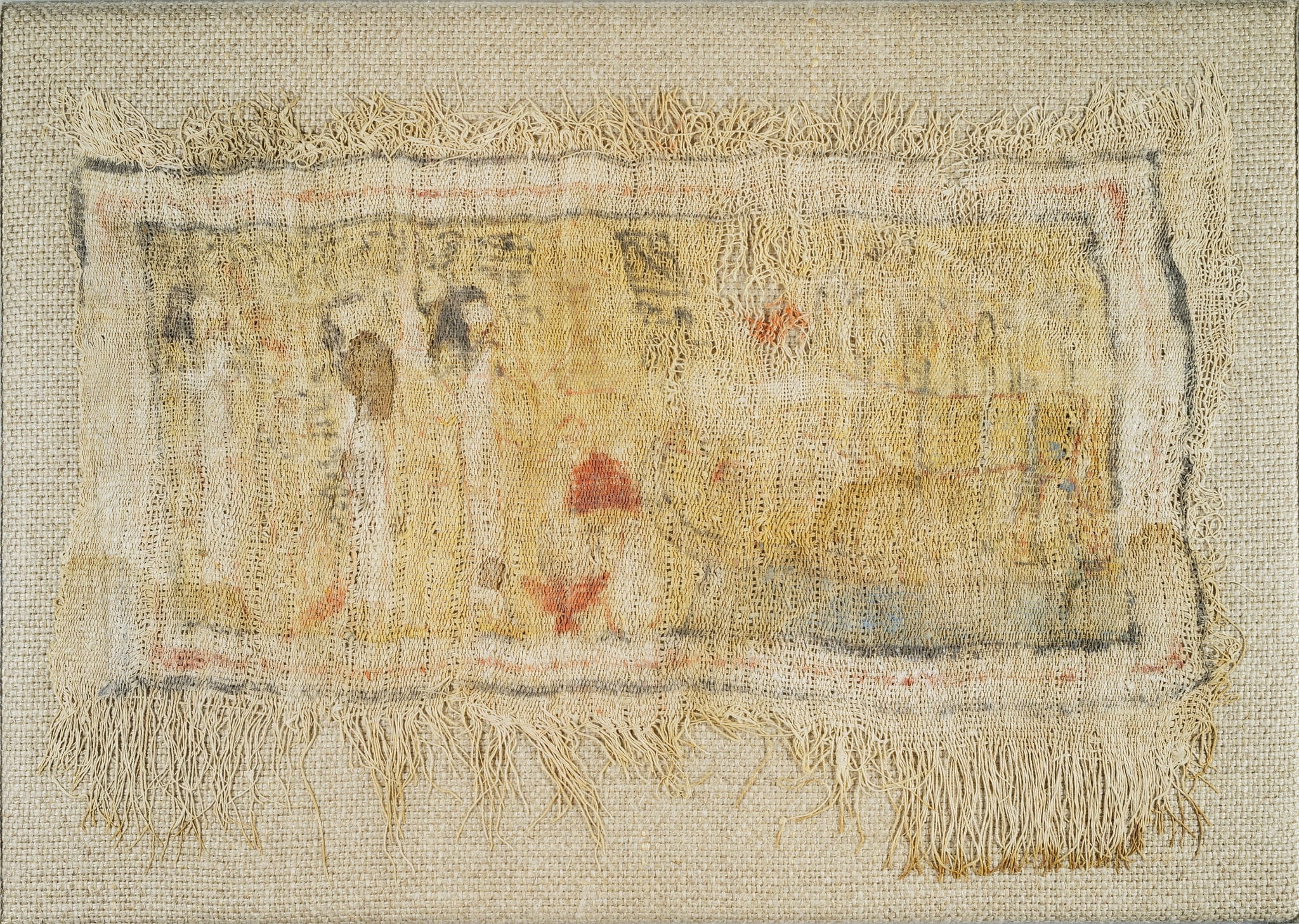
Ready to turn this guide into reality?
Our local experts can create a custom itinerary based on these recommendations. Just send us a quick message!
Customize via WhatsApp