
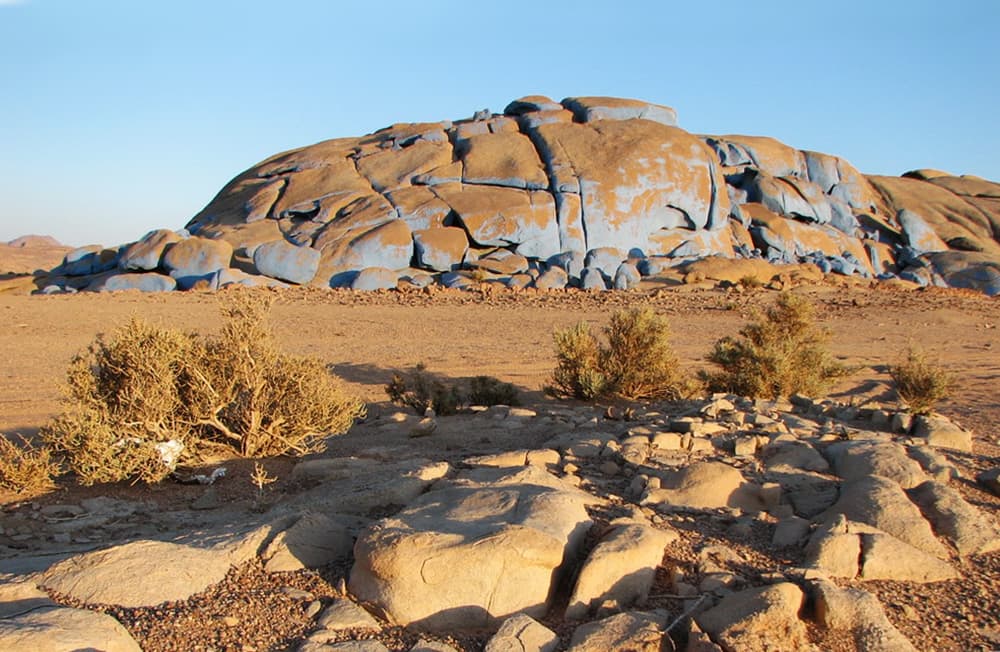

Egypt, for all its ancient marvels and desert landscapes, still finds ways to surprise you. While everyone talks about the dazzling White Desert or the dramatic Black Desert, there's another, often overlooked, gem tucked away in the Sinai: the Blue Desert. And no, it's not a natural phenomenon, which makes it even more fascinating.
 This isn't some ancient geological marvel, but rather a profound work of art with a deeply symbolic meaning. In the wake of the 1979 Egypt-Israel Peace Treaty, a Belgian artist named Jean Verame had a vision. He gained permission from then-President Mohamed Anwar Al Sadat to paint parts of the Sinai desert blue. It wasn't about aesthetics alone; it was a powerful, tangible gesture of peace between two nations.
Verame didn't hold back, using a whopping 10 tons of blue paint to transform rocks across about 4 kilometers of the desert. He'd done similar projects in places like Chad and Morocco, but this one carried a special weight, a commitment to harmony literally etched onto the landscape. It's a striking reminder that art can transcend galleries and become a part of the world's story.
 The painting took place in 1980. So, it's not a natural wonder from time immemorial, but a relatively modern, human-made landmark commemorating a pivotal moment in regional history.
The Story Behind the Blue Desert
This isn't some ancient geological marvel, but rather a profound work of art with a deeply symbolic meaning. In the wake of the 1979 Egypt-Israel Peace Treaty, a Belgian artist named Jean Verame had a vision. He gained permission from then-President Mohamed Anwar Al Sadat to paint parts of the Sinai desert blue. It wasn't about aesthetics alone; it was a powerful, tangible gesture of peace between two nations.
Verame didn't hold back, using a whopping 10 tons of blue paint to transform rocks across about 4 kilometers of the desert. He'd done similar projects in places like Chad and Morocco, but this one carried a special weight, a commitment to harmony literally etched onto the landscape. It's a striking reminder that art can transcend galleries and become a part of the world's story.
Where is This Blue Wonder?
The Blue Desert isn't hidden away in some inaccessible corner. You'll find it within the rugged beauty of the Sinai Peninsula, quite close to some well-known landmarks:- The revered St. Catherine's Monastery.
- The iconic Mount Sinai, where Moses received the Ten Commandments.
- The laid-back coastal town of Dahab.
- Not far from the shimmering Red Sea coast.
When Did the Desert Turn Blue?
The painting took place in 1980. So, it's not a natural wonder from time immemorial, but a relatively modern, human-made landmark commemorating a pivotal moment in regional history.
Other Names You Might Hear
While 'Blue Desert' is the most common, you might also hear locals refer to it as:- The Blue Valley
- Blue Mountain (or 'Jabal Mlawn', 'Gebel Mlaun', using various spellings of the Arabic word for mountain)
See it for yourself
Trips that visit the places in this article.
12 Days / 11 Nights
This 12-day tour runs from Cairo's pharaonic sites to Luxor's temples and then east to Sinai's Mount Sinai and Saint Catherine's Monastery, closing with the…
From$1,915
Explore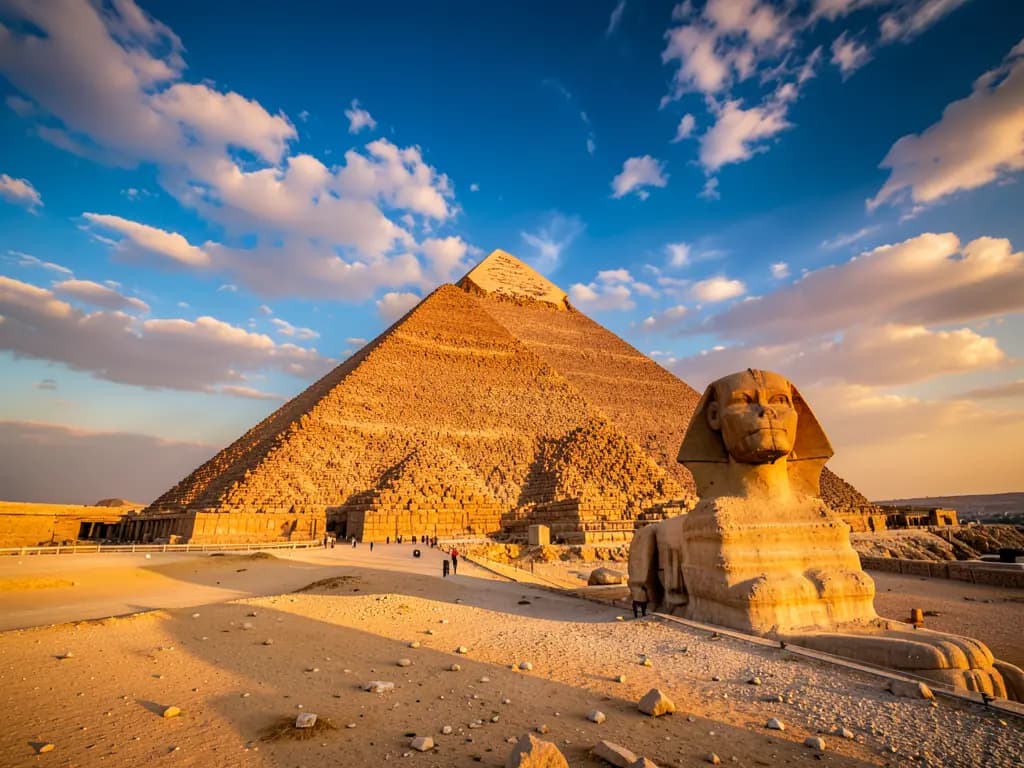
8 Days / 7 Nights
This 8-day tour moves from Cairo to the Sinai Peninsula and then into the Western Desert, combining Giza's pyramids with Mount Sinai, Saint Catherine's…
From$930
ExploreWant a different route or length? We'll build it around you.
Getting There: A Journey Worth Taking
 If the idea of seeing this unique desert canvas piques your interest, here's some advice:
Want to explore Egypt's Blue Desert: A Canvas of Peace in Sinai?
Let us design the perfect private itinerary for you. From expert local guides to seamless luxury cruises, we craft custom trips that show you the real Egypt.
Navigating the Terrain
This isn't a place you just drive to on a whim. The desert terrain needs respect. A reliable 4x4 vehicle is essential; regular cars won't cut it. More importantly, I strongly recommend hiring a local tour guide. Their experience and knowledge of the area are invaluable for navigating safely and making sure you don't get lost.Trekking and Camping Opportunities
For those who love to stretch their legs, there are some fantastic trekking trails around the Blue Desert. Hiking through this surreal landscape is an experience in itself. And if you're truly adventurous, consider camping. Imagine a night under the clear Sinai stars, surrounded by these blue-painted rocks – it's an incredibly peaceful and picturesque spot for relaxing, soaking in the vastness, and even some mountain climbing if you're up for it. So next time you're planning an Egypt trip, think beyond the pyramids and temples for a moment. Consider the unexpected, the artistic, the symbolic. The Blue Desert is a testament to human ingenuity and hope, shimmering blue under the desert sun. It's a memory you won't forget.Ready to turn this guide into reality?
Our local experts can create a custom itinerary based on these recommendations. Just send us a quick message!
Customize via WhatsApp