
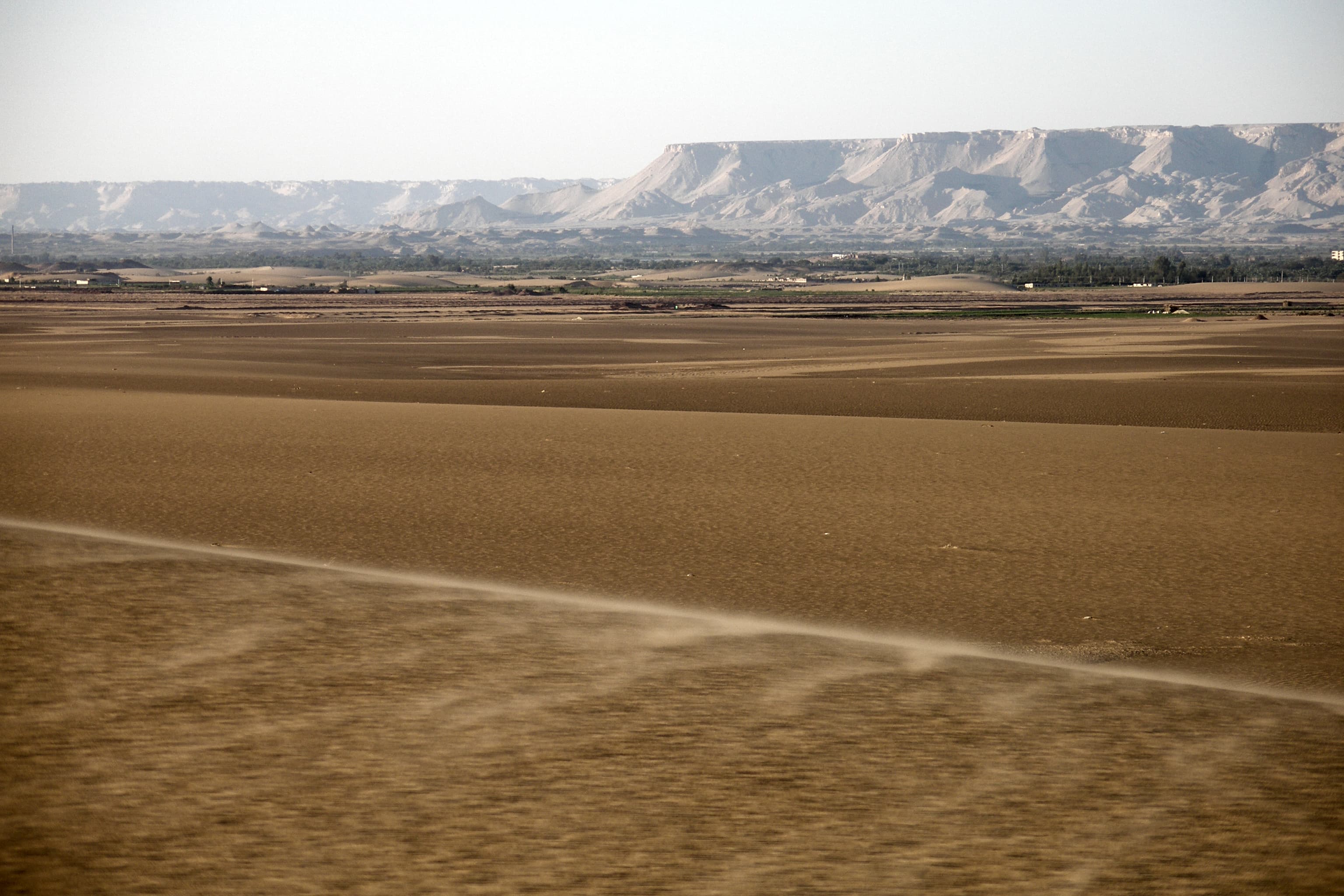

Dakhla Oasis, a true marvel, sits pretty in Egypt's vast Western Desert, some 350 km from the familiar embrace of the Nile River. It's nestled comfortably between the equally captivating oases of Farafra and Kharga, stretching about 80 km east to west and 25 km north to south. For thousands of years, life has stubbornly, beautifully thrived here, even against the desert's often-harsh backdrop. Picture ancient nomadic tribes, making this very region their home during the Pleistocene, back when the Sahara was a much wetter, greener place.
The Pharaonic era truly put Dakhla on the map around 2550 BCE, establishing a vital trade route that connected it to neighboring oases and, crucially, to the Nile Valley itself. Situated in the New Valley Governorate, about 120 km west of Kharga, Dakhla's elevation gently rises from 100 to 400 meters above sea level. This place was once known as el-Wah, or the 'Inner Oasis', and for millennia, it proudly served as ancient Egypt's granary.
The region isn't just one big settlement; it's a tapestry of communities spread across a chain of smaller oases. Mut (historically Mothis), Al-Qasr, and Qalamoun are the main hubs, each with its own story. UNESCO, recognizing its remarkable beauty and heritage, added Dakhla to its Tentative List. It's wild to think that this stunning spot remained largely cut off from the rest of the world until the 1980s, when the Great Desert Loop road finally opened it up.
What Makes Dakhla Oasis So Special?
Dakhla isn't just another desert stop; it genuinely stands out. It's a place where vast stretches of vibrant green defy the sandy wilderness, where ancient ruins tell tales of bygone eras, and where communities have mastered the art of living in harmony with this challenging environment. As one of Egypt's largest oases, it's a fertile haven, sustaining multiple communities with its incredibly rich agricultural land. The oasis's soil is famously fertile, churning out delicious dates, olives, and a wealth of other crops that form the very backbone of its agriculture. But Dakhla offers more than just sustenance; it's also home to therapeutic hot springs like Bir Tarfawi and Bir Al-Gebel. These aren't just for irrigation; they're magnets for visitors seeking their famed healing properties – a natural spa in the middle of the desert! Archaeologically, Dakhla is a treasure trove, brimming with discoveries from countless dynasties and cultures. You'll find Deir El Hagar, an awe-inspiring Roman temple dedicated to the Theban Triad, a true testament to the oasis's layered past. Then there's Mashru'a Minyat Ibn Khassib, a beautifully preserved Islamic village, and the Tombs of Bashendi, which offer a glimpse into early Islamic and Ottoman burial customs. Each site peels back another layer of Dakhla's incredible history. But Dakhla isn't just about ancient stones; its living culture is a rich blend of Bedouin traditions and deeply rooted agricultural practices. People here maintain a profound connection to their land, expressed through traditional customs and festivals that rhythmically shape daily life. Take the houses in el-Qasr, for instance – their acacia lintels bear inscriptions dating back to 1518! It's a living, breathing history lesson, showing just how deep this desert jewel's legacy runs.Want to explore Dakhla Oasis: A Natural Gem in Egypt's Western Desert?
Let us design the perfect private itinerary for you. From expert local guides to seamless luxury cruises, we craft custom trips that show you the real Egypt.
See it for yourself
Trips that visit the places in this article.

9 Days
This 9-day package spends its first days in Cairo, moves to Luxor for temple sightseeing, and then devotes four nights to leisure and adventure activities on…
From$1,485
Explore
10 Days / 9 Nights
Honeymoon
The sheer scale of the Great Pyramid of Giza, truly humbling, sets the tone for your honeymoon with Travel Joy Egypt’s 'Desert Rose & River Dreams.' This…
From$3,250
ExploreWant a different route or length? We'll build it around you.
How Dakhla Oasis Came to Be
Nomadic hunter-gatherers were the OG settlers here, arriving in Dakhla Oasis around 12,000 years ago. The landscape itself has been a dynamic force, shifting dramatically as environmental conditions changed over millennia. Believe it or not, this region was once part of a huge lake system, teeming with elephants, antelopes, and buffaloes roaming free. A significant turning point came about 6,000 years ago when the Sahara gradually became drier, forcing the oasis to adapt and transform. Archaeological digs have uncovered evidence of early herding activities from around 7000 BP, a period when rainfall was more generous. Later, the Bashendi culture emerged after 6500 BP, introducing cattle and goat herding to the area. By the third millennium BC, the nomadic Sheikh Muftah people called this place home, predating the establishment of a regional capital at Ain Asil near Balat. It's a story of constant evolution and adaptation. Dakhla truly hit its stride during the Greco-Roman period. The magnificent Deir el-Hagar temple, a dedication to Amun-Ra, Mut, and Khonsu, was built during Emperor Nero's reign (54-67 CE), showcasing the era's grandeur. Centuries later, in the 12th century, Ayyubid kings built the fortified Islamic town of Al-Qasr right on top of those Roman foundations, blending histories into a unique urban landscape. Sir Archibald Edmonstone became the first European to set foot in Dakhla in 1819, a historic moment that opened the oasis to outside discovery. Herbert Winlock kicked off structured archaeological research in 1908. More recent excavations have even unearthed five mud-brick tombs at Bir esh-Shaghala, nearly 2000 years old. These ongoing discoveries constantly remind us of the continuous, vibrant cultural development within this remarkable desert haven.Experiencing Dakhla's Rich Culture
Dakhla's culture offers visitors nothing less than an authentic, unfiltered taste of traditional Egyptian desert life. Head to the medieval Islamic village of Al-Qasr, just 20 km north of Mut, and wander through its narrow lanes. You'll see ancient houses with intricately carved acacia wood doors, each telling a silent story. The Sheikh Nasr El-Din mosque's 21-meter-high minaret proudly dominates the village center, a beautiful landmark dating back to the Ayyubid period. Local life here also revolves around the therapeutic hot springs. Bir el Gebel, about 25 kilometers north of Mut, is especially captivating with its 50°C waters and breathtaking views across the dunes. Locals steadfastly believe these mineral-rich waters can soothe rheumatism and skin conditions – a natural remedy perfected by time. When it comes to food, Dakhla truly showcases traditional Egyptian flavors. Don't miss Said Shihad restaurant, famous for its perfectly grilled shish kebab served with potatoes in a hearty tomato sauce. And for those with a sweet tooth, Fateer Al Wadi beckons with its irresistible fresh-baked treats. Bashindi village is another highlight, diligently keeping artisanal traditions alive. This community project creates jobs for nearly all residents, transforming raw wool into stunning kilims and carpets. It's a heartwarming success story, turning local skill into beautiful, intricate textiles. To truly immerse yourself, embrace local customs. Dress modestly, always ask permission before taking photos of residents, remove your shoes when entering homes or mosques, and importantly, accepting a cup of tea when offered is a wonderful, respectful gesture that will surely be appreciated.Ready to turn this guide into reality?
Our local experts can create a custom itinerary based on these recommendations. Just send us a quick message!
Customize via WhatsApp