

A Glimpse Into Faiyum's Deep Past
 The geological story of Faiyum is pretty amazing. You see, the Gabal Qatrani and Qasr Qarun areas, about 20 kilometers northwest of Birkat al-Qarun, have this incredible sequence of Early Tertiary strata, spanning from the late Eocene to the late Oligocene. These layers tell us how the area transformed from a marine environment to brackish marshland, then eventually to lush forests and savannahs.
The oldest late Eocene layers are sea deposits, full of shark and early whale remains. But as you move to the latest Eocene, you find evidence of a brackish coastal marshland, where whales and sea-cows swam alongside giant tortoises and crocodilians roaming the land. What's truly mind-blowing are the fossils of Gigantophis, a 12-meter python, and, even more importantly, Moeritherium – the elongated, primitive elephant ancestor whose lineage would eventually give rise to the giant elephants we know today. By the early Oligocene, Faiyum was deep inland, covered in dense, tropical forests.
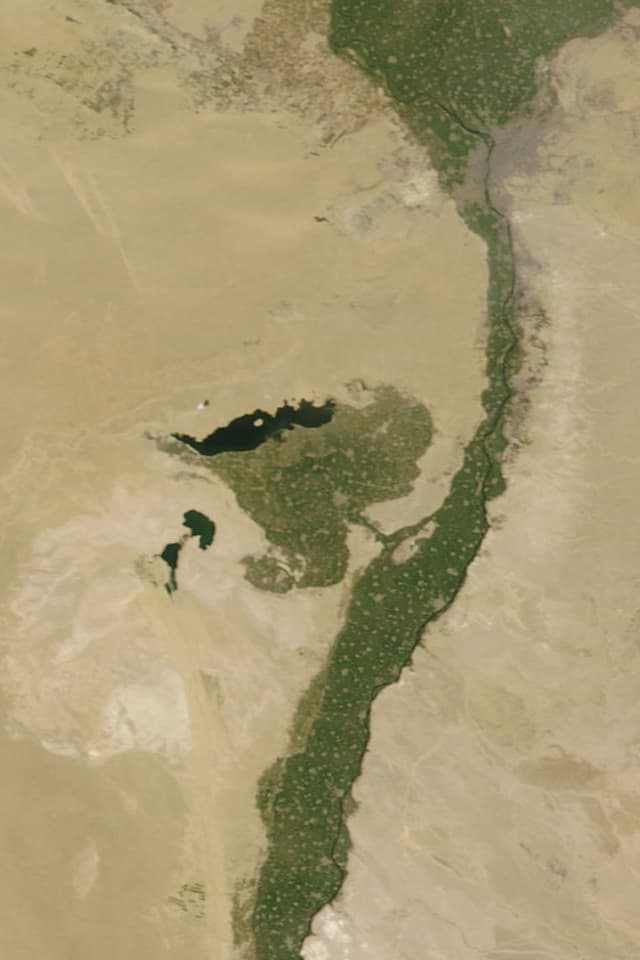
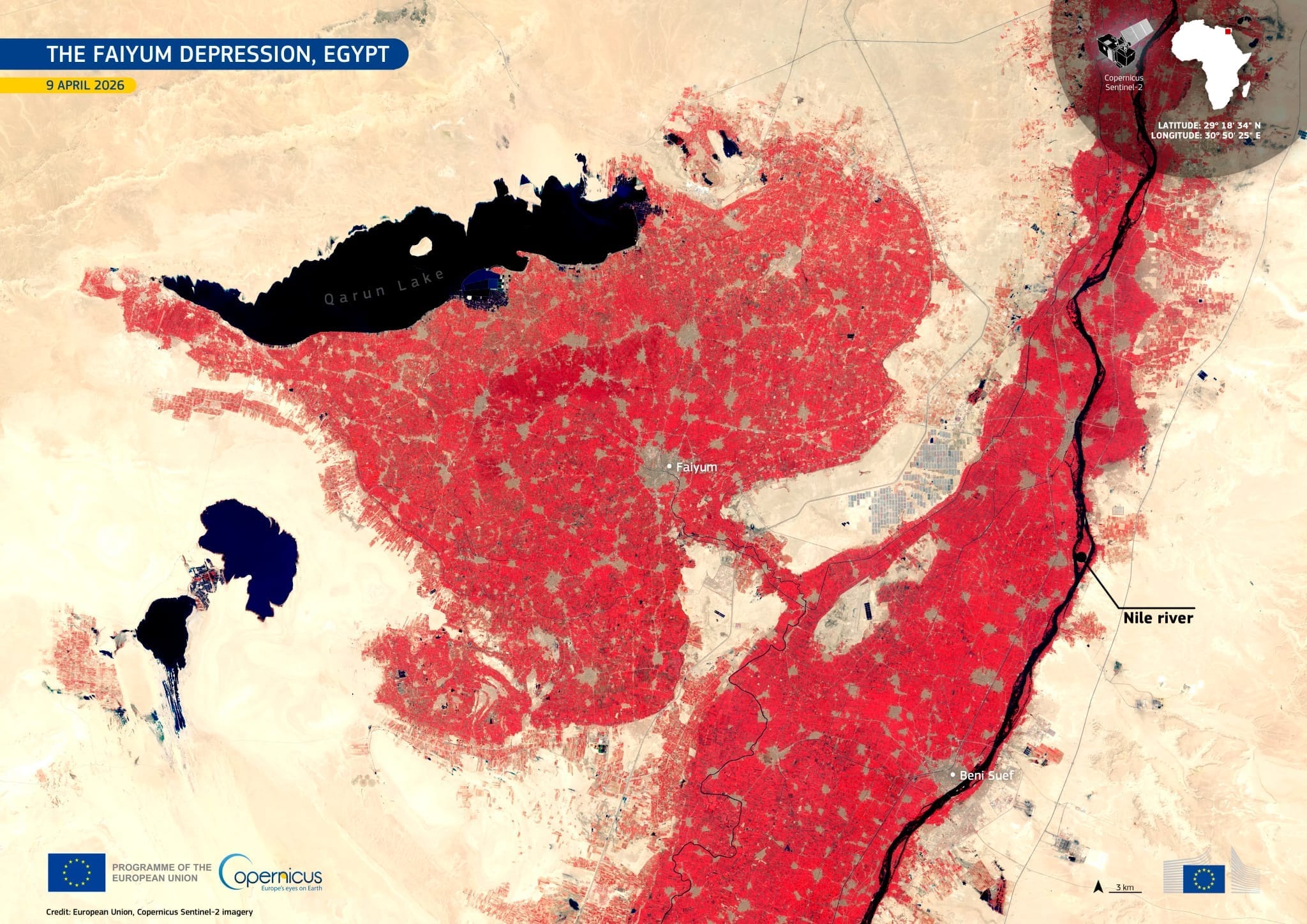
Geographically, Faiyum is a depression, meaning its floor is actually below the average level of the Western Desert, even below sea level in parts. It's surrounded by escarpments, and with minimal rainfall, it relies heavily on springs and canals for its water. What makes it more habitable than other oases is its proximity to the Nile Valley, and the fact that its escarpment is at its lowest and narrowest in the southeast, right near the Nile.
The geological story of Faiyum is pretty amazing. You see, the Gabal Qatrani and Qasr Qarun areas, about 20 kilometers northwest of Birkat al-Qarun, have this incredible sequence of Early Tertiary strata, spanning from the late Eocene to the late Oligocene. These layers tell us how the area transformed from a marine environment to brackish marshland, then eventually to lush forests and savannahs.
The oldest late Eocene layers are sea deposits, full of shark and early whale remains. But as you move to the latest Eocene, you find evidence of a brackish coastal marshland, where whales and sea-cows swam alongside giant tortoises and crocodilians roaming the land. What's truly mind-blowing are the fossils of Gigantophis, a 12-meter python, and, even more importantly, Moeritherium – the elongated, primitive elephant ancestor whose lineage would eventually give rise to the giant elephants we know today. By the early Oligocene, Faiyum was deep inland, covered in dense, tropical forests.
Geographically, Faiyum is a depression, meaning its floor is actually below the average level of the Western Desert, even below sea level in parts. It's surrounded by escarpments, and with minimal rainfall, it relies heavily on springs and canals for its water. What makes it more habitable than other oases is its proximity to the Nile Valley, and the fact that its escarpment is at its lowest and narrowest in the southeast, right near the Nile.
See it for yourself
Trips that visit the places in this article.
This 7-day tour covers Cairo, Luxor, and Aswan, including the temples of Edfu and Kom Ombo, opening with the Giza Pyramids and Sphinx, the Valley Temple, and…
This 6-day tour combines two nights in Cairo with a three-night Nile cruise from Aswan to Luxor, connected by domestic flights, so the Nile Valley's temples…
Want a different route or length? We'll build it around you.
Must-See Wonders in Faiyum
1. Lake Qarun: The Ancient Heartbeat
Located in the northwest and lowest part of the Faiyum depression, Birket Qarun is massive – covering about 214 square kilometers and stretching 40 kilometers from east to west. It sits 45 meters below sea level. Just imagine, a million years ago, in the Pleistocene era, this lake was ten times bigger!2. A Fossil Hunter's Dream
Faiyum boasts some of the earliest and most significant fossil deposits globally. We're talking shells, sharks, whales, marshland creatures like sea-cows, giant turtles, crocodilians, and even ancient mammals, including primates. It's a paleontological goldmine.3. The Iconic Water Wheels
As you travel through Faiyum, you'll hear and see these ancient water wheels, churning and groaning. They're not just picturesque; they're vital, lifting water into an intricate, ancient canal system that feeds the lush green fields where farmers still lovingly tend their crops.Want to explore Unveiling the Wonders of Faiyum: Your Essential Travel Guide?
Let us design the perfect private itinerary for you. From expert local guides to seamless luxury cruises, we craft custom trips that show you the real Egypt.
4. Ancient Mosques
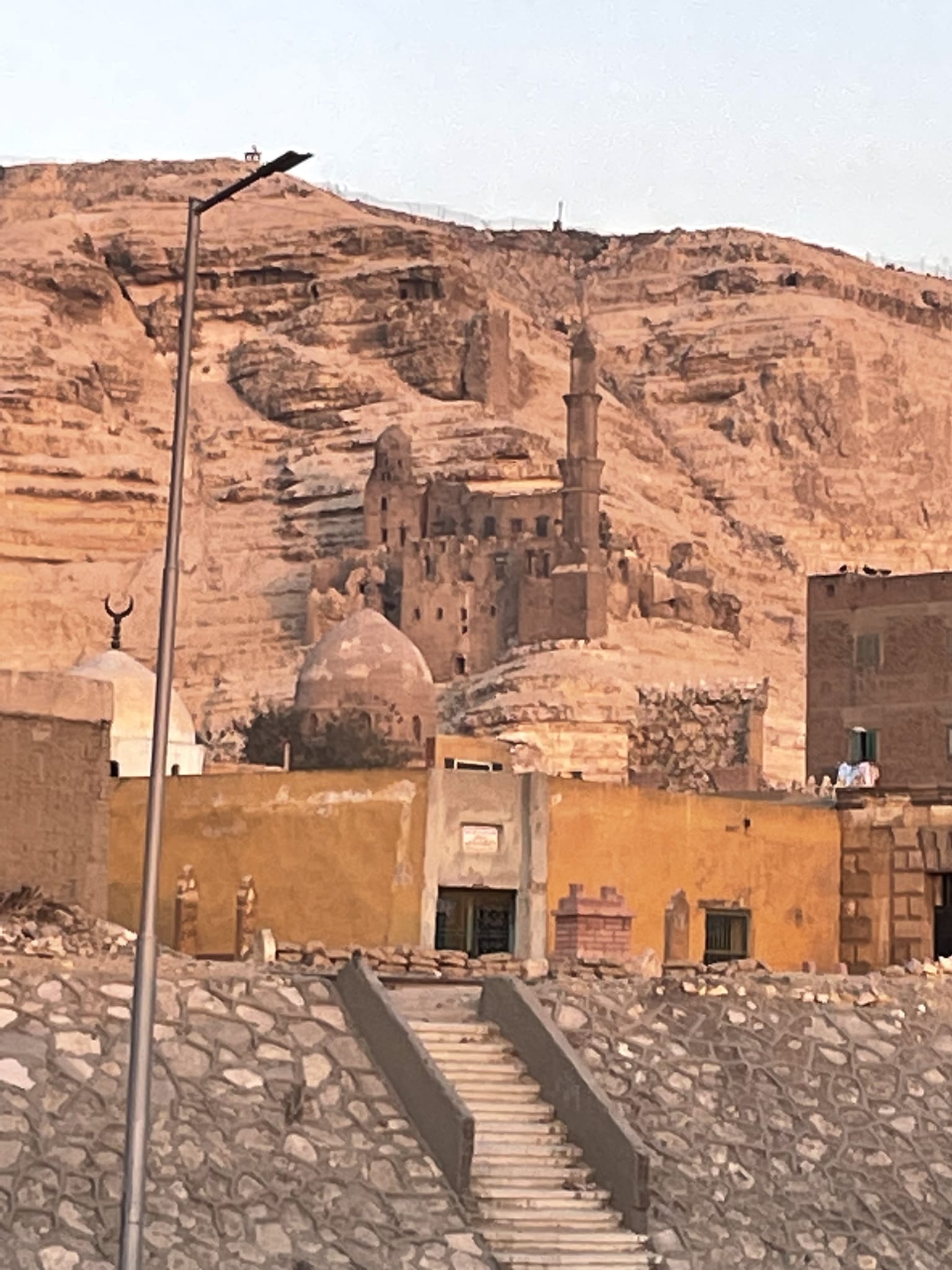 Take a moment to visit some of Faiyum's beautiful historic mosques:
* **Khawand Asal-Bay Mosque (1499):** Often called the Mosque of Qayt-bay, it was built by Sultan Qayt-bay's favorite concubine and mother of Muh. IV.
* **Mosque of the Amir Sulayman (1559):** Known locally as al-Mu'allagah or Sidi Muhammad, Amir Sulayman, an inspector of the district, built this part-brick mosque in traditional local style.
Take a moment to visit some of Faiyum's beautiful historic mosques:
* **Khawand Asal-Bay Mosque (1499):** Often called the Mosque of Qayt-bay, it was built by Sultan Qayt-bay's favorite concubine and mother of Muh. IV.
* **Mosque of the Amir Sulayman (1559):** Known locally as al-Mu'allagah or Sidi Muhammad, Amir Sulayman, an inspector of the district, built this part-brick mosque in traditional local style.
5. Kom Aushim & Karanis: Gates to the Past
When you drive in from Cairo, the first village you'll encounter is Kom Aushim, just a few kilometers north of Karanis. The **Kom Aushim Museum** is a great stop, displaying artifacts recovered from Karanis and other nearby sites. **Karanis** itself was one of the largest Greco-Roman cities in Faiyum, founded in the 3rd century B.C. Originally settled by Ptolemy II's mercenaries, it thrived for seven centuries with a population of around 3000, only declining during the turbulent 4th and 5th centuries.What to see in Karanis:
The two temples in Karanis were dedicated to crocodile gods. They even kept live crocodiles in sacred lakes here, feeding them grain, meat, and wine mixed with milk and honey. These sacred reptiles participated in ceremonies and were mummified after they passed. * **The Northern Temple:** Cleared in 1925, this limestone temple features two pylons and three rooms. Cult objects found in its outer court included a headless female deity, a hawk-headed crocodile, and a limestone altar with bearded gods. There's also a sanctuary with a large stone altar and an inner room likely used for oracular purposes. * **The Southern Temple:** This is the larger of the two temples, located in the southern part of the ancient town. Dedicated to local crocodile gods Pnepheros and Petesouchus, it features inscriptions from the reigns of Nero, Claudius, and Vespasian. Surrounding the temples, you'll find remains of the town, including a well-preserved bathhouse.6. The Obelisk of Senusert I
This striking red granite obelisk, honoring Senusert I of the Twelfth Dynasty, has been moved from its original location in Abgig village and now proudly stands at the northern entrance to Medinet Fayoum.7. Christian Heritage in Faiyum
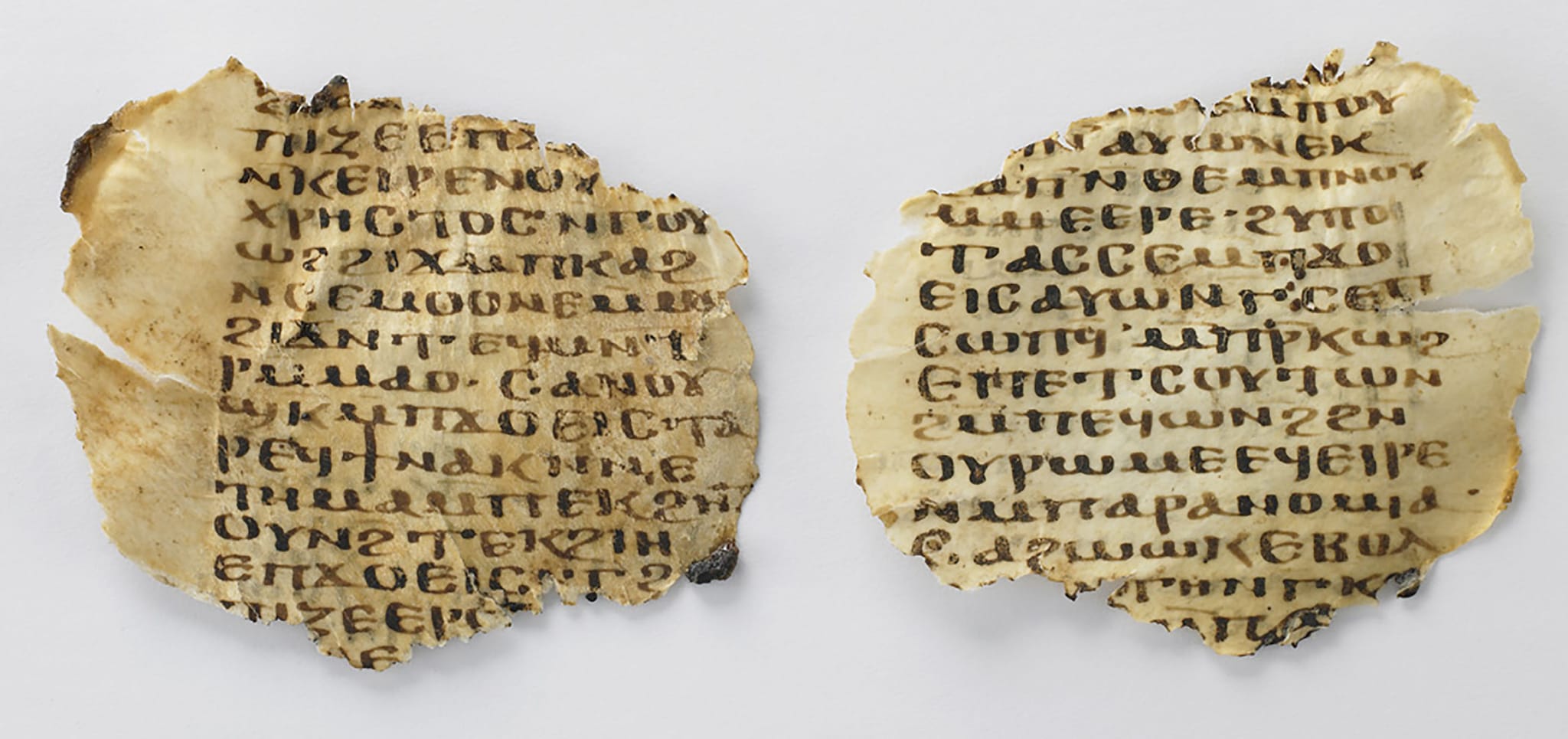 Faiyum also holds significant Christian sites:
* **Church of Abu 'a1-Saylayn (St. Mercurius):** This church houses the tomb of Anba Abram, a beloved Coptic saint.
* **Deir al-'Adhra (Monastery of the Virgin):** You can spot its domes to the north. Likely founded in the 12th or 13th century, it was abandoned in the 18th but its old church in the southeast courtyard still holds three *haykals* (sanctuaries) dedicated to the Virgin, St. Anthony, and St. Michael.
* **Deir al-Malak Ghubrayal (Monastery of the Angel Gabriel):** Perched prominently on the skyline, this is one of Faiyum's earliest monasteries, dating back to the 7th or 8th century. Its ancient church reuses materials like Corinthian columns from even older temples, offering a tangible link to millennia of history.
Faiyum also holds significant Christian sites:
* **Church of Abu 'a1-Saylayn (St. Mercurius):** This church houses the tomb of Anba Abram, a beloved Coptic saint.
* **Deir al-'Adhra (Monastery of the Virgin):** You can spot its domes to the north. Likely founded in the 12th or 13th century, it was abandoned in the 18th but its old church in the southeast courtyard still holds three *haykals* (sanctuaries) dedicated to the Virgin, St. Anthony, and St. Michael.
* **Deir al-Malak Ghubrayal (Monastery of the Angel Gabriel):** Perched prominently on the skyline, this is one of Faiyum's earliest monasteries, dating back to the 7th or 8th century. Its ancient church reuses materials like Corinthian columns from even older temples, offering a tangible link to millennia of history.
Want to explore Unveiling the Wonders of Faiyum: Your Essential Travel Guide?
Let us design the perfect private itinerary for you. From expert local guides to seamless luxury cruises, we craft custom trips that show you the real Egypt.
8. Hawara: The Labyrinth's Shadow
**Hawara (Hawara al-Maqta')**, also known as Arsinoiton polis, was once the site of Amenemhat III's pyramid complex. The pyramid itself, originally 58 meters high, now stands as a mud-brick core after its limestone casing was removed ages ago. Even so, the view of Faiyum from its top is still spectacular. Petrie, the archaeologist who excavated it, battled water-filled chambers and found fragments bearing Amenemhat III's name. It seems his daughter, Sobek-Nefru, completed it after his death. The real marvel here, in Classical times, was the **Mortuary Temple**, famously known as **The Labyrinth**. Herodotus himself visited it, claiming it surpassed even the pyramids. Sadly, today, little remains of this colossal structure, once said to contain over 3000 rooms, apart from piles of debris. However, it was in a nearby desert cemetery that Petrie discovered the stunning **Faiyum Portraits** – lifelike wax encaustic paintings from the Roman period, often attached to coffins. They're among the earliest known portraits and can now be seen in museums worldwide.9. Al-Lahun: The Canal's Gateway
Al-Lahun has always been dominated by the Bahr Yusif, the canal that diverts water from the Nile into Faiyum. An ancient papyrus even suggests the town's name comes from the ancient Egyptian 'Ra-Hunt,' meaning 'the opening of the canal.' Houses the **Pyramid Complex of Senusert II**, another 12th Dynasty ruler. While its Valley Temple lies in ruins, you can still find the remains of **Kahun**, an extensive mud-brick town, likely built for temple officials. The Mortuary Temple, though largely destroyed, still shows remnants of red granite and inscriptions. Senusert II's pyramid, built of mud brick on a natural rock outcrop, once had a stone casing. Its burial chamber, lined with red granite slabs, contained a red granite sarcophagus.Around Al-Lahun:
* **Deir al-Hammam:** Considered the most picturesque of all Faiyum's monasteries. * **Deir al-Mari Girgis (Monastery of St. George):** The newest foundation here, with its church and cells built in 1914, though previous monasteries dedicated to St. George existed in the area much earlier.Ready to turn this guide into reality?
Our local experts can create a custom itinerary based on these recommendations. Just send us a quick message!
Customize via WhatsApp