

Egypt's Climate Breakdown: A Regional Snapshot
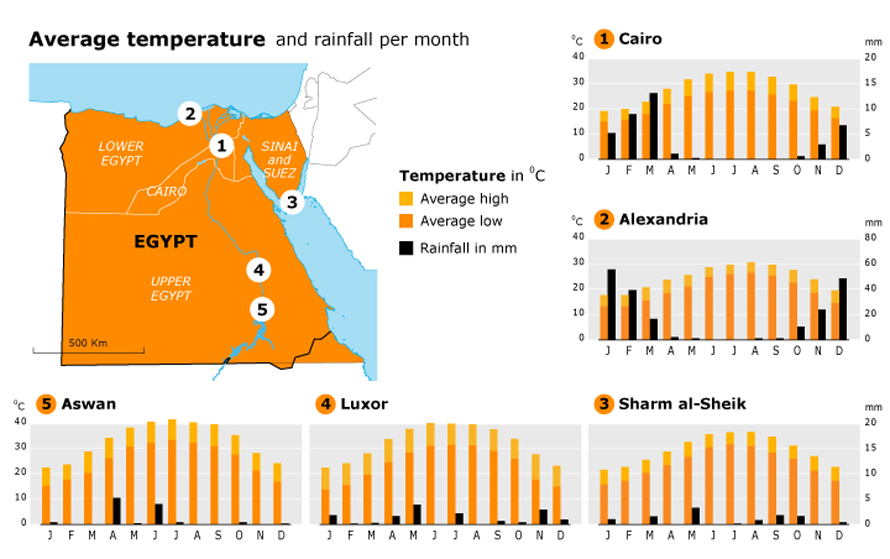 Egypt's mostly hot and dry because, well, it's a desert country. Summers, from May to September, can easily hit 40°C. But the weather isn't a monolith; it shifts quite a bit between the north and south, and those shifts really define what your travel experience will be like.
1. Cairo: Urban Heat and Those Pesky Seasonal Winds
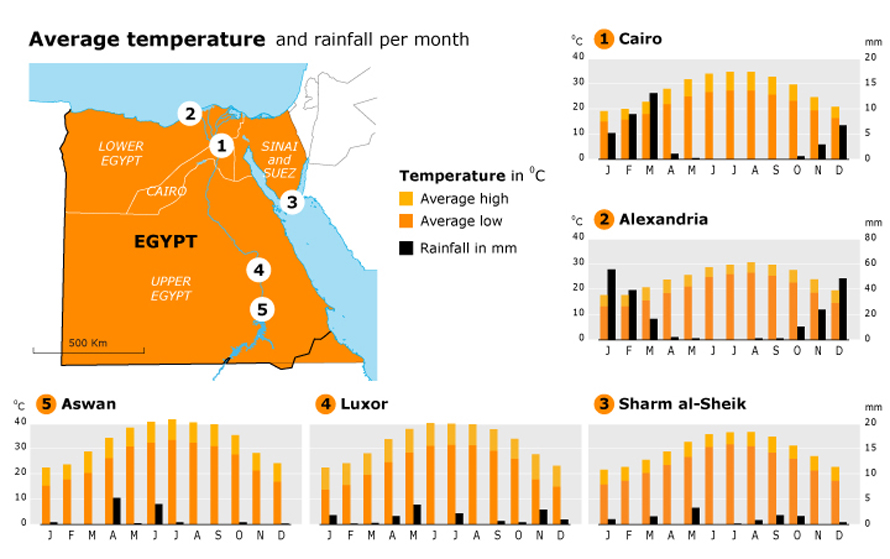
Cairo's got that classic hot desert climate, but living in a big city means it feels even warmer. Summer nights are especially sticky, and while there's a weird 'cool island' effect during the day, don't count on it saving you. From June to September, you're looking at averages of 30–35°C, with a humidity that rolls in from the Nile Delta. Winters are lovely and mild, usually 18–25°C. But watch out for the Khamsin winds between March and June – these can crank the heat up to a shocking 49–50°C and dry you out completely.2. Alexandria: Coastal Breezes and Winter Showers
Ah, Alexandria, my northern gem. It hugs the Mediterranean, so it gets more rain than anywhere else in Egypt – about 100–200 mm annually, mostly in winter, peaking in January. Temperatures are usually pretty mild, hanging around 13.8°C in January and warming up to 27.7°C in August. Those sea breezes? They're a lifesaver in summer. We're also keeping an eye on the rising Mediterranean sea levels here; it's a slow but definite change we're facing.3. Aswan: Extreme Heat, Unbearable Dryness
Aswan is down south, and honestly, it's one of the most extreme places climate-wise. From May to October, summer heat often pushes past 40°C. July is just brutal, with averages around 41.7°C (107°F). Winter offers a tiny bit of relief, with January averaging 16.5°C. This city is seriously one of the driest and sunniest spots on Earth, getting barely 1.4 millimeters of rain a year. The sun blazes for nearly 4,000 hours annually, which is wild! That extreme dryness means huge temperature swings: winter nights can get surprisingly chilly, dropping below 10°C.Seasonal Weather Patterns Every Traveler Needs to Know
 I've seen so many travelers make simple mistakes with their packing and planning because they just don't get Egypt's seasons. Understanding these patterns isn't just about avoiding a bad time; it's about turning a potentially uncomfortable trip into one of your most cherished memories.
Want to explore Egypt Weather & Climate: Your Ultimate Guide to Seasons and Travel Tips?
Let us design the perfect private itinerary for you. From expert local guides to seamless luxury cruises, we craft custom trips that show you the real Egypt.
1. Summer's Highs and How to Beat the Heat
Egyptian summers (June through September) are no joke. The intense heat genuinely catches visitors off guard. Upper Egypt, you're looking at well over 40°C (104°F). Luxor and Aswan? They can hit a blistering 45-50°C (113-122°F). Cairo hovers around 35°C (95°F), but with the city's concrete and traffic, it feels even hotter. Here's how to navigate it: * **Go early:** Plan your outdoor activities, especially photography, for dawn. * **Midday break:** Seriously, take a break indoors between 11 AM and 4 PM. * **Dress smart:** Think light-colored linen or cotton clothes, and don't forget a hand fan. * **Hydrate constantly:** Rehydration sachets and frozen electrolyte drinks can be lifesavers.2. Winter's Lows and Those Unexpected Chills
Our winters (December to February) often surprise tourists. While days in Cairo are typically mild (18-20°C / 64-68°F), nights can get downright cold, dipping to 9-11°C (48-52°F). Alexandria, being coastal, gets quite a bit of rain in winter, around 70 millimeters in January. Here's the kicker: most Egyptian homes don't have central heating! So indoors can feel chilly. We use heated air-conditioning, oil heaters, or electric heaters, and honestly, we bundle up in coats, scarves, and gloves. Swimming pools often become too cold for comfort, though the Red Sea tends to stay a bit warmer.3. Spring and Fall: The Sweet Spot
If you ask me, spring and autumn offer the perfect balance. You get comfortable weather and fewer major crowds. October usually sees temperatures drop to a pleasant 28°C (82°F). March and April are also fantastic for exploring before the real summer heat kicks in. Now, even these beautiful transitional seasons have their moments. Those Khamsin winds I mentioned? They tend to blow between March and June – hot, dry, sand-filled gusts that can send temperatures soaring and humidity plummeting below 5%. They might stick around for several days, so keep an eye on the forecast. The fall months (September-November) bring consistently cooler temperatures and moderate humidity. This makes it an absolutely ideal time to visit those ancient historical sites without feeling like you're melting or getting rained on.See it for yourself
Trips that visit the places in this article.
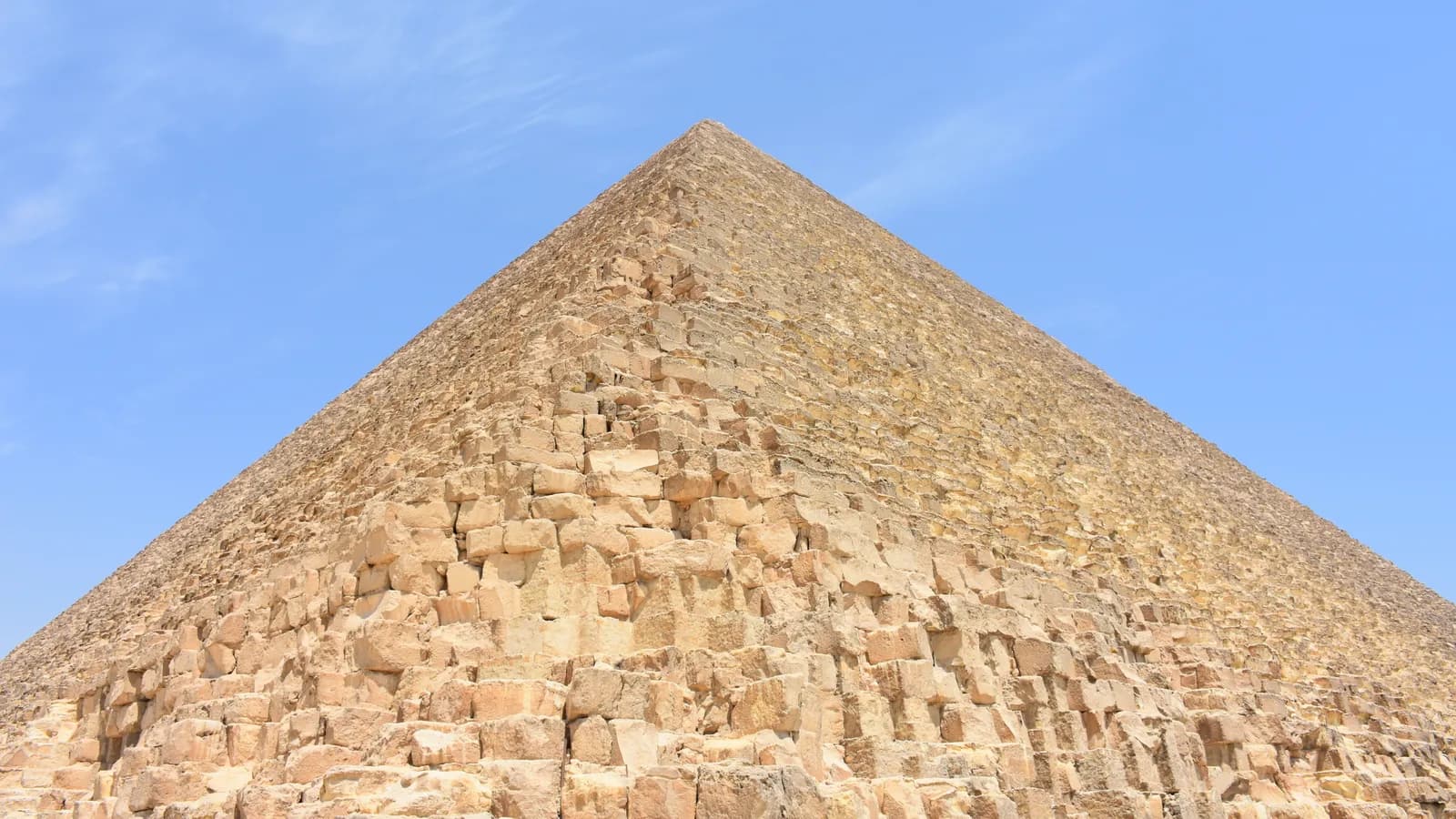
This 7-day tour covers Cairo, Luxor, and Aswan, including the temples of Edfu and Kom Ombo, opening with the Giza Pyramids and Sphinx, the Valley Temple, and…
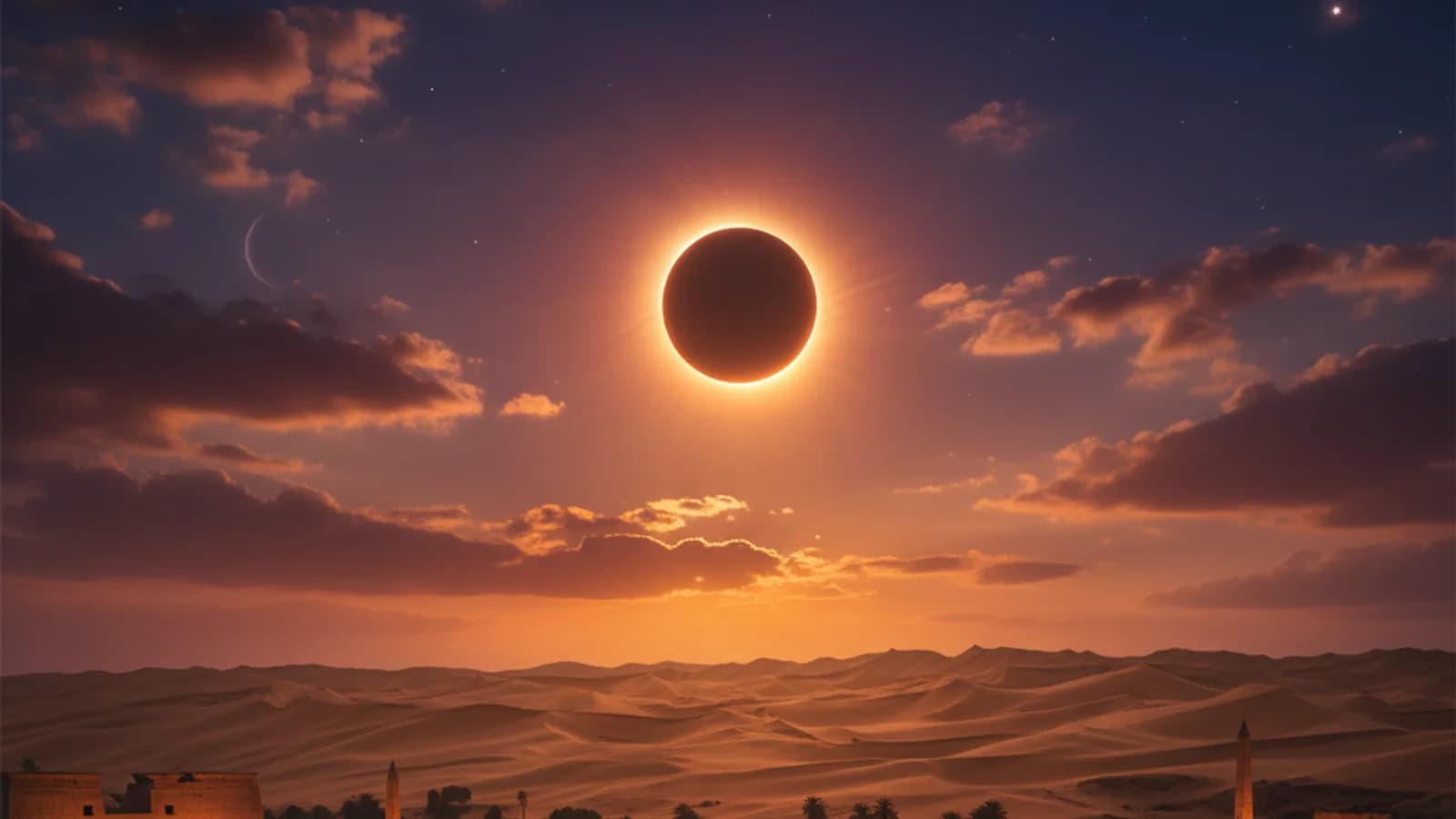
This 6-day tour combines two nights in Cairo with a three-night Nile cruise from Aswan to Luxor, connected by domestic flights, so the Nile Valley's temples…
Want a different route or length? We'll build it around you.
How to Prepare for Egypt's Unique Climate
Really, getting ready for a trip to Egypt means thinking beyond your usual vacation packing list. The country's extreme temperatures and sometimes quirky weather patterns demand specific preparations to ensure you're comfortable and safe throughout your adventure.Want to explore Egypt Weather & Climate: Your Ultimate Guide to Seasons and Travel Tips?
Let us design the perfect private itinerary for you. From expert local guides to seamless luxury cruises, we craft custom trips that show you the real Egypt.
1. Acclimatization Tips for Newcomers
Your body will need a little time to get used to Egypt's heat, especially if you're coming from a cooler climate. I always suggest planning lighter activities for your first 48 hours. This helps your body adjust without getting overwhelmed. Hydration isn't just important; it's crucial – sip water frequently rather than guzzling huge amounts. Trust me on this one. And smart timing can make or break your day. Early mornings and evenings are absolutely perfect for comfortable exploration. Save those indoor breaks or shaded spots for midday, especially during the peak sun between 11 AM and 3 PM.2. Clothing and Gear Recommendations
Loose-fitting cotton or linen clothes are your best friends in Egypt's heat. If you're heading into desert areas, bring layers – temperatures can drop significantly after sunset. Here's some essential gear: * Wide-brimmed hats and UV-blocking sunglasses – non-negotiable! * A reusable water bottle, preferably with a built-in filter. * A small, battery-powered fan for those really hot moments. * High-SPF, water-resistant sunscreen. * A light scarf: great for sun protection, modesty in certain places, or protecting your face in dusty conditions.3. Staying Safe During Extreme Weather
We've got to respect Egypt's climate. That means being aware of the warning signs of heat-related illness: headaches, dizziness, and fatigue are signals to find shade immediately and cool down. Put damp cloths on your pulse points – wrists, neck, temples. During Khamsin winds, try to stay indoors. If you must go out, a face mask can help with dust. Always, always check local weather forecasts daily. Flash floods are rare but can happen in desert regions during those unexpected rain events, especially near wadis (dry riverbeds).Unique Weather Phenomena You Might Encounter
Egypt's weather isn't just about hot and dry; we have some truly unique events. Think of the Khamsin, those hot, sandy winds that can shoot temperatures up by 20°C in hours. These aren't just seasonal shifts; they're powerful forces that shape our land, impact daily life, and even intrigue meteorologists.1. The Khamsin Wind Phenomenon
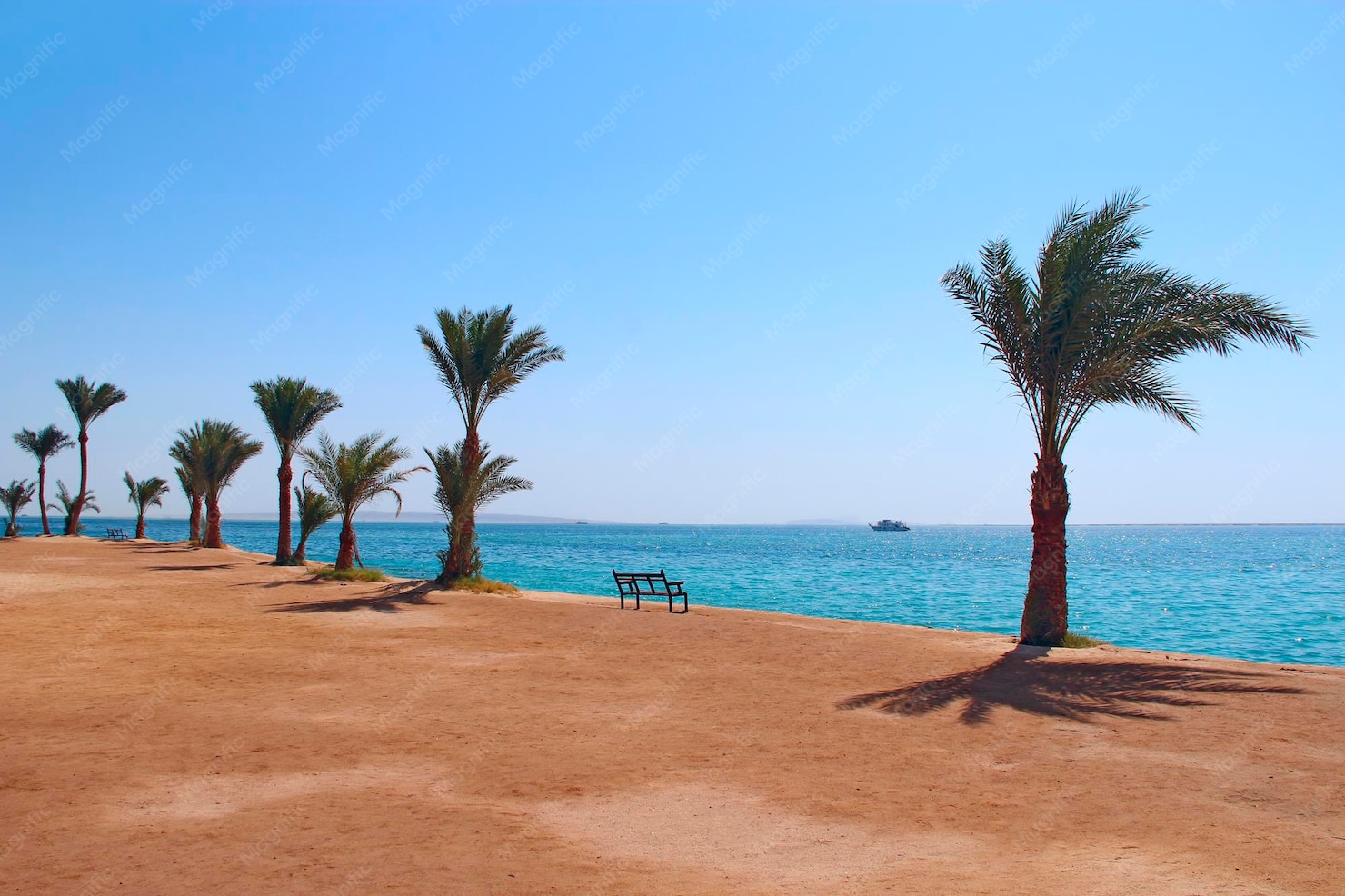 The Khamsin is our most dramatic weather event, no contest. Its name comes from the Arabic word for 'fifty,' referring to the roughly fifty-day period it can occur. Usually, you'll encounter these hot, dry, sand-filled winds between March and May, though they can pop up a bit earlier or later. They start from low-pressure systems moving east across the Sahara, and they can hit speeds up to 140 kilometers per hour. When the Khamsin blows, things get wild:
* Temperatures can jump by 20°C in just two hours.
* Relative humidity plummets below 5%.
* Sand and dust become so thick they severely reduce visibility.
* They even create electrical disturbances that can mess with compasses!
Historically, the Khamsin has played a role in military campaigns, from Napoleon's expedition to World War II. Today, while less dramatic, it still disrupts travel, can damage buildings, and causes breathing problems for many.
The Khamsin is our most dramatic weather event, no contest. Its name comes from the Arabic word for 'fifty,' referring to the roughly fifty-day period it can occur. Usually, you'll encounter these hot, dry, sand-filled winds between March and May, though they can pop up a bit earlier or later. They start from low-pressure systems moving east across the Sahara, and they can hit speeds up to 140 kilometers per hour. When the Khamsin blows, things get wild:
* Temperatures can jump by 20°C in just two hours.
* Relative humidity plummets below 5%.
* Sand and dust become so thick they severely reduce visibility.
* They even create electrical disturbances that can mess with compasses!
Historically, the Khamsin has played a role in military campaigns, from Napoleon's expedition to World War II. Today, while less dramatic, it still disrupts travel, can damage buildings, and causes breathing problems for many.
2. Flash Floods in Desert Areas
It sounds contradictory, right? Egypt, one of the driest countries, getting flash floods? But it happens. Sudden, intense rainstorms can trigger them, especially along the Red Sea coast and Eastern Desert. These events are rare, but when they hit, like Hurghada's 2016 flood, they can cause serious damage to towns, infrastructure, and even marine life. The challenge is, we don't have a lot of data or rain gauges in these remote areas, making them tough to predict.3. Fog and Mist in the Nile Valley
Despite all the sunshine, thick fog can actually blanket the Nile Delta in fall and winter. It's particularly common around Borg El Arab Airport near Alexandria. This fog forms on calm, humid mornings when temperatures are around 10–15°C. It can certainly disrupt travel, but people are even exploring its potential for 'fog-harvesting' as a new water source. Pretty neat, huh?Ready to turn this guide into reality?
Our local experts can create a custom itinerary based on these recommendations. Just send us a quick message!
Customize via WhatsApp