

Understanding Safety and Security in Egypt, From a Local's View
Crime Rates: What to Expect
Egypt's security profile, statistically speaking, is pretty moderate. Compared to many places, serious crime rates are actually quite low for tourists. Think about it: a lot of the reported incidents are things like consumer fraud or minor theft, which can happen in any tourist hotspot. In the cities, sometimes these are driven by economic necessity, but violence against tourists is rare. In rural areas, you might hear about verbal conflicts more, but again, nothing that typically impacts travelers.Terrorism Threats and How They're Handled
Let's clear the air here: Egypt has really stepped up its counterterrorism game, especially since 2018. Major cities and tourist zones are heavily protected. Any lingering threats? They're almost exclusively in deep North Sinai or very specific, restricted parts of the Western Desert near Libya – places you wouldn't be venturing into as a tourist anyway. The government has poured serious money into securing these areas, and they collaborate internationally to keep things tight. When you're at the Pyramids or a temple, you'll see a visible, reassuring security presence.Political Stability and Tourism
President el-Sisi's reelection means a pretty stable political scene for the next few years. Yes, the economy has its ups and downs – inflation and currency devaluation are real for locals – but the government is *very* invested in tourism. Why? Because it's a huge part of the economy and rebuilding that sector is a top priority. After a tough period around 2010-2016, tourism has been steadily climbing back, making it even more important for the government to ensure visitors feel safe and welcomed.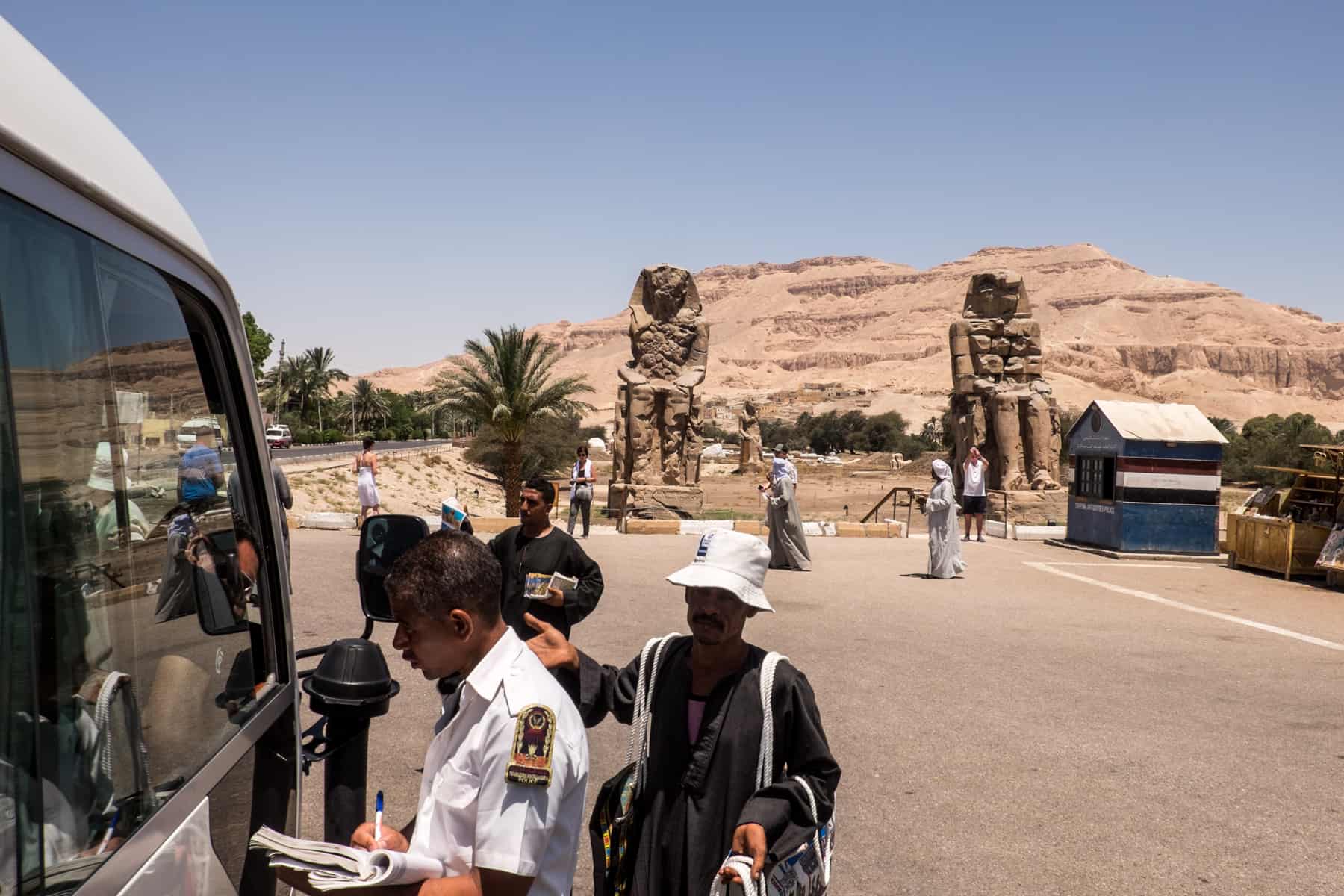
Safety By Region: Hotspots and No-Go Zones
Egypt isn't a monolith when it comes to safety. Think of it like a quilt – different patterns in different sections. Knowing where you're going makes all the difference.Want to explore Your Guide to Safety and Security in Egypt?
Let us design the perfect private itinerary for you. From expert local guides to seamless luxury cruises, we craft custom trips that show you the real Egypt.
Egypt Tour PackagesNile CruisesEgypt Day ToursPrivate Egypt ToursTailor-Made Egypt Trips
Cairo and Alexandria: Urban Exploration Made Easy
Cairo is a buzzing metropolis, and for the most part, it's very safe for visitors. Around the Pyramids, Khan El Khalili bazaar, and major museums, you'll see plenty of security. Petty theft is super rare, but like any big city, just keep an eye on your belongings in crowded spots. For getting around, the metro is reliable, and ride-sharing apps like Uber are a godsend – transparent pricing, no haggling, and you can track your route. Alexandria gives you a similar vibe. It's a bit more conservative, so modesty helps, but downtown areas are generally chill.South Sinai vs. North Sinai: A World Apart
This is a crucial distinction. South Sinai, home to the incredible Red Sea resorts like Sharm El-Sheikh, Dahab, and Nuweiba, is incredibly secure. These areas are basically tourism bubbles with tight protective measures. You're fine here. North Sinai, on the other hand, is a completely different story. It's an active conflict zone, and frankly, you just don't go there. International travel warnings are always in place for a reason. Stick to the south for diving, beaches, and desert adventures.The Western Desert and Border Areas: Tread Carefully
Our desert regions are absolutely stunning, but they demand respect and proper planning. The area along the border with Libya, for instance, is off-limits – military operations, you know. Remote desert areas can be risky due to isolation. If you're dreaming of the White Desert or Siwa Oasis, and you absolutely should, always, always get permits in advance and go with a certified guide. Communication and medical services are super limited out there, so don't wing it.Nile Valley: Luxor, Aswan, and Beyond
These are the crown jewels of ancient Egypt, and they're also some of our safest destinations. Luxor and Aswan are bustling with police presence, especially around archaeological sites like the Valley of the Kings and Karnak Temple. You'll feel secure exploring. The biggest 'challenges' here are usually just persistent vendors or unofficial guides trying to get your attention. A polite 'la shukran' (no thank you) usually does the trick. Don't worry, they're not dangerous, just part of the local flavor!
Want to explore Your Guide to Safety and Security in Egypt?
Let us design the perfect private itinerary for you. From expert local guides to seamless luxury cruises, we craft custom trips that show you the real Egypt.
Egypt Tour PackagesNile CruisesEgypt Day ToursPrivate Egypt ToursTailor-Made Egypt Trips
See it for yourself
Trips that visit the places in this article.
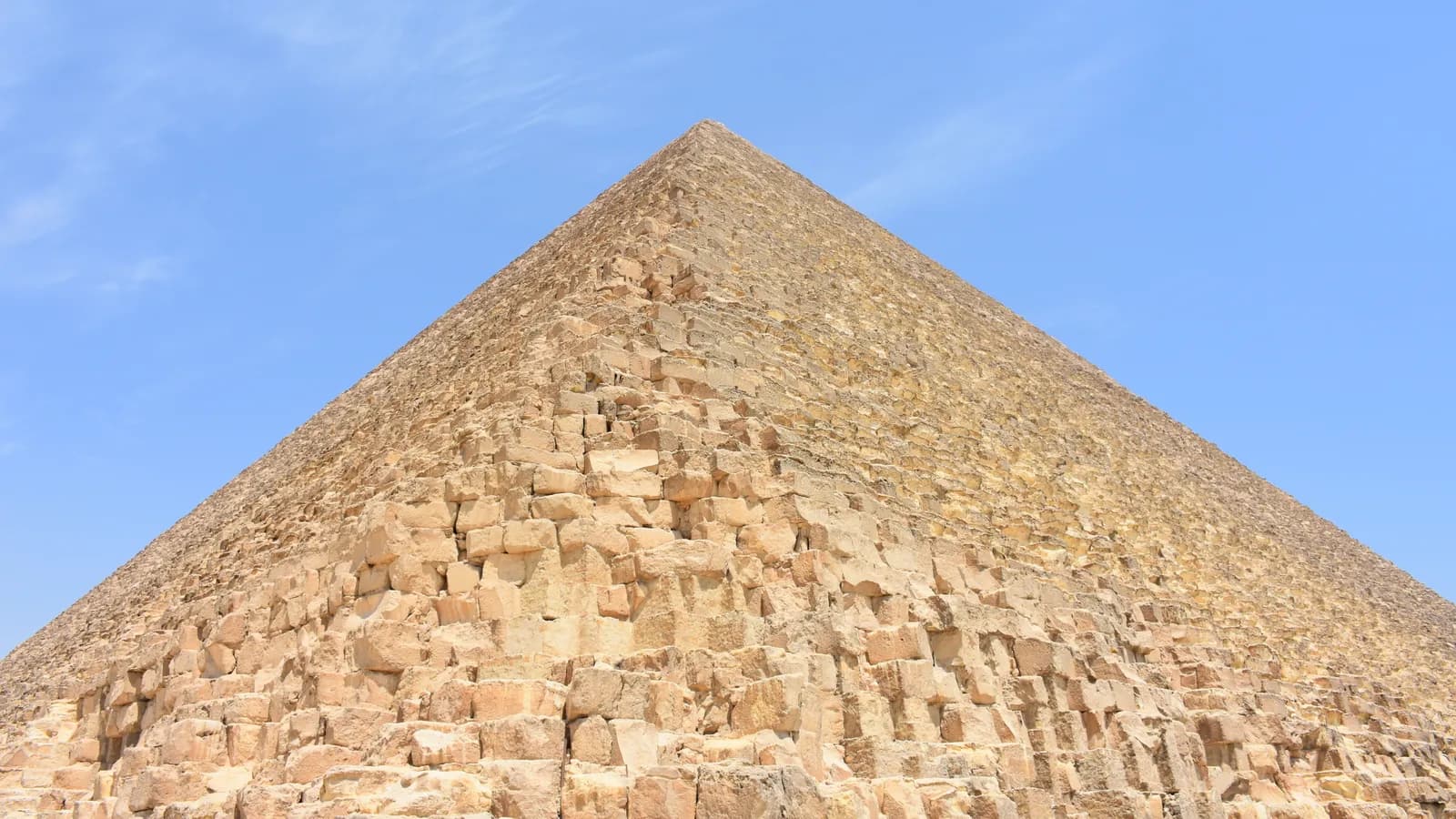
This 7-day tour covers Cairo, Luxor, and Aswan, including the temples of Edfu and Kom Ombo, opening with the Giza Pyramids and Sphinx, the Valley Temple, and…

This 6-day tour combines two nights in Cairo with a three-night Nile cruise from Aswan to Luxor, connected by domestic flights, so the Nile Valley's temples…
Want a different route or length? We'll build it around you.
Health and Travel Precautions: Stay Healthy, Explore Happy
Nobody wants a trip ruined by an upset stomach or worse. A little bit of health prep goes a long way here.Common Illnesses and How to Dodge Them
'Pharaoh's Revenge' is a common traveler's lament, usually bacterial diarrhea. My advice? Stick to bottled water (even for brushing your teeth!), eat hot, well-cooked food, and avoid raw veggies from dubious sources. Ice? Probably skip it unless you're in a reputable hotel or restaurant. Also, seriously, avoid contact with fresh water like the Nile or canals to prevent schistosomiasis. Ocean, pools, and well-maintained hotel pools? Totally fine.Vaccinations and Medical Prep: Your Pre-Trip Checklist
Before you pack your bags, make a doctor's appointment. The CDC recommends vaccinations for Hepatitis A, Typhoid, and COVID-19. Polio vaccination is also good to check on. If you're coming from a yellow fever zone, you'll need proof of vaccination. Beyond that, make sure your routine shots (MMR, Tetanus, Flu) are up-to-date. Aim to do this at least a month before you fly – some vaccines need time to kick in. And speaking of medical, pack any prescription meds and a basic first-aid kit for headaches, band-aids, and stomach issues.Hospitals and Emergency Care: Know Your Options
Healthcare in Egypt can be a mixed bag. Major cities like Cairo have some excellent private hospitals that cater to international standards. However, outside these hubs, facilities can be much more basic. Public hospitals often struggle with resources. Ambulance services (dial 123) might not be as rapid or equipped as you're used to. This is why good travel insurance is truly non-negotiable.Travel Insurance: Your Peace of Mind
While it's not legally required for entry, please, for your own sake, get travel insurance. Most U.S. healthcare plans won't cover you abroad. You'll want at least $50,000 for medical expenses and, crucially, $100,000 for emergency evacuation. Evacuation from a remote spot can cost a fortune. Comprehensive insurance will also cover trip cancellations, delays, and lost luggage, which can save you a world of hurt and expense.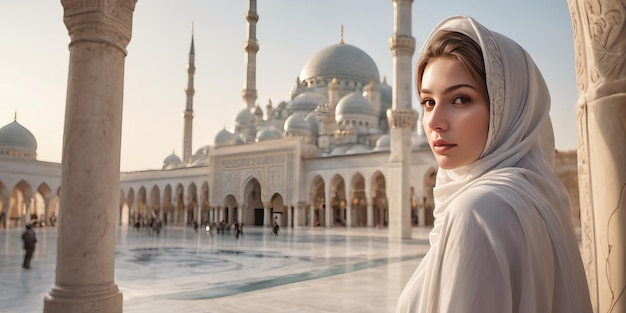
Practical Safety Tips from a Local Guide
As your local expert, these are the little things that make a big difference for a smooth, enjoyable trip to Egypt.Dress and Behavior: Modesty is Your Best Friend
This isn't about rigid rules; it's about respect and comfort. For women, covering shoulders, knees, and cleavage will make you feel much more comfortable and less likely to draw unwanted attention. Men will find shorts are generally fine for casual wear but not for mosques or formal places. Think light, breathable cotton or linen – perfect for our weather and cultural norms. If you visit a mosque, women will need a headscarf (often provided, or just carry one) and everyone removes their shoes. Public displays of affection are a no-go outside of hand-holding – just keep it discreet.Local Transportation: Smart Moves
Ride-sharing apps like Uber and Careem are your best bet in Cairo and Alexandria. They're reliable, you know the price upfront, and it's all tracked. The Cairo Metro is fantastic, and they even have designated women-only cars (look for pink signs) if you prefer. If you're taking a traditional white taxi, always agree on the fare *before* you get in. For longer distances, first-class trains are far more comfortable and secure than crowded buses.Avoiding Scams and Tourist Traps: The Art of the Polite Decline
Like any popular destination, Egypt has its share of folks trying to make a quick buck. Common ones include people claiming 'special access' to sites, wildly inflated camel ride prices, or 'free' services that suddenly aren't. My best advice? Politely but firmly say 'la shukran' (no thank you) to unsolicited offers. Don't be afraid to walk away. If something feels off, it probably is. And always agree on prices beforehand, whether it's a taxi or a souvenir.Best Times and Places to Travel: Timing is Everything
Egypt's climate varies. Summers (June-August) are scorching, especially in Upper Egypt (Luxor, Aswan). The sweet spot is really spring (March-May) and autumn (September-November). The weather is mild, pleasant, and the crowds aren't too insane. Winter (Dec-Feb) is also lovely, though evenings can get cool. Coastal areas are usually good all year. Plan your major sightseeing for early mornings or late afternoons to avoid the midday sun, particularly in ancient sites.Safety for Solo and Women Travelers: A Few Extra Tips
For women, especially solo travelers, a bit of extra situational awareness goes a long way. Modest dress is your greatest tool for blending in and avoiding unwanted attention. Always have an extra scarf handy. I'd avoid walking alone after dark in unfamiliar areas. Book accommodations and transport in advance. If you ever feel genuinely uncomfortable or threatened, make noise! A loud, firm 'No!' or 'Help!' will often bring help quickly. Don't overshare personal info with strangers. And frankly, sometimes joining a women-friendly tour group can just make things easier. If you do need help, dial 126 for Tourist Police; they're there for you. While harassment does happen sometimes, violent crime against tourists is genuinely very rare.Wondering If Egypt Is Safe to Visit?
This guide is the practical, on-the-ground companion — crime, regional detail, health, etiquette and avoiding scams. If your real question is the simpler one, "is it safe to go at all?", start with our honest Is Egypt Safe? traveller's guide, then come back here for the specifics.
Ready to turn this guide into reality?
Our local experts can create a custom itinerary based on these recommendations. Just send us a quick message!
Customize via WhatsApp