

About The Old Egyptian Museum
Unveiling Ancient Egypt's Splendor: A Journey Through Time at the Old Egyptian Museum
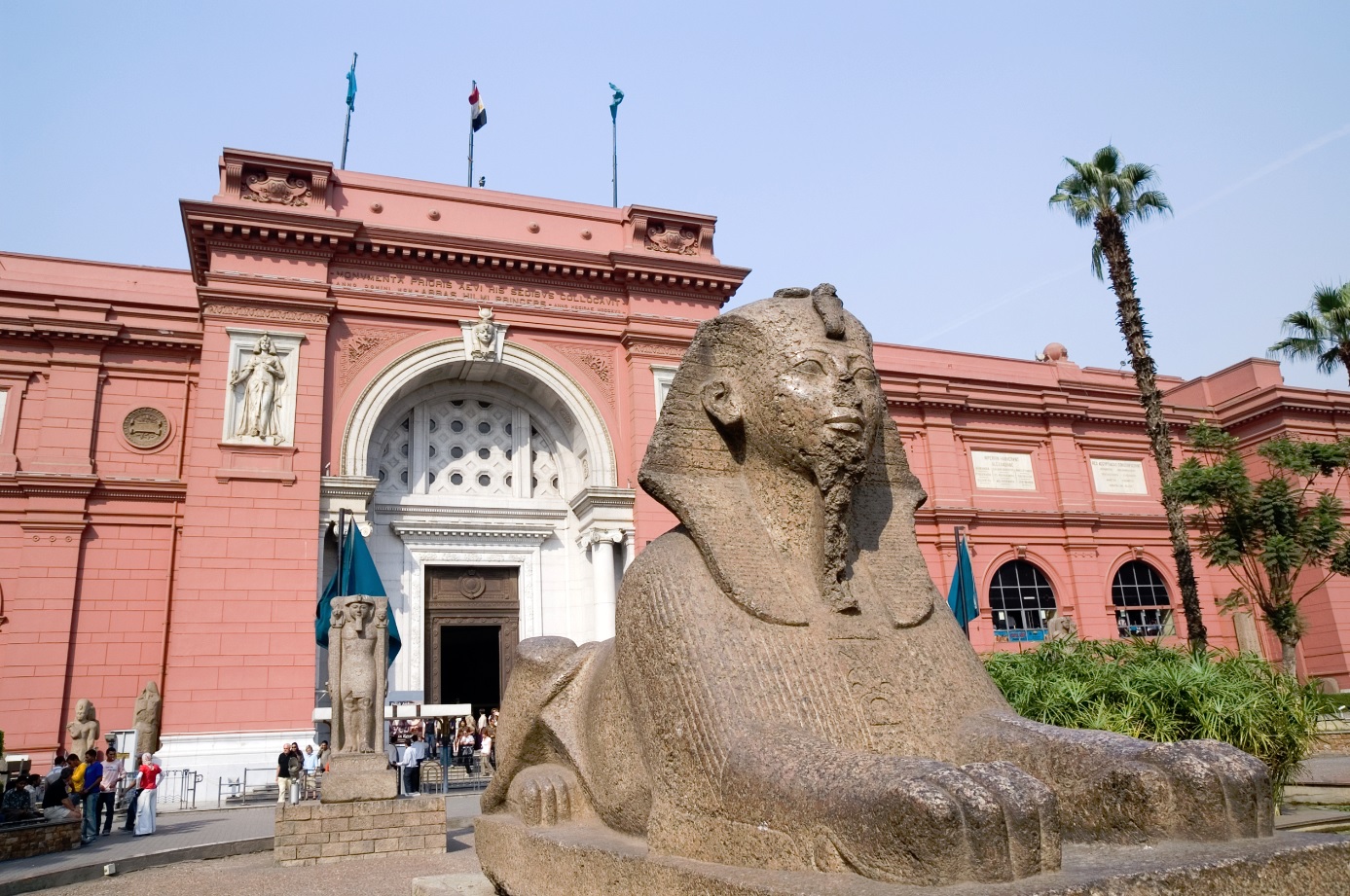
Journey into an extraordinary collection of pharaonic treasures, including Tutankhamun's golden mask and millennia of captivating history. The Old Egyptian Museum, frequently known as the Museum of Egyptian Antiquities, stands as an unparalleled sanctuary of ancient Egyptian civilization. Hosting the planet's most extensive assembly of Pharaonic antiquities, it delivers an immersive voyage through over 5,000 years of human history. As you wander its expansive halls, you will encounter an exceptional assortment of objects, ranging from monumental sculptures and elaborate sarcophagi to delicate jewelry and practical everyday implements.
This iconic institution, a cornerstone of Egyptology, offers an intimate glimpse into the grandeur, spiritual beliefs, and daily lives of one of the world's most enduring civilizations. From the colossal statues that once guarded temple entrances to the intricate personal effects of kings and commoners, every artifact tells a story, inviting visitors to connect directly with the past.
What Makes The Old Egyptian Museum Special
The Old Egyptian Museum distinguishes itself not merely by the sheer volume of its collection, but by its profound historical significance and the unparalleled rarity of its holdings. It serves as a living chronicle of ancient Egypt, showcasing the artistic, religious, and technological advancements of a society that shaped human civilization.
Without a doubt, the museum's most celebrated holding is the treasures of Tutankhamun. Behold the awe-inspiring golden burial mask, the gleaming gilded shrines, and countless personal possessions that accompanied the boy king into his eternal slumber. This extraordinary collection, unearthed in 1922 by Howard Carter, offers an unprecedented look into royal burial practices and the opulence of the New Kingdom pharaohs. The intricate craftsmanship and precious materials used in these artifacts underscore the immense wealth and artistic sophistication of ancient Egypt.
Beyond Tutankhamun, delve into galleries dedicated to the Old Kingdom, Middle Kingdom, and New Kingdom, illustrating the progression of Egyptian artistry, spirituality, and daily existence. Key exhibits include the impressive royal mummies (many of which have now been relocated to the National Museum of Egyptian Civilization), colossal statues of pharaohs like Khafre and Ramses II, and an extensive array of papyri, funerary stelae, and everyday objects that paint a comprehensive picture of life along the Nile.
A Chronicle of Conservation: The Museum's Genesis
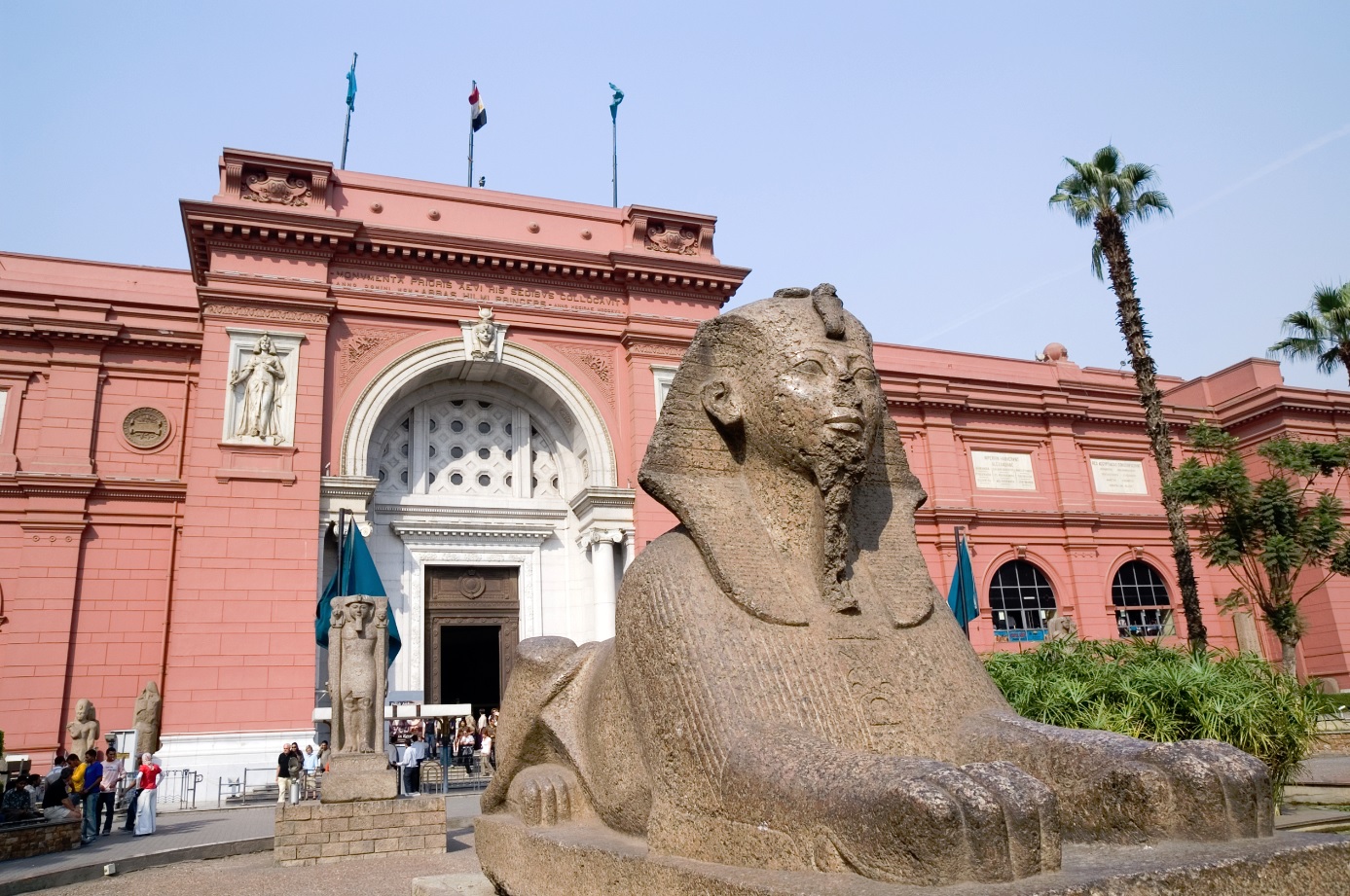
The genesis of the Old Egyptian Museum stemmed from the pressing imperative to safeguard Egypt's invaluable heritage from pilfering and illicit trade. Established in 1835, its initial collections were housed in various locations before the current iconic structure in Tahrir Square was inaugurated in 1902. Conceived by French architect Marcel Dourgnon, the museum was purpose-built to accommodate the rapidly expanding collection of antiquities unearthed by pioneering archaeologists. Its construction marked a pivotal juncture in the systematic preservation and academic study of ancient Egyptian artifacts.
The museum swiftly ascended to become the world's preeminent institution for Egyptology, drawing scholars and visitors from every corner of the globe. While numerous artifacts are now transitioning to the Grand Egyptian Museum (GEM) near the Giza Pyramids, the Tahrir Square museum remains a vital repository of Egyptian history, offering a classic and deeply immersive experience. The evolution of the museum reflects a continuous dedication to protecting and presenting Egypt's unparalleled cultural legacy.

What to See: Highlights and Must-Visit Galleries
- The Tutankhamun Collection: The undisputed star, featuring the iconic golden burial mask, the sarcophagus, gilded shrines, jewelry, and personal items. Allow ample time here.
- Royal Mummies Hall (Historic Location): While many royal mummies have moved to the NMEC, the museum historically housed a significant collection, offering a profound encounter with ancient royalty. (Verify current status on arrival).
- Old Kingdom Galleries: Discover early dynastic art, including colossal statues, exquisite relief carvings, and the famous wooden statue of Kaaper (Sheikh el-Balad).
- Middle Kingdom Galleries: Explore the sophisticated artistry of this period, characterized by more naturalistic sculpture and intricate funerary models.
- New Kingdom Galleries: Witness the grandeur of Egypt's imperial age through monumental statues, vibrant tomb paintings, and artifacts from Karnak and Luxor.
- Amarna Period Exhibits: A fascinating glimpse into the revolutionary reign of Akhenaten and Nefertiti, showcasing distinct artistic styles.
- Jewelry and Ornaments: Marvel at the intricate craftsmanship of ancient Egyptian jewelers, with pieces made from gold, lapis lazuli, and other precious stones.
- Sarcophagi and Funerary Art: Explore the elaborate coffins, canopic jars, and funerary stelae that reflect ancient Egyptian beliefs about the afterlife.
How to Visit: Practical Information
Getting There
The Old Egyptian Museum in Tahrir Square is centrally located in downtown Cairo and easily accessible. You can reach it via:
- Taxi/Ride-sharing apps: The most convenient option from most parts of Cairo.
- Metro: The closest metro station is Sadat Station, which is a short walk from the museum.
- Bus: Numerous local bus routes pass by Tahrir Square.
Tickets & Admission
Tickets can be purchased at the museum's entrance. There are separate fees for general admission and, historically, for the Royal Mummies Hall (confirm current pricing and exhibits upon arrival, especially with the relocation of many mummies). It's advisable to carry Egyptian Pounds for ticket purchases, though major credit cards may be accepted.
Time Needed
To fully appreciate the vast collection, plan for at least 3-4 hours. If you intend to delve deeply into specific exhibits or are an avid history enthusiast, a full day might be necessary. Given the vastness, prioritize your interests.
Accessibility
The museum has elevators and ramps for accessibility, though some older sections might present challenges. It's best to inquire at the entrance or contact the museum beforehand for specific accessibility needs.
Best Time to Visit & Tips
Best Time
The best time to visit Cairo, and by extension the Old Egyptian Museum, is during the cooler months, from October to April. The weather is more comfortable for exploring. To avoid the largest crowds, try to visit:
- Early in the morning: Right after opening, around 9:00 AM, provides a more peaceful experience.
- On weekdays: Weekends (Friday and Saturday in Egypt) tend to be busier.
Tips for Your Visit
- Hire a Guide: Consider hiring a licensed Egyptologist guide. Their insights can bring the artifacts to life and help you navigate the vast collection efficiently.
- Hydrate: Carry water, especially during warmer months, as you'll be doing a lot of walking.
- Wear Comfortable Shoes: The museum is expansive, with multiple floors and long corridors.
- Photography: Check the current photography policy. Historically, photography without flash was allowed in some areas, but certain exhibits (like the Tutankhamun mask) often have strict no-photography rules.
- Bags: Large bags and backpacks may need to be checked at the entrance.
- Respectful Attire: While there's no strict dress code, modest attire is always appreciated in public institutions in Egypt.
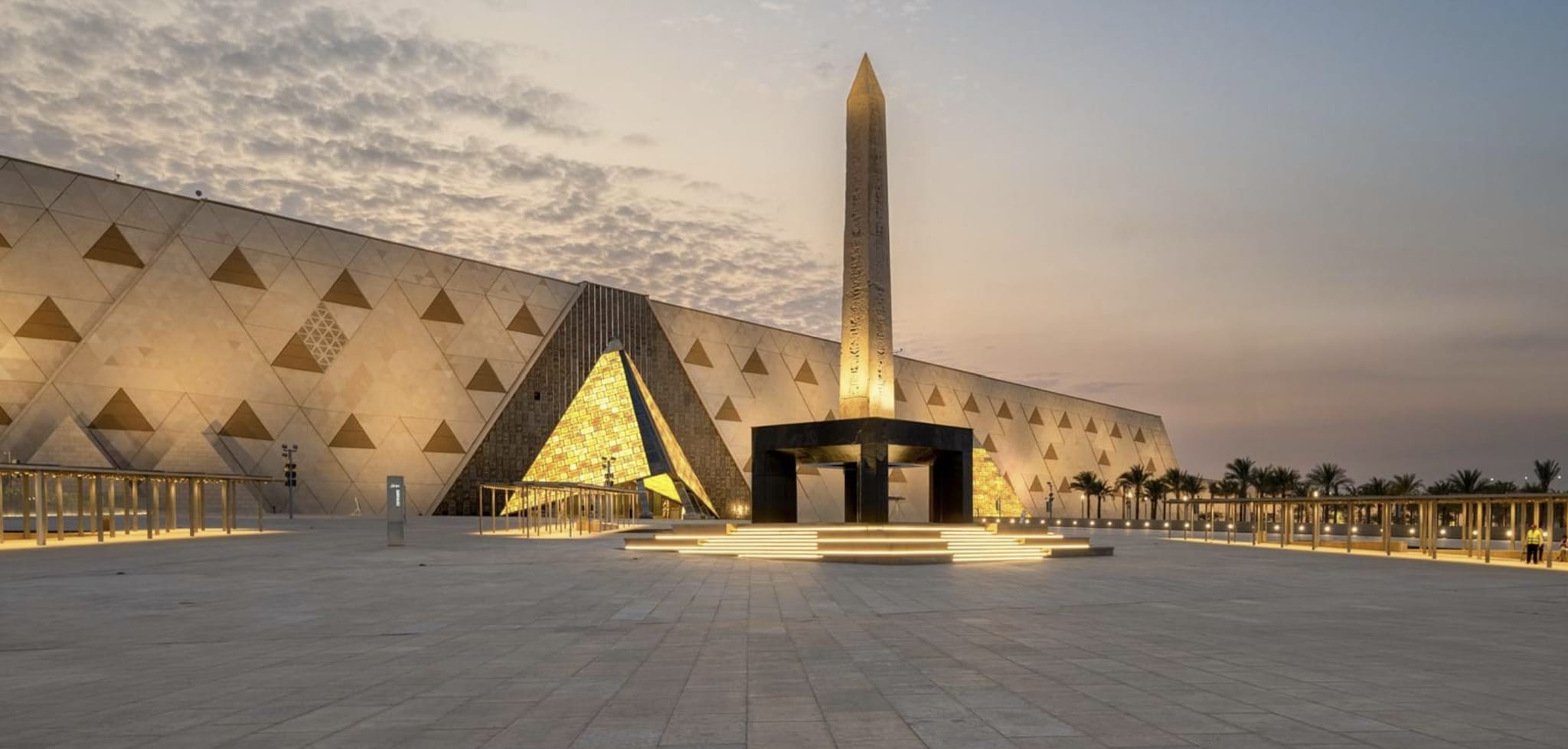
- Current Status: Be aware that many artifacts are gradually being relocated to the new Grand Egyptian Museum (GEM) near Giza. While the Tahrir Museum remains a treasure trove, specific exhibits may change. Confirm any must-see items' locations before your visit.
Historical Significance
A Chronicle of Conservation
The genesis of the Old Egyptian Museum stemmed from the pressing imperative to safeguard Egypt's invaluable heritage from pilfering and illicit trade. Established in 1835, its initial collections were housed in various locations before the current iconic structure in Tahrir Square was inaugurated in 1902. Conceived by French architect Marcel Dourgnon, the museum was purpose-built to accommodate the rapidly expanding collection of antiquities unearthed by pioneering archaeologists.
Its construction marked a pivotal juncture in the systematic preservation and academic study of ancient Egyptian artifacts. The museum swiftly ascended to become the world's preeminent institution for Egyptology, drawing scholars and visitors from every corner of the globe. While numerous significant artifacts, including the Royal Mummies and the complete Tutankhamun collection, have commenced their transfer to the new Grand Egyptian Museum (GEM) situated near the Giza Pyramids, the Tahrir Square museum continues to house a vast and important collection, representing a century of archaeological discovery and dedicated preservation endeavors.
Tours Visiting The Old Egyptian Museum
Private, Egyptologist-guided experiences with tickets and transfers handled for you.
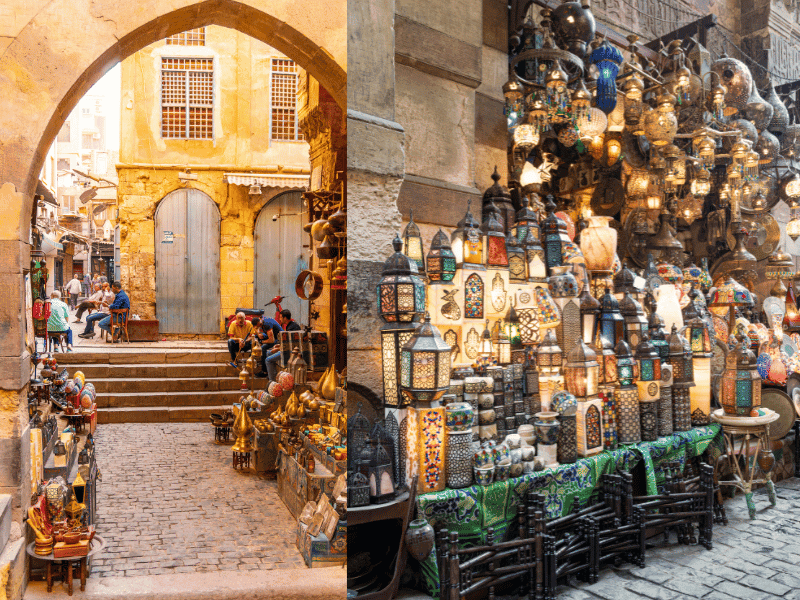
This captivating 12-hour tour of Cairo promises an enriching journey through the city’s ancient wonders and modern delights. Guests will be personally...

Immerse yourself in the rich culture and centuries of history of Cairo with this 8 hour group sightseeing tour. Experienced guides will take you to th...

Travel Joy Egypt provides a day tour from Port Sokhna for visitors to discover ancient Egyptian history and culture in Cairo through its famous pyrami...

Travel Joy Egypt invites cruise guests to spend a memorable day exploring iconic sites in Cairo including the expansive Giza pyramid complex, the sple...

This exciting one-day tour from Travel Joy Egypt takes you from Port Said to Cairo to explore the ancient wonders of the Pyramids of Giza and Sphinx, ...
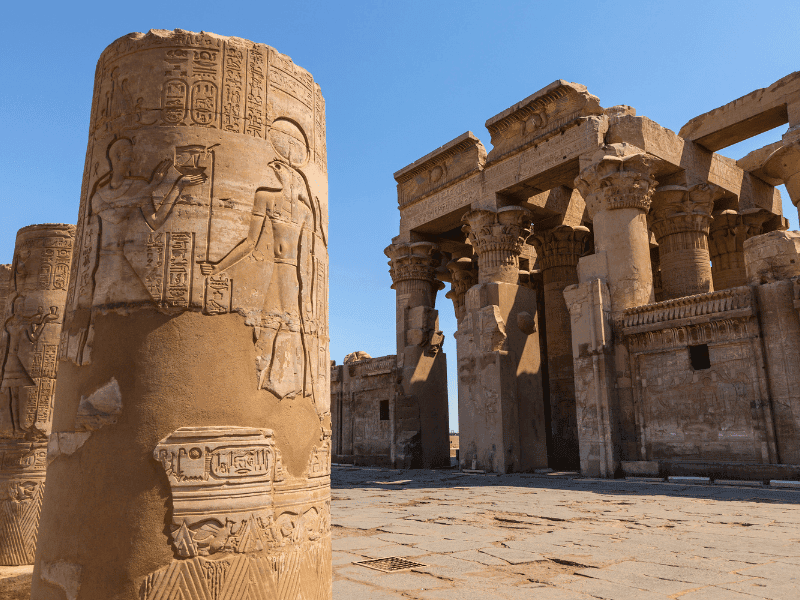
This small group tour through Egypt takes travelers on an archaeological adventure to explore the richest sites along the Nile River Valley. From the ...
The Old Egyptian Museum — Frequently Asked Questions
Everything you need to know before visiting The Old Egyptian Museum.