
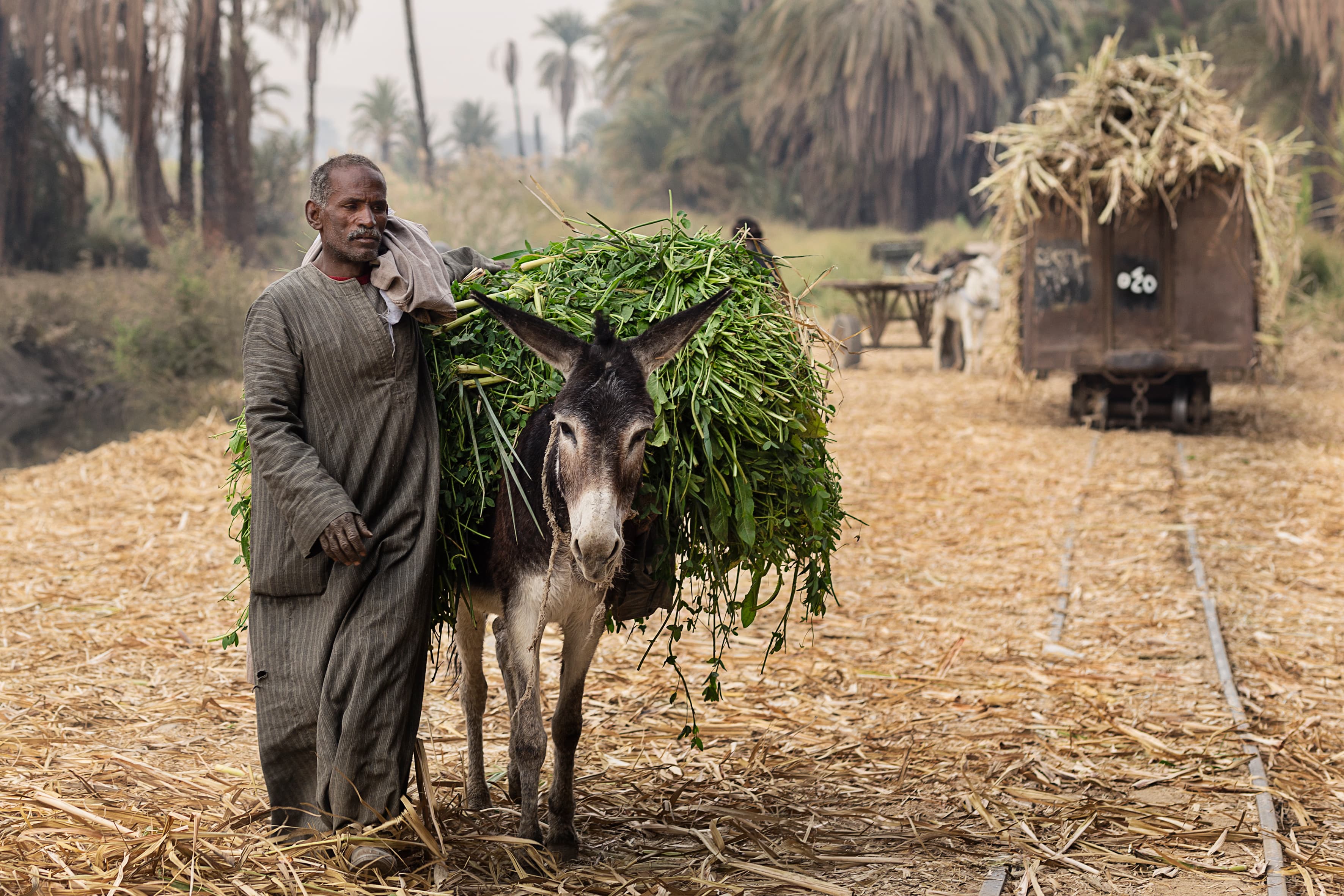

Aswan, Egypt's southernmost city, is just *different*. It's this dry, golden place—often called the 'Land of Gold' because of all the ancient Nubian gold mining that happened here. What makes it so cool is how it mashes up the really old stuff, like the Unfinished Obelisk, with incredible modern engineering, think the Aswan High Dam. Plus, it's home to these amazing island sanctuaries and thriving Nubian communities, whose stories became even more significant after the dam project.

Top Historical Attractions in Aswan
Aswan's ancient ruins aren't just old stones; they're an extraordinary timeline that spans thousands of years. Every single block tells a story about how clever ancient civilizations were and, honestly, how much work went into preserving them later. These places truly show us how religious devotion, architectural genius, and engineering smarts evolved along this incredibly sacred part of the Nile.
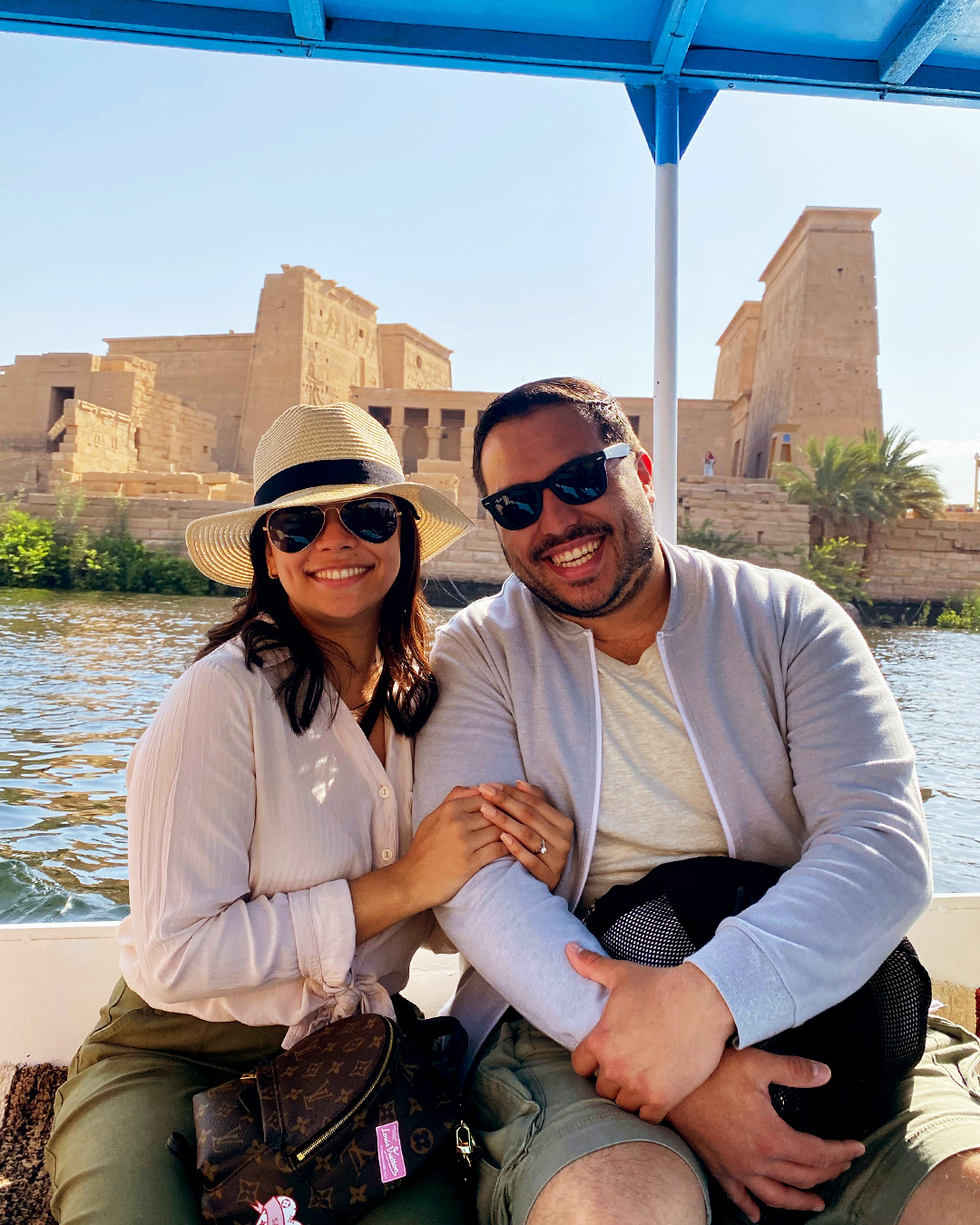
Philae Temple: A floating marvel
Originally, Philae Temple, dedicated to the goddess Isis, sat on Philae Island. But after the Aswan Low Dam was built in 1902, it was constantly threatened by flooding. So, Egypt and UNESCO teamed up for a decade-long project to do something incredible: they moved and rebuilt the *entire* temple complex brick by brick onto higher ground on Agilkia Island. It's a testament to human ingenuity and a real must-see.Unfinished Obelisk: Ancient engineering revealed
Deep in Aswan's granite quarries, archeologists found the Unfinished Obelisk in the early 20th century. This thing is massive – 42 meters long and weighing 1,168 tons! Queen Hatshepsut (around 1473–1458 BC) commissioned it for Karnak, but construction ground to a halt because of irreparable cracks in the granite. This colossal, incomplete obelisk is a goldmine for archaeologists. It gives us a unique glimpse into ancient Eygptian stone-carving techniques, with all the tool marks and guidelines still perfectly preserved.Aswan High Dam: Modern marvel with ancient impact
Finished in 1970 after eleven years of work, the Aswan High Dam is a rock-fill barrier that measures 3,830 meters wide and 111 meters high. It completely changed Egypt's relationship with the Nile's floods. It's truly a marvel. This engineering feat brought some huge benefits: * Perfectly controlled water distribution that maximized agricultural output. * Irrigation systems that brought life to hundreds of thousands of previously dry acres. * Improved navigation all along the Nile River. * Generating over 10 billion kilowatt-hours of hydroelectric power each year. * Fisheries booming in the newly formed Lake Nasser. But, let's be real, the dam also came with significant human and environmental costs. For starters, 90,000 Egyptian and Sudanese Nubian communities were displaced because of Lake Nasser, and the land along the Nile slowly lost its natural fertility because the annual sediment stopped flowing.Kalabsha Temple: A quiet gem on Lake Nasser
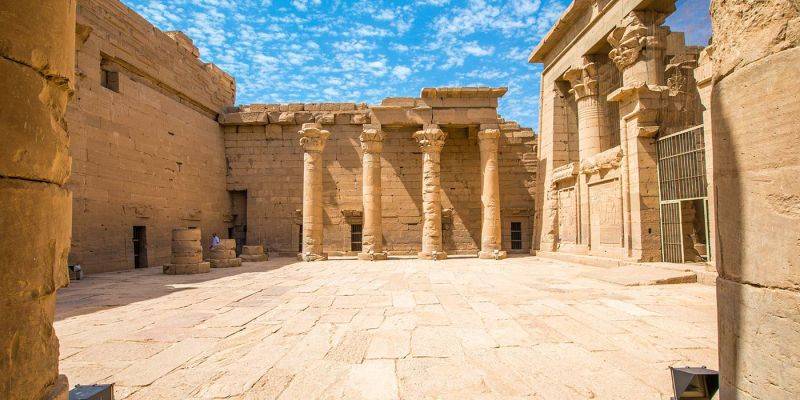
Built around 30 BC by Roman-era craftsmen, Kalabsha Temple is a stunning example of Egyptian-Nubian architectural blending, dedicated to the Nubian sun god Mandulis. Even though it's incomplete, it beautifully mixes Egyptian religious traditions with Hellenistic art. Like Philae, rising waters from the Aswan High Dam forced its relocation. The entire temple was meticulously moved over two years in the 1960s to New Kalabsha Island. Today, you can explore its causeway, colonnaded courtyard, and incredible reliefs.Want to explore Aswan's Hidden Gems and Must-See Attractions?
Let us design the perfect private itinerary for you. From expert local guides to seamless luxury cruises, we craft custom trips that show you the real Egypt.
Customize via WhatsAppCultural Experiences You Shouldn't Miss
The ancient monuments just scratch the surface of Aswan's incredible character. The living, breathing cultural heritage here offers equally captivating encounters. We're talking about millennia-old Nubian traditions still thriving along these storied Nile banks. These authentic experiences offer profound connections to a civilization whose roots go much deeper than just pharaonic Egypt.Explore the Nubian Museum
Designed by Mahmoud El-Hakim, this museum isn't just a museum; it's Africa's top tribute to Nubian civilization, housing over 3,000 artifacts across 4,500 years of history. Its architecture echoes traditional Nubian styles with those iconic domed ceilings and warm, earthy tones. The galleries walk you through Nubia's history, from prehistoric times right up to the Islamic periods. There's even an outdoor pavilion with a reconstructed Nubian village. What's really poignant is that the museum also showcases treasures salvaged by UNESCO's campaign—things that would have otherwise been swallowed by Lake Nasser.Visit a Nubian Village by boat
Aswan's Nubian settlements, especially on Elephantine Island and the western shores, are where you'll find truly unique cultural experiences. These communities proudly display their ancient heritage through vibrantly painted homes. You can easily arrange a visit with a local boatman and then immerse yourself in traditional Nubian hospitality, complete with karkade tea and delicious local food. Many Nubian families still practice ancestral crafts like beadwork and weaving, so you can buy handmade items directly, supporting artisans and helping preserve their traditions.Discover Elephantine Island's local life
Elephantine Island, a peaceful sanctuary in the middle of the Nile near Aswan, offers an authentic look into contemporary Nubian village life, all set within a 5,000-year-old archaeological landscape. You can wander winding paths through colorful villages like Siou and Koti, watching daily life unfold, seeing ancient irrigation methods, and observing local customs. Community guides offer intimate insights into traditions that have persisted despite all sorts of modern changes.Want to explore Aswan's Hidden Gems and Must-See Attractions?
Let us design the perfect private itinerary for you. From expert local guides to seamless luxury cruises, we craft custom trips that show you the real Egypt.
Customize via WhatsAppAttend the Philae Sound & Light Show
The Philae Temple Sound and Light Show is more than just lights; it transforms the temple into a dramatic nighttime spectacle. Strategic lighting and engaging narration tell the mythological tales of Isis and Osiris. Unlike a daytime visit, this immersive experience really focuses on storytelling, making complex Egyptian theology accessible to international audiences with multiple language options. Just a heads-up: advance reservations are definitely recommended during peak seasons.Best Natural and Scenic Spots in Aswan
Aswan's natural beauty is just stunning. It offers travelers sublime panoramic views and serene oases away from the city buzz. These hand-picked spots show off the region's exceptional geographical charm, from peaceful traditional river voyages to lush botanical sanctuaries.
Felucca ride on the Nile at sunset
A sunset felucca ride on Aswan's Nile is truly tranquil and authentic. These traditional Egyptian sailboats glide gracefully across the river, letting you witness spectacular sunsets and connect with centuries of Nile navigation. These hour-long excursions usually include hotel transfers and some refreshments, offering views of sites like the Aga Khan Mausoleum. This mix of natural beauty and cultural authenticity makes a felucca trip an essential Aswan experience.Kitchener's Island Botanical Garden
Kitchener's Island, located just west of Elephantine Island in Aswan, is a 6.8-hectare botanical garden. Lord Horatio Kitchener was given it in the 1890s, and he turned it into a horticultural paradise. Now, it's home to hundreds of exotic plant species from Africa, India, and the Far East, including over 25 varieties of palms, sandalwood, and papaya. You can only get there by river ferry or felucca, and I'd recommend visiting late on a weekday afternoon for the best experience.Viewpoints from Qubbet El-Hawa
Qubbet El-Hawa, situated on limestone cliffs opposite Aswan and north of Kitchener's Island, offers some seriously spectacular panoramic views of the Nile and the surrounding desert. Its summit provides an unobstructed vantage point over Aswan and towards the Sahara, perfect for photography, especially at sunset. Just make sure you wear suitable footwear and bring water for the climb, as it can be a bit sandy and rocky.Aga Khan Mausoleum from the river
The Aga Khan Mausoleum, built from striking pink granite and limestone, is Aswan's most recognizable landmark. It's the final resting place of Aga Khan III (who passed away in 1957). While you can't go inside, its architectural beauty is truly best appreciated from the Nile. River cruises often slow down, giving you excellent photo opportunities to capture its elegant design and commanding presence along the riverside.Day Trips from Aswan Worth Taking
Beyond Aswan's city limits lie archaeological treasures that rank among ancient Egypt's most extraordinary achievements. Every site bears witness to thousands of years of pharaonic grandeur and deep religious devotion. These meticulously planned expeditions will unveil monuments that are true pinnacles of ancient Egyptian artistry and engineering prowess.
Abu Simbel Temples: A full-day journey
About 280 kilometers south of Aswan, the Abu Simbel temple complex is a UNESCO World Heritage site that features two magnificent rock-cut sanctuaries: the Great Temple of Ramesses II and the Temple of Hathor for Queen Nefertari. It's famous for its colossal statues and that remarkable relocation in 1968 to save it from Lake Nasser. Visits usually involve an early morning three-hour drive. Guided tours with Egyptologists typically cost around $60 per person.Kom Ombo Temple and Crocodile Museum
Kom Ombo Temple, located 50 kilometers north of Aswan, is a truly unique dual temple dedicated to two gods: the crocodile god Sobek and the falcon god Horus. Right next to it is the Crocodile Museum, which opened in 2012. It displays an impressive collection of mummified Nile crocodiles (ranging from 2 to 4.30 meters long!), along with embryos, eyes, ivory teeth, and statues of Sobek. It all brilliantly illustrates the ancient Egyptians' deep veneration for crocodiles.Edfu Temple: The best-preserved in Egypt
Construction of Edfu Temple started in 237 BCE under Ptolemy III and took a staggering 180 years to complete. Desert sands kept this architectural masterpiece hidden until archaeologists uncovered it in the 1860s, revealing Egypt's most impeccably preserved ancient temple. This monumental structure stretches over 140 meters long and covers roughly 7,000 square meters, showcasing extraordinary reliefs and inscriptions that shed light on Hellenistic-period linguistics, mythology, and religious practices.Where to Stay and Eat Like a Local
Aswan's hospitality scene spans everything from grand establishments that have hosted distinguished guests for decades to charming, intimate venues where genuine Egyptian warmth really shines. This curated selection highlights both palatial grandeur and authentic local character, giving travelers exceptional access to the city's finest accommodations and its deep-rooted culinary traditions.Top hotels with Nile views
Aswan's top hotels offer diverse and memorable experiences. The historic Sofitel Legend Old Cataract Hotel, open since 1899 and famously inspired Agatha Christie's 'Death on the Nile,' provides opulent Nile views that are simply unparalleled. The Mövenpick Resort Aswan, situated on Elephantine Island, offers modern elegance and panoramic river views from private balconies. For a cozier stay, the boutique Sonesta Nouba Hotel boasts 45 rooms designed with authentic Nubian aesthetics and private Nile-view terraces.Best local restaurants in Aswan
For truly authentic cuisine in Aswan, El Dokka Restaurant on Eissa Island serves up traditional Nubian dishes with fantastic city views. Makani Restaurant offers fresh juices and grilled specialties in a peaceful riverside setting, perfect for health-conscious diners. Nubian Dreams Restaurant & Café on Elephantine Island has regional cuisine like camel tagine, all with lovely Nile views. And for something a little different, King Jamaica Restaurant offers a unique blend of Nubian and Jamaican flavors.Dining at the Old Cataract Hotel
The Old Cataract Hotel's dining options deserve a special mention—they're truly among Aswan's culinary institutions. The Terrace offers extraordinary panoramas of Khnum Temple while serving exquisitely crafted cuisine, making it Aswan's most sought-after dining reservation. The 1902 Restaurant honors over a century of gastronomic excellence within architectural splendor inspired by Cairo's historic Qualaun Crypt. And for aromatic grilled meats and commanding Nile vistas, Oriental Kebabgy invites guests to relax on gilded banquettes.Budget-friendly guesthouses on Elephantine Island
For travelers on a budget, Aswan has some excellent hospitality options. Places like The Mango Guest House (from €33), JJ Guesthouse (from €30), and Bob Marley Guest House all offer comfortable, air-conditioned stays at affordable prices. Many Nubian guesthouses, such as Kato Dool Nubian Resort, also provide authentic meals, stunning rooftop views, indigenous artwork, and handcrafted furnishings from prime riverside locations.Ready to turn this guide into reality?
Our local experts can create a custom itinerary based on these recommendations. Just send us a quick message!
Customize via WhatsApp